.avif)

24 Trade Show Sales Tips to Close More Deals in 2026
On This Page
Most trade show losses happen after the conversation ends. Here is why the data handoff, not the pitch, is killing your post-show pipeline, and what fixes it.
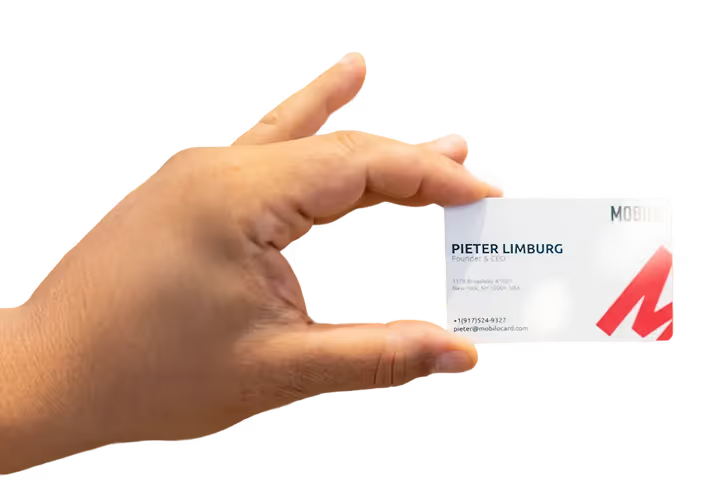
Trade shows are one of the most expensive bets in a sales budget. Booth fees, travel, staff time, and branded materials can push total event costs well past six figures for a mid-market team, yet post-show pipeline consistently falls short of projections. The frustrating part is that most sales directors assume the contact-exchange step is already solved. They watch their reps hand out cards, scan badges, and take it on faith that the data flows where it needs to go. See our digital business card for how this works in practice.
The common assumption is that the real problem must be hiding somewhere in the pitch, the booth design, or the giveaways, not in the data handoff itself. The standard trade show playbook focuses almost entirely on what happens on the floor. Booth design, elevator pitches, giveaways, rep positioning.

These are real levers, and they do influence how many conversations start. The problem is that a conversation is not a pipeline record. The moment a rep walks away from a badge scan or pockets a stack of contacts, the playbook goes silent on what happens next, and that silence is where most trade show ROI quietly disappears.
According to a 2024 analysis by Never Drop, up to 79% of marketing leads never convert into sales, with failure to follow up promptly and log contacts into the CRM identified as the primary cause. If your team walks away from a three-day show with hundreds of badge scans sitting in a CSV that nobody imports, you have not generated pipeline. You have generated a spreadsheet.
The 48-hour window after the show closes is when contacts are warmest and most reachable; every hour of delay shrinks the chance of a response. Teams using Mobilo's contact-capture workflow that routes contact data directly into the CRM turn that window into a structured follow-up queue that reps can work before the show floor even closes, no CSV imports, no manual re-entry, no waiting until Monday. Contact Exchange & Lead Capture delivers the greatest ROI for teams that attend events regularly and need a structured, repeatable system for lead follow-up; one-off exhibitors will see benefit, but the compounding advantage builds across the event calendar.
79% of marketing leads never convert into sales
Key takeaways
- 90% of new contacts collected at trade shows never enter a CRM, not because reps are bad at selling, but because the manual steps between conversation and CRM record are too friction-heavy to survive a three-day show.
- The contact-exchange step is the most expensive assumption in your event budget: most sales directors think it's solved, and most post-show pipelines prove it isn't.
- Pre-show system design determines post-show pipeline more than pitch quality, booth design, or giveaways, the leads you lose were lost before the floor opened.
- Rep fatigue by day three turns real buying conversations into dead-end business cards; the reps who convert consistently have removed the manual steps, not just the tired ones.
- Follow-up within 48 hours of the show closing is the single highest-leverage window, but personalized outreach requires contact data that actually made it into the CRM.
- Badge scans feel like lead capture; they rarely are, the data handoff between scanner, spreadsheet, and CRM is where the majority of qualified contacts disappear.
- Mobilo's Contact Exchange and Lead Capture closes that gap directly: when someone taps or scans a Mobilo card, their information is captured and fed into your CRM in real time, no manual entry, no lost contacts, no follow-up left to chance.
The Hidden Cost of Trade Show Lead Leakage: and What It's Doing to Your Pipeline
Most event teams assume the contact-exchange problem is solved the moment a badge gets scanned or a card changes hands. The real leak happens later, when fatigued reps face a backlog of handwritten notes, pocketed cards, and mental promises to log everything on the flight home. What follows breaks down exactly where that breakdown occurs and how removing the manual step entirely keeps day-three conversations from dying the same death as day-one ones.
Why Rep Fatigue Kills Day-Three Conversations
The common assumption is that the contact-exchange step is solved: teams hand out cards, scan badges, and assume the data flows. The real problem must be in the pitch, the booth design, or the giveaways, not in the data handoff. By the third day of a multi-day show, a rep who has had 40 conversations in 36 hours is running on coffee and habit. A contact met on day three gets a business card pocketed with good intentions and a mental note that never becomes a CRM record. Manual lead logging after a multi-day event is structurally error-prone: fatigue compounds illegible notes, misattributed conversations, and the simple reality that most reps plan to "do it on the flight home" and then don't.
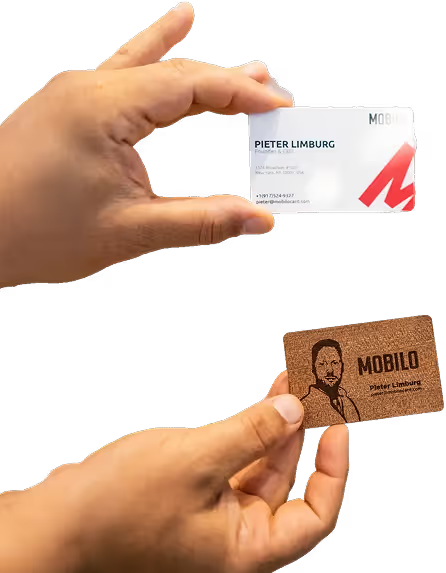
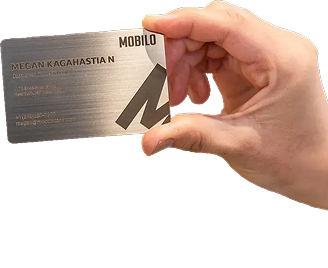
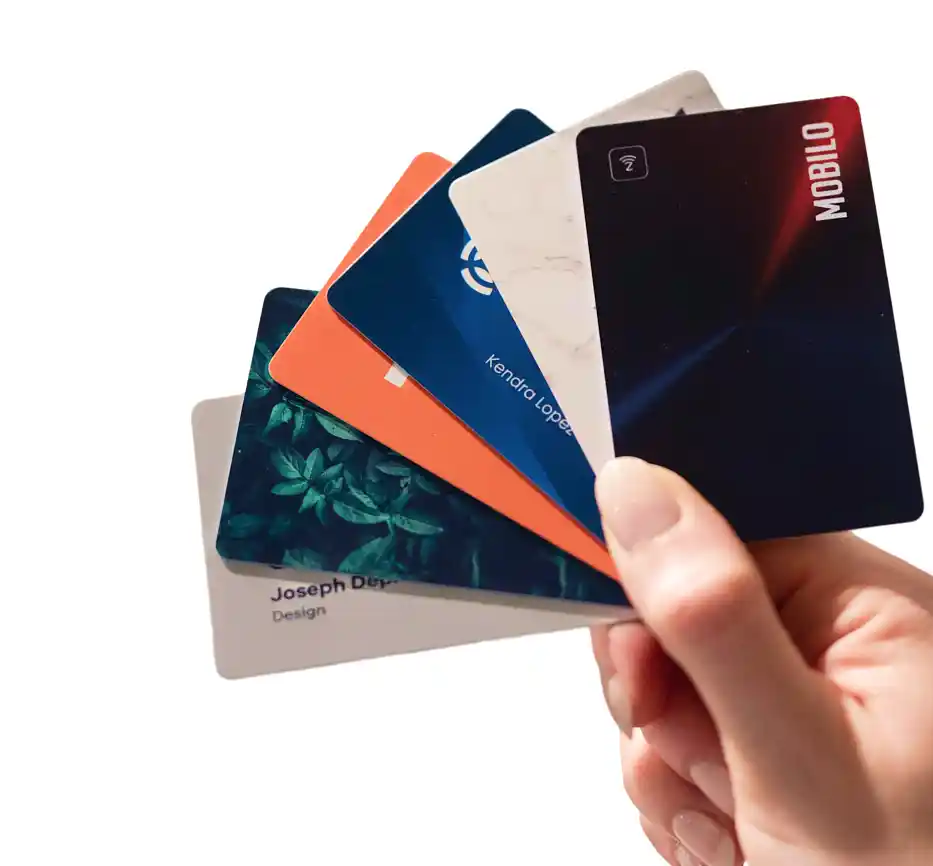
The contact is lost not because the rep failed, but because the system asked too much of human memory at the worst possible moment. What actually closes the gap is arming field marketing and event teams with tools that capture leads efficiently and feed data directly into the CRM pipeline, removing the manual step entirely rather than asking exhausted reps to compensate for it. Mobilo's Teams plan ($4/month per member, billed annually) is built precisely for this scenario: every tap or scan on a Team NFC card, whether a Custom Design Card, a Metal card, a Wood card, or a Paper Plus card, routes contact data directly into your CRM without a rep lifting a spreadsheet, exactly what a day-one conversation does.
Even reps who haven't yet received a physical card can participate immediately via the Team Digital Wallet Card, meaning there is no delay between onboarding a new team member and putting a capture-ready card in their hands.
The Black-Box Problem - Why Sales Managers Can't See the Show Floor
The show floor operates as a visibility black box for most sales managers. According to industry research, 80% of trade show leads receive zero follow-up across 20 major US shows, a number that should alarm any Sales Director who approved the booth budget. Without real-time capture tied to a CRM, managers only discover the gap 30 days later when post-show pipeline looks nothing like the badge-scan count from the event app.
The structural fix is visibility, not post-event audits. Mobilo's Teams and Business plans both include full insights and analytics, giving managers the ability to see which reps are actively networking and converting connections into pipeline, in real time, not in a retrospective. The Business plan ($5/month per member, billed annually) adds team management, HR directory sync, enterprise SSO, and central billing, so large field teams can be governed, not just observed.
For organizations deploying 100 or more seats, white-glove onboarding and a custom-built landing page are also available, ensuring the entire team is capture-ready before the show floor opens. At either tier, every card variant, from the Custom Design Card to the Wood and Metal NFC options, supports full team data analytics and CRM integrations, with administrators able to control, lock, and override data fields so the records that reach the CRM are clean and consistently structured. The result: sales managers gain the real-time show-floor visibility that leads to meaningful follow-up, and can finally demonstrate marketing's contribution to pipeline and revenue rather than defending a badge-scan number that never became a deal.
Related Reading
- Etiquette For Networking In Online Conferences
- Measuring Event Roi
- Trade Show Follow Up Best Practices
- How Do You Find The Roi Of A Trade Show
- Trade Show Sales Funnel
- What Is Trade Show Marketing
- Event Lead Management
- B2b Trade Show Best Practices
- Conference Lead Generation
- B2b Trade Show Marketing
- Trade Show Lead Follow Up
Pre-Show Planning and Goal Setting: 6 Trade Show Sales Tips to Arrive Ready to Close
Before the show floor opens, most of the decisions that determine your post-show pipeline have already been made or missed. That is not an exaggeration. A significant share of trade show leads never receive any follow-up after the event, which means the problem is not the pitch or the booth design.
The problem is that no one built the system to receive the contacts before the show started. Pre-show planning is not merely a logistics exercise; it is the single greatest determinant of whether post-show follow-up is even possible. Because badge scans and card exchanges produce incomplete, context-free records, teams that fail to define qualification criteria and conversation scripts before the show floor opens are structurally guaranteed to generate a contact graveyard, regardless of how many interactions their reps have. Pre-show planning is pipeline architecture. Every choice you make in the weeks before the event determines how cleanly data flows after it.
1. Set SMART Goals Tied Directly to Revenue Outcomes
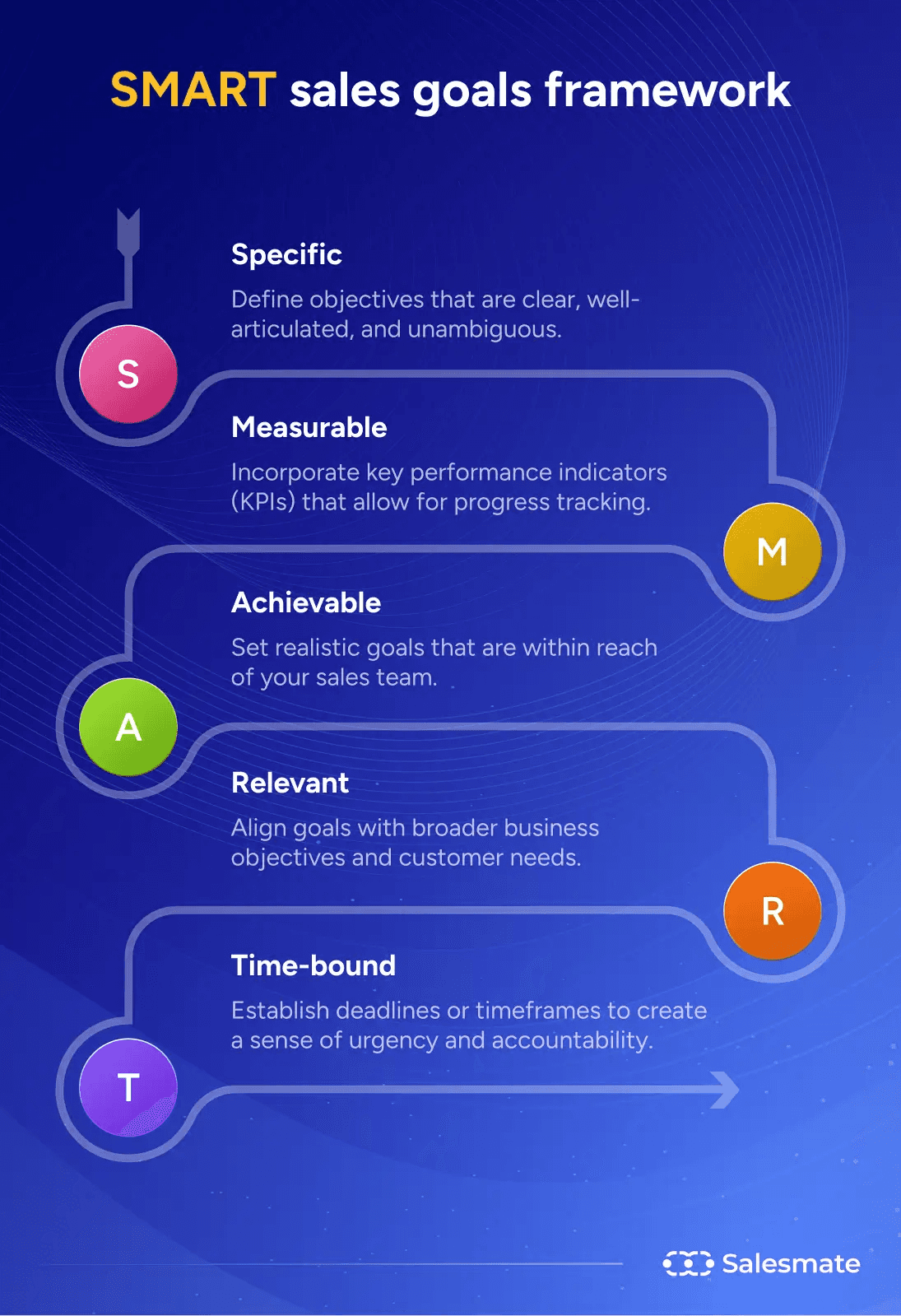
Before the show floor opens, sales teams that win define goals in SMART terms, specific lead counts, pipeline dollar targets, or signed demos, not vague intentions like 'get exposure.' This discipline forces alignment between marketing spend and sales quotas. The tradeoff: overly rigid numeric targets can cause reps to rush conversations and disqualify borderline prospects who might convert later with proper nurturing.
2. Research the Attendee List and Pre-Qualify Prospects in Advance
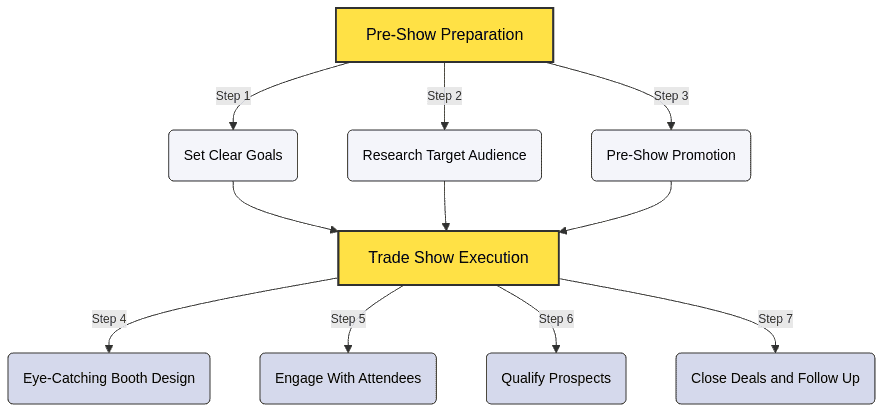
Most shows publish attendee or exhibitor lists weeks ahead. Sales reps who mine these lists, cross-reference LinkedIn, and flag tier-one targets arrive with a prioritized hit list rather than hoping the right buyer wanders in. This single habit dramatically reduces cost per qualified lead. The limitation: attendee lists are often incomplete or outdated, so treat them as a starting point rather than a definitive roster.
3. Book Meetings Before the Show Opens Using Outbound Outreach
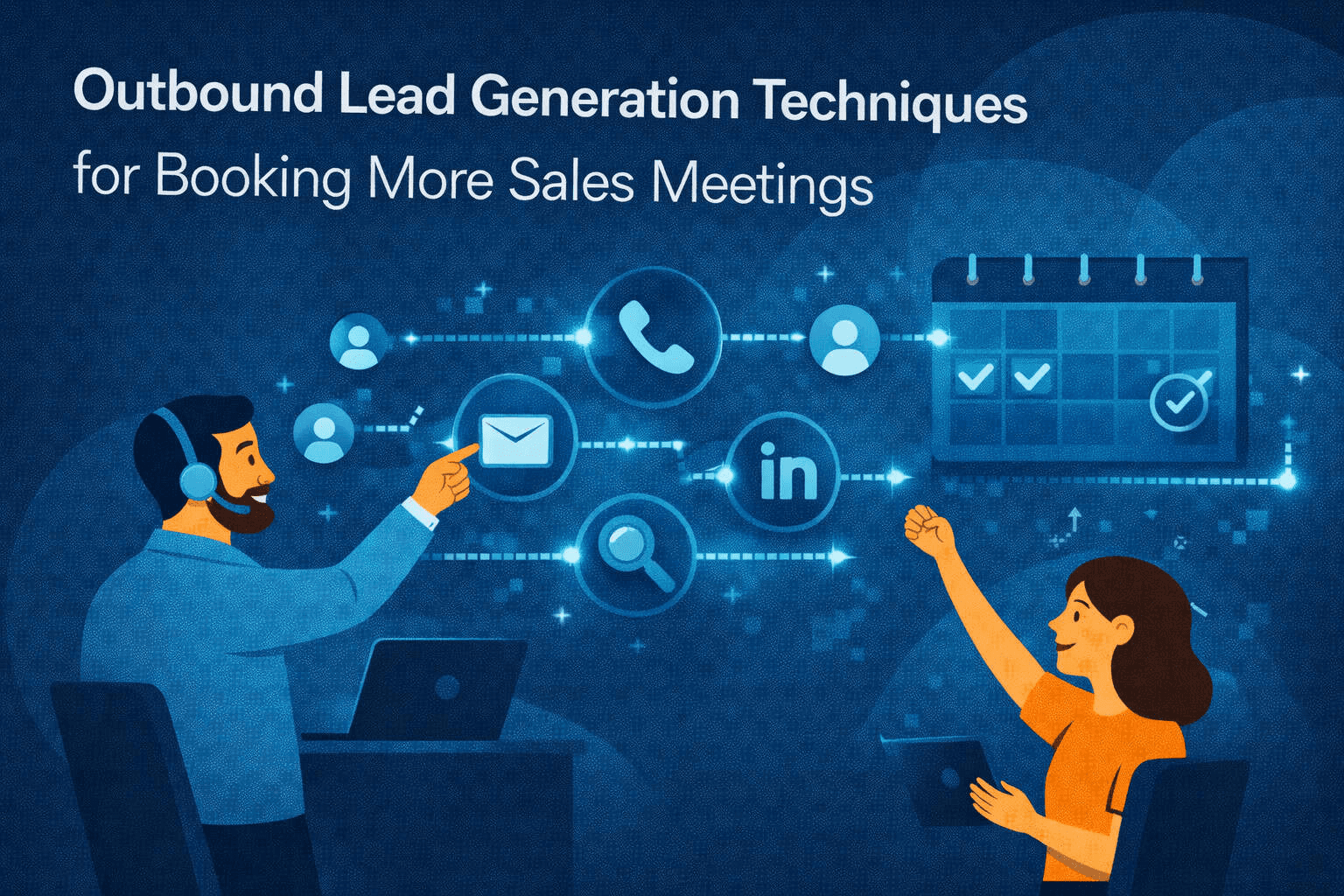
Emailing or LinkedIn-messaging target accounts four to six weeks out to schedule 15-minute booth appointments converts the chaotic show floor into a structured sales calendar. Teams that pre-book even five to ten meetings consistently outperform those relying solely on walk-in traffic. The real tradeoff is time investment, effective pre-show outreach requires personalized messaging, not mass blasts, which demands meaningful rep hours before the event.
4. Develop a Concise, Benefit-Led Booth Sales Script for Every Rep
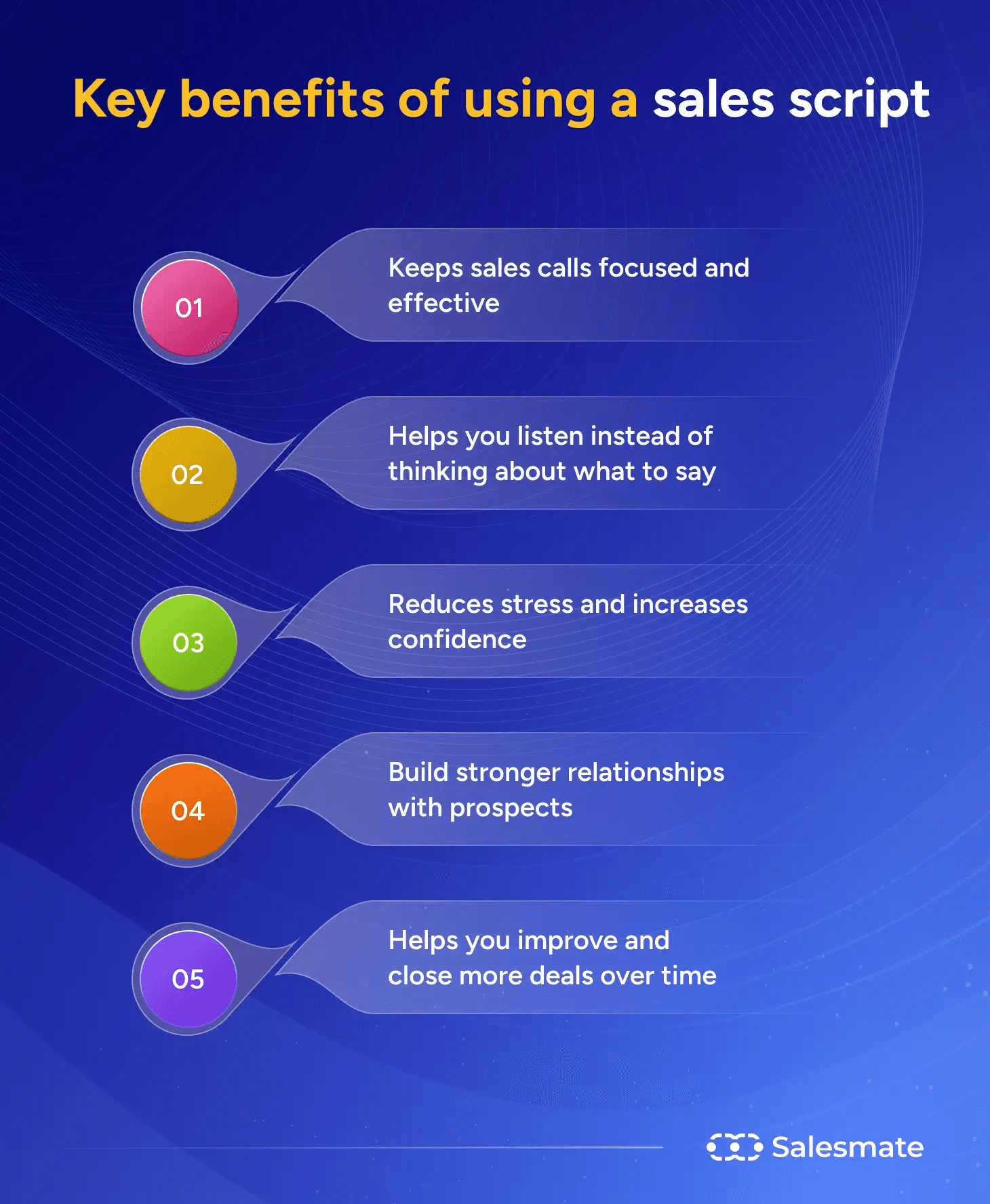
A tight 30-second opening script that leads with the prospect's likely pain point, not your product features, ensures every rep delivers a consistent, compelling first impression regardless of experience level. Scripting also speeds qualification by embedding two or three discovery questions naturally into the opener. The tradeoff: scripts can sound robotic if reps don't internalize them, so rehearsal and role-play sessions are non-negotiable before day one.
5. Define Your Lead Qualification Criteria Before You Hit the Floor
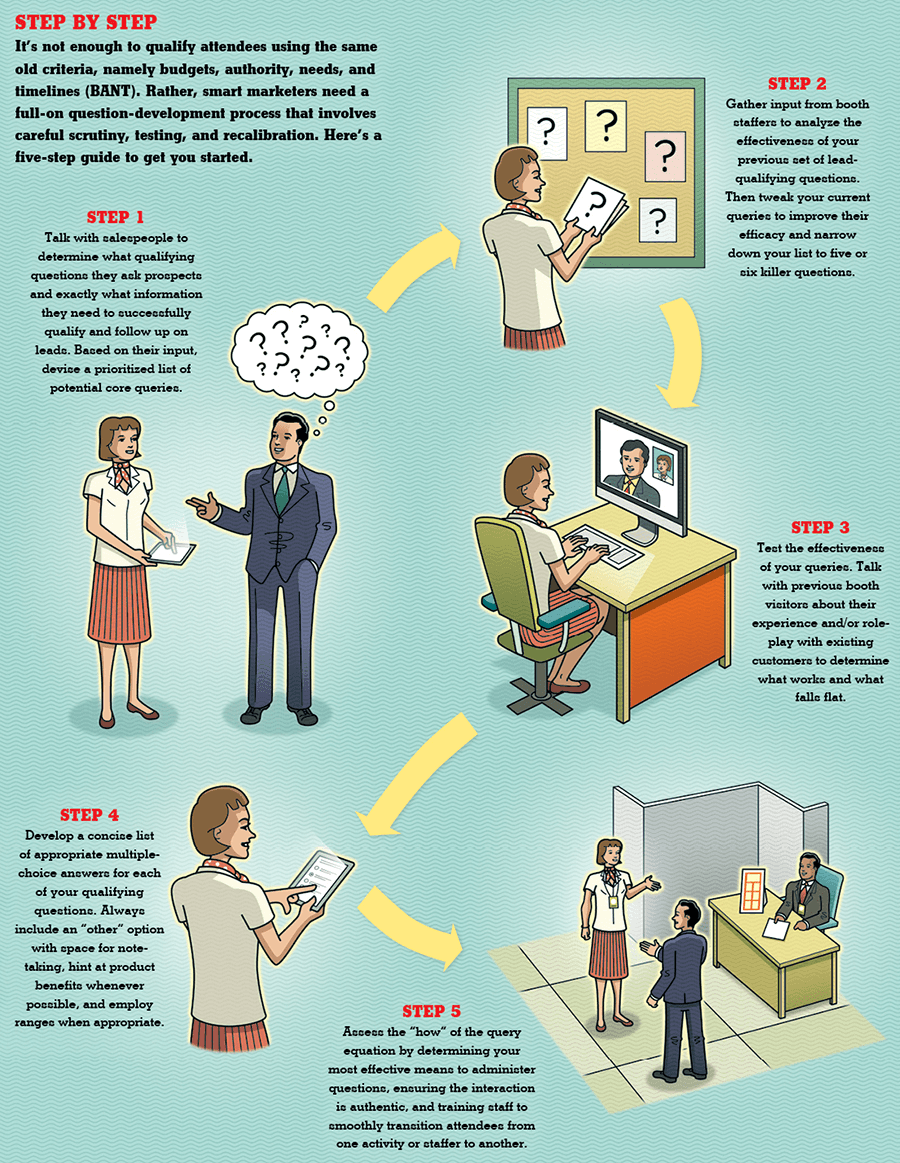
Agreeing on what constitutes a hot, warm, or cold lead, budget authority, timeline, use case fit, before the show prevents reps from collecting hundreds of badge scans that clog the CRM and waste post-show follow-up resources. A shared qualification rubric also lets junior staff triage conversations confidently. The limitation: qualification criteria set in the office sometimes miss nuanced buying signals that only emerge in live conversation, so build in flexibility.
6. Align Booth KPIs with Post-Show Follow-Up Workflows Before Departure
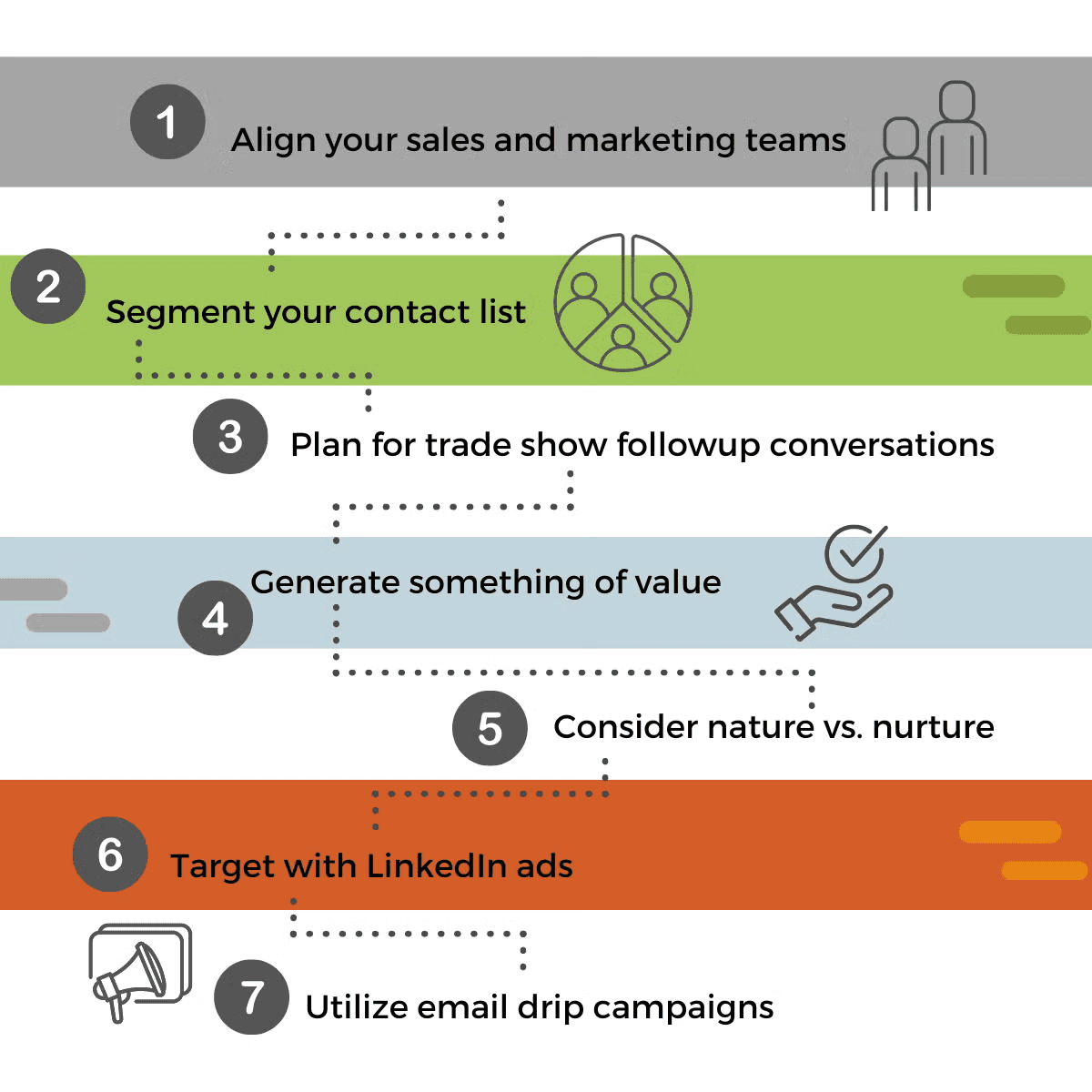
The most overlooked pre-show sales tip is designing your follow-up sequence before you leave the office, templated emails, CRM fields, and owner assignments ready to fire within 24 hours of each day's close. Teams that build this infrastructure in advance convert significantly more leads than those scrambling post-event. The tradeoff: it requires cross-functional coordination between sales and marketing ahead of time, which can be difficult in leaner organizations.
Proactive Booth Engagement Strategies: 6 Trade Show Sales Tips to Own the Floor
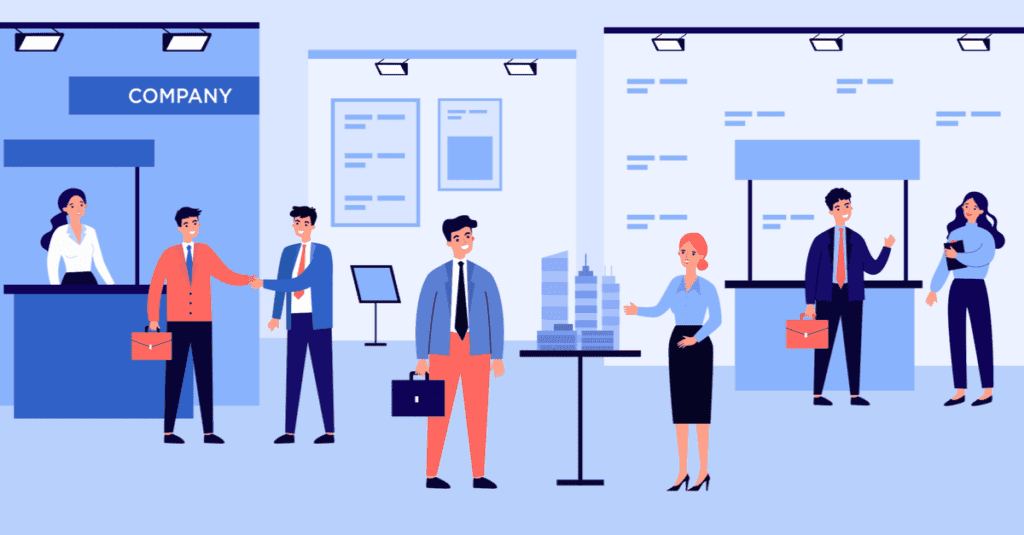
Walk onto any busy trade show floor and you'll notice the same pattern: most booths are staffed by reps standing behind a table, arms folded, waiting. It feels professional. It is, in practice, a volume killer. According to Cvent's 2025 trade show research, 81% of attendees carry real buying authority, meaning the person who just glanced at your display and kept walking was likely a qualified prospect, not a tire-kicker. The problem is not foot traffic. The problem is that passive presence burns through that traffic without converting it.
The reps who consistently generate the most qualified conversations treat the booth floor as a structured sales process. Every interaction has an entry point, a qualification gate, and a committed next step. Here are six tactics that separate those reps from the ones who spend three days being friendly and come home with a fistful of contacts that go nowhere.
Step Into the Aisle
Booth boundaries are psychological, not physical. Reps who stand at the front edge of the aisle, or take a half-step into it, intercept attention before a prospect has already decided to walk past. The window is narrow: Cvent's 2025 data puts it at roughly three to five seconds before an attendee mentally files your booth as "not for me." Positioning is the first qualification gate, and it costs nothing to change.
1. Step Out From Behind the Table and Intercept Foot Traffic
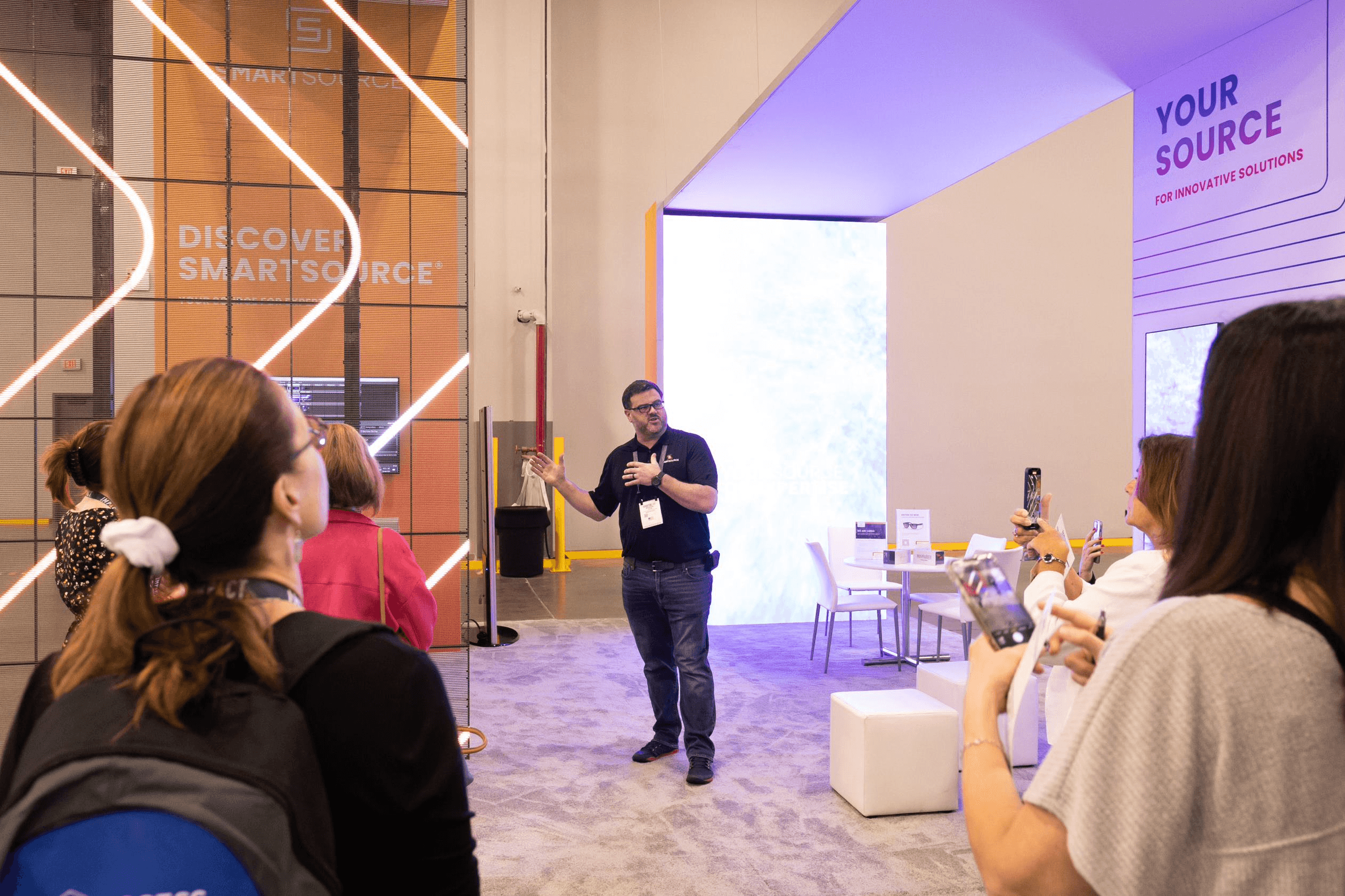
One of the highest-impact trade show sales tips is physically positioning yourself at the booth perimeter rather than sitting behind a table waiting. Reps who step into the aisle and initiate brief, low-pressure greetings intercept far more prospects than passive exhibitors. The tradeoff: it demands sustained energy across a full show day and can feel intrusive if not executed with genuine warmth and a relaxed opener.
2. Open With a Curiosity-Driven Question, Not a Product Pitch
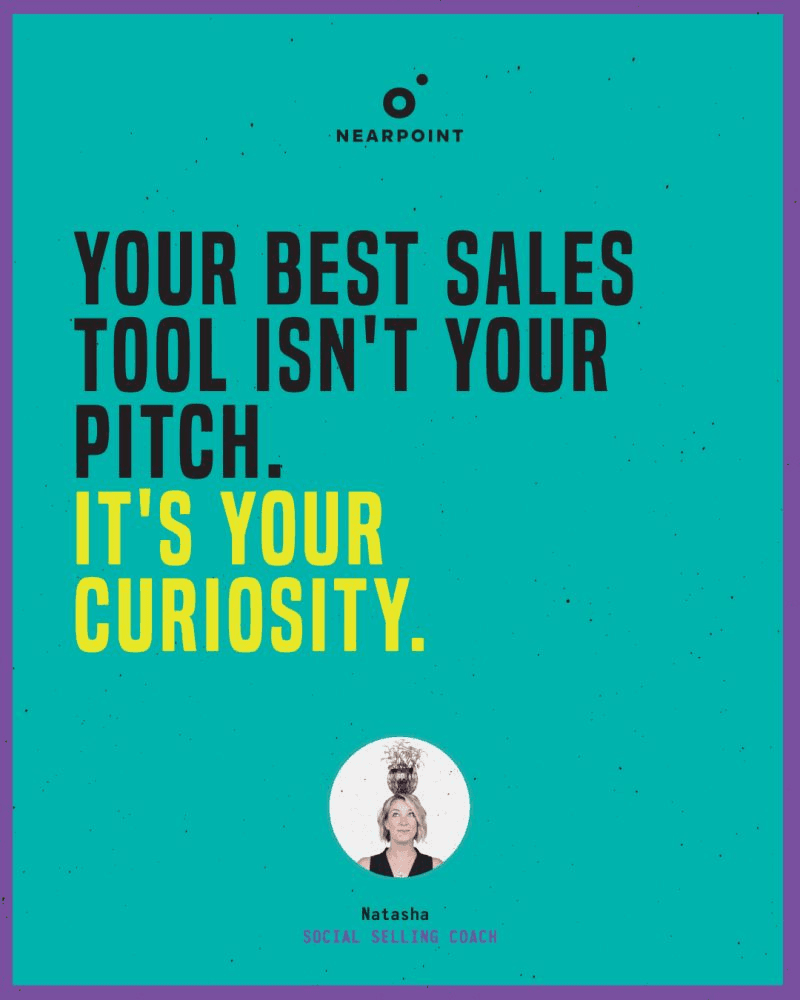
The opener that works on the floor is not a product statement. It is a short, genuine question tied to what the attendee already told you by showing up: "What brought you to the show this year?" Nearly 76% of attendees say seeing new products is their primary reason for attending, so that question lands naturally and opens a real conversation instead of triggering a polite escape. Save the pitch for after you know who you are talking to.
3. Use Open Body Language and Deliberate Eye Contact to Signal Approachability

Nonverbal cues, uncrossed arms, forward-leaning posture, and sustained but natural eye contact, communicate confidence and openness before a single word is spoken. For booths in high-traffic halls, this silent selling layer can draw hesitant attendees in without any verbal prompt. The real tradeoff is consistency: maintaining energetic, open body language across a multi-day event is physically taxing and requires deliberate team rotation to avoid visible fatigue.
4. Qualify Leads Rapidly With a Two-Question Triage Framework
Top-performing booth reps don't treat every visitor equally, they use two targeted qualifying questions within the first ninety seconds to separate genuine buyers from browsers. Asking about current solutions and decision timelines lets reps allocate deep-dive time to high-value prospects while gracefully transitioning low-fit visitors. The limitation is that overly clinical questioning can feel transactional; reps must embed qualifiers naturally inside a conversational flow.
5. Anchor Every Conversation to a Specific Next Step Before the Visitor Walks Away
A trade show conversation without a committed next step is a missed opportunity regardless of how well it went. Whether it's a scheduled post-show call, a coffee meeting on the floor, or a confirmed demo date, locking in a concrete action before parting converts warm interactions into pipeline. The tradeoff: pushing for commitment too early in a conversation can feel presumptuous, so reps must read readiness signals carefully before transitioning to the close.
6. Leverage Interactive Booth Elements to Create Natural Conversation Entry Points
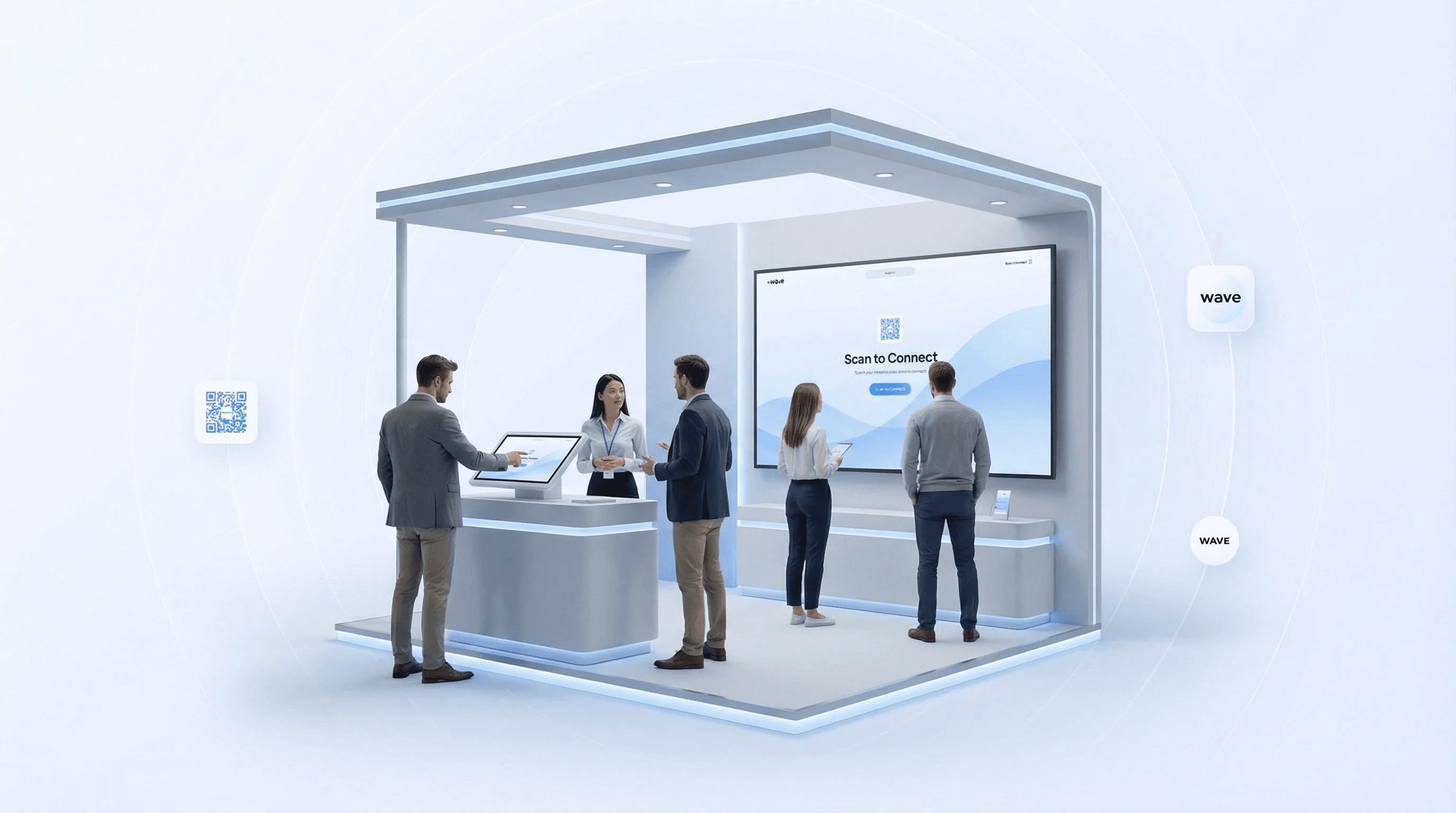
Interactive stations, product demos, touchscreen configurators, or even simple analog games, give attendees a reason to stop and engage on their own terms, reducing the social friction of a cold approach. This is particularly effective for brands selling complex or visual products where hands-on experience accelerates conviction. The key limitation is setup cost and maintenance; interactive elements require pre-show investment and dedicated staff to facilitate rather than just observe.
Lead Capture and Qualification: 6 Trade Show Sales Tips to Stop Contacts Falling Through the Cracks
The badge beeps. The rep pockets the lanyard. And somewhere between the convention center and the office, that contact joins the same pattern holds.com/blog/260129-messy-crm-clean-lose-clients-hubspot/). The volume game feels productive on the floor.
It rarely is. The failure is not in the number of conversations your reps have. It is in what happens to the data afterward.
Badge-scan CSVs arrive with missing emails, outdated titles, and zero context. Paper cards get stacked on a hotel desk and photographed with good intentions. Then a three-day show ends, reps board flights home exhausted, and the manual re-entry task that was supposed to take an afternoon stretches into a week, or never happens at all.
Sales teams we work with consistently describe the same pattern: leads and follow-ups falling through the cracks not because reps failed to have good conversations, but because there was no automation, no centralized tracking, and no system to close the loop after the floor cleared. Here is the synthesis that most event-sales breakdowns miss: the 48-hour follow-up deadline and the [88% business-card discard rate are not two separate problems, they are the same problem compounding in sequence.
Paper and badge-scan methods guarantee most contact data will never reach the CRM, and for the small fraction that does survive manual entry, decay has already begun because the entry delay consumes the very window in which follow-up converts. The capture method and the follow-up window are a single, unified failure point. These six tips address that failure directly.
Capture Offline When Convention-Center WiFi Fails
Convention-center WiFi is notoriously unreliable, and a dropped connection should never mean a dropped lead. Mobilo's no-internet QR sharing capability, included on every plan, from Pro ($3/month) through Teams and Business, means reps can share their digital profile and capture contacts even when connectivity is zero, with records queuing for sync when the connection is restored. This matters most during peak floor hours when hundreds of exhibitors are competing for the same bandwidth.
A contact captured offline and synced at the hotel that evening is infinitely more valuable than a contact not captured at all because the app timed out. And because reps can share contact information and digital profiles instantly without running out of physical cards, there is no card-stack problem to photograph later, the exchange happens in the moment, regardless of the internet situation.
Check for Duplicate CRM Records at the Point of Capture Industry data suggests that a significant share of B2B CRM databases contain duplicate contact records, which means a portion of the contacts your reps capture at every show already exist in the system under a different email or a former company. Checking for duplicates at the point of capture, rather than during a post-show cleanup sprint, prevents your pipeline reports from inflating on day one and deflating painfully when ops merges the records two weeks later. Mobilo's lead enrichment feature, available on all three subscription tiers, surfaces and supplements contact data at the point of capture, and the platform's 6,000 integrations through Zapier mean it can connect directly to whichever CRM your ops team relies on to flag existing records in real time.
Assign Contact Ownership and Next-Step Accountability Before the Floor Closes
A CRM record with no owner is a lead that belongs to no one, and a lead that belongs to no one gets followed up by no one. The final discipline that separates teams who convert event pipeline from teams who report on it is assigning explicit ownership and a defined next step to every contact before the rep leaves the hall, not during the Monday morning debrief when memory has faded and inboxes have filled. This means the CRM record created at the point of capture should carry three fields beyond contact data: assigned rep, next action, and next-action date.
Hot contacts should leave the floor with a calendar hold already sent. Warm contacts should have a sequence entry confirmed. Nurture contacts should be enrolled in an automated cadence so no manual follow-through is required from the rep at all.
Mobilo's team management dashboard, available on the Teams and Business plans, gives sales managers visibility into which reps have open unassigned contacts in real time, so ownership gaps surface on the floor rather than in a post-show audit. Combined with the platform's direct CRM integrations across more than 6,000 tools through Zapier, the assignment and sequence enrollment can trigger automatically the moment the contact is tagged, removing the human bottleneck that is where most post-show pipeline quietly expires.
1. Replace Paper Business Cards with a Digital Lead Form at Every Booth Conversation
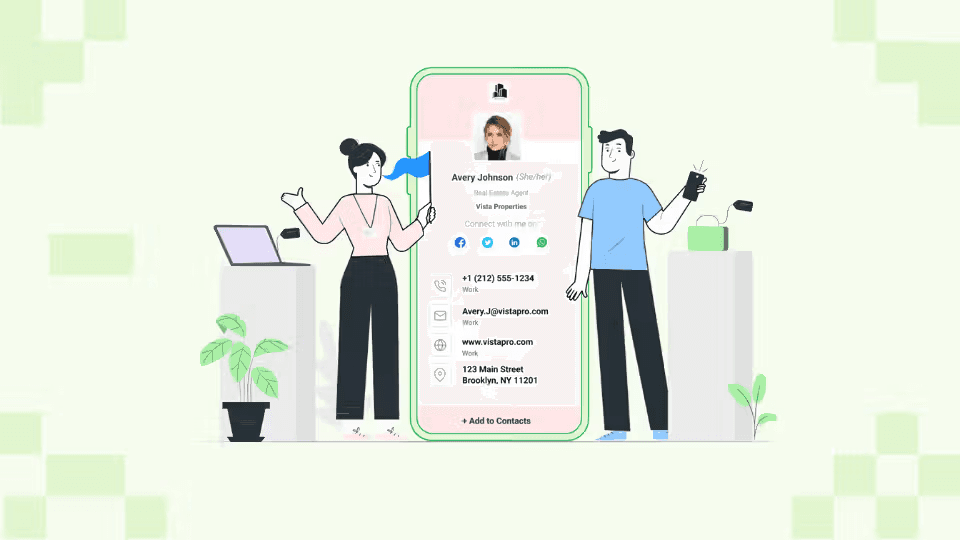
Paper cards get lost in jacket pockets and never make it into your CRM. Switching to a structured digital lead form, completed on a tablet or phone during the conversation, ensures every contact is captured with consistent fields from the first moment. The tradeoff: reps need brief training to avoid fumbling with the device mid-conversation, which can disrupt rapport with a warm prospect.
2. Use a Lead Qualification Scoring Framework Before the Show Ends Each Day
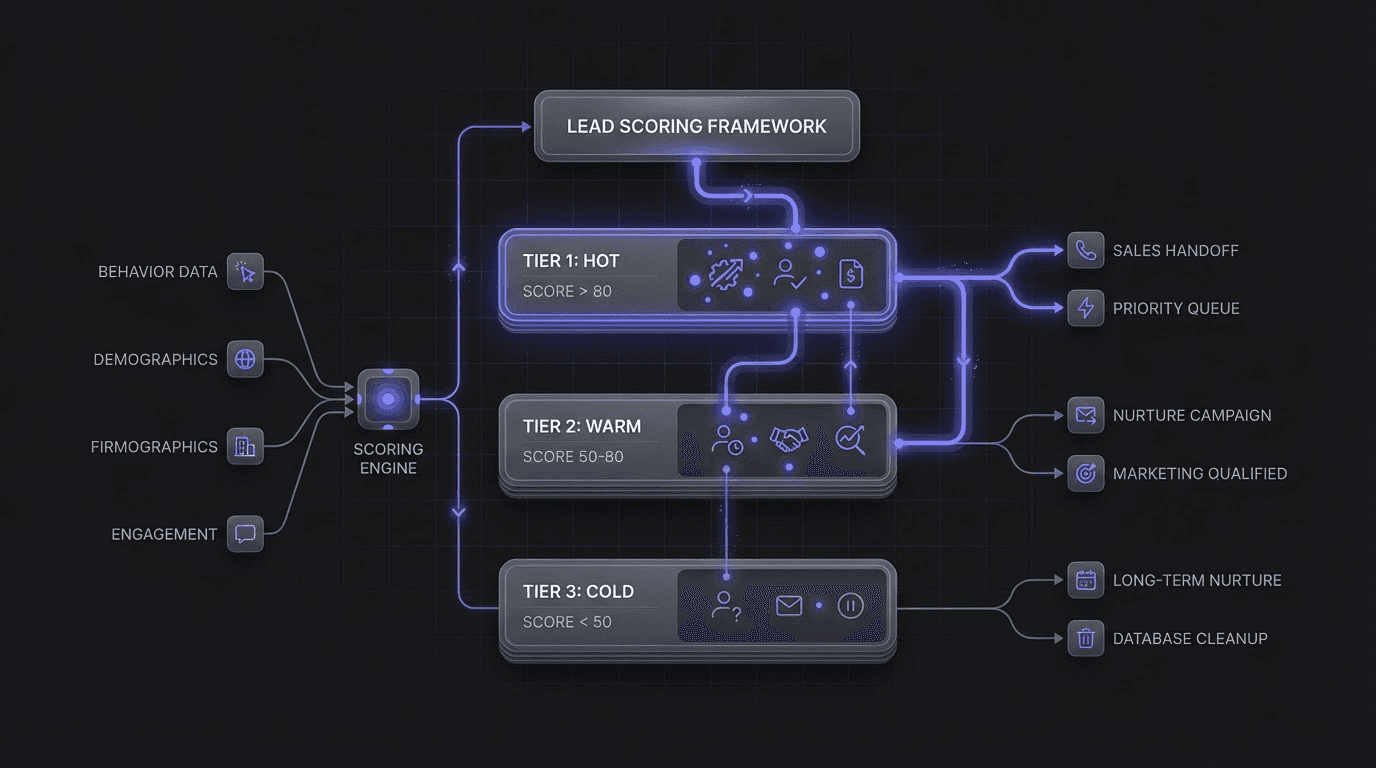
Not every badge scan is equal, a facilities manager browsing versus a VP of Procurement with a live budget are fundamentally different opportunities. Applying a simple A/B/C tier or BANT-style criteria (Budget, Authority, Need, Timeline) to each contact while the conversation is still fresh prevents hot leads from being buried under a pile of cold ones. The limitation: scoring adds 60–90 seconds per contact, which strains reps during peak booth traffic.
3. Scan Badges Directly into Your CRM to Eliminate Manual Data Re-Entry
Image: Trade Show Sales Tips - scan badges directly into
Manual re-entry of badge data after a show is where leads die, typos, delays, and sheer volume mean contacts slip through. Badge-scan-to-CRM tools capture name, title, company, and email in seconds and push the record directly into your pipeline. The real tradeoff is that badge data from organiser systems is often incomplete or outdated, so reps still need to verbally confirm key qualification details during the scan.
4. Check Existing CRM Records at the Point of Capture to Prevent Duplicate Contacts
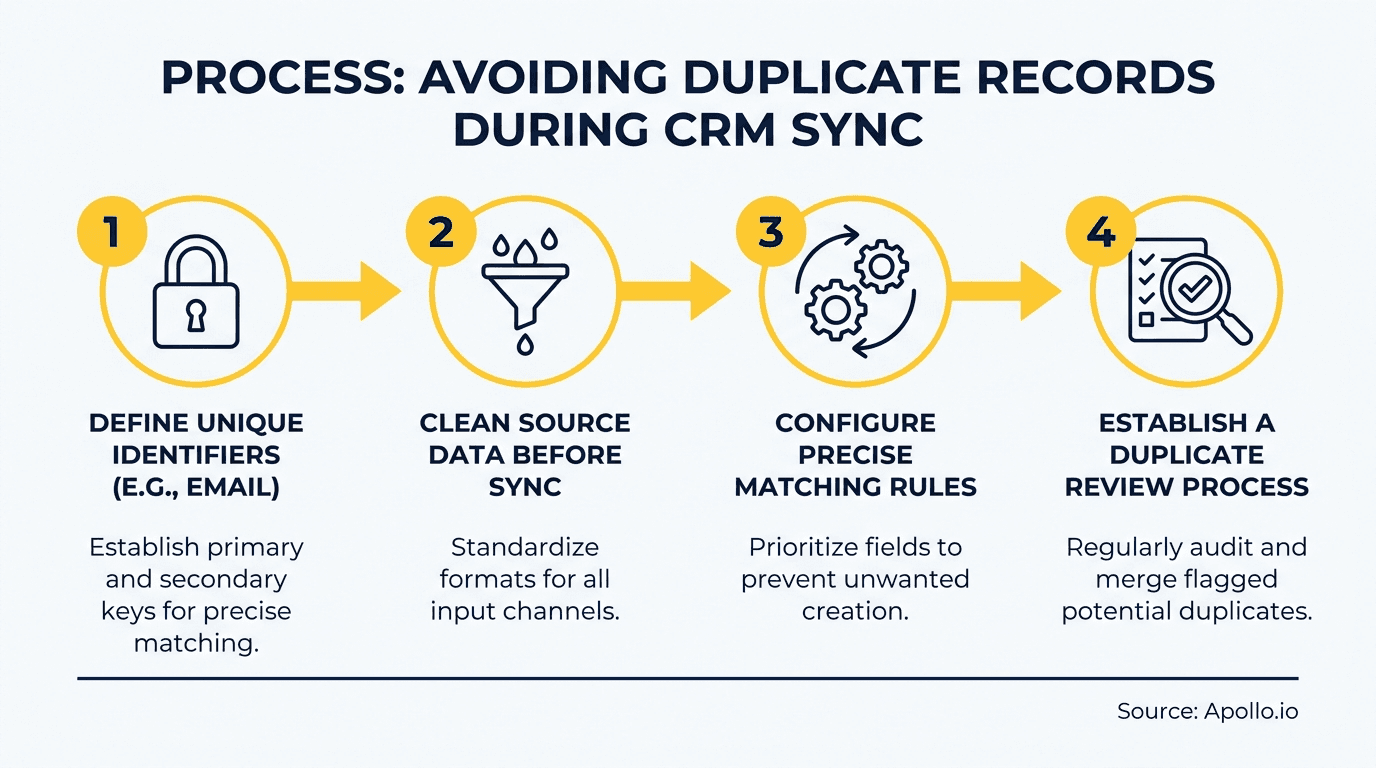
Most lead capture workflows treat every badge scan as a brand-new stranger, even when that person is already a known contact or active opportunity in your CRM. Matching against existing records at the moment of capture surfaces prior context, deal history, and account ownership instantly, so your rep can have a far more informed conversation. The limitation: this requires your CRM to be reasonably clean and deduplicated before the show, or the matching logic surfaces confusing duplicates.
5. Build a Three-Phase Follow-Up Sequence Before You Leave the Show Floor
The window for post-show follow-up is brutally short, prospects move on within 48–72 hours. Drafting a tiered follow-up sequence (same-day personalised email, day-three value touchpoint, day-seven call attempt) before the event ends means your team executes immediately rather than scrambling on Monday morning. The tradeoff: templated sequences feel generic unless reps add a specific detail from the booth conversation, which requires disciplined note-taking during the show.
6. Route Qualified Leads to the Right Sales Rep Automatically Based on Territory or Segment
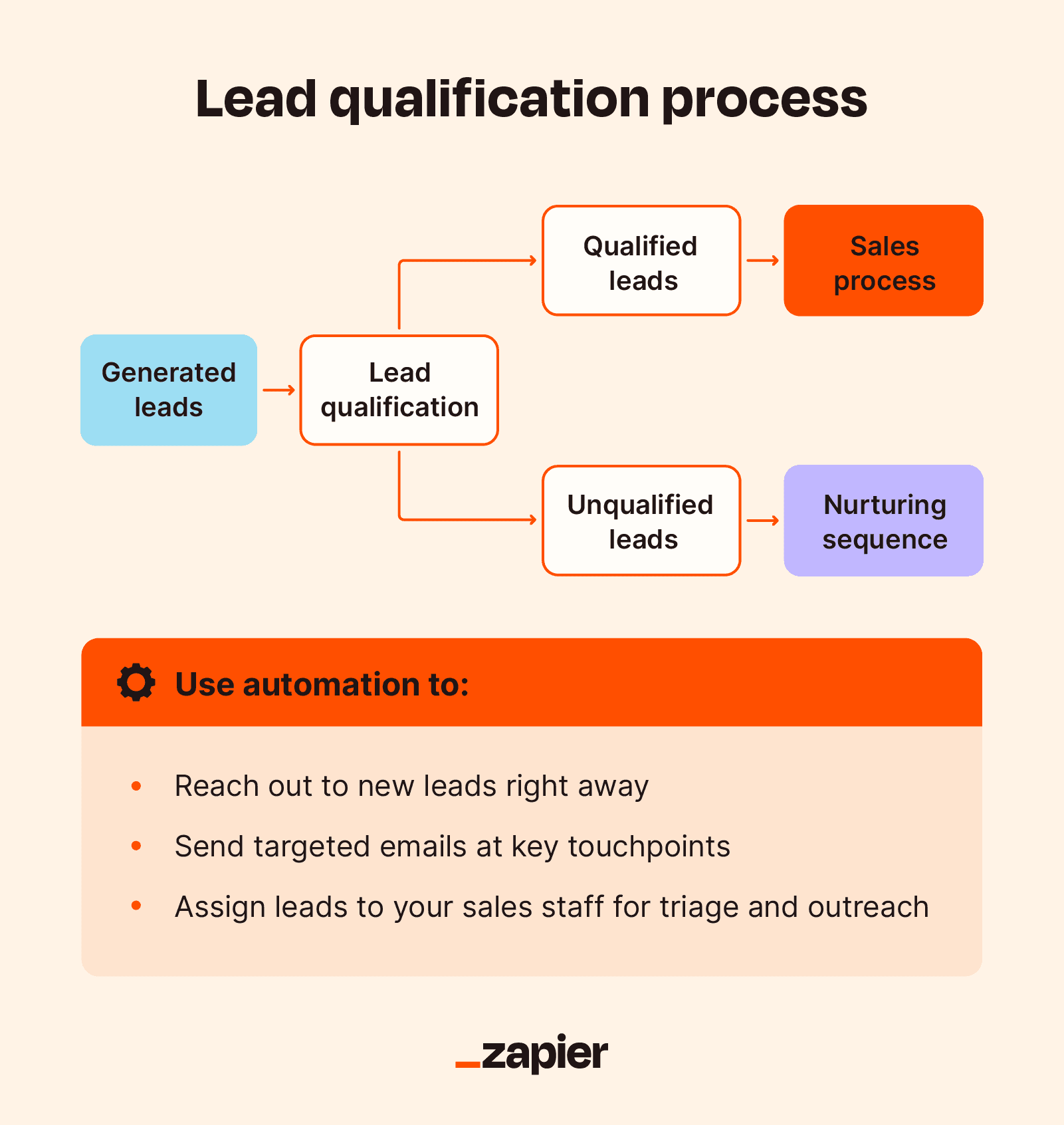
A qualified lead that sits unassigned for three days while your team figures out who owns the account is a lead that goes cold. Automated lead routing, by geography, company size, industry vertical, or named account list, ensures the right rep receives the contact record within minutes of capture, with full context attached. The limitation: routing rules require upfront configuration and break down when territory boundaries or team structures change mid-year without a corresponding rules update.
Related Reading
- Which Networking Software Is Best For Conferences
- Trade Show Booth Ideas To Attract Visitors
- Conference Lead Capture
- How To Measure Trade Show Effectiveness
- Virtual Event Success Metrics
- Trade Show Roi
- Trade Show Lead Generation Ideas
- What's The Best Event Lead Generation Software
- Post-Trade Show Marketing Strategies
- Best Trade Show Giveaways
Follow Up After the Show: 6 Trade Show Sales Tips to Turn Contacts Into Closed Deals
Forty-eight hours after the show floor closes, most follow-up sequences have already failed. Not because reps forgot to send emails, but because the contact data needed to personalize those emails never made it into the CRM in a usable form. Research on trade show follow-up confirms that outreach within 48 hours drives conversion rates 5x higher than outreach sent later in the week. Yet a significant share of booth contacts receive no follow-up at all, because the handoff from conversation to CRM record was never completed. These six tips treat post-show follow-up as a system output, not a rep discipline problem.
Review Team Signal Yield on Day Two, Not Day Thirty
A manager reviewing rep-level lead capture data on day two of the show can coach in real time: a rep with zero logged contacts by noon needs a different conversation than one after the 30-day pipeline review. Waiting until the monthly CRM audit to discover the handoff gap means the leads are already cold and the coaching is retrospective. Visibility into which reps are generating pipeline-worthy contacts during the event is what converts a trade show from a cost center into a measurable revenue input.
After initial team setup is complete, the insights and analytics dashboard available on the Teams plan ($4/month, billed annually, unlimited team members) and the Business plan ($5/month, billed annually) gives managers that real-time view, broken down by rep, so course corrections happen on the show floor, not in a retrospective slide deck. The Teams plan also includes team management and the ability to control, lock, and override data fields across every card, which means the segmentation taxonomy built before the show stays intact regardless of how many reps are working the booth. These six follow-up tips are the tactical playbook, but executing them consistently across a large team requires more than good intentions and a shared spreadsheet.
The next section shows the single operational layer that ties all 24 tips together and makes the system run without relying on rep memory, post-show data-entry discipline, or a marketing-ops sprint to import a CSV that arrived four days after the show closed.
1. Strike Within 24 Hours While the Conversation Is Still Fresh
Speed is the single biggest differentiator in post-show conversion. Contacts remember booth conversations vividly for roughly 24 hours before competing exhibitors blur together. Sales reps who send a personalized email or make a call the same evening or next morning consistently report higher reply rates. The real tradeoff: rushing outreach before leads are properly logged in your CRM risks sending generic messages that kill the warm rapport you built on the floor.
2. Segment Leads Into Hot, Warm, and Cold Tiers Before You Write a Single Email
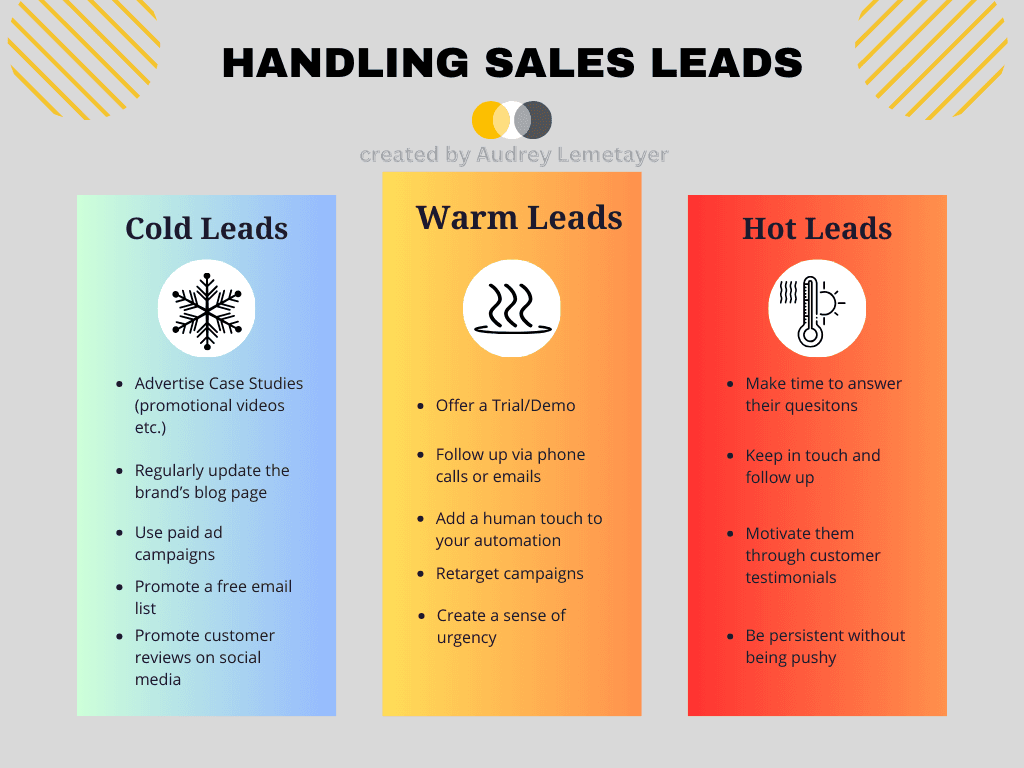
Treating every scanned badge the same is one of the most common trade show sales mistakes. Segmenting contacts by expressed buying intent, hot prospects who asked for a proposal, warm leads who showed interest, and cold contacts who just grabbed a brochure, lets you tailor message urgency, offer, and cadence precisely. The tradeoff is time investment upfront; teams without a structured lead-scoring rubric often skip this step and blast one generic sequence to everyone.
3. Reference a Specific Booth Moment in Every Follow-Up Message
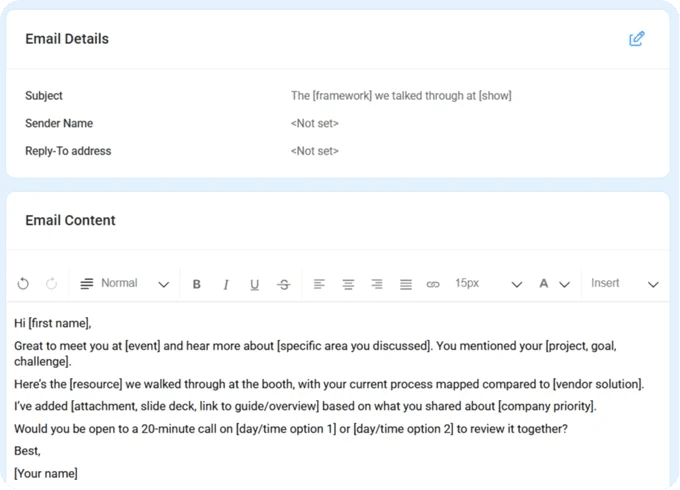
Generic 'Great meeting you at the show!' emails get deleted. Mentioning a specific detail, the problem the prospect described, the demo they watched, or the joke they made, signals genuine attention and rebuilds the emotional connection from the floor. This tactic works especially well for hot and warm leads where a real conversation occurred. The limitation: it requires reps to capture brief contextual notes at the booth in real time, which demands discipline during high-traffic show hours.
4. Build a 5-Touch Sequence That Spans Email, Phone, and LinkedIn
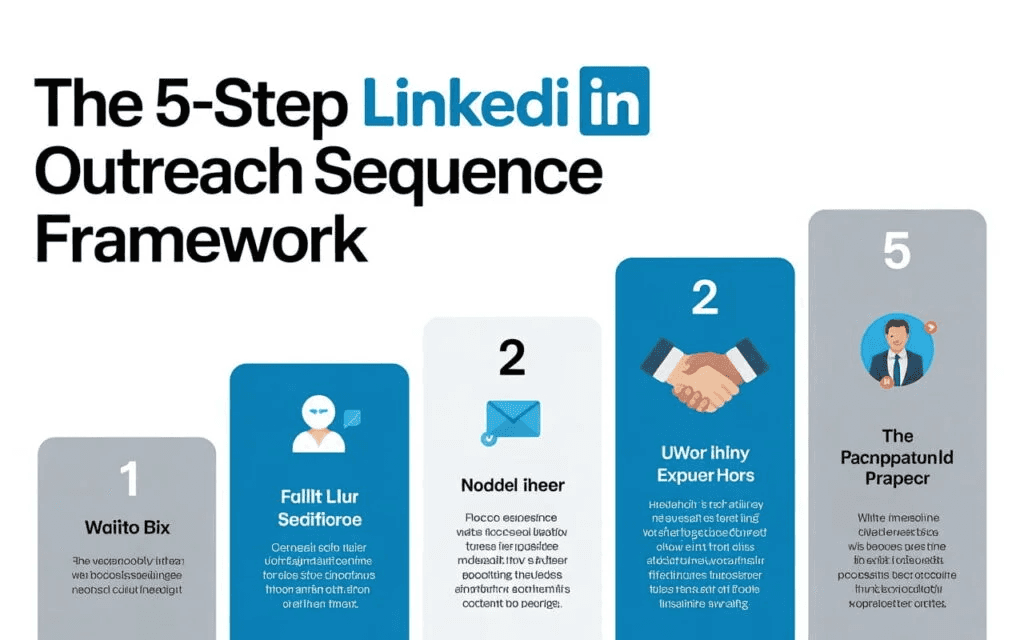
A single follow-up email rarely closes a deal. A structured multi-channel sequence, opening email, LinkedIn connection request, voicemail, value-add email with a resource, and a final breakup message, keeps your brand visible across the channels prospects actually use. This approach is best suited for warm and hot leads with verified contact details. The tradeoff is sequence fatigue; over-touching cold contacts who never engaged at the show can damage brand perception and trigger spam flags.
5. Deliver a Concrete Next Step, Not Just a 'Checking In' Message
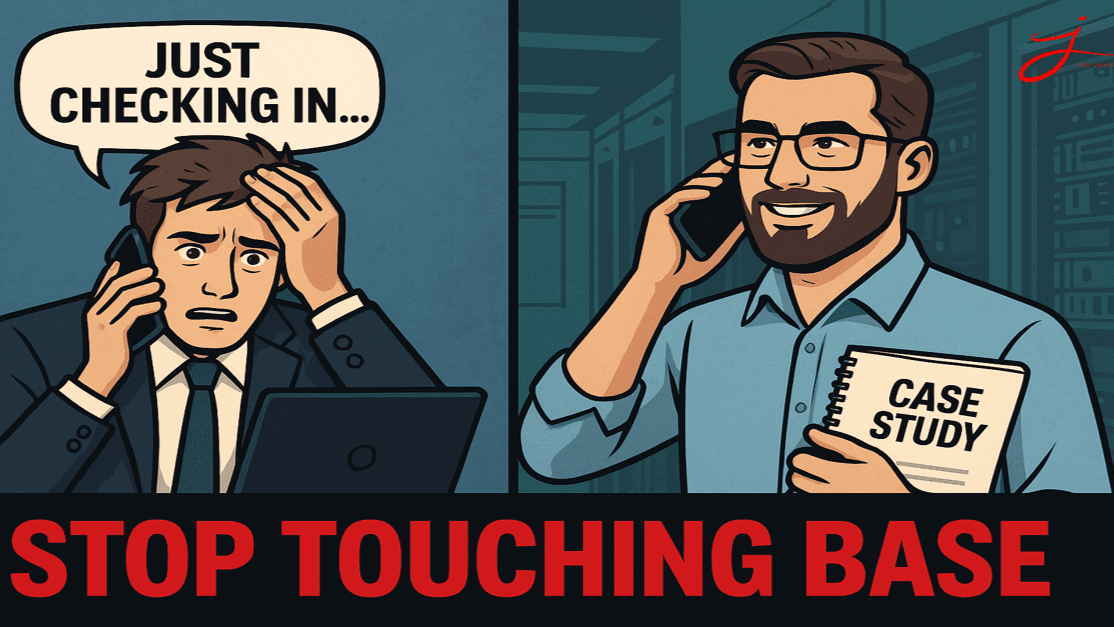
Every follow-up message should contain one clear, low-friction call to action, a calendar link for a 20-minute discovery call, a link to a relevant case study, or a specific question that invites a reply. Vague 'just checking in' messages stall pipelines because they give the prospect nothing to act on. This principle applies across all lead tiers but is most critical for hot leads where buying momentum is highest. The tradeoff: overly pushy CTAs in early touches can feel presumptuous if rapport is still thin.
6. Log Every Contact and Interaction Into Your CRM the Night of the Show
Post-show chaos, travel, exhaustion, and a flooded inbox, causes critical lead context to evaporate within 48 hours. Reps who sync badge scans, handwritten notes, and lead-tier scores into their CRM on the evening of each show day preserve the detail needed to personalize outreach and accurately forecast pipeline. This discipline also enables sales managers to prioritize follow-up assignments by territory or deal size. The tradeoff: it requires a pre-agreed CRM data entry standard so records are consistent and actionable, not just a dumping ground of raw contact info.
The Operational Fix That Makes All 24 Tips Actually Work
Twenty-four tips, executed perfectly, still produce zero pipeline if the contact data never reaches your CRM. Roughly 90% of new contacts collected at trade shows never enter a sales system because the manual steps between conversation and CRM record are too friction-heavy for reps to complete consistently after a three-day show. Every tactical improvement to booth engagement, lead qualification, and follow-up sequencing produces zero compounding return unless there is a reliable, automated handoff between the point of contact capture and the CRM your team already runs. Mobilo is designed to be that bridge, not to replace the systems on either side.
The platform arms field marketing and event teams with tools that capture leads efficiently and feed data directly into the CRM pipeline, closing the gap structurally rather than relying on post-show discipline. Every trade show playbook assumes the data flows. It does not.
Badge-scan CSVs sit in a marketing inbox awaiting a manual import that rarely happens on schedule. Paper cards accumulate in jacket pockets and hotel rooms. The post-show environment, full inboxes, back-to-back pipeline meetings, travel recovery, is structurally hostile to manual data entry, and the system design should not assume otherwise.
The single point of failure is not the pitch, the booth design, or the follow-up template. It is the gap between a real conversation and a structured CRM record. The real cost of a lost trade show lead compounds across every event your team attends, making a repeatable capture-to-CRM workflow one of the highest-ROI infrastructure investments an event-active sales organization can make.
The 48 hours after a show close are the highest-leverage window in the entire event cycle. Yet most teams spend those 48 hours doing manual data entry, not outreach. That gap is structural, not motivational, and it is exactly the gap Mobilo's lead capture and management layer is built to eliminate. On the Teams plan ($4/month per member, billed annually), every rep on an unlimited-member roster gets the full stack:
- Lead capture and management
- Lead enrichment
- Custom lead capture forms
- A paper business card scanner to digitize contacts collected the old way
- Integrations through Zapier so captured contacts route directly into whichever CRM your ops team already owns
Central billing and team management mean event managers can provision the entire booth crew under one account, control and lock data fields so every record lands in the CRM in a consistent format, and pull full team data analytics after the show closes, without chasing down individual reps for their badge scans. The Business plan ($5/month per member, billed annually) extends that infrastructure with enterprise SSO, HR directory sync, and a custom domain for teams whose security and IT requirements demand tighter identity management at scale.
This approach delivers the most compounding value for sales teams that attend multiple events per year and need a repeatable, system-level process for lead capture and CRM handoff. Organizations that exhibit only once or twice annually, operate primarily through digital-only channels with no in-person sales motion, or whose networking needs are met by free QR-code tools will likely find that the workflow infrastructure outpaces what their current event cadence can justify.
Related Reading
- Best Tech Conferences For Networking
- Best Networking Apps for Trade Show Attendees
- Best Finance Conferences For Networking
- Trade Show Booth Ideas For Small Budgets
- Virtual Conference Booth Ideas
- Networking Activity Ideas For Conferences
- What Are The Top Trade Show Lead Retrieval Tools
- Trade Show Follow Up Email Examples
- Conference Lead Capture Tools
- Trade Show Lead Capture App
Next steps
If your post-show pipeline keeps falling short despite a full three days on the floor, the path forward starts with eliminating the manual steps between a conversation and a CRM record. Start with our digital business card. The 88% business-card discard rate means most contact data never survives the trip from the convention center to your CRM. The 48-hour follow-up window means the small fraction that does survive manual entry is already decaying by the time a rep opens a spreadsheet on Monday morning. Together, they point to the same fix: automate the handoff at the moment of exchange, before rep fatigue and a full inbox make manual entry impossible. For a deeper look at how digital contact capture closes that gap, see the digital business card guide.
Frequently Asked Questions
Should I advertise my booth location before the show even starts?
Yes, publishing your booth location and sending a pre-show email to your prospect list turns passive awareness into active foot traffic. Prospects who already know you'll be there are far more likely to seek you out with intent, which meaningfully improves the quality of walk-up conversations because the visitor already has a reason to stop.
Is it really that bad for reps to sit or stand behind the booth table?
It quietly kills your volume. Reps who stand at the front edge of the aisle, or take a half-step into it, intercept attention before a prospect has already decided to walk past, and the window to do so is only about three to five seconds before an attendee mentally files your booth as "not for me." Staying behind the table means you're already losing that window on every pass.
How do I make sure I'm talking to the right people and not wasting time on the floor?
Use a two-question qualification gate early in every conversation: ask whether the visitor is currently evaluating solutions in your space, and who else is involved in that decision. The first question reveals intent; the second reveals authority, and together they sort visitors into hot, warm, or cold in under 90 seconds.
Why do so many leads go cold after the show even when reps collected a ton of contacts?
The biggest culprit is the gap between contact capture and CRM entry. By day three, rep fatigue compounds illegible notes and misattributed conversations, and most reps plan to log everything "on the flight home" and then don't. The 48-hour window after the show closes is when contacts are warmest and most reachable, so every hour of delay shrinks the chance of a response, and if badge scans are sitting in a CSV that nobody imports, you've generated a spreadsheet, not pipeline.
Does rotating booth staff actually affect lead quality, or is it just a comfort thing?
It directly affects lead quality. Fatigued reps default to passive behavior, drifting to the back of the booth and letting conversations get shorter, which causes lead quality to quietly collapse by day two. A structured rotation schedule that alternates floor shifts with mandatory breaks is a booth staffing strategy that protects the qualification standard your team set on day one.