.avif)

28 Post-Trade Show Marketing Strategies to Win More Deals
On This Page
Your post-show pipeline isn't failing because reps are slow. It's failing because the contacts never reached the CRM to begin with.
Most post-trade show pipelines don't stall because reps are slow. They stall because the contacts were never in the system to begin with. The common assumption is that the fix is operational discipline: remind reps to enter cards faster, send follow-up emails sooner, and debrief the team more rigorously.
The lead capture tool itself, paper cards, badge scanners, or manual CSV uploads, is treated as a solved problem. Understanding that distinction is what separates Sales Directors who fix the symptom from those who fix the problem. The investment is real: booth design, travel, staff time, and two days of conversations with buyers who actually have authority.
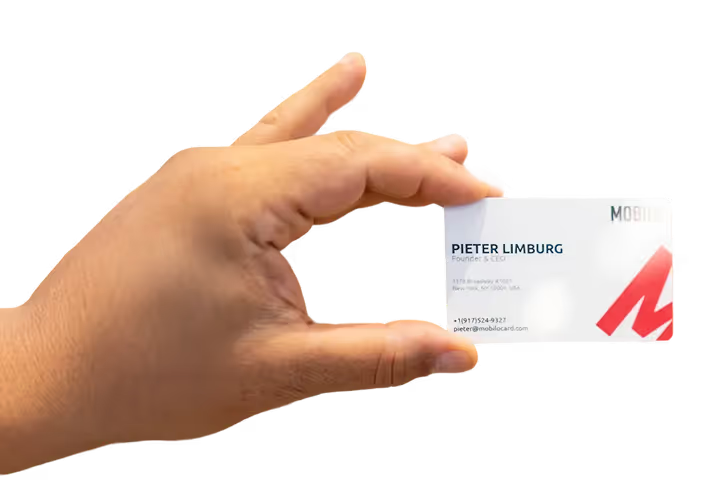
See our digital business card for how this works in practice. Approximately 81% of trade show attendees hold buying authority. The opportunity is genuine.
The failure is structural, and it starts the moment a badge scan lands in a CSV file that no one opens until Tuesday. That is not a small signal. That is a majority of people on the floor actively telling you they want to hear from you.
The tragedy is not that reps ignore those requests. It is that the contact data required to act on them never reliably reaches the CRM in the first place. The vast majority of new contacts never enter the CRM because the manual entry step is simply too much friction after a three-day show.
The handoff between the booth floor and the pipeline is broken by design.
Tightening follow-up deadlines or sending reminder Slack messages does not fix a zero-data problem. Speed of follow-up is irrelevant when the contact does not exist in the system. Tools like Mobilo's Contact Exchange and Lead Capture close this gap at the moment of exchange, so every tap or scan feeds directly into the pipeline without a single manual entry step, a benefit that compounds most when a team attends events regularly and needs a repeatable, structured lead follow-up system across every show on the calendar, not just a one-off fix.
Speed of follow-up is irrelevant when the contact does not exist in the system.
51% of attendees actively request follow-up info
Key takeaways
- Ninety percent of trade show contacts never reach a CRM, not because reps forget, but because the handoff between the booth floor and the pipeline was broken before the show started.
- Most post-show follow-up sequences fire inside a window where reply rates have already dropped 3x, the first 48 hours are the only window that pays.
- Badge scans sitting in a spreadsheet for three days are a data integrity problem, not a pipeline problem, and that distinction changes where the fix has to happen.
- Eighty percent of trade show leads receive no follow-up at all, which means the bottleneck is almost never rep effort; it's whether a live CRM record exists before any automation can fire.
- Pre-show CRM configuration, lead routing, field mapping, owner assignment, determines more post-show revenue than any follow-up tactic written after the event closes.
- Recap content gets likes; it rarely gets pipeline. Post-show social and content strategy only converts when it's built around a specific next action, not a celebration.
- ROI data and debrief narrative are one feedback loop, not two deliverables, teams that treat them separately never close the gap event over event.
- Mobilo's Contact Exchange captures both sides of every tap or scan and feeds the record directly into your CRM, closing the manual gap that causes 90% of contacts to disappear before follow-up even begins.
Trade Show Marketing Strategy Overview - The Pre-Show Preparation That Makes Post-Show Tactics Actually Work
A significant share of exhibitors never configure CRM lead routing before a trade show. That single gap explains why so many post-show pipelines stall despite strong booth traffic, enthusiastic conversations, and a badge scanner that worked perfectly all three days.
Why Pre-Show Workflow Decisions Drive Post-Show Revenue
The average B2B exhibit represents a substantial investment once you factor in booth design, shipping, and setup. That number commands attention in every pre-show planning meeting. CRM configuration, by contrast, costs nothing but time and rarely makes the agenda.
The result is a team that arrives with a visually polished display and zero infrastructure for what happens after the handshake. Booth design is an input to lead capture, not the output of show readiness. Field marketing and event teams that arrive armed with tools designed to capture leads efficiently and feed data directly into the CRM pipeline sidestep this trap entirely, because the connection between contact exchange and pipeline entry is engineered before the show floor opens, not improvised after it closes.
That same discipline is what allows teams to reduce wasteful spend on printed collateral while demonstrating marketing's measurable contribution to pipeline and revenue.
The Three Pre-Show Decisions That Eliminate Post-Show Chaos
Three decisions made before the show floor opens determine whether post-show follow-up is a system or a scramble:
- Define lead qualification tiers so every rep captures consistent, actionable data rather than freeform notes that mean different things to different people.
- Assign rep-to-territory ownership in advance so no contact sits in a shared inbox waiting for someone to claim it.
- Configure automated CRM entry triggers so the manual reconciliation step never exists in the first place.
Teams that nail all three arrive at the show already winning.
CRM Field Mapping and Lead Routing Rules Must Be Live Before You Ship the Booth
If the fields your reps capture on the floor do not match the fields your CRM expects, every lead requires manual cleanup before it can be routed, scored, or acted on. The window for meaningful follow-up closes faster than most teams expect, which is precisely why routing rules must be tested before the event begins, not after. The real cost of losing a trade show lead reinforces the same point: the post-show pipeline is won or lost during pre-show setup.
This is where the choice of lead capture tool becomes a structural decision, not a tactical one. Paper business cards and badge-scanner CSV exports both require a manual translation step before a contact reaches your CRM, and that step is where leads quietly die. Mobilocard's Teams plan ($4/month per member, billed annually) and Business plan ($5/month per member, billed annually) both include lead enrichment, lead capture and management, custom lead capture forms, unlimited leads and contacts, and 6,000 integrations through Zapier, meaning a tap or scan on the show floor can trigger an automated CRM entry without a human in the loop.
The Teams plan also includes full team data analytics and CRM integrations, central billing, team management, and the ability to control, lock, and override data fields across every rep's card, so the data your reps capture is consistent by design, not by hope.
Follow-Up
Most sales directors think the fix is operational discipline: remind reps to enter cards faster, send follow-up emails sooner, and debrief the team more rigorously. The lead capture tool itself, paper cards, badge scanners, or manual CSV uploads, is treated as a solved problem. It is not. Every tool that requires a manual data-entry step between contact exchange and CRM entry is a structural gap, not an operational one. Replacing that step with a tap-to-CRM workflow, backed by the lead enrichment, insights and analytics, and Zapier integrations available on both the Teams and Business plans, removes the gap at the source rather than papering over it with reminders.
Pre-Show Readiness Checklist: 5 Must-Complete Steps Before the Booth Ships
Use this checklist before every event to confirm your post-show pipeline infrastructure is live, not just your booth logistics.
- 1 — Define lead qualification tiers (hot / warm / cold) and document signal criteria for each — Sales Ops
- 2 — Assign rep-to-territory ownership so every captured contact has a named owner at the moment of entry — Sales Director
- 3 — Audit CRM field mapping against badge-scan export format, confirm zero mismatches; if using Mobilocard, confirm Zapier integration routes are live and tested — CRM Admin / IT
- 4 — Configure automated CRM entry triggers and test end-to-end with a dummy contact — CRM Admin
- 5 — Build and activate post-show nurture sequences (Day 1 / Day 3 / Day 7) so they fire on capture, not on debrief — Marketing Ops
If any row is unchecked on the day the booth ships, your post-show follow-up is already operating with a structural gap. The teams closing post-show revenue are the ones who resolved these questions before the first badge was scanned, not the ones who relied on rep discipline to compensate for missing infrastructure.
Related Reading
- Etiquette For Networking In Online Conferences
- Measuring Event Roi
- Trade Show Sales Tips
- Trade Show Follow Up Best Practices
- How Do You Find The Roi Of A Trade Show
- Trade Show Sales Funnel
- What Is Trade Show Marketing
- Event Lead Management
- B2b Trade Show Best Practices
- Conference Lead Generation
- B2b Trade Show Marketing
Post-Show Follow-Up Strategy: 8 Tactics to Convert Leads Before Momentum Dies
Most exhibitors follow up with trade show leads days after the show closes. By that point, reply rates have already dropped 3x compared to the first 48 hours. The math is brutal: most teams are executing their follow-up sequence inside a window where response probability has already collapsed.
Speed matters, but speed alone is not the answer. Sending the same broadcast email to a prospect who asked for a pricing sheet and a contact who grabbed a pen from your bowl is the fastest way to burn both relationships simultaneously. The fix is structural.
Hot, warm, and cold leads each need a different path from the moment the show floor closes, not a personalized token swapped into the same template. Here are 8 tactics that treat post-show follow-up as a decision tree, not a broadcast.
1. Send a Segmented Follow-Up Email Within 24: 48 Hours of the Show
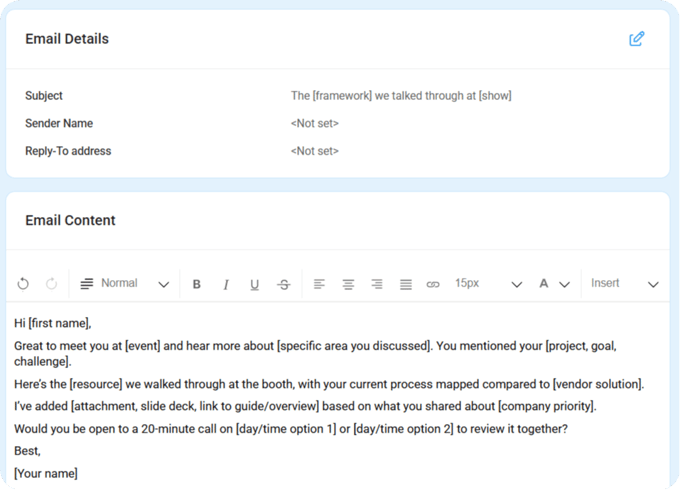
The first 48 hours after a trade show are when your brand is freshest in a lead's memory. Segmenting outreach into hot, warm, and cold tiers, each with a tailored message referencing the actual booth conversation, dramatically outperforms generic blasts. The real tradeoff: this requires your team to capture qualifying notes in real time at the booth, which many exhibitors skip under floor pressure.
2. Score and Prioritize Leads in Your CRM Before Any Outreach Begins
.webp)
Dumping a raw badge-scan list into a CRM without scoring is how momentum dies. Assigning lead scores based on job title, expressed intent, and conversation quality lets sales reps attack the highest-value contacts first. The limitation is that scoring models require pre-show setup and clean data hygiene, teams that skip this step waste days manually triaging hundreds of contacts after the event.
3. Launch a Multi-Touch Drip Sequence Tailored to Trade Show Context
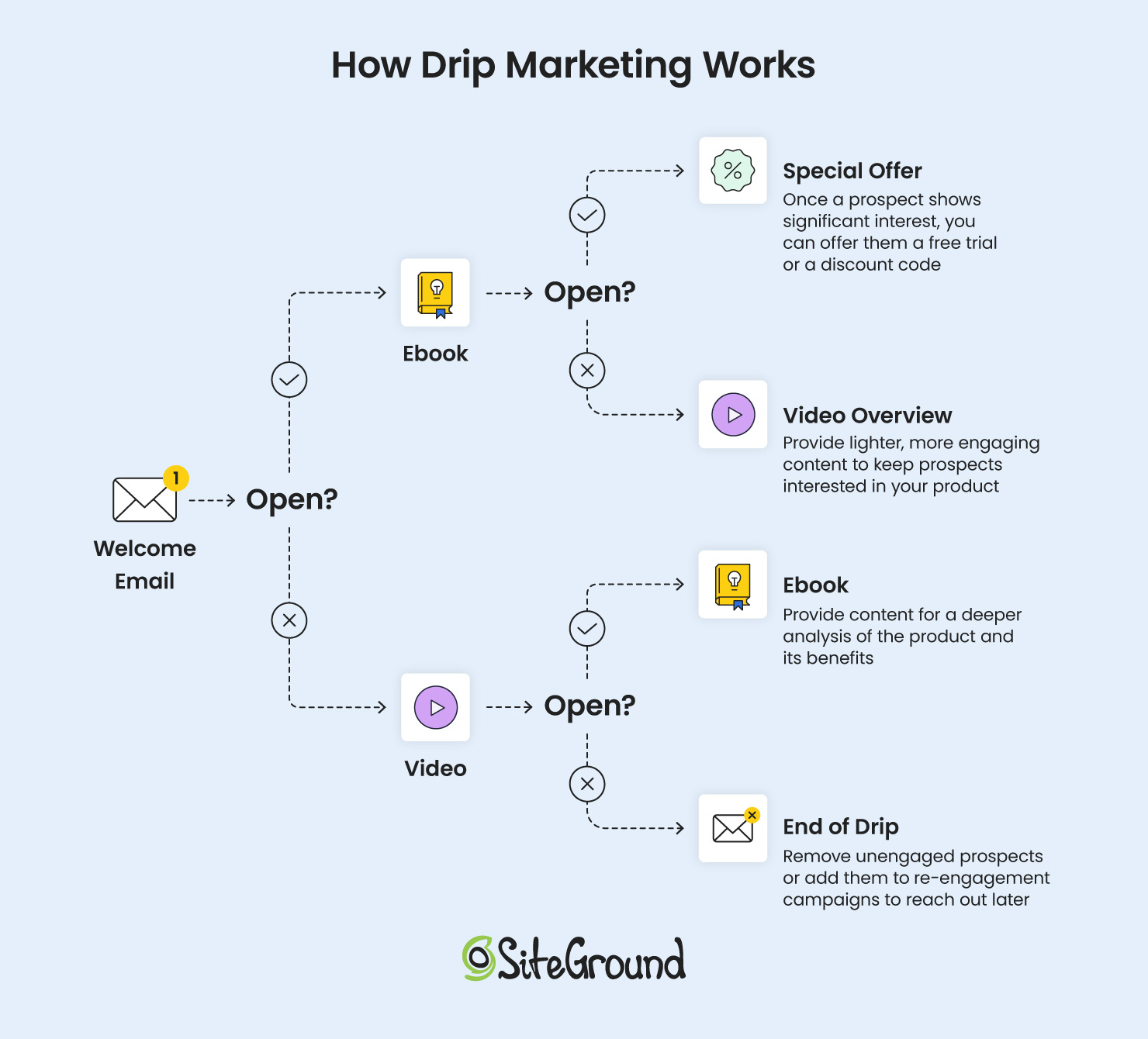
A single follow-up email rarely converts a trade show lead. A 5–7 touch drip sequence, referencing the show, delivering incremental value (case study, ROI calculator, demo invite), and escalating urgency over two weeks, keeps your brand visible while competitors go silent. The tradeoff: drip sequences require marketing automation infrastructure and content assets built before the show, not after.
4. Personalize Every Outreach Message with Booth Conversation Notes
Generic 'great meeting you' emails are the fastest way to lose a warm lead. Reps who capture specific pain points, product interests, or personal details during the show and weave them into follow-up messages see measurably higher reply rates. The limitation is scalability, personalizing at volume requires disciplined note-taking tools or voice-memo workflows during the event itself.
5. Use LinkedIn Connection Requests as a Parallel Follow-Up Channel
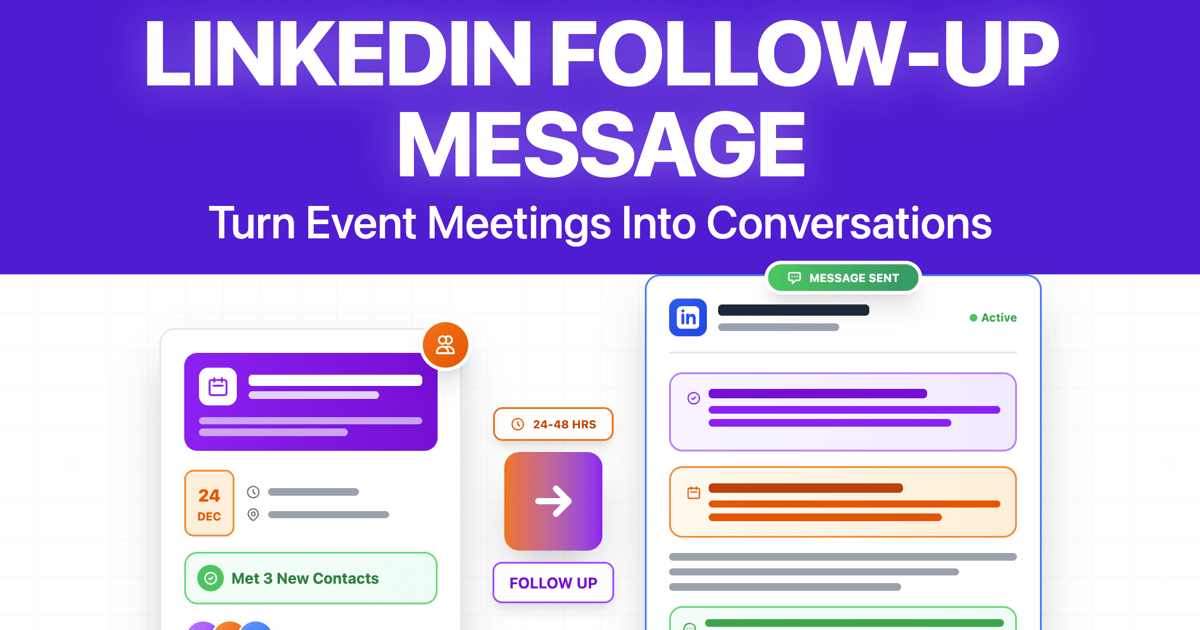
Email inboxes are crowded post-show; LinkedIn is not. Sending a personalized connection request within 24 hours, referencing the show and a specific talking point, creates a second touchpoint that feels less transactional. This is especially effective for B2B enterprise leads where email gatekeeping is common. The tradeoff: LinkedIn outreach at scale requires manual effort and can feel intrusive if the message isn't genuinely personalized.
6. Deliver a Value-First Content Asset Instead of a Sales Pitch
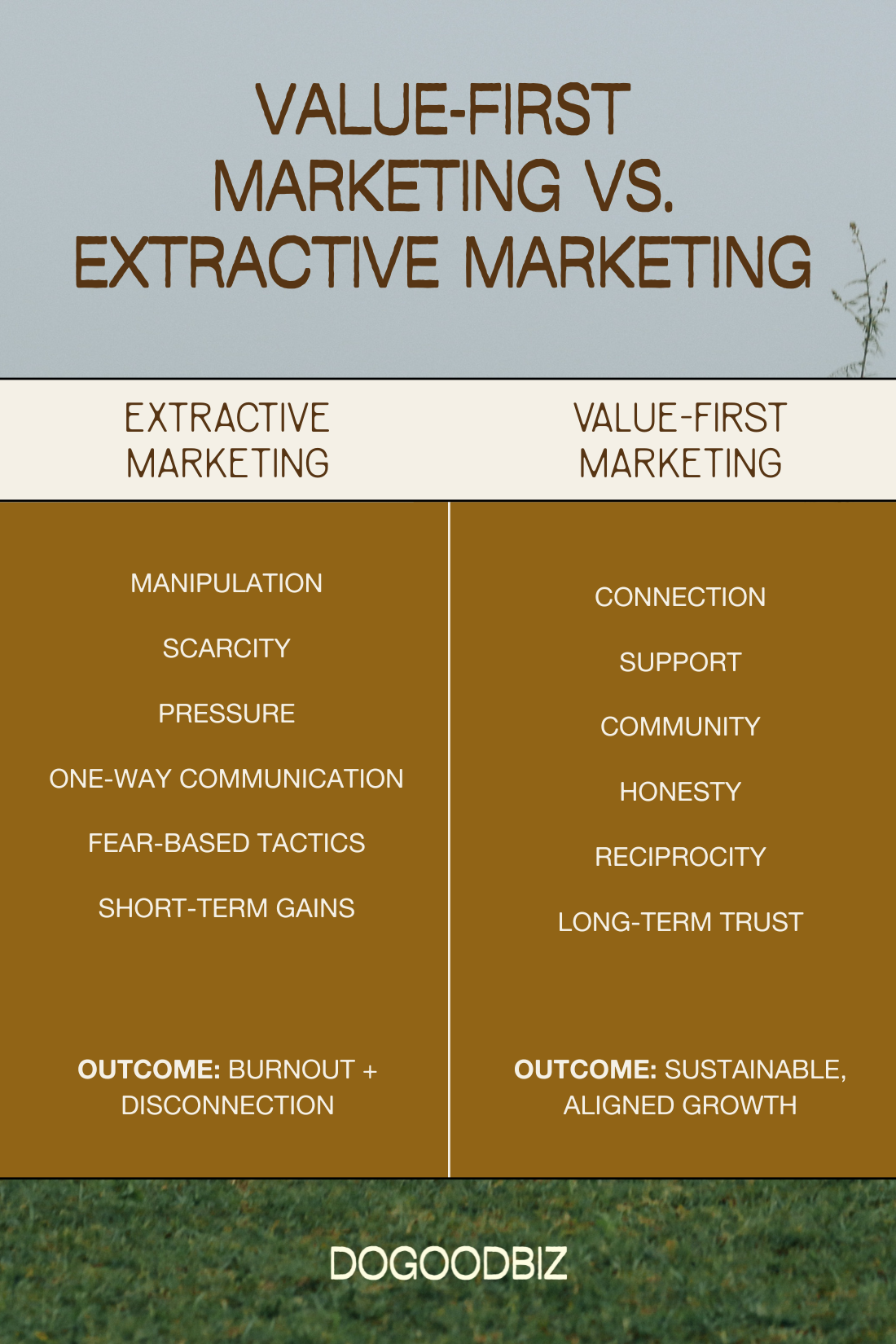
Leads who visited your booth are curious, not yet committed. Following up with a relevant white paper, industry benchmark report, or short video demo, rather than a meeting request, positions your brand as a resource rather than a vendor. This approach works best for warm and cold leads who need more nurturing. The limitation: it delays the sales conversation and requires high-quality content assets already in your library.
7. Retarget Trade Show Leads with Paid Ads Across LinkedIn and Google
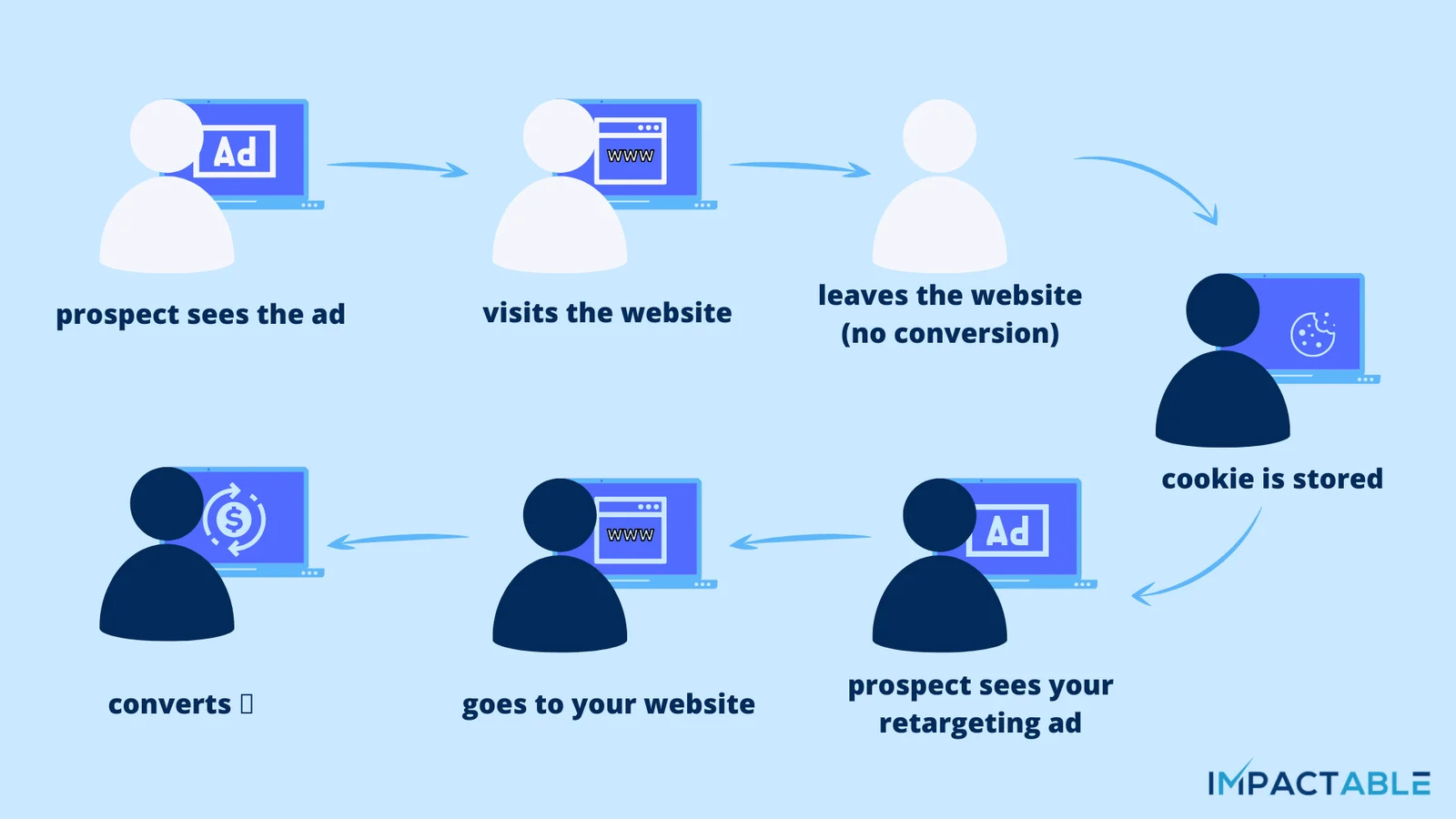
Uploading your post-show contact list as a custom audience for LinkedIn Sponsored Content or Google Display retargeting creates persistent brand exposure beyond the inbox. Leads who don't open emails will still see your messaging as they browse. This tactic is particularly powerful for enterprise deals with long sales cycles. The tradeoff: it requires a minimum list size for audience matching and adds media spend that must be justified against event ROI.
8. Host a Post-Show Webinar or Virtual Recap to Re-Engage All Attendees
Inviting all show contacts, hot, warm, and cold, to a post-event webinar that recaps key industry themes or product announcements creates a low-friction re-engagement opportunity. It works especially well when the show had a major product launch or panel your team participated in. The limitation: webinar attendance rates are typically low (20–40%), so this tactic supplements but should not replace direct outreach.
9. Assign Hot Leads to Named Sales Reps for Same-Week Phone Outreach
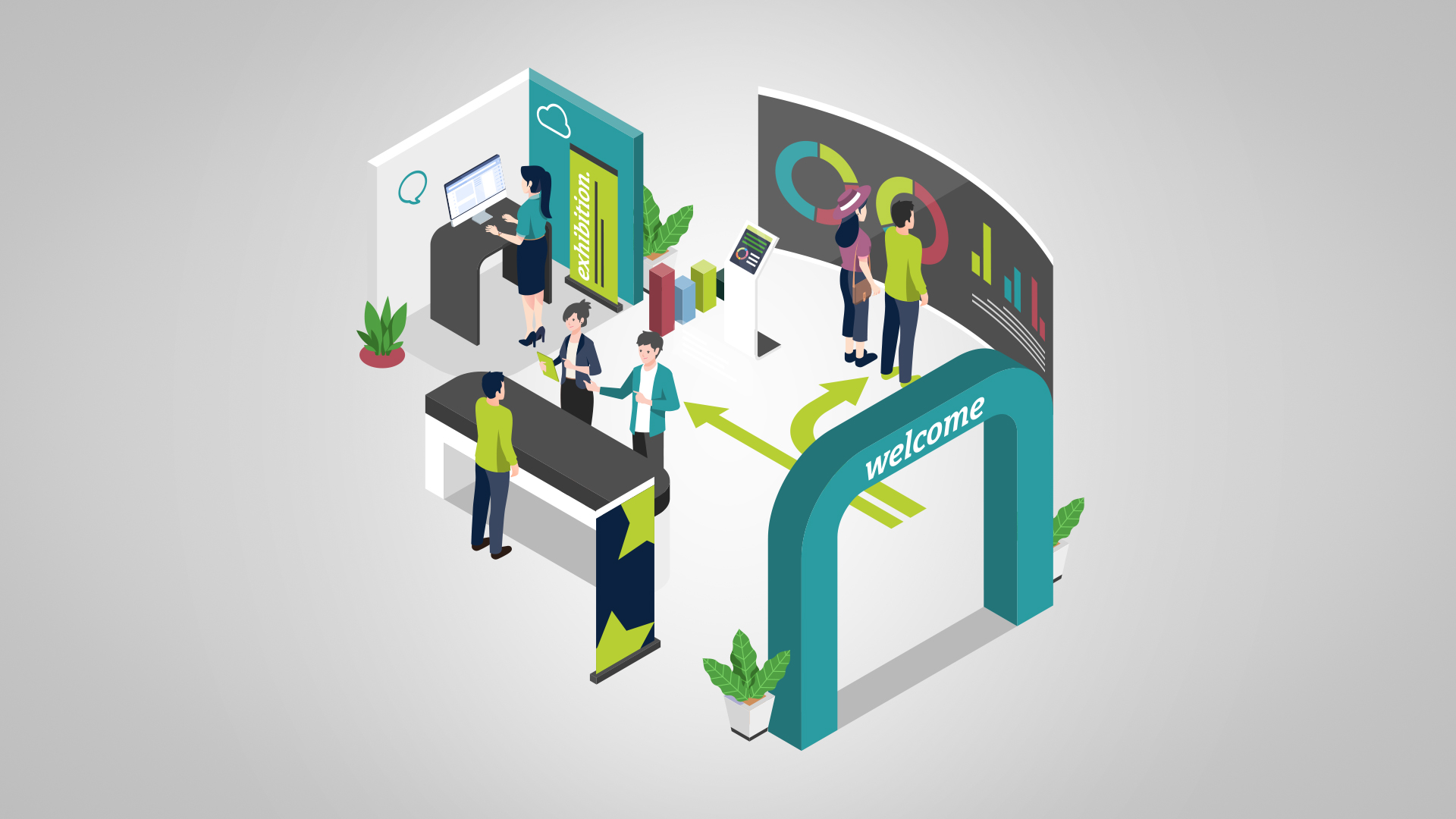
High-intent leads, those who requested demos, asked for pricing, or initiated extended booth conversations, should bypass automated nurture entirely and receive a direct phone call from a named rep within the same week. Speed-to-contact is the single biggest predictor of conversion for hot leads. The tradeoff: this requires clear lead-tier definitions agreed upon before the show so reps aren't debating qualification while momentum fades.
10. Measure Post-Show Pipeline Attribution and Report ROI Within 30 Days
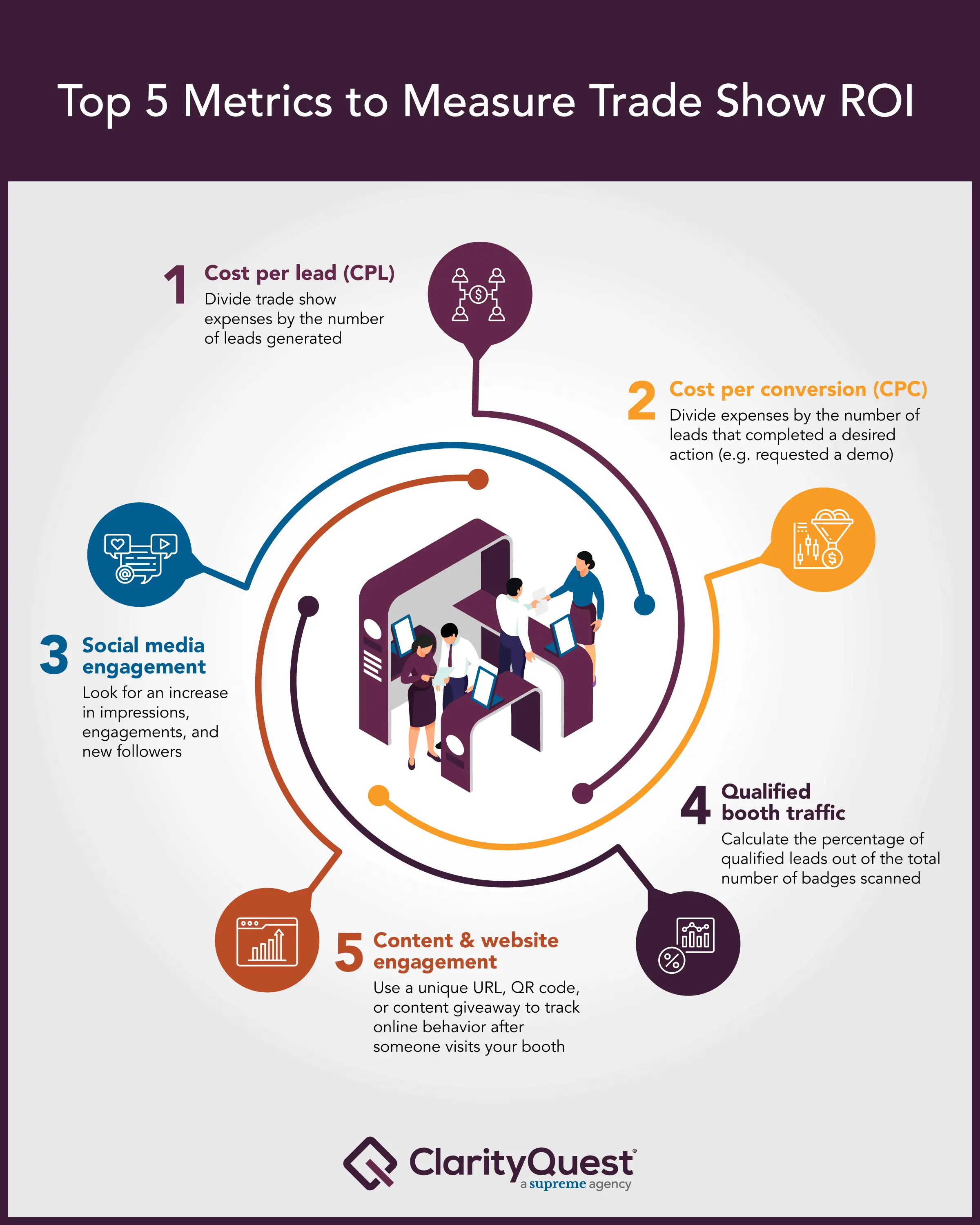
Post-trade show marketing strategies only improve if you measure them. Tracking which leads converted to opportunities, which email sequences drove replies, and what the cost-per-pipeline-dollar was for the event creates accountability and informs future show investment decisions. This is critical for marketing teams justifying exhibit budgets to leadership. The limitation: accurate attribution requires CRM tagging at the point of lead capture, retroactive tagging is unreliable and often incomplete.
Lead Management and CRM Integration: 7 Strategies to Close the Gap Between Booth Floor and Pipeline
Badge scans sitting in a spreadsheet for three days are not a pipeline problem. They are a data integrity problem, and the difference matters more than most Sales Directors realize. According to industry data, 80% of trade show leads receive no follow-up at all.
The cause is rarely rep negligence. It is the structural gap between the moment of contact exchange and the moment that contact becomes a workable CRM record. Manual CSV uploads introduce a one-to-three day lag.
During that window, context fades, sequences cannot fire, and the rep who had the conversation has already moved on to the next city. The handoff was broken before the show started. What makes this worse: entering contacts faster does not fix the underlying problem.
Manual CRM entry does not just delay lead qualification; it silently degrades the data foundation that lead scoring, territory assignment, and segmentation all depend on. A contact entered two days late, with a job title guessed from memory and no source tag, is structurally corrupted data. Every personalization decision downstream is built on a bad foundation.
Define Lead Scoring Criteria Before the Show Floor
CRM tools and lead scoring systems work best for trade show leads when scoring criteria are configured before the event, not after. A three-tier model (hot, warm, cold) based on signals captured at the booth, role, company size, stated timeline, product interest, gives reps a consistent qualification frame during conversations, not a guesswork exercise after. Scored leads convert at meaningfully higher rates than unscored contacts because the first outreach is targeted, not generic.
1. Tag Every Booth Lead at Capture with a Show-Specific CRM Source Field
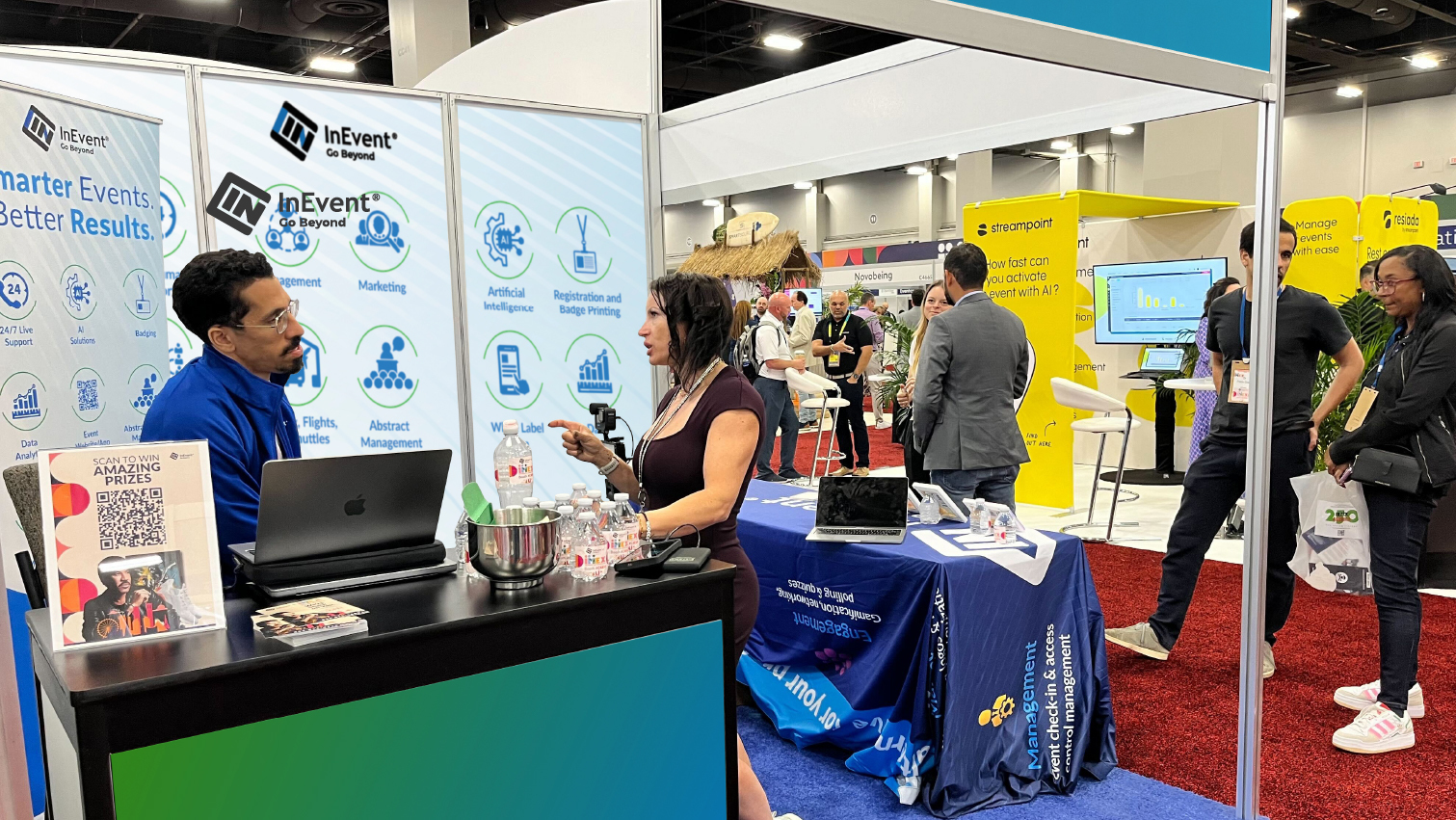
Importing leads without a dedicated source tag, such as 'TradeShow_2025_Chicago', makes post-show ROI analysis nearly impossible. Assign a show-specific lead type or campaign field at the moment of capture, not after import. This single habit lets revenue ops filter pipeline by event, measure cost-per-opportunity, and prove attribution. The tradeoff: it requires pre-show CRM configuration discipline that most teams skip under booth setup pressure.
2. Build a 24-Hour Post-Show CRM Sync SLA Before You Leave the Venue
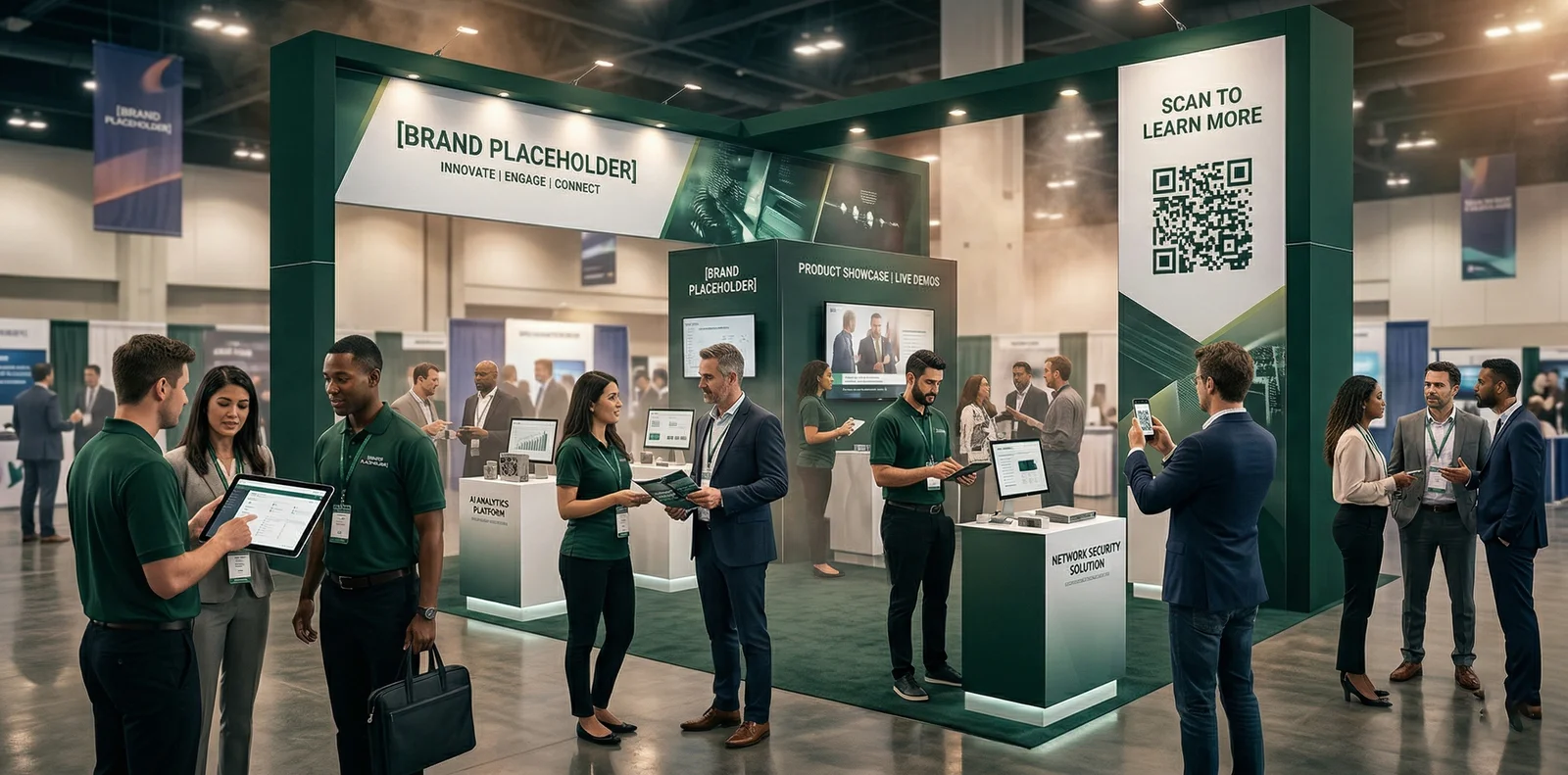
The fastest pipeline decay happens in the 48 hours after a show closes. Establishing a hard internal SLA, all captured leads synced to CRM within 24 hours of show close, prevents the 'spreadsheet purgatory' that kills momentum. Assign one person as sync owner on-site. The real limitation is offline capture tools that require manual export steps, so verify your app's sync method before the show, not after.
3. Apply a Three-Tier Lead Scoring Model Based on Booth Conversation Depth
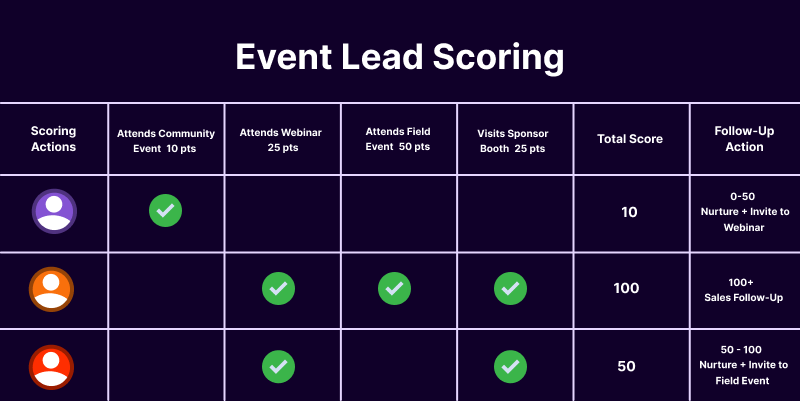
Not every badge scan represents equal intent. A three-tier model, Hot (demo requested or budget confirmed), Warm (problem acknowledged, timeline vague), Cold (badge scan only), lets sales reps triage their follow-up queue immediately rather than treating 300 contacts identically. Score at capture using a simple rep-facing qualifier on your lead app. The tradeoff is rep compliance: without training, everyone defaults to 'Warm' and the model collapses.
4. Use Behavior-Based Lead Scoring Criteria to Prioritize Post-Show Sequences
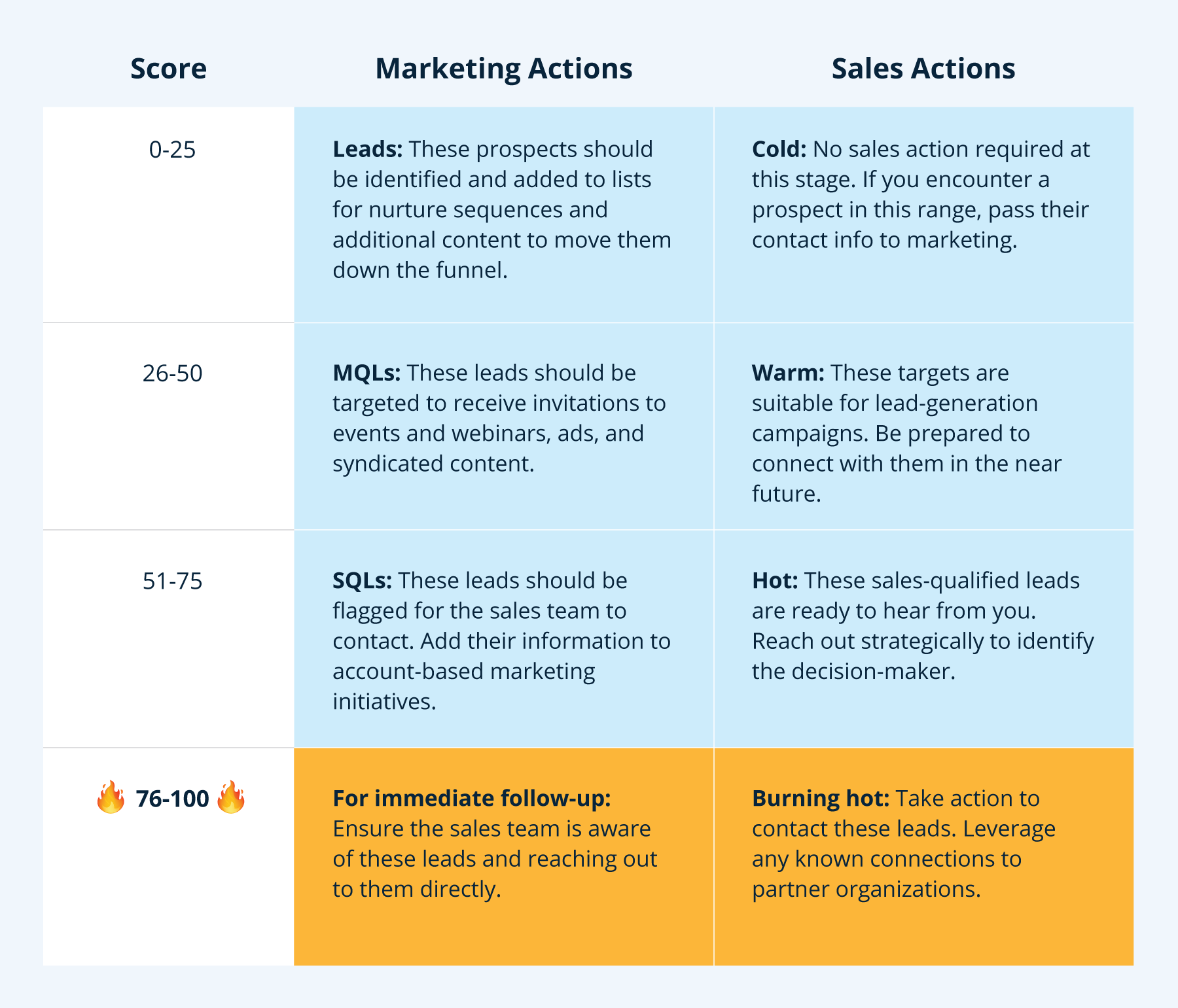
Firmographic data alone, title, company size, is insufficient for post-trade-show prioritization. Layer in behavioral signals: did the lead visit your post-show landing page? Open the follow-up email within two hours? Download the leave-behind PDF? These micro-behaviors, tracked in your CRM, elevate or suppress a lead's score automatically and route them into the right nurture sequence. The limitation is that this requires marketing automation connected to your CRM before the show launches.
5. Create Active CRM Segments by Show, Tier, and Rep Territory Immediately Post-Event
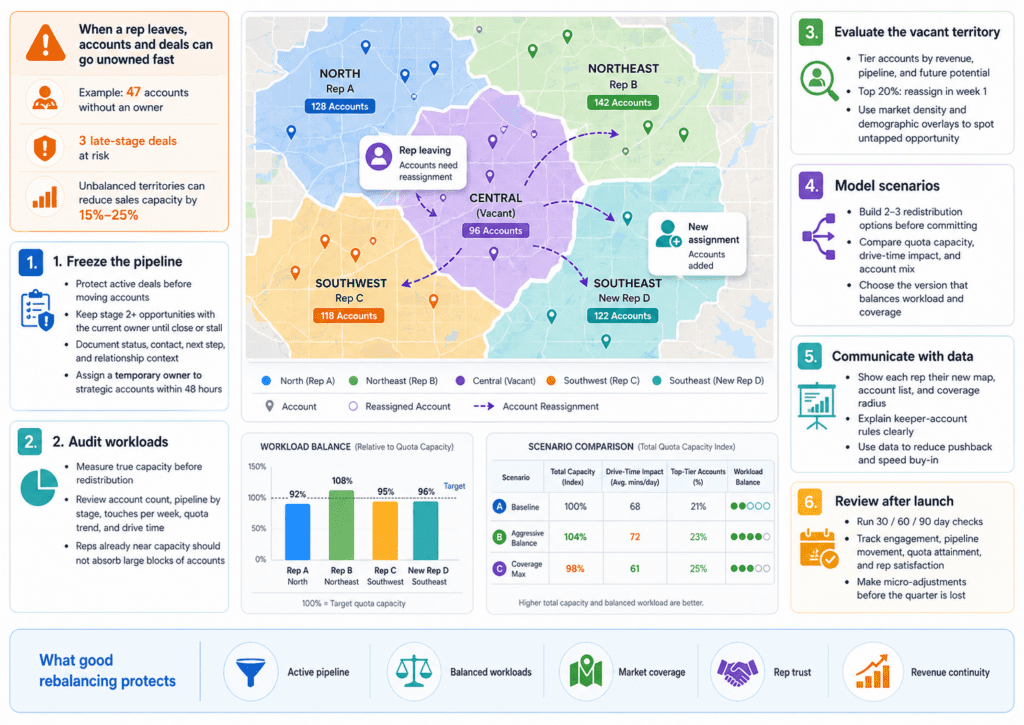
Static lead lists exported to spreadsheets age out within days. Building active CRM segments, filtered by show name, lead score tier, and assigned territory, means reps always work a live, current view of their pipeline rather than a frozen snapshot. Active lists also power automated enrollment into nurture workflows as lead status changes. The tradeoff: active segments require clean, consistent field values at capture, which demands pre-show data hygiene planning.
6. Enrich Booth-Captured Contacts with Firmographic and Intent Data Before First Outreach
Badge scans and business cards rarely contain the full picture: company revenue, tech stack, buying committee size, or active intent signals. Running captured contacts through a lead enrichment tool before the first sales touch gives reps context that transforms a cold follow-up into a relevant conversation. Enrichment also surfaces duplicate or low-quality records before they pollute your CRM. The limitation is cost, enrichment at scale adds per-record fees that must be budgeted per show.
7. Automate Territory-Based Lead Assignment with Availability-Aware Routing Rules
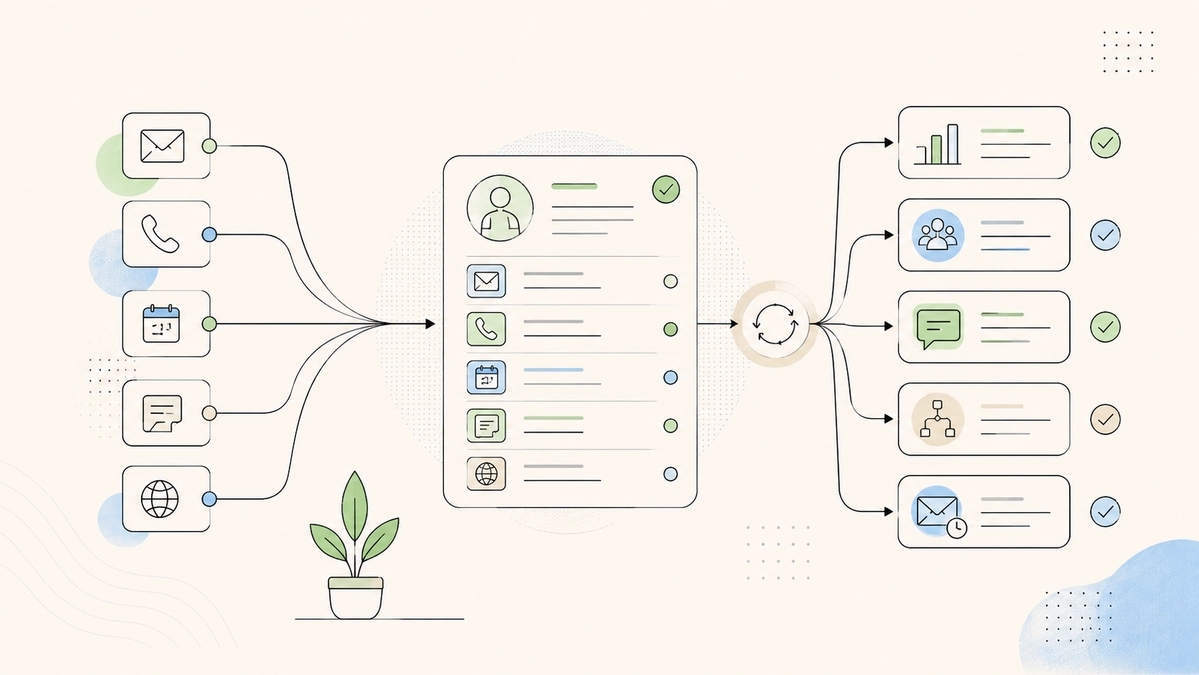
Round-robin assignment ignores the reality that post-show, some reps are traveling, recovering, or already at capacity. Build CRM routing rules that factor in territory, rep availability status, and lead score tier, so a Hot lead from the Northeast never sits unassigned because the Northeast rep is on a plane. This requires workflow logic built before the show. The tradeoff: availability-aware routing adds CRM configuration complexity that smaller ops teams may lack bandwidth to maintain.
8. Launch a Segmented Post-Show Email Sequence Within 48 Hours, Personalized by Conversation Tag
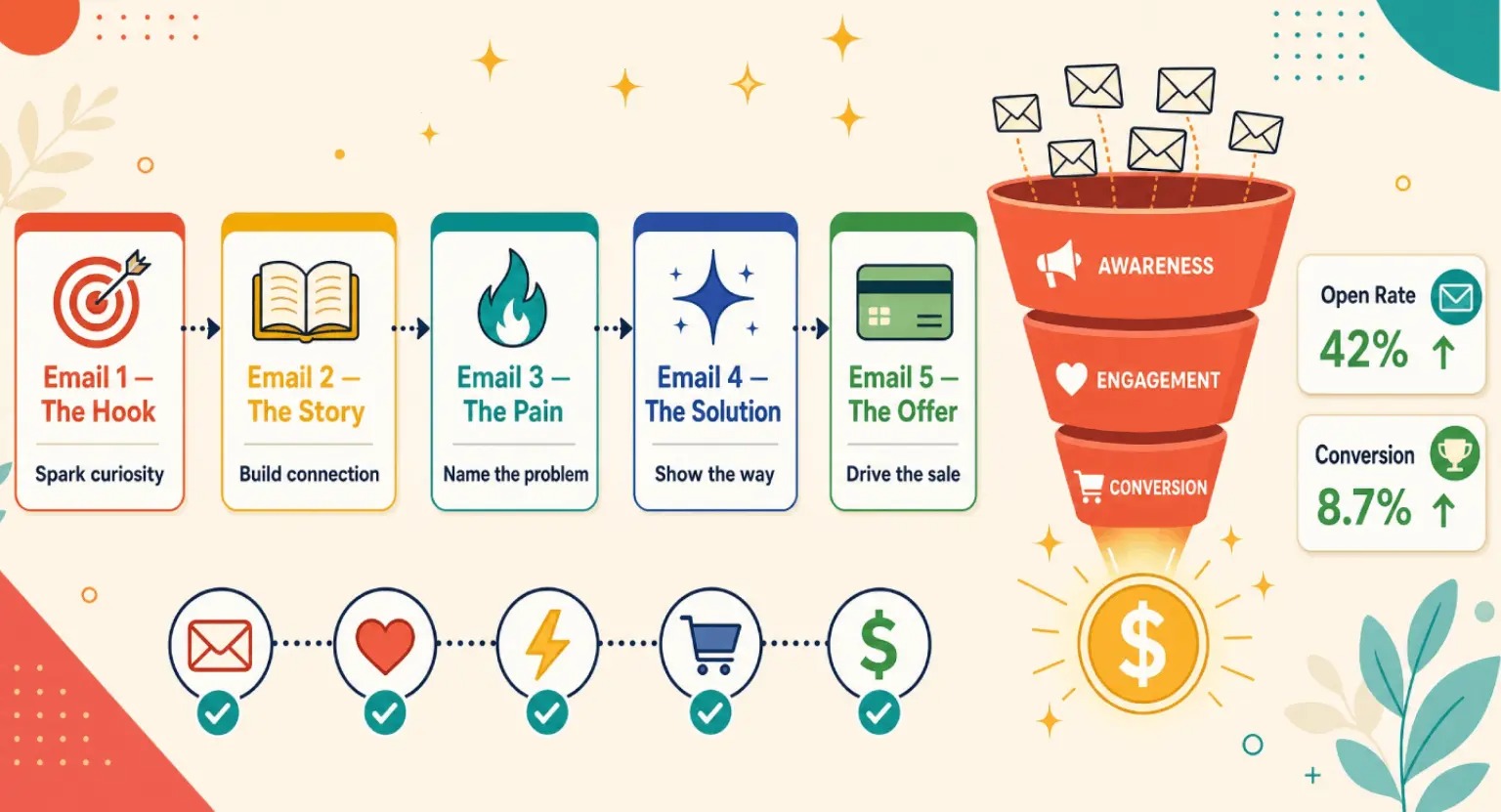
Generic 'great meeting you' blasts destroy the goodwill built at the booth. Instead, tag each lead at capture with the primary pain point discussed, ROI, implementation speed, compliance, and trigger a segmented email sequence that opens with that exact topic. This mirrors what the Reddit Salesforce community described as sending leads a PDF that addresses their specific rated priority. The limitation is that it requires reps to tag conversations consistently during the show, which demands a simple, fast tagging UI.
9. Track Show-Level Pipeline ROI with a Dedicated Campaign Object Tied to Every Converted Lead
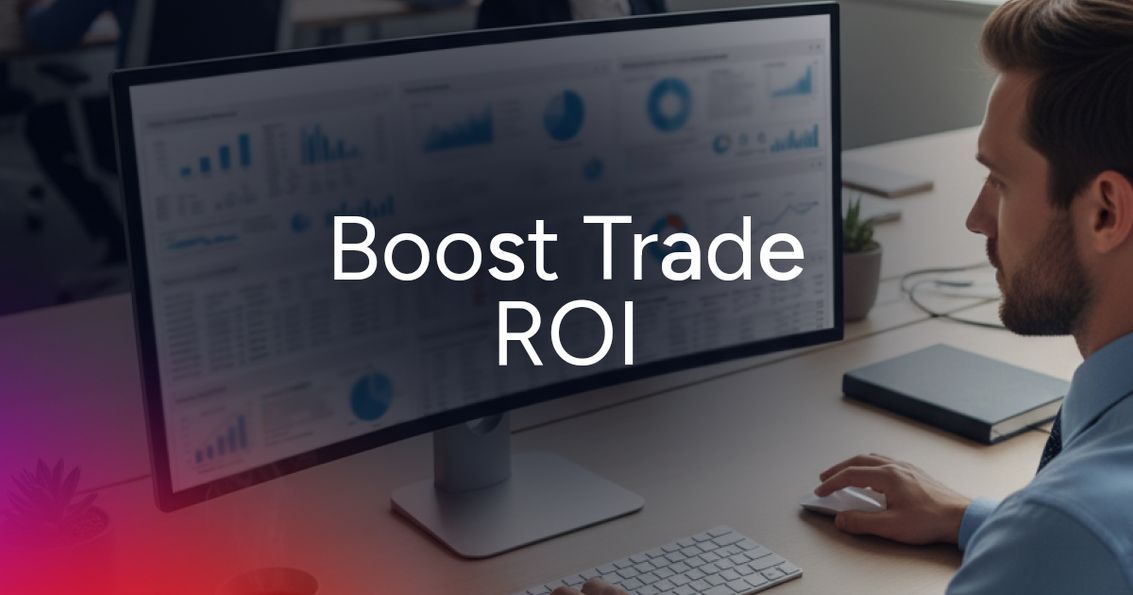
Without a campaign object linking every show lead to downstream opportunities, you cannot answer the question every CMO asks: what did this show actually return? Attach a campaign record to each show in your CRM, associate every captured lead to it, and track influenced pipeline and closed revenue against total show spend. This enables apples-to-apples comparison across events. The tradeoff is that multi-touch attribution models can inflate show influence if not configured with clear first-touch and last-touch rules.
Related Reading
- Which Networking Software Is Best For Conferences
- Trade Show Booth Ideas To Attract Visitors
- Conference Lead Capture
- How To Measure Trade Show Effectiveness
- Virtual Event Success Metrics
- Trade Show Roi
- Trade Show Lead Generation Ideas
- What's The Best Event Lead Generation Software
- Best Trade Show Giveaways
Social Media Sharing After the Event and Content Creation: 5 Post-Trade Show Strategies That Keep the Conversation Alive
Recap posts get likes. They rarely get pipeline. The gap between those two outcomes comes down to whether your post-show content strategy is built to convert, or just to celebrate.
Roughly 80% of trade show leads receive no structured follow-up after the event closes (Default: Following Up on Trade Show Leads). That number is not a rep discipline problem. It reflects a structural gap: contacts that never made it into the CRM cannot be reached by any sequence, automated or manual.
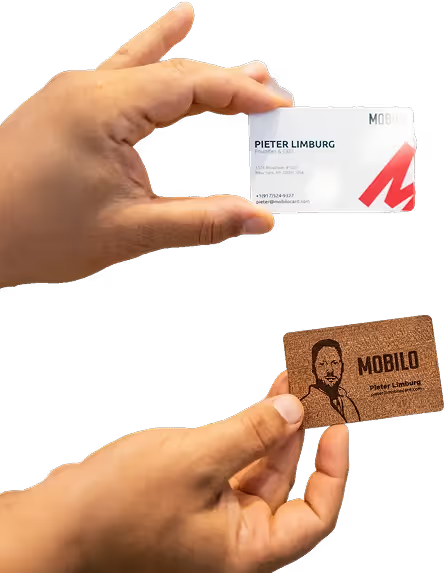
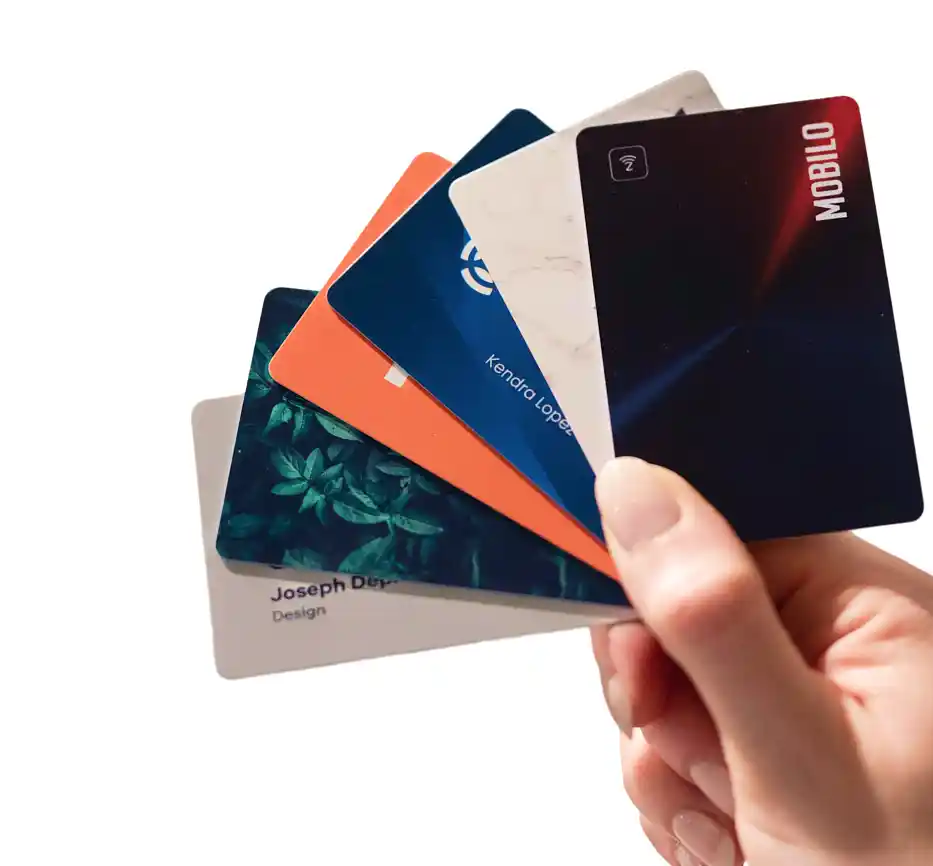
The five tactics below treat post-show content as a second-chance conversion layer, not a highlight reel, but they only function if the capture foundation beneath them is intact. The capture foundation matters most at a specific moment: after the first networking event or card tap, when a warm contact exists in the physical world but not yet in your system. Teams using Mobilo's digital business cards, available on the Teams plan at $4/month billed annually, with options ranging from a free Digital Wallet Card to a Custom Designed NFC Card with QR Code in standard, wood, or metal, solve this at the point of exchange rather than the morning after.
Because the card's lead capture and CRM integrations activate immediately after setup, recipients see enriched contact data on first tap, and the rep's pipeline record is written before they leave the booth floor. That structural fix is what makes every tactic below actionable rather than aspirational.
1. Publish a Post-Show Recap Blog Fueled by Booth Conversations
B2B marketers who attended the show can transform booth talking points, product demos, and attendee questions into a long-form recap blog within 48 hours of the event. This content anchors your post-trade show marketing strategy by giving social posts, emails, and LinkedIn updates a destination to link back to. The tradeoff: it requires a dedicated writer or marketer on standby immediately post-show, which strains lean teams.
2. Curate and Reshare Attendee User-Generated Content With Event Hashtags
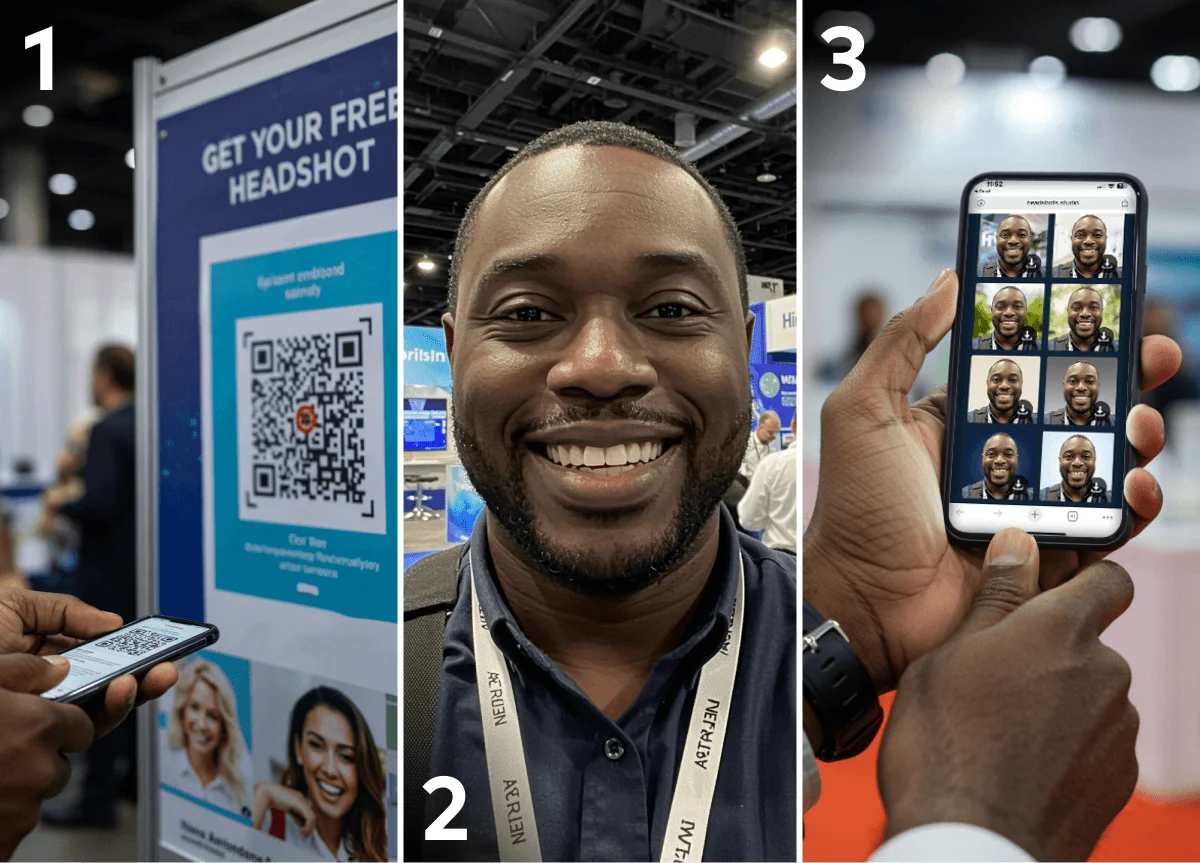
Monitoring the official event hashtag and resharing attendee photos, videos, and reactions from your booth extends organic reach far beyond your own follower base. This tactic works best for brands with a visually compelling booth presence or product demonstration. It builds social proof authentically and keeps the conversation alive for days post-event. The key limitation is that UGC quality varies widely and requires active moderation to avoid resharing off-brand content.
3. Launch a Tiered LinkedIn Follow-Up Sequence Personalized by Lead Context
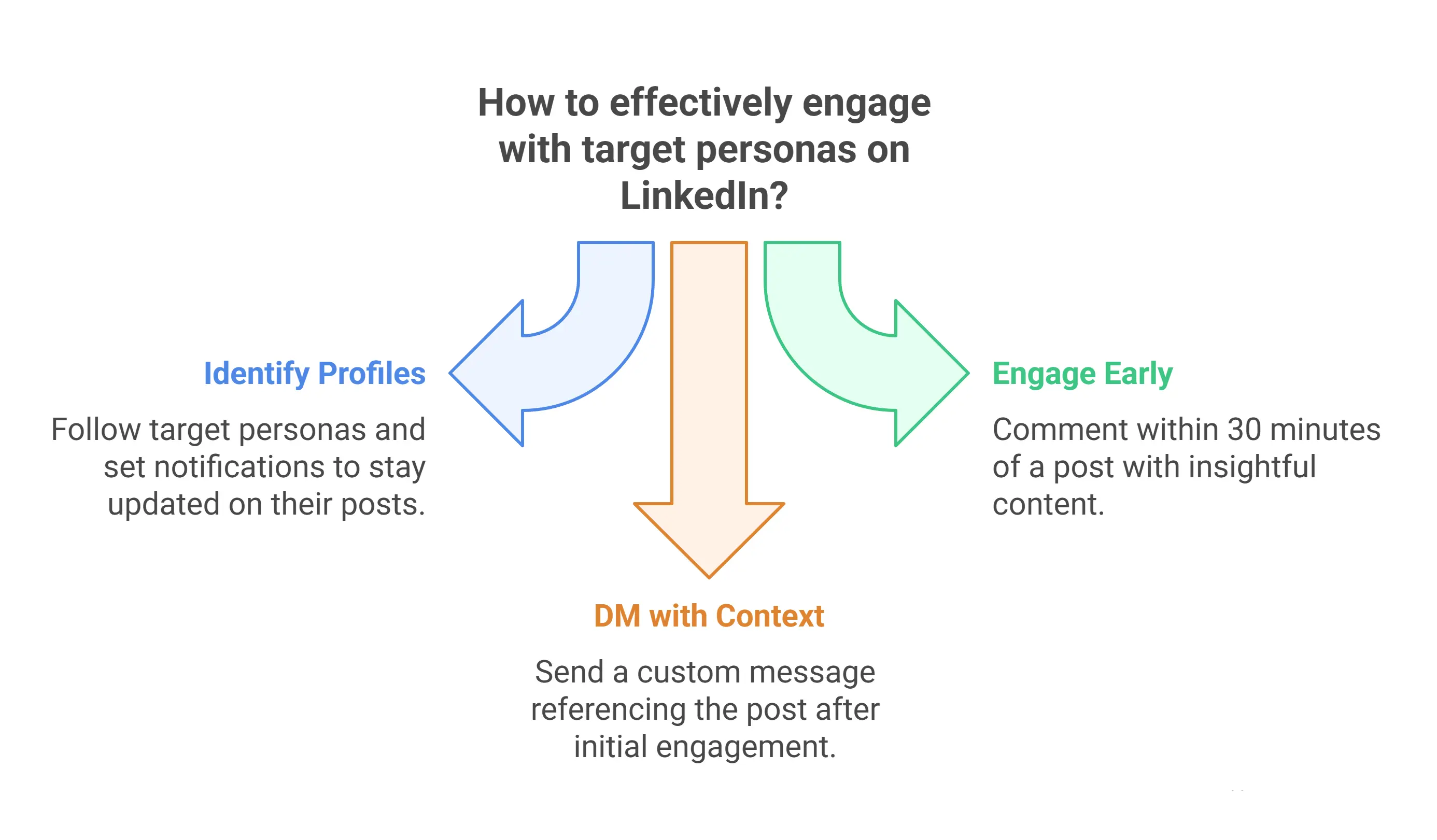
Segmenting trade show leads into hot, warm, and cold tiers immediately after the event allows marketers to craft LinkedIn messages and connection requests that reference the specific pain point discussed at the booth. This approach dramatically outperforms generic 'great meeting you' outreach and keeps your brand top-of-mind during the critical post-show window. The real tradeoff is the upfront investment in capturing detailed lead context notes during the show itself.
4. Produce a Short-Form Event Highlight Video for Instagram and LinkedIn Reels
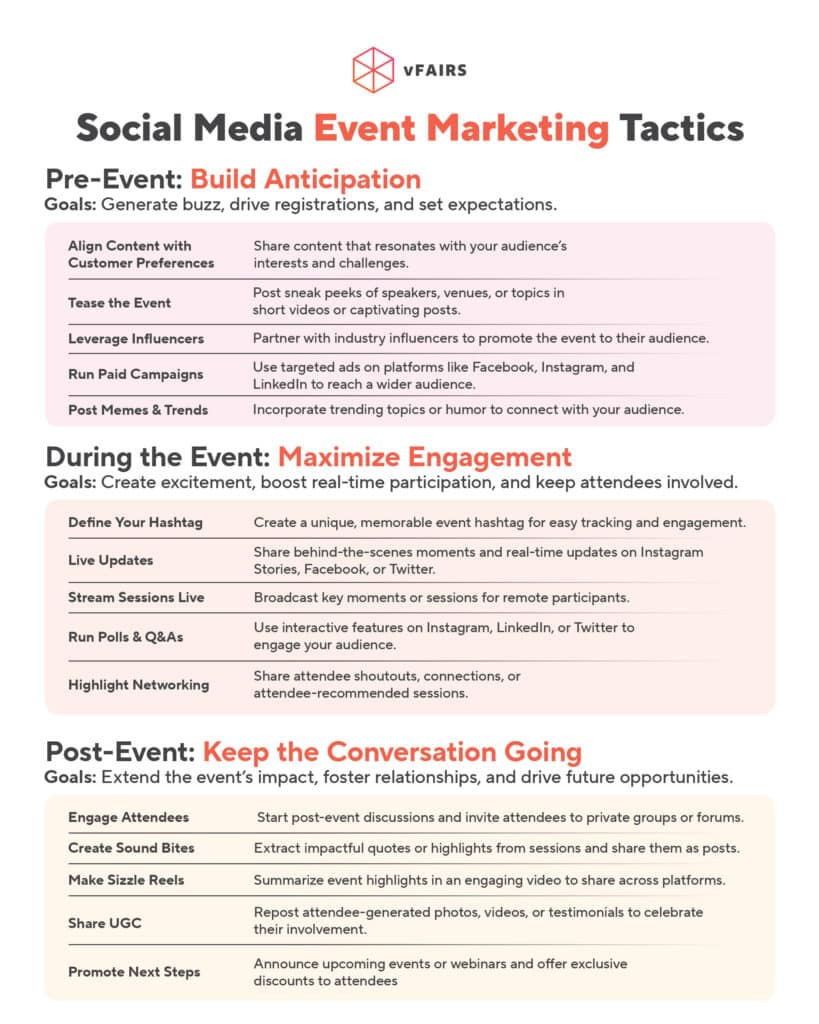
A 60-to-90-second highlight reel stitching together booth footage, product demos, and candid attendee moments performs exceptionally well on LinkedIn and Instagram in the week following a trade show. For exhibitors targeting visual industries or launching new products, video content drives significantly higher engagement than static posts. The primary tradeoff is production cost and turnaround time, without a videographer on-site during the show, quality suffers considerably.
5. Deploy an Automated Email Nurture Sequence Triggered Within 24 Hours of the Show
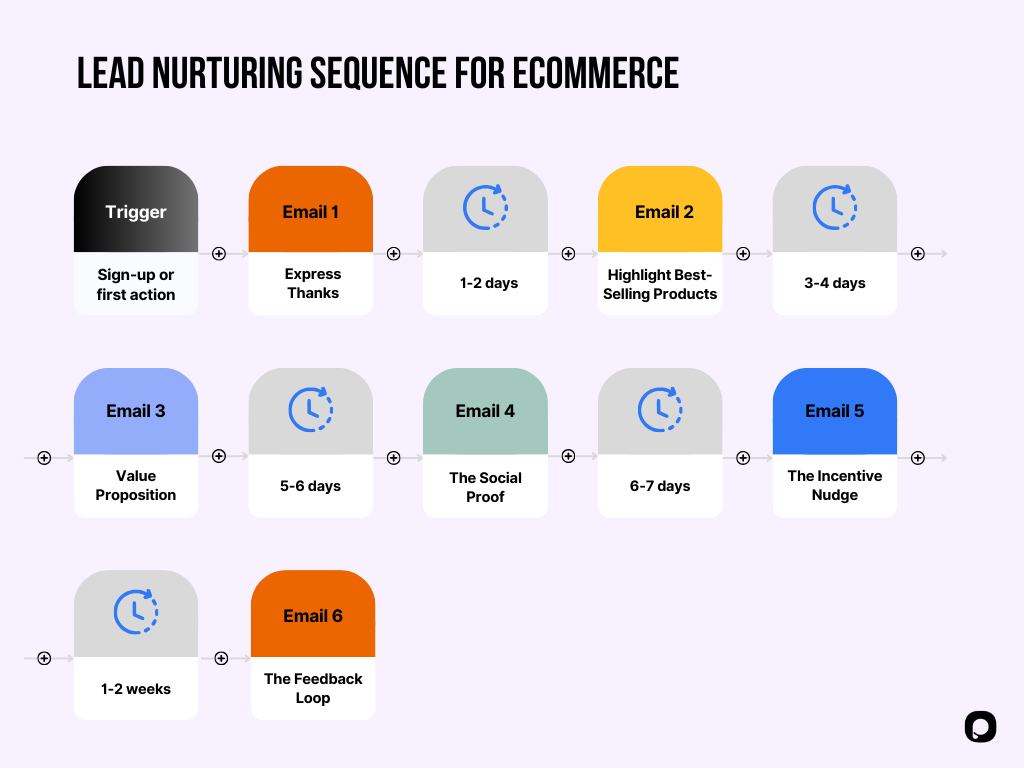
Activating a pre-built automated email nurture sequence the morning after the trade show ensures no lead goes cold while your sales team is still traveling home. Each email in the sequence should deliver incremental value, a relevant case study, a product comparison guide, or an exclusive post-show offer, rather than a hard sell. This strategy is ideal for exhibitors with large lead volumes. The limitation is that automation without personalization can feel impersonal to high-value prospects.
Measuring and Analyzing Trade Show Results: 4 Strategies to Track ROI and Refine the Next Event
A post-show ROI report that lives in a slide deck and a debrief that lives in a shared doc nobody reopens are not two separate deliverables. They are one broken feedback loop. The teams that actually improve event-over-event treat the numbers and the narrative as a single system: the data tells you what happened, the conversation tells you why, and together they produce one output that matters, which is a concrete change list that rewires your pre-show setup decisions before the next event.
1. Calculate Cost-Per-Lead Against Closed Revenue to Establish True Event ROI
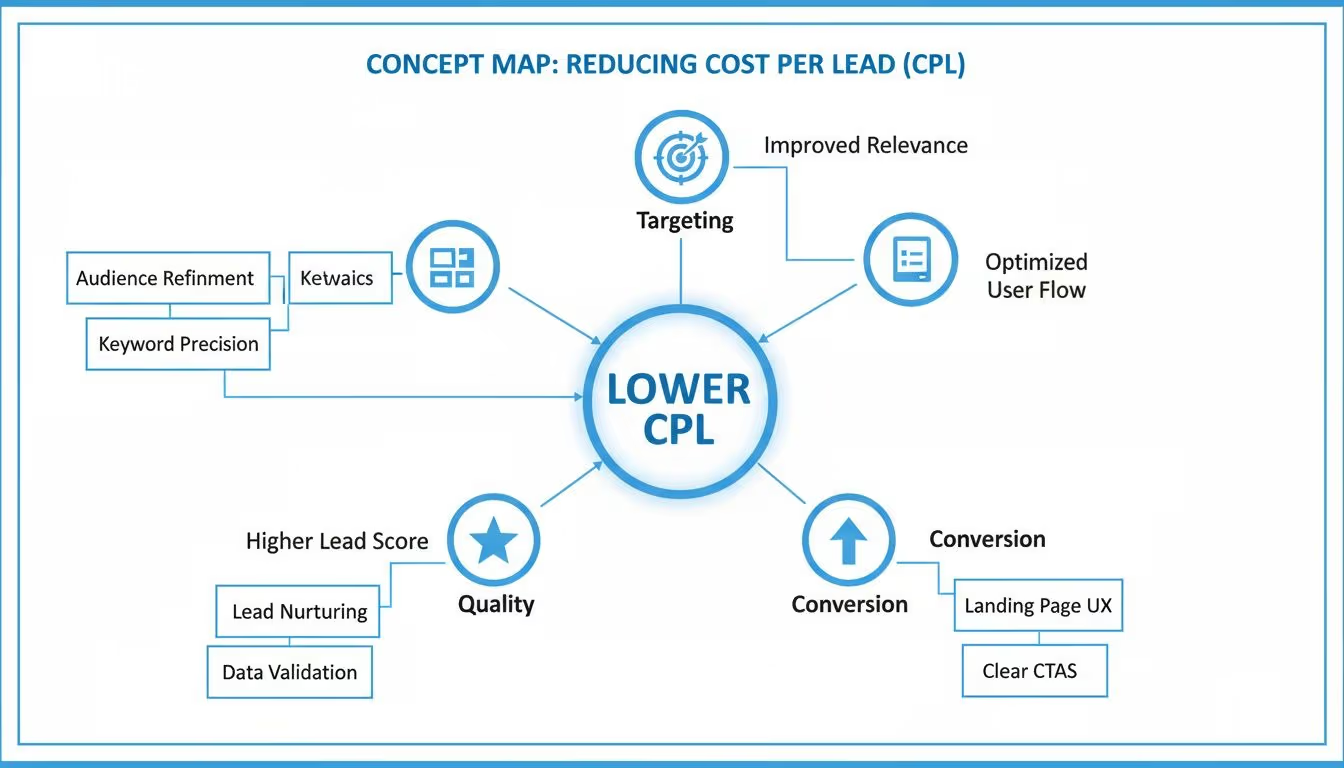
Post-trade show marketing strategies live or die on whether teams connect booth spend to actual closed deals, not just badge scans. By dividing total event costs, booth fees, travel, collateral, by leads generated, then tracking which leads converted to revenue, B2B marketers gain a defensible ROI figure. The real tradeoff: long sales cycles mean this number may not materialize for 6–12 months, requiring patience and disciplined CRM tagging from day one.
2. Segment and Score Leads by Booth Interaction Quality Within 48 Hours Post-Show
Not all trade show contacts carry equal weight. Applying a lead-scoring framework immediately after the event, separating hot prospects who requested demos from passive badge swipes, directly improves downstream conversion rates and prevents sales teams from wasting cycles on cold contacts. This approach is ideal for companies with large lead volumes and limited sales bandwidth. The limitation: scoring criteria must be agreed upon before the show, not improvised afterward.
3. Track Lead-to-MQL Conversion Rate by Channel to Benchmark Show Performance Against Digital
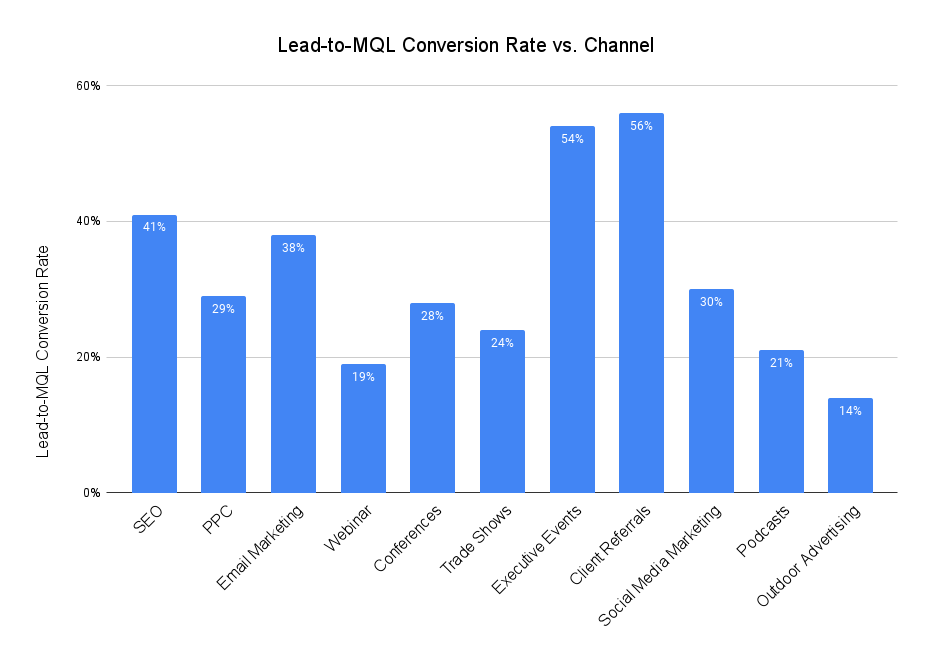
One of the most underused post-trade show marketing strategies is comparing event-sourced lead-to-MQL conversion rates against other acquisition channels like SEO or paid media. Industry benchmarks reveal whether trade show leads outperform or underperform digital equivalents on a per-dollar basis. This is the right move for demand-gen leaders justifying event budgets to CFOs. The tradeoff: without consistent MQL definitions applied across all channels, the comparison becomes meaningless noise.
4. Run a Post-Event Retrospective Survey With Booth Staff to Capture Qualitative ROI Signals
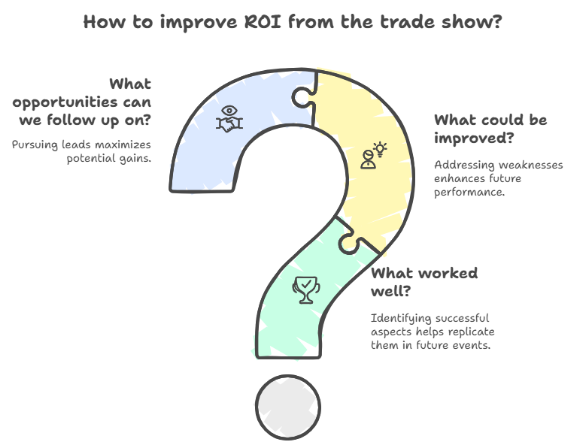
Quantitative metrics miss what booth staff observed firsthand, recurring objections, competitor mentions, and unexpected audience segments. A structured debrief survey completed within 72 hours captures these qualitative signals and feeds directly into refining messaging, booth design, and follow-up sequences for the next event. Best suited for teams attending multiple shows annually where iterative improvement compounds. The limitation: insights are subjective and require synthesis before they can inform concrete strategic changes.
Related Reading
- Best Tech Conferences For Networking
- Best Networking Apps for Trade Show Attendees
- Best Finance Conferences For Networking
- Trade Show Booth Ideas For Small Budgets
- Virtual Conference Booth Ideas
- Networking Activity Ideas For Conferences
- What Are The Top Trade Show Lead Retrieval Tools
- Trade Show Follow Up Email Examples
- Conference Lead Capture Tools
- Trade Show Lead Capture App
The Bridge - Why the 28 Strategies Above Only Reach Full Potential When the Lead Capture Foundation Is Automated
Every post-show tactic in a follow-up playbook is gated behind a single prerequisite: the contact must exist as a live CRM record before any automation can fire. That prerequisite fails more often than most Sales Directors realize, and when it does, the entire playbook operates on a smaller, staler list than the one your reps actually built on the show floor.
The Missing Foundation Most Post-Trade Show Marketing Strategies Overlook
"Agents lack a systematic, automated foundation to capture leads consistently, even when running multiple strategies like ads, direct mail, and social media simultaneously, there's no unified system ensuring leads are followed up on."
Most teams handle post-show follow-up by pushing reps to enter cards faster, tightening the debrief cadence, and adding accountability checkpoints in the CRM. What that logic misses is the structural gap upstream. The vast majority of new contacts collected at events never make it into the CRM because manual entry is simply too much friction to complete consistently after a three-day show. The consequence is not a coaching problem. It is a data completeness problem, and no sequence, segment, or retargeting campaign can reach a contact that does not yet exist as a record.
Where Post-Trade Show Marketing Strategies Fail Without Automated Lead Capture
Every hour a contact sits outside the CRM is an hour where automated sequences cannot fire, lead scores cannot calculate, and rep attribution cannot record. A delayed or incomplete CRM is not an administrative inconvenience; it is a conversion bottleneck that throttles the return on every downstream tactic simultaneously.
Next steps
If your reps return from every show with badge scans that never become CRM records, the path forward starts with removing the manual entry step entirely. No follow-up sequence, retargeting campaign, or LinkedIn recap post can reach a contact that does not exist in the system yet. Start with our digital business card.
The 48-hour follow-up window that drives 5x higher conversion rates is structurally inaccessible to any team still reconciling CSV exports after the show closes, meaning speed tactics fail before they start. Every post-show strategy in this guide, from segmented email sequences to retargeting campaigns, is gated behind a single prerequisite: the contact must exist as a live CRM record before any automation can fire. Together, those two realities point to one action: automate the capture step so the pipeline builds itself in real time, tap by tap.
For a deeper look at how the capture layer connects to the full follow-up workflow, see digital business card.
Frequently Asked Questions
How soon after a trade show should I follow up with leads?
Follow up with every hot and warm lead within 24 to 48 hours of the show closing, while the booth conversation is still a specific memory for both sides. Following up within 48 hours drives 5x higher conversion rates compared to waiting longer, and reply rates have already dropped 3x by the time most exhibitors send their first message.
Should I send the same follow-up email to everyone I met at the show?
No, sending the same broadcast email to every contact is the fastest way to burn your hottest prospects. Sort contacts into hot, warm, and cold tiers first, and give each tier a structurally different sequence, channel mix, and call-to-action before any outreach goes out.
How do I use LinkedIn as part of my post-show follow-up?
Send a LinkedIn connection request to every hot and warm lead on the day of the conversation, while your face and the context are still fresh, and reference the booth conversation in the connection note. For high-value prospects, pairing that same-day request with a personalized video message on Day 2 consistently outperforms text-only follow-up.
Why do so many trade show leads never make it into the CRM?
The problem is structural, not operational, paper cards, badge scanners, and manual CSV uploads all require a manual data-entry step between contact exchange and CRM entry, and that step is where leads quietly die. Industry data shows 80% of trade show leads receive no follow-up at all, and the root cause is the handoff between the booth floor and the pipeline being broken by design, not rep negligence.
What should I set up before the show to make post-show follow-up actually work?
Three pre-show decisions determine whether follow-up is a system or a scramble: define lead qualification tiers so reps capture consistent data, assign rep-to-territory ownership so no contact sits unclaimed, and configure automated CRM entry triggers so the manual reconciliation step never exists. CRM field mapping and automated nurture sequences, timed for Day 1, Day 3, and Day 7, must also be live and tested before the booth ships, not after the show closes.