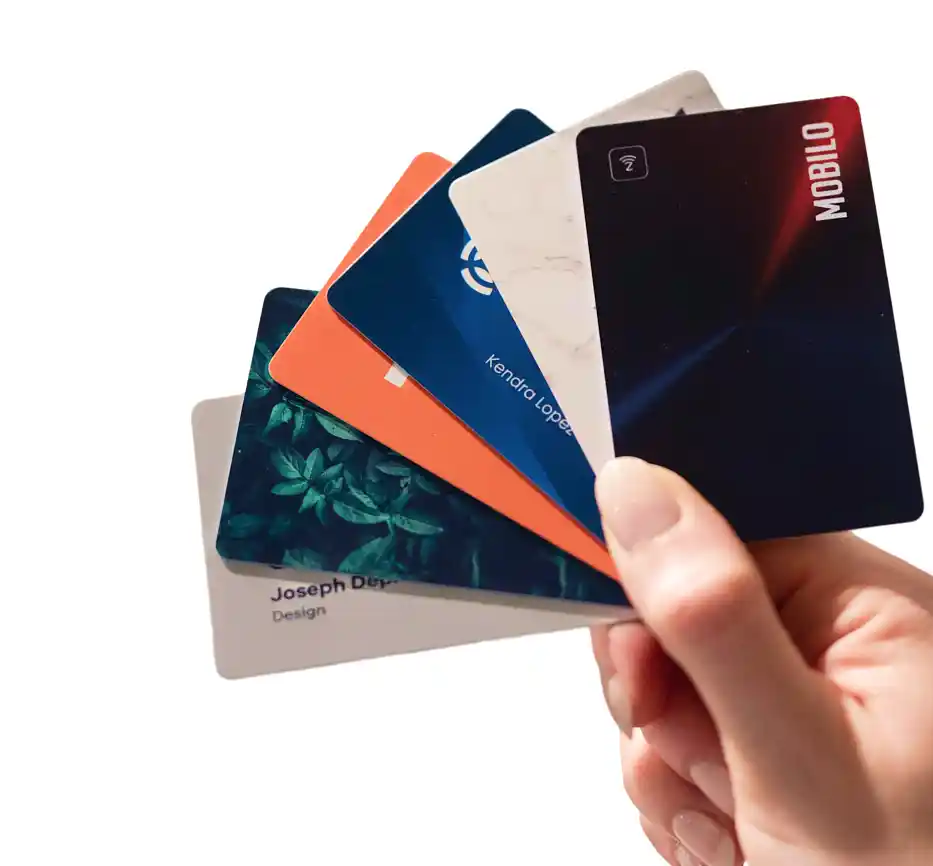
.avif)


8 Best Trade Show Giveaways That Actually Attract Leads
On This Page
Most trade show giveaways fill a swag bag and vanish from your CRM forever. Here is how to pick items that turn a booth handoff into a pipeline entry before the show floor closes.
Trade show giveaways feel like a solved problem. The common assumption is that the best trade show giveaway is whichever item draws the most people to the booth, and that impressions and foot traffic are the primary success metric for giveaway strategy. Order something branded, stock the booth, watch the crowds form.
The reality is more uncomfortable: booth traffic and pipeline generation are almost entirely disconnected metrics, and most Sales Directors don't discover that gap until they're back at the office staring at a badge-scan export that goes nowhere. See our digital business card for how this works in practice. The spend is real.
The contacts are not. The vast majority of new contacts captured at events, a figure often cited above 90%, never make it into a CRM because the manual logging step simply doesn't happen at scale.
That's not a rep discipline problem. It's a structural gap between the moment of contact and the moment of record. Tools like tap-to-share cards exist precisely to close that gap automatically, but most booths still rely on methods that were never designed to produce pipeline data.
The post-show workflow breaks down at every handoff point. Badge scans sit unexported. Fishbowl drops go unactioned.
Physical cards pile up on a desk until someone throws them away, which is what most teams report happens to the vast majority of cards exchanged at events. Each method shares the same fatal flaw: a human being has to complete a manual step before the contact becomes a CRM entry, and that step is where leads go to die. The swag budget is the visible line item.
The invisible cost is compounded: rep hours at the booth, travel, sponsorship fees, and post-show cleanup time, all producing zero measurable pipeline output. Trade show leads are among the most expensive in B2B marketing on a cost-per-lead basis, which makes the 90% CRM dropout rate a financial problem, not just an operational inconvenience. The question most teams ask when planning booth giveaways is the wrong one. Drawing a crowd and generating foot traffic are legitimate goals, but they are upstream of the only metric that connects giveaway spend to pipeline: the number of qualified contacts that enter a CRM before the show floor closes.
booth traffic and pipeline generation are almost entirely disconnected metrics
90% of trade show leads never enter a CRM
Key takeaways
- Most trade show giveaways are measured by booth traffic, the metric that has nothing to do with how many contacts enter your CRM by Friday.
- 90% of new event contacts never make it into a CRM because manual entry is too much friction, not because reps forget to follow up.
- The right giveaway has two jobs: stay useful long enough that the attendee keeps it, and carry a capture mechanic that converts the handshake into a pipeline entry.
- Foot traffic and qualified leads are different metrics, a swag table that empties by noon can still produce zero CRM entries by end of day.
- Budget-friendly items under $5 can drive real pipeline results, but only when paired with a capture mechanic; without one, even a well-chosen item is a brand impression that evaporates.
- The 2026 giveaway standard has shifted to utility, sustainability, and premium quality as the baseline, the differentiator is whether the item closes the CRM gap.
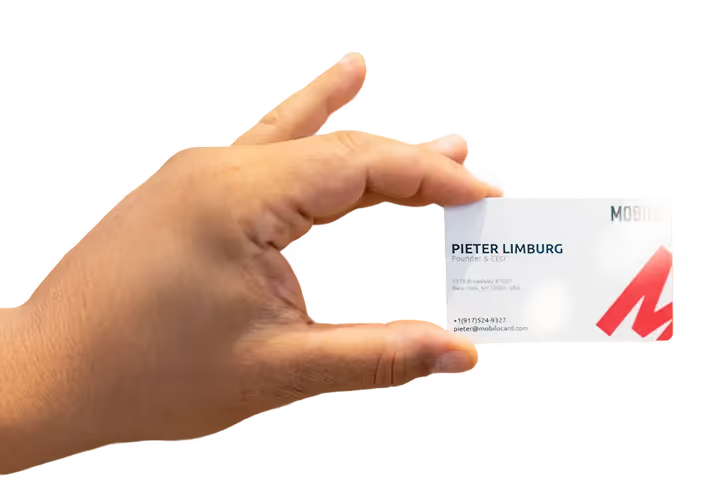
- Mobilo's NFC digital business cards close that gap directly: when someone taps or scans a Mobilo card, their contact information is captured and synced into your CRM in real time, no manual entry, no lost leads.
How to Choose the Right Trade Show Giveaway - The Lead-First Criteria Framework
Swapping "what will people grab?" for "what will put this person in our pipeline?" exposes a problem most sales directors have never formally named: they are still measuring giveaway success by foot traffic.
Booth traffic feels like progress. Smiles, selfies, a line out the front of your space, and then the show ends, the carpet gets rolled up, and your CRM looks exactly the same as it did on Monday morning. The real challenge, one we see consistently among exhibitors, is choosing a giveaway memorable enough to generate post-show follow-up, because most standard swag fails that test entirely.
The item gets pocketed, tossed in a conference tote, or left in a hotel room, and the contact moment evaporates with it. The real question for any sales director accountable to a pipeline number is not "what will people want?" but "what will make a qualified prospect hand over their information before they walk to the next booth?"
The Three Pipeline Filters Every Giveaway Must Pass Before You Order a Single Unit
Every giveaway decision should clear three filters before a purchase order goes out. A giveaway that fails any one of these filters is a cost center, not a pipeline asset.
- Pass Condition: Item creates a reason for a qualified prospect to stop and engage, not just grab and go
- Fail Signal: Attendees take the item without making eye contact with a rep
- Pass Condition: The handoff moment includes a contact-capture step (NFC tap, QR scan, form)
- Fail Signal: Item distribution ends at the physical object with no data collected
- Pass Condition: Item is still in daily use ≥1 week after the show, keeping your brand in the prospect's environment
- Fail Signal: Item ends up in a hotel trash can or conference tote graveyard
A Mobilo NFC card clears all three filters by design. Upon card delivery and first use, a rep's profile is live and tap-ready, with no configuration lag at the booth. Within minutes of the first tap, the prospect's contact information flows directly into the lead capture and management system included on every plan, from the Pro tier ($3/month, billed annually) through Teams ($4/month) and Business ($5/month). And because the card lives in a prospect's wallet or on their desk rather than a swag bag, the brand stays in their environment well past the show floor. Items that serve a daily utility function outlast and outperform novelty giveaways on every recall metric.
Segment by Buyer Intent, Not Just Industry
A VP of Operations from a target account and a junior analyst from the same sector are not the same conversation, and they should not receive the same item. Segment by observable signals at the booth: someone who asks about pricing, mentions a current vendor, or requests a follow-up call is a qualified prospect.
That person earns a premium item tied to a contact-capture moment. Everyone else gets a traffic-driver item that costs under five dollars and moves them toward a rep. Mobilo's Team tier makes this segmentation physically tangible.
Every tier, regardless of card material, includes unlimited taps and scans, full team data analytics, CRM integrations, team management, and the ability to control, lock, and override data fields across your entire team, so the capture mechanic is consistent no matter which card a rep hands out. After the first networking event or card tap, all captured leads are already centralized and enriched, ready for follow-up, with no manual re-entry required.
Budget Tiers Reframed by ROI
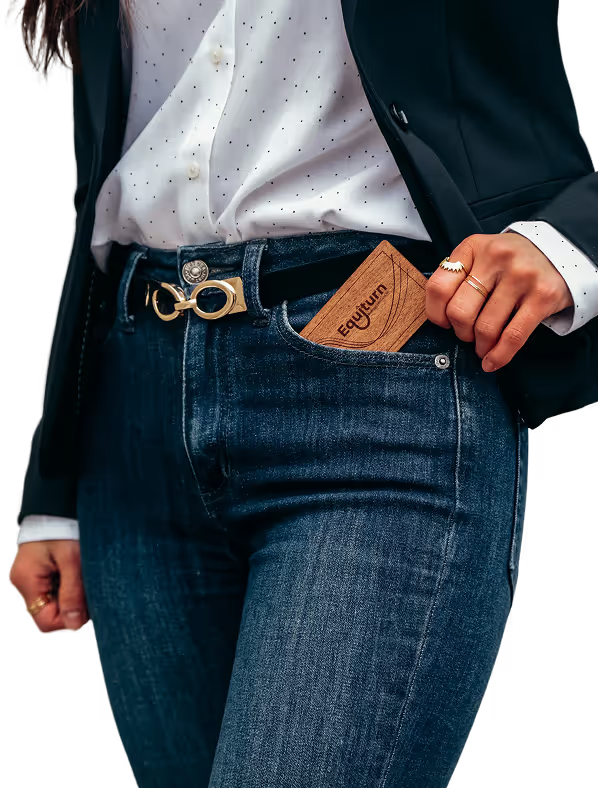
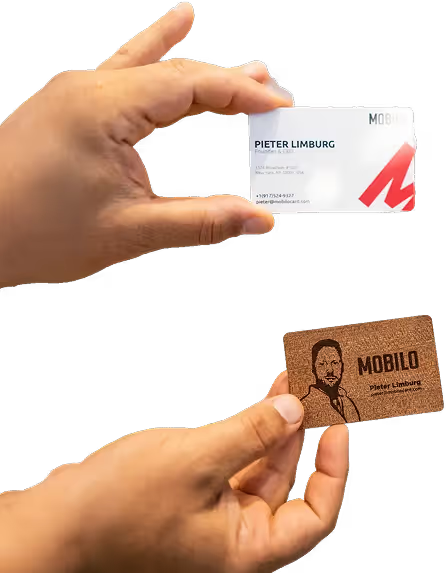
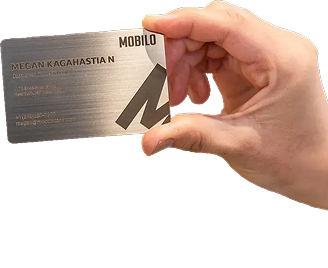
At volume, the average promotional giveaway item costs between two and five dollars, with premium items running twenty to fifty dollars per unit. Sub-$5 items are traffic drivers: they lower the barrier to approaching your booth and create enough goodwill for a conversation to start. The $20–$50 tier is where qualified-prospect conversion happens, because a premium item signals that the rep values the relationship enough to invest in it. Mobilo's card lineup maps directly onto this framework. The Digital Wallet Card covers the traffic-driver tier at effectively zero incremental hardware cost, while Metal and Wood custom cards occupy the premium conversion tier, both available at promotional prices meaningfully below their original retail.
A Practical Formula for Estimating Order Quantities
Genuine qualification rates for B2B booths typically fall between 10% and 30% of total visitors, so a realistic order quantity for premium-tier items is a fraction of total expected traffic, not a one-to-one match. Order your traffic-driver items at full projected attendance; order your premium items at 15–25% of that number and replenish only if qualified conversations exceed forecast. Because the Teams and Business plans support unlimited team members with central billing, team management, and brandable QR codes, scaling up mid-show, adding reps or adjusting card assignments on the fly, does not require a new purchase order.
The software layer stays ready; only the physical card inventory needs managing. For larger deployments, the Business plan ($5/month, billed annually) also adds enterprise SSO, HR directory sync, custom domain, and white-glove onboarding for teams of 100 seats or more, making it straightforward to standardize this entire giveaway-to-pipeline workflow across a national field sales team before the next event cycle begins.
Turning the Post-Show Window Into a Closed-Loop Follow-Up System
The giveaway decision does not end when the last attendee leaves your booth. The 48-hour window after a show closes is where most pipeline value either compounds or evaporates entirely, and the exhibitors who lose it are almost always the ones whose capture mechanic stopped at the physical object. When contact data lives on a stack of paper business cards or inside a badge scanner that exports a flat CSV on day three, the follow-up sequence depends on a rep manually triaging hundreds of rows before memory fades and context disappears.
A closed-loop system eliminates that gap by design. Every tap or scan through a Mobilo card writes the prospect's information directly into the connected CRM in real time, timestamped and attributed to the specific rep who made the contact, so the follow-up queue is already populated and prioritized before the booth teardown crew arrives. Reps leave the show floor with a live task list rather than a badge-scan export to decode.
For sales directors managing distributed field teams across multiple events in a single quarter, the team analytics dashboard surfaces:
- which reps generated the most qualified taps
- which show formats produced the highest capture rates
- where drop-off occurred between first contact and CRM entry
This turns every event into a data point that sharpens the next one. The result is a giveaway program that does not reset to zero after each show but instead builds a compounding body of pipeline intelligence that informs budget allocation, rep deployment, and item selection for every event that follows.
Related Reading
- Etiquette For Networking In Online Conferences
- Measuring Event Roi
- Trade Show Sales Tips
- Trade Show Follow Up Best Practices
- How Do You Find The Roi Of A Trade Show
- Trade Show Sales Funnel
- What Is Trade Show Marketing
- Event Lead Management
- B2b Trade Show Best Practices
- Conference Lead Generation
- B2b Trade Show Marketing
What Are the Top Trending Trade Show Giveaways for 2026 - And Which Ones Actually Convert
The booth that ran out of tote bags by noon last year had a line stretching into the aisle and nothing to show for it in the CRM by Friday. Crowd and pipeline are different metrics, and most trade show budgets vanish in the space between them. The 2026 giveaway landscape has shifted toward a clearer standard: utility, sustainability, and premium quality are the baseline, not the differentiator.
The promotional products market is on track to reach roughly $101 billion by 2026, yet 66% of promotional products eventually end up in landfills. The items that survive that cut are the ones attendees reach for on a Tuesday morning, three weeks after the show floor closes. What follows is a list of eight items evaluated through a single lens: how strongly does each one pull a qualified prospect into a follow-up moment, not just a grab-and-go transaction?
1. Custom Branded Insulated Tumblers - Best High-Perceived-Value Giveaway
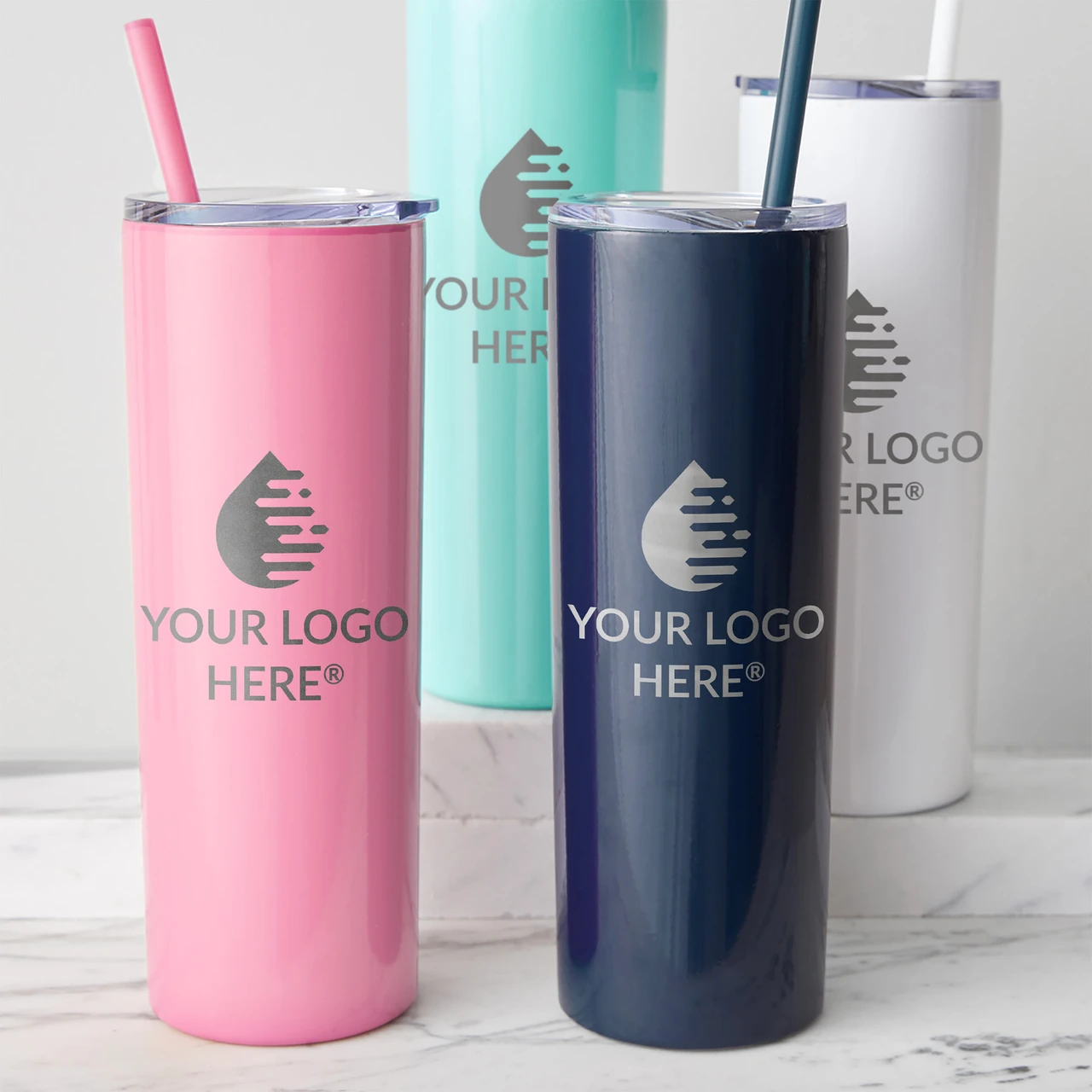
Insulated tumblers consistently rank among the best trade show giveaways because attendees keep and use them daily, delivering repeated brand impressions long after the event ends. They're ideal for B2B brands targeting decision-makers who respond to premium utility over cheap novelty. The real tradeoff is cost, quality tumblers run $12–$25 per unit, making them better suited for qualified leads than mass giveaways.
2. Eco-Friendly Recycled Tote Bags - Best Sustainable Crowd-Pleaser
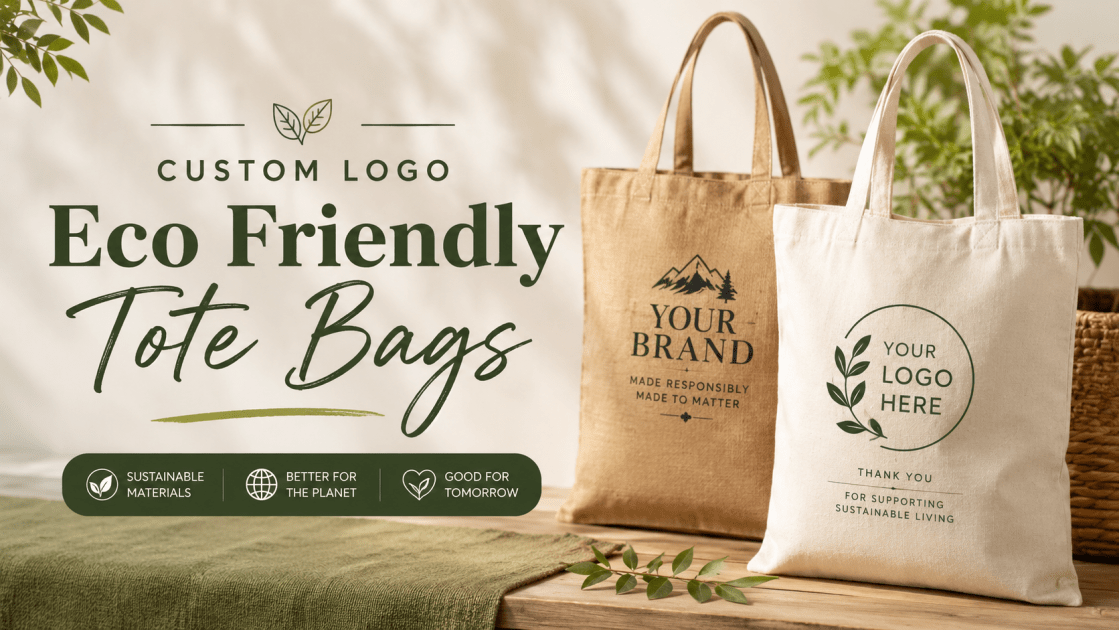
Recycled or organic cotton tote bags are the go-to eco-friendly trade show giveaway for brands with public ESG commitments who need a high-volume, floor-friendly item. They double as walking billboards throughout the show floor as attendees carry them all day. The limitation is saturation, nearly every booth offers a tote, so differentiation requires bold design and premium material weight to stand out.
3. NFC-Enabled Digital Business Cards - Best Tech-Forward Lead Converter
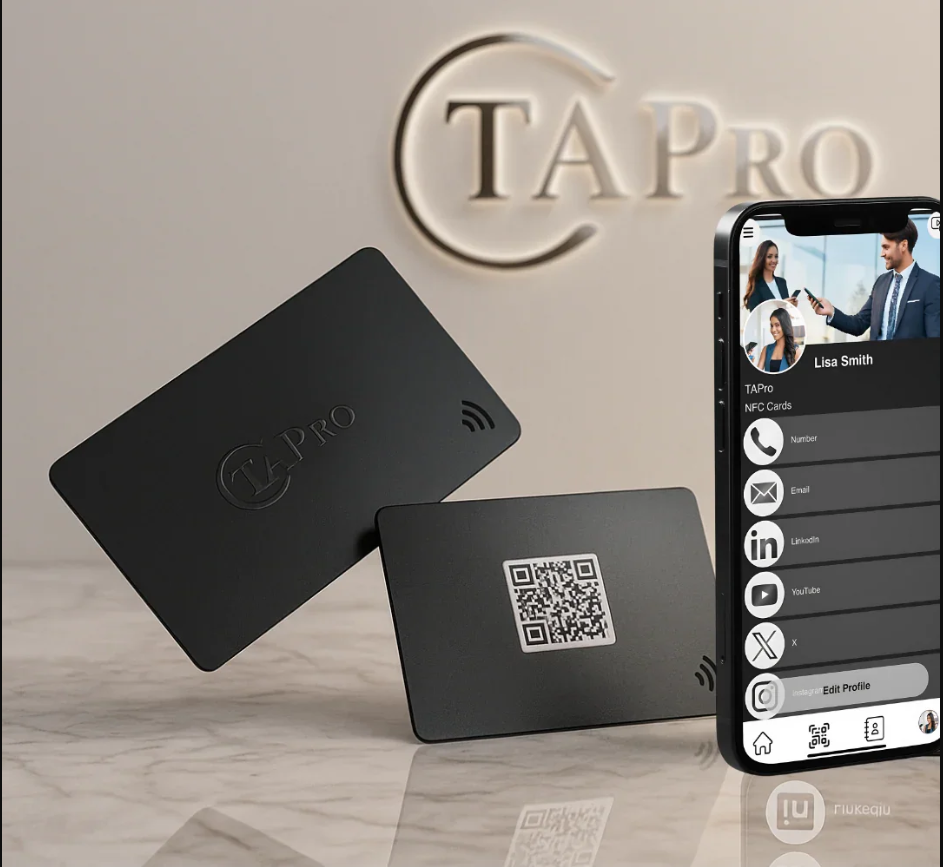
NFC digital business cards are among the most conversion-focused best trade show giveaways for 2026, letting prospects tap their phone to instantly receive contact details, portfolio links, or a demo booking page. They eliminate paper waste and create a memorable tech moment at the booth. The tradeoff is upfront cost and the need for staff training, older attendees or those with older devices may not engage as seamlessly.
4. Portable Wireless Chargers - Best Functional Tech Giveaway for Qualified Prospects
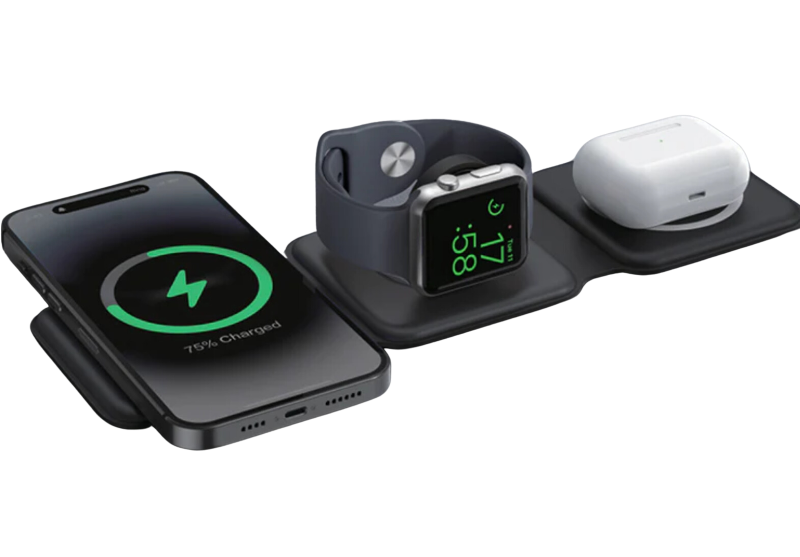
Branded wireless charging pads and power banks are perennial top performers among best trade show giveaways because they solve an immediate, universal pain point at events, dead phone batteries. They're best reserved for hot prospects or VIP visitors rather than mass distribution due to unit costs of $15–$40. The tradeoff is that cheaper versions underperform and can damage brand perception if they fail to charge reliably.
5. Seed Paper Branded Notecards - Best Low-Cost Eco Giveaway with Novelty Factor
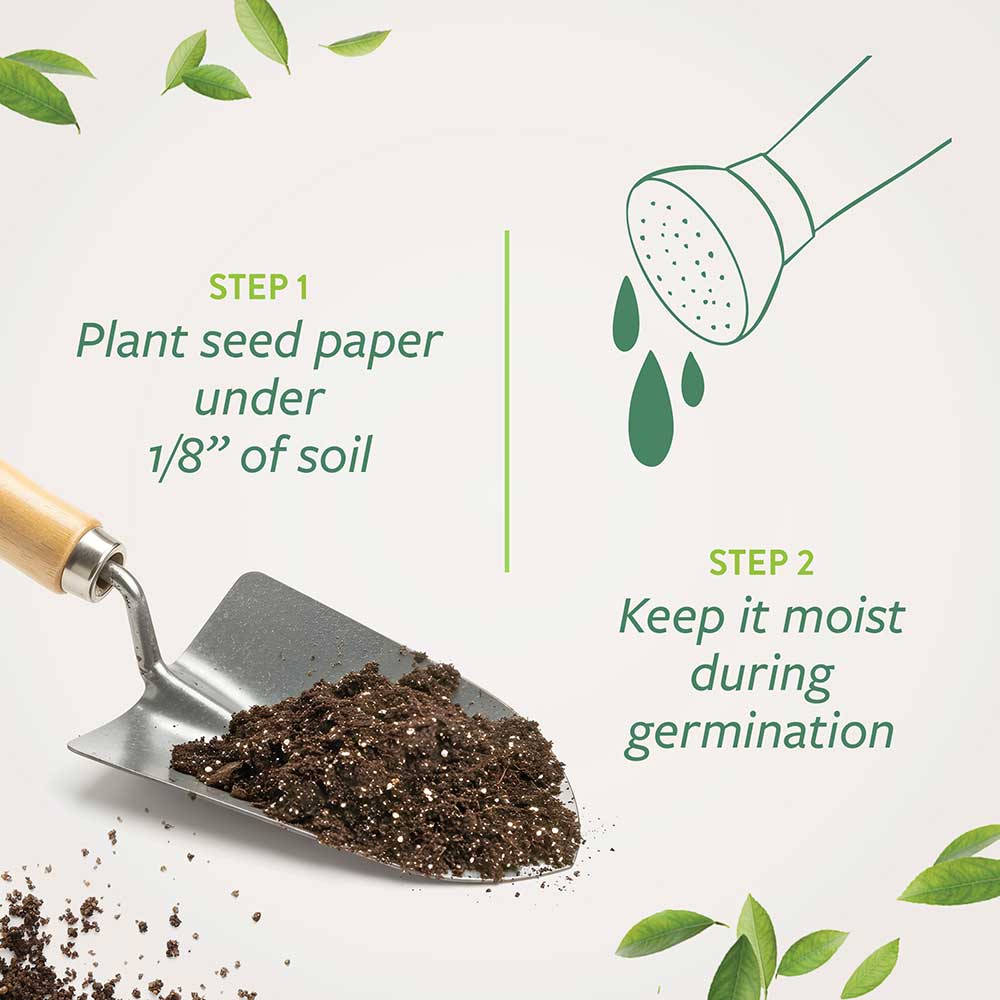
Seed paper notecards, plantable cards embedded with wildflower or herb seeds, are a standout eco-friendly trade show giveaway that generates genuine conversation at the booth. They're affordable at $1–$3 per unit, making them viable for high-volume distribution. The limitation is shelf life: they must be kept dry and used within a season, and the novelty can feel gimmicky if the brand's sustainability story isn't authentic.
6. Custom Lip Balm with QR Code Label - Best Affordable High-Touch Lead Capture Item

Custom-branded lip balm with a QR code printed on the label is one of the most cost-effective best trade show giveaways for driving measurable lead capture, costing under $2 per unit while delivering a functional item attendees pocket immediately. The QR code links to a landing page, demo signup, or exclusive offer, creating a trackable post-show touchpoint. The tradeoff is low perceived value, it works best as a secondary giveaway paired with a stronger anchor item.
7. Branded Microfiber Tech Cleaning Cloths - Best Budget Giveaway with Desk Longevity
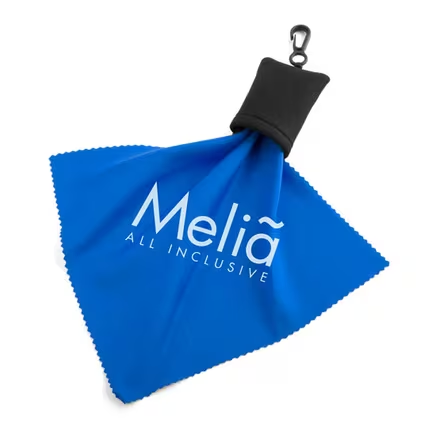
Custom microfiber screen-cleaning cloths are a sleeper hit among best trade show giveaways, they cost under $1.50 each, pack flat for easy distribution, and live permanently on desks next to monitors and phones, delivering daily brand impressions. They're ideal for tech, SaaS, and B2B companies whose buyers stare at screens all day. The limitation is low wow-factor at the booth itself; they work best as a leave-behind rather than a traffic-driver.
8. Interactive Spin-to-Win Giveaway Wheel with Tiered Prizes - Best Booth Traffic Driver
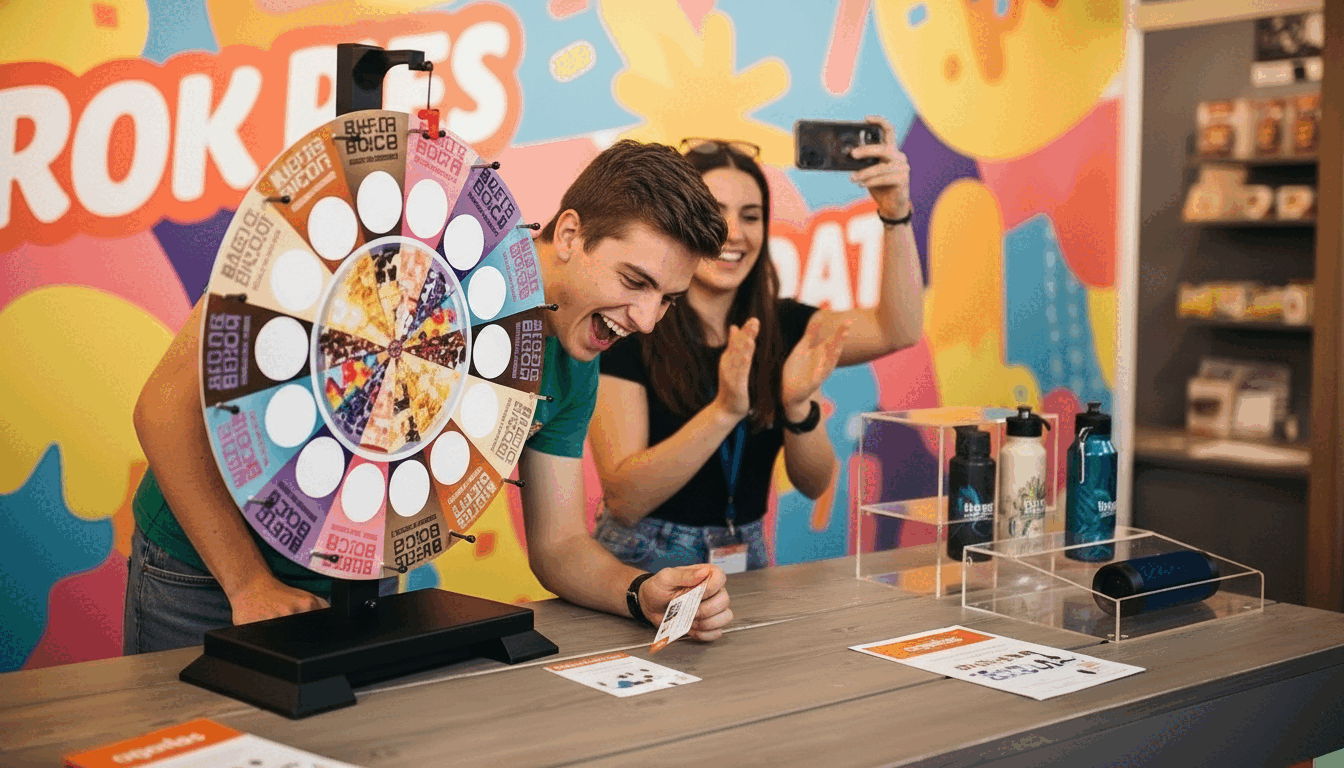
A branded spin-to-win prize wheel is one of the most effective best trade show giveaways strategies for generating booth traffic and mid-event engagement, using tiered prizes, from branded pens to premium tech items, to attract and qualify visitors. The gamification element creates a social buzz that draws passersby organically. The tradeoff is logistics: the wheel requires dedicated staff, physical space, and prize inventory management, raising operational complexity.
Budget-Friendly Trade Show Giveaways Under $5 That Still Drive Pipeline
Budget-friendly trade show giveaways under $5 can drive real pipeline results, but only when two conditions are met: the item is useful enough that attendees keep it, and it carries a capture mechanic that converts the handshake into a CRM entry. Without that second condition, even a well-chosen $1.50 lip balm is a brand impression that evaporates before the show floor closes. The capture mechanic is what determines pipeline yield, not the price tier of the item.
1. Branded Lip Balm - Best for High-Traffic Outdoor or Vegas-Style Shows
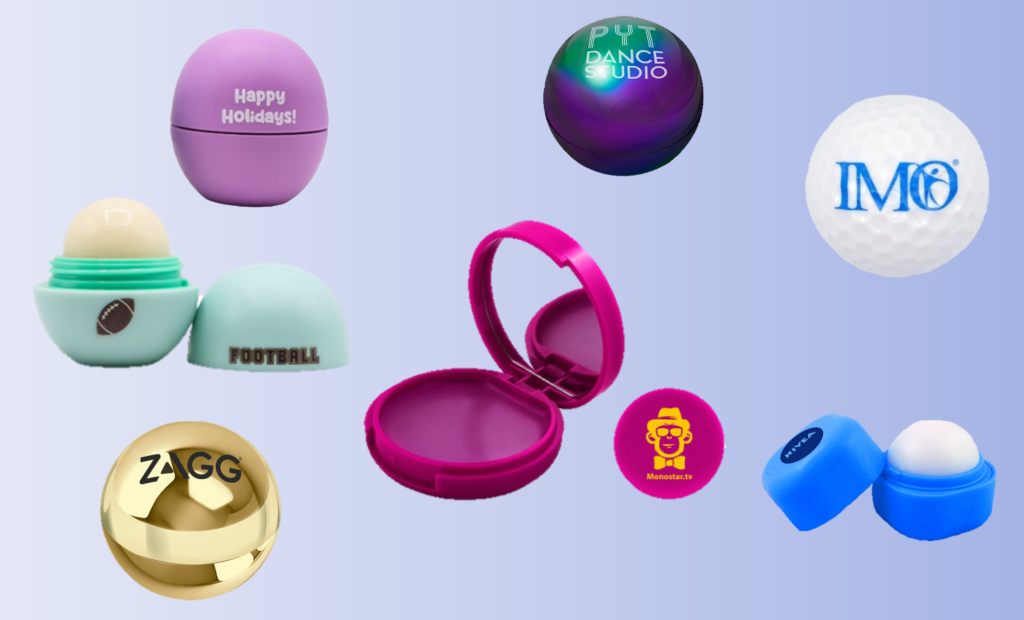
At under $1.50 per unit, branded lip balm punches well above its price point in dry-climate venues like Las Vegas convention centers. Attendees who dismiss it on day one are hunting for it by day three. It's a repeat-touch item that keeps your logo in hand throughout the show floor. The tradeoff: it reads as generic unless paired with a clever tagline or industry-relevant message on the label.
2. Custom Seed Packet - Best for Sustainability-Focused B2B Brands
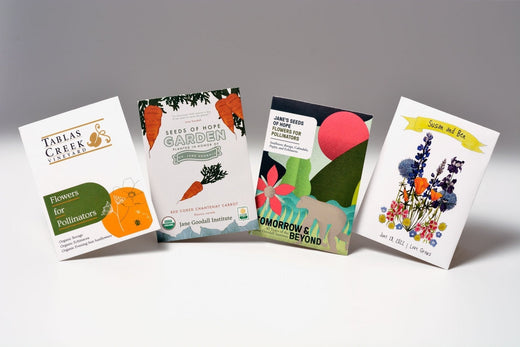
Seed packets land under $2 at volume and signal environmental values instantly, a strong fit for brands targeting procurement, facilities, or ESG-conscious buyers. They're lightweight, TSA-friendly, and nearly impossible to throw away without guilt, extending post-show brand recall. The real limitation is relevance: in tech or finance verticals, the metaphor can feel forced unless your messaging explicitly ties growth or sustainability to your product story.
3. Microfiber Screen Cleaning Cloth - Best for Tech and SaaS Exhibitors
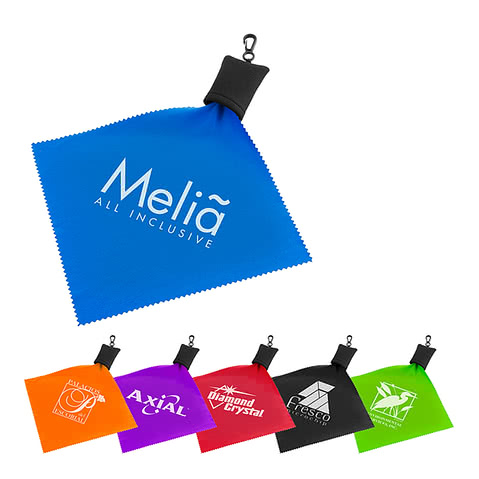
A microfiber cloth earns daily use on a laptop or phone screen, giving your logo repeated impressions long after the show closes. Add a QR code on the corner panel linking to a gated asset or product demo, and the cloth becomes a passive lead-capture surface. The tradeoff: print quality varies sharply by supplier, and a blurry logo does more brand damage than no cloth at all.
4. Retractable Carabiner Badge Reel - Best for Multi-Day Conference Formats
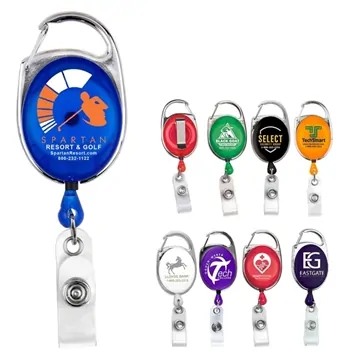
Badge reels run $1.50–$3 branded and solve an immediate pain point the moment they're handed out, attendees clip them on and wear your logo for the entire event. This creates passive, walking impressions across the show floor at no additional cost. They're especially effective at multi-day conferences where badge fatigue sets in. The limitation: design real estate is small, so your logo and URL must be clean and legible at thumbnail scale.
5. Branded Sticky Note Pad - Best for Sales and Finance Vertical Shows
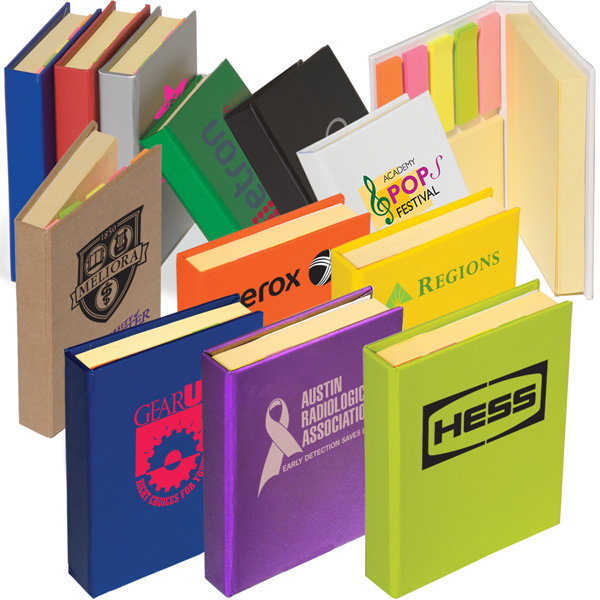
A 50-sheet sticky note pad with your logo costs under $2 at volume and lands on desks, monitors, and whiteboards for weeks post-show, exactly where B2B buying decisions get made. For sales, finance, or operations audiences who still work in analog environments, this is a high-retention item. The tradeoff is that digital-first audiences may see it as dated, so audience profiling before ordering is essential to avoid wasted budget.
6. Keychain Bottle Opener with QR Code - Best for Networking Receptions and Happy Hours
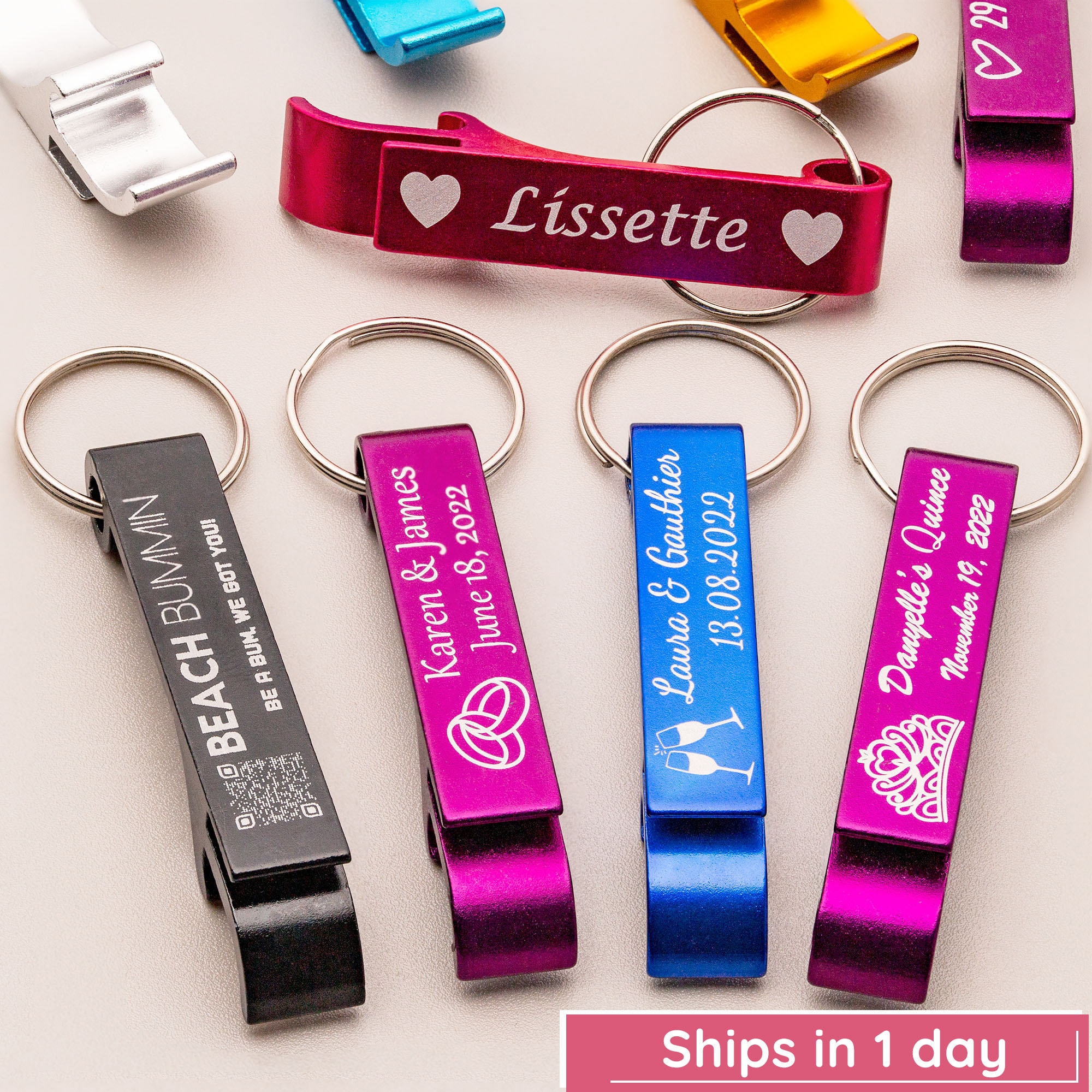
A metal keychain bottle opener runs $2–$4 branded and has a decade-long retention rate according to trade show veterans, one Reddit commenter noted keeping one for over ten years. Adding a QR code linking to a gated asset or demo booking page transforms a novelty into a lead-capture tool. Best deployed at evening receptions where the item's function is immediately relevant. The tradeoff: it's a crowded category, so material quality and finish matter more than the logo size.
7. Branded Silicone Cable Tie Set - Best for Hardware and IT Infrastructure Shows
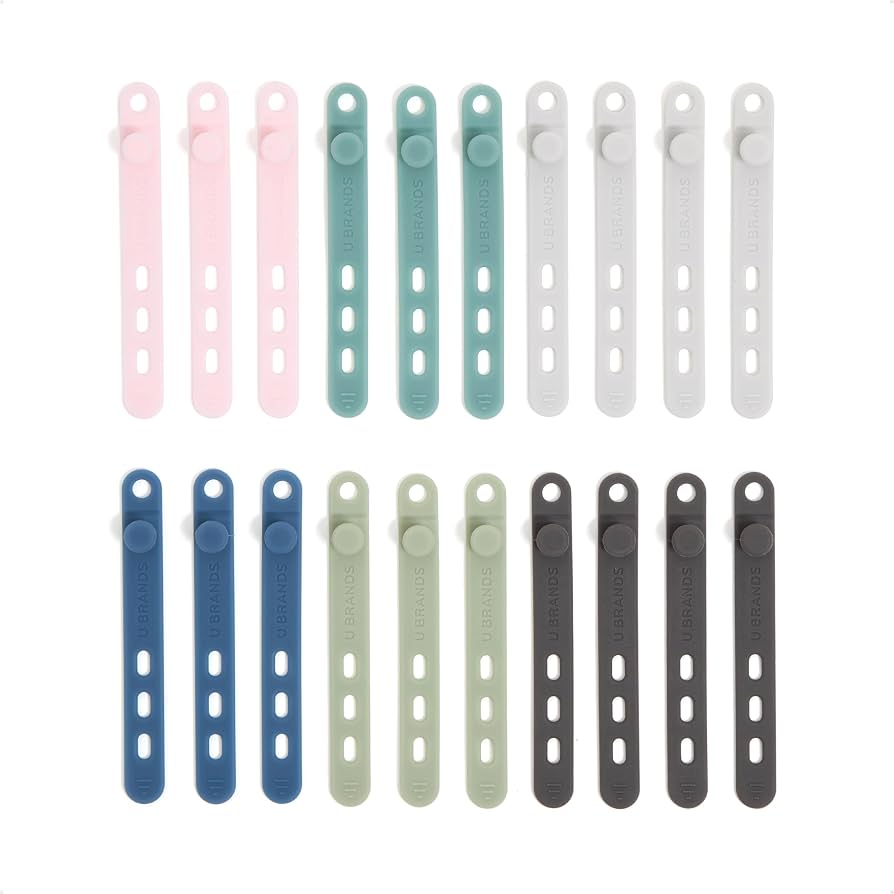
A set of three to five silicone cable ties costs under $3 branded and speaks directly to the daily frustrations of hardware engineers, IT managers, and AV professionals. Unlike generic swag, this item signals that your brand understands its audience's actual work environment. It's reusable, compact, and travels easily. The limitation is narrow audience fit, outside technical verticals, cable ties read as niche and may underperform compared to broader utility items.
8. Branded Electrolyte Powder Packet - Best for Health Tech, Wellness, and Long-Day Shows
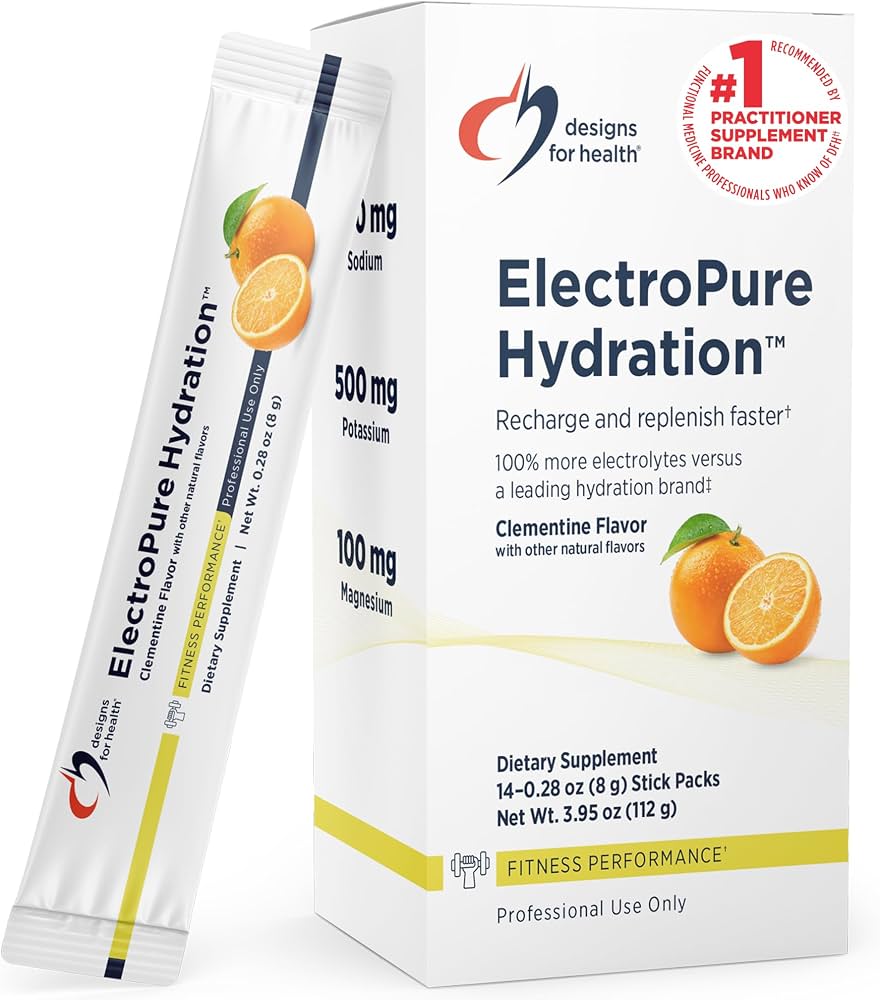
Single-serve electrolyte packets land under $2 per unit and solve a real, felt need by mid-afternoon on a busy show floor. For health tech, fitness, or wellness brands, the product alignment is obvious and reinforces brand values without explanation. For other verticals, the item still earns goodwill as a practical comfort item. The tradeoff is consumability, once used, the brand impression ends, so pairing with a card or QR code for follow-up is strongly recommended.
Strategic Tips to Maximize Trade Show Giveaway Impact: and Finally Close the CRM Gap
A significant share of booth contacts, industry data places the figure around 60%, never receive a follow-up communication after a trade show, yet most post-show debriefs focus on giveaway volume rather than the system that was supposed to convert those contacts into pipeline. The core synthesis here is worth naming directly: the high CRM-loss rate on event contacts is not primarily a follow-up discipline problem, it is a giveaway architecture problem, because most swag is distributed without any embedded capture mechanic, meaning the handshake and the data are structurally severed before the rep ever leaves the booth floor, and no amount of post-show hustle can recover what the giveaway format never collected. When the item itself carries no capture mechanic, the failure is baked in at distribution, not at the follow-up stage.
There is a second, underappreciated failure layer: exhibitors who try to solve this with generic swag, the too-cheap pen, the forgettable lanyard, find those items in the trash before the attendee reaches the parking garage. Budget that produces zero lasting brand impression is budget that also produces zero CRM signal, compounding the loss on both ends. The giveaway has to earn a place in the recipient's bag and carry a structured path back to your pipeline.
The hidden cost is compounding: every rep who hands out a branded item with no capture step attached is running a black-box moment that produces zero CRM data and zero follow-up trigger. Mobilo's Lead Capture closes that gap by capturing leads from events and field meetings directly into the CRM without relying on reps to manually log contacts, every card tap or QR scan becomes an automatic CRM entry with a timestamped follow-up signal, so the tiered deployment system below actually has the data infrastructure to run on. That capability is available across Mobilo's Pro plan ($3/month, billed annually) through its Business plan ($5/month, billed annually), with the Teams plan ($4/month, billed annually, the most popular tier) adding centralBilling, team management, and full team data analytics so a CRM admin can oversee capture performance across every rep on the floor simultaneously.
The eight items below are evaluated against one standard: does this giveaway create a structured path from first contact to CRM entry, or does it stop at a brand impression?
Pros and Cons at a Glance
✓ Pros
- Item attendees actually want in the moment
- Premium feel signals the team takes the relationship seriously
✗ Cons
- At a $25–$40 unit cost, handing one to every passerby destroys the budget
- Giving to every passerby dilutes the signal
Tumblers earn daily-use status faster than almost any other category, which means repeated brand exposure well after the show closes. Limit distribution to confirmed meetings or post-show shipment to contacts who completed a capture step at the booth. On the Teams plan ($4/month, billed annually), the custom lead capture forms and unlimited leads and contacts features mean the capture step is structured and consistent across every rep, not improvised differently by each team member, so the post-show shipment list is built from clean, verified CRM data rather than a stack of manually sorted badge scans.
1. Tie Your Best Trade Show Giveaways to a Lead Capture Action - Not Just a Booth Visit

The most effective trade show giveaways are earned, not handed out freely. Requiring a badge scan, business card drop, or app check-in before gifting filters out tire-kickers and ensures every recipient enters your CRM. This approach works best for B2B teams with defined ICP criteria. The tradeoff: it can reduce total giveaway volume, so budget accordingly and train booth staff on the qualifying conversation.
2. Choose Giveaways With Built-In Digital Touchpoints - QR Codes, NFC, or Personalized URLs
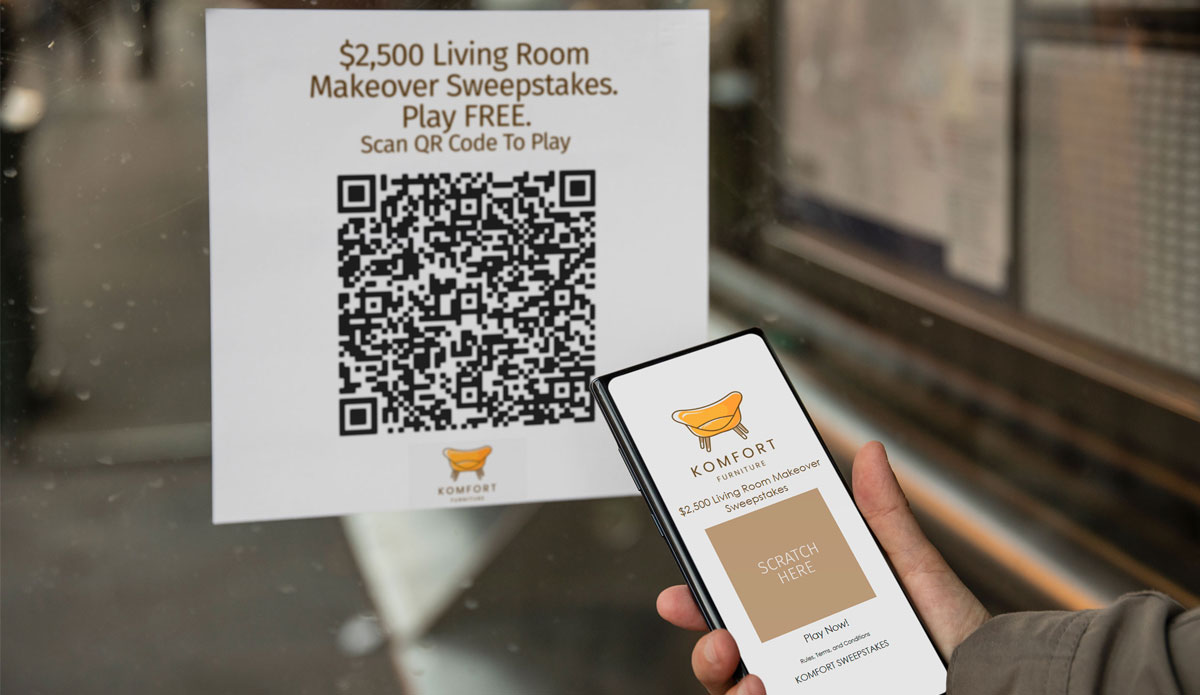
Branded items embedded with QR codes or NFC chips that link to a personalized landing page turn a physical giveaway into a trackable digital event. When a prospect scans post-show, the interaction timestamps in your CRM, giving sales a warm re-engagement signal. Ideal for tech-forward B2B brands targeting buyers who research independently. Limitation: NFC production costs are higher and require longer lead times than standard promo items.
3. Segment Your Giveaway Tiers by Lead Temperature - Hot, Warm, and Cold Prospects Get Different Items
Assigning premium giveaways only to hot leads, those who expressed buying intent or requested a demo, while giving standard swag to cold contacts mirrors the lead-temperature segmentation used in CRM automation workflows. This prevents budget waste and signals to sales which contacts received elevated treatment. Best for teams running HubSpot or Salesforce workflows post-show. The challenge is training booth staff to qualify quickly under floor traffic pressure.
4. Use Giveaways as a Follow-Up Trigger - Ship the Premium Item After the Show, Not During
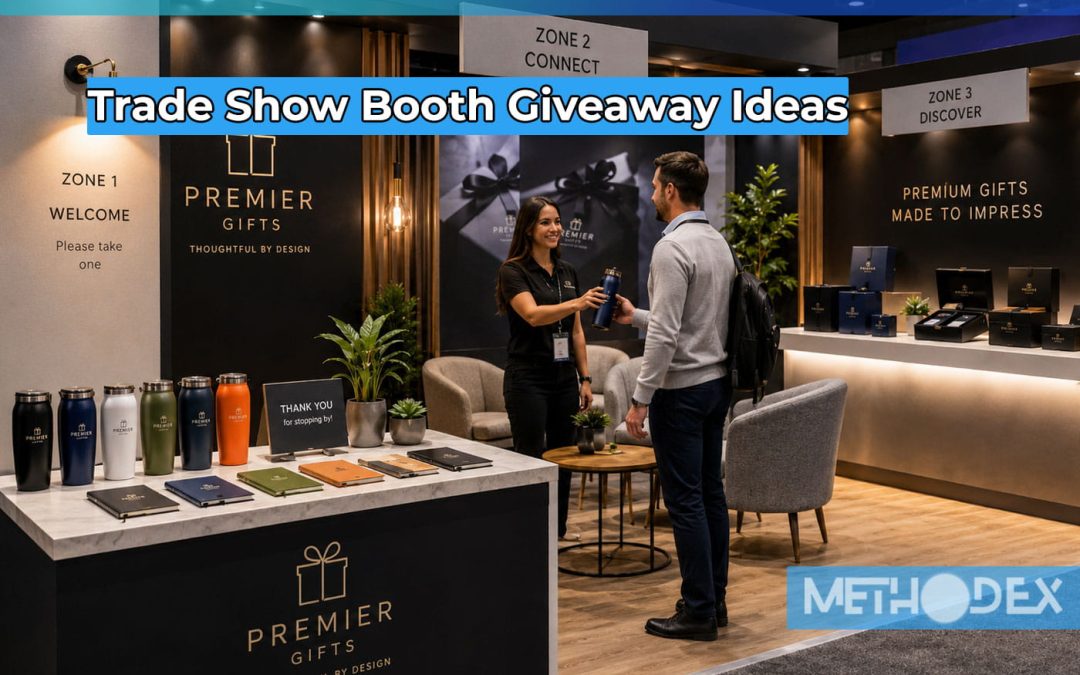
Withholding a high-value branded gift until post-show follow-up gives your sales team a concrete, non-pushy reason to reach out within 48 hours. The email writes itself: 'Your gift is on its way, here's what we discussed.' This strategy dramatically improves follow-up open rates and keeps your brand top-of-mind during the critical post-event decision window. Tradeoff: fulfillment logistics require pre-show planning and a reliable shipping workflow tied to CRM contact records.
5. Pick Giveaways That Solve a Real Daily Problem for Your ICP - Not Just Branded Novelties
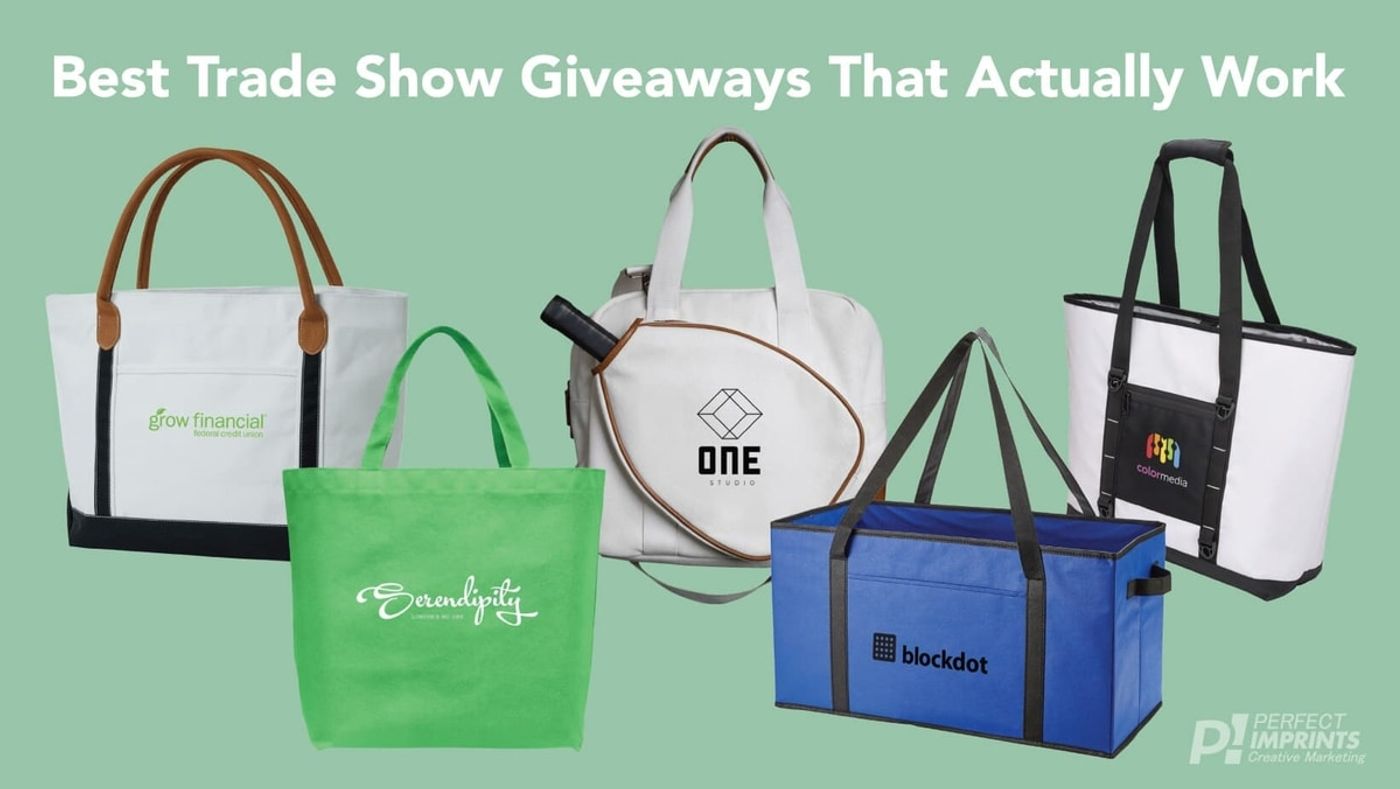
The best trade show giveaways for B2B audiences are items prospects will actually use at their desk, portable chargers, cable organizers, or high-quality notebooks, because daily use keeps your brand visible through the entire sales cycle. Novelty items get discarded; utility items get kept. This approach maximizes ROI for teams with longer deal cycles where repeated brand exposure matters. The limitation is that useful items cost more per unit, requiring tighter audience targeting to justify spend.
6. Measure Giveaway ROI by Tracking CRM Contact-to-Opportunity Conversion Rate by Item Type
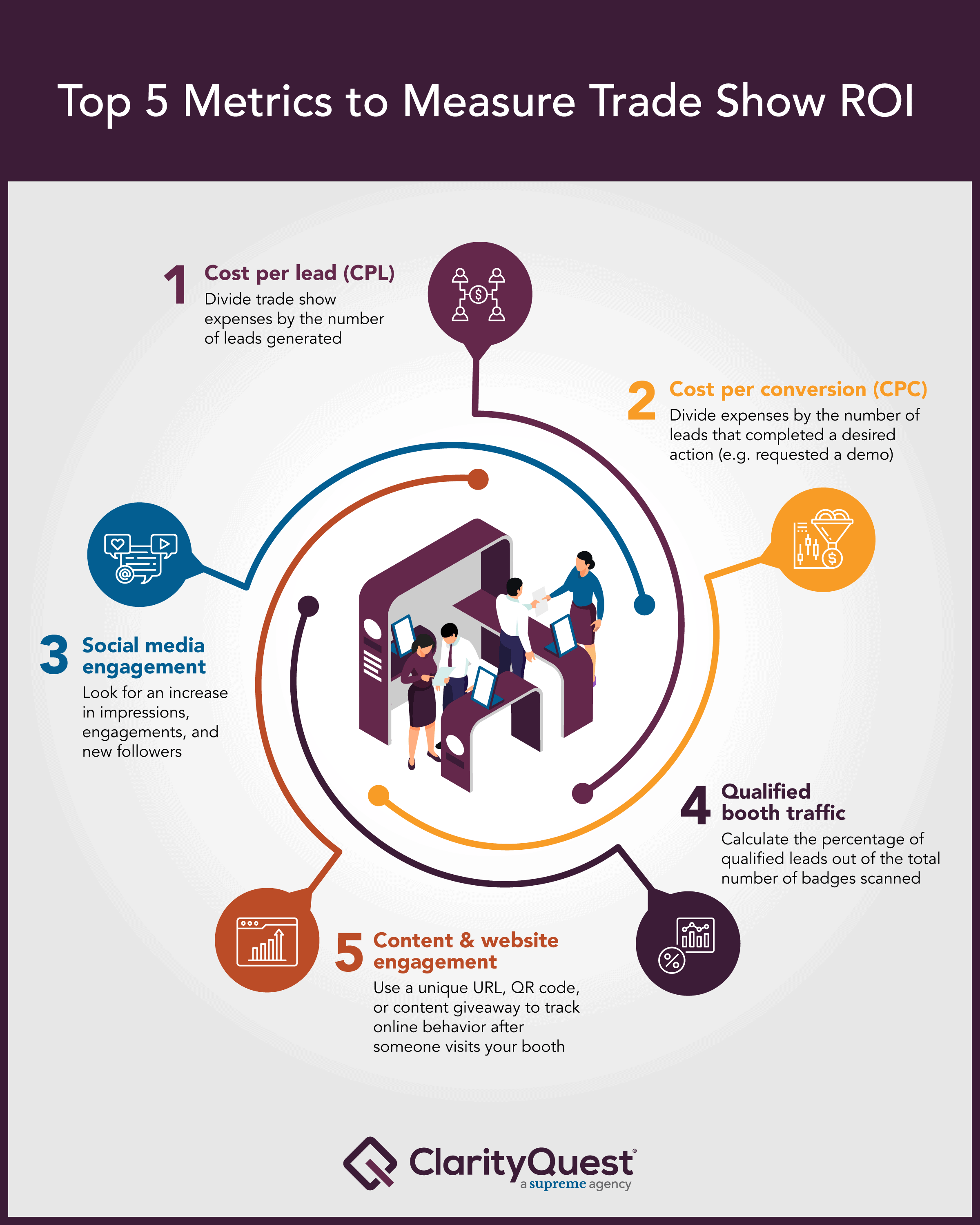
Tagging CRM contacts with the specific giveaway they received at the booth enables post-show analysis of which items correlate with higher opportunity conversion rates. Over multiple events, this data reveals whether premium swag actually drives pipeline or simply attracts freebie seekers. This is the right approach for marketing ops teams that own trade show ROI reporting. The gap most teams face is inconsistent booth-staff tagging, which corrupts the dataset, standardized intake forms solve this.
7. Leverage Lead Retrieval App Data to Personalize Giveaway Follow-Up Messaging at Scale
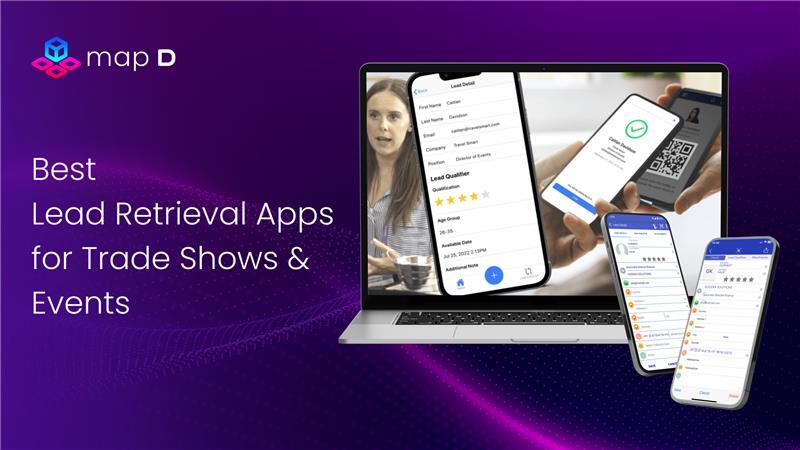
When your lead retrieval app captures badge scan data with qualifying notes, that context can personalize the follow-up email referencing both the conversation and the giveaway received. A prospect who took a branded item tied to a specific product demo should receive a follow-up that connects those dots explicitly. This works best for teams using apps with native CRM sync. The limitation is that manual note quality varies by rep, so structured dropdown qualifiers outperform free-text fields.
8. Align Giveaway Selection With Your Post-Show Automated Email Sequence for Narrative Continuity
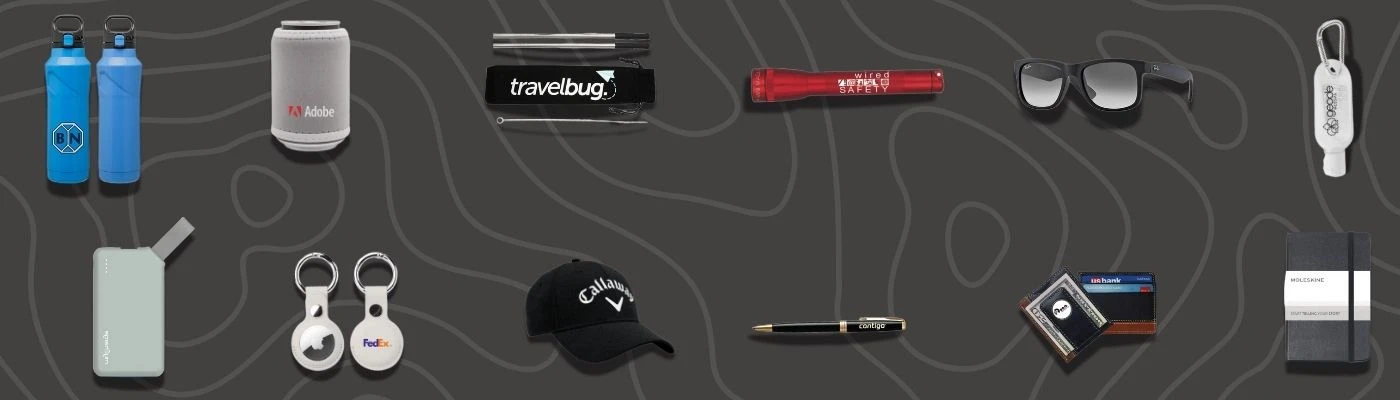
The most overlooked giveaway strategy is scripting your CRM nurture sequence around the physical item before the show even starts. If you hand out a branded notebook, your day-three email references it: 'Hope you're putting that notebook to use, here's the resource we mentioned.' This narrative thread between physical touchpoint and digital follow-up significantly improves sequence engagement. Best for teams with CRM-integrated lead capture already in place. Requires pre-show coordination between marketing, sales, and ops.
Related Reading
- Which Networking Software Is Best For Conferences
- Trade Show Booth Ideas To Attract Visitors
- Conference Lead Capture
- How To Measure Trade Show Effectiveness
- Virtual Event Success Metrics
- Trade Show Roi
- Trade Show Lead Generation Ideas
- What's The Best Event Lead Generation Software
- Post-Trade Show Marketing Strategies
Next steps
If your trade show budget keeps producing foot traffic without producing pipeline, the path forward starts with treating the giveaway itself as the capture mechanic, not a separate step that happens after it. Start with our digital business card.
The 90% CRM-loss rate on event contacts is a giveaway architecture problem, not a follow-up discipline problem. When swag is distributed without an embedded capture mechanic, the handshake and the data are structurally severed before the rep leaves the floor. At the same time, 81% of trade show attendees already carry buying authority, meaning the qualified visitors are already there. Together, those two facts point to one action: make the contact exchange and the CRM entry the same single moment, every time, across every rep on the floor.
Start with a digital business card that routes each tap directly into your CRM. Every subsequent conversation becomes a timestamped, pipeline-ready record before the rep moves to the next booth.
Frequently Asked Questions
Should I give every attendee the same giveaway, or does it make sense to hand out different items to different people?
Different items for different people is the right approach. The post recommends segmenting by observable buyer intent at the booth, someone who asks about pricing, mentions a current vendor, or requests a follow-up call earns a premium item tied to a contact-capture moment, while everyone else gets a traffic-driver item that costs under five dollars and moves them toward a rep.
What's the real difference between a cheap giveaway and a premium one, is it worth spending more?
The post draws a clear line: sub-$5 items are traffic drivers that lower the barrier to approaching your booth, while the $20–$50 tier is where qualified-prospect conversion happens because a premium item signals that the rep values the relationship enough to invest in it. The post also warns that cheap giveaways can actively damage brand perception, so the tier you choose should match the seniority and intent of the person you're handing it to.
How do I make sure people actually remember my booth after the show is over?
The post identifies daily utility as the primary retention driver, items that attendees reach for on a Tuesday morning three weeks after the show floor closes outlast and outperform novelty giveaways on every recall metric. It also points out that the NFC digital business card is uniquely positioned here because it stays in a prospect's wallet or on their desk rather than a swag bag, keeping your brand in their environment well past the event.
How do I know if my trade show giveaway spend is actually generating pipeline, not just foot traffic?
The post frames this around a single metric: the number of qualified contacts that enter a CRM before the show floor closes. It notes that booth traffic and pipeline generation are almost entirely disconnected metrics, and that the structural gap, where a human being must complete a manual step before a contact becomes a CRM entry, is where leads go to die. An NFC card tap routes contact data directly into a CRM automatically, making the contact exchange and the CRM entry the same moment.
Are eco-friendly giveaways actually worth including, or is sustainability just a marketing angle?
The post treats environmental credentials as a tiebreaker rather than a primary argument, buyers who weight sustainability criteria may see it as a signal that the vendor sweated the details, but the core case for items like reusable water bottles and canvas totes is practical daily utility, not the sustainability story alone. It also notes that 66% of promotional products eventually end up in landfills, so choosing items with genuine daily-use value is the more reliable way to avoid that outcome.