.avif)

73 Best Networking Activity Ideas for Conferences in 2026
On This Page
Your conference networking activity isn't the problem. The missing capture step after the handshake is where 90% of new contacts quietly disappear before Monday morning.
Conference networking activities get the credit when a sales event feels successful. The common assumption is that the networking activity design is the primary determinant of conference pipeline, but if we run great icebreakers and speed rounds, the leads will follow. The room buzzes, reps are moving, conversations are happening everywhere. But by Monday morning, most Sales Directors are staring at a CRM that looks exactly the same as it did before the event. The energy was real. The pipeline is not.
This gap is not a rep motivation problem. It is a structural one. Understanding it is the first step toward running conference networking that actually produces revenue, not just social momentum.
See our digital business card for how this works in practice. What most teams report bears this out: 88% of paper business cards are thrown away within a week. Badge-scan exports sit in an email inbox, waiting for a rep to manually copy contacts across, which almost never happens at scale. The drop-off point is not the conversation. It is the moment the conversation ends without a digital capture step attached to it. That single missing step is where the majority of conference lead generation quietly dies. Across the market, 90% of new contacts do not enter the CRM because the manual effort is too high.
For a Sales Director, that statistic is not just a data quality problem. It is a coaching blind spot. Without a forced capture workflow, there is no way to see which reps are converting conference conversations into contacts and which are not. Event ROI becomes impossible to measure, and underperformers are invisible. Most conference networking content stops at the activity itself: icebreakers, speed rounds, scavenger hunts. Those formats have real value.
But they address only the first half of the equation. The pipeline gap is not in the activity design; it is in the capture workflow that never gets attached to it. Mobilo's Contact Exchange and Lead Capture closes that gap by turning every tap or scan into an automatic CRM entry, making the capture step invisible to the rep and unavoidable by design. The pipeline gap is not in the activity design; it is in the capture workflow that never gets attached to it.
90% of new contacts never enter the CRM
88% of paper business cards thrown away within a week
Key takeaways
- 90% of contacts from conference networking never reach a CRM, not because reps are lazy, but because the capture infrastructure between the handshake and the dashboard doesn't exist.
- The networking activity gets the conversation started; it does not close the pipeline gap. Those are two different problems that require two different solutions.
- Speed rounds, scavenger hunts, and icebreakers are easy to engineer. Converting warm introductions into CRM records before Monday morning is where most conference strategies collapse.
- Activity format, budget, and attendee count all determine whether a session produces pipeline or just good energy, get one wrong and the whole structure breaks down.
- 80% of trade show leads receive zero follow-up across major US shows. That's a capture infrastructure failure, not an activity design failure.
- Timing matters as much as format, a great networking session run without a lead capture workflow in place produces conversations that evaporate before follow-up can happen.
- Mobilo's Contact Exchange & Lead Capture closes that gap: when someone taps or scans a Mobilo card, their information is captured and fed directly into your CRM, no manual entry, no lost cards, no cold leads by Tuesday.
What Makes a Good Networking Activity: and When Timing Determines Whether It Actually Works

That foundational question has a sharper answer than most planners expect. Sales directors tend to assume the activity design is the primary determinant of conference pipeline, that great icebreakers and speed rounds are what drive results. In reality, warm conversations are easy to engineer. Converting them into pipeline is where most conference strategies quietly fall apart. The activity fills the room. What happens after the handshake determines whether that room produces revenue.
Three structural decisions, made before a single attendee arrives, separate a networking activity that generates real follow-up from one that generates only goodwill. One of the most common and underappreciated traps in conference networking is this: attendees leave with a stack of business cards, a handful of LinkedIn connections, and a genuine sense of momentum, and then nothing converts. Teams we work with have watched colleagues attend multiple conferences over the span of years, expecting that consistent networking would compound into career or pipeline outcomes, only to find that the follow-up infrastructure was never there to close the loop.
The warm conversation happened. The capture didn't. Mobilocard's platform is built specifically to close that gap, capturing and following up on leads more efficiently at networking events and in the field, so that the goodwill generated in the room doesn't evaporate the moment attendees walk out.
The Three Non-Negotiable Criteria for High-Impact Activities
A high-impact networking activity needs all three of the following:
- A shared goal that gives strangers a reason to keep talking
- Clear structure with defined time limits and a concrete task
- Enough flexibility to work for every personality type in the room
Remove any one of those and the activity produces surface-level interaction. According to industry research, all three elements must be present together; partial structure is not enough. The shared goal is the most underestimated of the three. Without it, two people exchange names, smile, and drift toward the coffee station. With it, they finish a task together and have a natural reason to swap contact details, and that exchange needs to be captured cleanly.
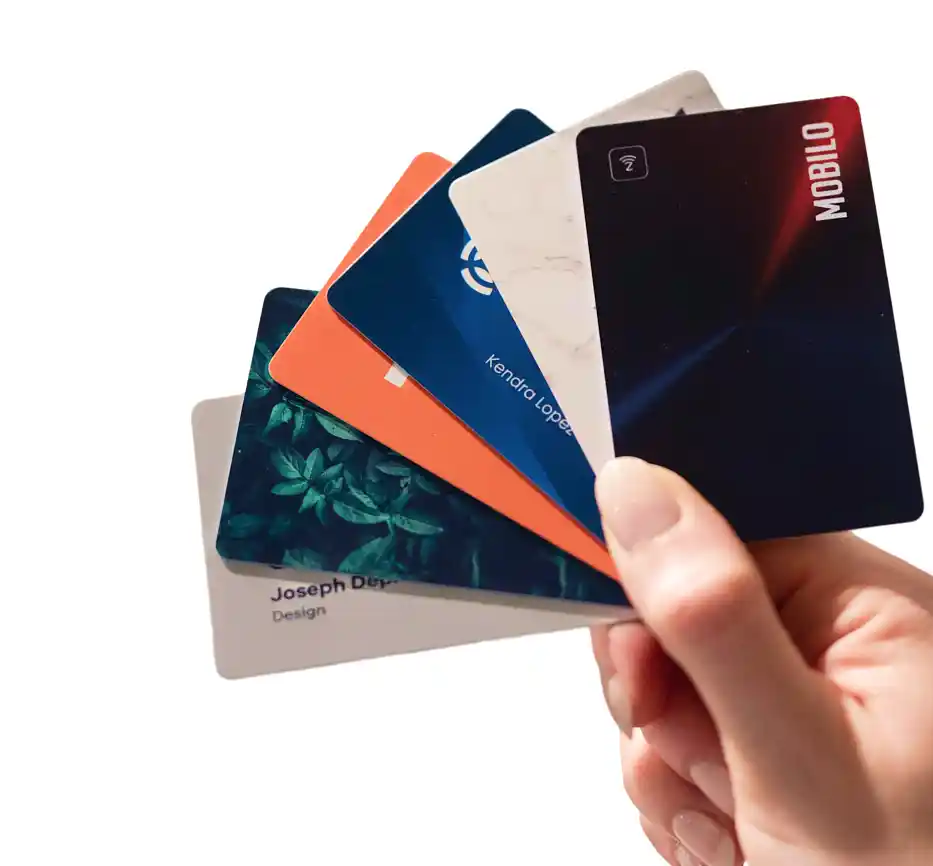
Mobilocard's Team tier, available at $4/month per member billed annually, equips every team member with a custom-designed NFC card with QR code, a free Digital Wallet Card, and unlimited taps and scans, so no contact opportunity walks out the door uncaptured. The platform also includes a paper business card scanner, meaning even old-format exchanges feed into the same lead pipeline.
The Conference Schedule as a Strategic Asset
Schedule networking activities during natural conference lulls, specifically lunch breaks, evening receptions, and unconference hours, rather than forcing them between sessions. Attendees arrive at those windows with mental bandwidth intact. Mid-session slots, squeezed into 15-minute coffee breaks, produce rushed introductions that nobody follows up on.
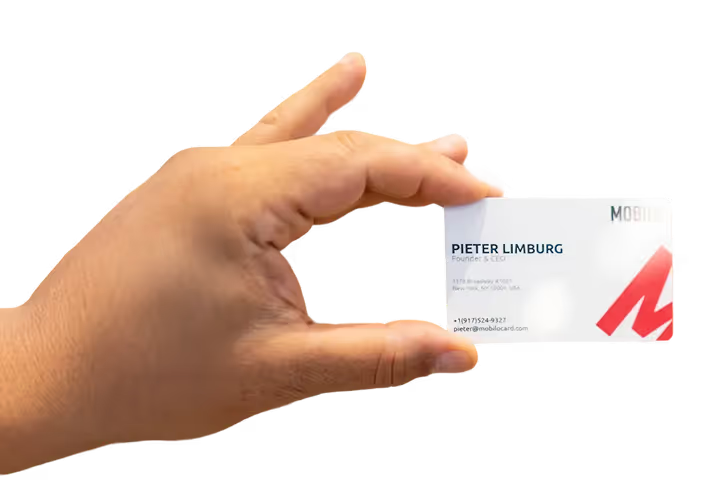
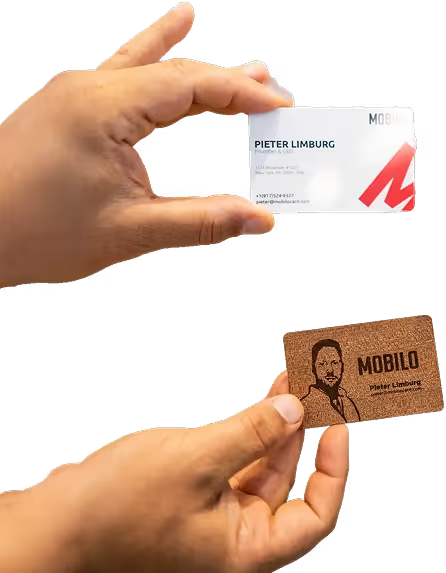
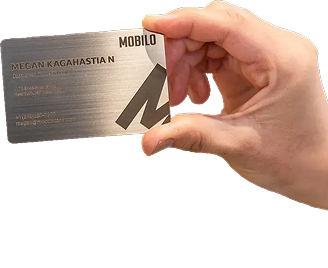
The same activity produces radically different results depending on its slot. A scavenger hunt in a 90-minute lunch window builds genuine momentum. The same format crammed into a 15-minute gap between keynotes produces stress, not connection. This is also where brand perception and memorable first impressions carry disproportionate weight. The contact made over lunch at a Coffeehouse Pop-Up or coffee-based networking session is far more likely to remember a beautifully designed metal or wood NFC card than a paper handout fumbled during a coffee-break sprint.
Introvert-Extrovert Balance
Structure and time limits are accessibility features, not just logistics. Introverts perform better when the format removes the pressure of cold small talk and gives them a defined role. Extroverts benefit from time limits that prevent any single person from dominating the room.
Murder mystery networking at an evening reception is a strong example: the collaborative problem-solving mechanic forces cross-stranger interaction, gives introverts a role-based entry point, and creates a shared memory that fuels conversation long after the activity ends. For team deployments, Mobilocard's Business plan ($5/month per member, billed annually) layers in lead enrichment, custom lead capture forms, HR directory sync, enterprise SSO, and full team management with central billing, so every captured contact from every personality type in the room flows into a single, managed pipeline. The platform connects to 6,000 integrations through Zapier, meaning those leads land directly in whatever CRM or follow-up workflow the team already uses.
For organizations where branding consistency and rich media presentation matter, both the Teams and Business plans include brandable QR codes, personalized business card templates, and Apple/Google QR code widgets, ensuring every touchpoint reflects the same brand identity regardless of which team member is in the room.
Timing Map - Morning Through Evening Reception
The conference arc has four distinct energy windows. Morning registration suits low-pressure, ambient formats where attendees are still warming up. Mid-morning breaks work for quick, structured two-person exchanges with a clear prompt. Lunch is the highest-value slot for goal-oriented group activities. Evening receptions carry the most social energy and support immersive formats like collaborative challenges or themed tastings. At every window, the follow-up infrastructure needs to be ready before the first attendee arrives.
Mobilocard's no-internet QR sharing means lead capture works even in convention centers with poor connectivity. Insights and analytics across both the Teams and Business plans give organizers and sales directors a real-time view of which sessions, time slots, and team members are generating the most engagement, turning anecdotal post-event recaps into actionable follow-up data that compounds across every future event.
Related Reading
- Etiquette For Networking In Online Conferences
- Measuring Event Roi
- Trade Show Sales Tips
- Trade Show Follow Up Best Practices
- How Do You Find The Roi Of A Trade Show
- Trade Show Sales Funnel
- What Is Trade Show Marketing
- Event Lead Management
- B2b Trade Show Best Practices
- Conference Lead Generation
- B2b Trade Show Marketing
Icebreaker and Large-Group Networking Activity Ideas for Conferences (Items 1: 20)
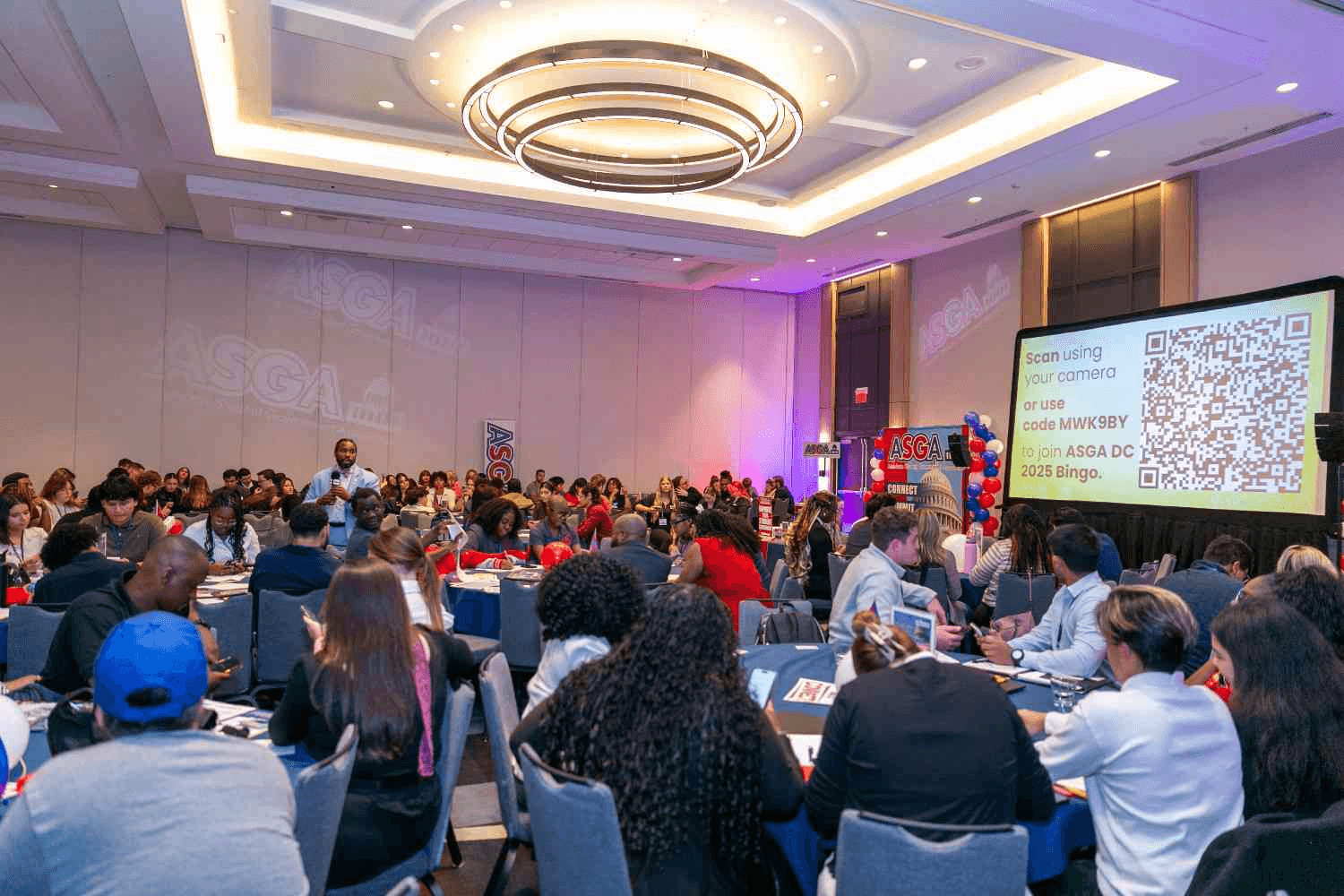
The best icebreaker activities for large conference groups are structured formats that give attendees a shared task or common goal, so the conversation starts with a reason rather than an awkward opener. Open-ended mingling rarely works at scale. Research on structured versus unstructured networking consistently shows that activities with a defined objective produce significantly higher engagement rates at events of 100 or more attendees, because participants know exactly what they are supposed to do and with whom.
The average professional makes between six and ten new contacts at a conference. Structured formats like bingo grids, card swap challenges, and rotation rounds push that number higher by removing the social friction that stops most people from approaching strangers. The format does the introducing; the attendee just has to show up.
The critical synthesis here is that activity design quality has a ceiling of roughly 13% pipeline conversion on its own, because even well-structured formats only get a rep into a conversation, not through the pipeline.
"Facilitators comfortable with groups of ~30 feel out of their depth when scaling to 100+ participants, highlighting a clear confidence and skill gap for large-group icebreakers and networking sessions."
1. Conference Networking Bingo - Find Someone Who...
Conference Networking Bingo is one of the most reliable large-group icebreakers for 100 to 300 attendees because the bingo card itself is the conversation trigger. Each square carries a professional attribute ("has presented at a conference before," "works in a different industry than you") so every interaction has a built-in purpose. The tradeoff: without a digital capture layer at the moment of the square-fill, the rep walks away with a name on a card and nothing in the CRM.
2. Two Truths and a Lie - Conference Edition with Industry Twists
Each attendee shares two true professional facts and one plausible lie about their career, company, or industry experience, then the group votes on which is false. This scales from small breakout sessions to full plenary openers and sparks genuine curiosity about peers. The limitation is that introverts or new professionals may feel exposed or struggle to craft believable lies, so facilitators should model examples first.
3. Speed Networking Rounds - Structured 3-Minute Rotations
Speed networking rounds are the highest-volume contact format in this list, capable of generating five to twelve introductions per attendee in under thirty minutes. The structure is simple: one side of the room rotates every three minutes on a facilitator's cue. The real design decision is what happens at the end of each rotation. Without a prompt to exchange contact details, the conversation closes and the connection evaporates. A structured exchange prompt at the end of each round doubles the capture rate.
4. People Bingo with QR-Code Digital Cards - App-Integrated Version
A tech-forward evolution of classic people bingo where attendees scan a QR code to receive a digital card on their phone, mark off squares digitally as they meet people, and submit completions to a live leaderboard. This version suits tech conferences and hybrid events where paper feels dated. The limitation is that it requires reliable Wi-Fi and a platform license, adding cost and a potential single point of failure if connectivity drops.
5. Human Spectrogram - Stand on the Line Large-Group Icebreaker
Human Spectrogram asks the full room to physically position themselves on an imaginary line between two poles based on a statement ("strongly agree" to "strongly disagree" on an industry question). It works for plenary groups of 200 or more because no one needs a partner and no one can opt out invisibly. The format surfaces shared opinions instantly, which gives adjacent strangers an immediate, low-stakes opening line. It is a warm-up, not a contact-exchange mechanism, so pair it with a structured follow-up activity.
6. Conference Scavenger Hunt - Venue and Sponsor Discovery Challenge
Conference scavenger hunts drive movement through the venue and force attendees to interact with sponsors, exhibitors, and each other to complete tasks. The format scales well because teams of three to five self-organize, reducing the pressure on any single facilitator. The design risk is complexity creep: hunts with more than eight to ten tasks lose momentum by the midpoint. Keep the task list tight, make at least two tasks require a conversation with a fellow attendee, and the format earns its place in the opening-day program.
7. One-Word Check-In - Whole-Room Simultaneous Opener
Using a live polling tool projected on the main screen, every attendee simultaneously submits one word describing how they feel arriving at the conference. A word cloud builds in real time, giving the room a shared emotional snapshot and a low-stakes entry point for conversation. It works for audiences of any size but requires a polling platform and a speaker confident enough to pause and interpret the results meaningfully rather than rushing past them.
8. Networking Card Swap Challenge - Collect Five in Twenty Minutes
The Networking Card Swap Challenge sets a simple goal: collect five contacts in twenty minutes. The time pressure is the mechanism. It works because it gives permission to approach strangers ("I'm on a challenge, can I grab your card?") Without requiring a polished pitch. Here is the operational problem most Sales Directors recognize immediately: their reps hustle through every swap, then hand over a stack of paper cards that sit in a jacket pocket until they are thrown away. Every contact collected during a high-energy challenge like this produces zero CRM data without a digital capture layer.
That is where the math turns painful. The contacts exist in someone's pocket, not in a pipeline. A digital business card with automatic lead capture converts each tap or scan during the challenge into a routed CRM record, so the activity's energy becomes a measurable lead list before the opening keynote ends.
This approach is most beneficial when a team attends events regularly and needs structured lead follow-up baked into the activity itself, not retrofitted afterward, a one-off conference appearance doesn't justify the pre-event CRM configuration investment, but a team running three or more events per quarter will recoup setup costs on the first deployment.
9. Shared Playlist Icebreaker - What Song Defines Your Work Style?
Before the conference, attendees submit one song that represents their professional personality or work style via a pre-event survey. The organizer builds a shared Spotify playlist displayed at registration and in the app. Attendees find the person who submitted a song they love and introduce themselves. It creates a memorable, low-pressure conversation starter but requires pre-event engagement, which not all attendees will complete.
10. Icebreaker Trivia - Industry Knowledge Live Quiz at Session Open
A five-question live trivia quiz on industry trends, conference history, or fun facts is run via audience response technology at the start of a general session. Attendees answer on their phones, scores appear on screen, and top scorers are briefly recognized. It energizes a passive audience and signals that the event will be interactive throughout. The tradeoff is that trivia favors experienced veterans and can inadvertently alienate newer professionals or international attendees.
11. Conversation Starter Cards - Table Tent Prompts at Lunch Seating
Printed cards placed at each lunch table carry three open-ended questions, such as 'What's the most surprising thing you've learned so far today?', that any tablemate can use to kick off conversation without a facilitator present. This passive icebreaker works at scale because it requires no coordination and respects attendee autonomy. The limitation is that many attendees ignore the cards entirely unless a table host or facilitator actively invites their use.
12. Commonalities Challenge - Find Three Things You Share with a Stranger
Pairs of attendees have three minutes to discover three non-obvious things they have in common, not 'we both attended this conference', and then share one discovery with the larger group. The constraint of finding non-obvious commonalities pushes conversations past surface-level small talk quickly. It works best in groups under 60 where pairs can report back; in very large rooms the debrief becomes unwieldy and the activity loses its connective payoff.
13. Networking Passport - Stamp-Collection Journey Across Breakout Tracks
Networking Passport gives each attendee a physical or digital booklet that gets "stamped" at each breakout track, sponsor booth, or networking station they visit. It is one of the few formats that sustains engagement across an entire conference rather than burning bright for twenty minutes. The design requirement is coordination: every stamp station needs a facilitator and a clear value exchange, or attendees treat it as a box-checking exercise.
14. Silent Disco Networking - Headphone-Based Conversation Mixer
Attendees wear wireless headphones tuned to one of three channels, each playing a different genre of music. People naturally gravitate toward others on their channel, creating instant affinity groups that then mingle during a structured break. The novelty factor is extremely high and generates social media content organically. The limitation is that headphone rental is expensive, setup is logistically complex, and the activity works better as an evening social than a daytime conference opener.
15. Expert Wall - Post Your Skill, Find Your Collaborator
A large wall near the main entrance is covered with sticky-note categories representing skills or expertise areas. Attendees write their name on a note and place it under their primary expertise, then browse the wall to find people with complementary skills. It functions as a persistent, self-organizing directory throughout the conference. The tradeoff is that the wall becomes cluttered and hard to navigate in large conferences, and digital-first attendees find it analog and slow.
16. Keynote Prediction Poll - Crowdsourced Anticipation Before the Main Stage
Before the opening keynote, attendees vote via live poll on what they predict the speaker's most controversial or surprising claim will be. Results are displayed on screen and the speaker references the predictions at the start of their talk. This creates a direct feedback loop between audience and speaker and gives attendees a shared stake in the session. The limitation is that it requires speaker buy-in and pre-event coordination that not all keynote speakers will agree to.
17. Networking Roulette - App-Matched Random One-on-One Meetings
Networking Roulette uses an event app to randomly assign one-on-one meeting slots throughout the day, pushing notifications to both parties with a suggested meeting point and a conversation prompt. The randomness removes selection bias (attendees tend to approach people they already know) and the app notification creates accountability. The limitation is app adoption: if fewer than 60 percent of attendees download and activate the event app before arrival, the matching pool is too thin to generate meaningful pairings for everyone.
18. Energizer Circle - Name and Motion Chain for Large Plenary Groups
The full room stands in a large circle or stays seated in rows. Each person says their name paired with a unique physical gesture, and the group repeats both back. The chain builds until the last person must recall every name and gesture in sequence. It is highly memorable and physically energizing after long seated sessions. The limitation is that it requires a confident facilitator to manage timing, and in rooms over 100 people the chain becomes too long to sustain attention.
19. Industry Hot Take Wall - Anonymous Controversial Opinion Posting
Industry Hot Take Wall invites attendees to post an anonymous professional opinion on a shared board. The anonymity lowers the social risk of a controversial stance, and the visible board gives attendees a reason to congregate, read, and react. It generates organic conversation clusters around the most provocative posts. The moderation requirement is real: without a facilitator reviewing posts before they go on the wall, the format occasionally produces submissions that derail the room's energy.
20. Photo Challenge Mixer - Capture and Share Six Conference Moments
Attendees receive a list of six photo prompts, 'a new connection you made,' 'the most interesting booth,' 'something that surprised you', and are encouraged to post to a shared conference hashtag or in-app gallery. The activity runs passively across the full day and surfaces organic social proof for organizers. The tradeoff is that participation is self-selecting and the activity disproportionately benefits extroverts and social-media-comfortable attendees while quieter participants opt out entirely.
Speed Networking and Structured-Format Activity Ideas for Conferences (Items 21: 40)
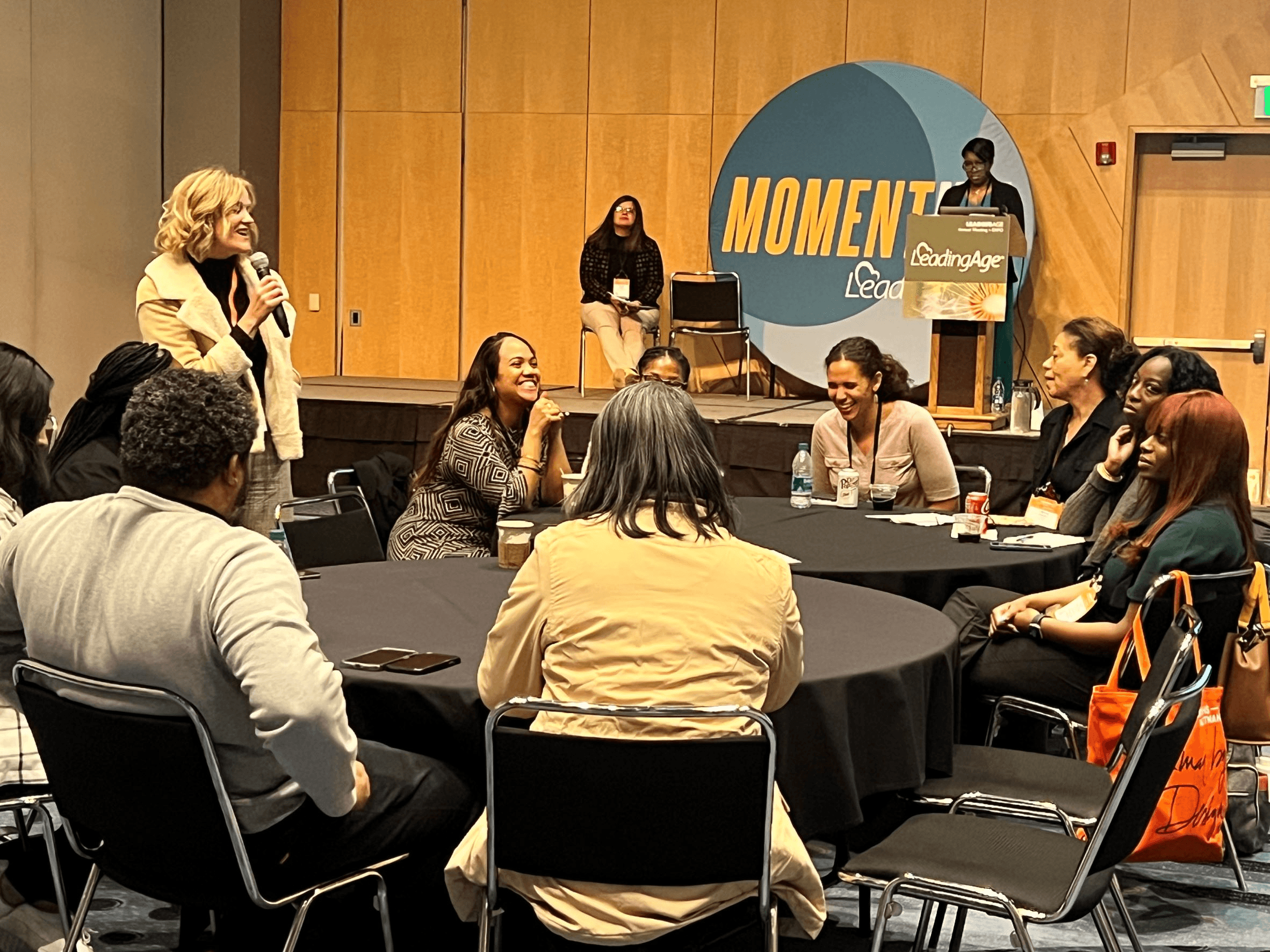
Forty contacts in sixty minutes sounds like a win. The rotation bell rings, the facilitator wraps the session, and your reps walk out buzzing. Then the cards go into a jacket pocket, the jacket goes into a carry-on, and by Tuesday morning the leads are cold. The format did exactly what it promised. The pipeline never materialized. That gap is the real design problem in structured conference networking, and it starts with understanding what these formats actually produce.
Teams that attend events regularly face the same structural failure repeatedly: high-volume contact collection with no reliable capture system means follow-up falls apart past the 48-hour window. Mobilocard's Teams plan is built specifically for this scenario, unlimited team members on a single $4/month plan (billed annually), with full team data analytics, CRM integrations, lead capture and management, and the ability for managers to control, lock, and override data fields across every card in the team.
Specific Conversation Prompts for Professional Networking
Prompts work best when they are specific enough to require a real answer but broad enough to apply to every attendee. The following table covers structured formats and their recommended prompts, drawn from session design sources.
The best networking format depends on your audience size, event stage, and how much structure participants need:
- Speed Networking → Prompt: “Your biggest professional win this year” → 3–5 min → Best for warming up 30–200 attendees.
- Speed Networking → Prompt: “A skill you want to learn in the next 12 months” → 3–5 min → Best for cross-functional events.
- Topic-Based Roundtables → Prompt: “The one obstacle slowing your team’s growth right now” → 20–30 min → Best for buyer-stage attendees with shared challenges.
- Scavenger Hunt Networking → Prompt: “Find someone who manages a remote team” → Self-paced → Best for 50+ attendees across a large venue.
- Peer Pitch Refinement → Prompt: “Deliver your 60-second pitch; receive 90 seconds of feedback” → 5–7 min → Best for sales, founder, or BD-heavy audiences.
- Common Ground Countdown → Prompt: “List five things your group has in common in three minutes” → 3 min → Best for an early-session warm-up with any group size.
1. Classic Speed Networking with Timed Rotations
Participants rotate through brief one-on-one conversations on a fixed timer, typically two to five minutes each, before a bell or buzzer signals the next pairing. This format is ideal for large conferences where attendees need to meet many people quickly. The tradeoff is depth, conversations rarely go beyond surface-level introductions, so follow-up systems must be built into the event design.
2. Role-Based Speed Networking - Buyers Meet Sellers
Attendees are pre-sorted into two distinct groups, buyers and sellers, or job seekers and recruiters, and rotate exclusively between those roles. This structured format eliminates wasted pairings and maximizes relevance for every conversation. It works best at industry trade shows or career-focused conferences. The limitation is that it requires accurate pre-registration data to sort participants correctly before the event begins.
3. Round-Robin Table Speed Networking
One group of participants remains seated at numbered tables while the other group rotates from table to table on a timer. This seated format reduces physical chaos and works well in banquet-style conference rooms. It is especially effective for groups of 30 to 100 attendees. The tradeoff is that stationary participants can feel passive, so facilitators should assign them a hosting role or conversation prompt to maintain engagement.
4. Structured Conversation Cards with Rotating Partners
Each attendee receives a card with three to five pre-written conversation prompts, industry challenges, career goals, or conference takeaways, and uses them as a guide during timed rotations. This format reduces the anxiety of cold introductions and produces more substantive exchanges than open-ended small talk. It suits introverted audiences or first-time conference attendees. The tradeoff is that overly scripted prompts can feel rigid if not refreshed between rounds.
5. Speed Networking Bingo Card Activity
Attendees receive a bingo card filled with professional traits or experiences, 'has worked in three countries,' 'launched a product this year', and must find real people who match each square. This gamified format drives organic mingling without a rigid rotation schedule. It works brilliantly as a conference opener or cocktail-hour activity. The limitation is that competitive attendees may rush through conversations to collect squares rather than build genuine connections.
6. Fishbowl Speed Networking for Thought Leaders
A small inner circle of four to six speakers or subject-matter experts holds a visible conversation while outer-ring attendees observe, then rotate in to replace one inner participant at a time. This format gives every attendee a moment of high-visibility dialogue with a thought leader. It is best suited for conferences with a clear speaker-to-attendee hierarchy. The tradeoff is that shy participants may avoid rotating in, requiring a facilitator to actively manage transitions.
7. Speed Mentoring Carousel at Conference Breakouts
Experienced professionals sit at designated mentor stations while mentees rotate every eight to ten minutes for focused advice sessions. Unlike general speed networking, each station has a declared expertise topic, fundraising, product strategy, hiring, so mentees self-select their rotation path. This format is a standout networking activity idea for professional development conferences. The limitation is that popular mentors attract queues, so organizers must cap station capacity in advance.
8. Two-Truths-and-a-Lie Speed Networking Icebreaker
Each participant prepares two true professional facts and one plausible lie about their career before the event. During timed rotations, partners must guess the lie, sparking laughter and memorable exchanges. This format is one of the most effective low-cost networking activity ideas for conferences because it requires zero materials and works for any group size. The tradeoff is that it can feel juvenile to senior executives if not framed correctly by the facilitator.
9. Expertise Marketplace Speed Networking
Attendees wear color-coded lanyards or badges indicating their primary area of expertise, marketing, engineering, finance, operations, and seek out complementary colors during open-floor speed networking rounds. This visual system removes the guesswork of finding relevant contacts in a crowded room. It is especially effective at multi-track conferences with diverse professional audiences. The limitation is that badge systems require accurate pre-event data collection and on-site logistics to execute cleanly.
10. Problem-Pitch Speed Networking Rounds
Each participant prepares a 60-second pitch describing a real professional problem they are trying to solve, then delivers it to each rotation partner who responds with ideas, referrals, or offers to collaborate. This format transforms networking from passive introduction to active problem-solving and is one of the highest-value structured networking activity ideas for conferences. The tradeoff is that it requires participants to prepare in advance, which reduces spontaneity and may lower last-minute sign-up rates.
11. Hot-Seat Panel Speed Networking Format
One attendee sits in a designated 'hot seat' for five minutes while a small group of three to five peers fires rapid questions at them about their work, goals, or expertise. Groups rotate so every participant eventually takes the hot seat. This format builds visibility and confidence while creating memorable interactions. The limitation is that introverted attendees may find the spotlight format stressful, so facilitators should offer an opt-out or observer role.
12. Shared-Goal Affinity Group Speed Networking
Before the event, attendees select one primary goal, find a co-founder, hire talent, close a partnership, learn a skill, and are grouped into affinity clusters that rotate through each other. Conversations are immediately purposeful because every person in the cluster shares the same objective. This is one of the most efficient structured networking activity ideas for conferences with 200-plus attendees. The tradeoff is that goal-matching requires a pre-event survey and manual or algorithmic grouping logic.
13. Silent Speed Networking with Written Exchanges
Partners communicate exclusively through written notes or a shared tablet during timed rotations, eliminating verbal conversation entirely. This format is a standout accessibility-focused networking activity idea for conferences serving neurodiverse attendees, non-native speakers, or hearing-impaired participants. It also forces concise, thoughtful communication. The tradeoff is that it feels awkward for extroverted attendees and requires clear facilitation instructions to prevent confusion at the start of each round.
14. Conference App-Matched Speed Networking
A conference mobile app uses attendee profile data, job title, interests, session attendance, to algorithmically suggest and schedule speed networking pairings before or during the event. Attendees receive a personalized meeting schedule on their phone and meet at designated times and locations. This is one of the most scalable structured networking activity ideas for large conferences. The limitation is that it depends entirely on attendees completing detailed profiles, which many skip during registration.
15. Reverse Pitch Speed Networking for Recruiters
Instead of job seekers pitching to recruiters, companies pitch their open roles and culture to rotating candidates in timed sessions. This format flips the power dynamic and is a high-impact networking activity idea for conferences with a talent acquisition or career development track. Candidates feel valued rather than evaluated, which increases engagement. The tradeoff is that it requires companies to prepare compelling two-minute pitches, which adds pre-event preparation burden for exhibiting organizations.
16. Trivia-Based Speed Networking Warm-Up
Before formal speed networking rounds begin, pairs or small groups answer three industry-specific trivia questions together, creating an immediate shared experience and natural conversation starter. This warm-up activity reduces the cold-start anxiety that plagues traditional speed networking formats. It works best as a five-to-ten minute opener before structured rotations. The limitation is that trivia questions must be carefully calibrated to the audience's knowledge level to avoid alienating newcomers or boring veterans.
17. Speed Networking with Commitment Cards
Industry research corroborates this window: shorter than three minutes leaves no room for a genuine exchange; longer than five minutes allows one conversation to dominate the room and kills the rotation energy. A facilitator signals transitions with a bell or timer app, printed prompt cards sit on each table so neither party faces a blank-slate opener, and the room layout places participants in two parallel rows or concentric circles so rotation is physically obvious and frictionless. The prompt card detail matters more than most organizers expect.
"* removes the awkward first ten seconds entirely. Without it, roughly the first ninety seconds of a three-minute round gets spent on logistics rather than substance, cutting effective conversation time nearly in half.
18. Structured Peer Mastermind Speed Rounds
Groups of four attendees rotate together as a unit rather than individually, spending ten minutes at each station where one member presents a current business challenge and the other three offer structured feedback. This small-group format produces deeper insight than one-on-one speed networking and is ideal for executive or founder-focused conferences. The tradeoff is that it requires more physical space and longer time blocks, making it less suitable for conferences with tight schedules.
19. Speed Networking Passport Activity
Each attendee receives a small passport booklet with a page for every rotation partner. After each timed conversation, partners stamp or sign each other's passport and write one memorable takeaway from the exchange. Completed passports are submitted for a prize drawing, incentivizing full participation. This is one of the most tangible and memorable structured networking activity ideas for conferences. The limitation is that printing and distributing physical passports adds production cost and logistical complexity.
20. Hybrid Speed Networking with In-Room and Virtual Participants
In-person attendees are paired with remote participants via video screens or tablets stationed around the venue, with timed rotations managed simultaneously for both groups. This format extends the reach of conference networking activity ideas to global audiences who cannot attend in person. It is particularly valuable for international conferences or organizations with distributed teams. The tradeoff is that technical latency, audio issues, and the awkwardness of screen-to-person conversation require significant AV investment and rehearsal to execute smoothly.
Experiential, Budget-Friendly, and Attendee-Count-Scaled Networking Activity Ideas (Items 41: 65)
Three variables determine whether a conference networking activity generates pipeline or just good vibes: the format, the budget, and the number of people in the room. Get one wrong and the whole thing collapses. A collaborative whiteboard session designed for 30 people feels aimless with that same figure. A cooking class built for 20 disappears inside a 500-person conference. Budget-friendly conference networking only works when the format fits the crowd, not just the calendar slot. The deeper problem is structural.
Roughly 90% of new contacts made at events never enter a CRM, because logging them manually after a fast-paced activity is practically impossible. Momentum built on day one has a half-life measured in hours. By Monday morning, the stack of exchanged cards has become a graveyard, and the Sales Director has no data to show which reps converted conversations into contacts. The activity gets the credit. The follow-up gap gets ignored.
Open Problem Sessions work best when the room is small enough that every voice matters. Attendees self-select around a shared challenge, co-create on a whiteboard, and leave with a tangible artifact from the conversation. The format generates high follow-up intent because participants already share a problem.
One underappreciated operational challenge: finding a calm, quiet venue for this kind of small-group experiential workshop, typically around 15 people, is genuinely difficult. Standard options like hotel lobby bars or nearby cafés are often too noisy or unsuitable for the focused, low-distraction dynamic the format requires. Build venue scouting into your pre-event checklist, not an afterthought.
The real tradeoff: it also requires a skilled facilitator to prevent one or two voices from dominating, which adds a coordination cost most planners underestimate. QR-Code Jam Bingo gives each attendee a bingo card with human-specific prompts. Completing a row requires scanning a peer's QR code to confirm the match.
The digital scan creates a contact record automatically, the format's core advantage over its printed predecessor. Works at any crowd size and costs nothing beyond design time. Engagement drops sharply if the prompts feel generic or corporate.
Teams running this format with Mobilo's Teams plan ($4/month, billed annually) get brandable QR codes and full team analytics, so every scan during the game feeds directly into a CRM-ready contact record, with no manual logging required after the session ends. Whova-Powered Self-Organized Micro-Meetups address the large-conference problem: not too few activities, but too little surface area for serendipity. Whova's community board lets attendees propose and join micro-meetups in real time, turning a 500-person event into a collection of 10-person conversations.
The format scales without additional facilitation staff. The dependency is real: adoption requires app download rates above roughly 60%, which means pre-event promotion is non-negotiable. Speed Networking Carousel generates more new introductions per attendee per hour than any unstructured format.
Research from the events industry benchmarks it at six to ten new contacts per attendee per 60-minute session, compared to two to three in open-floor networking. The carousel rotation works at scale because it removes the social calculus of who to approach next. The one operational risk: without a contact capture step at each rotation, the volume of introductions becomes a liability.
Reps who carry a Mobilo NFC card, available in custom-designed, wood, or metal formats under the Team tier, can tap or scan to exchange contact details at each rotation stop, creating a timestamped record the moment the introduction happens rather than relying on memory 48 hours later. Interest-Based Lunch Table Signage places topic cards at each lunch table and lets attendees self-sort. The format requires zero facilitation and zero budget beyond printing.
It converts a passive meal into a structured conversation with a shared frame. Topic cards need to reflect actual attendee interests; a quick pre-event survey takes 10 minutes to build and prevents tables sitting half-empty. Student-to-Professional Structured Mentoring Matches generate the highest follow-up intent of any format in career-development conference contexts.
Pre-matched one-on-one pairs, assigned before the event and scheduled into a 30-minute block, remove the anxiety of cold outreach for junior attendees and give senior professionals a clear, low-effort way to contribute. The operational requirement is a matching process that adds two to three hours of pre-event staff time, worth it where talent pipeline is a measurable outcome. Peer Business Card Exchange Poster Walk adds a structured card-swap layer to a standard poster walk.
Each presenter offers a digital business card via QR code, and attendees scan to save the contact directly to their phone without manual entry. The format is most valuable when the team attends events regularly and needs structured lead follow-up, because the scan creates a CRM-ready record at the moment of connection rather than a paper card that survives only until hotel checkout. For solo presenters, the Pro plan ($3/month, billed annually) includes unlimited taps and scans, lead capture and management, and a free Digital Wallet Card; the contact capture infrastructure is live after the first tap, with no additional setup between events.
Structured Roundtable Discussions with Rotating Facilitators place tables of eight to ten attendees on a pre-assigned topic for 20 minutes before facilitators rotate, bringing a synthesis of the previous conversation. The format creates a cumulative knowledge layer across the room and gives every attendee multiple structured conversation entries. Research on structured versus unstructured networking consistently shows higher engagement rates and stronger follow-up intent. The operational requirement is one trained facilitator per table, which scales staffing cost proportionally with attendance. Attendee-Led Lightning Talk Slots open five-minute slots where any attendee can present a single idea, challenge, or project. Listeners who find a talk compelling know exactly who to approach afterward and why.
The format costs nothing beyond scheduling and a microphone. Without a light curation step, a brief topic submission in advance, it can drift toward promotional pitches that drain audience energy. Themed Dinner Dine-Around splits large-conference registration into groups of 10 to 12, each assigned to a different local restaurant. The format produces the intimacy of a small dinner with the scale of a large conference. Budget is often comparable to a hosted reception. The operational requirement is pre-assignment logistics and a clear communication plan.
Last-minute no-shows can leave a table awkwardly small. Shared Meal Cooking Class places attendees in teams of four to six around a shared preparation task, creating 90 minutes of natural, shoulder-to-shoulder conversation with a tangible shared outcome. The format ranks among the highest-rated experiential networking ideas in post-event surveys for premium and executive-tier conferences. Budget tier is high: expect $that same figure to $200 per person. Strict capacity limits of 20 to 50 attendees make it appropriate for hosted-buyer programs rather than general registration. Volunteer Group Afternoon creates a shared physical experience with a clear social purpose.
A two-hour group activity, park restoration, food bank sorting, school supply assembly, removes status signals and replaces them with a common task, generating stronger relationship depth than cocktail receptions. Budget is low to zero depending on the partner organization. The tradeoff is scheduling complexity: it requires a confirmed nonprofit partner and a minimum of four to six weeks of lead time. The format-to-headcount match matters more than most planners acknowledge. A well-designed activity placed in the wrong crowd size underperforms structurally, not because the idea is bad but because the social physics are wrong. A scavenger hunt needs enough teams to feel competitive.
A cooking class needs a room small enough that every participant is a contributor, not a spectator. The harder truth is this: even a perfectly matched activity produces zero measurable pipeline if the contact exchange step is fragmented. Roughly 40 percent of conference attendees arrive without physical cards. Of the cards that are exchanged, an 88 percent discard rate before those contacts reach a CRM. The majority of contacts generated by even the best-designed experiential format never survive to follow-up. The familiar workaround, badge scans at the door and manual logging, fails in practice.
Manual logging after a high-volume activity is practically impossible. Reps return with a mental blur of names and a phone full of photos they meant to organize. The follow-up window, recommended at 24 to 48 hours by industry research, closes before the CRM ever sees a new record.
The contacts gathered after the first networking event or the first card tap are the ones most at risk; they represent peak intent, and they disappear fastest without a structured capture step. For teams that attend events at scale, the Business plan ($5/month per member, billed annually) layers in HR directory sync, enterprise SSO, central billing, and white-glove onboarding (for teams of that same figure seats or more), giving operations and revenue teams a unified view of every contact captured across every event, every rep, and every format in this list. The Teams plan ($4/month, billed annually) covers unlimited team members, full team analytics, lead enrichment, and that same figure integrations through Zapier, enough infrastructure to close the follow-up gap for most conference programs without custom development.
Every activity in this section is a proven engine for starting conversations, but starting conversations is only half the job. The next section equips you with the technology layer that turns those conversations into trackable, CRM-ready pipeline: digital contact capture, NFC-enabled card exchange, and the tools that make sure no introduction ever goes to waste.
1. Open Problem Sessions - Collaborative Whiteboard Afternoons for Small Conferences (Under 80 Attendees)
On day one, attendees pitch unsolved challenges to the group; subsequent afternoons are blocked for collaborative work on those problems. This format is ideal for research-heavy or technical conferences where meaningful intellectual exchange matters more than small talk. It organically surfaces collaborators with aligned interests. The real tradeoff: it requires a facilitator to curate submissions and falls flat at large, generalist events where problem domains diverge too widely.
2. Hobby-Anchored Craft Fair Booths - Zero-Cost Peer Bonding for Mid-Size Conferences (100: 300 Attendees)
Attendees sign up in advance to display a personal hobby project, knitting, woodworking, photography prints, at a dedicated fair during a break slot. Shared personal interests accelerate trust far faster than professional icebreakers. Budget is near zero since attendees supply their own materials. The limitation is logistical: shipping or carrying hobby items to a conference venue is impractical for international attendees, so participation skews toward locals.
3. QR-Code Jam Bingo - Low-Prep Digital Icebreaker for Any Crowd Size
A single QR code posted at the entrance launches a mobile bingo game where attendees receive prompts like 'find someone wearing red and ask them one surprising fact about themselves.' It requires zero printed materials and works equally well for 50 or 500 people. Introverts especially benefit from having a structured excuse to approach strangers. The tradeoff: engagement drops sharply if attendees are mid-conversation or if phone battery anxiety is high.
4. Whova-Powered Self-Organized Micro-Meetups - App-Facilitated Organic Clustering for 200+ Attendee Events
Using a conference app like Whova, attendees self-post and join informal social events, breakfast runs, evening board game sessions, or neighborhood walks, without organizer overhead. This scales beautifully for large conferences because the crowd itself generates enough critical mass for niche interest groups. The key limitation is adoption: if fewer than 60% of attendees download and actively use the app, the self-organization layer collapses and only the most extroverted attendees benefit.
5. Extended Poster Session Happy Hour - Alcohol-Lubricated Two-Hour Networking Block for Academic Conferences
Stretching the poster session to a minimum of two hours and keeping drinks flowing transforms a presentation format into the conference's primary networking engine. Attendees linger, revisit posters, and form side conversations naturally. This is the single highest-ROI networking investment for academic and research conferences. The tradeoff is cost, open bar for two hours is a meaningful budget line, and it excludes non-drinkers unless non-alcoholic options are equally prominent.
6. Guided Morning Run Club - Free Fitness-Based Bonding for Multi-Day Conferences
A volunteer-led 6 AM run through the conference city costs nothing to organize and attracts a self-selected group of attendees who share a health-oriented identity, a powerful bonding shortcut. Conversations during a 30-minute run are remarkably candid compared to badge-and-handshake exchanges. Best suited for multi-day conferences where attendees are staying overnight. The limitation: it excludes a large portion of attendees and should never be positioned as the primary networking vehicle.
7. Local Brewery or Winery Tour - Off-Site Sensory Experience for Conferences in Destination Cities
Busing a group of 20–40 attendees to a nearby craft brewery or winery removes the conference context entirely, which dramatically lowers social guard. The shared sensory experience, tasting, touring, learning, gives everyone a common topic that has nothing to do with their job titles. Works best when the venue is genuinely distinctive to the host city. The tradeoff: it requires advance booking, a modest per-head cost, and excludes attendees who don't drink alcohol.
8. Speed Networking Carousel - Timed Rotation Format Scaled for 50: 500 Attendees
Modeled on speed dating, attendees rotate through 3–5 minute one-on-one conversations at fixed stations before a bell signals the next rotation. The format guarantees every participant meets a minimum number of new people regardless of their social confidence. It scales efficiently: 200 attendees can complete 10 meaningful introductions in under an hour. The real limitation is depth, conversations are necessarily shallow, so a follow-up mechanism like a shared contact-exchange app is essential to convert introductions into relationships.
9. Interest-Based Lunch Table Signage - Topic-Flagged Seating for 150: 500 Attendee Conferences
Each lunch table is labeled with a professional topic or interest, 'AI in Healthcare,' 'Early-Career Researchers,' 'Sustainability Practitioners', and attendees self-select where to sit. The format requires only printed table cards and costs virtually nothing. It reliably surfaces high-quality conversations because everyone at the table opted into the same subject. The tradeoff: popular topics become overcrowded while niche tables sit half-empty, so organizers need to calibrate topic selection carefully against attendee demographics.
10. Student-to-Professional Structured Mentoring Matches - Pre-Conference Pairing System for Career-Development Conferences
Before the conference opens, junior attendees submit career interest profiles and are matched 1:1 or 1:3 with senior professionals. A 30-minute structured meeting slot is built into the schedule. This is the highest-impact format for early-career attendees, who otherwise struggle to approach established figures cold. The limitation is the administrative overhead: matching requires a dedicated coordinator and a data-collection step weeks before the event, making it unsuitable for conferences with late-registering attendees.
11. Off-Site Museum Evening Reception - Casual Cultural Venue Buyout for 100: 400 Attendees
Hosting the conference evening reception inside a local museum, science center, or historic building gives attendees a shared exploratory experience that naturally breaks people into small wandering groups. The exhibits serve as conversation props, eliminating the awkward 'so what do you do?' opener. Best for conferences where attendees share intellectual curiosity as a common trait. The tradeoff is cost, venue buyouts are expensive, though many museums offer nonprofit or academic conference discounts.
12. Collaborative City Scavenger Hunt - Team-Based Urban Exploration for 60: 200 Attendees
Attendees are randomly assigned to mixed teams of 5–8 and given a list of city-specific challenges to photograph or complete within 90 minutes. Random team assignment is critical, it forces cross-pollination across organizations and career levels. The activity works best in walkable conference cities and requires only a free photo-sharing app and a printed challenge list. The limitation: it demands a free afternoon block and fails in bad weather without an indoor backup plan.
13. Charged-Device Lounge with Conversation Seating - Passive Networking Infrastructure for Any Conference Size
Dedicated side rooms with ample power strips, comfortable seating clusters, and no scheduled programming create organic networking hubs where attendees naturally congregate between sessions. The setup costs are minimal, furniture rearrangement and power strips, and the ROI is high because attendees who need to charge devices are a captive, relaxed audience. This is the most underrated passive networking investment. The tradeoff: without intentional furniture arrangement in conversation clusters, it becomes a heads-down work room.
14. Breakout Session Fishbowl Debate - Small-Group Structured Dialogue for 20: 60 Attendees
Four to six attendees sit in an inner circle debating a controversial industry question while the outer circle observes and rotates in. The format creates high-engagement intellectual exchange and surfaces strong opinions that become conversation fuel for the rest of the conference. It works best in breakout rooms with 20–60 participants and requires only a moderator and a well-chosen provocative question. The limitation: poorly chosen topics or a weak moderator can produce performative rather than genuine dialogue.
15. Conference-Wide Trivia Night - Low-Cost Evening Social for 80: 300 Attendees
A hosted trivia competition with mixed-organization teams of 6–8 blends industry knowledge questions with pop culture rounds, ensuring both domain experts and generalists contribute. It costs almost nothing beyond a projector and a free trivia platform. The competitive element creates genuine emotional investment and gives attendees a shared memory to reference throughout the rest of the conference. The tradeoff: it requires a confident, energetic host, a flat delivery kills the room regardless of question quality.
16. Peer Business Card Exchange Poster Walk - Structured Card-Swap During Academic Poster Sessions
Organizers explicitly encourage and normalize business card exchange during poster sessions by providing card-holder displays at each poster and announcing the practice in the opening remarks. This removes the social awkwardness of initiating a card exchange and has historically generated significant collaboration leads at academic conferences. It costs nothing and integrates into an existing session format. The limitation: it is less effective at conferences where digital contact exchange has replaced physical cards among younger attendees.
17. Volunteer Group Afternoon - Community Service Block for Multi-Day Conferences in Urban Venues
One conference afternoon is designated for an optional group volunteer activity, park cleanup, food bank sorting, habitat restoration, organized through a local nonprofit partner. Shared physical work toward a meaningful goal accelerates trust formation faster than almost any other format. It also generates positive press and community goodwill for the conference brand. The tradeoff: logistics require a nonprofit partner secured months in advance, and participation is typically 15–25% of total attendees, so it supplements rather than replaces other networking formats.
18. Live Polling Icebreaker Wall - Real-Time Audience Response Display for Opening Sessions of Any Size
During the opening plenary, attendees respond to 3–5 provocative questions via a live polling tool displayed on the main screen, 'What's the biggest lie in our industry?' or 'What skill do you most want to learn this year?' The aggregated results spark immediate hallway conversations because attendees are curious who voted which way. It requires only a free polling tool and a projector. The limitation: questions must be carefully crafted, bland questions produce bland results that no one discusses afterward.
19. Structured Roundtable Discussions with Rotating Facilitators - Topic-Deep-Dive Format for 30: 120 Attendees
Six to ten tables each tackle a specific industry challenge for 20 minutes before a subset of participants rotates to the next table, carrying insights forward. A designated table host stays fixed to synthesize accumulated ideas. This World Café-style format ensures every attendee engages substantively with multiple topics and multiple strangers. It works best for conferences where knowledge-sharing is the primary value proposition. The tradeoff: it requires significant facilitation training for table hosts and breaks down if any table host is unprepared.
20. Outdoor Volleyball or Soccer Tournament - Sport-Based Networking for Conferences with Outdoor Space
A casual single-elimination or round-robin tournament with randomly assigned mixed teams gives physically active attendees a high-energy bonding option that bypasses professional hierarchy entirely. A VP and a graduate student on the same volleyball team interact as equals. Requires only outdoor space and basic equipment. The limitation: it excludes attendees with physical limitations or those who simply dislike competitive sports, so it must always be offered alongside a non-athletic alternative during the same time block.
21. Pre-Conference City Walking Tour - Arrival-Day Orientation Networking for 15: 50 Attendees
A free or low-cost guided walk through the conference city on the afternoon before the event officially opens catches early-arriving attendees before professional guard is fully up. Walking side by side is psychologically less confrontational than face-to-face introductions, making it ideal for introverts. A local volunteer guide costs little or nothing. The tradeoff: participation is inherently limited to early arrivals, so it serves as a warm-up for a small subset rather than a primary networking vehicle for the full attendee body.
22. Shared Meal Cooking Class - Hands-On Culinary Experience for Premium Conferences with 20: 50 Attendees
Attendees work in small kitchen teams to prepare a meal they then eat together, guided by a local chef. The combination of collaborative task completion and shared eating is one of the most powerful bonding sequences in human social behavior. It works best for executive-level or premium-tier conferences where a higher per-head budget is justified. The tradeoff: it is expensive, logistically complex, and scales poorly beyond 50 participants, making it unsuitable as a primary activity for large general conferences.
23. Attendee-Led Lightning Talk Slots - Five-Minute Open-Mic Networking for 50: 200 Attendees
A 45-minute block of back-to-back five-minute attendee-submitted talks on any professional topic creates a low-stakes stage for non-keynote voices and immediately identifies the most interesting thinkers in the room. Audience members naturally seek out speakers afterward. Sign-up is managed via a simple Google Form opened two weeks before the conference. The limitation: without a strict time-enforcement mechanism, one overrunning speaker collapses the entire session, so a visible countdown timer and a firm moderator are non-negotiable.
24. Networking Bingo Card with Human-Specific Prompts - Printed Icebreaker for 50: 300 Attendees
Each attendee receives a printed bingo card at registration with squares like 'find someone who has worked in three countries' or 'find someone who switched careers after 35.' Completing a row requires genuine conversations, not just name exchanges. It costs only printing and works across the full conference day rather than a single session. The tradeoff: it can feel juvenile to senior executives, so framing matters, positioning it as a 'conference passport' rather than a 'bingo game' significantly improves uptake among senior attendees.
25. Themed Dinner Dine-Around - Small-Group Restaurant Clusters for Evening Networking at Large Conferences
Instead of one large conference dinner, attendees sign up for small groups of 8–12 at different local restaurants organized by theme, cuisine type, career stage, or industry vertical. The intimate table size forces conversation in a way that a 300-person banquet hall never can. Organizers negotiate group menus in advance to control cost. The tradeoff: it requires significant advance coordination with multiple restaurants and a clear cancellation policy, and no-shows at small tables are more disruptive than at large banquet events.
Related Reading
- Which Networking Software Is Best For Conferences
- Trade Show Booth Ideas To Attract Visitors
- Conference Lead Capture
- How To Measure Trade Show Effectiveness
- Virtual Event Success Metrics
- Trade Show Roi
- Trade Show Lead Generation Ideas
- What's The Best Event Lead Generation Software
- Post-Trade Show Marketing Strategies
- Best Trade Show Giveaways
Technology Tools and Digital Contact Capture for Conference Networking (Items 66: 73)
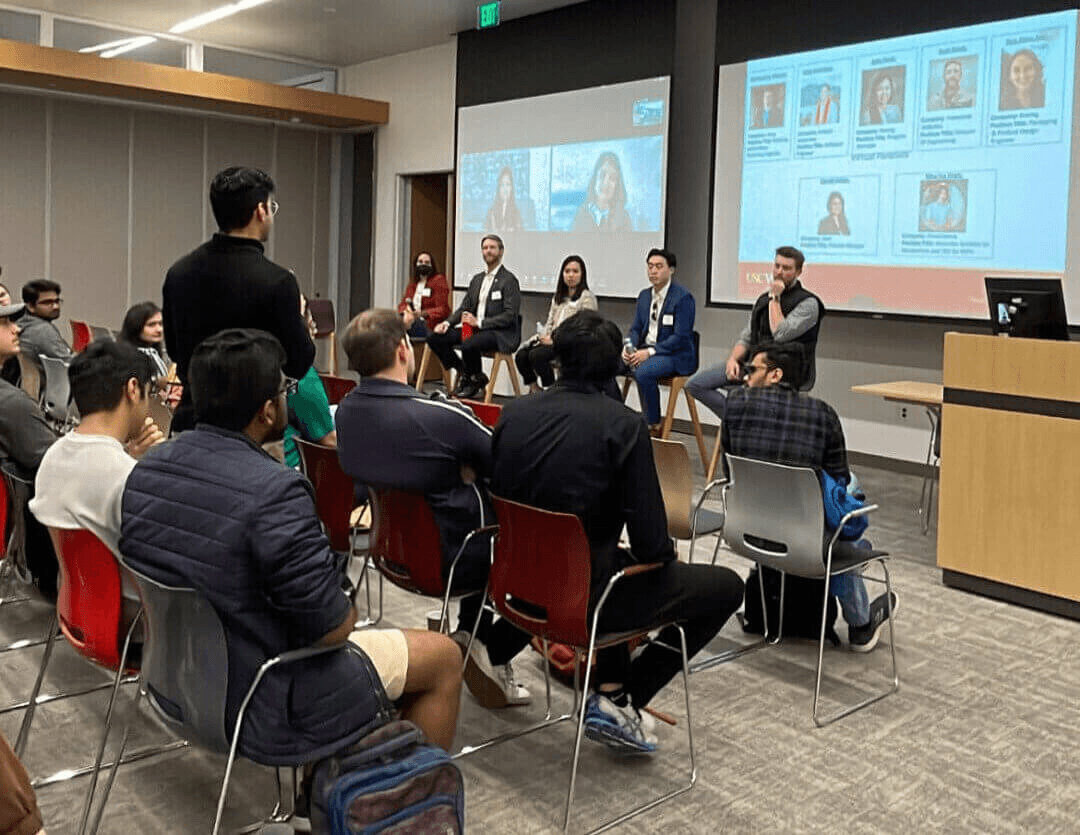
The conversations your sales reps have at conferences are only as valuable as the system waiting to receive them. 80% of trade show leads receive zero follow-up across 20 major US shows. That number does not reflect poor activity design. It reflects a broken capture infrastructure sitting between the handshake and the CRM.
1. Mobilocard - Best All-in-One Digital Contact Capture for Conferences
Mobilocard earns the top position for sales teams attending events regularly because it closes the capture gap at the exact moment of connection. A rep taps their NFC business card and the contact's details route directly to the CRM, tagged to the event, with no manual entry required afterward. The real differentiator is the combination of custom lead capture forms, team management dashboards, and CRM sync in a single workflow. This is most beneficial when five or more reps are deployed at the same event and the Sales Director needs visibility into individual rep activity, not just aggregate badge scans. The honest trade-off: initial team setup requires a CRM admin to configure integration routing, so it is not a same-day deploy for enterprise teams without that resource available.
2. Blinq - Best for AI-Enriched Lead Capture with Offline Mode
Blinq uses AI enrichment to fill in contact details beyond what a prospect manually enters, which is genuinely useful in noisy, fast-paced conference environments where people skip fields. Its offline mode means captures still queue even without a stable venue Wi-Fi connection, a practical advantage confirmed in Blinq's published feature documentation, though independent third-party benchmark data on queue reliability at scale is not yet publicly available. The limitation for Sales Directors managing larger teams is that Blinq's team management and CRM routing features are less granular than enterprise-grade alternatives, making it a stronger fit for individual reps or small groups than for a coordinated 20-person floor deployment.
3. Wave Connect - Best Digital Business Card for Trade Show Badge Scanning
Wave Connect handles the badge-scan workflow that many trade show floors already support, making it a practical bridge for events where organizers provide their own scanning infrastructure, based on Wave Connect's published integration documentation and user reviews on G2 (4.1/5 from 200+ reviewers as of 2025). The gap is on the outbound side: without a robust NFC tap workflow, reps at activities away from the main expo floor, such as evening receptions or hosted roundtables, lose the capture layer entirely.
4. Zuddl - Best for B2B Event Teams Needing Deep Lead Qualification
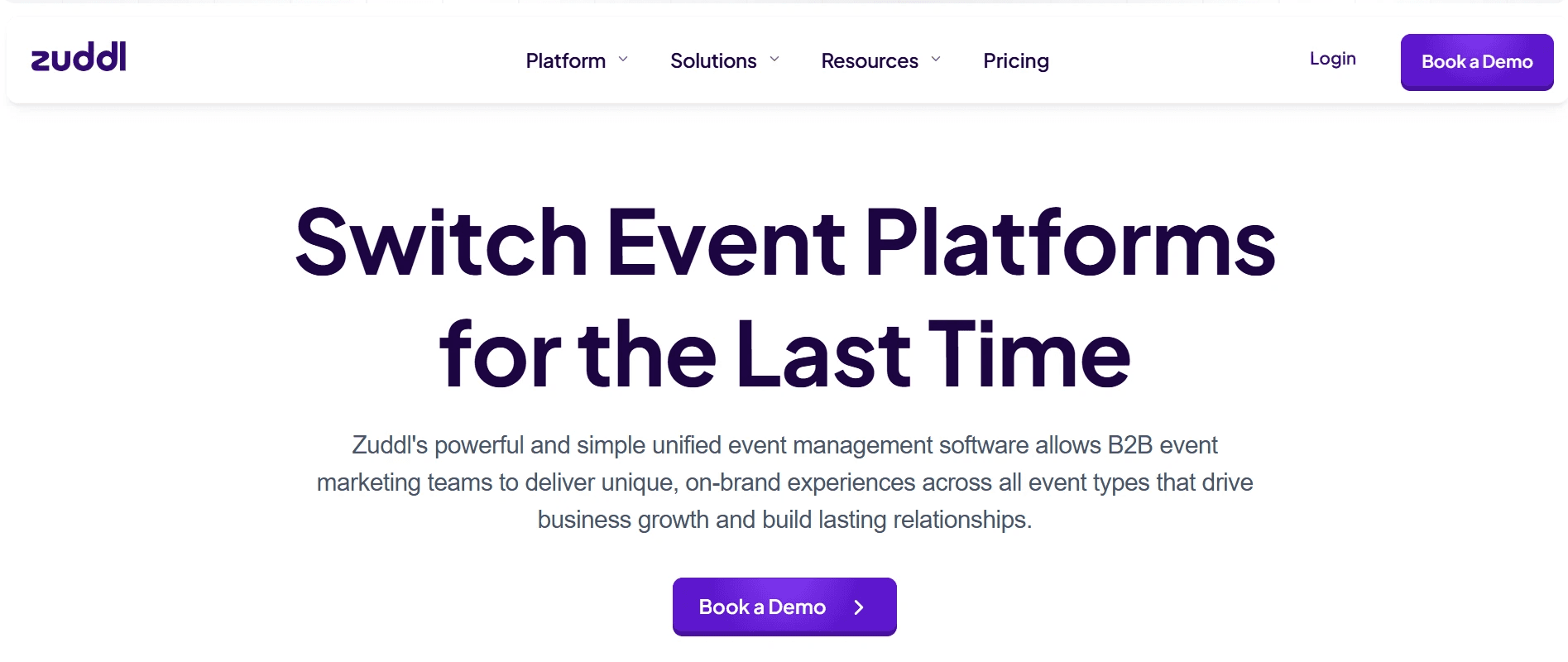
Zuddl is built for teams that need lead scoring and qualification embedded into the event experience itself, not just contact collection. It suits event organizers and demand-generation teams running multi-session B2B conferences where attendee intent data matters as much as the contact record. For a Sales Director focused purely on rep-level networking capture at third-party conferences, Zuddl is likely more infrastructure than the use case requires.
5. Dex - Best Personal CRM for Individual Conference Networkers
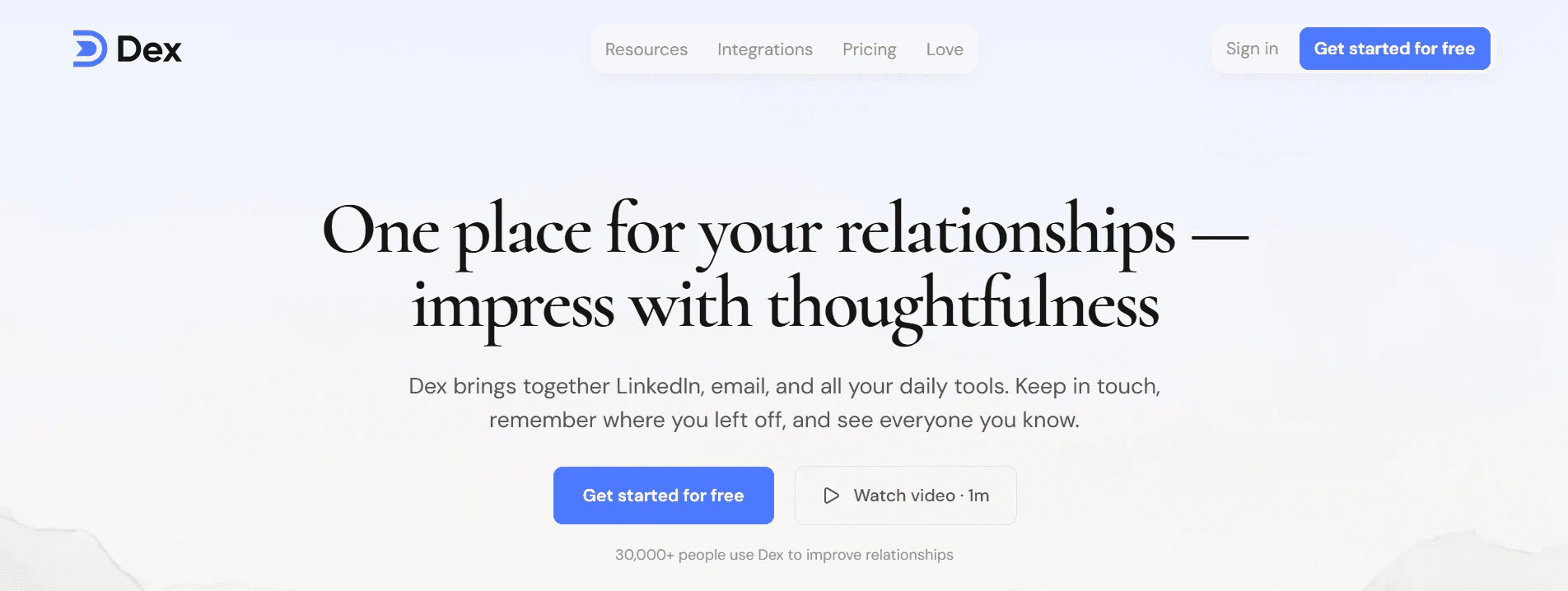
Dex functions as a relationship-tracking layer on top of existing contact records, prompting users to follow up and log context over time. It is not designed for team-level deployment, centralized visibility, or automated CRM sync, which limits its relevance for a Sales Director trying to measure pipeline contribution across a full rep roster.
6. Orvo - Best Voice-Note AI for Capturing Conference Conversation Context
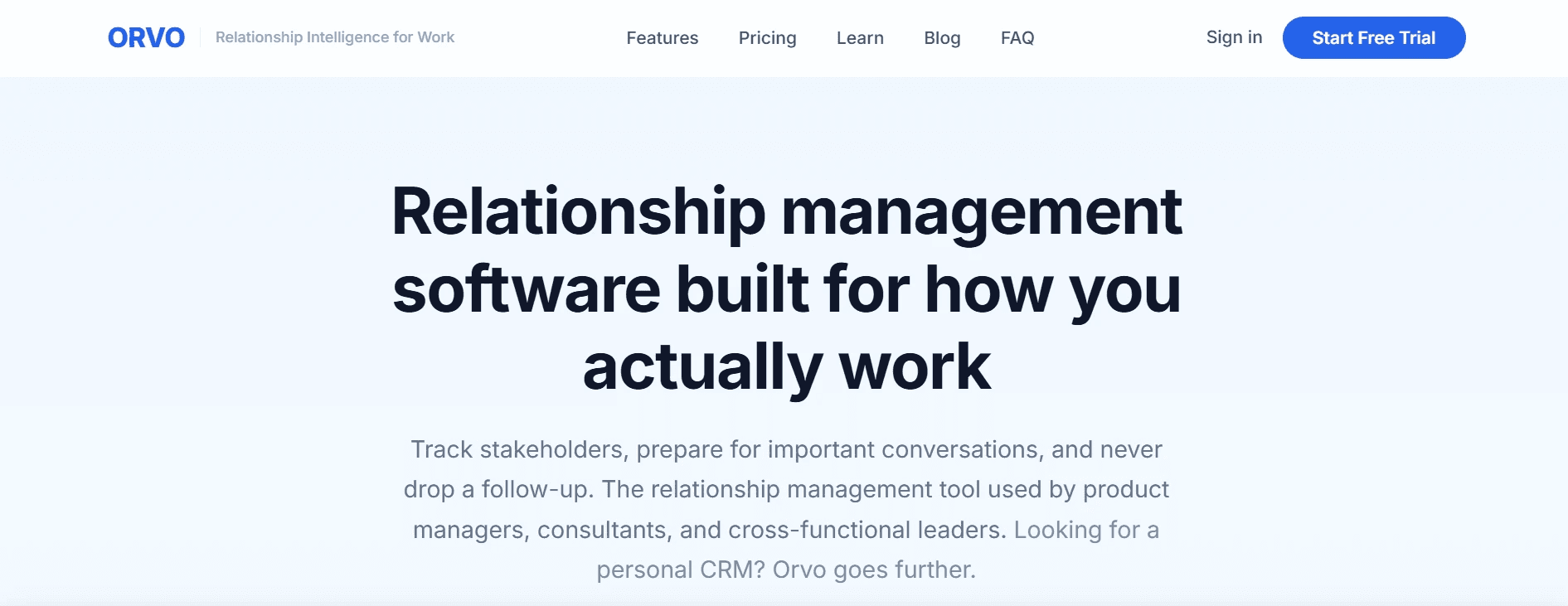
Orvo addresses a real and underappreciated gap: the contextual note captured at the moment of exchange, not just the contact details. A rep can record a short voice note immediately after a conversation, and Orvo transcribes and tags it. This matters because a contact record without context is nearly as forgettable as a lost card. The trade-off is that Orvo works as a complement to a primary capture tool, not a replacement. SmartyTags, Best QR Code System for Conference Check-In and Contact Exchange. SmartyTags applies QR-based capture to check-in flows and physical touchpoints.
7. SmartyTags - Best QR Code System for Conference Check-In and Contact Exchange
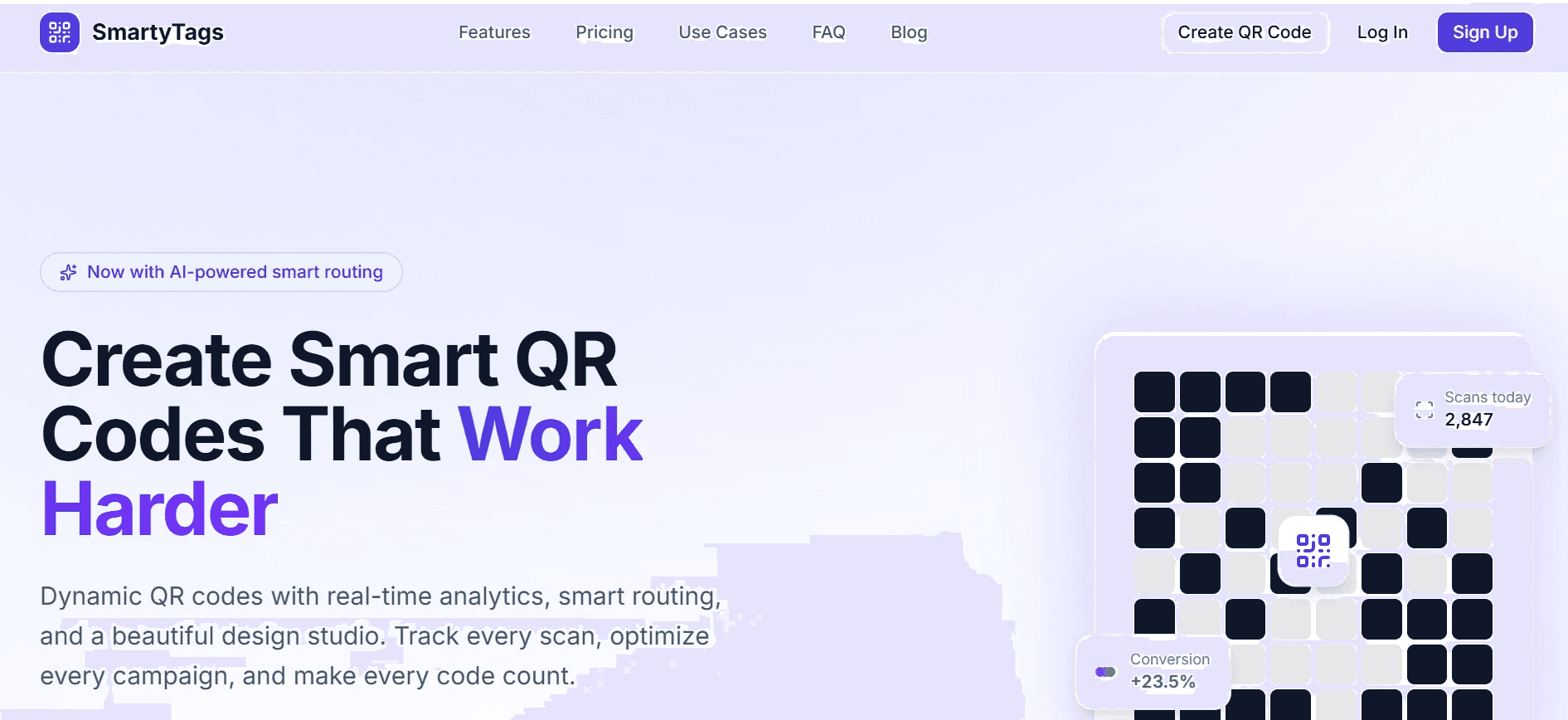
SmartyTags brings dynamic QR codes into the conference networking activity ideas space by enabling attendees to share contact details, access schedules, and exchange profiles through a single scannable code on their badge or phone. It's particularly well-suited for event organizers who want to standardize contact capture across all attendees without requiring a dedicated app download. The limitation is that analytics depth is stronger for organizers than for individual attendees.
8. BeGuest - Best Event Networking App for Real-Time Attendee Connection Matching
BeGuest focuses on the real-time connection layer of conference networking by matching attendees based on shared interests and enabling QR-based contact sharing within its event app ecosystem. It's the right pick for conference organizers who want to facilitate structured networking activity ideas rather than leaving connections to chance. The main limitation is that its value is tied to event organizer adoption, attendees can only use it at events where the organizer has deployed the platform.
Related Reading
- Best Tech Conferences For Networking
- Best Finance Conferences For Networking
- Trade Show Booth Ideas For Small Budgets
- Virtual Conference Booth Ideas
- Best Networking Apps For Trade Show Attendees
- Conference Lead Capture Tools
- What Are The Top Trade Show Lead Retrieval Tools
- Trade Show Follow Up Email Examples
- Trade Show Lead Capture App
How to Turn Your Conference Networking Activities Into Measurable Pipeline - Not Just Good Conversations
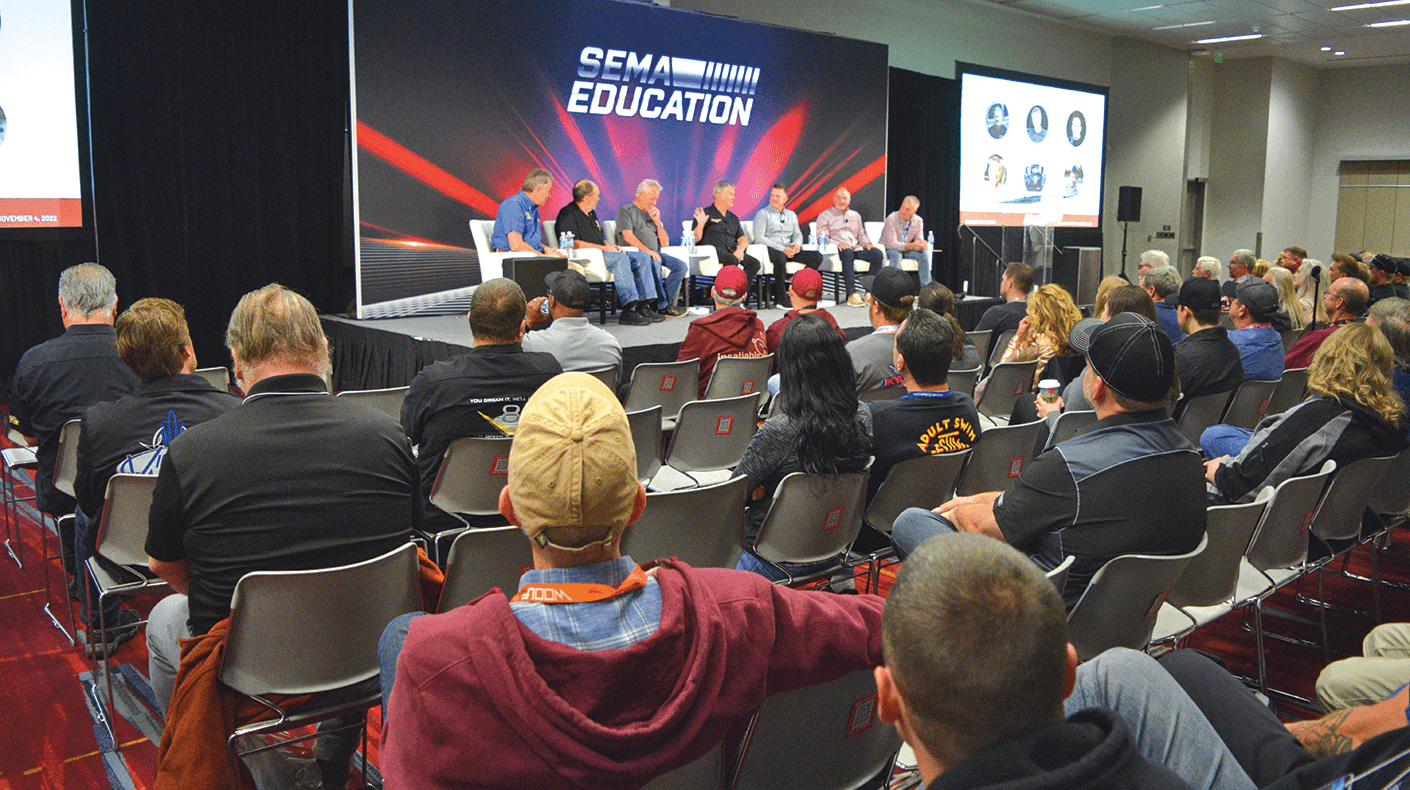
Running a great conference networking activity is the easy part. The harder problem is that most of the conversations those activities generate never become pipeline records, not because your team is disengaged, but because no capture infrastructure existed to receive the contacts in the first place. This section addresses that gap directly, covering how to pair your on-floor activities with a workflow that turns warm exchanges into structured CRM data your team can actually act on.
The Activity Is the Spark, the Capture Workflow Is the Engine
Every conference networking activity your team runs generates conversations. The critical question is whether those conversations ever become records. This is a problem that runs deeper than rep discipline: professionals consistently return from conferences with stacks of paper business cards and contact photos that never get organized, resulting in warm leads that quietly die without follow-up.
According to momencio's research, 79% of leads generated at events are never followed up on, not because reps are disengaged, but because no capture infrastructure existed to receive the contacts those activities produced. The familiar assumption is that a well-run speed round or roundtable is the hard part, and that follow-up is simply a rep discipline issue. The hidden cost of that assumption is a CRM full of incomplete records that are operationally equivalent to no record at all.
Attendees often know how to hold a great conversation but struggle to convert that in-person exchange into a tangible follow-up action or pipeline opportunity. They leave the floor knowing someone was interested, but with no structured record of who or why. A Sales Director cannot coach, forecast, or prove conference networking ROI from data that was never collected in the first place. This is precisely why field marketing and event teams need tools that capture leads efficiently and feed data directly into the CRM pipeline, reducing wasteful spend on printed collateral while demonstrating marketing's measurable contribution to revenue.
The Three-Step Pre-Event Operationalization Checklist
Three steps protect every conversation your team has on the floor. First, define CRM tagging rules before the event begins, with session name, lead tier, and product interest as required fields. Second, configure digital contact exchange so every rep can capture a contact in one tap without typing a single character.
Third, set automated follow-up sequence triggers so that a tagged contact enters a cadence within minutes, not days. According to industry research, responding within five minutes of a new contact's first touchpoint makes conversion nine times more likely compared to following up after 30 minutes. Mobilo's Teams plan ($4/month per member, billed annually) is purpose-built for exactly this workflow.
Every card, whether a Custom Designed NFC Card with QR Code, a Digital Wallet Card, or Paper Plus Cards, comes with unlimited taps and scans, lead capture and management, and integrations through Zapier so that a tagged contact flows directly into your CRM pipeline stage the moment a tap occurs. Team managers can control, lock, and override data fields across every rep's card, ensuring the capture fields your CRM Admin configures pre-event are the fields every rep uses on the floor, with no deviation and no missing context.
How to Measure Rep-Level Conversion from Conference Networking Activities
Signal Yield is the metric that separates attendance from performance. It measures how many captured contacts each rep converts into a CRM-logged, sequence-enrolled lead per conference day. Without it, a Sales Director sees only who attended, never who produced. A pre-set daily target, for example, fifteen tagged digital contacts per rep per session, gives you a coaching baseline and a post-event dashboard that shows exactly where pipeline stalled. Post-event tagging is a fantasy. Reps returning from a high-volume speed networking session will not reconstruct context for forty contacts from memory.
Custom lead capture forms and tagging logic must be locked before the first session fires. Mobilo's Teams plan includes custom lead capture forms, insights and analytics, and a paper business card scanner, so reps can capture contacts from every format they encounter, a competitor's paper card, a printed badge, or a direct NFC tap, and every record lands in the same pipeline with the same required fields attached. Critically, Mobilo's no-internet QR sharing means offline capture fallback is built in: reps on a crowded convention floor with unreliable Wi-Fi never lose a contact to a connectivity gap.
Every customer-facing touchpoint consistently reflects the brand identity; brandable QR codes and personalized business card templates ensure that what a prospect receives is as polished as the conversation that preceded it. For organizations scaling beyond a single team, the Business plan ($5/month per member, billed annually) adds enterprise SSO, HR directory sync, central billing, and white-glove onboarding, giving Sales Directors the administrative infrastructure to operationalize Signal Yield tracking across an entire organization, not just a single pod.
Pre-Event Operationalization Checklist
A clear pre-event setup process ensures lead capture, routing, follow-up, and reporting work smoothly from day one:
- 1. Define CRM tagging rules → CRM Admin → 1 week before. Set rules for session name, lead tier, and product interest.
- 2. Configure NFC/QR routing → CRM Admin → 3 days before. Route digital card scans to the correct CRM pipeline stage.
- 3. Set automated follow-up triggers → RevOps / SDR Lead → 3 days before. Trigger sequences based on tagged contacts.
- 4. Brief every rep on the Signal Yield target → Sales Director → Day before. Example: 15 tagged contacts per session.
- 5. Test Wi-Fi and offline capture fallback → IT / Ops → Day before. Confirm lead capture works if connectivity fails.
- 6. Pull the post-event capture dashboard → Sales Director → Day after. Review rep-level capture performance within 24 hours.
Next steps
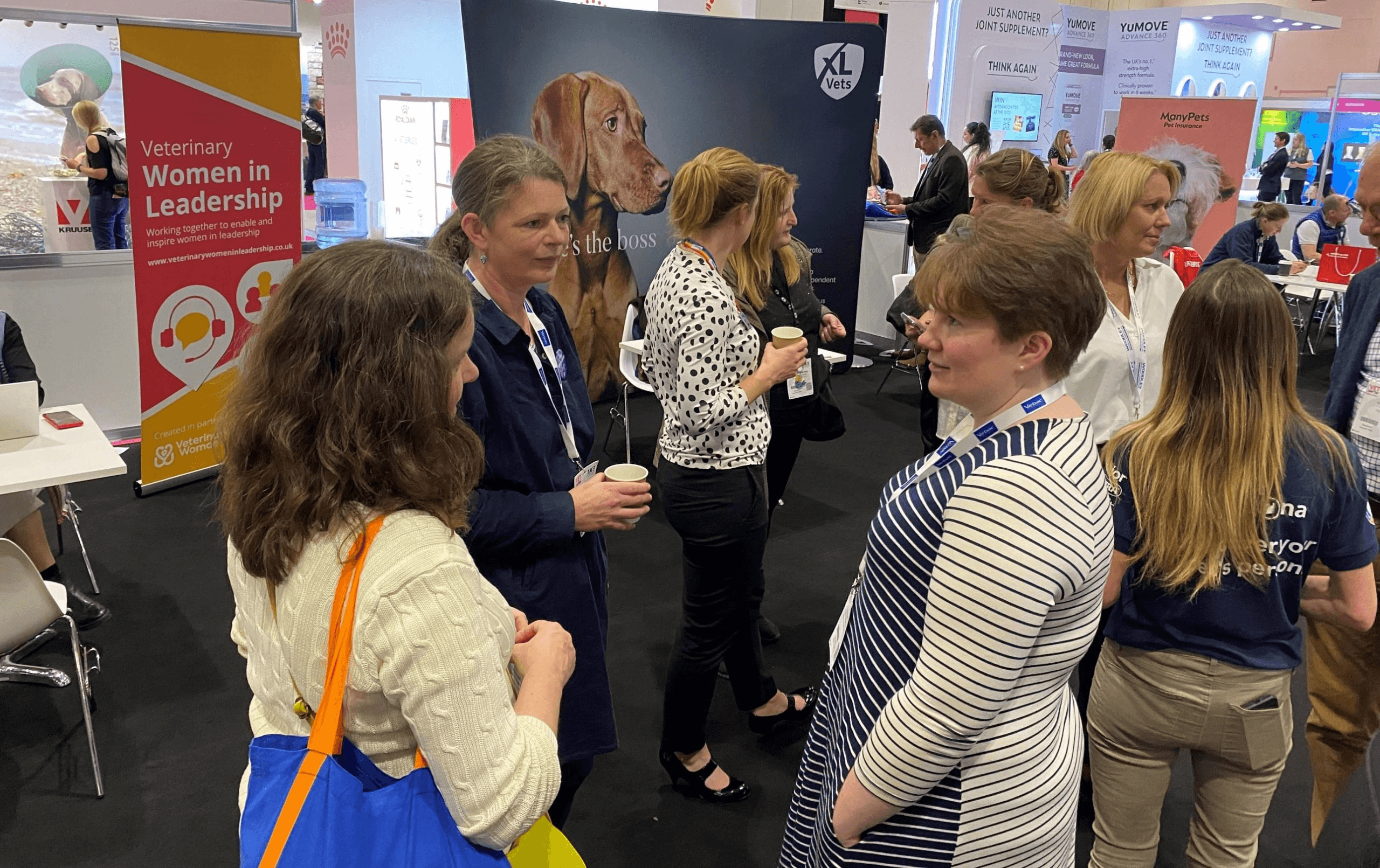
If your reps return from conferences with warm conversations that never become CRM records, the path forward starts with accepting that activity design and capture infrastructure are two separate problems, and only one of them is currently getting your attention.
The data from the body makes the sequence clear. Activity design has a ceiling of roughly 13% pipeline conversion on its own, because even a perfectly structured speed round only gets a rep into a conversation, not through a follow-up workflow. Separately, a Sales Director cannot coach, forecast, or prove event ROI when inconsistent rep-level capture behavior produces CRM records so incomplete they are operationally equivalent to no record at all. Together, those two realities point to the same next step: closing the gap between the conversation and the CRM record before the first session fires, not after the event wraps.
If you want to go deeper on how the contact exchange layer actually works at the rep and team level, see digital business card for the full capture and CRM sync workflow. The activity ideas in this post fill the room with conversations worth having. The capture infrastructure determines whether any of them survive to pipeline.
Frequently Asked Questions
Why do my reps come back from conferences with a ton of contacts but no new pipeline?
The drop-off point is almost never the conversation itself, it is the moment the conversation ends without a digital capture step attached to it. Industry data cited in the post shows that 90% of new contacts never enter a CRM because the manual effort is too high, and 88% of paper business cards are thrown away within a week.
What actually makes a networking activity worth running at a conference?
A high-impact activity needs three things present at the same time: a shared goal that gives strangers a reason to keep talking, clear structure with defined time limits and a concrete task, and enough flexibility to work for every personality type in the room. Remove any one of those elements and you get surface-level interaction instead of real connection.
When during the conference schedule should I run the main networking activity?
Lunch breaks, evening receptions, and unconference hours are the highest-value slots because attendees arrive with their mental bandwidth intact. Mid-session slots squeezed into 15-minute coffee breaks produce rushed introductions that nobody follows up on, the same activity produces radically different results depending on its slot.
How do I make a networking activity work for introverts, not just extroverts?
Structure and time limits are accessibility features, not just logistics. Introverts perform better when the format removes the pressure of cold small talk and gives them a defined role, while extroverts benefit from time limits that prevent any single person from dominating the room, formats like murder mystery networking at an evening reception are cited in the post as a strong example of this balance.
Is improving the icebreaker format enough to get more pipeline from a conference?
No, the post is explicit that activity design quality has a ceiling of roughly 13% pipeline conversion on its own, and that 91% of people never follow up after networking events while 80% of trade show leads receive zero follow-up. Investing in a better icebreaker without a parallel capture-and-follow-up system is optimizing the smallest lever in the pipeline equation.