.avif)

15 Best Tech Conferences for Networking in 2026
On This Page
Picking the right conference is only half the decision. The other half is making sure every handshake on the floor actually reaches your CRM before the flight home.
Most sales directors think that choosing the right conferences and printing professional business cards is enough to ensure reps will generate trackable pipeline from events, but the card exchange itself completes the lead-capture step. They've picked credible events, briefed their reps, and ordered fresh cards. What they rarely see is what happens in the 72 hours after the last session ends, when the real pipeline decision gets made, quietly, by inertia.
The failure point isn't event selection or rep effort. It's the structural gap between the handshake and the CRM, and it costs more than most budgets account for. Tools like tap-to-CRM cards exist precisely to close that gap, but first it helps to see exactly where the leak is.
See our digital business card for how this works in practice.
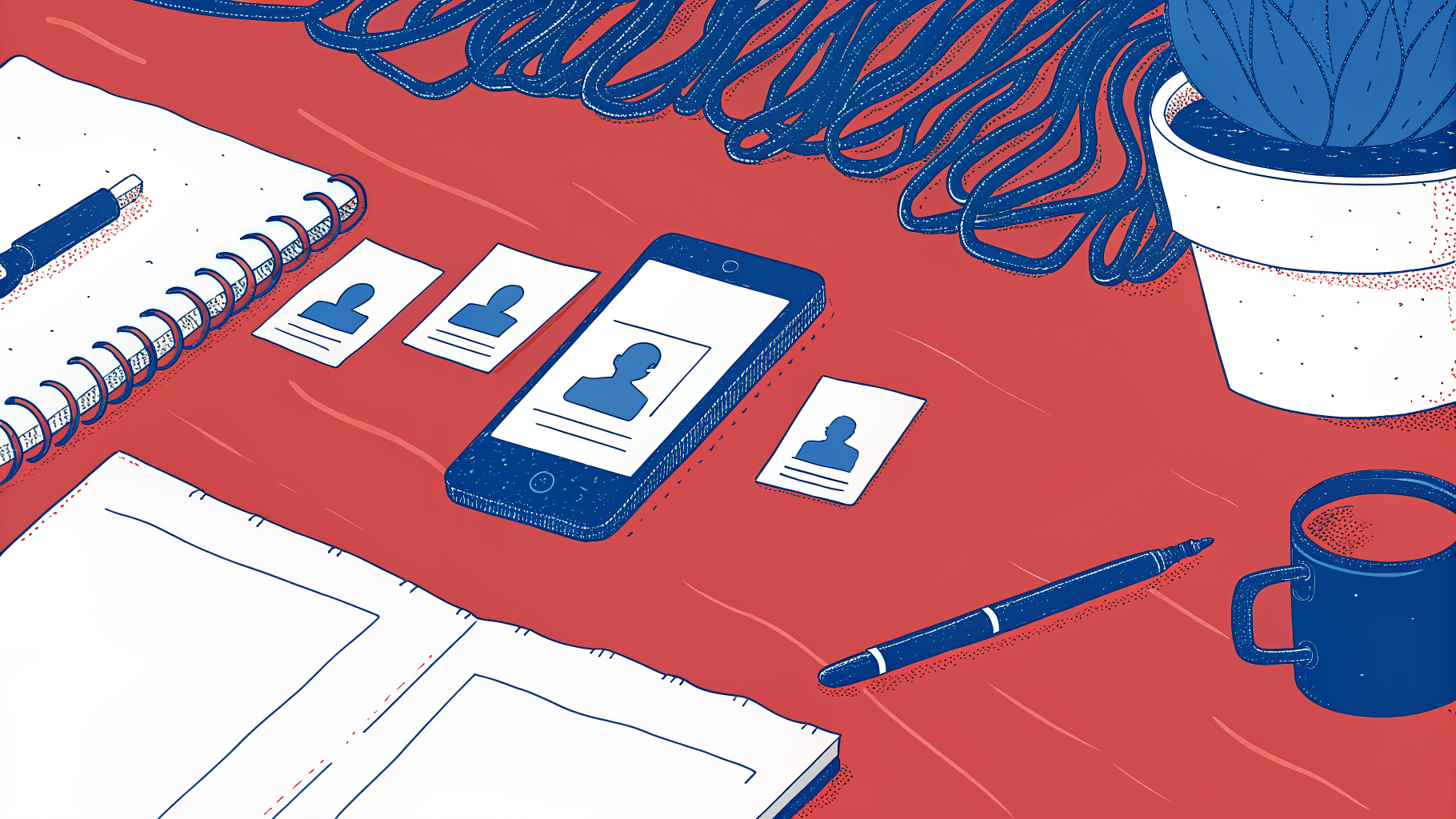
From Mobilo's survey of 4,000 sales reps, the finding is stark: 90% of new contacts never enter the CRM because the manual entry step is simply too much friction after a long conference day. A 10-rep team attends a major event, exchanges 200 contacts across the week, and returns with a stack of cards that sit on desks until they're irrelevant. In fact, 88% of business cards handed out get thrown away in less than a week, according to industry research.
The pipeline attributed to a $50,000 event spend is effectively zero, not because reps failed, but because the workflow was never designed to survive the flight home. The deeper problem is that every rep looks identical in the post-event expense report. There is no signal showing which reps had five high-quality conversations and which collected lanyards. Sales Directors consistently report having no visibility into which reps generated high-quality conversations and which spent the event collecting vendor swag, a blind spot that persists as long as contact capture depends on a manual step that happens, if at all, days after the floor closes.
88% of business cards thrown away in a week
90% of new contacts never enter the CRM
Key takeaways
- 90% of new contacts never enter a CRM after a tech conference, not because reps are careless, but because the handshake-to-spreadsheet workflow has too many steps between the floor and Monday morning.
- Choosing the right conferences matters, but buyer-role density at each event matters more than badge count, a 5,000-person niche summit can outperform a 60,000-person mega-event if your reps are talking to the right titles.
- The 72 hours after the last session ends is where most conference pipeline quietly dies; the capture system a team uses on the floor determines whether those contacts ever see a follow-up.
- Attendee volume and contact conversion quality move in opposite directions at large events unless a pre-event targeting system and a same-day capture workflow are already in place.
- Reprinting cards every conference season is a recurring cost that compounds, and a paper card that never gets scanned into a CRM generates the same pipeline as no card at all.
- Mobilo's Contact Exchange and Lead Capture closes the gap: when someone taps or scans a Mobilo card, their information is captured and fed directly into the rep's CRM in real time, no manual entry, no lost contacts, no pipeline that evaporates before the week starts.
The Hidden Operational Cost of Managing Cards for Every Conference Season
Conference prep feels like a solved problem until you start counting what it actually costs. The common assumption is that choosing the right conferences and printing professional business cards is enough to ensure reps will generate trackable pipeline from events, that the card exchange itself completes the lead-capture step. Ordering updated cards before each event, chasing down reps who ran out mid-conference, discovering two team members had outdated titles printed on 500 cards each, none of that shows up on a budget line, and none of it generates a single data point you can act on later.
Business card management for sales teams is treated as a minor logistics task, but the cumulative drag is real. When you account for design fees, per-unit print costs, rush reprints for title changes, and mid-season reorders, per-rep card spend adds up faster than most budget lines reflect. Multiply that across a team of 15 and eight events, and the cumulative figure stops feeling trivial. The failure point is structural.
When contact exchange relies on physical cards, rep networking accountability disappears the moment the card leaves the hand. A Sales Director has no way to know which reps exchanged contacts with 30 qualified prospects and which ones spent three days collecting vendor swag. From its survey of 4,000 sales reps, Mobilo found that 90% of new contacts never enter the CRM because the transfer process demands too much manual effort after an already exhausting event.
That is a workflow design failure, not a discipline problem. Mobilo's digital business card with Contact Exchange and Lead Capture routes every connection made on the event floor directly into the CRM at the moment of the tap or scan, no manual re-entry, no post-flight data loss, and a complete record of which reps connected with which prospects before the expense report is even submitted.
Top General Tech and Startup Networking Conferences in 2026
The top general tech and startup networking conferences in 2026 span five distinct deal-origination types: VC introductions, cross-industry partnerships, developer relationships, founder peer networks, and enterprise cloud ecosystems. The critical mistake most Sales Directors make is treating these as interchangeable rooms. They are not.
A rep optimized for enterprise cloud conversations will be nearly invisible at a founder-focused pitch event, and vice versa. Matching rep profile to conference deal-flow type is the actual strategic decision. The most counterintuitive finding: curated-entry events structurally outperform open-registration mega-conferences for contact conversion quality.
TechCrunch Disrupt's Startup Battlefield selects a vetted Top 200 startup cohort, which means the qualification work happens before the event opens. The investors, press, and operators in that room are already filtered. Compare that to an open-floor conference with 70,000 attendees: the signal-to-noise ratio drops sharply, and reps spend more time sorting than selling.
That structural difference matters when you are allocating budget. Ticket costs, travel, and rep time are fixed expenses regardless of which conference you choose. What varies is the density of relevant contacts per hour on the floor.
Sales Directors who consistently convert conference attendance into pipeline think in terms of contact conversion gravity, not raw headcount. The hidden cost is not the wasted travel budget. It is the contacts exchanged on the floor that never reach the CRM before the flight home.
This is the friction point that quietly kills conference ROI: a rep works a room for three days, exchanges information with thirty qualified buyers, and returns to find half those names living in a coat pocket rather than a pipeline. A tap-to-CRM contact exchange, the core function Mobilo is built around, closes that gap at the moment of the handshake, so the deal-origination opportunity each conference was chosen to unlock does not quietly expire on a desk by Thursday morning. Sales Directors also gain visibility into which reps are actively networking and converting connections into pipeline, which turns conference spend from a faith-based budget line into a measurable growth activity.
Mobilo's Teams plan ($4/month per member, billed annually) includes full team data analytics, CRM integrations, team management, and the ability to control, lock, and override data fields across every rep's card, so the whole team operates from the same lead-capture standard regardless of which conference floor they are working. Here are the eight general tech and startup conferences that belong on every Sales Director's 2026 planning calendar, mapped by the specific type of deal flow each one unlocks.
Related Reading
- Etiquette For Networking In Online Conferences
- Measuring Event Roi
- Trade Show Sales Tips
- Trade Show Follow Up Best Practices
- How Do You Find The Roi Of A Trade Show
- Trade Show Sales Funnel
- What Is Trade Show Marketing
- Event Lead Management
- B2b Trade Show Best Practices
- Conference Lead Generation
- B2b Trade Show Marketing
Conference Selection Framework - Matching Rep Profile to Deal-Flow Type
Conference
TechCrunch Disrupt
- Primary Deal-Flow Type: VC introductions / founder connections
- Best Rep Profile: Founders, early-stage sellers
- Buyer-Role Density: High (vetted cohort)
Startup Grind
- Primary Deal-Flow Type: Peer founder networking
- Best Rep Profile: Tools for early-stage founders
- Buyer-Role Density: Medium (community-oriented)
Web Summit
- Primary Deal-Flow Type: Cross-industry partnerships
- Best Rep Profile: Multi-vertical enterprise reps
- Buyer-Role Density: Low, Medium (open registration)
SXSW
- Primary Deal-Flow Type: Tech × Media × Culture crossover
- Best Rep Profile: Enterprise reps targeting non-traditional verticals
- Buyer-Role Density: Medium (hallway-track driven)
AWS re:Invent
- Primary Deal-Flow Type: Cloud / enterprise IT ecosystems
- Best Rep Profile: Infrastructure, security, SaaS reps
- Buyer-Role Density: High (decision-maker dense)
Use this table to pre-qualify each event against your rep roster before committing budget.
Before the events below, equip your team: Mobilo Card’s NFC and QR digital business cards turn every conversation at these conferences into a CRM-ready lead. One tap shares your full details and captures theirs, then syncs the contact straight into your CRM — no manual entry, no lost cards, no follow-up gap. It is the networking tool to bring to the events ranked below, not a conference itself.
1. TechCrunch Disrupt 2026 - Best for Startup Founders Seeking VC Connections
Held at Moscone West in San Francisco each October, TechCrunch Disrupt is the premier convergence point for early-stage founders, venture capitalists, and tech media. The Startup Battlefield competition gives emerging companies unmatched exposure. It is the right pick for founders actively fundraising or seeking press coverage. The tradeoff is cost, tickets and San Francisco travel expenses make this one of the pricier networking investments on the calendar.
2. Startup Grind Global Conference - Best for Community-Driven Founder Networking

Startup Grind draws founders, operators, and early-stage investors who are specifically there to build peer relationships rather than close deals on the spot. The community orientation means conversations run deeper and follow-up rates tend to be higher than at prestige-signal events where everyone is performing for the room. For sales reps selling tools to early-stage founders, this is a high-quality environment.
The limitation: investor density skews earlier-stage than Series B and beyond, so enterprise-focused reps will find the room less productive. The challenge at community-oriented events is that relationship depth cuts both ways, more meaningful conversations also mean fewer total exchanges per hour. Reps who rely on paper cards or manual follow-up lose the thread between sessions.
Mobilo's paper business card scanner and unlimited leads and contacts (available on every plan tier) let reps capture inbound cards from founders just as efficiently as outbound taps, keeping both sides of every conversation in the same workflow.
3. Web Summit - Best for Global Scale and Cross-Industry Tech Networking
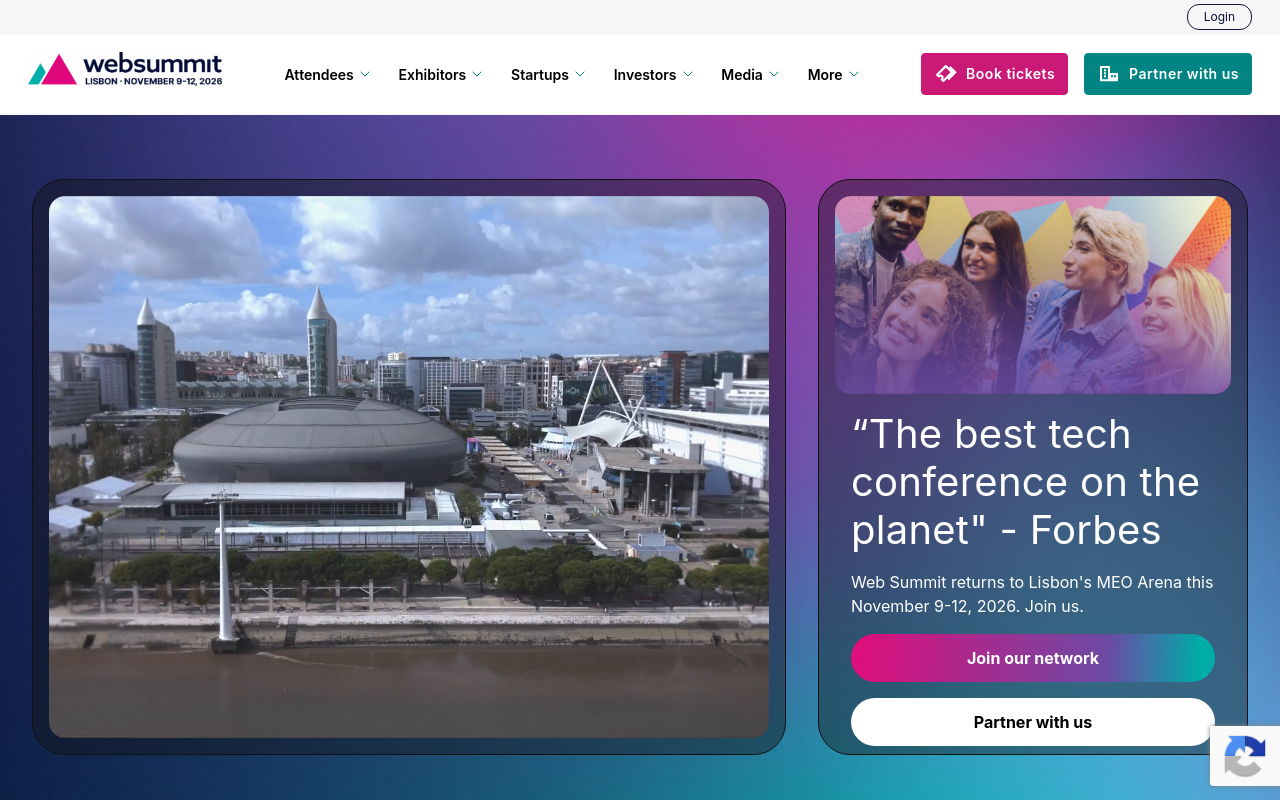
Web Summit draws roughly 70,000 attendees from more than 160 countries, with a startup exhibitor count in the thousands, according to the Summit's own published figures. Cross-industry introductions happen here that simply cannot happen at a vertical-specific event. A rep selling infrastructure to media companies, fintech buyers, and logistics operators can cover three buyer profiles in a single afternoon.
The cost is signal-to-noise: without a clear targeting strategy and a fast contact-capture workflow, reps can spend three days in Lisbon and return with a pocket full of names that never become pipeline. Scale events like Web Summit are precisely where Mobilo's no-internet QR sharing becomes operationally important. Convention-center Wi-Fi is notoriously unreliable at large-scale events, and a contact exchange that depends on a live connection fails at exactly the wrong moment.
Every Mobilo card, including the Team Digital Wallet Card (included at $0 + $4/month on the Teams plan) and the full range of custom-designed NFC cards in plastic, Paper Plus, Wood, and Metal, supports offline QR sharing, so the exchange completes regardless of network conditions. Teams attending at scale can also take advantage of brandable QR codes and the Apple/Google QR code widget, giving every rep a consistent, branded capture surface across a multi-day, multi-floor event.
4. SXSW - Best for Intersecting Tech, Media, and Culture Networking
SXSW's cross-industry attendee mix makes it the highest-variance networking event on the calendar, ideal for enterprise sales reps targeting buyers outside their usual vertical. The tech track draws decision-makers from media, entertainment, consumer brands, and government alongside traditional tech buyers, which creates partnership and co-sell opportunities that vertical conferences cannot offer. The honest limitation is focus: reps who need a concentrated developer or investor audience will find SXSW diffuse.
The hallway track between sessions consistently produces the best introductions, which means reps who schedule back-to-back formal meetings miss the event's actual value. Hallway-track introductions are spontaneous by nature, which is exactly where a physical card with a single tap or scan outperforms any app-dependent exchange. Mobilo's personalized business card templates and email signature integration mean the brand impression a rep leaves in a hallway at SXSW is consistent with every follow-up email that lands in the buyer's inbox afterward, a continuity that matters when the contact met fifteen other vendors that same afternoon.
Zapier integrations (6,000 integrations through Zapier, included on every plan) let those hallway captures flow automatically into whatever CRM or outreach tool the sales team already uses, eliminating the manual sync step that typically kills post-conference momentum.
5. AWS re:Invent - Best for Cloud and Enterprise Tech Professional Networking
AWS re:Invent consistently draws one of the highest concentrations of cloud and enterprise IT decision-makers of any single conference on the calendar. For sales teams selling infrastructure, security, cloud services, or SaaS products that integrate with AWS, re:Invent offers unmatched access to the architects, engineering managers, and IT directors who own those buying decisions, though the scale of the event demands a pre-set meeting list and a fast contact-capture workflow to convert floor density into qualified pipeline. Enterprise sales teams operating at re:Invent benefit most from Mobilo's Business plan ($5/month per member, billed annually), which adds enterprise SSO, HR directory sync, a custom domain, and white-glove onboarding (for teams of 100 seats or more) on top of the full Teams feature set.
Central billing and team management mean the Sales Director can deploy, govern, and audit every rep's card from a single dashboard, which matters when twenty reps are working different tracks across a multi-day enterprise event. Custom lead capture forms ensure every contact captured on the floor carries the same qualification fields the CRM requires, so the pipeline review on Monday morning starts with clean data rather than a deduplication project.
6. Collision Conference - Best for High-Growth Startup and Investor Networking in North America

Held annually in Toronto, Collision has grown into one of North America's fastest-rising tech conferences, attracting over 35,000 attendees including a strong contingent of Series A and B investors. Its structured networking app and curated meeting system make it easier to secure targeted introductions than at open-floor events. Best for growth-stage founders and business development professionals. The tradeoff is that it lacks the brand prestige of Disrupt or Web Summit for first-time attendees seeking media coverage.
AI and Data Science Conferences With the Best Networking Opportunities in 2026
The best AI and data science conferences for networking in 2026 are Ai4, the Databricks Data + AI Summit, NeurIPS, and ICML. Each draws a distinct mix of attendees, and that mix determines whether your reps spend two days in productive conversations with buyers or in hallway discussions with researchers who will never sign a contract. Buyer-role density is the metric most Sales Directors overlook when building their conference calendar.
Speaker prestige fills keynote seats. It does not fill your pipeline. A 500-person event where 60% of attendees hold VP or C-suite titles can generate more qualified introductions than an 8,000-person gathering where commercial decision-makers are outnumbered ten to one by academics and students.
At a conference like Ai4, where Ai4's own published figures report more than 12,000 AI leaders converging in one venue, a five-rep team can realistically generate a significant volume of quality introductions per day. The operational problem is that even a well-prepared rep who shakes hands with 50 people across two days cannot manually log those contacts before the flight home. Context degrades fast.
By Monday morning, half those names are already cold. A tap-to-CRM contact capture workflow closes that gap at the moment of exchange, so every decision-maker a rep meets enters the pipeline automatically rather than disappearing into a jacket pocket. The Network Decay Index at large AI events is disproportionately high compared to smaller domain-specific gatherings precisely because volume outpaces the manual logging capacity of even a well-prepared team, meaning a pre-event shortlist and a same-day capture workflow are not optional enhancements but structural requirements for converting attendance into pipeline.
1. Ai4 2026 - Best for C-Suite AI Networking in North America
Billed as North America's largest AI industry event, Ai4 2026 draws thousands of business executives and technology innovators, making it the premier venue for senior-level relationship building. Its structured networking sessions and curated matchmaking are designed for decision-makers, not just researchers. The tradeoff: the business-first focus means deep technical or academic networking is limited compared to research-oriented conferences.
2. Data + AI Summit 2026 (Databricks): Best for Data Engineering & MLOps Networking
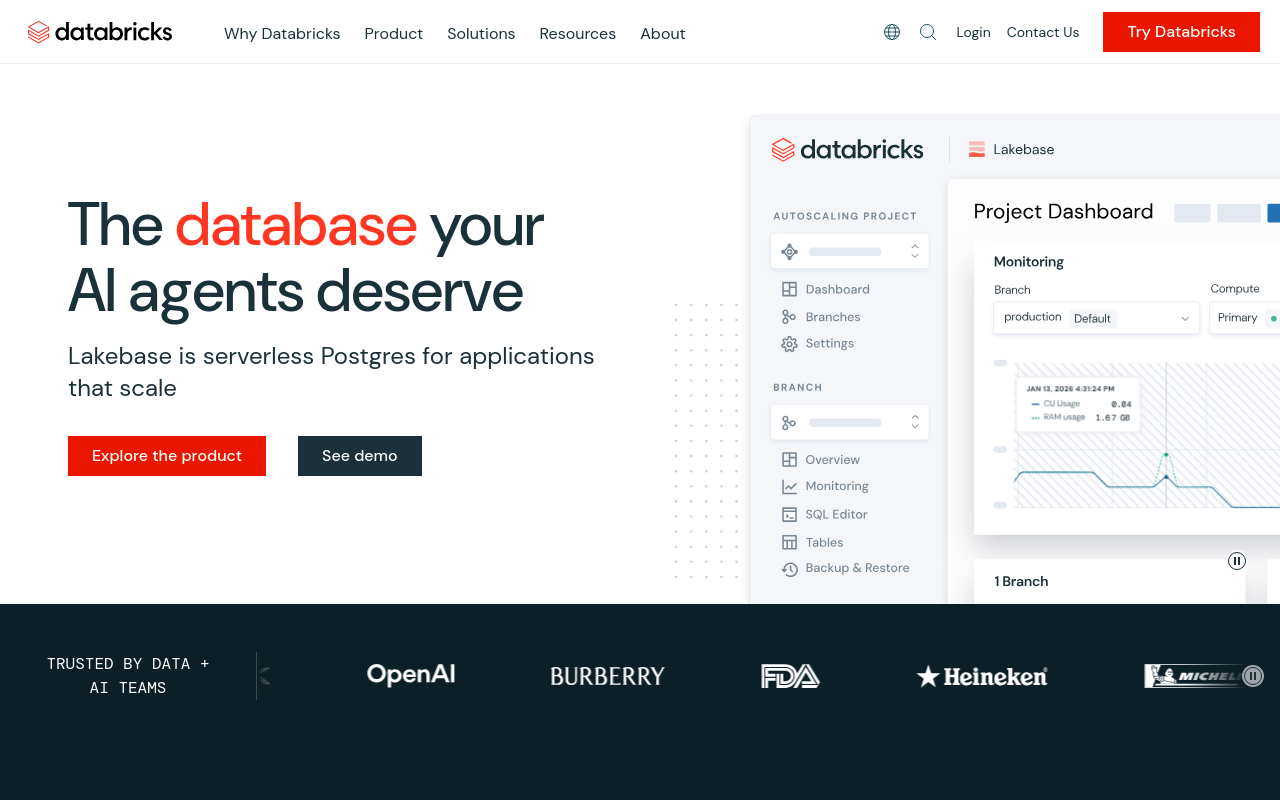
Databricks' Data + AI Summit is the go-to event for data engineers, ML practitioners, and analytics leaders working in the modern data stack. Networking here is highly practitioner-dense, with hands-on sessions and community meetups that facilitate peer-to-peer connections around real production challenges. The tradeoff: the ecosystem skews heavily toward Databricks and Spark users, so networking value is lower if your stack diverges significantly.
3. NeurIPS 2026 - Best for Academic AI Research Networking
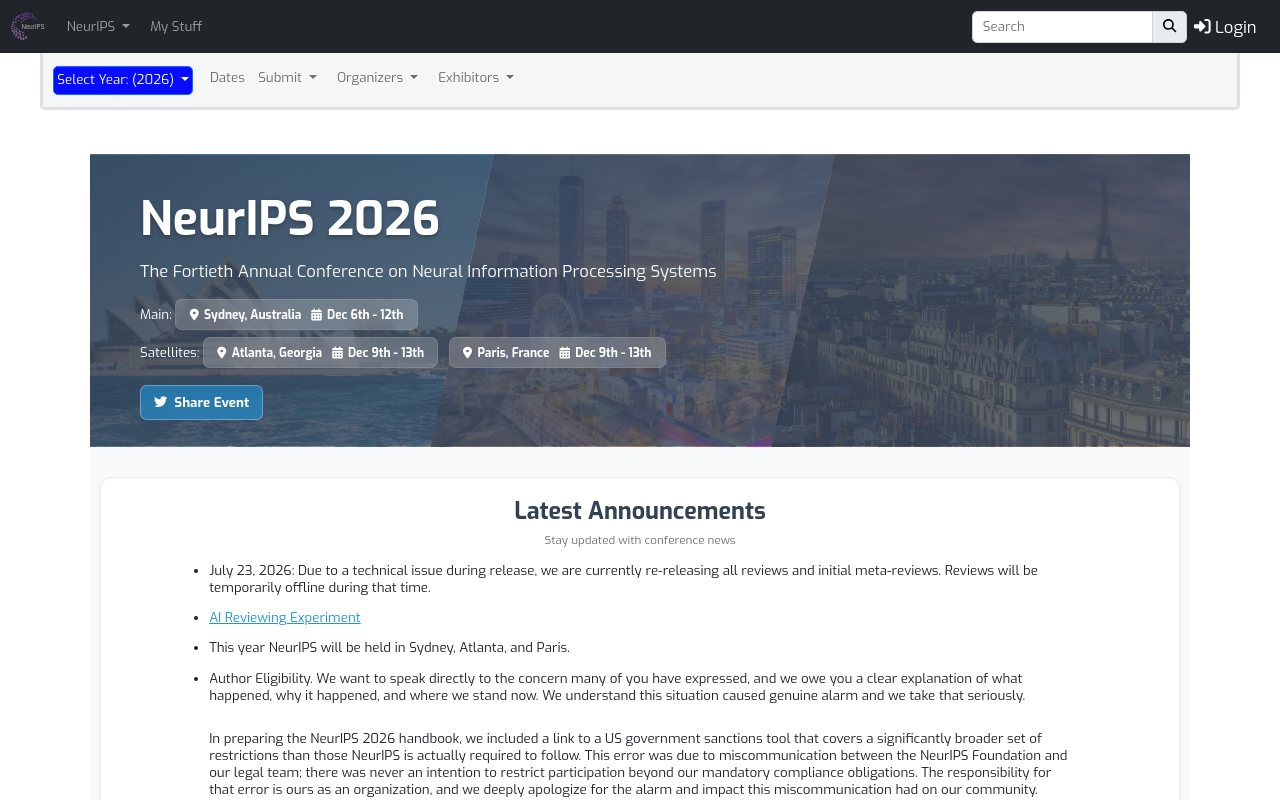
AI conferences like Ai4 produce a paradox where scale and opportunity move in opposite directions from your ability to capture them.
4. ICML 2026 - Best for Cross-Disciplinary Machine Learning Connections
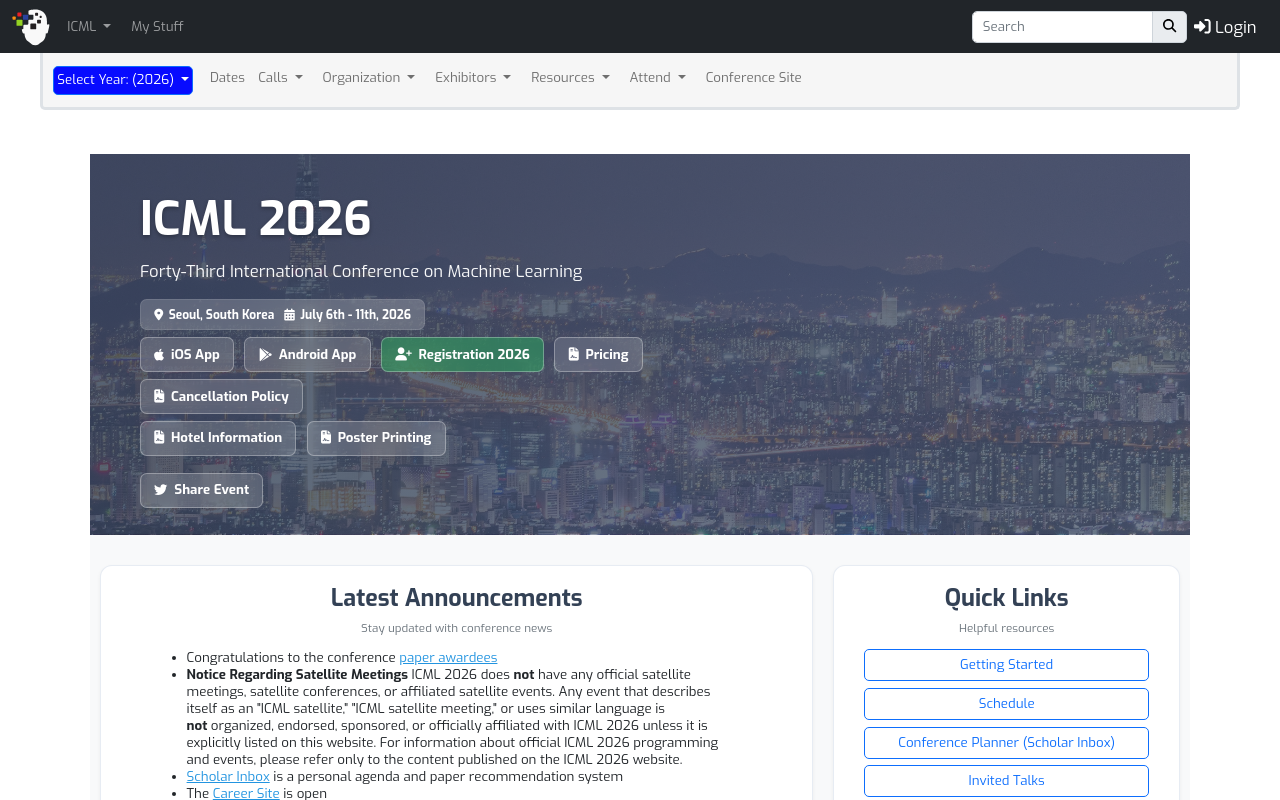
The International Conference on Machine Learning bridges academic research and applied ML, attracting a diverse mix of researchers, industry practitioners, and startup founders. Its workshop and affinity group structure creates natural networking clusters around specific ML subfields, making it easier to find highly relevant contacts. The tradeoff: the sheer scale of ICML can make unstructured networking feel overwhelming without a deliberate outreach strategy prepared in advance.
Premier Cybersecurity and IT Conferences for Networking in 2026 - Including the Ones Worth the Budget Fight
The premier cybersecurity and IT conferences for networking in 2026 are RSA Conference, Black Hat USA, Gartner Security and Risk Summit, and CISO Melbourne. Each event draws a distinct buyer-role mix, and that distinction matters more than badge count when you are deciding where to send your reps. Attendee volume is a misleading proxy for pipeline opportunity.
A rep targeting a CISO deal wastes two days at a practitioner-heavy event, and vice versa. RSA Conference's own community framing makes this visible: the event explicitly positions itself around multi-stakeholder participation, meaning the room contains practitioners, vendors, and IT decision-makers in roughly equal measure. That mix rewards reps who engage structured touchpoints like vendor roundtables and working groups, not reps who collect contacts passively and hope the badge scan does the qualification work.
One reality that shapes conference strategy for many sales teams: a significant portion of cybersecurity professionals work in regions where the local event scene is too small-scale to deliver meaningful pipeline, with nothing comparable to Black Hat USA, DEF CON, or RSA Conference within a reasonable radius. That scarcity makes the handful of premier events on this list even more consequential, and it raises the cost of walking away from a single connection without capturing it properly. When reps rely on manual note-taking at a $3,000 Gartner pass or a $2,000+ RSA floor pass, industry research tells a consistent story: the vast majority of new contacts never make it into the CRM, because the manual transfer step demands too much effort after an already exhausting event.
A tap-to-CRM system like Mobilo's Contact Exchange and Lead Capture routes every connection made at a Black Hat briefing or an RSA roundtable directly into the pipeline, with no data-entry lag. The effect is measurable after the very first card tap: leads captured at a Mobilo-equipped booth or meeting flow into your CRM immediately, so the follow-up window stays open even when the conference floor closes. For teams deploying across a conference, Mobilo's Teams plan ($4/month per member, billed annually) gives every rep an NFC card with unlimited taps and scans, full team data analytics, CRM integrations via 6,000 Zapier integrations, lead enrichment, lead capture and management, and centralized team management with the ability to control, lock, and override data fields, so no rep can accidentally break the routing logic mid-event.
For enterprise deployments requiring HR directory sync, enterprise SSO, a custom domain, white-glove onboarding (available for 100 seats or more), and a custom-built landing page (also available for 100 seats or more), the Business plan is priced at $5/month per member, billed annually, with bulk discount pricing available through the sales team.
1. RSA Conference - Best Large-Scale Cybersecurity Networking Event for Vendor and CISO Connections
RSA Conference is the enterprise security industry's largest annual gathering, now in its 34th year, drawing practitioners, vendors, and IT decision-makers under one roof. The buyer-role mix skews broad rather than senior, so reps closing CISO-level deals get the most value from structured sessions and vendor roundtables rather than the expo floor. If your deal stage requires practitioner buy-in alongside executive sponsorship, RSA delivers both in one trip, though the sheer scale makes unstructured networking inefficient without a pre-set meeting list.
2. Black Hat USA - Best Technical Cybersecurity Conference for Deep-Skill Networking

Black Hat USA draws more than 20,000 security professionals, with the attendee mix skewing heavily toward technical practitioners: security architects, penetration testers, and engineers rather than budget holders. Reps selling to CISOs will find the hallway sessions and vendor briefings more productive than the keynotes, because that is where security architects linger and influence purchasing decisions. If your deal requires a CFO or procurement conversation, Black Hat is the wrong room and the wrong week.
3. Gartner Security & Risk Summit - Best Conference for IT Leaders Seeking Analyst-Backed Peer Networking
Gartner's Security and Risk Summit is purpose-built for CISOs, IT risk managers, and security program leaders who want structured peer networking alongside analyst-led research sessions. The format encourages curated one-on-one meetings and roundtables that go beyond hallway chance encounters. The tradeoff: attendance costs are among the highest in the industry, and the vendor presence, while controlled, is still commercially oriented.
4. CISO Melbourne (Corinium): Best Boutique Regional Conference for Senior InfoSec Leader Networking

CISO Melbourne by Corinium Intelligence brings together senior information security leaders in a deliberately intimate format focused on AI, risk, resilience, and governance. The smaller attendee count means every conversation carries more weight, making it ideal for Asia-Pacific CISOs who want peer-level dialogue rather than vendor pitches. The tradeoff: geographic scope limits attendance for global teams, and the regional focus may not satisfy those seeking international deal flow.
Related Reading
- Which Networking Software Is Best For Conferences
- Trade Show Booth Ideas To Attract Visitors
- Conference Lead Capture
- How To Measure Trade Show Effectiveness
- Virtual Event Success Metrics
- Trade Show Roi
- Trade Show Lead Generation Ideas
- What's The Best Event Lead Generation Software
- Post-Trade Show Marketing Strategies
- Best Trade Show Giveaways
Specialized and Niche Tech Conferences Worth Attending for Networking in 2026
Bigger crowds rarely mean better connections, and the conferences covered here make that case clearly. When nearly every badge in the room belongs to a plausible prospect, focused conversations happen faster and the contacts you capture are worth following up on, which is exactly where a frictionless same-day capture workflow pays for itself.
1. InfoSec World 2026 - Best Niche Conference for Cybersecurity Networking
InfoSec World draws security leaders, practitioners, and vendors into a focused environment purpose-built for peer-to-peer networking rather than mass-market expo noise. It's the right pick for security professionals seeking high-signal connections with decision-makers in a specialized vertical. The tradeoff is scope: its tight cybersecurity focus means limited crossover value for professionals in adjacent tech disciplines like AI or cloud infrastructure.
Most Effective Networking Strategies for Tech Conferences: and the One That Closes the CRM Gap
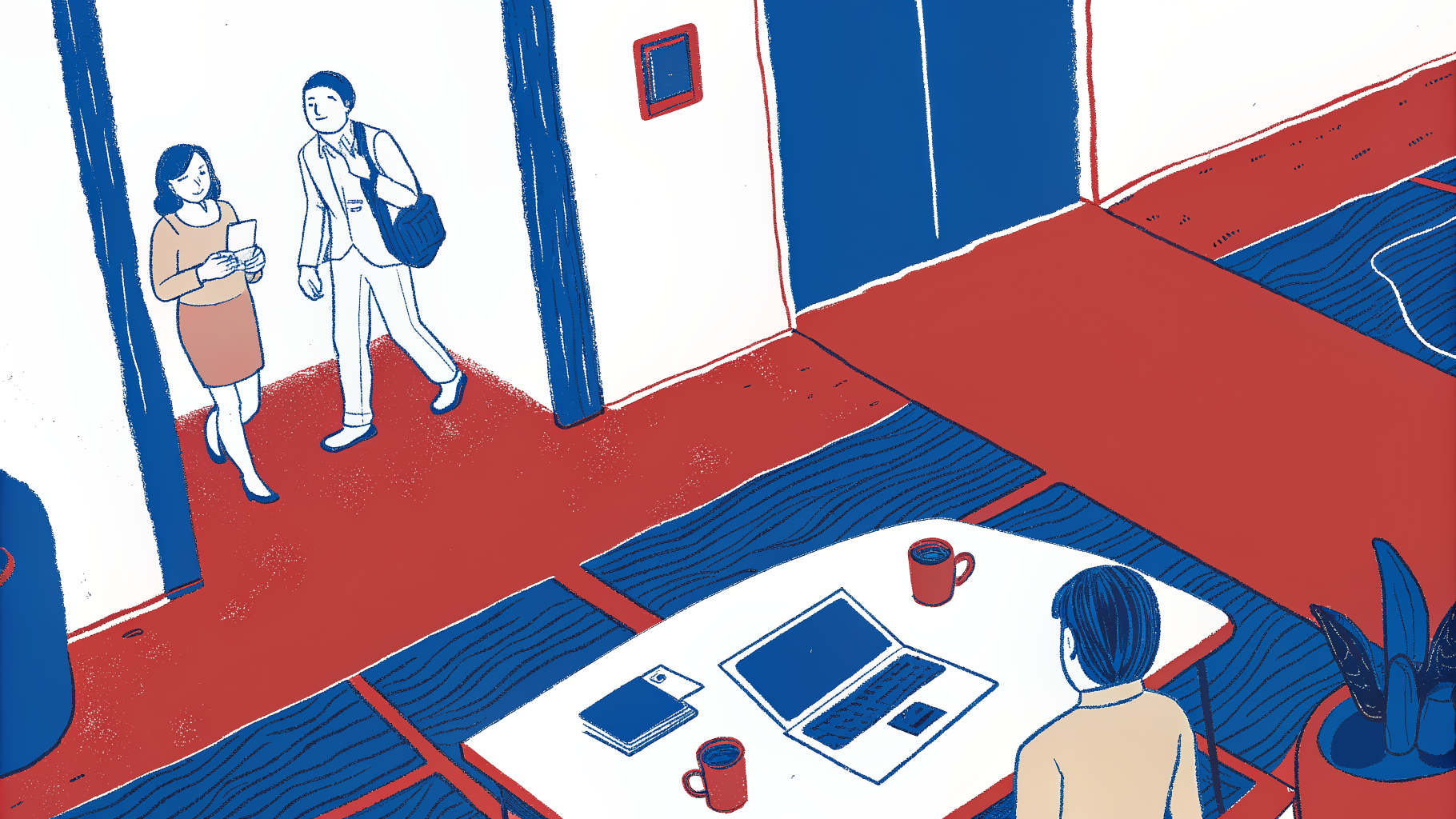
"Sales professionals attending tech/crypto conferences struggle to discover relevant networking events and parties, relying on community word-of-mouth rather than a centralized resource, a clear CRM and lead-discovery gap."
---
The most effective tech conference networking strategies share a common structure: prepare before the floor opens, prioritize conversations over sessions, and frame every exchange around shared problems rather than credentials. But Sales Directors who've coached their teams on all three still watch pipeline evaporate, because the strategy stops at the handshake. What happens in the 72 hours after that handshake is where most conference ROI is won or lost.
Pre-Event Attendee Research Is the Highest-ROI Hour You'll Spend Before the Conference Floor Opens
Pre-event attendee research measurably improves networking yield. Sales teams that identify five to ten priority contacts before arriving convert more conversations into qualified pipeline than those who prospect reactively on the floor. The mechanism is simple: a rep who already knows a contact's company, role, and recent news can open with context instead of a cold pitch. That specificity signals preparation, which builds credibility faster than any credential.
Conversation Framing That Works - Lead With Shared Problems, Not Credentials or Product Names
Leading with shared problems rather than product names is the single highest-leverage behavioral shift a rep can make. "We're seeing a lot of teams struggle with X" opens a dialogue; "We help companies with Y" closes one. The goal of a first conference conversation is not a demo booking. It is enough mutual recognition that a follow-up email gets opened. That requires the contact to feel understood, not sold to.
Why Manual Contact Transfer Undermines Every Networking Best Practice at Tech Conferences
Here is the structural problem that behavioral coaching cannot fix. Industry research consistently finds that the majority of trade show leads are never followed up on, and the primary cause is not rep laziness. It is that the standard card-exchange workflow requires manual re-entry after the event, when momentum has faded and memory has compressed three days of conversations into a blur.
A rep who had ten genuinely promising conversations on Wednesday faces a Sunday-night data-entry task with no context, no prioritization signal, and no accountability layer. The contacts that don't make it into the CRM are not recoverable with better reminders. They are simply gone.
Mobilo's Contact Exchange and Lead Capture feature bridges that gap at the moment of exchange. A single NFC tap or QR scan captures the contact's details and pushes them directly into the CRM in real time, so the conversation that happened on Wednesday afternoon is already a tracked opportunity before the rep boards the flight home.
Related Reading
- Best Networking Apps for Trade Show Attendees
- Best Finance Conferences For Networking
- Trade Show Booth Ideas For Small Budgets
- Virtual Conference Booth Ideas
- Networking Activity Ideas For Conferences
- What Are The Top Trade Show Lead Retrieval Tools
- Trade Show Follow Up Email Examples
- Conference Lead Capture Tools
- Trade Show Lead Capture App
Next steps
If your reps are returning from conferences with contacts that never reach the CRM, the path forward starts with treating contact capture as a structural problem, not a motivation problem. The workflow that relies on manual entry after the event was never designed to survive the flight home, and no amount of follow-up coaching fixes an architecture that drops 90% of new contacts before Monday morning. Start with our digital business card.
The pre-event targeting insight (curated-entry events like TechCrunch Disrupt produce higher contact conversion quality because qualification happens before the floor opens) means conference selection is only half the equation. The structural failure insight (88% of paper cards discarded within a week, 80% of trade show leads never followed up on, and zero leadership visibility into which reps are networking) means the other half collapses without a same-day capture workflow. Together, they point to one action: replacing the handshake-to-spreadsheet step with a tap-to-CRM system before the next event on your calendar.
For a deeper look at how that workflow operates in practice, explore the digital business card platform at mobilocard.com. From there, the routing logic, CRM integrations, and team analytics become concrete rather than conceptual.
Frequently Asked Questions
Why do so many contacts from conferences never make it into the CRM?
The culprit is the manual data-entry step that happens, if at all, days after the event closes. Mobilo's survey of 4,000 sales reps found that 90% of new contacts never enter the CRM because that transfer process demands too much effort after an already exhausting conference.
Is a bigger conference with more attendees always better for networking?
Not necessarily, curated-entry events structurally outperform open-registration mega-conferences for contact conversion quality. An event like TechCrunch Disrupt's Startup Battlefield, which vets a Top 200 startup cohort, delivers a higher-signal room than an open-floor conference with 70,000 attendees, where signal-to-noise drops sharply and reps spend more time sorting than selling.
How do I know which conferences are actually worth the budget for my specific sales team?
Match your rep profile to the deal-flow type each conference unlocks rather than treating events as interchangeable. The post's Conference Selection Framework maps each event by primary deal-flow type, best rep profile, and buyer-role density, for example, AWS re:Invent is flagged for infrastructure, security, and SaaS reps, while Startup Grind suits reps selling tools to early-stage founders.
What happens to business cards people collect at these events?
Industry research cited in the post finds that 88% of business cards handed out get thrown away in less than a week of being received, according to Adobe research. That disposal rate effectively makes the card exchange invisible in any post-event pipeline review.
What if the Wi-Fi at a large conference is unreliable, does that break the contact-capture workflow?
It can break app-dependent exchanges, but Mobilo cards support offline QR sharing, so the exchange completes regardless of network conditions. This is specifically called out as important at scale events like Web Summit, where convention-center Wi-Fi is notoriously unreliable at 70,000-person gatherings.