.avif)

13 B2B Trade Show Best Practices and Tips That Drive Leads
On This Page
Most trade show leads die in a spreadsheet before a single follow-up gets sent. Here is the pre-show, on-site, and 48-hour post-show system that turns badge scans into actual pipeline.
Most sales directors believe that if the team works the booth hard and collects enough contacts, the ROI will follow, that it is a numbers game, and the problem is always foot traffic or booth design, not what happens after the show. Trade shows are one of the most expensive bets in a B2B sales budget, and most teams are losing that bet quietly. The problem is not the booth, the location, or even the team working the floor. See our digital business card for how this works in practice. It is what happens in the 48 hours after the last badge is scanned, when a spreadsheet of names sits unassigned in someone's inbox while every lead cools to room temperature. Teams that use tap-to-share cards are starting to close that gap, but the gap itself deserves a clear look first.
The dominant failure mode at trade shows is operational, not creative. What most teams report, consistently, is that the vast majority of new contacts collected at events never enter the CRM, because the manual effort required to log them is simply too high once the adrenaline of the show wears off. A 10-person sales team returns from a 3-day event with 200 badge scans in a CSV that sits unassigned in the marketing inbox for a week. By then, the conversation is a memory and the lead is gone. Trade show ROI is built across three phases:
- Pre-show planning that begins 5 to 6 months out
- On-site execution with a structured capture system
- Post-show follow-up inside a 24 to 48 hour window when conversion rates are highest
Pre-show, the agenda is set; broader industry trends show 76% of attendees decide which booths to visit before they arrive.
"Vendors spend thousands on booths hoping the right buyers randomly walk by, making trade show lead generation feel like a passive, luck-based exercise that bleeds pipeline investment."
76% of attendees decide which booths to visit before they arri
Phase 1: Pre-Show Planning (5 to 6 Months Out) The window that matters most opens long before the first flight is booked. Six months out, the highest-leverage work is identifying which registered attendees match your ideal customer profile and beginning outreach before the show floor opens. Most teams skip this entirely, treating pre-show as a logistics exercise rather than a sales motion.
The result is a booth staffed by people waiting to be found instead of people who already have 8 meetings on the calendar before day one begins. Conference apps, LinkedIn attendee lists, and sponsor prospectuses all surface enough signal to build a target list of 50 to 100 accounts worth pursuing directly. That list drives everything else: booth messaging, demo scripts, and which team members should be present. Teams that arrive with pre-booked meetings consistently report 2 to 3 times higher qualified pipeline per show than teams that rely on floor traffic alone, because the conversation starts warm instead of cold.
Phase 2: On-Site Execution With a Structured Capture System The floor is loud, the schedule is compressed, and memory is unreliable, which means any capture system that depends on a rep remembering to log a conversation later will fail at scale. The structural fix is removing the manual step entirely at the moment of contact. Tap-to-share cards paired with a CRM-connected intake form mean that a contact's information, the rep's notes, and a follow-up priority tag are logged in real time, before the next handshake happens.
Every rep on the floor should be operating from the same qualification framework, typically three to four questions that determine whether a contact is a same-week follow-up, a 30-day nurture, or a disqualification, so that the 200 badge scans returning home are already sorted rather than undifferentiated. The goal on the floor is not volume. It is enriched, routed, and prioritized contacts that require zero administrative cleanup when the show ends.
Phase 3: Post-Show Follow-Up Within 24 to 48 Hours The conversion window after a trade show is narrow and drops sharply after the first two days, because every competitor who met the same buyer is running the same follow-up sequence and the buyer's attention is already shifting back to their own priorities. Teams that send a personalized follow-up referencing the specific conversation within 24 hours report significantly higher reply rates than teams that send a generic sequence five to seven days later, yet the 5-to-7-day delay is the industry norm because the data is not clean enough to act on faster. When capture is handled correctly on the floor, the post-show motion becomes mechanical: contacts are already in the CRM, already tagged by priority, and already assigned to the rep who had the conversation.
The 24-hour follow-up is not a heroic effort at that point. It is a scheduled task that runs while the team is still on the flight home, which is exactly when it needs to run to capture the ROI the booth budget was supposed to generate.
Key takeaways
- 90% of new contacts never enter a CRM after a trade show, not because reps forget to follow up, but because the capture infrastructure breaks down the moment they leave the floor.
- Only 18% of trade show leads are ever followed up by sales reps, meaning the ROI problem isn't foot traffic or booth design, it's the dead zone between the handshake and the pipeline.
- Badge-scan CSVs are a vanity metric: a spreadsheet of scans no one owns is not a pipeline, it's a graveyard.
- Pre-show prep, on-site execution, and post-show follow-up running as three separate checklists aren't a system, they're three separate places a lead can die.
- The teams that consistently win on the show floor build a frictionless capture process that moves every conversation into the CRM before the flight home, not after the debrief.
- Real-time lead capture isn't a nice-to-have, it's the structural fix that separates teams who defend trade show spend with data from teams who lose the budget line entirely.
- Mobilo's Contact Exchange and Lead Capture closes the loop by syncing every tap or scan directly into your CRM or contact list, no manual entry, no lost cards, no follow-up that never happens.
The Hidden Cost of 'We'll Follow Up After the Show': Trade Show Lead Stats That Sting
Most sales directors assume the ROI will follow if the team works the booth hard and collects enough contacts, that it's a numbers game, and the problem is always foot traffic or booth design, not what happens after the show. But that 18% figure tells a different story: for every five qualified conversations your team has on the show floor, four vanish before a single email gets sent. What makes that number genuinely painful is who those leads actually are.
81% of trade show attendees carry buying authority. These are not curious observers collecting swag. They are the people who sign contracts. And most of them will never hear from your team again.
Translating that stat into dollars makes it harder to ignore. The average cost per trade show lead runs well above most digital channels once you factor in booth fees, travel, staff time, and materials. If your team collects 200 contacts and only a small fraction ever receive a follow-up, you are writing off a substantial share of your sunk acquisition cost per event. The gap is not effort. It is the absence of a system. Mobilo's own data confirms that the vast majority of new contacts never make it into the CRM because the effort barrier is too high when reps are exhausted post-show.
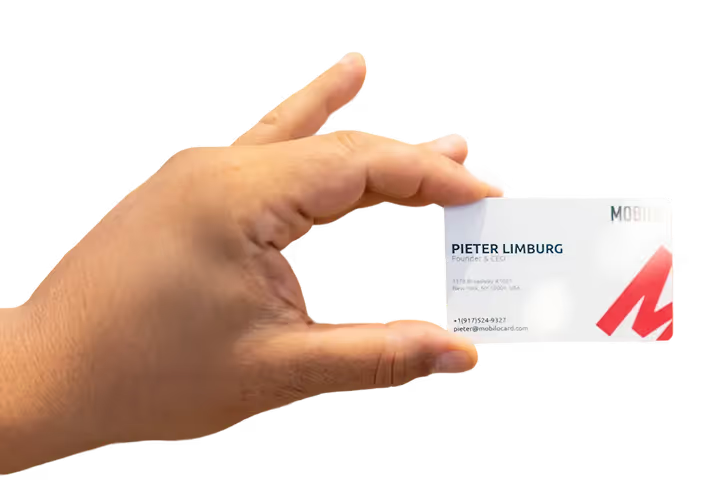
The process between "nice to meet you" and "here is your follow-up email" requires too many manual steps, and those steps collapse the moment the team boards the flight home. This is precisely where structured contact exchange and lead capture pays off most, not for the occasional networker, but for teams that attend events regularly and need a repeatable follow-up system that works every time. When a Mobilo card is tapped or scanned, the recipient sees your rep's information immediately on that first tap, and the rep's side captures the contact automatically, no manual entry required.
The result: a lead is in the pipeline after the first networking event or card tap, not after a weekend of copy-pasting business card photos into a spreadsheet. For teams deploying this at scale, Mobilo's Teams plan includes unlimited team members, full team data analytics, CRM integrations through 6,000 Zapier connections, custom lead capture forms, and the ability for managers to control, lock, and override data fields across every rep's card. That last capability matters at events: it means your team's contact information is always accurate and on-brand, even when individual reps forget to update their own profiles.
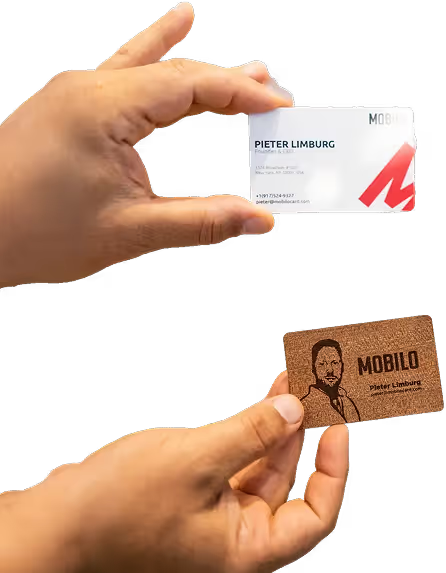
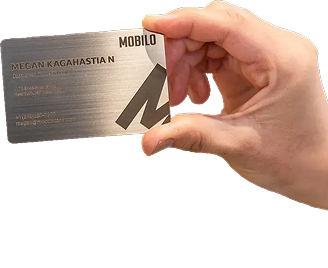
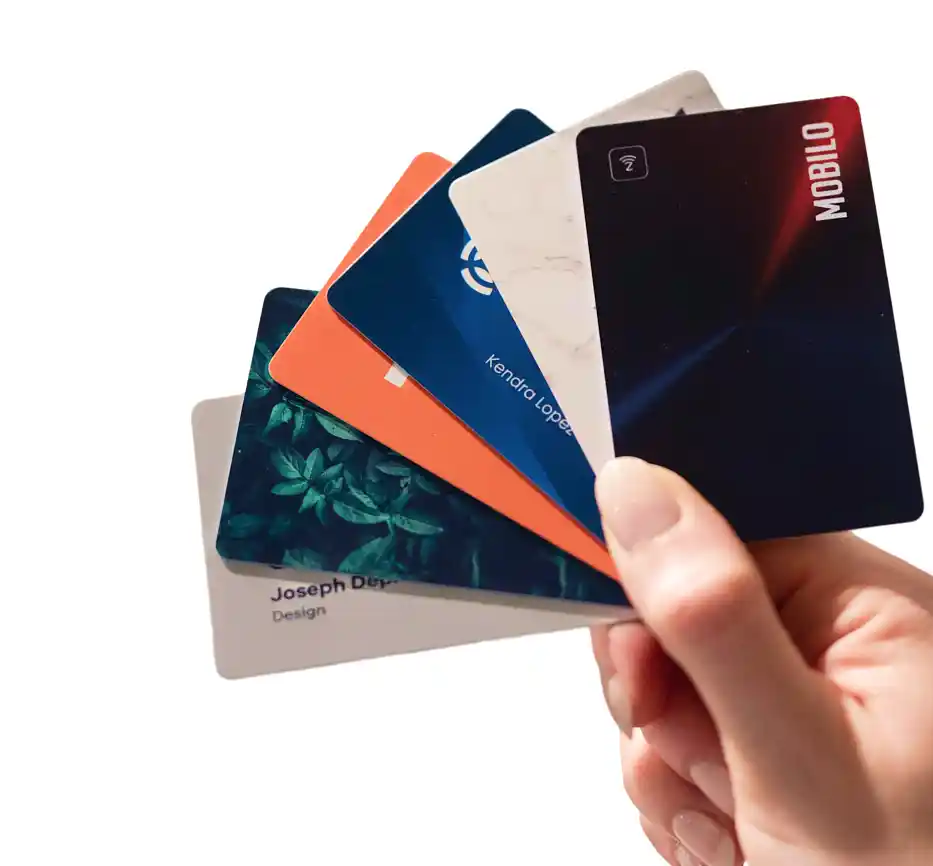
The Teams plan also includes a free Digital Wallet Card and supports Paper Plus Cards and Custom Designed NFC Cards in standard, Wood, and Metal finishes, so every rep has a physical touchpoint that triggers the digital capture workflow the moment it's handed over or tapped. For larger organizations with compliance or identity requirements, the Business plan adds Enterprise SSO, HR directory sync, a custom domain, and 24/7 customer support, with white-glove onboarding available for teams of 100 seats or more. The infrastructure is built for the reality that trade show follow-up is not a one-event problem; it is a recurring revenue problem that compounds every quarter a structured system is absent.
13 B2B Trade Show Best Practices That Turn Handshakes Into Pipeline
That broken process starts with how teams measure success in the first place. Badge count is a vanity metric, and the teams that keep defending trade show spend with a spreadsheet of scans are one budget cycle away from losing the line item entirely. The real question is not how many badges you collected.
It is how many of those conversations are sitting in your CRM right now, tagged, qualified, and owned by a rep with a follow-up queued. For most teams, the honest answer is painful. The good news: the failure modes are predictable, and every one of them has a fix.
These 13 best practices are organized the way a trade show actually works, across three phases: before you arrive, while you are on the floor, and the 48-hour window after the show closes that determines whether any of it mattered.
Train Staff on a Live Qualification Framework
A Hot/Warm/Cold qualification framework applied in real time is the difference between a booth that generates pipeline and one that generates a spreadsheet of strangers. Hot leads get immediate AE time and a same-day follow-up commitment. Warm leads get a structured next step. Cold leads get a content handoff and a polite close. Without this triage layer, every conversation gets the same follow-up, which means the best leads get the same attention as the worst ones.
1. Build a Target Account List Before You Book Your Flight
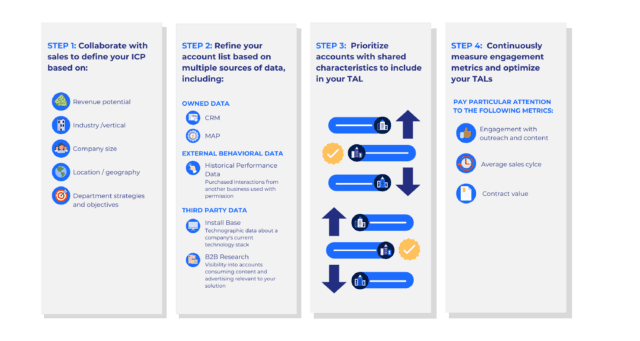
The highest-ROI B2B trade show teams arrive with a pre-built list of attendees matched against their ideal customer profile, using intent data and firmographic filters to prioritize who to pursue. This pre-show targeting separates teams that fill a pipeline from those that fill a badge scanner. The tradeoff: it requires dedicated research time two to four weeks out, which smaller teams often skip under deadline pressure.
2. Schedule Meetings Before the Show Floor Opens
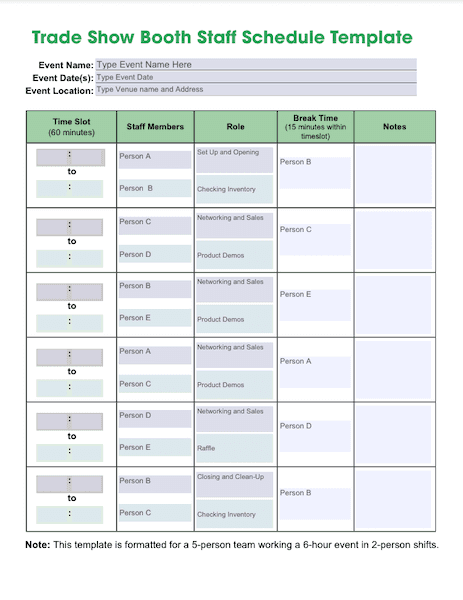
Waiting for qualified buyers to walk up to your booth is a passive strategy that rarely fills pipeline. Top-performing B2B exhibitors book coffee, dinners, and formal meetings with target accounts before they land, using the show as a forcing function to accelerate existing deals or open new ones. The limitation is that cold outreach response rates drop sharply in the final week before a major event.
3. Use the Show to Compress Active Deal Cycles, Not Just Open New Ones
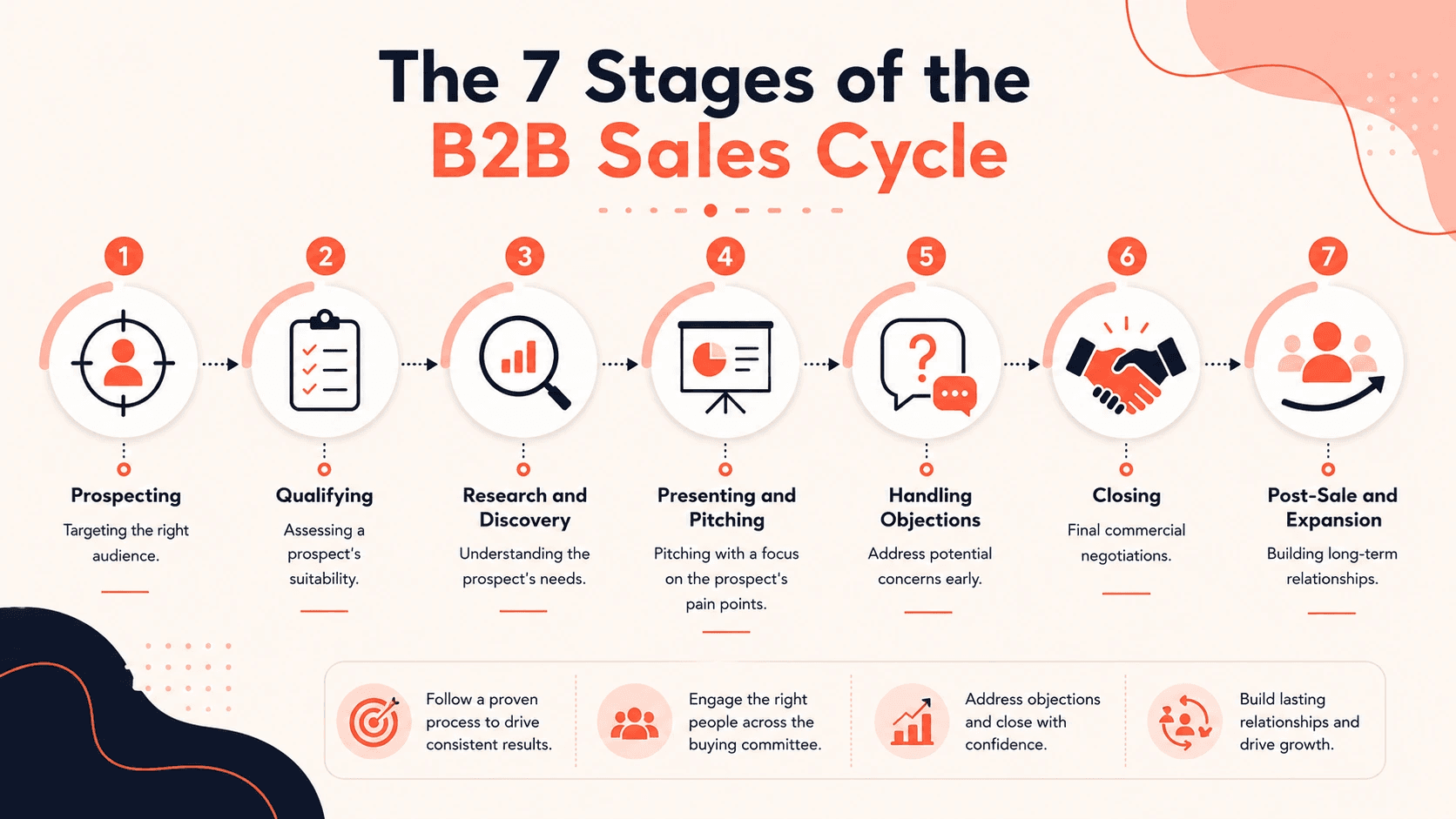
For B2B teams with existing pipeline, trade shows are one of the few environments where a six-month sales cycle can collapse into six weeks. In-person momentum, executive access, and shared context all accelerate trust. This practice works best for vertical SaaS and complex enterprise deals where multiple stakeholders attend the same event. The tradeoff is that it requires sales and marketing alignment on which deals to prioritize before the show.
4. Design Your Booth to Pull Visitors In, Not Just Display Your Logo

Booth design in B2B trade shows must do more than brand awareness, it needs to create a physical reason for the right buyer to stop and engage. Open layouts, interactive touchpoints, and clear problem-statement messaging outperform logo-heavy displays for qualified lead capture. The real tradeoff is cost: high-impact custom booths require significant investment, and poorly executed interactive elements can attract the wrong audience and waste rep time.
5. Qualify Leads on the Floor With a Consistent Conversation Framework
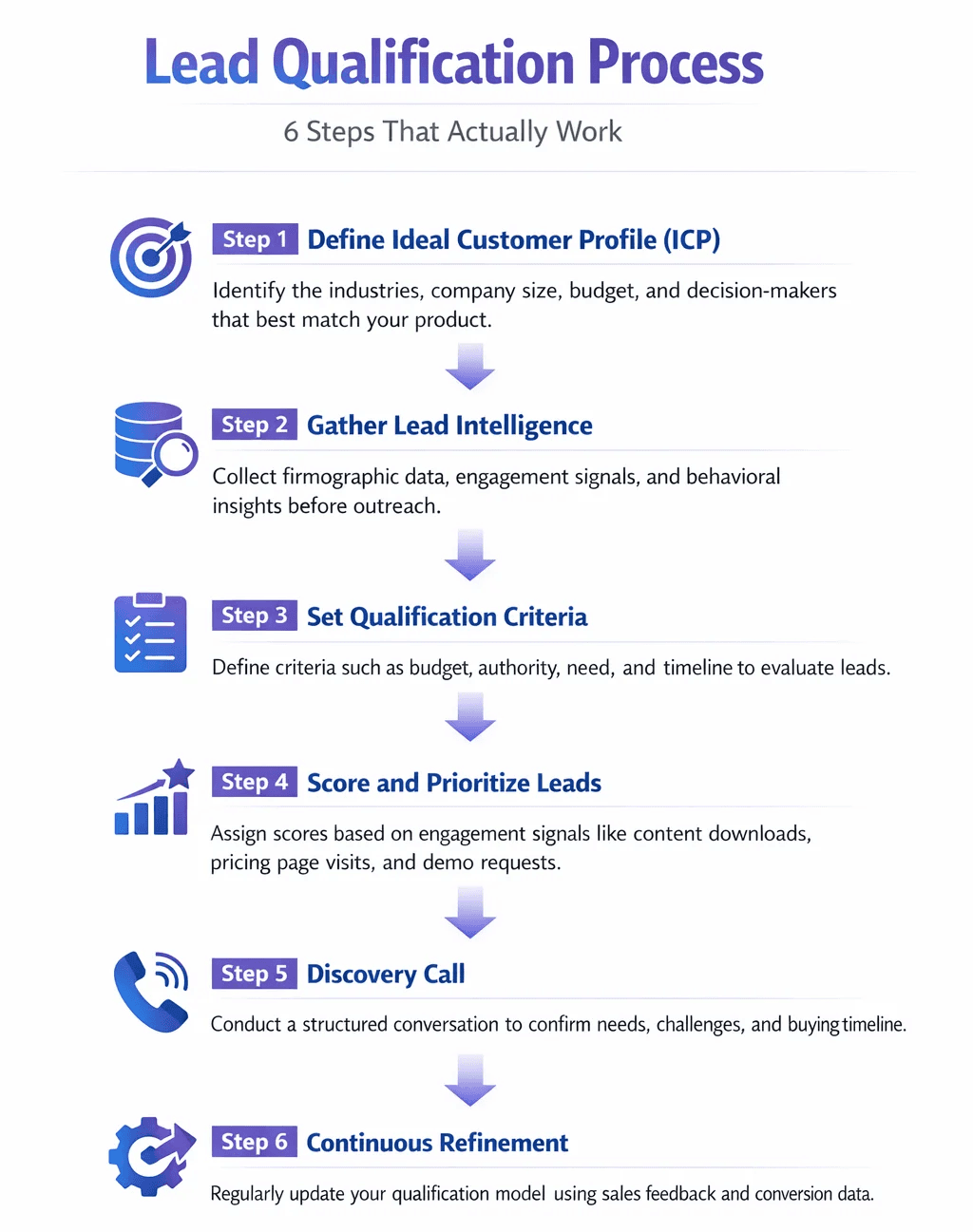
Badge scans without qualification context are nearly worthless in B2B follow-up. High-performing exhibitor teams use a structured set of three to five qualification questions, budget authority, timeline, use case, to tier every conversation before it ends. This ensures sales reps follow up with context, not cold re-introductions. The limitation is that rigid scripts can feel transactional; reps need training to embed qualification naturally into conversation.
6. Run Live Product Demos That Solve a Specific Buyer Problem
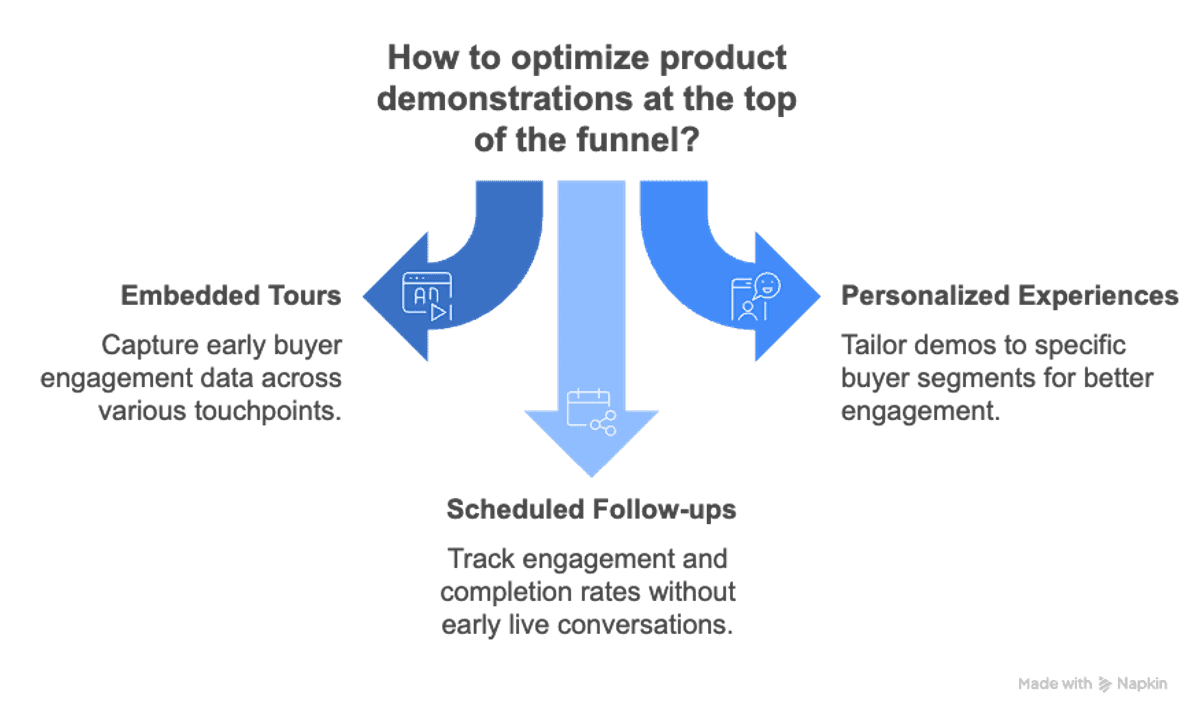
Generic feature walkthroughs fail to convert at trade shows. B2B buyers respond to demos that mirror their specific operational pain, a logistics buyer needs to see throughput, not UI polish. Tailoring demo scripts to two or three buyer personas and rehearsing them for a noisy, time-compressed environment dramatically increases conversion from conversation to next step. The tradeoff is that persona-specific demos require more prep and a more skilled booth staff.
7. Make Your Booth Demonstration Memorable With a Theatrical Hook
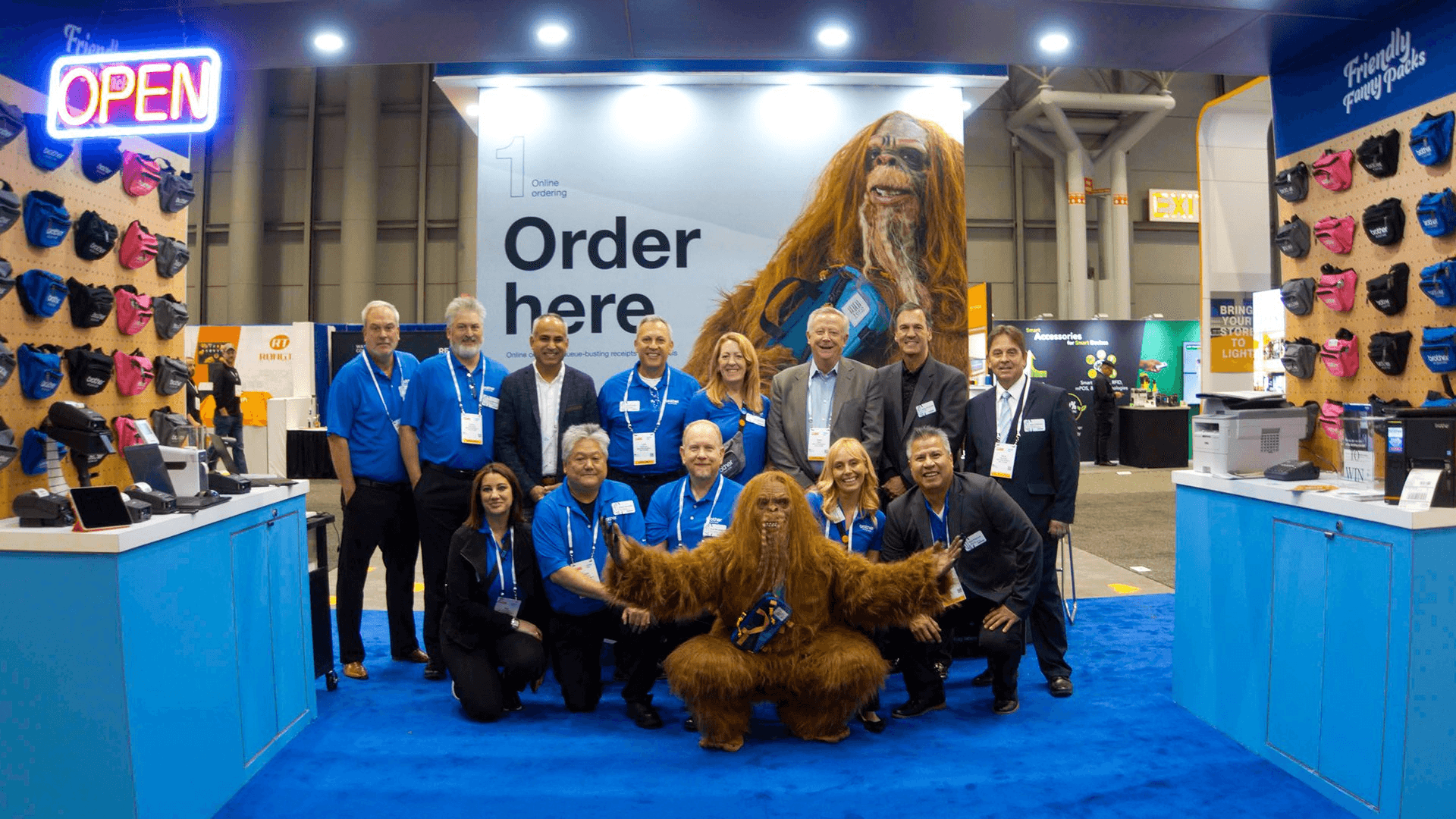
In a hall of hundreds of exhibitors, forgettable demos are invisible. The most effective B2B exhibitors anchor their demonstration around a single dramatic, repeatable moment, a live stress test, a before-and-after reveal, or a counterintuitive result, that gives attendees something to retell to colleagues. This word-of-mouth effect extends reach beyond the booth. The limitation is that theatrical hooks require creative investment and can overshadow the product message if poorly calibrated.
8. Capture Lead Context With Digital Notes Immediately After Each Conversation
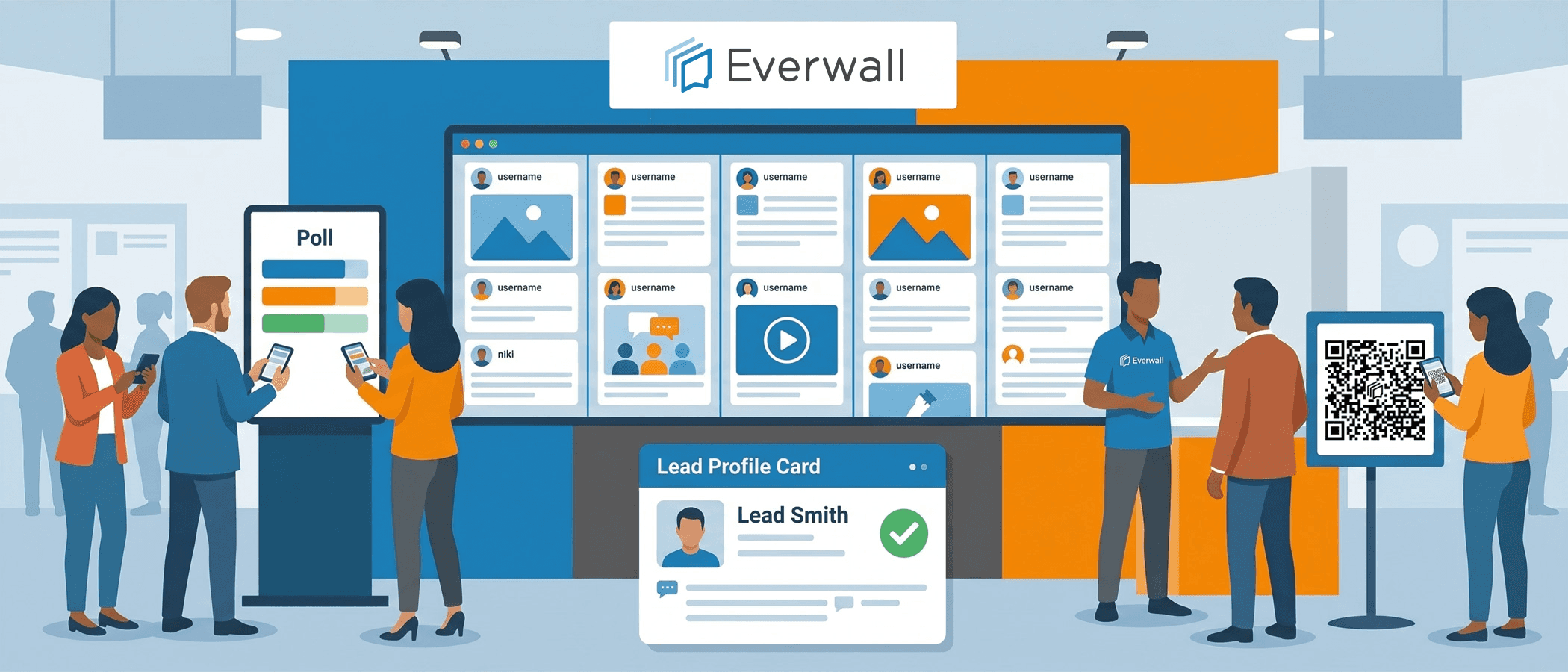
Here is where most trade show strategies quietly collapse. The conversation goes well. The prospect is clearly a fit. And then the rep turns to the next person in line, and the specific detail that made that conversation valuable ("they're replacing their CRM in Q1," "the CFO is the actual decision-maker") evaporates within minutes. End-of-day data entry does not recover it. By the time a rep is back at the hotel, six conversations have blurred into one.
The hidden cost is not just lost context. It is lost pipeline. Mobilo's own data shows that the vast majority of new contacts do not enter the CRM because manual logging is too much friction at the end of an exhausting show day.
Real companies have quantified this, recovering thousands of dollars per year simply by eliminating the manual step between the handshake and the CRM entry. The fix is capturing context at the moment of contact, not hours later. Mobilo's Contact Exchange and Lead Capture lets a rep attach structured notes to a contact the instant a tap or scan happens, so every handshake lands in the CRM with full context before the next conversation starts. The benefit materializes most clearly for teams attending events regularly, where the volume of conversations makes any manual process a guaranteed leak. No flight home required.
9. Prioritize Referral and Introduction-Based Leads Over Cold Badge Scans
The highest-quality pipeline from B2B trade shows rarely comes from walk-up booth traffic, it comes from warm introductions made by existing customers, partners, or mutual connections on-site. Teams that actively ask satisfied customers attending the show to make introductions generate leads with shorter sales cycles and higher close rates. The limitation is that this strategy requires a mature customer base and proactive relationship management before the event.
10. Send Personalized Follow-Up Within 24 Hours of the Show Closing
Image: B2B Trade Show Best Practices - send personalized follow up
Post-show follow-up speed is one of the strongest predictors of trade show ROI in B2B. Leads contacted within 24 hours while the conversation is still fresh convert at significantly higher rates than those reached days later. Personalized outreach referencing the specific conversation, not a generic nurture email, is the standard that separates pipeline-generating teams from those with a spreadsheet of names. The tradeoff is that this requires pre-built email templates and CRM workflows ready before the show.
11. Align Booth Staff Selection to Selling Skills, Not Seniority
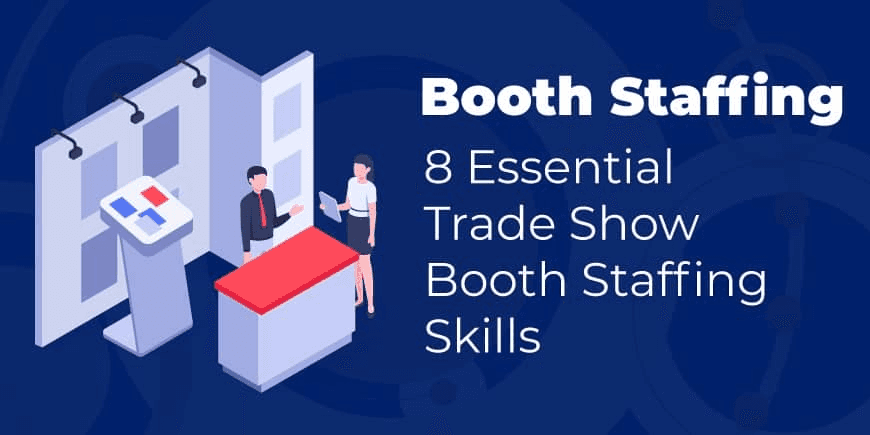
Who you send to a trade show matters as much as what you bring. B2B teams that staff booths with their most socially skilled, commercially curious reps, regardless of tenure, consistently outperform those that default to seniority or reward attendance as a perk. Reps who treat the show as a selling environment rather than a company trip generate measurably more qualified pipeline. The tradeoff is that pulling top performers from their territories has a short-term pipeline cost.
12. Measure Trade Show ROI Against Pipeline Created, Not Leads Collected
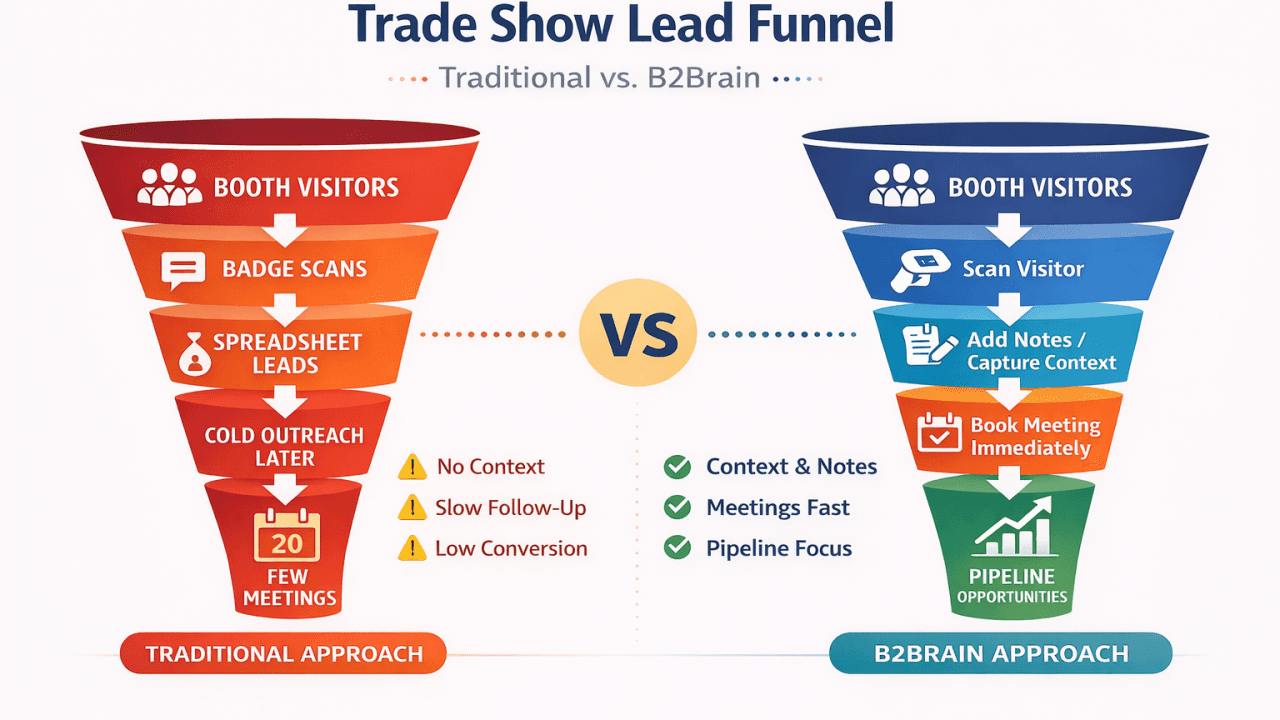
Vanity metrics like badge scans and booth visitors obscure whether a trade show actually moved revenue for a B2B company. High-performing marketing and sales teams define success by pipeline created, opportunities advanced, and deals closed, tracked through CRM attribution tied to show-sourced contacts. This shift in measurement changes booth behavior, follow-up urgency, and budget justification. The limitation is that accurate attribution requires CRM hygiene and tagging discipline that many teams lack.
13. Leverage Pre-Show Content and Social Outreach to Warm the Room Before Arrival
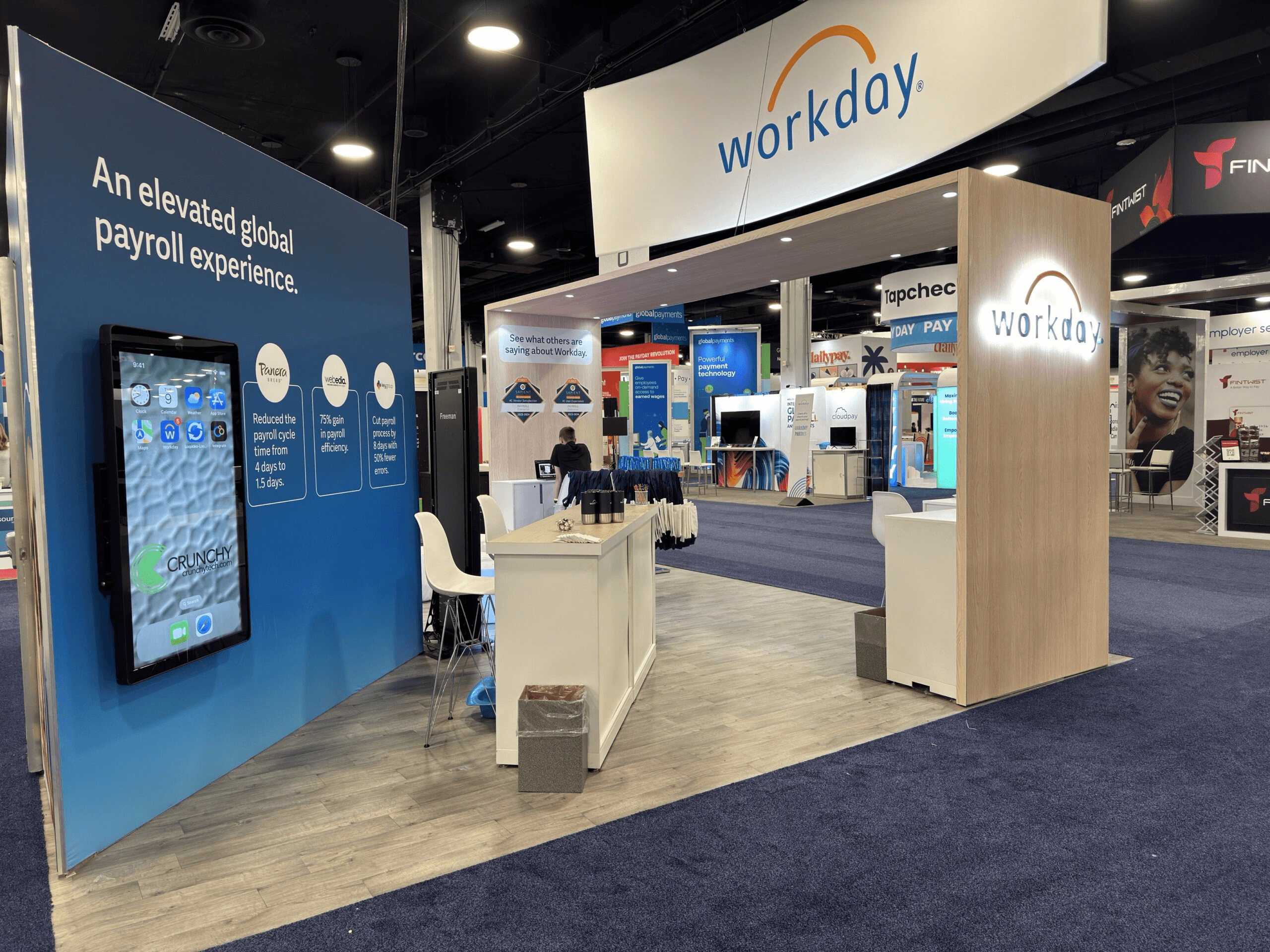
B2B exhibitors who publish pre-show content, LinkedIn posts, targeted email sequences, or event-specific landing pages, arrive at the show with warmer prospects who already recognize the brand. This reduces the cold-start problem on the show floor and increases the likelihood that target accounts seek out the booth proactively. The tradeoff is that pre-show content requires a four-to-six-week runway and consistent execution that many exhibitor marketing teams underestimate.
Related Reading
- Etiquette For Networking In Online Conferences
- Measuring Event Roi
- Trade Show Sales Tips
- How Do You Find The Roi Of A Trade Show
- Trade Show Sales Funnel
- What Is Trade Show Marketing
- Trade Show Follow Up Best Practices
- Event Lead Management
- Conference Lead Generation
- B2b Trade Show Marketing
- Trade Show Lead Follow Up
The System Behind the Tips - How Leading Sales Teams Connect Every Trade Show Touchpoint
Three separate checklists do not make a system. They make three opportunities for a lead to die. The gap between pre-show prep, booth execution, and post-show follow-up is not a people problem or a motivation problem. It is a structural one, and it costs more than most Sales Directors realize until the pipeline report comes back empty.
How the Gap Between Pre-Show, On-Site, and Post-Show Phases Kills Warm Leads
The moment a booth conversation ends, a clock starts. Research on trade show follow-up shows conversion rates drop sharply within the first hour after initial contact, and the decay accelerates with every hour that passes without a follow-up trigger. This is Contact Conversion Gravity: the invisible pull that drags warm leads toward silence the instant no system catches them. A sales team that nails pre-show outreach and booth staffing but uses paper cards loses the lead at the capture node. The chain breaks at its weakest link, and that link is almost always the handoff.
Why Running Pre-Show, On-Site, and Post-Show as Separate Checklists Breaks Trade Show ROI
Data on post-show follow-up consistently shows that the majority of new contacts never enter the CRM because manual logging is too much effort for reps working a busy show floor. Three checklists owned by three people, run in sequence, assume that each person completes their leg perfectly. They never do.
The failure is not individual; it is architectural. A system, by contrast, has no handoff gaps because the workflow itself moves the contact forward automatically, without relying on rep memory or post-show discipline. That structural fix starts at the card swap.
Mobilo's Team tier, available at $4/month billed annually, lets a sales org set up and deploy digital business cards across their entire sales team quickly and without IT headaches. Every card, whether a Team Custom Design NFC Card with QR Code, a Team Digital Wallet Card, or a Team Metal, Wood, or Paper Plus option, ships with unlimited taps and scans, full team data analytics, CRM integrations, and the ability for team admins to control, lock, and override data fields across the whole roster. The result is that every customer-facing touchpoint consistently reflects the brand identity and drives measurable engagement, not because reps remembered to update their details, but because the team admin enforced it centrally.
When a rep taps or scans at the booth, the contact flows into the lead capture and management layer automatically. The Teams plan includes lead enrichment, custom lead capture forms, unlimited leads and contacts, and 6,000 integrations through Zapier, meaning the CRM receives the record before the rep has finished the handshake. That is not a checklist. That is a system.
On-Site Lead Capture Connected Directly to Your CRM
Each of the 13 best practices in this guide functions as a node in a connected sequence. Remove the CRM integration trade show node at the center, and the surrounding practices produce effort without evidence. Industry research points to a strikingly similar trend, and messy CRM data is a leading reason client relationships erode after events. The antidote is eliminating the manual step entirely. With Mobilo's Teams plan, the paper business card scanner, brandable QR codes, Apple and Google QR code widgets, and no-internet QR sharing all feed the same unified record, so the post-show pipeline report reflects reality instead of whatever a rep managed to type in on a red-eye home.
Related Reading
- Which Networking Software Is Best For Conferences
- Trade Show Booth Ideas To Attract Visitors
- Conference Lead Capture
- How To Measure Trade Show Effectiveness
- Virtual Event Success Metrics
- Trade Show Roi
- Trade Show Lead Generation Ideas
- What's The Best Event Lead Generation Software
- Post-Trade Show Marketing Strategies
- Best Trade Show Giveaways
Next steps
If your trade show spend keeps producing badge-scan exports that stall before a single rep touches them, the path forward starts with treating contact capture as a structural workflow, not a post-show task. The gap between the handshake and the CRM entry is where pipeline dies, and no amount of booth traffic fixes a broken handoff. Start with our digital business card.
The 48-hour follow-up window is a hard deadline, not a scheduling preference. When 81% of attendees carry buying authority and fewer than one in five ever receive a follow-up, the loss is not random. It is a fixed, predictable decay rate that compounds every hour a contact sits in an inbox.
At the same time, the 82% of leads that never reach a CRM do not just represent missed revenue. They destroy the data trail needed to diagnose why the show underperformed, creating a cycle where the broken process cannot be audited and therefore never gets fixed. Together, those two realities point to one action: get the contact into a trackable pipeline record before the conversation ends, not after the flight home.
For a deeper look at how digital contact capture closes the gap between the on-site handshake and the CRM record, see digital business card for the full workflow. What follows is a clear picture of how leading sales teams wire capture directly into their existing CRM so post-show follow-up runs before the show floor closes.
Related Reading
- Best Tech Conferences For Networking
- Best Networking Apps for Trade Show Attendees
- Best Finance Conferences For Networking
- Trade Show Booth Ideas For Small Budgets
- Virtual Conference Booth Ideas
- Networking Activity Ideas For Conferences
- What Are The Top Trade Show Lead Retrieval Tools
- Trade Show Follow Up Email Examples
- Conference Lead Capture Tools
- Trade Show Lead Capture App
Frequently Asked Questions
How far in advance should we start promoting our presence before a trade show?
Launch your outreach 3 to 4 weeks before the event with a sequenced email and LinkedIn campaign targeting your pre-built account list. A dedicated pre-show landing page with a scheduling link, a content teaser, and a free expo pass offer consistently produces two to three times higher meeting-book rates than a plain 'we'll be at booth 412' email.
How quickly do we really need to follow up after the show, does a few days actually matter?
Following up within 48 hours drives 5x higher conversion rates than waiting a week or longer, making it a hard deadline rather than a loose best practice. Personalized messages that reference a specific detail from the booth conversation, such as a Q1 CRM migration the prospect mentioned, convert at meaningfully higher rates than generic follow-up sequences.
How should we get trade show leads into our CRM without the usual post-show data-entry mess?
The post's recommended fix is eliminating the import step entirely by capturing contacts directly into the CRM at the point of exchange, so the pipeline record exists before the rep moves to the next conversation. Mobilo's Contact Exchange and Lead Capture lets a rep attach structured notes to a contact the instant a tap or scan happens, syncing through integrations so no lead has to travel home as a row in a CSV.
What's the right mix of senior and junior staff to put on the booth floor?
The post recommends senior AEs for VIP and warm conversations and SDRs for initial qualification and routing, with clear handoff rules so no high-fit prospect waits more than two minutes for the right person. Protecting senior AEs from 'booth duty' is described as a false economy, because the majority of trade show attendees carry direct buying authority.
What metric should we actually use to prove the trade show was worth the spend?
The post argues that badge count is a vanity metric and that the only figure that justifies the premium cost of trade show participation is pipeline created and revenue influenced. The recommended approach is to tag every CRM record with the event source before the show begins and track each contact through the pipeline, giving finance a defensible ROI calculation rather than a spreadsheet of scans.