.avif)

8 Best Trade Show Lead Follow Up Strategies That Convert
On This Page
Your follow-up emails aren't the problem. The pipeline breaks the moment a rep pockets a card on the show floor, and no sequence can fix data that never enters your CRM.
Most sales directors assume the follow-up problem is a messaging or timing problem: if we just send better emails faster, conversion will improve. Sales directors invest in email templates, rep training, and sequencing tools, then watch event-sourced pipeline consistently disappoint. The real breakdown happens earlier, on the show floor itself, before a single email is drafted.
The failure is structural. When contact data never reliably enters the CRM, even a perfectly timed sequence has nothing to fire against. Understanding where the pipeline actually breaks is the first step toward fixing it, and it is not where most teams are looking.
Across event marketing benchmarks, it is consistently found that a large majority of trade show exhibitors fail to follow up with leads after events. That number is striking, but the cause is rarely what teams assume. The breakdown is not a motivation problem or a messaging problem.
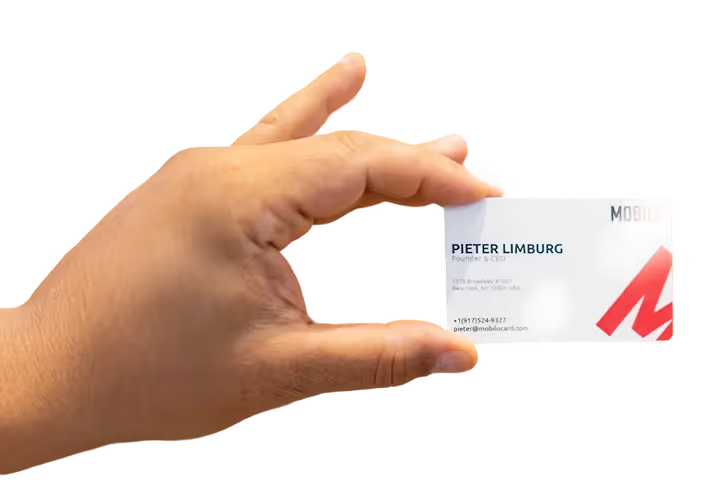
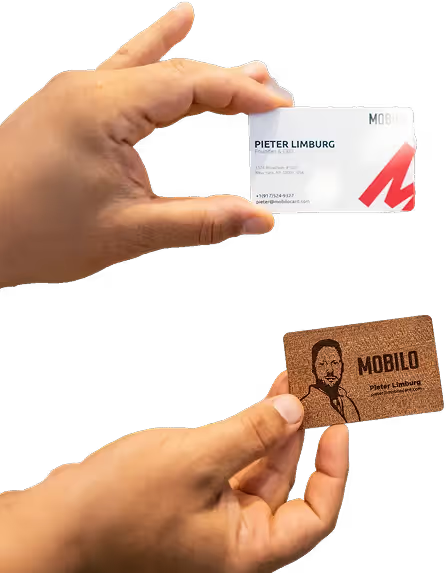
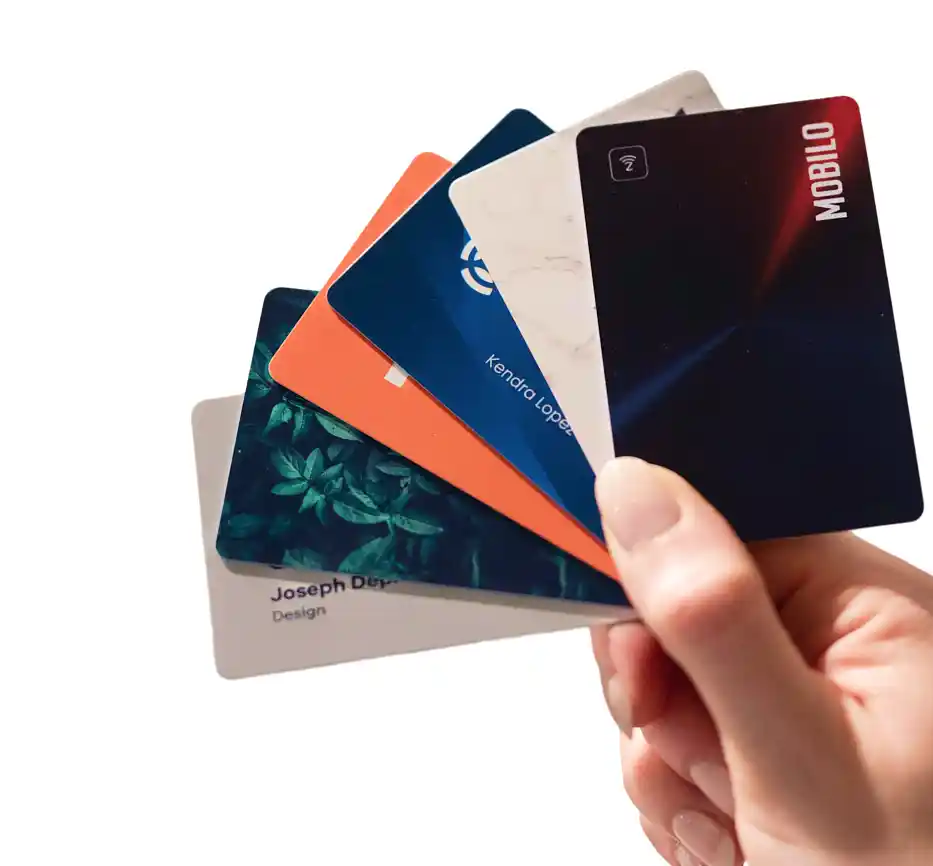
It is a data problem that starts the moment a contact is exchanged on the show floor. See our digital business card for how this works in practice. The failure point is specific: a rep collects 60 cards over two days, pockets them, and plans to enter them "later."
By Sunday night, half are illegible. By Tuesday, context about each conversation is gone. What most teams report is that leads arrive in multiple formats at events, and by the time someone consolidates the information, cards are lost and prospect intent has evaporated entirely.
Broader industry trends consistently suggest that most paper business cards are thrown away or never entered into a CRM, a structural data-loss pattern that compounds with every event a team attends.
At scale across a sales team attending events regularly, that is not an occasional slip. It is a structural data loss event built into the contact exchange process itself. From surveying sales reps, Mobilo found that the vast majority of new contacts do not enter the CRM because manual entry is too slow, too easy to defer, and too dependent on rep discipline at the end of an already-exhausting event day.
Key takeaways
- 90% of new contacts from trade shows never enter a CRM, not because reps don't care, but because manual entry after an exhausting show floor is friction no one actually completes.
- The follow-up window doesn't open Monday morning. It starts the moment a card changes hands, and intent decays every hour it sits in a jacket pocket instead of a pipeline.
- Better email templates and faster send times fix the wrong problem. If the contact never made it into the CRM, the sequence never fires, full stop.
- The teams that convert the most event leads treat the week before the show as their most critical follow-up window, not the week after.
- 80% of trade show leads receive zero follow-up. That number is a data capture failure, not a messaging failure.
- CRM entry is the ignition switch. A cold lead can be warmed; a lead that never syncs into your system triggers nothing and goes nowhere.
- Mobilo's Contact Exchange captures both sides of every tap or scan, the rep's info goes out, the contact's info comes straight back into your CRM, so the follow-up sequence fires the moment the conversation ends, not after you've landed.
The Real Cost of Slow Trade Show Follow Up Timing: and the 24-Hour Window You're Already Losing
Every hour a trade show lead spends on a paper card or in a rep's jacket pocket is an hour of compounding intent decay. The urgency most sales teams feel about follow-up is real, but it's aimed at the wrong clock.
The Clock Starts on the Show Floor, Not Monday Morning
The common assumption is that the follow-up window opens when someone sits down to write the sequence. The reality is that the clock starts the moment the card is exchanged. A lead that isn't captured into a CRM by end of day isn't a warm lead waiting for a great email.
It's a contact in limbo, losing temperature by the hour, with no sequence ready to fire. Most reps leave a two-day event carrying 30 to 60 cards. They intend to enter them.
Life intervenes. By the time manual entry happens, the 24-hour window isn't closing. It's already gone.
Teams that attend events regularly and need structured lead follow-up feel this most acutely. The gap between "collected" and "captured" is where pipeline quietly disappears. Mobilo's Teams plan ($4/month per member, billed annually) addresses this at the point of exchange rather than after it. Every tap or scan feeds directly into lead capture and management, with lead enrichment running automatically, so a contact collected on the show floor can be in a CRM sequence before the rep walks to the next booth.
The Teams plan includes the paper business card scanner as well, meaning even cards handed to your rep, not just from them, get pulled into the same system. That matters on a busy event floor where the exchange goes both ways. Both plans deliver unlimited taps and scans with full team data analytics and CRM integrations built in.
Data fields can be controlled, locked, and overridden centrally, so what a lead sees is always current, even if a rep's title changed the week before the show.
The Stat That Should Terrify Every Sales Director
Lead response management research consistently shows that 30 to 50 percent of sales go to the vendor that responds first, not the one with the best product, but the one that moved fastest. That figure reframes the entire post-show conversation. Speed-to-email is a downstream variable.
Speed-to-CRM is the upstream condition that makes speed-to-email possible. If a lead never enters the system, no sequence fires, no rep gets an alert, and no first-mover advantage is possible. Industry data consistently shows that leads contacted promptly are meaningfully more likely to convert than those reached days later, and that reply rates drop sharply as time passes after initial contact.
Across a multi-rep team collecting dozens of contacts per show, that gap translates to hundreds of conversations that never happen, and a measurable pipeline number. If your average deal size is five figures, the revenue impact of delayed capture compounds with every show on the calendar. This is precisely why the benefit of a structured digital card platform scales with event frequency.
A team that attends one trade show a year absorbs the cost of manual entry. A team with a quarterly event calendar, or a national sales force hitting regional shows simultaneously, cannot. The Teams plan supports unlimited team members with central billing and team management baked in, meaning the infrastructure that eliminates capture lag doesn't have to be rebuilt show by show.
For organizations that need deeper controls, enterprise SSO, HR directory sync, a custom domain, and white-glove onboarding (available at 100 seats or more), the Business plan adds those layers at $5/month per member, billed annually, while preserving every lead capture and CRM integration feature the Teams plan already delivers.
Speed-to-email is a downstream variable. Speed-to-CRM is the upstream condition that makes speed-to-email possible.
30 to 50 percent of sales go to the first responder
Related Reading
- Etiquette For Networking In Online Conferences
- Measuring Event Roi
- Trade Show Sales Tips
- Trade Show Follow Up Best Practices
- How Do You Find The Roi Of A Trade Show
- Trade Show Sales Funnel
- What Is Trade Show Marketing
- Event Lead Management
- B2b Trade Show Best Practices
- Conference Lead Generation
- B2b Trade Show Marketing
Preparing Your Trade Show Follow Up Strategy Before the Event (Not After)
The teams that convert the most trade show leads share one habit: they treat the week before the show as their most important follow-up window, not the week after. By the time the flight home lands, memory fades, notes become cryptic, and the CRM is still empty. 80% of trade show leads receive zero follow-up after the event. That number is not a motivation problem. It is a structural one, and it is solved before you pack the booth.
Build Your CRM Routing Rules and Email Cadence Templates Before You Pack Your Booth
80% of trade show leads get zero follow-up
Pre-event CRM configuration is the single highest-leverage investment in follow-up conversion. Build your routing rules, source tags, and sequence enrollment triggers before the show opens, so the moment a contact is created, the right cadence fires automatically. Every hour spent setting up templates after the show is an hour the lead is cooling.
Industry data confirms that lead response rates drop sharply within the first hours of initial contact, meaning a sequence that fires on Day 3 is already competing at a significant disadvantage. This is where the structural advantage of Mobilo's Teams and Business plans pays off immediately after initial team setup is complete. Both plans connect to 6,000 integrations through Zapier, meaning your CRM routing rules, source tags, and sequence triggers can be wired up once, before the show floor opens, and fire automatically the moment a rep taps a card or scans a badge.
The Teams plan ($4/month, billed annually) includes lead enrichment, lead capture and management, unlimited leads and contacts, and custom lead capture forms, so the data flowing into your CRM arrives structured and actionable rather than as a pile of raw badge scans. The Business plan ($5/month, billed annually) adds HR directory sync and enterprise SSO, which matters for larger organizations that need contacts routed by territory or business unit the instant they are created.
Define Hot, Warm, and Cold Lead Criteria at the Booth
Lead scoring criteria must be defined before your reps hit the floor. A practical threshold: hot equals a meeting requested or demo booked on the spot; warm equals strong interest with no confirmed next step; cold equals general curiosity. Without these definitions agreed in advance, reps default to treating every contact the same and blast a single email to everyone, which converts poorly across all three tiers.
Assign Follow-Up Ownership Before Day One
Shared queues are where leads go to die. Assign follow-up ownership by territory, product line, or conversation type before the show opens. When ownership is ambiguous, no one acts, and the 48-hour response window closes without a single outreach sent.
Teams we work with that skip this step consistently report the same outcome: a full spreadsheet of contacts and a pipeline that barely moves. Both the Teams and Business plans include central billing and team management with unlimited team members, so ownership assignment is not an afterthought; it is built into how the account is structured. Managers can control, lock, and override data fields across every rep's card, ensuring that territory tags and rep ownership are embedded in the contact record automatically after the first networking event or card tap, not retroactively reconciled on a Monday morning spreadsheet.
The Mandatory Data Fields Every Rep Must Capture at Every Contact Exchange
Define the exact fields every rep must collect: role, company size, primary pain point, interest level, and purchase timeline. With Mobilo's custom lead capture forms, included in the Pro plan ($3/month), Teams plan ($4/month), and Business plan ($5/month), all billed annually, these fields are not a post-tap reminder; they appear as a structured form tied directly to the card interaction. Recipients see the card's landing page immediately on first tap, meaning the data capture moment happens while the conversation is still live, not after the rep walks away.
The paper business card scanner included across all three plans also means reps who receive physical cards from prospects can feed those contacts into the same structured flow, closing the gap that typically leaves paper-card exchanges as orphaned data outside the CRM. Every contact, regardless of how it was initiated, enters the same enriched, ownership-assigned, cadence-ready pipeline you built before you packed the booth.
8 Trade Show Lead Follow Up Strategies That Actually Convert
Sharp follow-up templates sitting in a drafts folder convert nothing if the contacts they're meant to reach never made it into the CRM. The vast majority of new contacts from events never enter a sales system because manual entry is friction-heavy and reps are exhausted by the final day of a show. The eight strategies below are ordered deliberately. Capture comes first, because every tactic after it depends entirely on clean, timestamped data already sitting in your pipeline.
1. Send a Hyper-Personalized Follow-Up Email Within 24 Hours
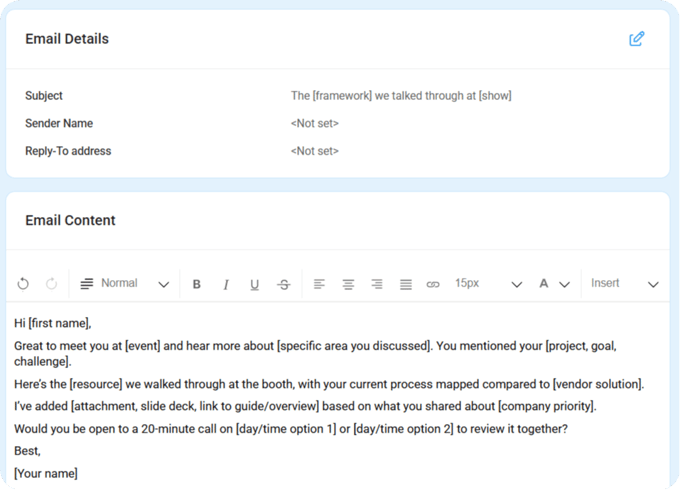
The single highest-impact trade show lead follow up action is a personalized email sent within 24 hours while booth conversations are still fresh. Reference a specific detail from your exchange, a pain point, a product they touched, a joke you shared. This immediacy dramatically lifts open and reply rates. The tradeoff: it demands reps capture detailed notes at the booth in real time, which is hard to sustain across a busy three-day show.
2. Segment Leads Into Hot, Warm, and Cold Tiers Before Any Outreach
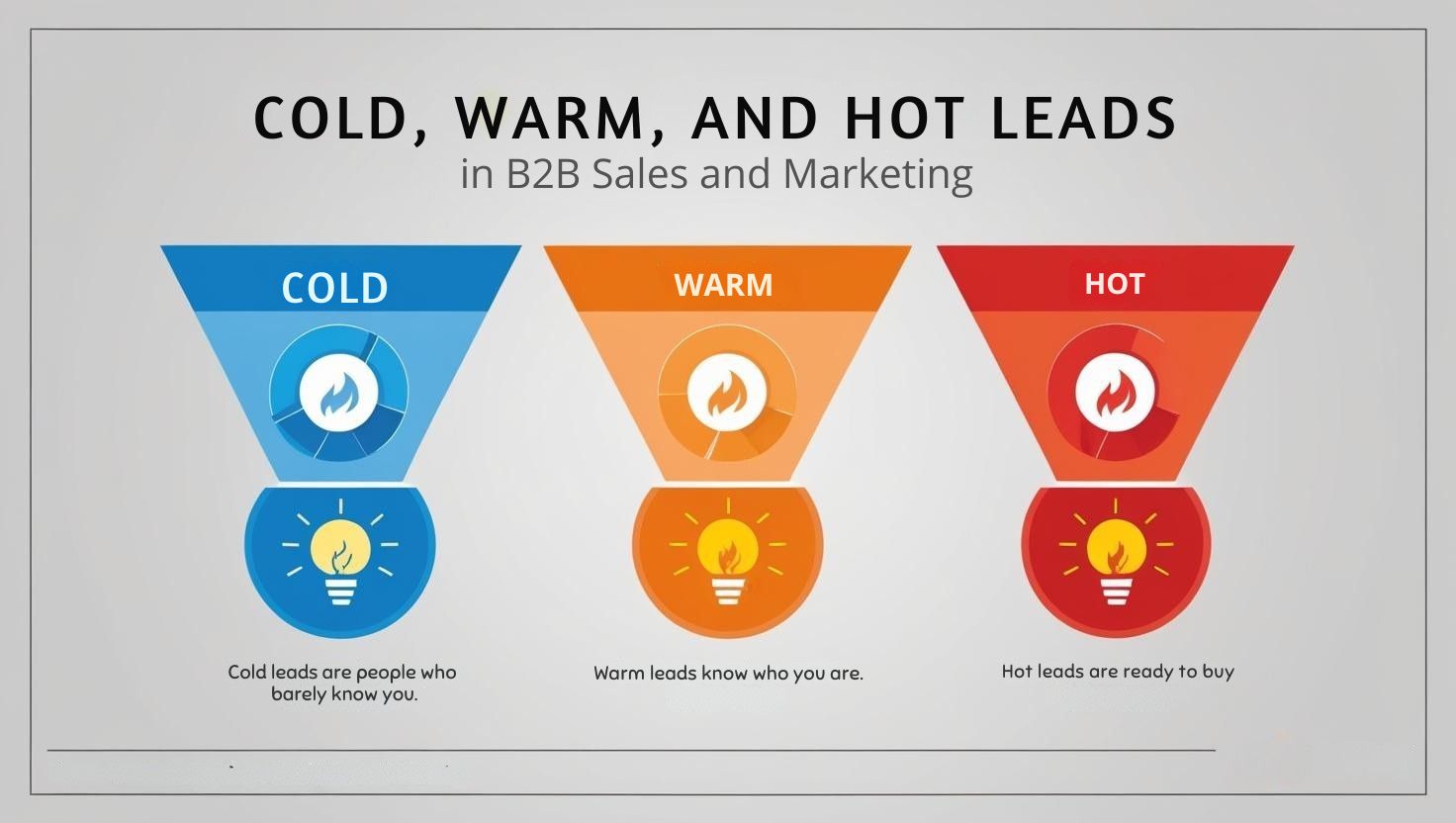
Treating every badge scan identically is the fastest way to burn your sales team's time. Scoring leads immediately after the show, by buying intent signals, job title, company size, and conversation quality, lets you route hot leads to direct sales calls, warm leads to nurture sequences, and cold leads to low-touch email drips. The limitation is that scoring criteria must be agreed upon before the show, not improvised afterward when memory fades.
3. Sync Badge Scans Directly Into Your CRM on the Show Floor
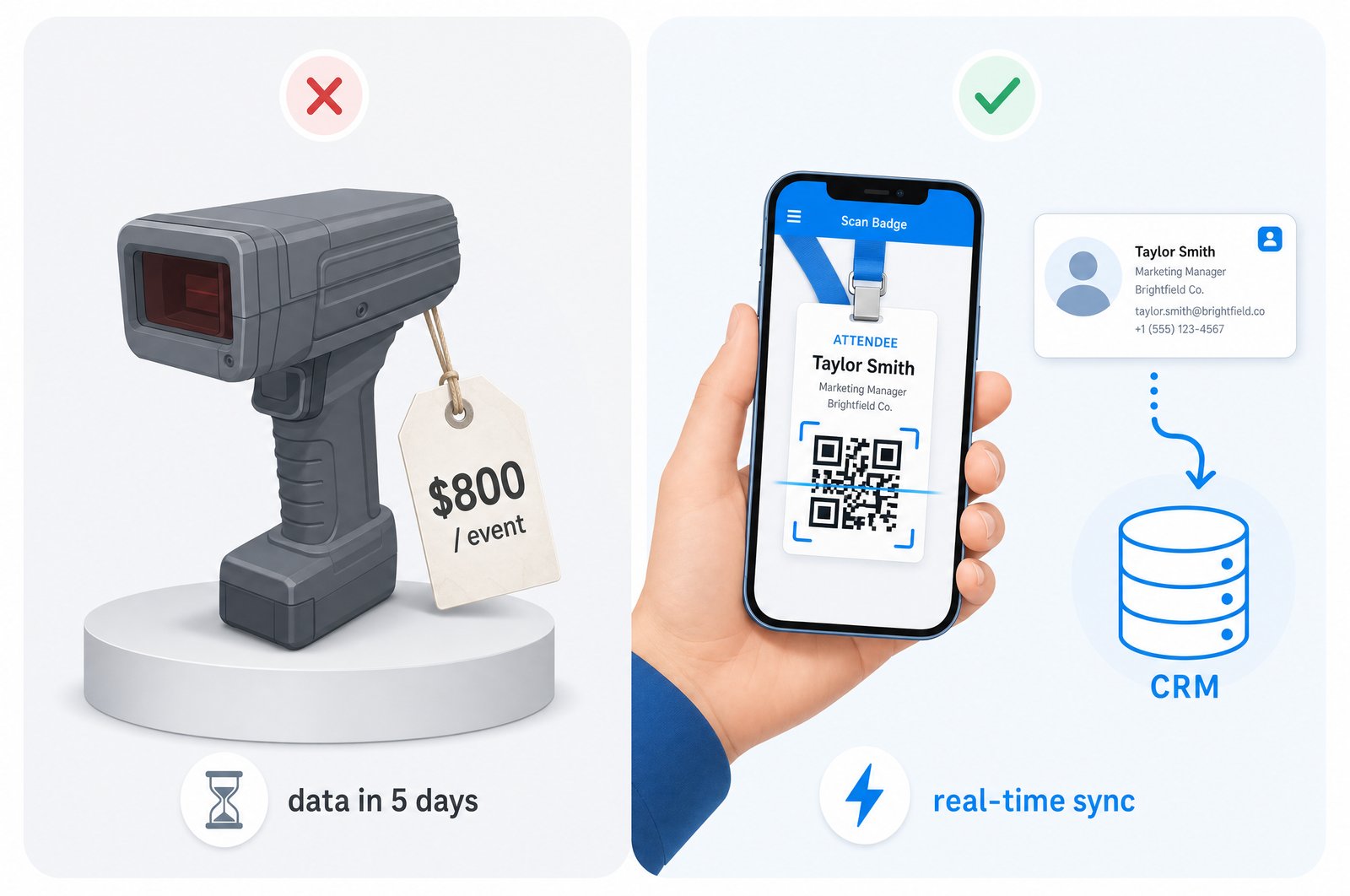
Eliminating the manual data-entry step between badge scan and CRM record is a force multiplier for trade show lead follow up. When contacts land in your CRM in real time, reps can trigger automated sequences before the show even closes. This approach suits teams exhibiting at high-volume events with 200+ daily scans. The real tradeoff is cost, official show-floor badge scan integrations often carry steep per-event licensing fees that smaller exhibitors struggle to justify.
4. Use a Multi-Touch Sequence - Email, LinkedIn, Then Phone Call
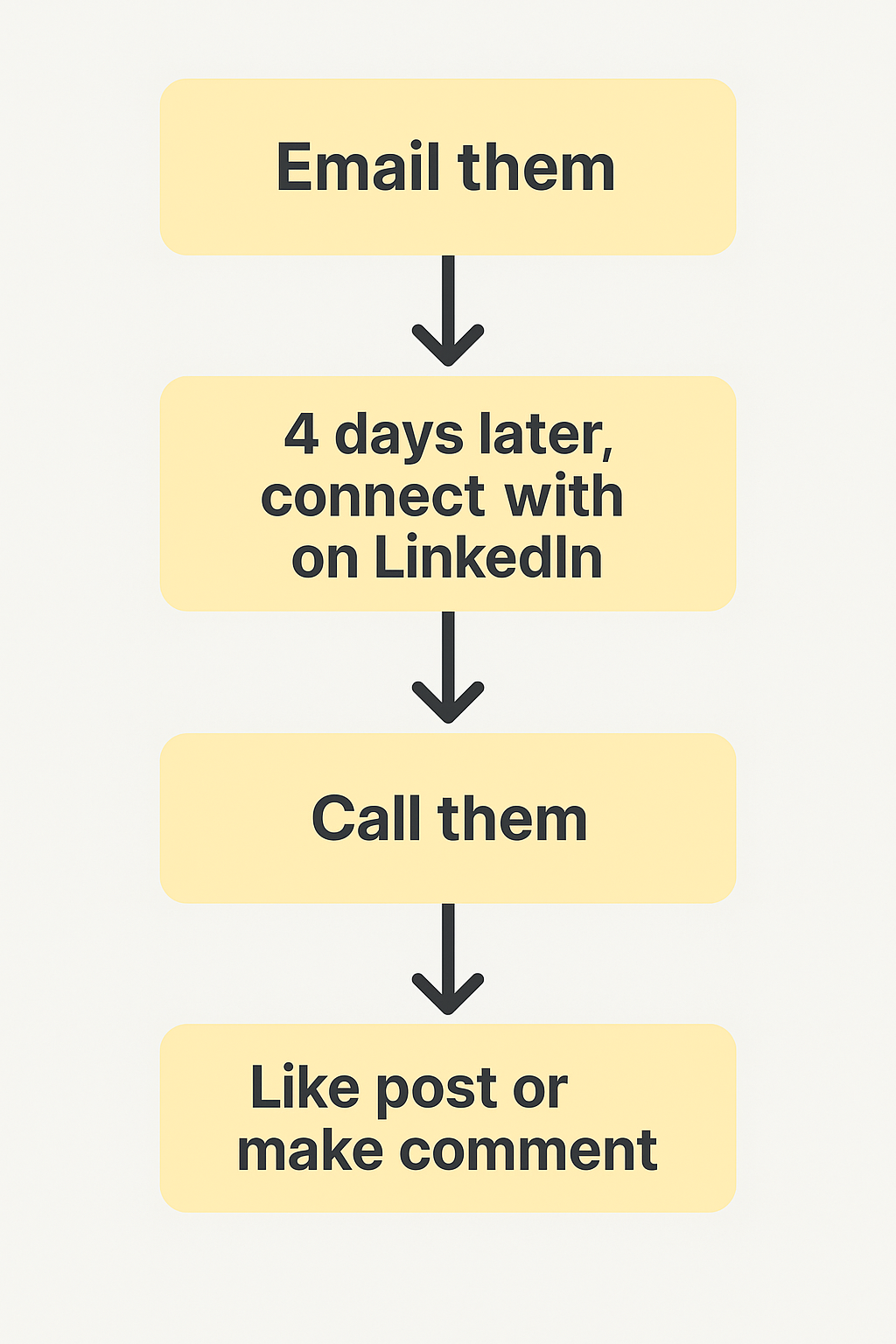
A single follow-up email is rarely enough. High-converting trade show lead follow up uses a structured multi-touch cadence, a personalized email on day one, a LinkedIn connection request with a brief note on day three, and a direct phone call by day five. This layered approach meets prospects on the channels they actually monitor. The tradeoff is sequence fatigue: if all three touches feel templated rather than genuine, prospects disengage faster than with a single well-crafted message.
5. Capture Booth Conversation Context With Voice Memos Between Meetings
Context is the currency of effective trade show lead follow up, and it evaporates by Monday morning. Training reps to record a 30-second voice memo immediately after each conversation, noting the prospect's stated pain, timeline, and any personal detail, gives follow-up emails the specificity that converts. This tactic costs nothing and works on any device. The limitation is discipline: reps must build the habit before the show, not attempt it for the first time on a chaotic expo floor.
6. Connect on LinkedIn During the Show, Not After
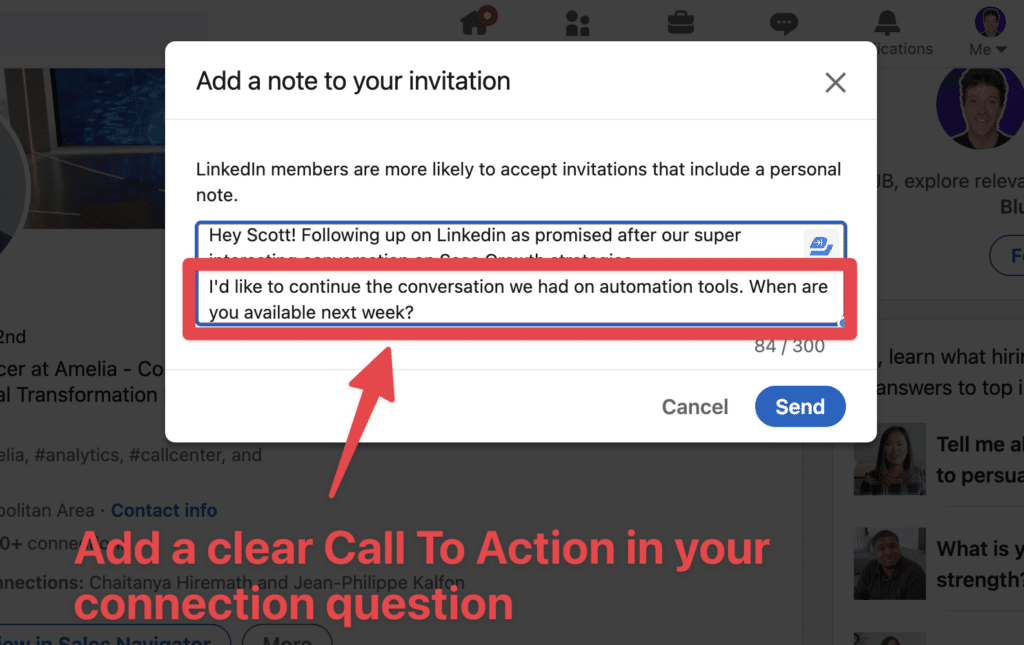
Sending a LinkedIn connection request while the prospect is still at the event, or within hours of meeting, dramatically increases acceptance rates because your face and booth are still top of mind. A brief personalized note referencing your conversation turns a cold connection into a warm one before formal follow-up even begins. This strategy works especially well for B2B enterprise deals with long sales cycles. The tradeoff: it requires reps to have their LinkedIn app ready and a polished profile, which not every sales team prioritizes.
7. Build a Post-Show Nurture Sequence for Cold Leads With Educational Content
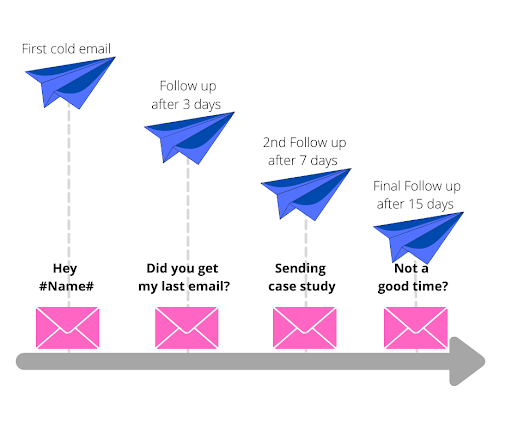
Not every badge scan is a buyer, but cold leads from trade shows still represent a warmed audience that chose to visit your booth. A four-to-six email nurture sequence delivering genuinely useful content (case studies, how-to guides, industry benchmarks) keeps your brand visible until their buying window opens. This is the right play for leads who expressed curiosity but no urgency. The limitation is content investment: a nurture sequence only works if the assets are already built before the show ends.
8. Set a Hard 48-Hour Internal Deadline for All Lead Assignment and Routing
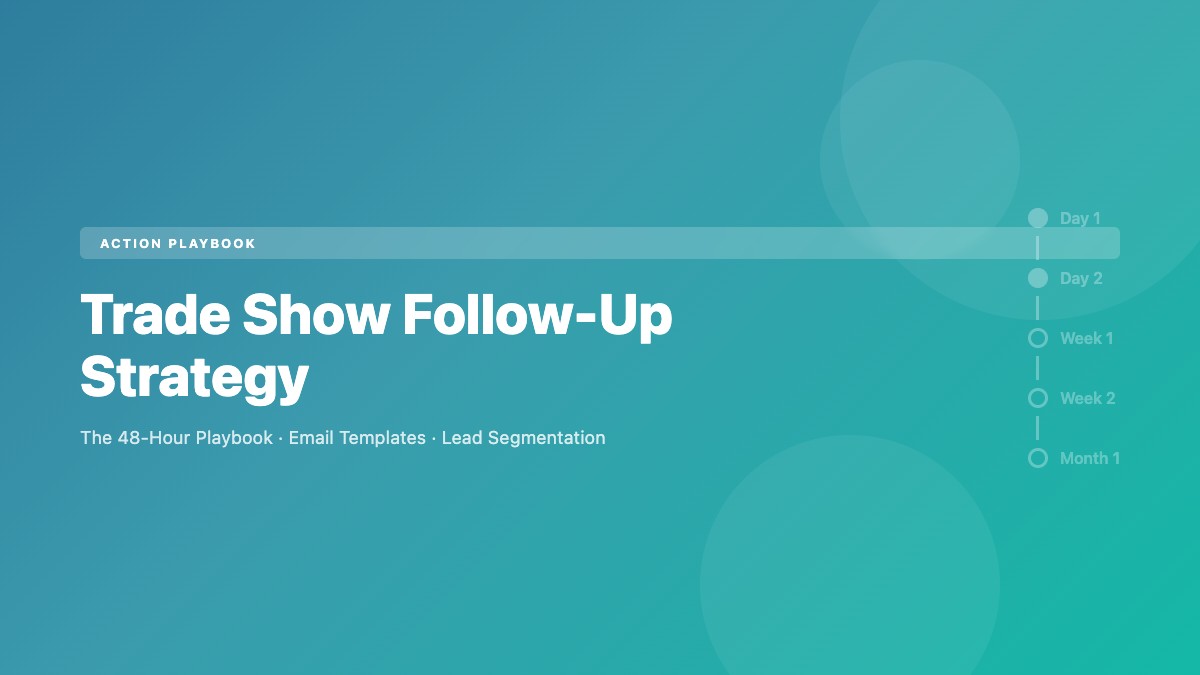
The most common reason trade show leads die is not bad messaging, it is organizational delay. Establishing a firm 48-hour rule for assigning every scanned lead to a named sales owner, with a follow-up task automatically created in the CRM, prevents the post-show chaos that lets hot prospects go cold. This process discipline matters most for teams with five or more booth reps splitting hundreds of leads. The tradeoff is that it requires sales leadership to enforce accountability immediately after an exhausting event.
Related Reading
- Which Networking Software Is Best For Conferences
- Trade Show Booth Ideas To Attract Visitors
- Conference Lead Capture
- How To Measure Trade Show Effectiveness
- Virtual Event Success Metrics
- Trade Show Roi
- Trade Show Lead Generation Ideas
- What's The Best Event Lead Generation Software
- Post-Trade Show Marketing Strategies
- Best Trade Show Giveaways
CRM Integration and Lead Data Management - The Infrastructure Behind Every Winning Follow Up
A lead that never enters your CRM is not a cold lead. It is a lost lead. The difference matters because cold leads can be warmed; lost leads never trigger a single automated touch. Understanding how CRM integration and lead data management actually work together is what separates a follow-up engine from a follow-up intention.
Why CRM Entry Is the Ignition Switch, Not the Finish Line
"Small real estate offices struggle to stay organized with leads and client follow-ups as their contact lists grow, highlighting the scalability challenge in CRM and lead data management."
The majority of trade show contacts never make it into a CRM at all, and the primary reason is not rep negligence. It is friction. When capture depends on manual entry, the step gets batched, delayed, or skipped entirely. By the time a rep sits down with a stack of scanned badges or typed notes, the window for high-conversion outreach has already closed. CRM entry is not the final step in a post-event workflow. It is the trigger that starts every automated step that follows.
Mapping Lead Source, Temperature, and Rep at Capture
The failure point in most post-event workflows is that source, intent signal, and rep assignment are recorded separately, if at all. Reps capture a name and email at the booth, then someone else tries to reconstruct context from a badge-scan CSV three days later. Mapping all three data points at the moment of contact exchange means the CRM record arrives complete, not as a shell that requires research to fill. A complete record is what lets personalization run automatically rather than requiring a rep to manually prep each outreach.
Native and Zapier Integrations That Eliminate the IT Dependency
The infrastructure to connect capture tools to HubSpot, Salesforce, and hundreds of other platforms already exists for most mid-market sales teams. Mobilo's Teams and Business plans connect to thousands of tools via Zapier and native integrations, so every NFC tap at a trade show auto-creates a contact, assigns it to the booth rep, and triggers the relevant sequence, all without a Monday morning data-entry session. The Teams plan also includes full team management and central billing, making it the practical starting point for field sales teams deploying cards across multiple reps.
From Trade Show Floor to Pipeline - How Capture-First Follow Up Converts More Leads
The eight strategies covered here do not operate as isolated tactics. Each one amplifies the others, and what they are collectively amplifying is the quality and speed of the pipeline that capture-first infrastructure makes possible. A rep who opens a fully formed contact record can personalize faster.
Personalization lifts reply rates. Higher reply rates mean more conversations reach the qualification stage, where segmentation and timing strategies compound the effect further. Remove any one layer and the multiplier chain weakens; add them together and the output grows nonlinearly.
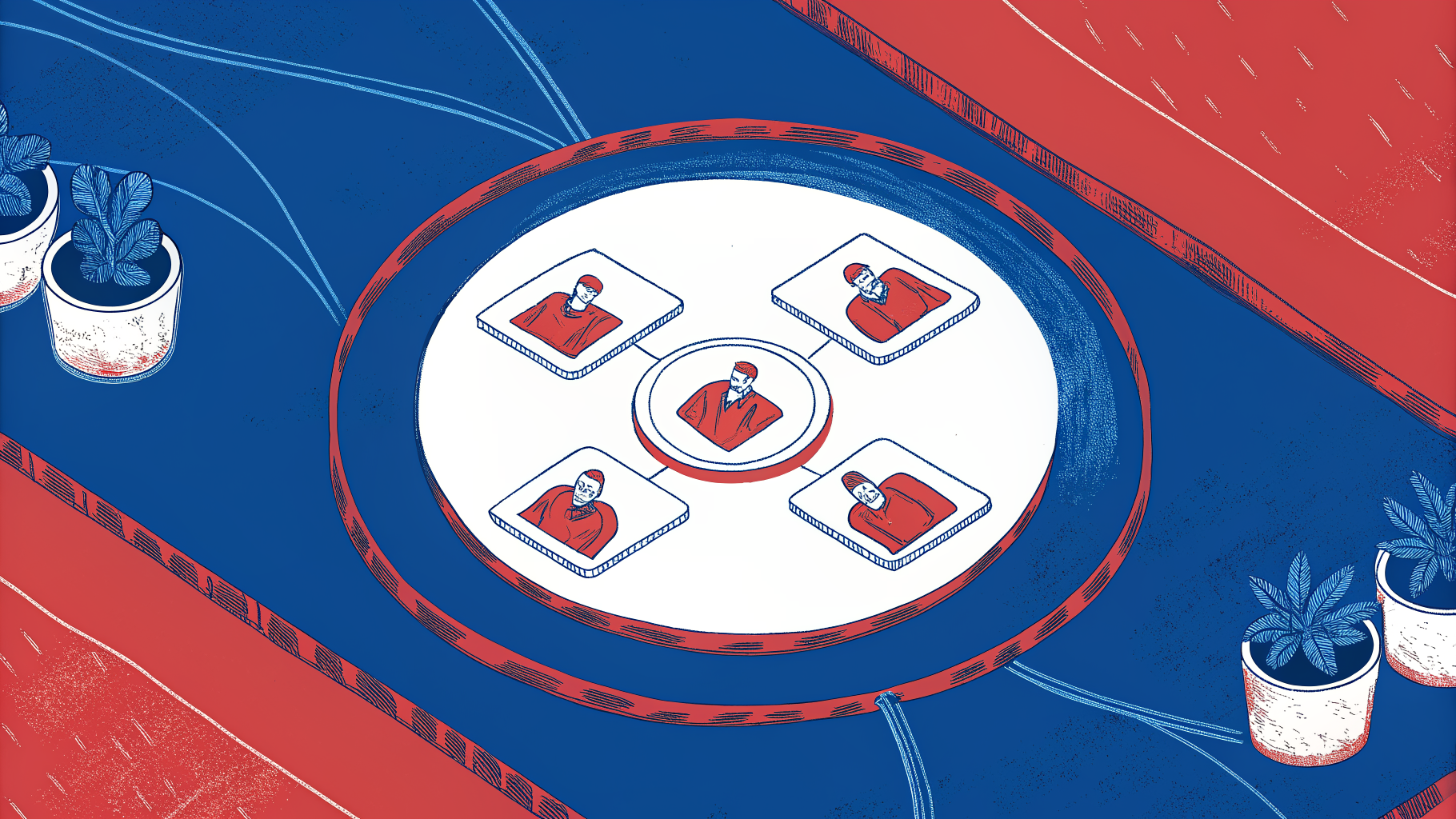
Every downstream tactic is a multiplier applied to the contact data that made it into your CRM. Segmentation logic multiplied by zero contacts produces zero pipeline. Personalized sequences multiplied by zero contacts produce zero replies.
Across the market, the vast majority of new contacts never enter the CRM after an event, because manual entry is too slow, too easy to defer, and too dependent on rep discipline under post-show fatigue. That single upstream failure makes every downstream investment structurally irrelevant.
The Contact Conversion Gravity Framework - How Capture Speed Determines Pipeline Pull
Think of a fresh trade show contact as an object in orbit. The closer it stays to your CRM, the stronger the gravitational pull toward conversion. The farther it drifts, sitting on a card, in a jacket pocket, in a stack on a desk, the weaker that pull becomes. Context fades. The prospect's attention shifts. Competing vendors fill the gap. Capture speed is not a workflow preference; it is the variable that determines whether gravity works for you or against you.
The Three Pre-Event Changes a Sales Director Must Make Before the Next Show
Most teams collect cards on the floor and schedule a data-entry session for the following week. The hidden cost is not the admin time; it is the compounding conversion loss that accumulates while the sequence waits for inputs that arrive cold. What most teams report bears this out: leads contacted promptly after an event convert at meaningfully higher rates than those reached days later.
Equipping every rep with a digital business card that syncs contacts to the CRM at the moment of exchange removes that gap entirely. Pre-loaded sequences can then fire on day zero rather than day five. Explicit lead-tier ownership, assigned before the show, ensures no contact sits unworked.
Critically, this shift does more than improve data hygiene; it changes what the organization can measure altogether: when every rep's tap creates a timestamped, source-tagged CRM record, event ROI stops being an anecdote and becomes a reportable pipeline metric tied to a specific show, booth, and team member.
Related Reading
Related Reading
- Best Tech Conferences For Networking
- Best Networking Apps for Trade Show Attendees
- Best Finance Conferences For Networking
- Trade Show Booth Ideas For Small Budgets
- Virtual Conference Booth Ideas
- Networking Activity Ideas For Conferences
- What Are The Top Trade Show Lead Retrieval Tools
- Trade Show Follow Up Email Examples
- Conference Lead Capture Tools
- Trade Show Lead Capture App
Next steps
If your event pipeline keeps underperforming despite solid email templates and trained reps, the path forward starts with fixing capture at the point of contact exchange, not refining the sequence that fires after it. Start with our digital business card.
Speed-to-lead and data-capture quality are a compounding pair, not independent levers, which means every hour a contact spends off-system is competitive lead time surrendered to whoever followed up first. Automated CRM workflows are only as powerful as the capture event that triggers them, which means a sequence built on missing or delayed records does not underperform. It does not fire at all. Together, they point to one conclusion: the reader's next step is understanding how digital contact exchange eliminates the manual gap that breaks both.
For a deeper look at how tap-to-CRM capture closes that gap in practice, see the digital business card guide. From there, the rest of the follow-up engine, sequencing, segmentation, rep ownership, all has complete records to work against.
Frequently Asked Questions
What subject line should I use in my trade show follow-up email?
Reference the specific conversation you had: "Following up on [topic discussed]" consistently outperforms generic subject lines in B2B contexts. Keep the email body to three short paragraphs, acknowledge the conversation, restate the one problem your solution addresses, and close with a single CTA to book a 15-minute call.
Why should I connect with trade show leads on LinkedIn the same day?
LinkedIn connection requests sent on the day of the event carry a meaningfully higher acceptance rate than requests sent after the show closes, because the name and face are still fresh. Waiting even a day or two lets that recognition fade along with the rest of the lead's intent.
How should I qualify and score leads while I'm still on the show floor?
Define your hot, warm, and cold criteria before the event, not back at HQ. A practical threshold is: hot equals a meeting requested or demo booked on the spot; warm equals strong interest with no confirmed next step; cold equals general curiosity. Capturing that temperature tag at the point of contact exchange lets your CRM route each lead into the right cadence automatically, rather than relying on memory days later.
Why is digital lead capture better than collecting paper business cards at trade shows?
Most paper business cards are thrown away or never entered into a CRM, and even the ones that aren't lost arrive cold, untagged, and often incomplete after manual batch entry. Digital tap-to-CRM capture pushes contact data into your pipeline at the moment of exchange, with a timestamp, source tag, and lead enrichment already attached, so a sequence can fire before the rep walks to the next booth.
Can I automate follow-up steps so leads get contacted without reps doing it manually after the show?
Yes, and the post recommends doing the setup work before you pack the booth. By wiring CRM routing rules, source tags, and sequence enrollment triggers in advance, using integrations across tools like Zapier, the moment a contact is created it automatically fires the right cadence, with no manual work required from an exhausted rep at the end of a two-day show.