.avif)

28 Trade Show Lead Generation Ideas That Actually Convert
On This Page
Badge scanners collect contacts. They don't close deals. Here's why the trade show follow-up window is where pipeline is won or lost, and the structural fix most teams never make.
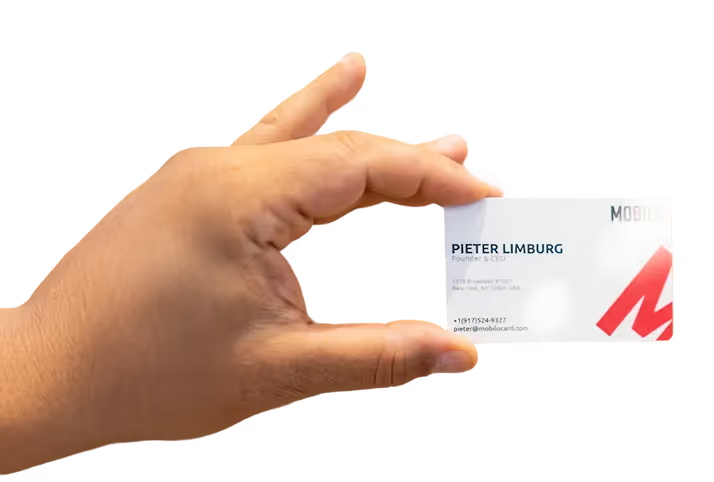
Trade shows are expensive bets. Booth space, travel, rep time, and collateral costs stack up fast, and the return on all of it depends almost entirely on what happens in the 48 hours after the last conversation ends. Most sales directors think the lead capture problem is solved once they hand every rep a badge scanner and a box of printed cards. What happens to contacts after the show is a rep discipline issue, not a systems gap. See our digital business card for how this works in practice.
Most teams focus their energy on the floor, which is the right instinct, but the wrong finish line. The failure point is almost never volume. A 10-rep team can return from a three-day show with 400 badge scans and still produce almost no pipeline, because those contacts sit in a CSV export or a coat pocket while buying intent quietly disappears. Tools like tap-to-share cards exist precisely because the handoff, not the collection, is where most trade show investment goes to waste. Badge scanners solve the wrong problem. They capture a contact identifier, not a CRM record.
Someone still has to export the file, clean the data, match fields, and import it into Salesforce or HubSpot, and that someone is usually a rep who returned to a full call schedule on Monday morning. Across the market, up to 27% of sales leads are never followed up on at all, a failure driven not by rep laziness but by a structural data-entry backlog that makes the task easy to defer indefinitely. The conversation on the show floor is the peak of a prospect's interest.
27% of sales leads are never followed up on at all
Table of Contents
- The Hidden Cost of Manual Contact Capture at Trade Shows
- Pre-Show Preparation and Outreach Ideas That Fill Your Pipeline Before the Doors Open
- Booth Design and Engagement Tactics That Actually Stop Qualified Buyers
- Lead Capture Technology and Tools That Route Every Contact Directly Into Pipeline
- Post-Show Follow-Up Strategy - How to Convert Trade Show Leads Before Buying Intent Fades
- Measuring Trade Show ROI - The Metrics That Prove Which Ideas Actually Converted
- Next steps
- Frequently Asked Questions
Key takeaways
- 90% of new contacts never enter a CRM after a trade show, not because reps are lazy, but because the handoff is still manual.
- The outcome of a trade show is decided two weeks before the doors open, not on the floor, pre-show system configuration determines whether leads route into pipeline or die in a spreadsheet.
- Badge scanners solve the wrong problem: capturing a contact and routing that contact into an active pipeline sequence are two entirely different steps, and most teams only do the first.
- Booth design that stops qualified buyers is about removing barriers, literally, not adding branded tablecloths; the table between a rep and a passerby is the first conversion problem.
- Follow-up within 48 hours drives 5× higher conversion rates than outreach sent later in the week, yet most teams miss that window because leads are still sitting in a CSV.
- Cost-per-qualified-lead, pipeline-influenced revenue, and conversion rate by lead tier are the only numbers that answer a CFO's question, none are calculable without clean, attributed CRM records.
- Mobilo's Contact Exchange & Lead Capture closes the loop at the moment of the tap: when someone scans or taps a Mobilo card, their information routes directly into the rep's CRM, no manual entry, no post-show data cleanup, no contacts lost in transit.
The Hidden Cost of Manual Contact Capture at Trade Shows
That hard number starts to make sense the moment you stop treating the post-show drop-off as a people problem. Most sales directors hand every rep a badge scanner and a box of printed cards and consider lead capture solved; whatever happens to those contacts afterward gets filed under rep discipline. That assumption is wrong. The bottleneck is never the booth, the pitch, or even the product. It is the gap between a conversation that ends on the show floor and a record that appears in the CRM. That gap is where trade show ROI goes to die, and it is almost entirely a structural problem, not a rep discipline problem.
The structural fix is direct CRM entry at the moment of conversation, capturing leads from events and field meetings directly into the CRM without relying on reps to manually log contacts afterward. When that handoff is removed from the equation, the gap closes. When it remains, every hour adds compounding signal loss that no amount of rep discipline can recover.
Why Trade Show Lead Quality Decays by the Hour, Not the Day
Every contact exists at peak value the moment the conversation ends. From that point, Contact Conversion Gravity pulls quality downward, continuously. According to industry research, the optimal follow-up window closes within 24 to 48 hours; response rates drop sharply after five days.
Yet when lead data travels through a manual handoff chain, the lag between conversation and record creation stretches to several days by default. By the time a rep opens the file, the buying intent that made the conversation worth having has already cooled. Physical cards accelerate that decay.
A rep runs out mid-afternoon on day one of a two-day show, shares a few screenshots, and the remaining conversations produce nothing the CRM ever sees. Sharing contact information and digital profiles instantly, without the physical constraint of running out of cards, removes that failure mode entirely. Every conversation, regardless of when it happens on the show floor, produces a record.
What Delayed CRM Entry Does to Trade Show Response Rates and Deal Velocity
Context fades from rep memory, personalized follow-up becomes impossible, and reps default to generic outreach that converts at a fraction of the rate a timely, contextual message would achieve. CleverFrame's post-show follow-up research reinforces the same point: the steps that determine whether a trade show contact becomes a pipeline opportunity happen in the hours immediately after the conversation, not the days. For teams running five or more reps on the floor, exactly the scale where centralized control over branding and contact data becomes most valuable, the compounding effect is severe.
One rep's delayed entry is a missed follow-up. Ten reps' delayed entries are a structural pipeline leak. Mobilo's Teams plan ($4/month per member, billed annually) addresses this directly: it pairs unlimited lead capture and CRM integration with team management, data field control, and the ability to lock and override contact data fields across every card in the deployment.
Reps share contact information instantly via NFC tap or QR scan; the lead enters the CRM without a manual logging step; and the follow-up clock starts at the moment the conversation ends, not days later when a rep finally opens a spreadsheet. The structural fix is not a training program. It is removing the manual step between conversation and record.
Related Reading
- Etiquette For Networking In Online Conferences
- Measuring Event Roi
- Trade Show Sales Tips
- Trade Show Follow Up Best Practices
- How Do You Find The Roi Of A Trade Show
- Trade Show Sales Funnel
- What Is Trade Show Marketing
- Event Lead Management
- B2b Trade Show Best Practices
- Conference Lead Generation
- B2b Trade Show Marketing
Pre-Show Preparation and Outreach Ideas That Fill Your Pipeline Before the Doors Open
Two weeks before the show opens is when the outcome is actually decided. Most Sales Directors treat that window as a logistics sprint: confirm the booth dimensions, ship the display, brief the team the morning of day one. The teams that consistently convert trade shows into pipeline treat it as something else entirely: a system-configuration window where the decisions made determine whether leads route themselves into CRM or die in a post-show spreadsheet.
Here is the synthesis that most pre-show checklists miss: pre-show preparation is not a productivity multiplier layered on top of a working system, it is the only mechanism that raises Contact Conversion Gravity before the show floor opens, because configuring CRM-synced digital card profiles and custom lead capture forms in advance means every booth conversation is already routed into a scored, sequenced workflow before a single rep arrives. Without this pre-wiring, even a flawlessly executed ICP-scrubbed attendee list and pre-booked booth meetings produce contacts that re-enter the same manual handoff gap that kills 80% of trade show leads post-show. The competitive pressure is real.
Many high-intent B2B buyers arrive at major trade shows with their calendars already committed to pre-scheduled meetings, which means walk-up booth traffic skews toward lower-intent visitors. If your outreach motion hasn't run before the doors open, you are competing for the attention of people who are already booked. Pre-scheduled meetings convert at a meaningfully higher rate than cold floor conversations, because qualification has already occurred in the outreach exchange, and buyers who accepted a calendar invite have already processed your value proposition once and said yes to a conversation.
That is a different starting point than someone who paused at your booth because the demo screen caught their eye. The nine ideas below cover the pre-show moves that consistently move the needle, from attendee list scrubbing to rep card configuration.
1. Mine the Exhibitor and Sponsor List to Build a Pre-Show Target Account Map
Before the show opens, pull the exhibitor and sponsor pages to identify companies actively investing in the event. These are budget-holders, not casual attendees, making them higher-intent targets for pre-show outreach. Build a tiered account map segmented by deal fit and then launch a tight 3-touch sequence with a calendar link. The tradeoff: this list skews toward vendors, so supplement with attendee data for buyer-side coverage.
2. Activate Your Existing CRM Contacts Who Are Registered Attendees First
Warm pipeline that happens to be attending the same show converts dramatically better than cold attendee scraping. Cross-reference your CRM against the attendee list and prioritize re-engagement sequences for existing contacts before touching cold prospects. The context of a shared event makes outreach feel natural rather than intrusive. The limitation: this only works if your CRM is clean and regularly updated, which many B2B teams cannot honestly claim.
3. Send Personalized LinkedIn Connection Requests Anchored to the Event Itself
For audiences active on LinkedIn, HR, analytics, and people-ops professionals especially, a connection request that references the specific event and a session they are speaking at or attending opens far better than a generic cold message. Keep the initial ask small: a 15-minute coffee at the show beats a full demo request at the outreach stage. The tradeoff is that LinkedIn InMail and connection limits throttle volume, so this strategy rewards quality targeting over mass outreach.
4. Host an Invite-Only Pre-Show Roundtable or Executive Dinner the Night Before
Instead of competing for attention on the show floor, invite 10 to 15 target accounts to a closed-door dinner or roundtable the evening before the conference opens. The exclusivity of the invite converts pre-show outreach at a higher rate because you are offering access to a curated peer group, not just a booth visit. Follow-up conversion improves significantly because a relationship already exists. The real tradeoff is budget: this approach requires meaningful spend on venue and hospitality.
5. Monitor the Event Hashtag on LinkedIn to Identify and Engage Attending Prospects
Two to three weeks before the event, track who is posting about the conference hashtag or engaging with speaker content on LinkedIn. These are self-identified attendees signaling genuine interest, making them warmer than a cold list pull. Engage with their posts authentically before sending a direct message, which dramatically improves reply rates. The limitation is that this method surfaces only the most socially active attendees and misses quieter but equally valuable decision-makers.
6. Launch a Cold Email Sequence Referencing a Specific Pain Point Tied to the Event Agenda
For ICPs who are flooded on LinkedIn, cold email outperforms social outreach when the message leads with a problem the prospect is likely facing right now rather than a product pitch. Frame the opening line around a challenge relevant to the event theme, for example, referencing a keynote topic, to create immediate context and relevance. The tradeoff is deliverability: high-volume pre-show blasts risk domain reputation damage if not sent through a properly warmed sending infrastructure.
7. Prioritize Attendees Who Recently Changed Roles or Posted About Relevant Challenges
Not all attendees on a list are equal. Segment your outreach by filtering for contacts who have been in a new role for fewer than six months or who have recently posted on LinkedIn about challenges your solution addresses. These signals indicate active buying intent and a mandate to make changes, making them far more receptive to pre-show meeting requests. The limitation is the manual research time required, which does not scale without a dedicated SDR or enrichment tooling.
8. Send a Personalized Video Confirmation the Day Before to Dramatically Improve Show-Up Rates
Booking a pre-show meeting is only half the battle, getting prospects to actually show up is where most teams lose ground. Sending a short personalized video the morning before the event confirming the meeting time and booth location has been reported to lift show rates from roughly 60 percent to 85 percent. The human face attached to the confirmation creates a sense of social commitment that a calendar invite alone cannot replicate. The tradeoff is the time investment required to record individualized videos at scale.
9. Reach Out to Non-Attending Decision-Makers While Their Team Is on the Show Floor
In enterprise deals, the budget holder often does not attend the trade show while their team handles technical evaluation on the floor. Use this window to reach out to the economic buyer directly, framing the conversation as a strategic complement to what their team is learning at the event. Offer a post-event debrief call rather than a cold pitch. This approach works best for longer sales cycles with clear separation between technical influencers and financial decision-makers.
Booth Design and Engagement Tactics That Actually Stop Qualified Buyers
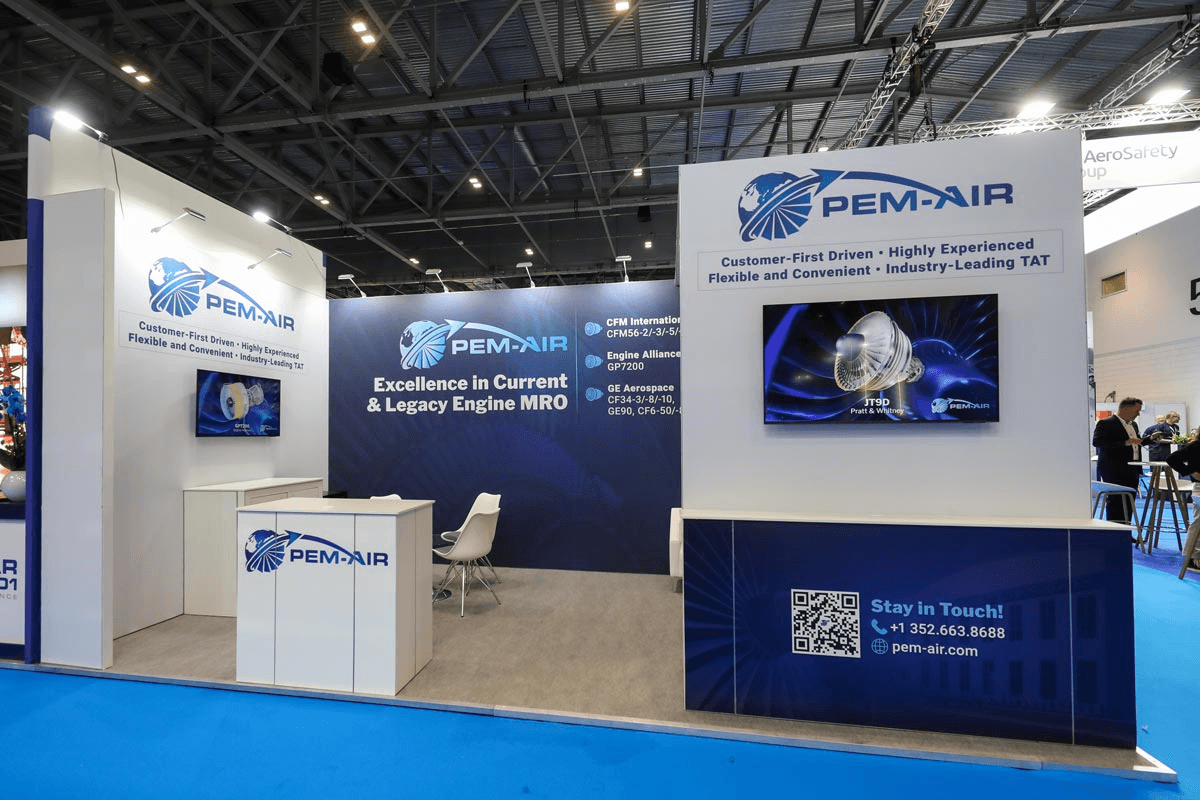
That pre-qualification logic extends beyond giveaways to the physical environment reps work in. Walk the floor of any major trade show and the pattern is obvious: most booths are designed to be looked at, not walked into. A sharp backdrop, a branded tablecloth, a stack of brochures at the front edge. The table itself sits like a barricade between the rep and every potential buyer passing by. It is a common setup, and it quietly kills qualified pipeline before a single conversation starts. The real problem is not aesthetics.
It is architecture. Booth design is the earliest qualification filter in your entire lead generation system, and dwell time is the first measurable intent signal your team captures before any rep opens their mouth. A booth with 2,000 walkers at 8 seconds of dwell each generates less pipeline than a booth with 300 visitors at 4 minutes of dwell; dwell time, not footfall, is the strongest predictor of trade show pipeline. That gap is not a rep performance issue. It is a design issue, and it compounds across every hour of the show floor.
Pros and cons at a glance
✓ Pros
✗ Cons
Removes psychological barrier that keeps visitors from entering
Requires reps who actively work the space rather than standing behind a surface
Branded flooring contrast draws the eye and signals a defined space
Only performs when your team is briefed and positioned correctly
The human eye scans an unfamiliar space in a Z-pattern, top-left to bottom-right. Placing your sharpest value proposition headline at the top-left of the back wall and your clearest call to action at the bottom-right means a passerby absorbs your core message in under three seconds without slowing down. It does not replace a verbal pitch; it earns the two seconds of attention that makes a verbal pitch possible.
1. Open-Front Booth Layout with Branded Flooring Contrast
Removing the front table is the single highest-leverage structural change most exhibitors can make. A table at the booth entrance functions as a psychological barrier; visitors read it as "staff only" and keep moving. Branded flooring contrast draws the eye downward and signals a defined space worth entering. The tradeoff: open layouts require reps who actively work the space rather than standing behind a surface, which means this design only performs when your team is briefed and positioned correctly.
2. Eye-Level Z-Pattern Signage Placement for Instant Value Proposition Delivery
Positioning your primary headline message at eye level in the top-left or top-center of the booth exploits the natural Z-pattern eye movement most attendees follow when scanning a crowded show floor. This ensures your core value proposition registers within the critical seven-second first-impression window before a visitor decides to walk past. The limitation is that this approach demands ruthless copy discipline, verbose messaging in this zone kills the effect entirely.
3. Live Product Demo Station Positioned at Booth Center
Centering a live demo station pulls visitor attention past the perimeter and into the booth interior, immediately extending dwell time. The demo itself acts as a qualification mechanism: buyers with genuine purchase intent stay to watch a second cycle; tire-kickers drift away after thirty seconds. The limitation is staffing. A center demo station requires a dedicated, trained presenter at all times, and gaps during peak hours are where qualified visitors walk away unengaged.
4. Gamified Leaderboard Challenge with Real-Time Score Display
A live leaderboard tied to a product-relevant challenge creates competitive dwell time that feels earned rather than manufactured. Gamified booth elements can meaningfully extend average visitor engagement compared to passive display setups, and interactive elements consistently outperform static displays on dwell time. The known risk is prize hunters with zero purchase intent. Gate the leaderboard behind a brief qualifying question to filter them out before they dilute your lead list.
5. Branded Photo Booth with Instant Social Share and Lead Capture Gate
A branded photo booth that delivers instant digital prints or social shares in exchange for an email or badge scan turns a fun moment into a structured lead capture event. The branded output becomes organic social content that extends your booth's reach beyond the show floor. This tactic is best suited for consumer-facing brands or B2B companies with strong visual identities. The tradeoff is that it attracts broad audiences, so pairing it with a qualifying question during the capture step is essential for trade show lead generation ideas focused on pipeline quality.
6. Closed VIP Alcove for Pre-Scheduled Executive Meetings
A semi-enclosed conversation area signals exclusivity and removes the ambient noise that kills executive-level discussion on an open show floor. Pre-scheduled meetings held here arrive with context, making qualification faster and conversion rates higher than cold walk-in traffic. The tradeoff is space cost. This tactic only earns its footprint when your average deal size justifies a longer, quieter sales conversation.
7. Touchscreen Interactive Product Configurator Kiosk
A self-guided configurator lets visitors explore product options at their own pace without a rep present. The behavioral data generated, which features they selected, which they skipped, how long they spent on each screen, produces richer lead intelligence than a badge scan alone.
8. Tall Hanging Canopy Structure with Aisle-Visible Brand Mark
A suspended overhead canopy or hanging sign displaying your logo and a single bold tagline creates above-the-crowd visibility that draws qualified buyers navigating a large show floor from a distance. This is particularly effective in large island booths at major industry expos where aisle-level signage gets lost in visual noise. The practical limitation is venue-specific rigging restrictions and the additional cost of hanging hardware and union labor, which must be budgeted well in advance.
9. Spin-to-Win Prize Wheel Gated Behind a 60-Second Product Pitch
Requiring attendees to sit through a brief, structured product pitch before spinning a prize wheel ensures that every lead captured has received your core message, not just dropped a business card in a fishbowl. The format works well for mid-market B2B brands that need volume leads with baseline product awareness baked in. The honest tradeoff is that the mandatory pitch element will reduce total participation versus a no-barrier game, so booth staff must be trained to deliver a tight, compelling 60-second narrative that doesn't feel like a toll.
10. Branded Charging Lounge with Embedded Consultation Booking Station
A comfortable seating area with device charging stations draws fatigued attendees who need a break, giving your team a natural, low-pressure opening to start conversations with buyers who would never have stopped at a traditional booth. Embedding a tablet-based consultation booking tool in the lounge converts casual rest stops into scheduled follow-up meetings before the visitor leaves. The limitation is space cost, this setup requires a larger footprint and may not be viable for 10x10 exhibitors with tight budgets.
Related Reading
- Which Networking Software Is Best For Conferences
- Trade Show Booth Ideas To Attract Visitors
- Conference Lead Capture
- How To Measure Trade Show Effectiveness
- Virtual Event Success Metrics
- Trade Show Roi
- What's The Best Event Lead Generation Software
- Post-Trade Show Marketing Strategies
- Best Trade Show Giveaways
Lead Capture Technology and Tools That Route Every Contact Directly Into Pipeline
A CSV file sitting in a rep's inbox is not a pipeline entry. It is a list of strangers, cooling by the hour, waiting for a manual step that the overwhelming majority of trade show contacts never receive. That is not a discipline problem. It is a structural one, built into every workflow that treats the capture tool and the CRM as two separate systems connected by human memory. The teams we see struggle most are the ones chasing leads manually across disconnected tools, discovering that businesses to reach out to is tedious enough; tracking them through a patchwork of badge exports, spreadsheets, and CRM imports compounds the problem until follow-up velocity collapses entirely.
1. Mobilocard - Best All-in-One Badge Scan and CRM Routing Tool
Mobilo's digital business card earns the top slot here because the tap itself is the CRM trigger, not a precursor to one. NFC tap-to-CRM workflows drive same-day record creation, while batch CSV imports typically introduce a multi-day lag for most event teams. When a rep taps their NFC business card to a prospect's phone, a custom lead capture form collects product interest, budget tier, and decision timeline on the spot; a Salesforce or HubSpot record is created before the conversation ends; and a follow-up sequence fires automatically. No rep action required post-conversation.
That pipeline integration is not an add-on; it is baked into every subscription tier. The Pro plan ($3/month, billed annually, 1 member) includes lead capture and management, custom lead capture forms, lead enrichment, unlimited leads and contacts, and 6,000 integrations through Zapier, so the connection between capture and CRM routing is available from the entry level. The Teams plan ($4/month per member, billed annually, unlimited members, marked Popular) adds central billing, team management, and the ability to control, lock, and override data fields across the whole team, which is exactly the layer that prevents reps from going off-script and creating inconsistent records.
The Business plan ($5/month per member, billed annually) extends that further with enterprise SSO, HR directory sync, and white-glove onboarding for teams of 100 seats or more. Every tier includes 24/7 customer support and brandable QR codes.
This matters because one of the real hidden costs in lead capture workflows is the gap between the tool teams choose and the CRM they already use. Platforms perceived as jacks-of-all-trades, capable CRMs that treat lead capture as a secondary feature, often produce messy pipeline data that quietly erodes close rates, because the routing logic was never purpose-built for structured capture at scale. Mobilo's approach of making the tap the trigger removes that gap at the source rather than trying to paper over it with manual imports later.
The one honest trade-off: the value compounds most for teams that attend events regularly and need structured lead follow-up. For a team running a single annual show with fewer than three reps, the configuration investment is unlikely to pay back within that event cycle alone.
2. snapAddy VisitReport - Best for Structured Digital Lead Forms at the Booth
SnapAddy VisitReport is built for teams that need highly structured, compliance-friendly digital lead forms completed on the floor rather than back at the office. It guides reps through mandatory qualification fields during the conversation, reducing incomplete records. The limitation for most sales teams is that CRM sync still requires configuration per event and is not as close to zero-touch as NFC tap-to-capture workflows. Best suited when your industry has strict data capture requirements and reps need a scripted form rather than a free-form conversation aid.
3. Eventleaf Lead Retrieval - Best for High-Speed Badge Scanning with On-Device Qualification
Eventleaf handles high-volume badge scanning well, with on-device qualification notes that reps can attach immediately after each scan. It works offline, which matters on crowded show floors with unreliable Wi-Fi. The core limitation is familiar: badge scan data still exports as a batch file. The gap between scan and CRM entry remains a human step, meaning leads captured on day one of a three-day show can sit unprocessed until the flight home. Strong choice for teams prioritizing scan speed; less effective when follow-up velocity is the primary conversion lever.
4. Zuddl Lead Capture App - Best for Event Teams Needing Scan Versatility Across Badge Formats
Zuddl supports multiple badge formats across different event types, making it practical for teams that attend a mix of owned events, third-party conferences, and trade shows with inconsistent badge infrastructure. The trade-off is depth: CRM routing options are less flexible than dedicated sales tools, and lead enrichment is limited compared to NFC tap workflows. The right pick for event operations teams managing logistics across many formats; less ideal when per-rep pipeline attribution is the priority.
The pattern across every tool on this list is consistent. Capture speed and CRM routing depth are inversely related to manual steps. Research on follow-up timing shows that reply rates drop 3× after 72 hours post-show, a window that batch exports and manual CRM entry structurally close before most teams ever open them.
Post-Show Follow-Up Strategy - How to Convert Trade Show Leads Before Buying Intent Fades
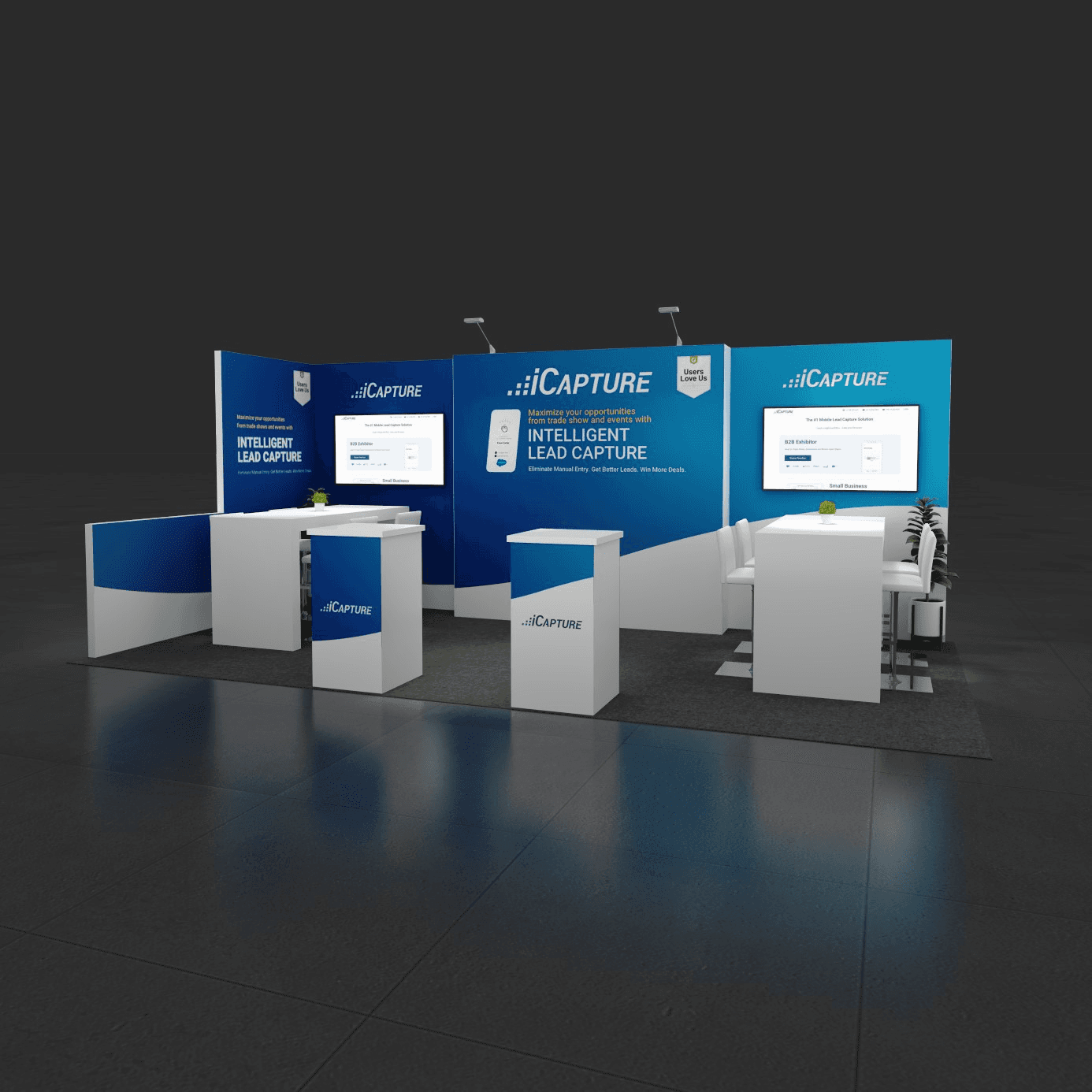
Reps who return from a three-day show with 200 contacts and no ranked queue don't have a motivation problem. They have a sequencing problem. Industry data confirms that follow-up within 48 hours drives 5× higher conversion rates than outreach sent later in the week, yet most teams miss that window entirely because the leads sitting in a spreadsheet carry no signal about who is hot, who is warm, and who grabbed a pen on the way out.
Broader industry trends reinforce the same pattern: the conversion gap between prompt and delayed follow-up is not marginal, it is decisive, and it opens within hours, not days. The fix is not a reminder email to the team on Monday morning. It is a tiered follow-up system built before the show opens, triggered automatically the moment a lead is captured. That is precisely the workflow Mobilo is built around: capturing and following up on leads more efficiently at networking events and in the field, so the follow-up window is never a race against a spreadsheet.
1. Send Segmented Follow-Up Emails Within 24 Hours Using Lead Temperature Tiers
Hot leads contacted within 24 hours of a show convert at dramatically higher rates than those reached days later, buying intent peaks immediately post-event. Segment your list into hot, warm, and cold tiers before sending, so each message matches the prospect's actual readiness. The tradeoff: this requires CRM routing and email templates prepared before the show ends, which many teams skip under post-event fatigue.
2. Use a 5-Point Lead Scoring System to Prioritize Sales Rep Assignment Before First Contact
Scoring leads across need, authority, timeline, booth engagement, and agreed next steps lets sales reps focus their first post-show hours on the highest-value conversations rather than working a flat list. This is especially critical for teams returning from large shows with hundreds of contacts. The real limitation is discipline, scores must be captured on the floor in real time, or the data degrades rapidly by day two.
3. Trigger a Multi-Touch Post-Show Sequence Combining Email, LinkedIn, and a Value-Add Asset
A single follow-up email rarely converts a trade show lead; a coordinated sequence, personalized email referencing the booth conversation, a LinkedIn connection request, and a relevant case study or ROI calculator, sustains visibility while intent is still elevated. Best suited for B2B teams with longer sales cycles where a single touch gets buried. The tradeoff is execution complexity: without automation or a clear owner, the sequence stalls after touch one.
Measuring Trade Show ROI - The Metrics That Prove Which Ideas Actually Converted
When a CFO asks what the trade show produced, badge scan totals do not answer the question. The three numbers that actually move a budget conversation are cost-per-qualified-lead, pipeline-influenced revenue, and conversion rate by lead tier, and none of them are calculable without clean, attributed CRM records tied to pipeline stages. Teams that invest significantly in trade shows year after year and still report near-zero ROI after multiple consecutive cycles almost always share the same root cause: no metric system capable of diagnosing what is failing at each stage of the funnel.
The Three Metrics a CFO Will Actually Accept as Trade Show ROI Proof
Cost-per-qualified-lead divides total show investment (booth, travel, staff, materials) by the number of leads that meet your ICP threshold and entered a pipeline stage. Pipeline-influenced revenue tracks how many of those leads progressed to closed-won or active opportunity. Conversion rate by lead tier shows which segment, hot, warm, cold, actually closes, so next year's booth targeting can shift toward the profile that converts.
Without all three, the budget conversation defaults to volume, and volume is easy to challenge. Foot traffic and total visitor counts are the most commonly reported trade show metrics, yet they are among the weakest predictors of actual ROI. Using them as primary proof points produces misleading performance assessments that rarely survive a serious budget review, and they are exactly the numbers a CFO will challenge first.
Why Badge Scan Counts Collapse Under Budget-Review Scrutiny
According to industry research, 70% of exhibitors set no measurable pre-show objectives, and only 56% have a formal lead management process. That combination makes ROI structurally unmeasurable before the show even opens. A stack of 300 badge scans means nothing if 200 never entered the CRM and the remaining 100 have no pipeline stage attached.
If your capture infrastructure is not closed-loop before the show starts, no analytics tool applied afterward can reconstruct the denominator you need. The burden of manually chasing down attendee data after the show is a direct consequence of that infrastructure gap. Days pass, tier labels become guesswork, and the window for timely follow-up closes before attribution is even attempted.
Research on executive event cost-per-lead benchmarks reinforces why this lag is so damaging: the cost of a trade show lead is only defensible when the lead is properly qualified and tracked through to an outcome.
Connecting the Show Floor to Closed-Won
Most teams handle post-show attribution by exporting a CSV and manually tagging leads days later, by which point tier labels are guesswork. Segmented follow-up sequences never fire on time, conversion velocity drops, and the pipeline-influenced revenue figure shrinks before it is ever calculated. Mobilo's Teams and Business plans are built to close that loop at the moment of contact, not days afterward.
Every card tap or QR scan on the show floor writes a timestamped, rep-attributed contact record, giving managers the visibility to see which reps are actively networking and which connections are actually converting into pipeline, in real time rather than in a post-show debrief. The Teams plan ($4/month per seat, billed annually) includes full team data analytics, CRM integrations, lead enrichment, lead capture and management, unlimited leads and contacts, and the ability to control, lock, and override data fields across every rep's card, so the records entering your CRM are consistent and pipeline-ready from the first tap. For organizations that need enterprise SSO, HR directory sync, a custom domain, and white-glove onboarding, the Business plan adds those capabilities at $5/month per seat, billed annually, with 24/7 customer support across both tiers.
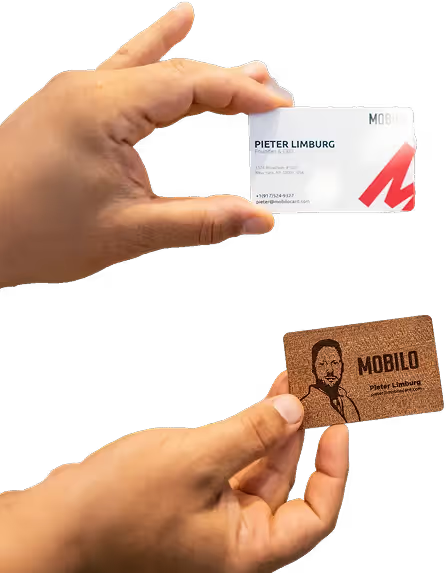
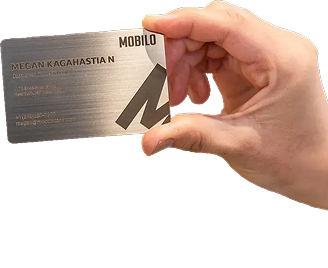
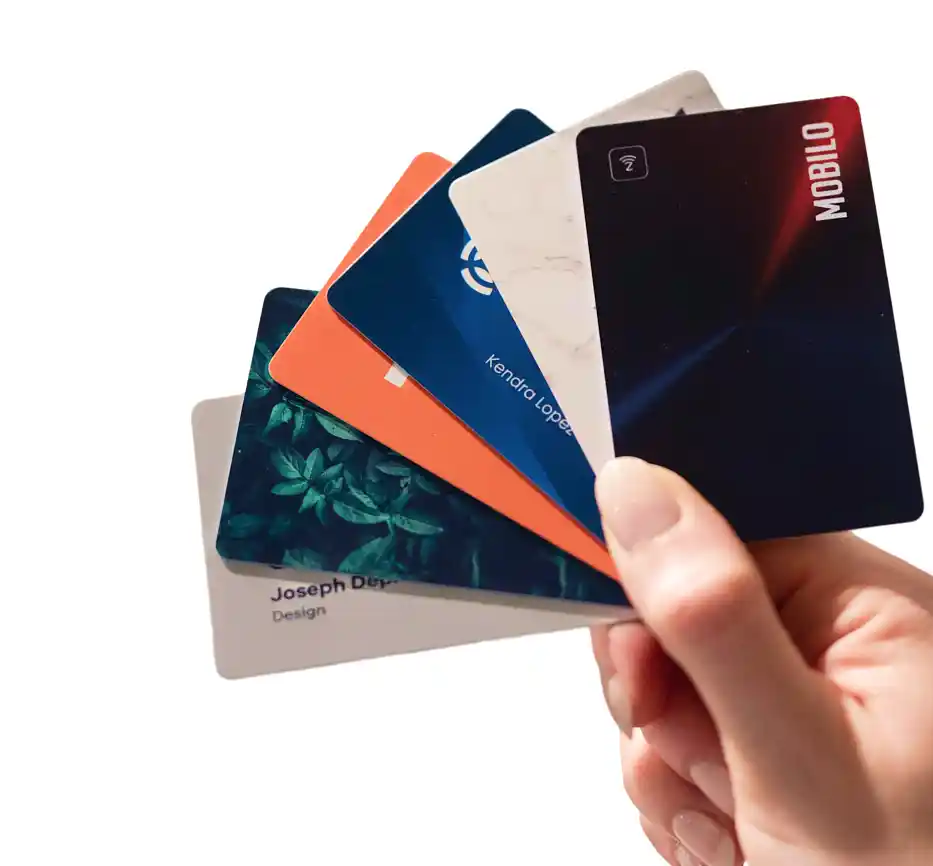
Because every Team-tier card, whether a Digital Wallet Card, a custom-designed NFC card, a Paper Plus card, or a Wood or Metal custom card, feeds the same analytics dashboard and CRM integration layer, the cost-per-qualified-lead, pipeline-influenced revenue, and conversion-rate-by-tier numbers your CFO requires are derived from live, attributed data rather than reconstructed from a CSV. That is the structural difference between a trade show budget that survives scrutiny and one that defaults to badge scan totals.
Related Reading
- Best Tech Conferences For Networking
- Best Networking Apps for Trade Show Attendees
- Best Finance Conferences For Networking
- Trade Show Booth Ideas For Small Budgets
- Virtual Conference Booth Ideas
- Networking Activity Ideas For Conferences
- What Are The Top Trade Show Lead Retrieval Tools
- Trade Show Follow Up Email Examples
- Conference Lead Capture Tools
- Trade Show Lead Capture App
Next steps
If your reps are returning from shows with badge scans that never reach the CRM inside the critical 48-hour window, the path forward starts with removing the manual step between conversation and record entirely. Pre-wiring CRM-synced card profiles and lead capture forms before the show opens means every booth conversation routes into a scored, sequenced workflow before a single rep arrives on the floor. Start with our digital business card.
The data-routing gap, not rep discipline, is what causes hot leads to go cold first. The most active booth conversations are the hardest to document in real time, so memory-based follow-up is structurally biased against your best contacts. Pair that with the compounding signal loss that starts the moment a contact sits outside the CRM, and every hour of delay is measurable pipeline damage. Together, those two dynamics point to one fix: a capture system where the tap itself is the CRM trigger, so the follow-up clock starts at the moment the conversation ends.
Start with a digital business card from Mobilo. Each NFC tap or QR scan writes a timestamped, rep-attributed CRM record with lead tier data attached, fires the right sequence automatically, and gives your manager real-time visibility into which reps are actively networking versus coasting.
Frequently Asked Questions
How do I build a target attendee list before the show?
Pull the registered attendee list the moment it becomes available and cross-reference it against your CRM and ideal customer profile criteria, filtering by title, company size, and industry segment. This step separates the accounts worth a personalized outreach sequence from the names worth only a broadcast email, and it prevents reps from spending pre-show effort on contacts who will never convert.
How long do I actually have to follow up before a trade show lead goes cold?
The critical follow-up window is 24 to 48 hours after the conversation ends, and response rates drop sharply after five days. Every hour a contact spends outside the CRM compounds signal loss, context fades from rep memory, personalized follow-up becomes impossible, and reps default to generic outreach that converts at a fraction of the rate a timely, contextual message would.
What's the best way to use gamification at a trade show booth without just attracting freebie hunters?
A live leaderboard tied to a product-relevant challenge can meaningfully extend average visitor engagement compared to passive display setups, but the known risk is attracting prize hunters with zero purchase intent. The fix is to gate the leaderboard behind a brief qualifying question to filter them out before they dilute your lead list.
Why do so many trade show leads never get followed up on at all?
Up to 27% of sales leads are never followed up on, and the cause is structural rather than rep laziness, badge scanners capture a contact identifier, not a CRM record, so someone still has to export the file, clean the data, match fields, and import it into a CRM, a task that's easy to defer indefinitely when reps return to a full call schedule on Monday morning. Removing the manual handoff step between conversation and record creation is the structural fix, not a training program.
How should I brief my booth staff before the show opens?
The post recommends briefing reps on a qualification script and tier-tagging logic the day before the show, with the sales manager owning that session. Open-front booth layouts also only perform when reps are briefed and positioned to actively work the space rather than standing behind a surface.