.avif)

33 What Is Trade Show Marketing Strategies and Tips
On This Page
Most teams execute two of the three phases, then fly home. Here is what the complete definition actually looks like, and where the pipeline leaks when you stop short.
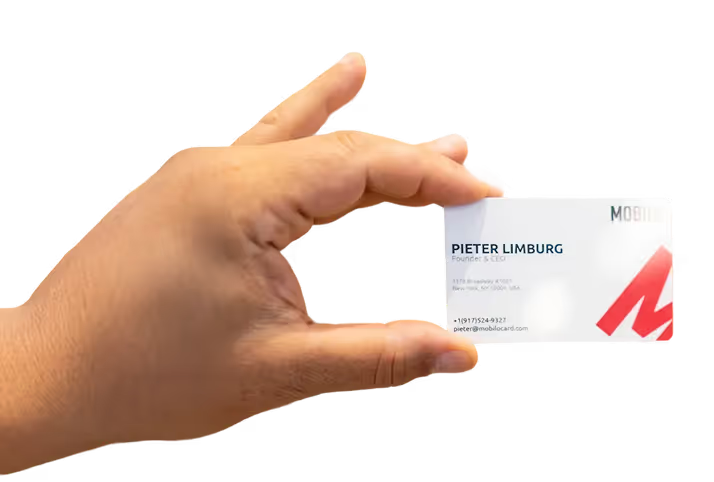
Most sales directors treat handing over a premium business card as a complete contact-exchange system. That framing costs real pipeline. Trade show marketing is a three-phase revenue operation, pre-show targeting, on-site engagement, and post-show lead conversion, and most teams execute only the first two before flying home, leaving the phase where leads either convert or disappear entirely to chance. See our digital business card for how this works in practice.
The operative word in trade show marketing is "end-to-end." The process begins weeks before the event and ends only when every captured contact has been routed, followed up, and tracked inside the CRM. Anything shorter than that is booth rental, not B2B event marketing. Tools like smart digital business cards exist precisely because the gap between phase two and phase three is where the money leaks, contacts stall in a rep's pocket, never reaching the CRM before the follow-up window closes.
Phase One and Two - Pre-Show Targeting and On-Site Engagement Pre-show work includes audience segmentation, outreach sequences, and meeting scheduling. On-site execution covers demos, contact exchange, and real-time lead qualification. These are the two phases most teams complete before flying home.
82% of trade show attendees hold purchasing decision-making power, which means the audience assembled on the show floor represents genuine pipeline opportunity, but only if the contacts captured during on-site engagement are handled correctly in what follows. Phase Three - Post-Show Lead Conversion Post-show is where conversations become pipeline records. It is not optional.
It is the phase that determines whether the first two phases generated revenue or just activity. 80% of trade show leads are never followed up after the event, and that second number represents the entire ROI gap in brand promotion at trade shows.
Most teams treat the third phase as optional. It is not.
80% of trade show leads never followed up
Key takeaways
- Trade show marketing is a three-phase revenue operation, pre-show targeting, floor execution, and post-show follow-up, and most teams abandon the third phase before the flight home lands.
- 90% of new contacts never enter the CRM after an event, not because the technology is missing but because the process breaks down in the 72 hours after the floor closes.
- Every attendee self-selected to be there, they registered, traveled, and paid, which makes trade show contacts structurally more qualified than almost any inbound digital lead.
- Cost per qualified lead is the only metric that tells you whether a show paid off, and it only becomes calculable when you define 'qualified' before the doors open.
- Booth size and giveaway budget rarely explain the gap between contacts made and pipeline created, the system that handles the handoff does.
- A two-way contact exchange that feeds directly into your CRM the moment someone taps or scans a Mobilo card is how teams close that gap, no manual entry, no lost badge scans, no contacts that die in a coat pocket.
Why Trade Show Marketing Matters - Especially for B2B Sales Teams
Every attendee who walks onto a trade show floor made a deliberate choice to be there. They registered, traveled, and paid to spend time inside a single vertical, surrounded by vendors, buyers, and peers who share the same problems. That self-selection is what makes trade shows structurally different from every digital channel in your mix, and why the stakes for executing well are higher than most sales teams realize.
Attendees Self-Select into a Buying Context
Trade show marketing matters because the audience arrives pre-qualified. Industry research shows 77% of business decision-makers find at least one new supplier at trade shows they attend, which means the floor is already populated with active buyers, not passive browsers. Across the market, trade show leads convert at meaningfully higher rates than digital marketing leads, because intent was baked in before the first conversation started.
Face-to-Face Interaction Builds Trust No Digital Channel Can Match
Face-to-face interaction at trade shows strengthens trust and rapport in ways that digital touchpoints struggle to match at scale. A video call communicates information. A conversation at a booth communicates character, competence, and fit, all inside three minutes. For B2B trade show ROI, that trust premium matters: research into the trade show lead-to-digital-order journey reinforces that in-person events accelerate deal velocity compared to purely digital touchpoints, particularly in complex B2B sales cycles where buyers need to feel confident in a supplier before committing.
One Floor, One Vertical, Every Decision-Maker
Every competitor, potential channel partner, and target account is in the same building. A single day of qualified lead generation on the floor can outperform weeks of outbound sequencing, because the access that normally requires six emails and three voicemails is available at the next booth.
Where Most Sales Teams Leave Money on the Table
Most sales directors think that having every rep carry a stack of premium branded business cards is a professional, complete contact-exchange system for trade shows, the card gets handed over, the job is done. The real cost is larger than it appears: industry surveys indicate 90% of new contacts never enter the CRM after events, because manual entry creates friction that reps deprioritize the moment they leave the floor. The teams we work with at Mobilo consistently run into three compounding problems: reps use different card designs so the brand presentation is inconsistent booth-to-booth, contact details captured on paper get lost or mis-keyed before Monday morning, and there is no way for a team admin to see which reps are generating conversations and which are not.
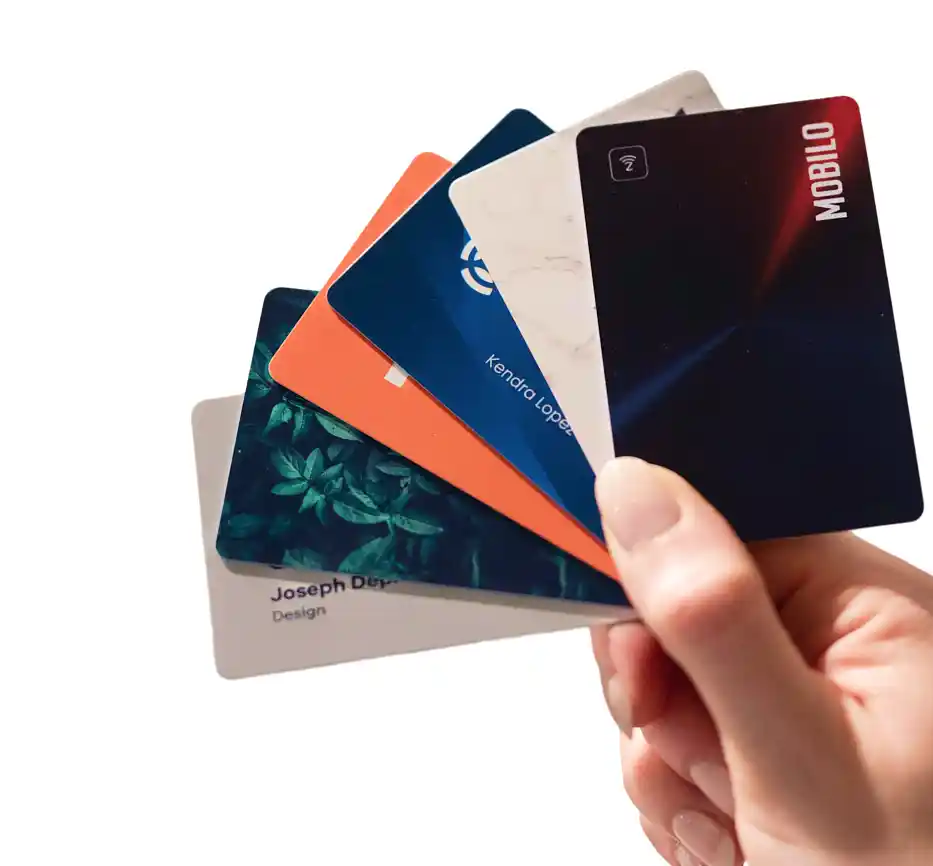
Mobilo's Teams plan ($4/month per member, billed annually), the platform's most popular tier, is purpose-built to close that gap without requiring IT involvement. A team admin or individual buyer can set up and deploy digital business cards across an entire sales team quickly and without IT headaches, pushing consistent branding to every card holder from a single dashboard. The Team, Custom Design Card ships as a custom-designed NFC card with QR code; the team admin retains the ability to control, lock, and override data fields at any time, so a rep can never accidentally present outdated contact information or an off-brand profile.
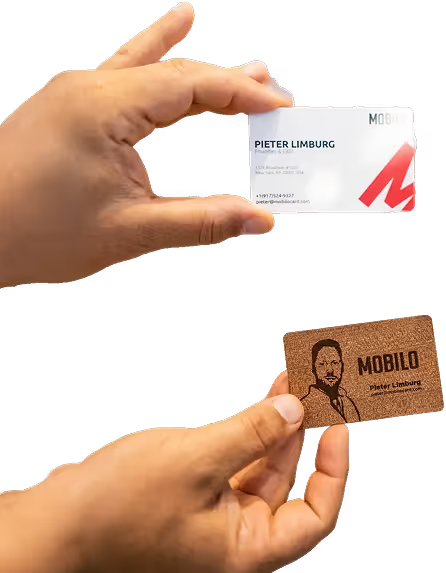
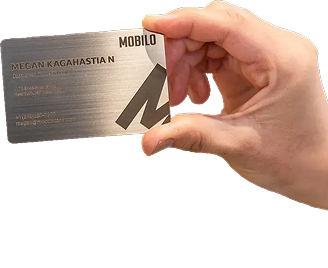
For teams that want premium materials, the same team management and data-field-control features extend to the Team, Wood Custom Design Card and Team, Metal Custom Design Card options. Every card format in the Teams tier supports unlimited taps and scans, unlimited team members, central billing, lead enrichment, brandable QR codes, custom lead capture forms, the paper business card scanner, and 6,000 integrations through Zapier, so leads flow directly into the tools your team already uses the moment a tap happens on the floor, not when someone finds time to type.
The result is that the trust built in a three-minute booth conversation is captured, enriched, and routed automatically, rather than living on a dog-eared card at the bottom of a jacket pocket.
90% of new contacts never enter CRM
Related Reading
- Etiquette For Networking In Online Conferences
- Measuring Event Roi
- Trade Show Sales Tips
- How Do You Find The Roi Of A Trade Show
- Trade Show Sales Funnel
- Trade Show Follow Up Best Practices
- Event Lead Management
- B2b Trade Show Best Practices
- Conference Lead Generation
- B2b Trade Show Marketing
- Trade Show Lead Follow Up
33 Trade Show Marketing Strategies and Tips - Pre-Show, At-Show, Post-Show, and ROI
That 60 percent of trade show leads never reach a CRM is not a technology failure, it is a process failure, and it plays out in the same 72-hour window after every floor closes. Booth quality rarely explains the gap. What explains it is everything that surrounds the booth: the preparation that happens weeks before the doors open and the follow-through that happens before the flight home lands.
The teams that consistently convert shows into pipeline have internalized this. For them, the booth is the middle of the operation, not the point of it. This playbook structures all 33 strategies across the three phases where ROI is actually won or lost: the weeks before the doors open, the conversations happening on the floor, and the critical window after the show ends.
A Sales Director who hands this to their team before the next event will have a checklist that covers every lever, not just the ones that show up in the event brief.
Brief Your Entire Team on Qualification Criteria
Every rep working the booth should be able to answer the same question the same way: what makes someone worth a follow-up call next week versus a nurture sequence? Define the qualification criteria in writing before the show, not during it. The criteria should map to your CRM fields so that every captured contact arrives with a consistent scoring signal, not a collection of personal judgment calls.
1. Define Clear Objectives Before You Book the Booth
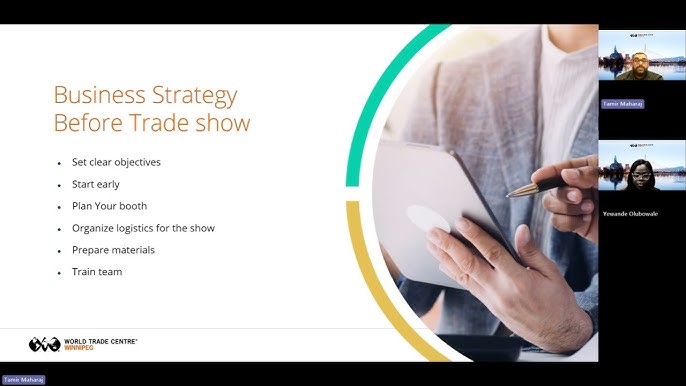
Trade show marketing without defined goals is expensive guesswork. Before committing budget, establish whether you're chasing brand awareness, qualified leads, product launches, or competitive intelligence. Teams that set measurable KPIs, number of demos, cost per lead, pipeline value, before the show consistently outperform those who define success after the fact. The tradeoff: rigid goals can blind you to unexpected opportunities that emerge on the floor.
2. Choose the Right Show for Your Ideal Customer Profile
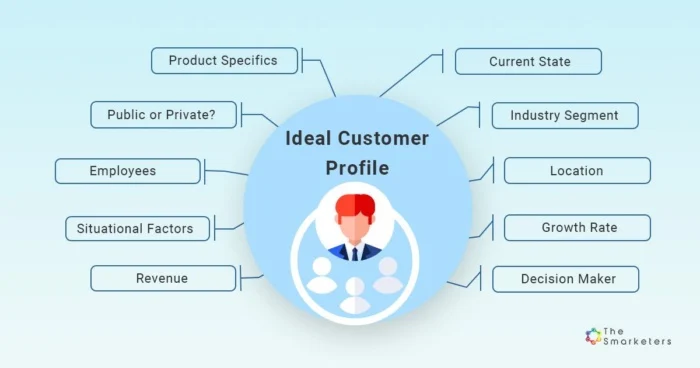
Not every industry event deserves your exhibit budget. Evaluate shows by attendee demographics, past exhibitor ROI data, and whether your ICP actually walks the floor or just sends junior staff. Niche vertical shows often outperform massive horizontal expos for B2B companies with a defined buyer persona. The real tradeoff is that smaller shows offer better lead quality but less raw volume, which can frustrate sales teams chasing quantity metrics.
3. Build a Pre-Show Email Campaign to Prime Your Pipeline
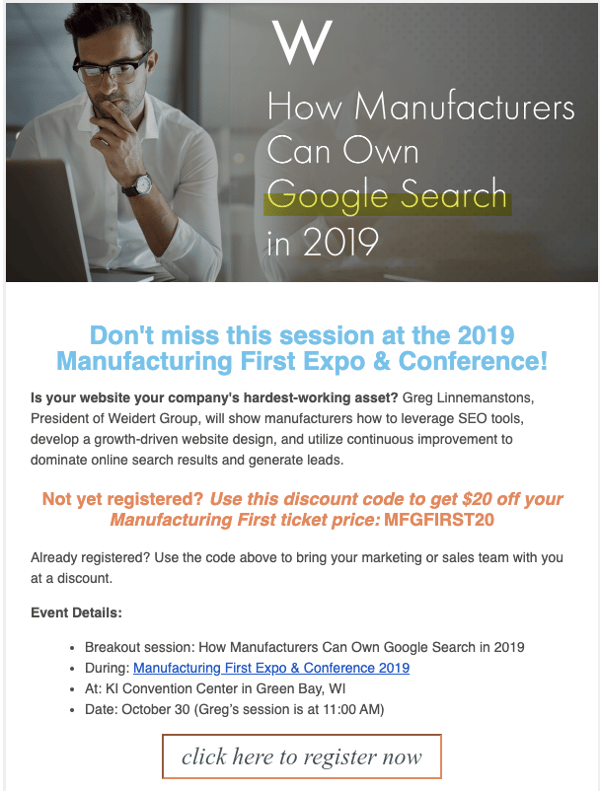
Reaching out to existing prospects and customers 4–6 weeks before the show dramatically increases booth traffic from high-value contacts. A sequenced email campaign, teasing a product reveal, offering exclusive meeting slots, or promoting a show-only incentive, converts passive attendees into scheduled appointments. The limitation is list quality: if your CRM is outdated or segmentation is poor, you'll burn send reputation on irrelevant contacts who won't attend.
4. Activate the Official Show Hashtag on Social Media Early
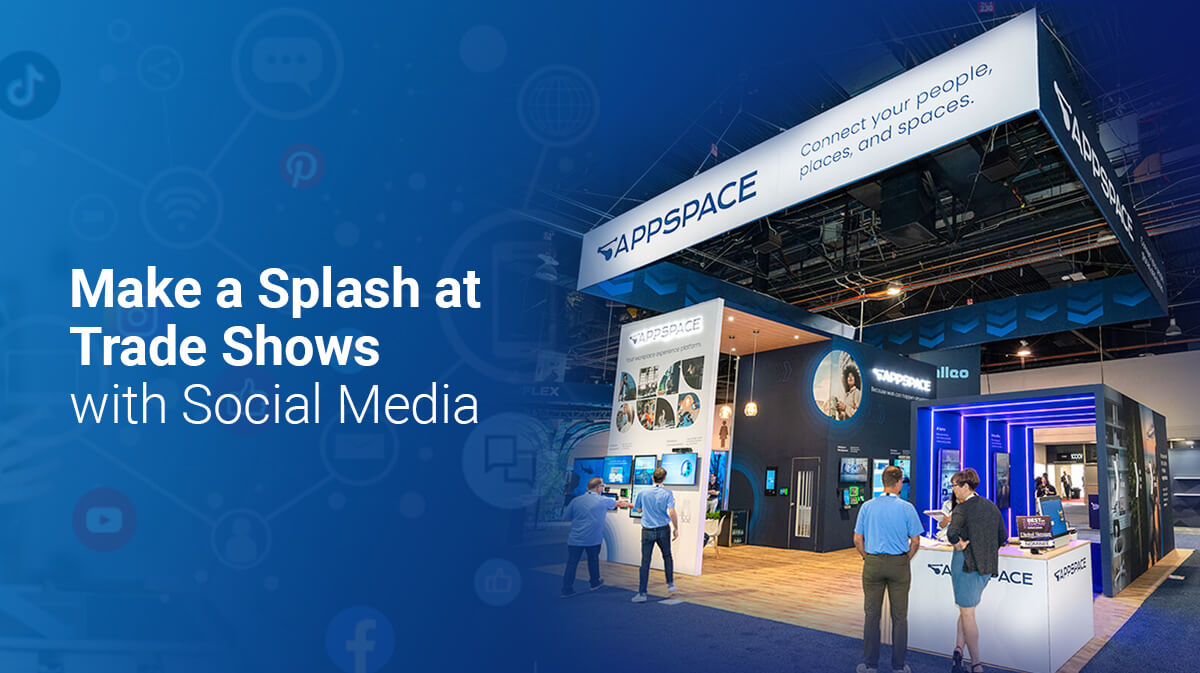
Monitoring and posting under the event's official hashtag weeks before the show positions your brand inside the conversation before competitors arrive. LinkedIn and X (Twitter) are the highest-signal channels for B2B trade show audiences. Early hashtag activity builds algorithmic momentum so your content surfaces when attendee interest peaks. The tradeoff: organic reach alone rarely drives booth traffic, paid amplification is usually required to move the needle meaningfully.
5. Create a Dedicated Show Landing Page with a Meeting Scheduler
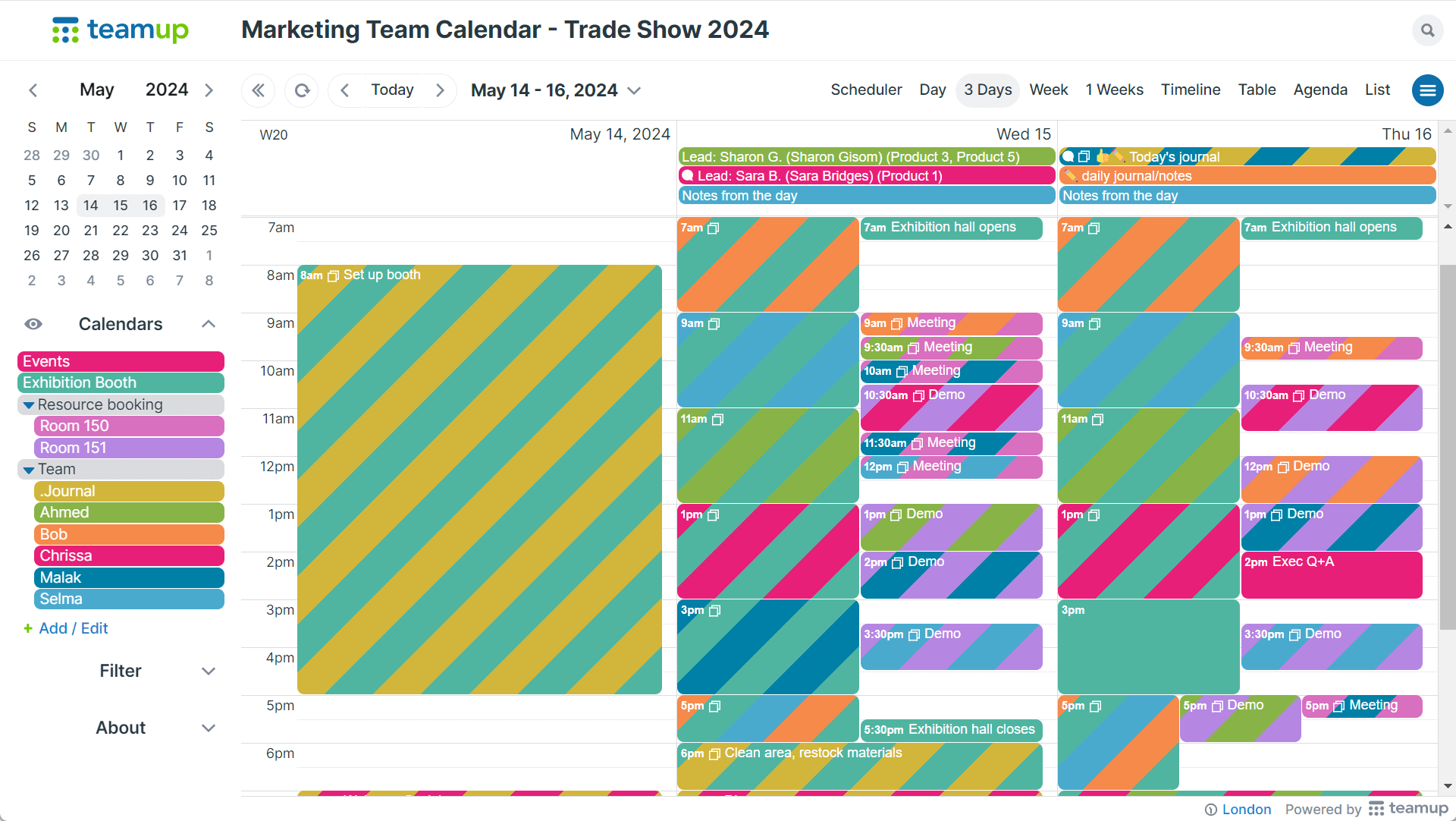
A purpose-built landing page, separate from your main site, gives pre-show outreach a conversion destination. Include your booth number, a Calendly or HubSpot meeting link, a teaser of what you're showcasing, and a clear CTA. This page also serves as a trackable UTM destination for all pre-show campaigns. The limitation is build time: teams without a dedicated web resource often skip this step and lose attribution data for every pre-show touchpoint.
6. Train Your Booth Staff on Qualification Scripts Before Day One
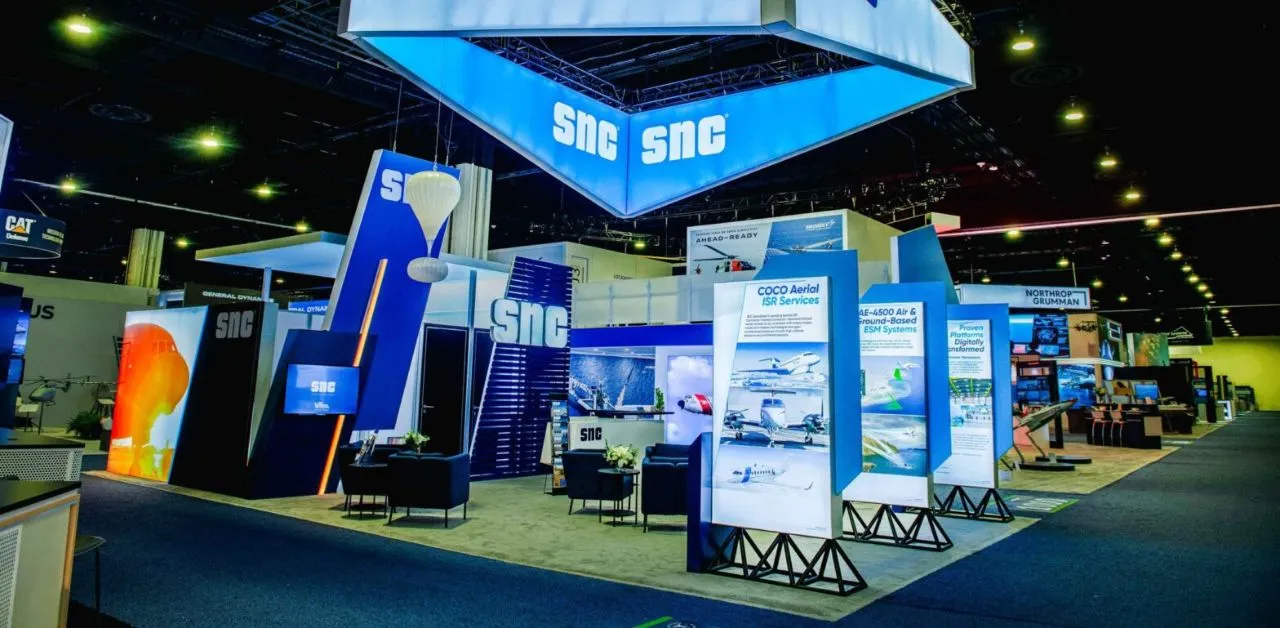
The most expensive mistake at trade shows is staffing a booth with people who can't quickly separate buyers from browsers. A tight qualification script, covering budget authority, timeline, and pain point in under 90 seconds, ensures every conversation is worth the floor time. Role-playing sessions before the show dramatically improve staff confidence and consistency. The tradeoff: overly scripted staff can feel robotic, which kills the authentic rapport that trade shows uniquely enable.
7. Design Your Booth Around a Single, Unmissable Visual Hook
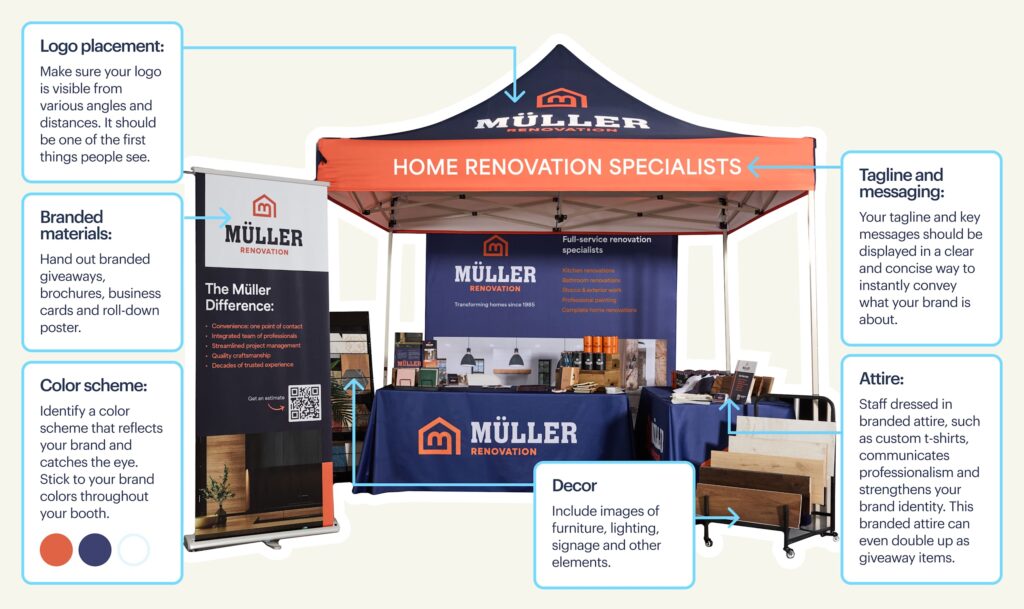
Attendees make booth approach decisions in under three seconds from the aisle. A single dominant visual element, an oversized product replica, a bold typographic statement, or a dramatic lighting installation, outperforms cluttered multi-message displays every time. This principle applies whether you're in a 10x10 inline or a 40x40 island. The tradeoff: a strong visual hook requires creative investment and longer lead times, which conflicts with the last-minute planning common at resource-constrained companies.
8. Use Interactive AR or VR Demos to Stop Foot Traffic Cold
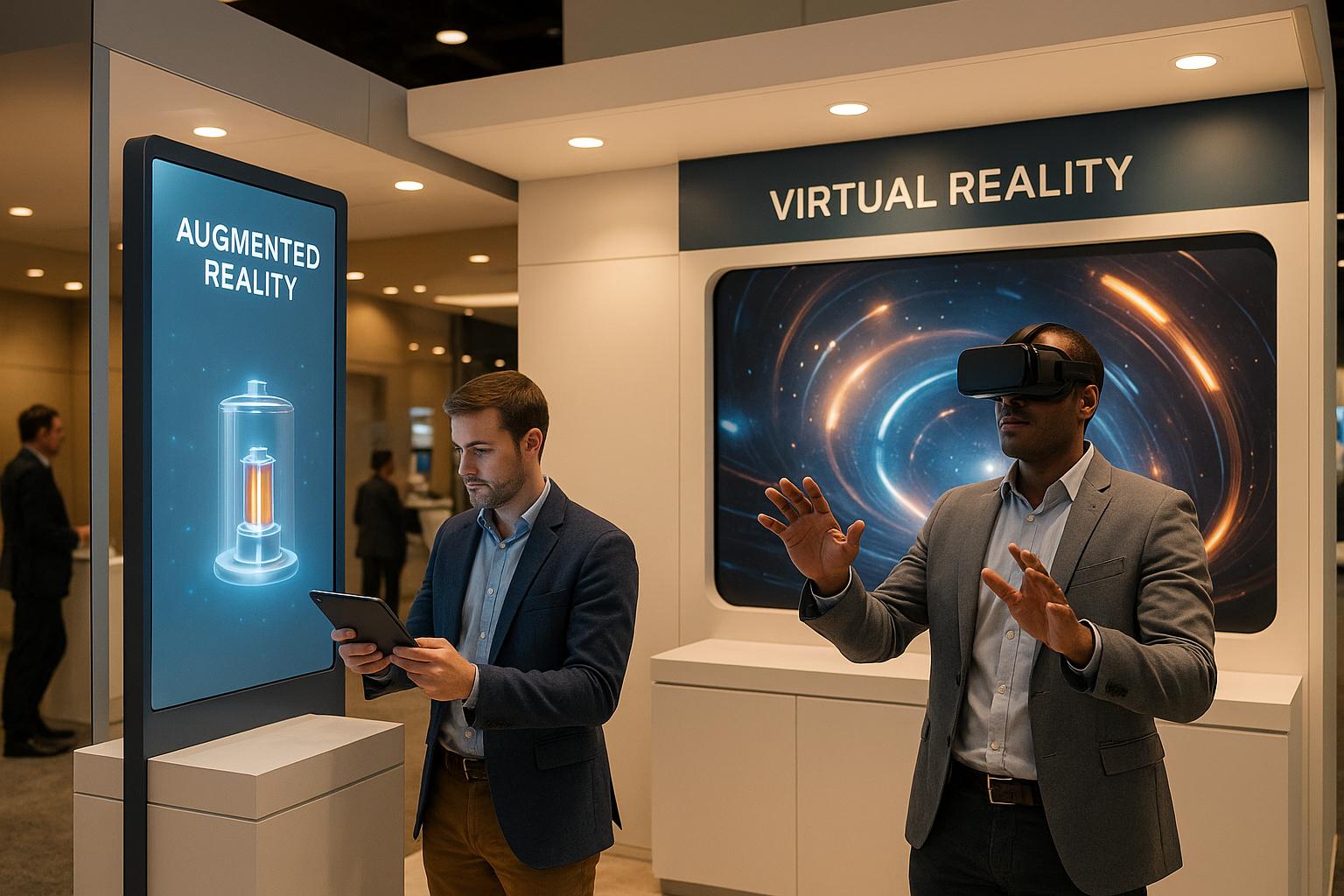
Augmented and virtual reality experiences create a physical reason to stop, engage, and share, turning passive passersby into active participants. For complex products that are hard to ship or demonstrate physically, AR overlays and VR walkthroughs communicate value faster than any brochure. The technology also generates organic social content as attendees photograph and post their experiences. The real limitation is cost and setup complexity, which makes this strategy most viable for companies with $50K+ exhibit budgets.
9. Run Live Product Demonstrations on a Scheduled Timetable
Scheduled demos, announced on a visible board and promoted via the show app, create appointment-driven traffic rather than relying on passive walk-ins. A 10-minute live demonstration with a clear problem-solution narrative consistently outperforms static displays for generating qualified pipeline. Scheduling also allows staff rotation and energy management across multi-day shows. The tradeoff: if your demo breaks or the presenter is unavailable, a published schedule creates visible failure in front of your target audience.
10. Incorporate a Gamification Element to Extend Dwell Time
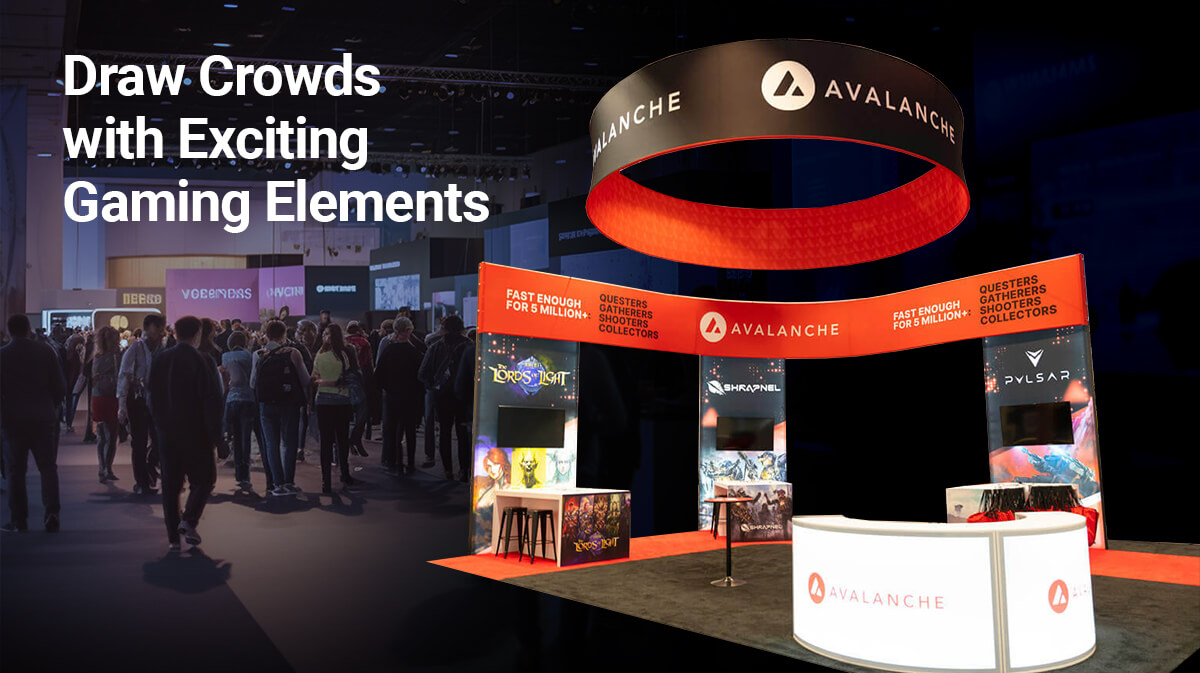
Spin-to-win wheels, trivia challenges, digital leaderboards, and scavenger hunts measurably increase the average time prospects spend in your booth, and longer dwell time correlates directly with higher lead quality. Gamification also creates a natural conversation opener for staff. The critical limitation is prize design: low-value giveaways attract badge-scanners with no purchase intent, while high-value prizes attract everyone, diluting lead quality. Tie game entry to a qualifying question to filter signal from noise.
11. Deploy a Digital Lead Capture Tool with Offline Functionality
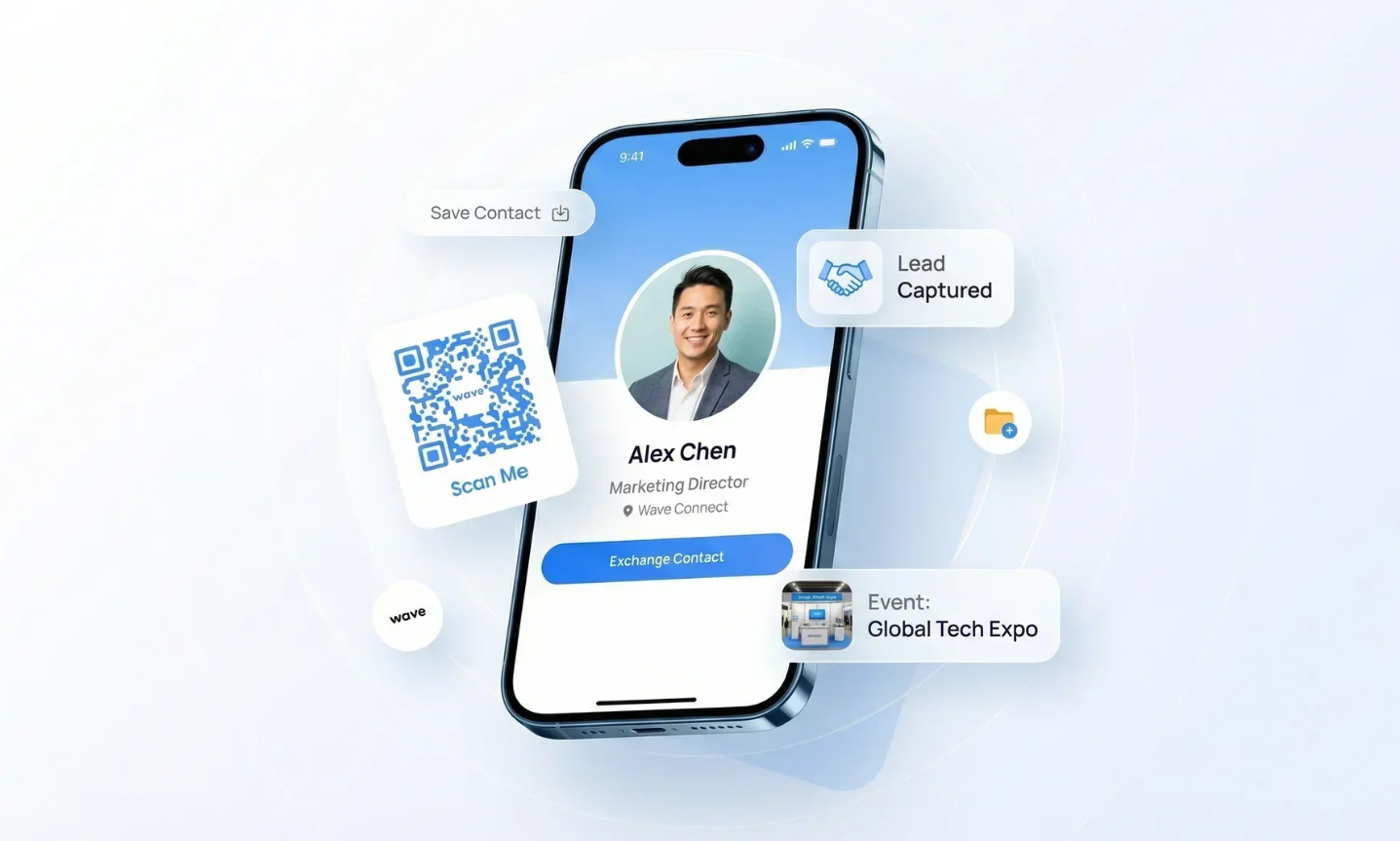
Trade show Wi-Fi is notoriously unreliable, making offline-capable lead capture a non-negotiable for serious exhibitors. Tools that store badge scans, notes, and qualification data locally, then sync to CRM when connectivity returns, prevent data loss during peak floor hours. The ability to add custom qualification fields, urgency scores, and next-step notes at the point of conversation is what separates useful lead data from a raw contact list. The tradeoff: these tools require pre-show setup and staff training to deliver their full value.
12. Assign Lead Tiers in Real Time Using a Scoring Framework
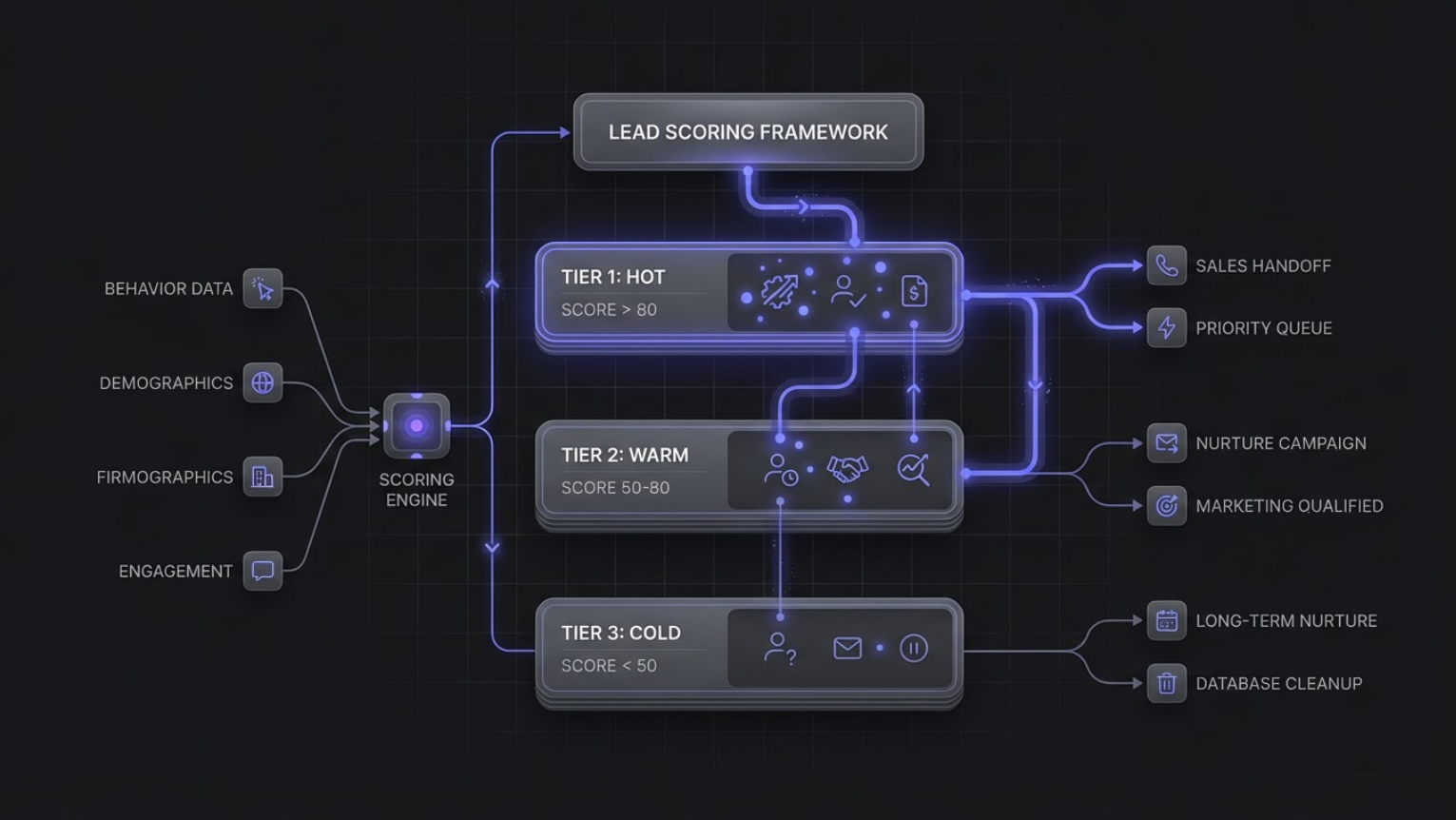
Not all booth visitors deserve the same follow-up urgency. A simple A/B/C or hot/warm/cold scoring system, applied at the moment of conversation, allows sales to prioritize outreach the moment the show ends. Scoring criteria should include budget authority, timeline, and specific product interest captured during the conversation. The limitation is consistency: without a shared scoring rubric, different staff members apply different standards, making the tier data unreliable across a multi-person team.
13. Sync Badge Scan Data Directly to Your CRM Within 24 Hours
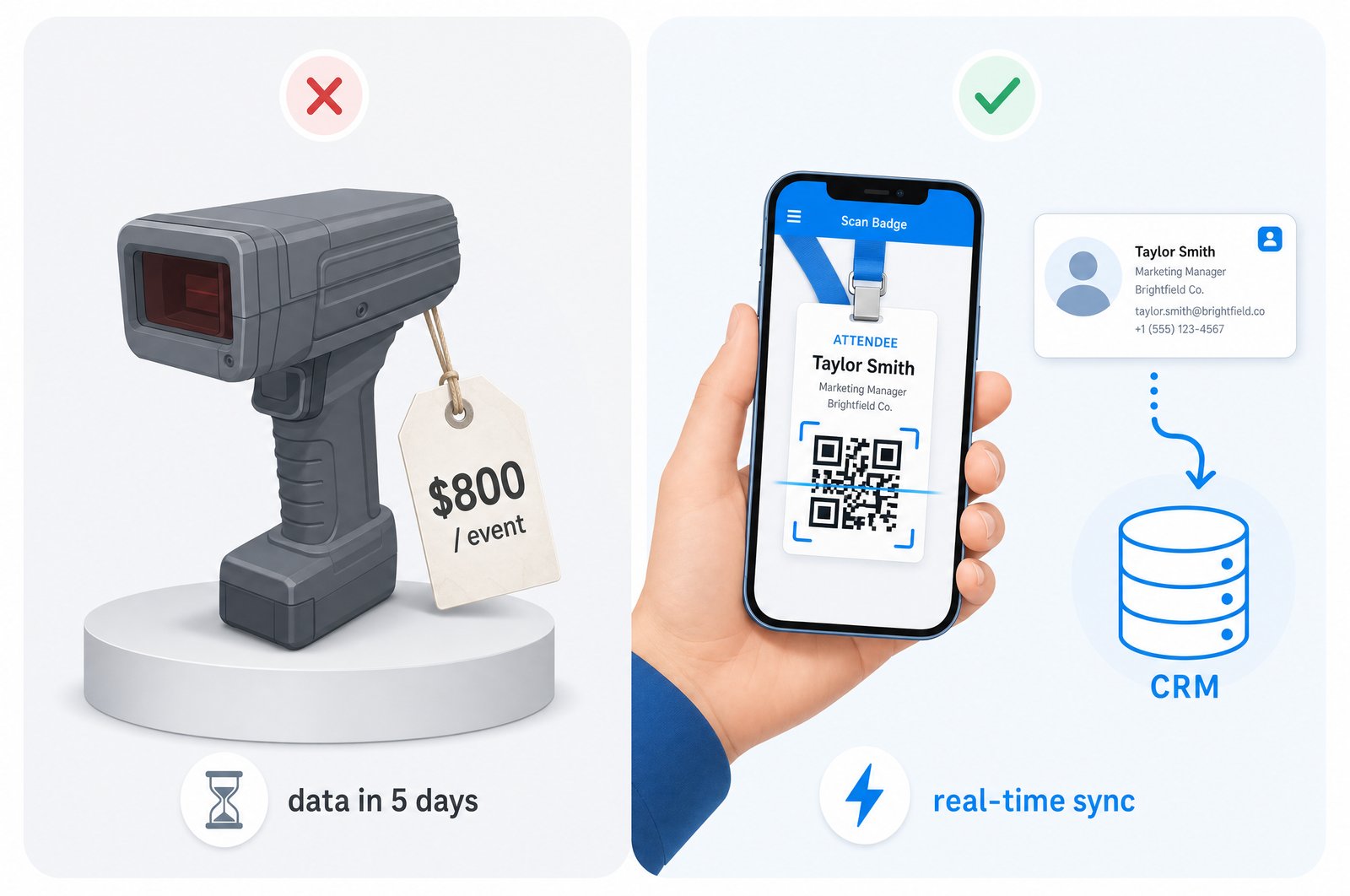
The window for post-show follow-up closes fast, research consistently shows response rates drop sharply after 48 hours. Direct CRM integration that pushes structured event data, including lead source, rep owner, qualification notes, and interest tags, eliminates the manual CSV-cleaning bottleneck that delays most post-show sales motions. HubSpot and Salesforce integrations are table stakes for enterprise exhibitors. The tradeoff: poor field mapping between the lead capture tool and CRM creates dirty data that's worse than no data.
14. Use the Show's Mobile App to Schedule Meetings with Attendees
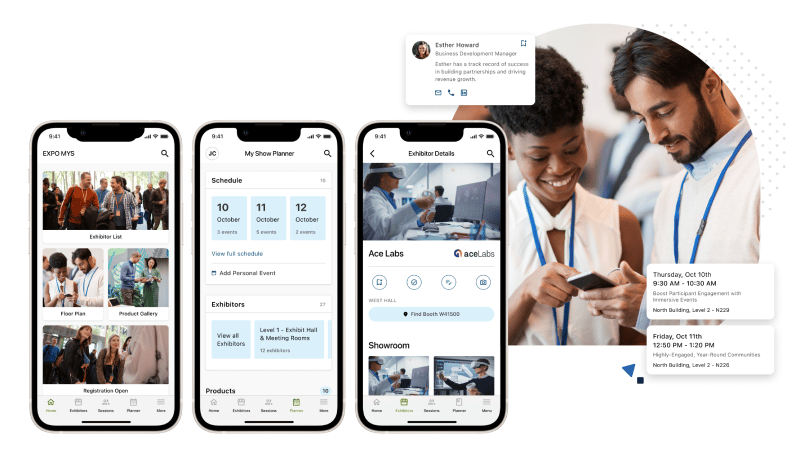
Most major trade shows now offer official mobile apps with attendee directories and in-app messaging. Proactively reaching out to registered attendees through the app, especially those who match your ICP, can fill your meeting calendar before the show opens. This channel is underutilized by most exhibitors, creating a low-competition outreach opportunity. The limitation is that app adoption varies widely by show and audience demographic, making this strategy unreliable as a standalone pre-show tactic.
15. Offer an Exclusive Show-Only Promotion to Drive Booth Urgency
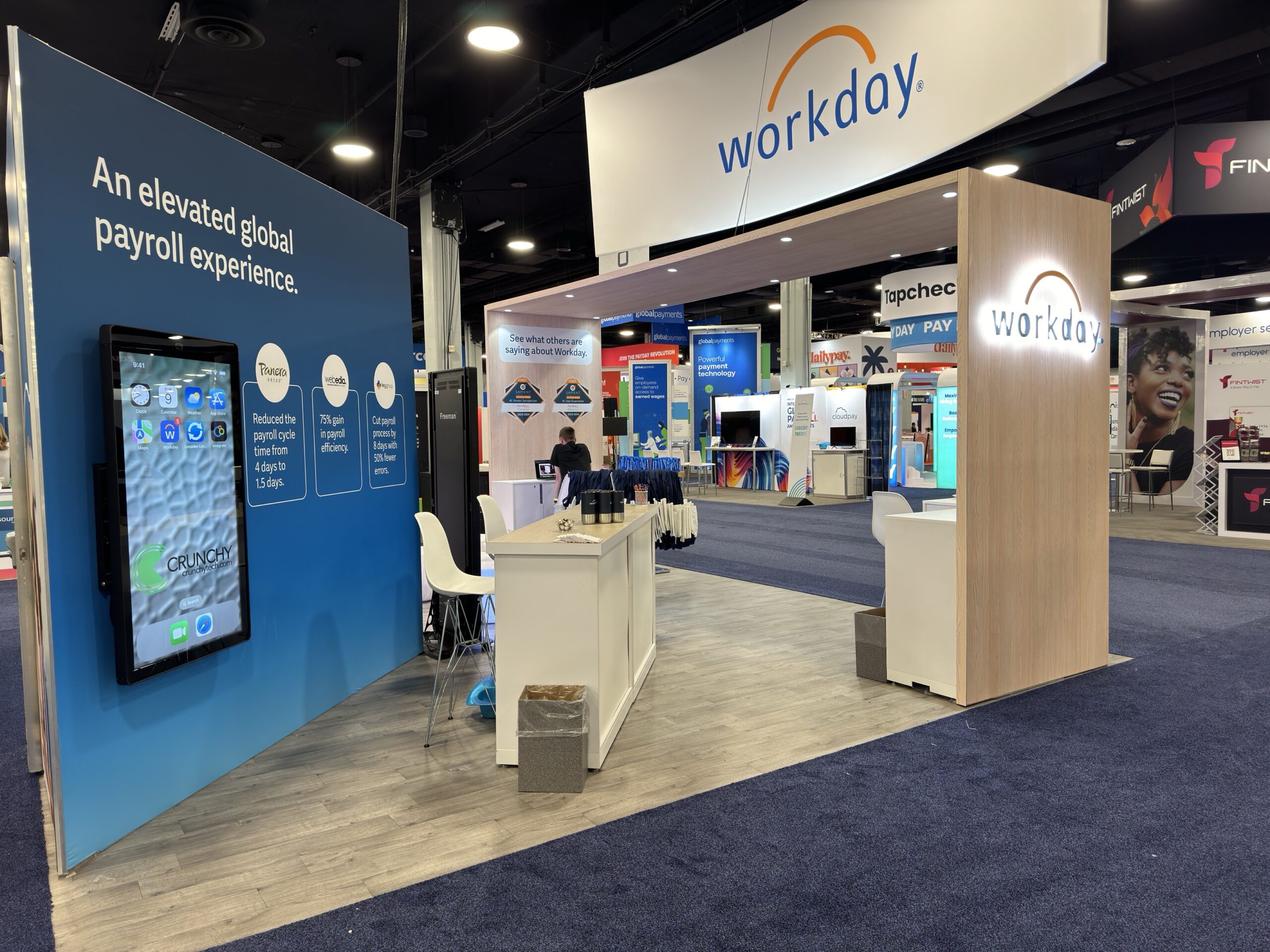
A time-limited offer, available only to visitors who stop by the booth during show hours, creates genuine urgency that generic marketing cannot replicate. Whether it's a discounted pilot, an extended trial, or bundled onboarding, the exclusivity of a show-floor deal accelerates decision-making for prospects already in evaluation mode. The tradeoff: show-only pricing can create channel conflict or set awkward precedents with prospects who learn about the deal after the show ends.
16. Livestream Booth Demos to Extend Reach Beyond the Show Floor
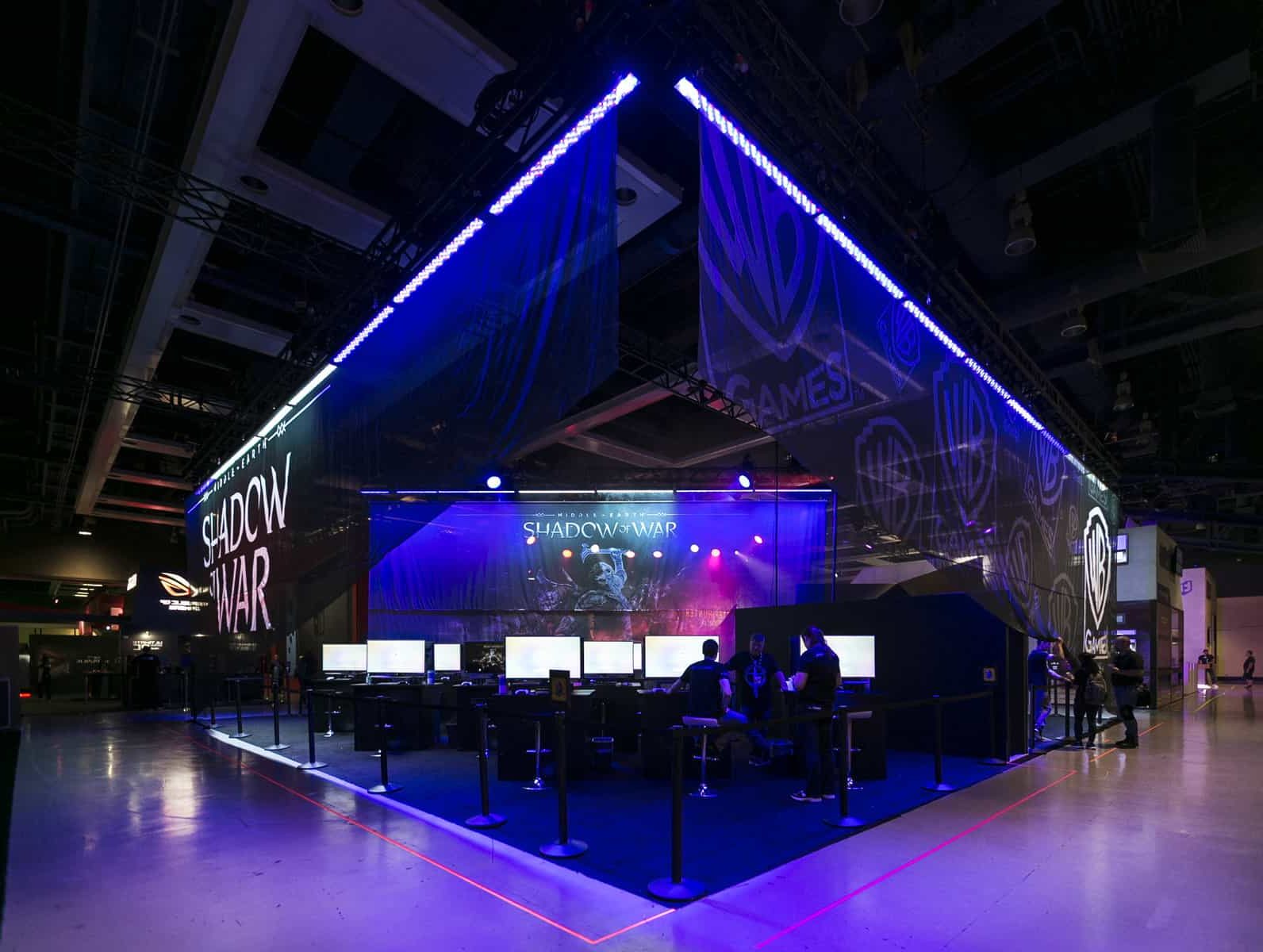
LinkedIn Live, Instagram Live, and YouTube streams allow companies to broadcast product demonstrations, keynote reactions, and booth tours to audiences who couldn't attend in person. This multiplies the reach of your show investment without proportional cost increase. Livestreams also generate replay content that can be repurposed for post-show nurture sequences. The real limitation is production quality: a shaky phone stream in a noisy convention hall can damage brand perception more than no stream at all.
17. Post Real-Time Show Floor Content Across LinkedIn and Instagram
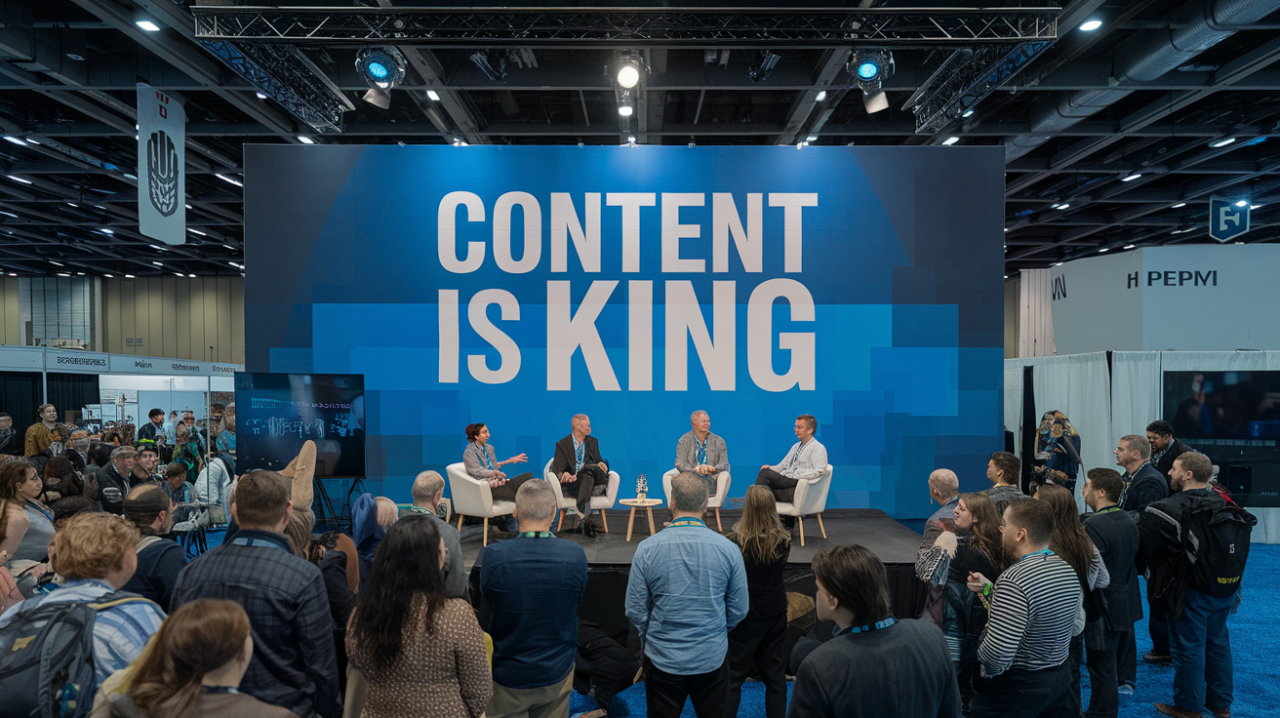
Behind-the-scenes setup content, candid team photos, attendee reaction clips, and product teasers posted during the show keep your brand visible to the broader industry audience watching from home. LinkedIn performs best for B2B audiences during business hours; Instagram Stories work well for visual product categories. Consistency matters more than polish, three authentic posts per day outperform one over-produced piece. The tradeoff is staff bandwidth: someone must own social content creation while others run the booth.
18. Collect Attendee Feedback via On-Site Survey Kiosks or Tablets
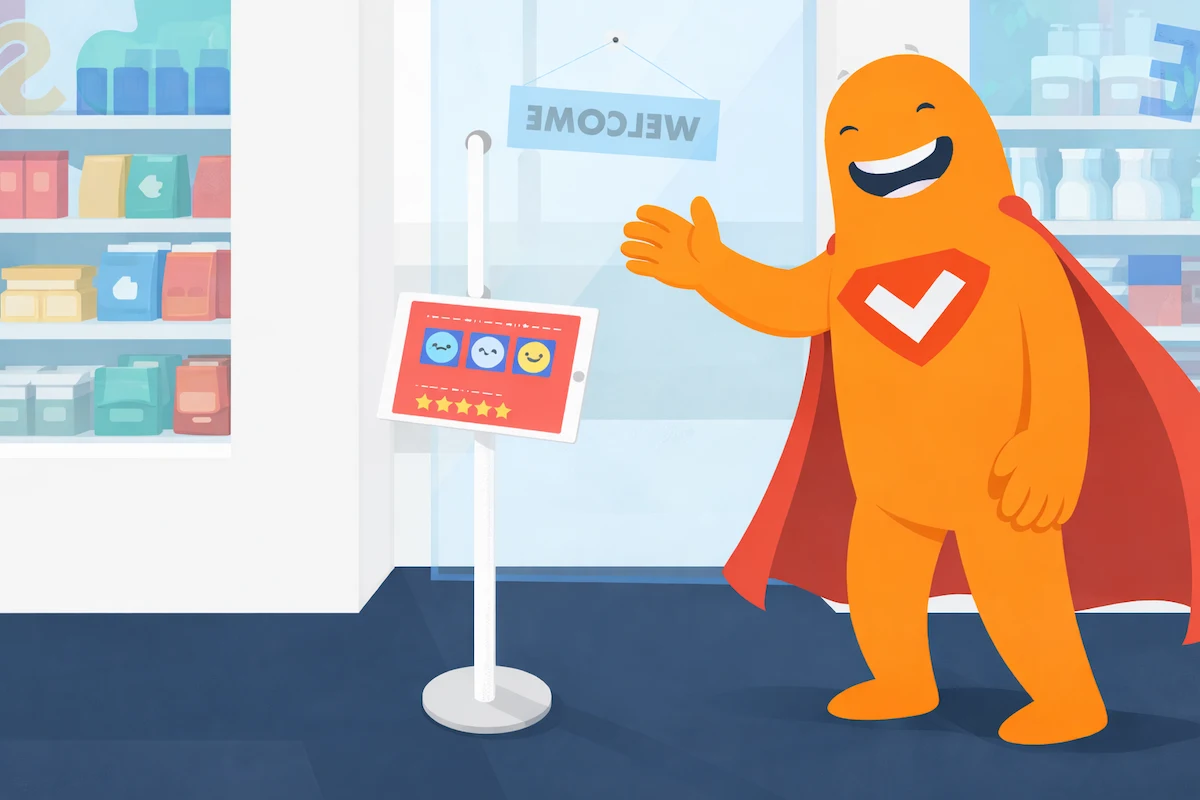
Deploying a tablet-based survey at the booth, asking visitors to rate their experience, identify their top pain points, or indicate purchase timeline, generates both lead qualification data and product intelligence simultaneously. Survey responses can auto-trigger CRM records and segment contacts into nurture tracks before the show ends. The limitation is completion rate: surveys longer than three questions see sharp drop-off, so ruthless brevity is required to make the data statistically useful.
19. Partner with a Complementary Exhibitor for a Co-Branded Activation
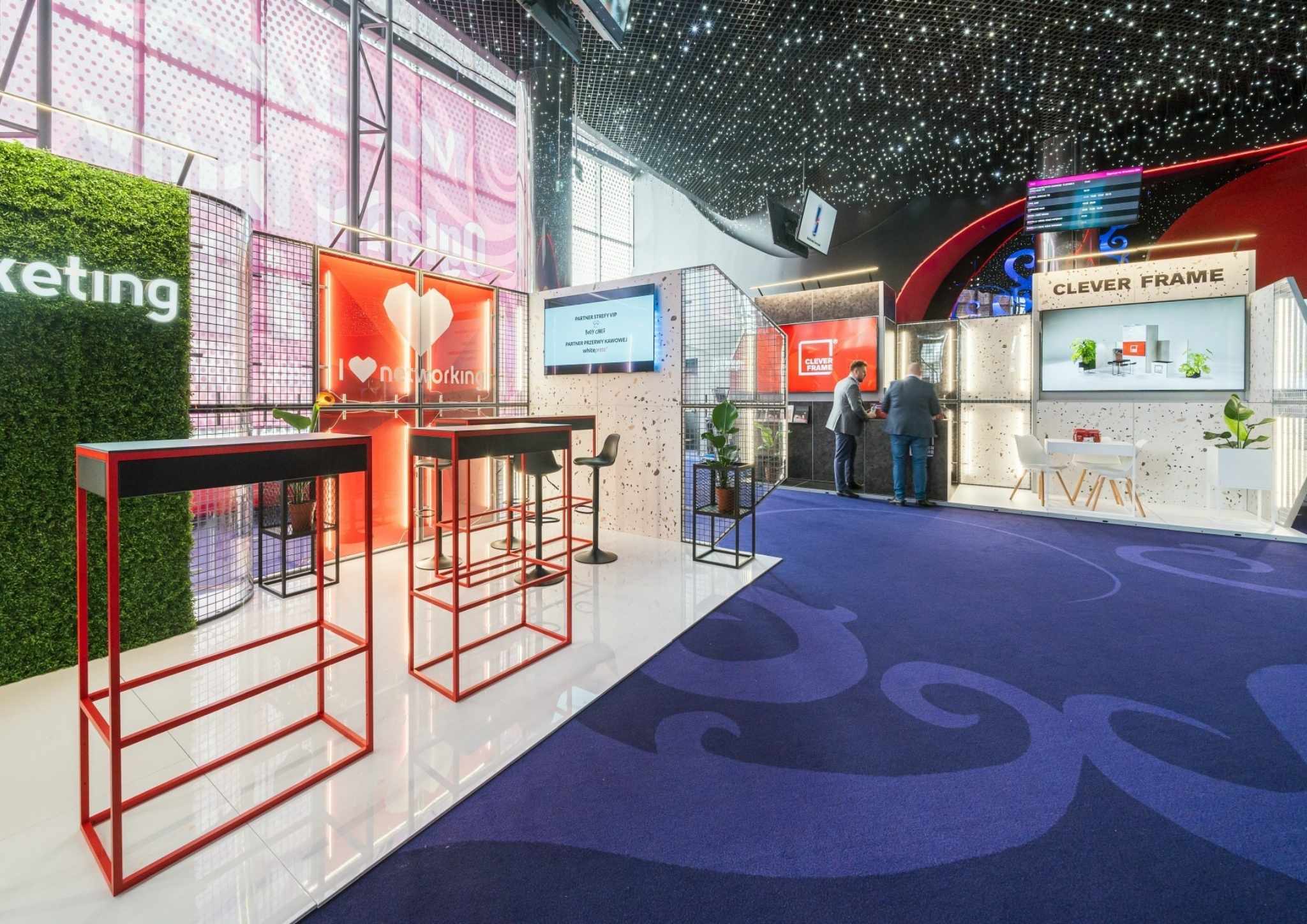
Teaming with a non-competing brand that shares your ICP, to co-host a demo, a happy hour, or a joint giveaway, doubles your booth's reach while splitting activation costs. Co-branded activations also signal ecosystem credibility to buyers evaluating integrated solutions. This strategy works especially well in technology and manufacturing verticals where buyers expect vendor partnerships. The tradeoff is coordination complexity: misaligned brand positioning or unequal effort contribution can create friction that undermines the partnership's value.
20. Host a Private VIP Event or Dinner Adjacent to the Show

An invitation-only dinner, rooftop reception, or private breakfast for top-tier prospects and existing customers creates relationship depth that no booth conversation can match. These events are most effective when held the evening before the show opens, when attendees are fresh and schedules are clear. The format also allows executive-to-executive conversations that accelerate enterprise deals. The tradeoff is cost, a quality VIP event for 30 people can easily exceed the cost of the booth itself, requiring careful guest list curation to justify the spend.
21. Use Retargeting Ads to Re-Engage Show Attendees Post-Event
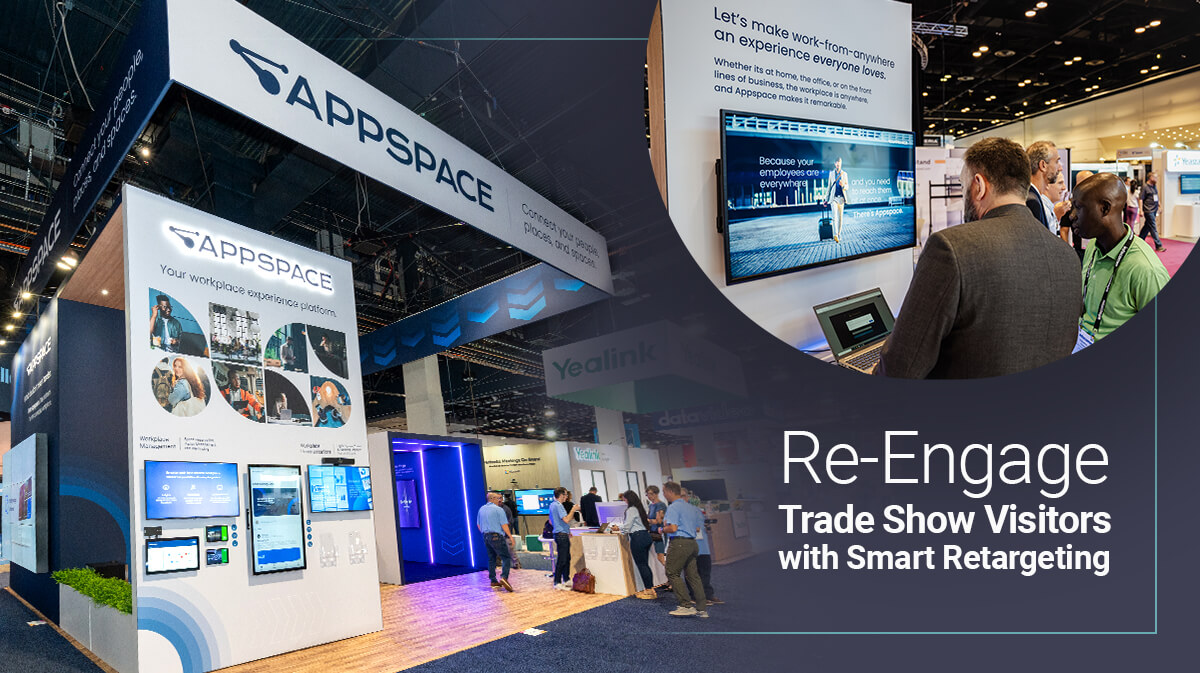
Uploading your post-show lead list as a custom audience on LinkedIn, Meta, and Google enables precision retargeting of every contact who visited your booth, reinforcing your message during the critical post-show evaluation window. Retargeting ads that reference the show by name ('Great meeting you at [Show Name]') achieve significantly higher CTRs than generic campaigns. The limitation is list size: shows with fewer than 500 booth visitors may not meet minimum audience thresholds for effective retargeting on most platforms.
22. Send a Personalized Follow-Up Email Within 48 Hours of the Show
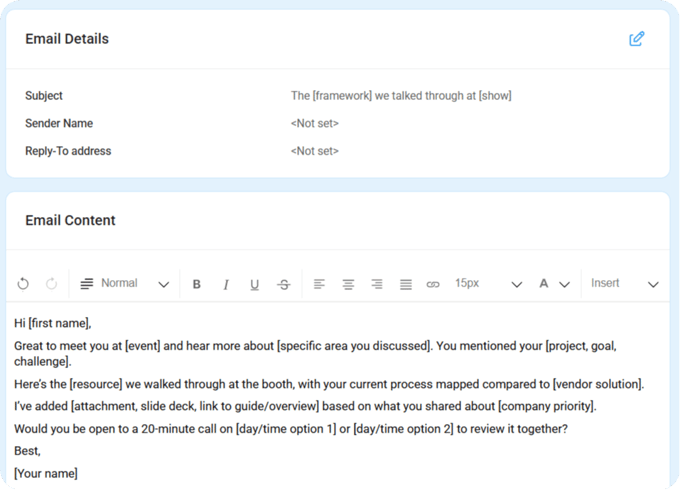
Speed and personalization are the two variables that most determine post-show email conversion rates. A follow-up that references the specific conversation, product interest, or pain point discussed on the floor, sent within 48 hours, dramatically outperforms a generic 'great meeting you' blast. Segmenting by lead tier (hot/warm/cold) and sending tier-specific messaging further improves results. The tradeoff: personalization at scale requires either excellent note-taking during the show or a lead capture tool that records conversation context automatically.
23. Create a Post-Show Content Recap to Nurture Non-Booth Visitors
A post-show blog post, LinkedIn article, or video recap, summarizing key announcements, product demos, and industry insights from the event, extends your show investment to the broader market that didn't attend. This content also serves as a nurture asset for leads who visited the booth but aren't yet sales-ready. Distributing the recap to your full email list with a 'here's what you missed' subject line consistently generates re-engagement from dormant contacts. The tradeoff is production time, which competes with the urgency of direct lead follow-up.
24. Measure Cost Per Qualified Lead as Your Primary ROI Metric
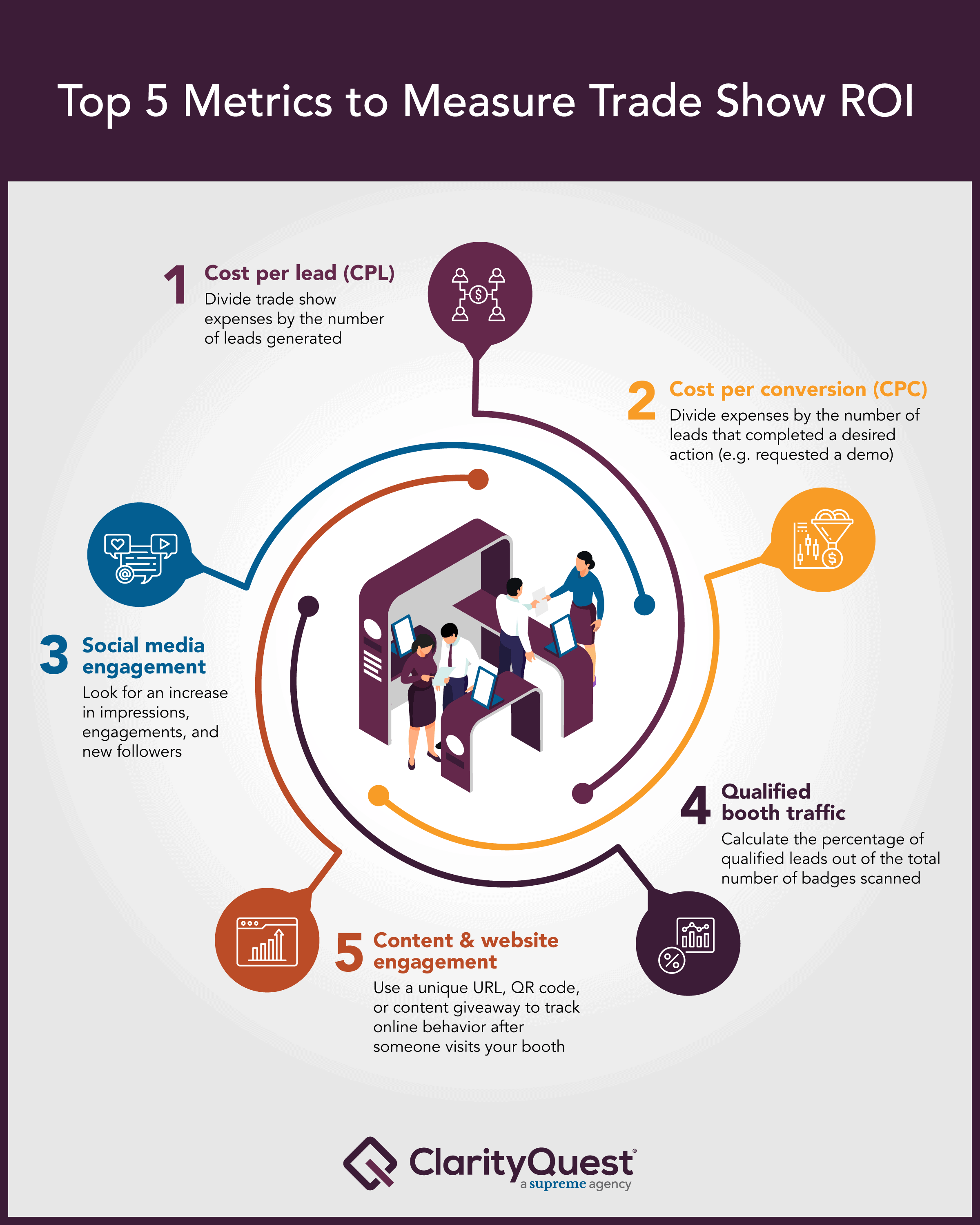
Total leads collected is a vanity metric. Cost per qualified lead, calculated by dividing total show spend (booth, travel, staff, materials, activations) by the number of leads that meet your ICP criteria, is the number that actually predicts pipeline impact. Teams that track this metric across multiple shows can make data-driven decisions about which events to continue, scale, or cut. The limitation is that 'qualified' must be defined consistently before the show, not retroactively, to make the comparison valid.
25. Track Pipeline Influenced and Revenue Closed Back to Show Source
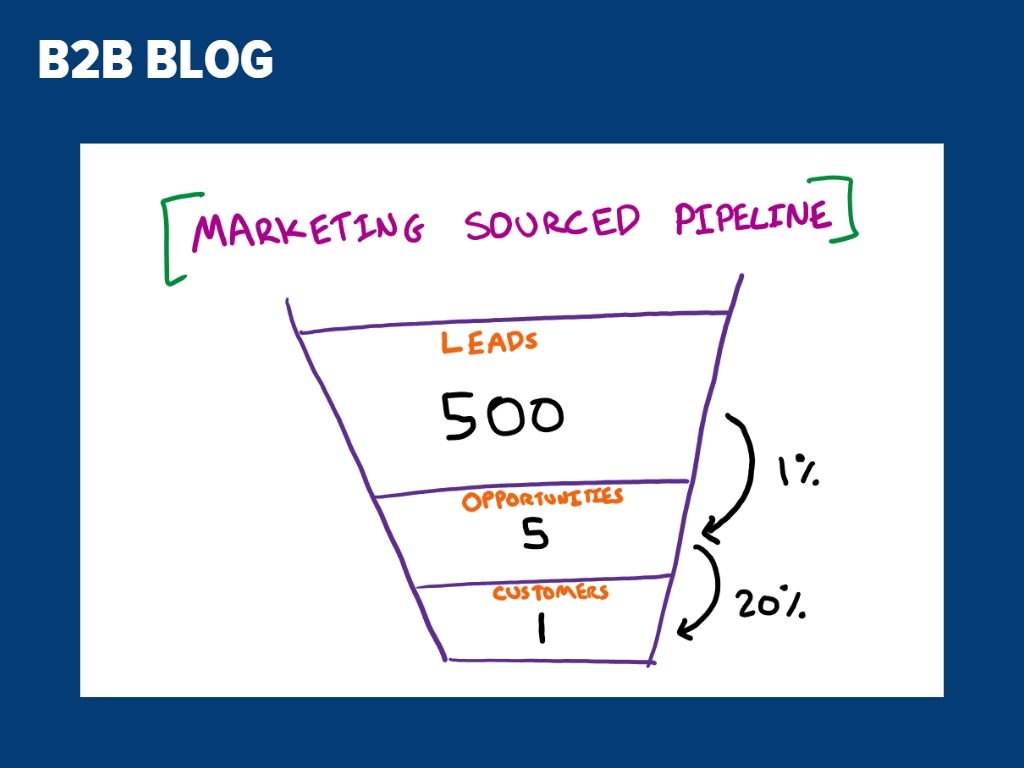
Attributing closed revenue to specific trade shows requires consistent UTM tagging, CRM lead source fields, and a defined attribution window, typically 6–12 months post-show for B2B sales cycles. Companies that close this attribution loop can calculate true event ROI and justify (or cut) show budgets with finance-grade evidence. The tradeoff is attribution complexity in multi-touch B2B deals: a show may influence a deal that was sourced through inbound, making single-source attribution misleading without a multi-touch model.
26. Use NFC-Enabled Digital Business Cards for Instant Contact Exchange
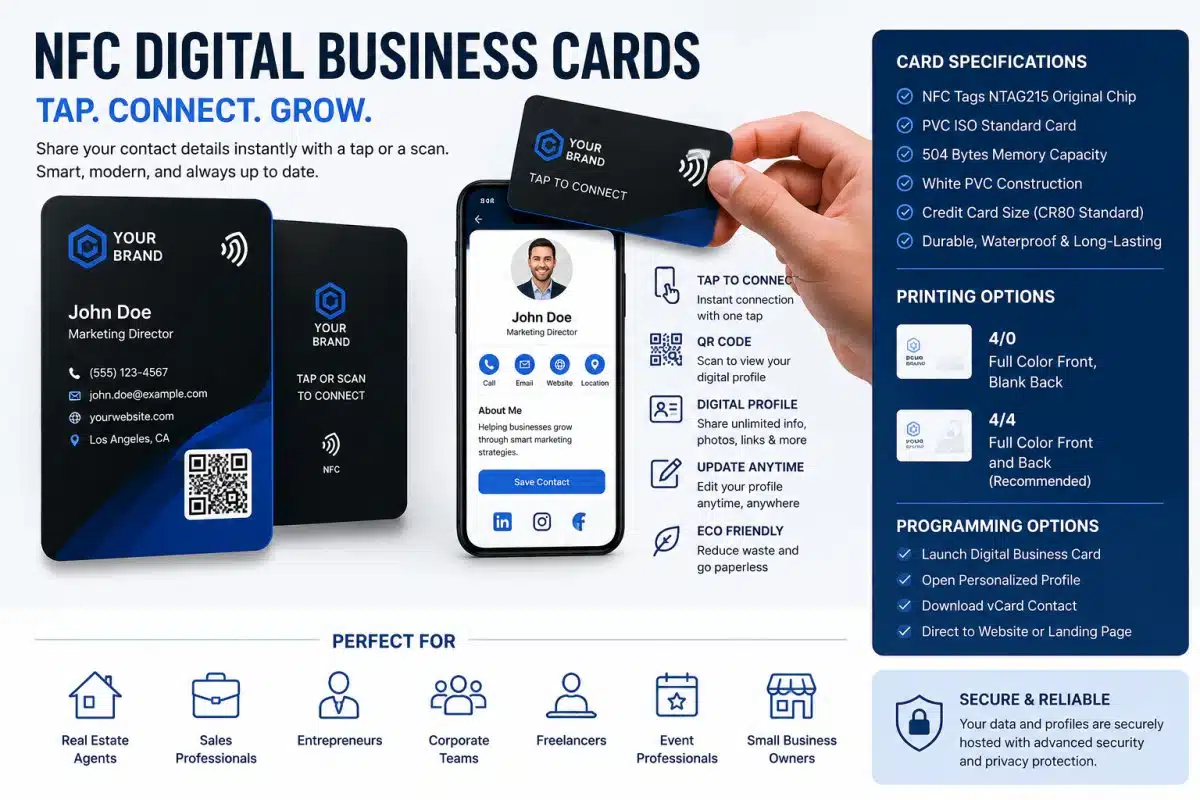
NFC-enabled digital business cards allow booth staff to share contact information, product pages, and demo links with a single tap, eliminating paper card waste and ensuring every exchange is digitally logged. The instant digital record reduces post-show data entry and accelerates CRM population. For high-volume shows where staff meet hundreds of contacts per day, the time savings compound significantly. The tradeoff is adoption friction: prospects unfamiliar with NFC technology may hesitate, requiring staff to have a backup QR code option ready.
27. Brief Your Sales Team on Every Lead Before They Make First Contact
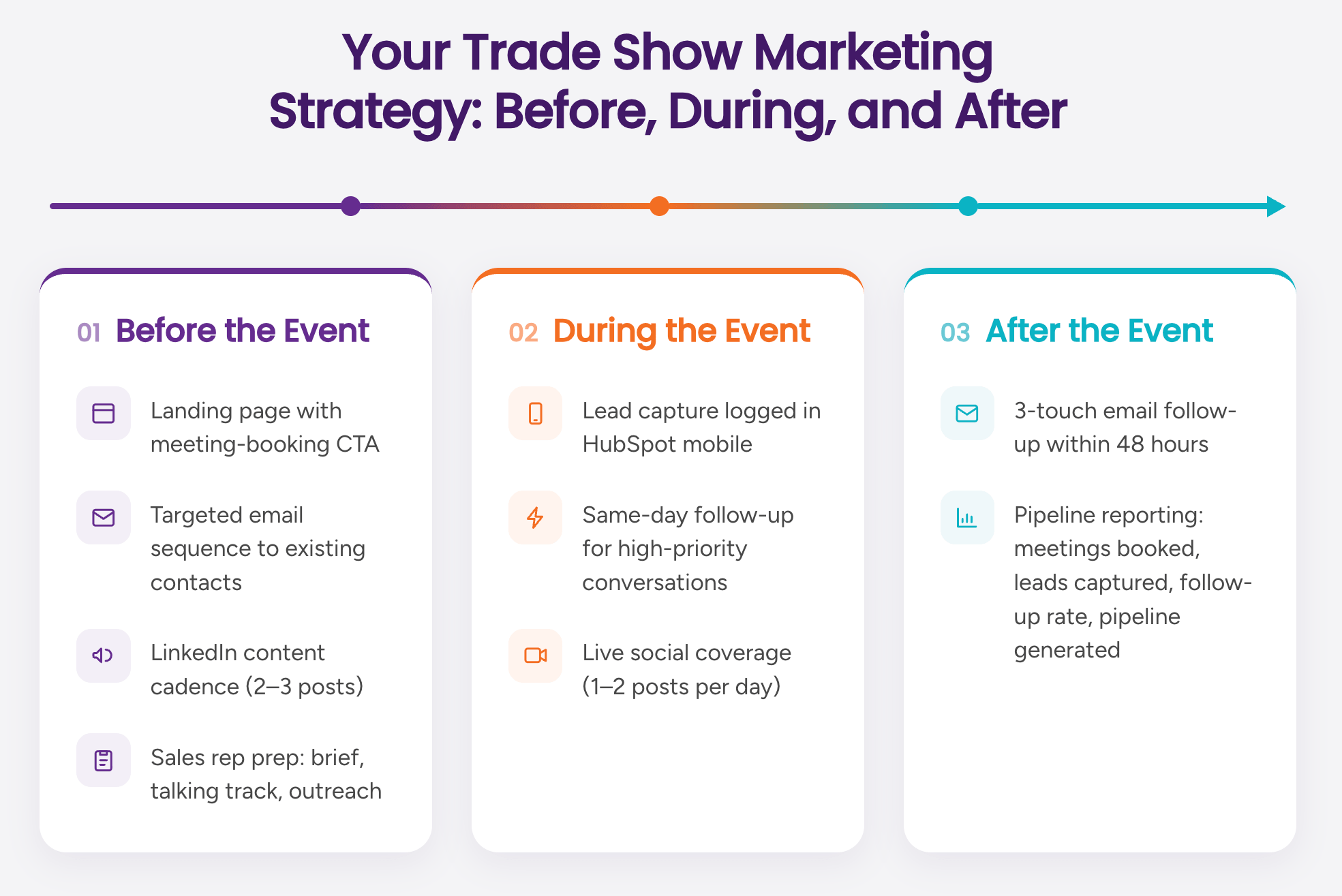
The handoff between marketing (who collected leads at the show) and sales (who will follow up) is where most trade show ROI evaporates. A structured lead brief, including conversation notes, product interest, qualification score, and agreed next step, gives sales reps the context to open follow-up conversations with relevance rather than cold-call energy. This brief should be delivered before the first outreach attempt, not after. The tradeoff: creating quality briefs requires disciplined note-taking during the show, which competes with the pace of floor conversations.
28. Negotiate Premium Booth Placement During Contract Signing
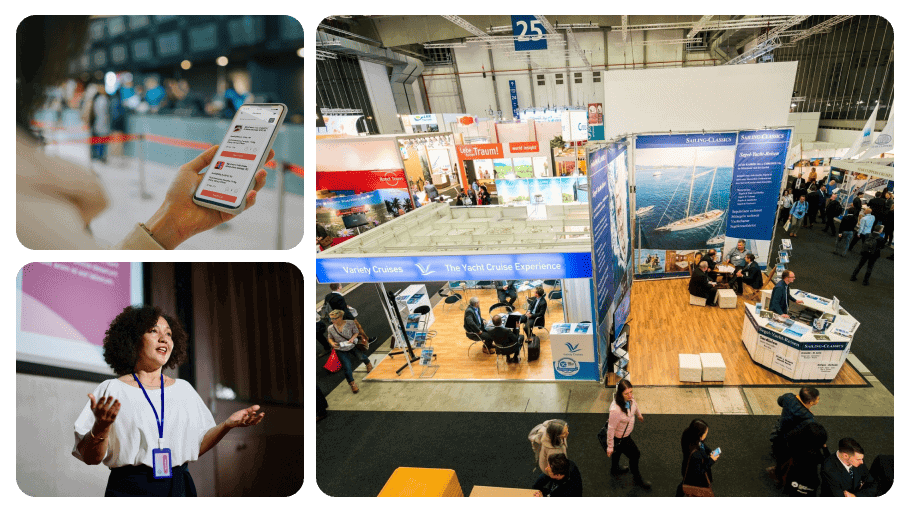
Corner and end-cap positions generate 30 to 50 percent more foot traffic than mid-aisle placements. This is a negotiable variable, and it is almost always easier to negotiate at contract signing than after the floor plan is finalized. If a premium position is unavailable, ask for placement near a high-traffic anchor: the main entrance, a keynote overflow area, or a catering station. Location is a fixed cost that compounds across every hour of the show.
29. Develop a Show-Specific Content Asset to Give Away at the Booth
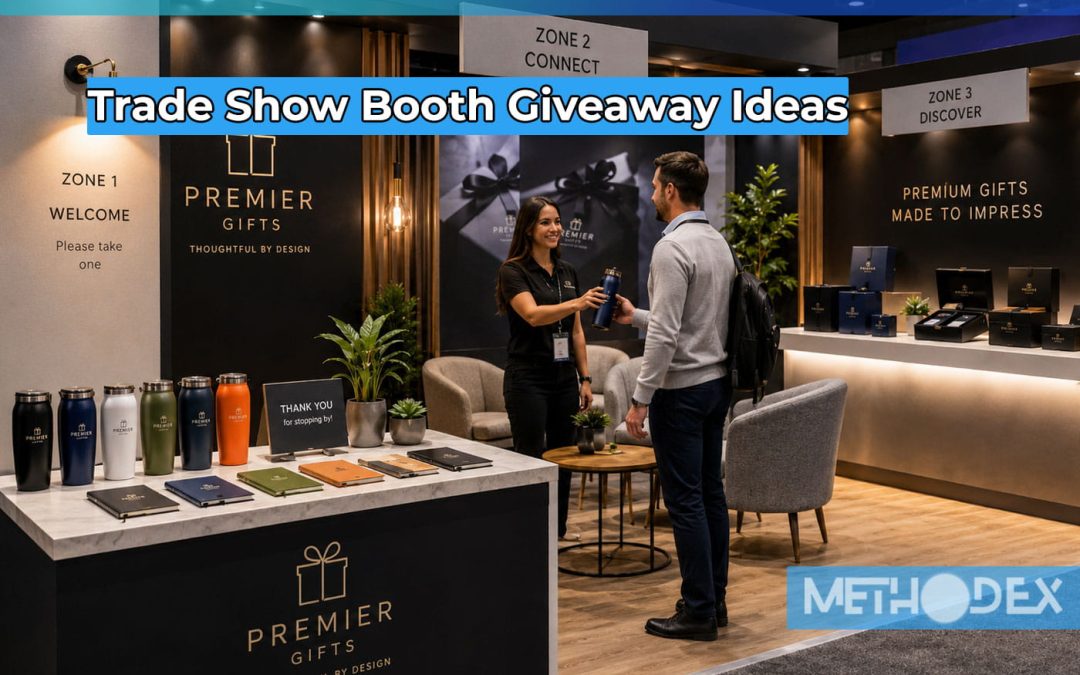
A high-value, show-exclusive content asset, an original research report, a benchmarking tool, or an industry-specific ROI calculator, gives prospects a tangible reason to stop, engage, and provide contact information. Unlike branded swag, a useful content asset positions your company as a thought leader and extends engagement beyond the show floor. The limitation is production investment: a genuinely useful asset requires weeks of development, making it impractical for companies with short planning cycles or limited content resources.
30. Run a Pre-Show LinkedIn Ad Campaign Targeting Registered Attendees
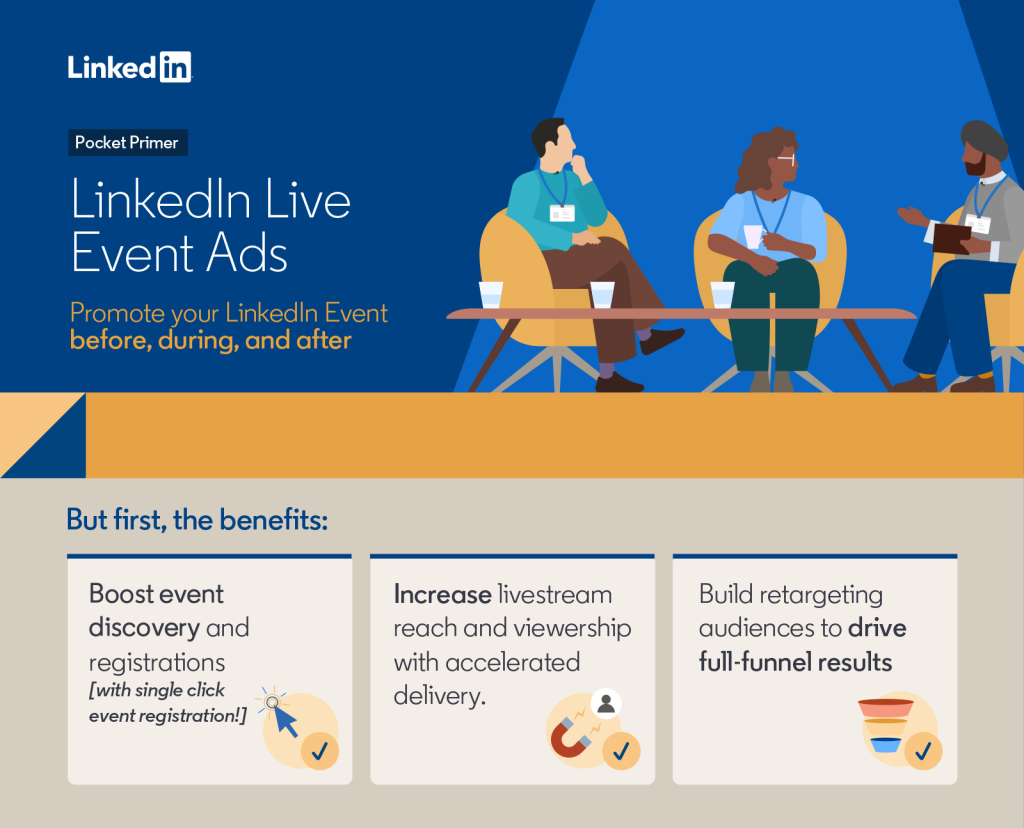
LinkedIn's job title, company, and event-interest targeting allows exhibitors to reach likely attendees with awareness and meeting-request ads in the weeks before the show. A campaign that runs 3–4 weeks pre-show, featuring your booth number, a product teaser, and a meeting CTA, warms prospects before they ever reach the floor. The tradeoff is CPM cost: LinkedIn advertising is among the most expensive paid social channels, and pre-show campaigns require a minimum $3,000–$5,000 budget to generate meaningful impression volume against a niche audience.
31. Conduct a Competitive Intelligence Audit While Walking the Floor
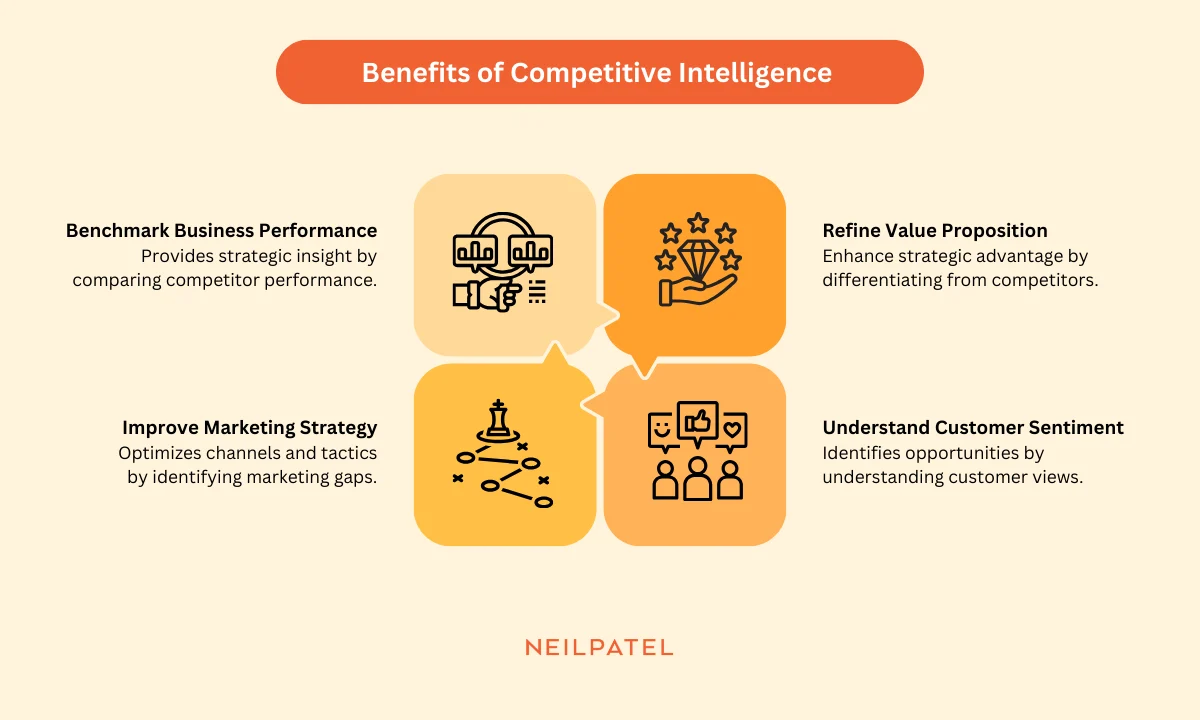
Trade shows are one of the few environments where you can observe competitor messaging, booth design, demo scripts, and staff talking points in real time. Assigning one team member to systematically visit competitor booths, documenting positioning, new product announcements, pricing signals, and attendee reactions, generates competitive intelligence that informs sales enablement and product roadmap. The tradeoff is ethics and optics: staff conducting competitive research should be transparent about their company affiliation if directly asked, to avoid reputational risk.
32. Build a 90-Day Post-Show Nurture Sequence for Warm Leads
Most B2B trade show leads require multiple touchpoints over weeks or months before converting, yet most exhibitors abandon follow-up after two emails. A structured 90-day nurture sequence, combining email, LinkedIn connection requests, retargeting ads, and sales call attempts, keeps your brand present throughout the prospect's evaluation cycle. Sequence content should reference the show, the conversation, and the specific pain point discussed. The tradeoff is automation dependency: poorly configured sequences can feel impersonal and damage the relationship built on the floor.
33. Use Interactive Product Configurators to Personalize the Demo Experience
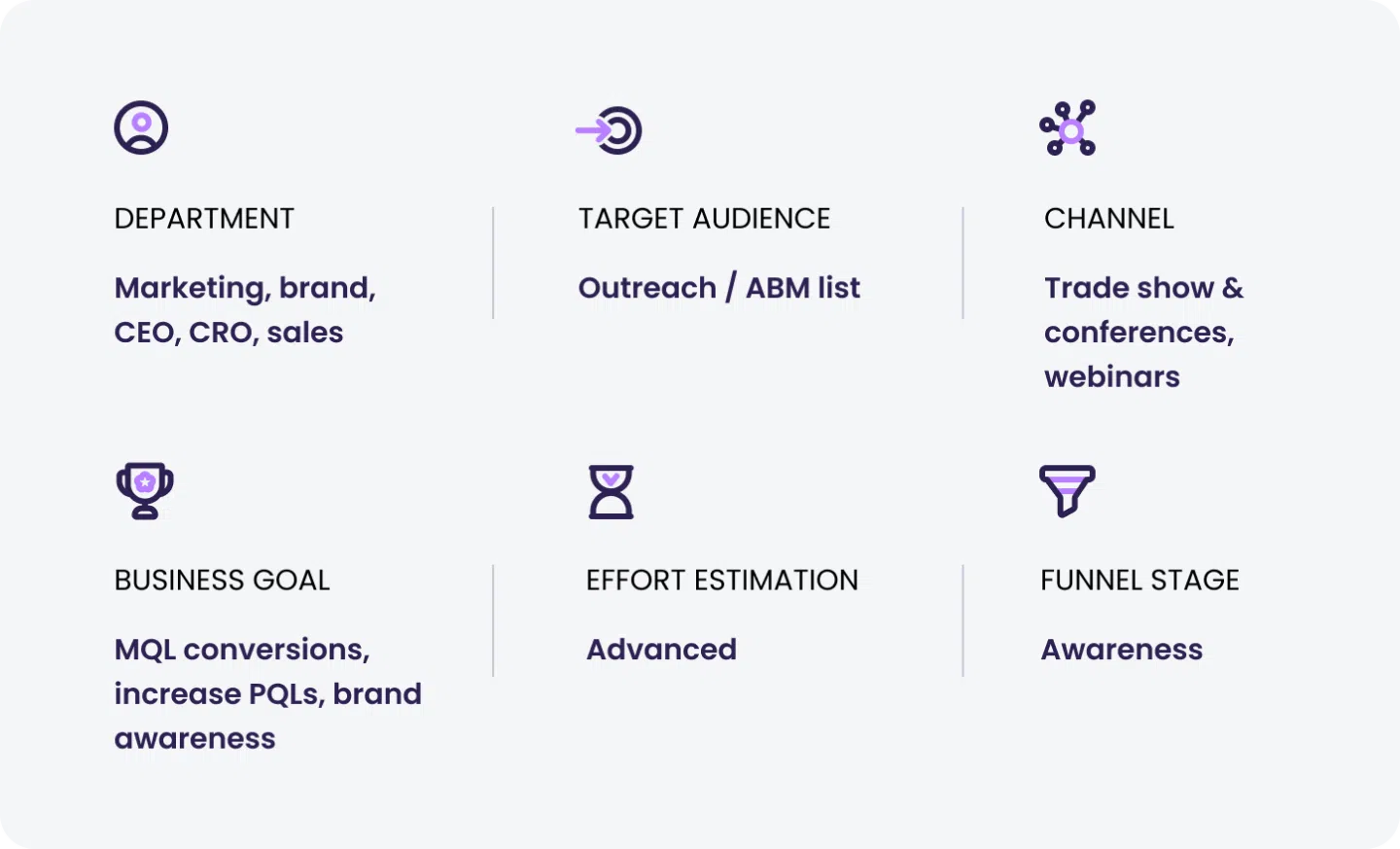
Interactive demo platforms allow booth staff to walk prospects through a customized product experience, showing only the features relevant to their specific use case, industry, or company size, rather than a one-size-fits-all presentation. This personalization dramatically increases demo relevance and prospect engagement. Platforms like Walnut enable no-code demo customization that sales reps can adjust in real time based on the conversation. The tradeoff is setup time: building multiple demo variants requires pre-show investment that smaller teams often can't prioritize.
Related Reading
- Which Networking Software Is Best For Conferences
- Trade Show Booth Ideas To Attract Visitors
- Conference Lead Capture
- How To Measure Trade Show Effectiveness
- Virtual Event Success Metrics
- Trade Show Roi
- Trade Show Lead Generation Ideas
- What's The Best Event Lead Generation Software
- Post-Trade Show Marketing Strategies
- Best Trade Show Giveaways
How to Measure Trade Show Marketing Success and ROI - Before You Pack Up the Booth
Most trade show teams walk away with badge scan counts and a stack of contacts that never make it into the CRM, then wonder why the event is hard to justify at the next budget review. The problem is not effort; it is measuring the wrong things. This section covers which KPIs actually connect to pipeline, why scan volume tells you almost nothing about revenue, and what you need to define before the show opens to make ROI calculable afterward.
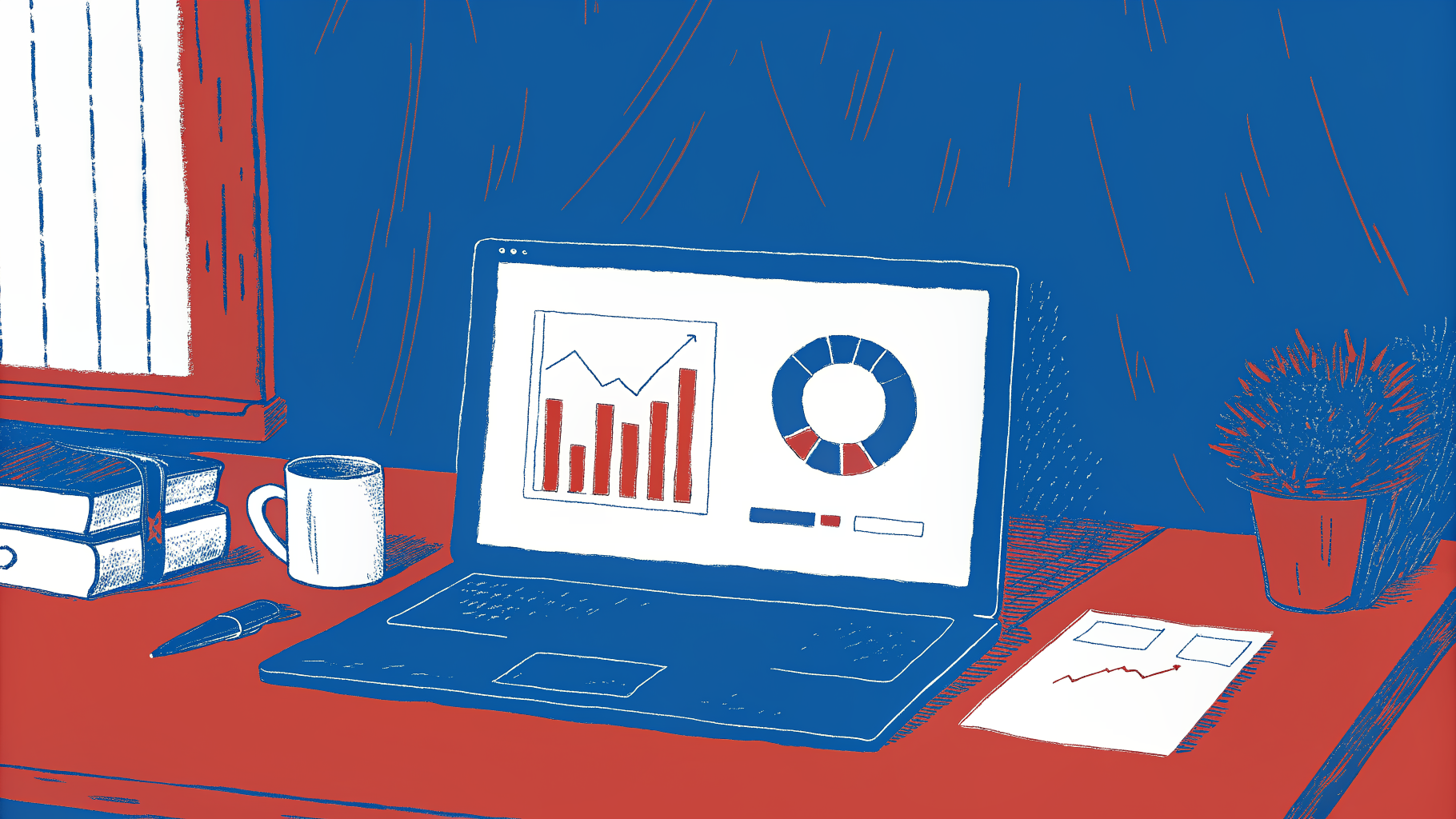
The KPIs That Actually Predict Pipeline, Not Just Booth Traffic
Cost per qualified lead is the benchmark that separates real measurement from activity tracking. When teams are spending $18,000 or more per event, booth fees, travel, materials, staff time, that figure only becomes calculable when you define "qualified" before the show opens and capture enough structured data afterward to count. The KPIs worth setting pre-show are meetings booked on-site, pipeline value attributed to the event, and lead-to-opportunity conversion rate.
Badge scans and cards distributed measure inputs. None of them measure whether a single dollar of revenue moved. For IT admins and marketing or operations managers responsible for proving event ROI, this distinction matters more than almost any other decision made before the show floor opens.
Why Badge Scan Volume Is a Vanity Metric
"Very few teams have a structured process for capturing learnings after a trade show, making it difficult to measure success or ROI retrospectively."
Teams often report the same frustration after three consecutive shows: high scan counts, near-zero pipeline attribution. The structural problem is that badge scan volume has no causal connection to revenue. A scan records physical proximity to a reader, not buying intent, qualification, or a committed next step.
The average B2B lead-to-opportunity conversion rate from trade show contacts sits well below 10%, and that number only gets worse when the underlying contact data is incomplete or never entered into the CRM at all. Marketers who have cycled through multiple event years know the pattern viscerally: total visitor count goes up, pipeline attribution stays flat, and leadership asks for justification to keep the budget line alive. Surface-level metrics like scan volume simply do not provide the structured evidence needed to answer that question.
The Pre-Show Measurement Contract
ROI measurement is a design decision, not a reporting task. If cost per qualified lead, pipeline attribution, and rep-level conversion rates are not defined as targets before the floor opens, there is no baseline to compare against afterward. The pre-show measurement contract is simple: agree on three to five KPIs, assign ownership to specific reps, and instrument the capture process so data flows automatically into your CRM.
This is where the right tooling changes the math. Mobilo's Teams plan, the most popular option at $4/month per member, billed annually, includes full team data analytics, CRM integrations through 6,000 Zapier connections, team management, and the ability to control, lock, and override data fields across every rep's card. That last capability matters enormously for pre-show contract enforcement: admins can standardize exactly which fields get captured, so the data flowing into the CRM after the event is consistent and queryable rather than a patchwork of whatever each rep happened to type.
Skipping the pre-show setup step means the post-show debrief is built on estimates, not evidence.
The Measurement Gap That Cannot Be Patched With Better Spreadsheets
Fewer than half of exhibitors measure trade show ROI through any formal system. The reason is not laziness. It is that very few teams have a structured process for capturing learnings after a trade show, and that gap is exactly what makes retrospective ROI measurement feel impossible.
No spreadsheet fixes a data-existence problem. The contacts are simply gone before any calculation begins.
Mobilo's Teams and Business plans address this at the infrastructure level rather than the process level. Features like lead capture and management, unlimited leads and contacts, the paper business card scanner, and custom lead capture forms mean that structured data collection happens at the moment of conversation, not as a manual task back at the hotel. For larger deployments, the Business plan at $5/month adds HR directory sync and enterprise SSO, so every rep's card stays current without a separate admin workflow.
The uncomfortable truth is that most teams do not have a measurement problem. They have a capture problem that makes measurement impossible. The next section maps exactly where that gap opens on the show floor, and the operational system that seals it before a single lead goes cold.
The Trade Show Lead Capture Gap: and the Operational System That Closes It
That gap opens the moment a rep pockets a badge scan and turns to the next conversation. The booth rental, the flights, the shipping fees, none of those line items determine whether a trade show pays off. What determines it is whether the contacts made on the floor survive the journey into the CRM, and for roughly nine in ten of them, they do not.
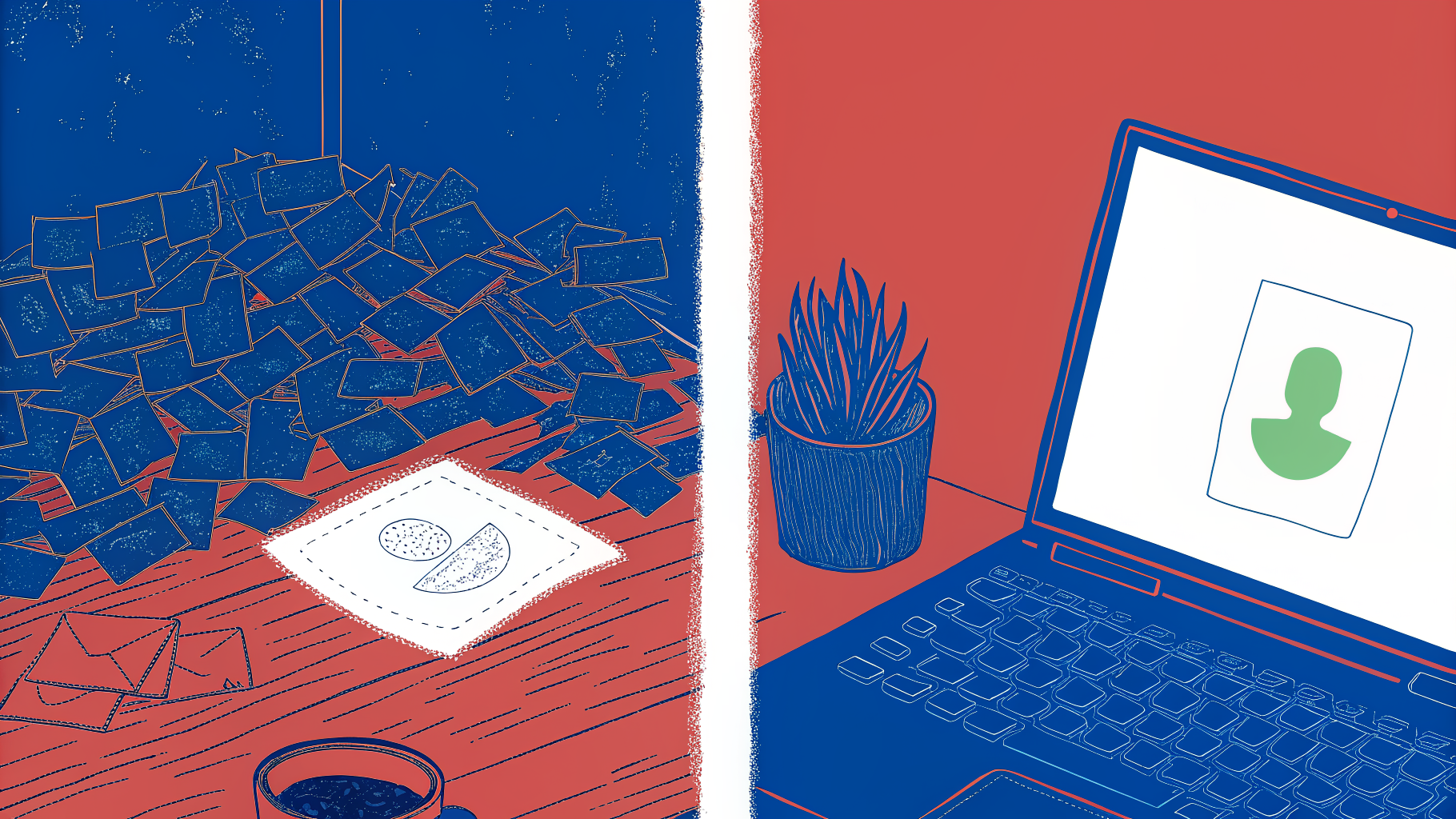
Why So Few Trade Show Contacts Ever Reach the CRM
Across the market, the vast majority of contacts collected at trade shows never reach the CRM, not because reps are careless, but because the system creates compounding friction at every step. A card changes hands. Then it sits in a laptop bag. Then the show ends, post-show workload hits, and manual entry never happens. The failure is structural, not motivational. Coaching reps to log contacts faster doesn't fix a workflow that was never designed to succeed at scale.
The Friction Stack - Every Manual Step Between a Handshake and a Pipeline Record
Count the steps: collect card, photograph it, type the name, find the company, match to an existing CRM record, assign ownership, write a follow-up note. Each step is a drop-off point. Badge-scan CSVs add their own version of the same problem: a flat file sitting in an inbox, waiting for someone to clean and import it. Research from Mobilo's own survey of 4,000 sales reps confirms the pattern, the effort required is simply too high relative to the post-show workload reps face when they return.
NFC and QR Contact Exchange - Collapsing the Friction Stack
When a prospect taps or scans a rep's digital business card, their information is captured and routed directly into the CRM in real time. No typing. No CSV. No memory required. The contact exists as a timestamped, attributed pipeline record before the booth is torn down. This matters most for teams attending multiple events per year, where the compounding loss from manual capture erodes pipeline quarter after quarter.
The Real Cost Math - What Eliminating Manual Entry Saves
In one documented deployment, onboarding 400 employees onto a digital business card platform produced meaningful recovered productivity value in the first event cycle alone, savings derived entirely from eliminating the manual-entry hours that had previously consumed rep time after every show. Teams evaluating ROI at scale can request a custom calculation from the Mobilo team based on their own headcount and event frequency.
Related Reading
Related Reading
- Best Tech Conferences For Networking
- Best Networking Apps for Trade Show Attendees
- Best Finance Conferences For Networking
- Trade Show Booth Ideas For Small Budgets
- Virtual Conference Booth Ideas
- Networking Activity Ideas For Conferences
- What Are The Top Trade Show Lead Retrieval Tools
- Trade Show Follow Up Email Examples
- Conference Lead Capture Tools
- Trade Show Lead Capture App
Next steps
If your trade show contacts are going cold before they ever reach the CRM, the path forward starts with removing human transcription from the process entirely. Coaching reps to do more manual work after an exhausting event is not a fix, it is a recurring cost with no ceiling. Start with our digital business card.
The 90% CRM failure rate is a system-design problem, not a rep behavior problem. Every manual step between a handshake and a pipeline record is a drop-off point, and badge scan volume cannot tell you which conversations became pipeline because that data was never collected in the first place. Together, these two realities point to one corrective action: instrument the capture moment itself, so the contact exists in the CRM before the rep's flight home, not as a task on a list that never gets done.
For a deeper look at how the contact-exchange workflow closes that gap, see digital business card.
Frequently Asked Questions
How do I set realistic goals for a trade show before we go?
Set specific, numeric targets before a single booth element is designed or outreach email is written, for example, how many qualified meetings you need to book on-site and what pipeline value justifies the total event spend. Without these numbers, every post-show debrief becomes a conversation about feelings rather than performance.
How do I figure out who my target audience is at a trade show?
Pull the attendee or exhibitor list the show releases weeks before the event, cross-reference it against your ideal customer profile, and build a tiered outreach list: tier one is active pipeline accounts, tier two is target accounts with no prior contact, and tier three is everyone else. Reps who walk the floor with a pre-built list of prioritized names close more meetings than those who rely on foot traffic alone.
What's the best way to actually capture leads on the trade show floor, isn't a badge scanner enough?
Badge scanners capture a name and a company, but they don't capture the conversation. A system that records the prospect's own contact details plus a brief qualification note at the moment of exchange, and routes that information directly into your CRM before the conversation ends, is what produces usable pipeline records rather than just a list of names, because industry research finds 90% of new contacts never enter the CRM after an event due to the friction of manual entry.
Does booth placement actually matter, or is it just a nice-to-have?
It matters significantly, corner and end-cap positions generate 30 to 50 percent more foot traffic than mid-aisle placements. It's also a negotiable variable that is almost always easier to secure at contract signing than after the floor plan is finalized, so it's worth prioritizing early in the process.
Why do so many trade show leads never turn into pipeline even after a strong show?
The post-show conversion phase is where most teams leave money on the table: industry data shows 80% of trade show leads are never followed up after the event. Contacts collected without a structured capture-and-sync workflow stall in a rep's pocket and never reach the CRM before the follow-up window closes, turning a strong floor performance into a spreadsheet no one opens.