.avif)


How to Measure Trade Show ROI and Maximize Every Dollar
On This Page
Your trade show math is broken in two places at once. Here is why 90% of your leads never reach the CRM, and how to fix the calculation before the CFO sees the deck.
Trade show budgets rarely get the scrutiny they deserve. A single mid-size B2B event can consume $150,000 to $250,000 once you account for booth space, travel, staffing, and materials, yet the measurement framework applied to that spend is often thinner than what marketing uses to evaluate a $5,000 paid search campaign. That asymmetry is the real problem, and it starts long before the CFO asks for a post-event slide deck. See our digital business card for how this works in practice.
The Flawed Assumption About Where ROI Breaks Down Most heads of marketing and chief marketing officers believe that manual lead capture is an unavoidable operational reality of trade shows, and that the real ROI problem is that deals take too long to close, not that leads are lost in the data handoff. This assumption is widespread, deeply embedded in how post-show reviews are framed, and largely wrong. For most B2B companies, trade shows and in-person events represent one of the top three line items in the marketing budget, often absorbing 20% to 30% of total annual spend.

What Trade Show ROI Actually Measures That scale demands rigorous measurement. Yet the post-show review process at most organizations amounts to a badge-scan count, a rough pipeline estimate, and a slide that gets presented once and archived. Trade show ROI measures total revenue generated from event-sourced leads against total event investment costs. It depends on three things working together:
- Booth traffic and conversations converting into captured lead data
- That lead data flowing completely and accurately into the CRM
- CRM opportunities being tracked back to the originating event
Booth traffic, badge scans, and branded tote bags handed out are inputs to a conversation, not evidence of pipeline contribution. A busy booth with 400 visitors that generates zero qualified leads in the CRM produces a calculable ROI of zero. The metric that matters is how many of those conversations became tracked opportunities, and that requires complete lead data flowing from the booth into the sales system.
Why the Benchmark Is Aspirational, Not Achievable Industry benchmarks suggest well-executed trade shows return between $2 and $5 for every $1 invested. That range assumes the numerator (revenue attributed to event leads) and the denominator (total investment) are both accurate. The denominator is usually fine. The numerator is where the calculation collapses. When contacts are captured on paper cards or manual badge scans, what most teams report is that roughly 90% of those contacts never reach the CRM, making the benchmark aspirational rather than achievable.
90% of contacts never reach the CRM
Key takeaways
- A single mid-size B2B trade show can run $150,000, $250,000 in true cost once travel, staffing, freight, and collateral are counted, yet most teams report only the booth fee to finance.
- 90% of new contacts never enter the CRM after a show, which means the ROI calculation most teams present is built on a fraction of the actual pipeline opportunity.
- Three separate formulas are needed to close the loop on trade show ROI, the single percentage most decks show answers a different question than the one your sales leader or marketing ops team is actually asking.
- CPL looks clean until you filter for qualified leads: a list of 400 badge scans can collapse to 87 real prospects, turning a $195 CPL into an $897 one and a very different budget conversation.
- Lead quality, CRM field mapping, and capture tool decisions made in the three weeks before the event determine whether your post-show pipeline report is defensible or directional.
- 80% of trade show leads never receive any follow-up, not because sales teams don't care, but because the contacts never made it into a system where follow-up could happen.
- Mobilo's NFC digital business cards close that gap by syncing every tap directly into your CRM in real time, so no contact ends up as a handwritten note on a desk or a CSV file sitting in an inbox.
What Costs to Include in Total Investment - Booth Space, Travel, Accommodation, Shipping, Marketing Materials, Staff Costs
Booth Space, Travel, and Total Investment Costs
A $25,000 booth fee looks like the whole bill. It rarely is. When a 10-person team spends three days at a Las Vegas convention, the true event cost breakdown typically runs closer to $78,000 once you add travel, hotel, freight, collateral, and staff time. Understanding every cost category that feeds the total investment is essential to building a trade show ROI calculation that holds up to scrutiny.
The teams that report $25,000 to finance are not being dishonest; they are simply counting what was invoiced to marketing, not what the show actually cost the business. This undercounting is not a rounding error; it is a structural flaw in how trade show ROI gets built. The conventional ROI formula (Revenue ÷ Investment) is algebraically sound but operationally fraudulent when manual capture is in play: because 90% of contacts captured via paper cards or badge scans never reach the CRM, and post-show follow-up labor is routinely excluded from the investment denominator, trade show ROI calculations are simultaneously understating the denominator and overstating the numerator, producing numbers that look defensible to finance but are built on two compounding errors, not one.
Every cost category below feeds that denominator problem directly. The field marketing teams we work with consistently tell us the same thing: the pain is not the booth fee itself, it is the inability to prove that anything that happened at the booth actually moved pipeline. Arming those teams with tools that capture leads efficiently and feed data directly into the CRM is the only structural fix, and it starts with an honest accounting of where the money actually goes.
1. Booth Space Fees - The Anchor Cost That Sets Your ROI Ceiling
The teams that report $25,000 to finance are not being dishonest; they are simply counting what was invoiced to marketing, not what the show actually cost the business.
Booth space is the most visible line item and the easiest to undercount. A standard 10×10 inline space runs roughly $2,000 to $4,000 in floor fees alone; a 20×20 island configuration at a major industry show can exceed $50,000 before a single wall goes up. That figure covers the square footage only.
Exhibit design, construction, electrical hookups, and furnishings are separate invoices that routinely double the raw space cost, making booth cost ROI impossible to calculate from the floor-fee receipt alone, a reality well documented across exhibitor budget planning resources and detailed trade show expense breakdowns. Collateral is a compounding line item inside booth costs that rarely gets the scrutiny it deserves. Printed brochures, spec sheets, and business cards are ordered in bulk, shipped at freight rates, and then, in a pattern every experienced event marketer recognizes, left behind or discarded.
A card handed off on day two of a show has no timestamp, no digital trail, and no automatic path into your CRM. Reducing wasteful spend on printed collateral while simultaneously demonstrating marketing's contribution to pipeline and revenue is exactly the problem Mobilo is designed to solve at this cost layer.
2. Travel Costs - Flights, Ground Transport, and Per Diems Add Up Fast
Business airfare has climbed sharply, with increases of 25% or more over recent years for peak-season conference travel, a pattern consistent across the market. A four-person team flying round-trip to a major show, covering ground transport, and claiming standard per diems can easily add $8,000 to $12,000 to the marketing budget trade show total. Booking late amplifies every number.
Teams that treat flight timing as a convenience decision rather than a budget variable are quietly inflating the investment denominator, the same denominator that will later be used to calculate an ROI figure presented to leadership. The only way to justify that denominator is to make sure the numerator, revenue influenced by the show, is captured completely. That means every conversation at the booth becomes a tracked lead, not a stack of paper cards that will be keyed into a spreadsheet (or not) three days after the show closes.
The Teams plan's central billing, 24/7 customer support, and unlimited leads and contacts mean the data infrastructure scales with the team size, so a 10-person booth operates with the same lead-capture rigor as a 50-person one.
3. Accommodation Costs - Hotel Blocks, Nightly Rates, and Extended Stays
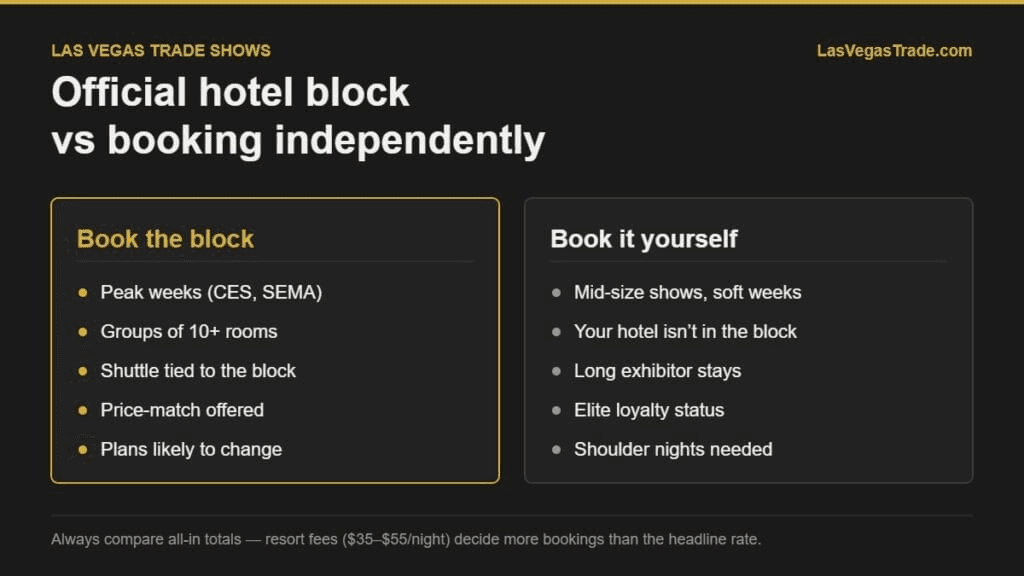
Hotel costs for multi-day shows can easily reach $200–$400 per room per night in convention-adjacent properties, and teams often need setup nights before the show opens. Booking inside the official hotel block sometimes offers rate protection but limits flexibility. For trade show ROI purposes, accommodation must include every night staff is on-site, including teardown nights, not just show days, as underreporting inflates apparent returns.
4. Shipping and Drayage - The Hidden Freight Costs That Shock First-Timers
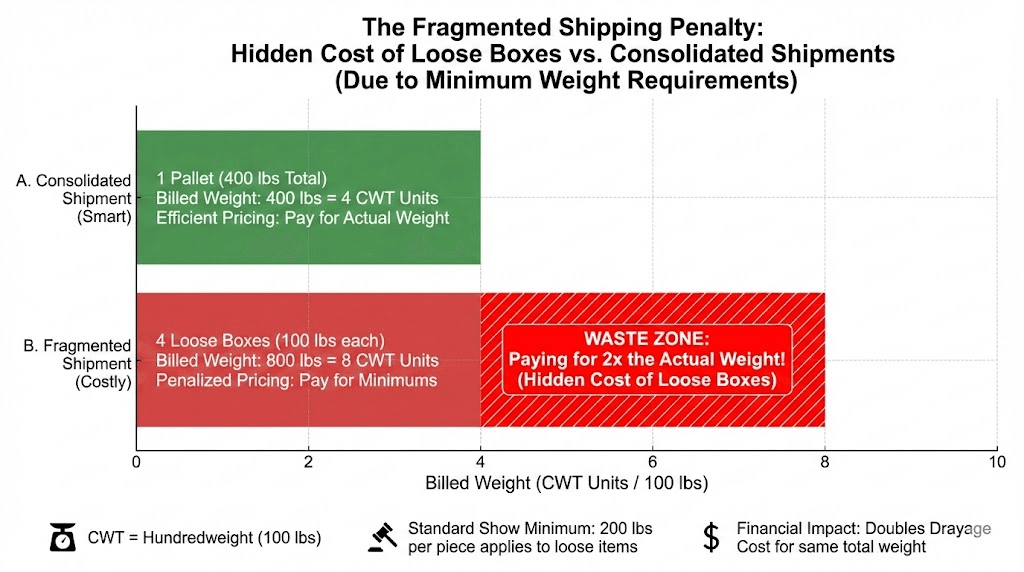
Origin freight, advance warehouse fees, drayage (material handling from dock to booth), and return shipping are four separate cost layers that many exhibitors collapse into one vague 'shipping' estimate. Drayage alone, charged per hundredweight by the general service contractor, routinely doubles the origin freight cost. For trade show ROI calculations, all four legs must be budgeted separately; omitting drayage is the most common reason total investment is understated.
5. Marketing Materials - Print Collateral, Giveaways, and Digital Assets

Brochures, product sheets, branded giveaways, banner stands, and digital presentation assets are direct costs that must be fully attributed to the event for honest trade show ROI measurement. Costs vary widely, a basic collateral package might run $500 while a premium giveaway program with custom merchandise can exceed $10,000. The key tradeoff is that high-quality materials improve lead quality and recall but significantly raise the investment figure that ROI must overcome.
6. Staff Costs - Salaries, Training, Overtime, and Booth Staffing Fees
Staff costs encompass internal employee salaries for show days plus prep time, any overtime pay, product training sessions, and fees for contracted booth staff or brand ambassadors. This category is frequently omitted from trade show ROI calculations because internal salaries feel like sunk costs, but excluding them artificially inflates ROI. A realistic staffing budget for a three-day show with four employees can easily reach $8,000–$15,000 when all hours and associated costs are properly captured.
How to Calculate Trade Show ROI - The Formulas That Actually Close the Loop
Three formulas sit at the center of every defensible trade show ROI case, and most marketing teams build only one of them. That single percentage looks clean in a slide deck, but it answers a different question than the one your sales leader is asking, and a different one still from what marketing ops needs to optimize spend. Getting all three right starts with understanding what each formula actually requires from you.
The Core ROI Formula Every CFO Recognizes
Basic trade show ROI is calculated as: (Net Profit / Total Investment) x 100. Net Profit equals estimated revenue generated from the event minus total investment. If your team invested $78,000 in a show and the leads generated closed $739,000 in revenue, your ROI is 848%. The problem is that "estimated revenue" is not a line item you can pull from accounting the week after the show. It requires a separate formula entirely, and that formula has its own fragile inputs. This is where the stakes become viscerally real.
Companies routinely spend $18,000 or more all-in on a single trade show, booth space, travel, collateral, staffing, and still report near-zero measurable ROI across multiple consecutive years. That pattern does not reflect a bad event strategy. It reflects a broken measurement system, and the fracture almost always lives in the inputs, not the formula itself.
Estimated Revenue - The Formula That Translates Leads Into a Number Sales Leaders Believe
Estimated revenue is calculated as: Number of Qualified Leads x Close Rate x Average Deal Value. Using the example above: 120 qualified leads, a 22% historical close rate, and a $28,000 average contract value produces $739,200 in projected revenue. According to Upcision's B2B close rate analysis, B2B close rates range from 15% to 30% depending on lead source and qualification rigor.
Broader industry trends reinforce that the upper end of that range requires clean, context-rich lead data, exactly the kind that manual capture consistently fails to deliver. The formula is multiplicative: a 5-point drop in close rate on 120 leads cuts projected revenue by roughly $168,000. Make sure your close rate reflects historical event performance, not a generic industry average.
Cost Per Lead vs. Cost Per Visitor - Two Efficiency Ratios That Expose Where Budget Is Leaking
$168,000 lost from a 5-point close rate drop
Cost Per Lead (CPL) is calculated as: Total Investment / Number of Qualified Leads. Cost Per Visitor is: Total Investment / Total Booth Visitors. If CPL is high but Cost Per Visitor is low, your qualification process is the problem.
If both are high, you have a targeting or booth placement issue. B2B event CPL benchmarks typically run between $150 and $300 per qualified lead. What those benchmarks assume, and what most event teams fail to deliver, is that every qualified conversation at the booth actually becomes a counted lead.
When field reps are manually scribbling on paper cards or typing into phones between conversations, a significant share of qualified contacts never make it into the count at all, which artificially deflates CPL and makes a leaky capture process look like a bargain.
Why the Number of Leads Input Can Break All Three Formulas at Once
Every formula above shares one denominator: the number of qualified leads captured. From surveying 4,000 sales reps, Mobilo found that the same pattern holds. When that happens, your CPL is understated, your estimated revenue is overstated, and your core ROI percentage is a flattering fiction.
The field marketing teams we work with consistently hit this wall: they arm their reps with great talk tracks, invest heavily in booth presence, and still walk away from a $18,000-plus event with a spreadsheet full of cold leads and no clean pipeline to show leadership. The fix is not a better spreadsheet, it is removing manual entry from the equation entirely. Mobilo is purpose-built to do exactly that.
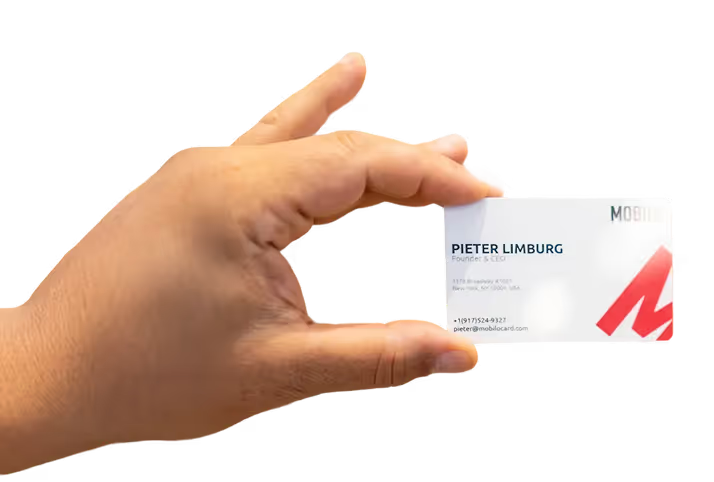
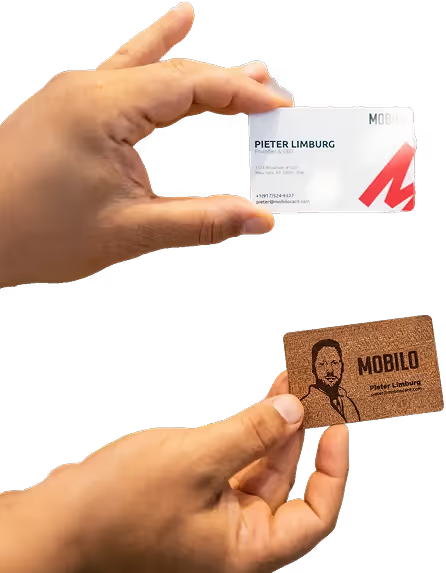
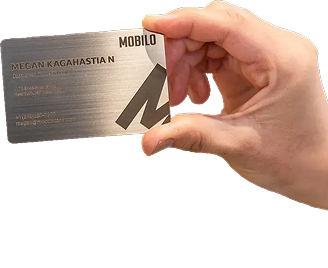
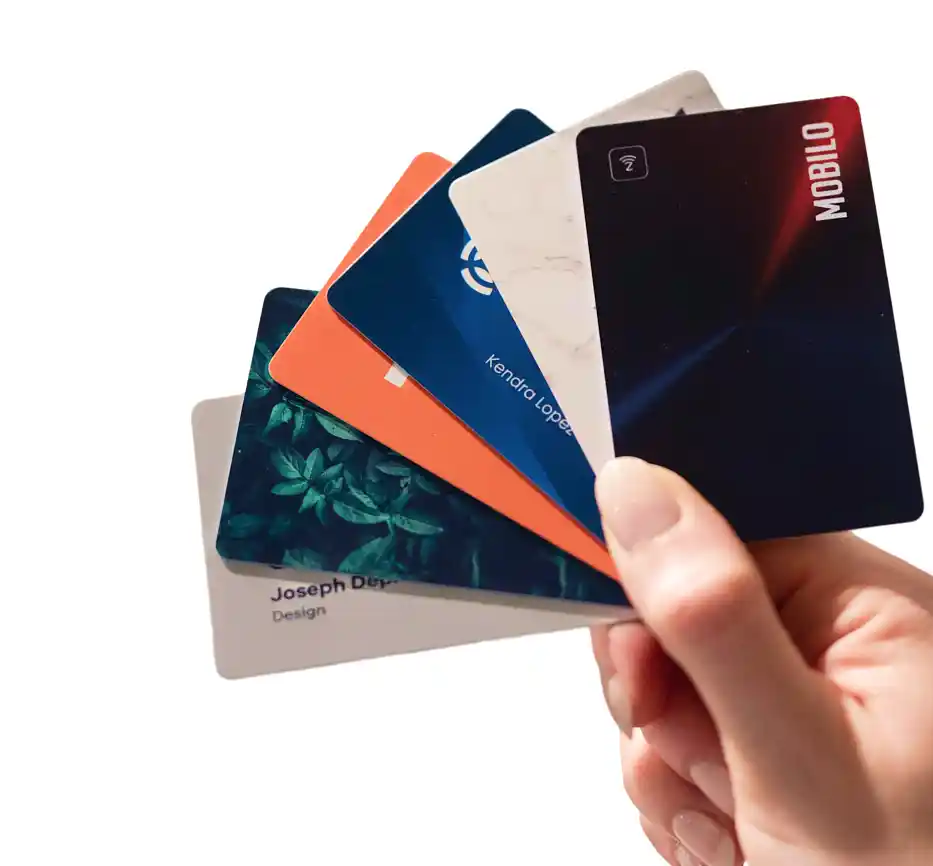
Every card tap or QR scan, whether from a Custom Designed NFC Card with QR Code, a Wood NFC Card, a Metal NFC Card, a Digital Wallet Card, or Paper Plus Cards for easy handouts, feeds contact data directly into your CRM pipeline without a rep ever opening a data entry form. The Teams plan ($4/month per user, billed annually) and Business plan ($5/month per user, billed annually) both include lead enrichment, lead capture and management, unlimited leads and contacts, insights and analytics, and 6,000 integrations through Zapier, so captured data flows downstream to whatever CRM or marketing automation stack your team already uses. Team admins can also control, lock, and override data fields across the entire roster, ensuring every rep captures leads in a consistent, qualification-ready format, the prerequisite Upcision's analysis identifies for achieving close rates at the higher end of the 15–30% range.
There is a deeper problem most teams miss. Close rate benchmarks are calibrated against clean, properly qualified lead inputs. When manual capture strips conversation context and contacts arrive incomplete or days late, your actual close rate will underperform the benchmark you used to build your revenue projection, turning an optimistic ROI slide into a gap you have to explain to leadership next quarter.
Arming your field marketing and event teams with tools that capture leads efficiently and feed data directly into the CRM pipeline is not a nice-to-have. It is the precondition for any of these three formulas producing a number you can defend.
Key Metrics to Measure Trade Show ROI Beyond the Basic Formula
Most trade show ROI calculations fail not because the math is wrong, but because the inputs are. A field marketing team tracking 400 badge scans reports a CPL of $195 and calls the show a success. Filter that same list for genuinely qualified leads and you find 87 contacts, a CPL of $897, and a very different conversation with the CFO. The gap between those two numbers is not a formula problem. It is a data problem, and it starts at the booth. The metrics most CMOs track are all downstream of the actual failure point.
The 24-to-72-hour window between booth interaction and CRM entry is where the majority of leads are abandoned, intent signals disappear, and conversion velocity dies before sales ever sees the record. Any metric measured after that window is recording the shadow of a lead pool, not the lead pool itself. That makes lead-to-opportunity conversion rate and pipeline value created statistically unreliable without first auditing capture completeness at the moment of interaction.
Two measurement layers fix this. The first is an immediate event scorecard built around efficiency metrics you can calculate before you leave the show floor. The second is a 90-day-plus pipeline tracker that follows qualified leads through Salesforce or Zoho CRM until they convert or go cold.
According to Focus Digital, the average B2B sales cycle runs approximately 102 days, and enterprise deals routinely stretch to six to twelve months, meaning a single post-show report will always be premature. Tools like Mobilo's digital business card close the capture gap by recording every tap and scan as a structured CRM record in real time, so the qualified-lead count feeding your CPL and pipeline contribution calculations is complete from day one rather than reconstructed from memory a week later. Automated capture solves the data problem only if reps use a consistent tool; adoption discipline is still a prerequisite.
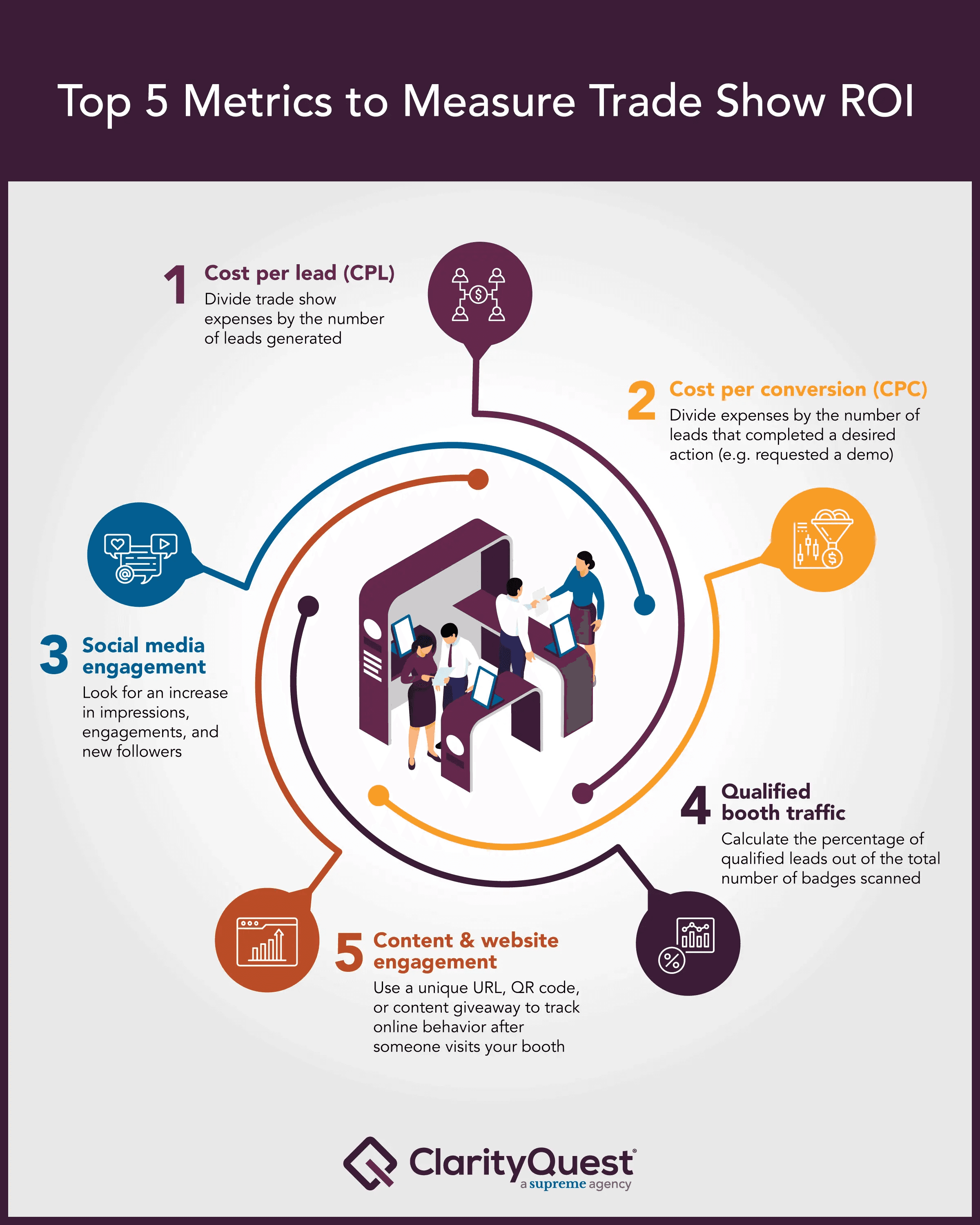
1. Cost Per Lead (CPL): The True Efficiency Benchmark for Trade Show ROI
Image: Trade Show ROI - cost per lead cpl
"Teams struggle to capture post-show learnings in a structured way, making it difficult to evaluate trade show performance over time, a direct barrier to measuring ROI beyond a basic formula."
Cost per lead is your first-layer efficiency signal: total event investment divided by the number of qualified leads captured, not total badge scans. What most teams report consistently shows that raw contact counts inflate the denominator by three to five times, making CPL look artificially low. CPL is most useful as a cross-channel benchmark; if your trade show CPL significantly exceeds what paid search or content programs produce for equivalent pipeline quality, the show's format or targeting needs to change, not just the follow-up sequence.
2. Booth Engagement Rate - Measuring Meaningful Interactions Over Raw Foot Traffic

Engagement rate tracks the percentage of booth visitors who participate in a demo, conversation, or activation versus those who simply walk past. It's the defining metric for exhibitors investing in experiential displays or interactive technology, where trade show ROI depends on depth of interaction, not volume. The limitation: it requires consistent staff logging or sensor technology, making it harder to capture accurately at high-traffic shows.
3. Pipeline Contribution Value - Attributing Revenue Opportunity Directly to the Show
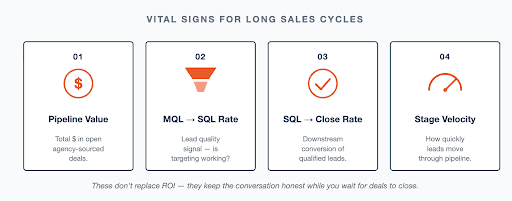
Pipeline contribution value sums the weighted deal value of all opportunities sourced or accelerated at a specific event, connecting trade show ROI directly to CRM pipeline data. This is the metric B2B marketing and revenue operations teams need to justify budget to finance. The real tradeoff is attribution lag, enterprise sales cycles of six to eighteen months mean pipeline value won't fully materialize in the quarter the show occurred.
4. Average Sales Cycle Length Post-Show - Gauging Acceleration Impact on Trade Show ROI
Comparing the average close time for leads sourced at trade shows versus other channels reveals whether in-person events genuinely compress the buying journey. For B2B SaaS and complex-sale teams, a shorter post-show sales cycle is a powerful secondary proof point for trade show ROI beyond raw revenue. The limitation: sample sizes per show are often too small for statistical significance, requiring multi-event aggregation before conclusions are reliable.
5. Brand Lift Score - Quantifying Awareness and Perception Shifts Driven by Show Presence
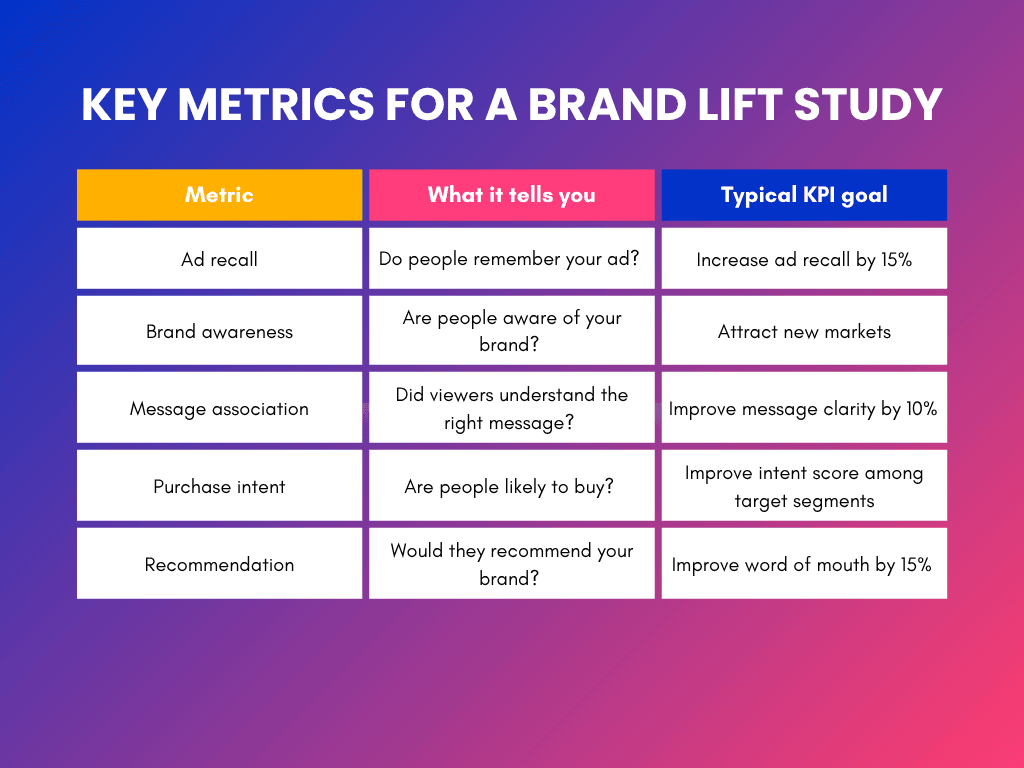
Brand lift measures pre- versus post-show shifts in aided awareness, purchase intent, and brand favorability among target audience segments, capturing the intangible side of trade show ROI that CPL and pipeline metrics miss entirely. It's most valuable for companies entering new markets or repositioning, where building recognition is the primary show objective. The tradeoff: running a proper brand lift study adds survey cost and complexity that smaller exhibitors rarely budget for.
Related Reading
- Etiquette For Networking In Online Conferences
- Measuring Event Roi
- Trade Show Sales Tips
- Trade Show Follow Up Best Practices
- How Do You Find The Roi Of A Trade Show
- Trade Show Sales Funnel
- What Is Trade Show Marketing
- Event Lead Management
- B2b Trade Show Best Practices
- Conference Lead Generation
- B2b Trade Show Marketing
Pre-Show Strategies to Maximize Trade Show ROI Before You Arrive
By the time your team boards the flight to the show, the quality of your post-show ROI data is already decided. The lead qualification criteria, CRM field mapping, and capture tool your team agrees on in the three weeks before the event determine whether your pipeline report is defensible or directional. Pre-show preparation is not a logistics checklist. It is a data architecture decision.
Set SMART Goals with Lead Scoring Criteria
Set SMART goals for trade show ROI before any outreach begins. Define exactly what a qualified lead looks like: company size, budget authority, buying timeline. Teams that enter shows with pre-defined lead-scoring rubrics generate measurably higher-quality pipeline because every rep applies the same filter on the floor, not a personal judgment call made under pressure at a crowded booth.
Train Staff on Capture Workflow, Not Just Pitch
Staff training on lead qualification criteria matters as much as product knowledge. A 50-person field team where each rep uses a different badge scanner app, card photo tool, or paper notes produces five incompatible data formats that no CRM can reconcile cleanly. The real expertise gap field marketing and event teams face is not knowing what to capture, it is having a tool that captures leads efficiently and feeds data directly into the CRM pipeline without manual re-entry or reconciliation work after the show.
Standardizing on a single tap-to-capture workflow before the show is a strategic decision that closes that gap. Mobilo's Teams plan ($4/month per member, billed annually) is purpose-built for exactly this scenario: it includes team management with the ability to control, lock, and override data fields across every rep's card, so the CRM fields your Marketing Ops team maps before the event are the fields every rep captures on the floor, not whatever each individual decides to type into a notes app. Full team data analytics and CRM integrations are included, meaning leads flow directly into your pipeline rather than sitting in a spreadsheet someone emails on Monday morning.
The plan supports unlimited team members, so there is no per-seat penalty for adding booth staff, and bulk discounts are available for events, making it a practical option for large field deployments. 99 + $4/month and a Digital Wallet Card included at no additional card cost ($0 + $4/month). Every card format delivers unlimited taps and scans, so there is no usage ceiling on a busy show floor. Even the best training degrades under show-floor noise without a tool that enforces the workflow for the rep.
Pre-Show ROI Readiness Checklist
Use this checklist in the three weeks before the event to ensure your data architecture is in place before booth operations begin.
- 1 — Define qualified-lead criteria (company size, budget authority, buying timeline) — Marketing Ops
- 2 — Map required CRM fields to capture tool (name, title, company, intent tier, notes) — Marketing Ops
- 3 — Select and test a single tap-to-capture tool across all booth staff devices — Field Marketing
- 4 — Set SMART lead-volume and pipeline-value goals with Finance sign-off — CMO
- 5 — Build and schedule pre-show email sequence (2–3 weeks, personalized subject lines) — Demand Gen
- 6 — Book meetings with top-20 target accounts; confirm calendar slots 2 weeks out — Sales
- 7 — Train all booth staff on qualification rubric AND capture workflow in one session — Field Marketing
- 8 — Confirm CRM source-tagging convention (event name, date, booth ID) — Marketing Ops
- 9 — Define lead-tier segments (high intent / mid-funnel / early awareness) and tagging labels — Marketing Ops
- 10 — Schedule 24-hour post-show CRM audit and assign owner — Marketing Ops
1. Build a Targeted Pre-Show Email Sequence at Least 3 Weeks Out
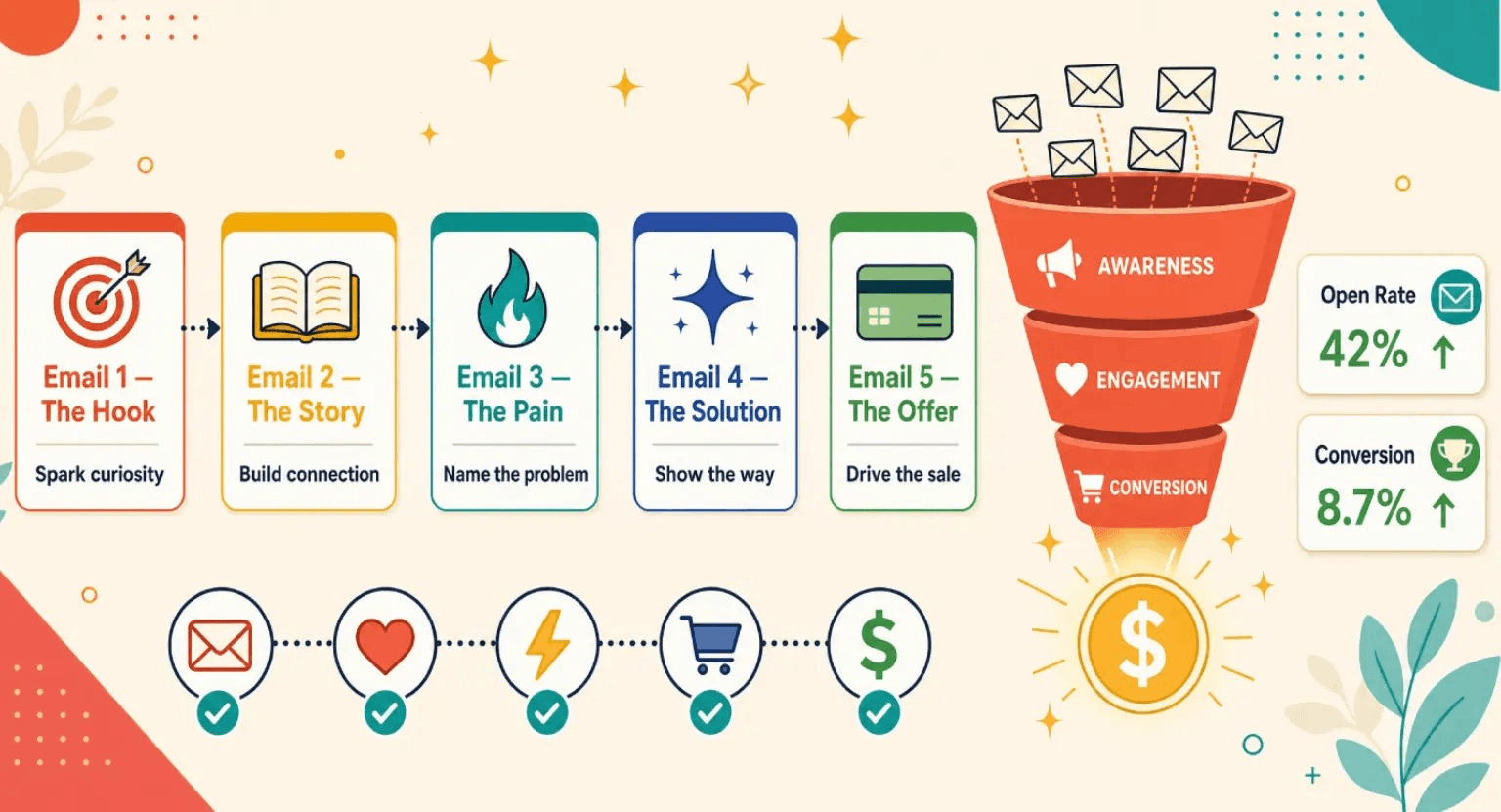
B2B marketers who send a structured 3-email sequence, announcement, value teaser, and meeting-request, to segmented prospect lists before the show consistently report higher booth traffic and more qualified conversations. This approach works best for companies with an existing CRM database. The real tradeoff: generic blasts backfire; personalization by industry vertical or pain point is non-negotiable for meaningful trade show ROI.
2. Schedule One-on-One Meetings with Priority Prospects Before You Leave the Office
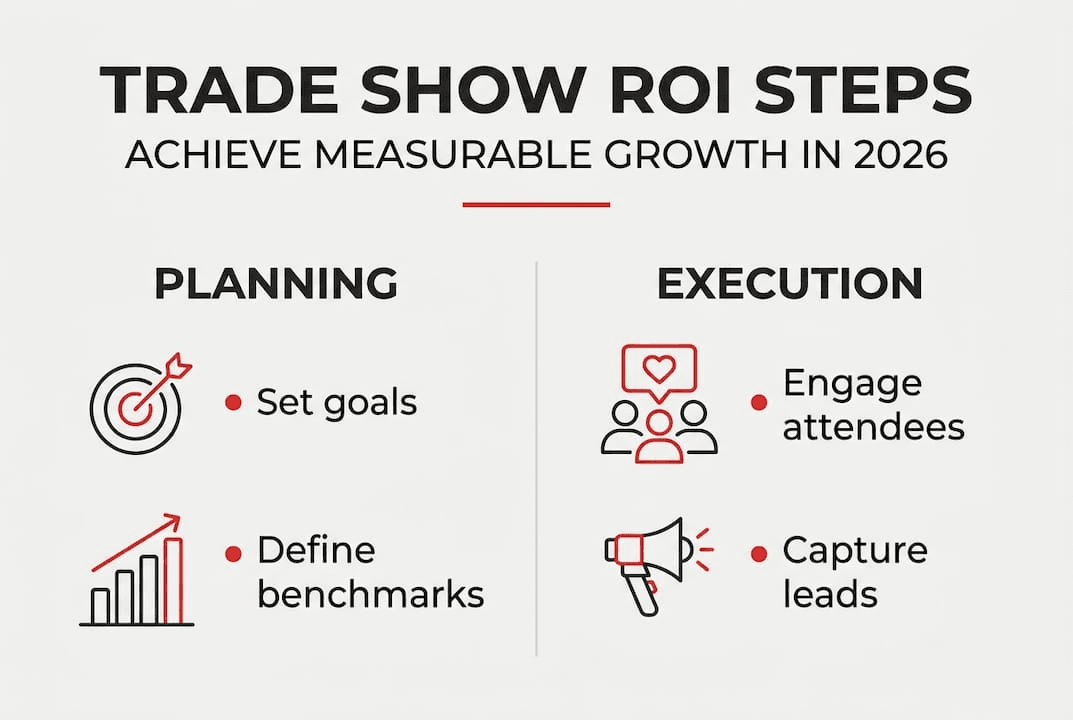
Pre-scheduling dedicated 15–30 minute meetings with high-value prospects transforms a chaotic show floor into a structured pipeline-building exercise. This tactic is ideal for enterprise sales teams targeting named accounts where a single deal justifies the entire event investment. The limitation: it requires strong outreach copy and a compelling reason to meet, prospects won't block calendar time without a clear, specific value proposition.
3. Define SMART Goals and a Lead-Scoring Rubric Tied Directly to Show Spend
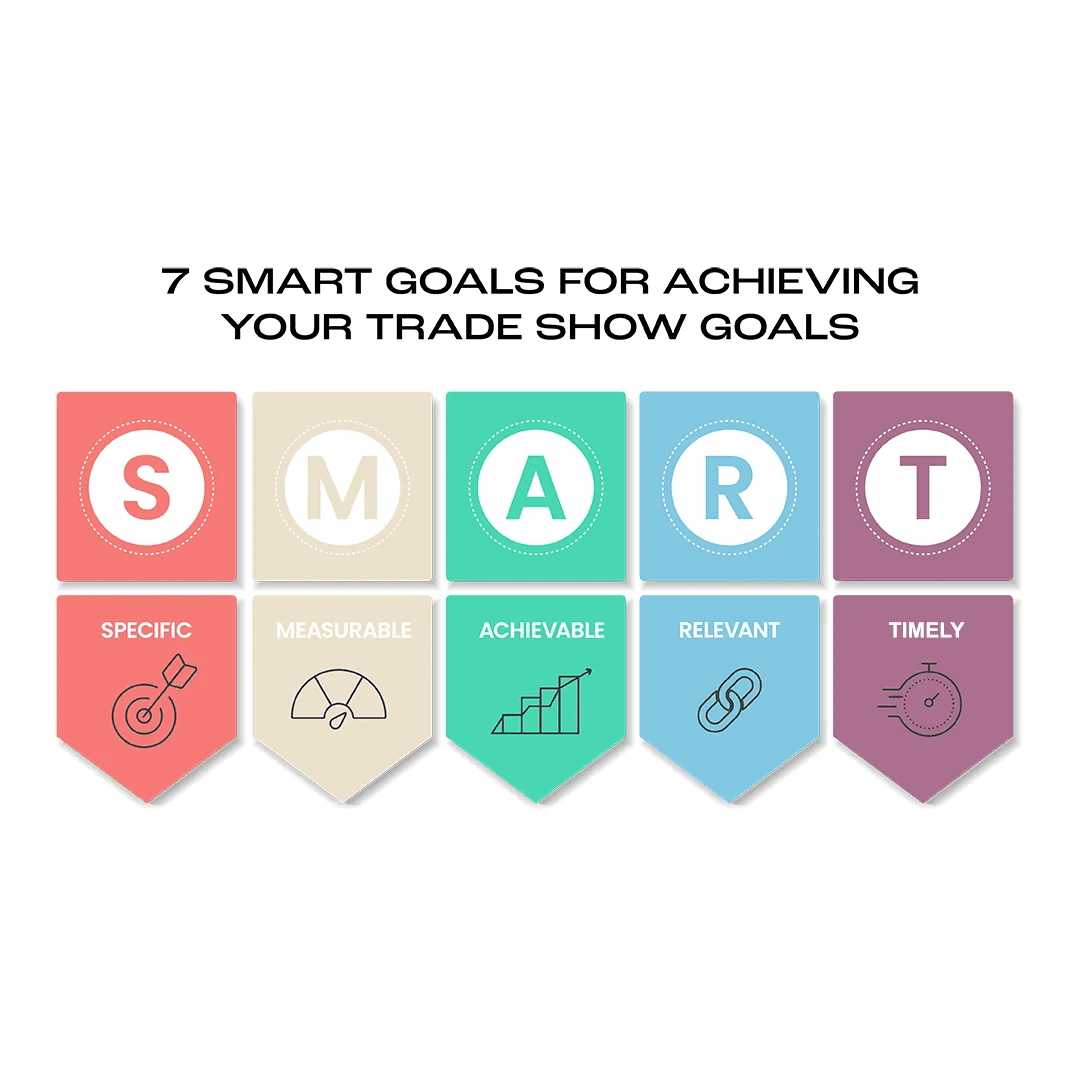
Teams that enter a show without predefined success metrics, cost per qualified lead, pipeline value targets, or meeting quotas, cannot accurately calculate trade show ROI afterward. Setting SMART goals and a simple lead-scoring rubric (hot, warm, cold) before the event ensures every staff member qualifies conversations consistently. The tradeoff is upfront planning time, but without this foundation, post-show attribution becomes guesswork.
4. Launch a Social Media Teaser Campaign to Build Booth Awareness Pre-Event
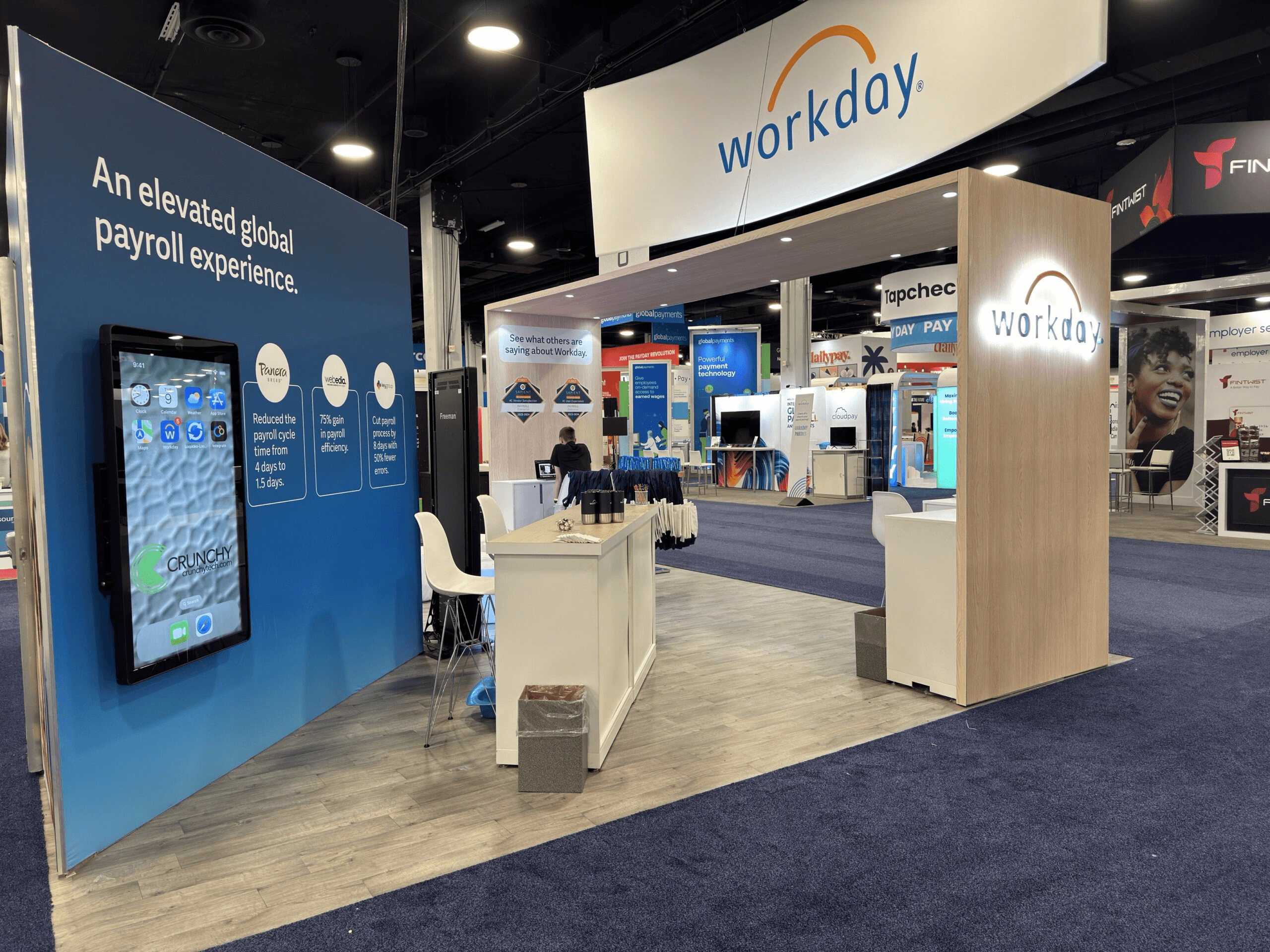
A 2–3 week social teaser campaign, hinting at a product reveal, exclusive giveaway, or live demo, builds anticipation among attendees who are already browsing the event hashtag and exhibitor list. This strategy is especially effective for brands launching new products at the show. The key limitation is that teaser content must be genuinely intriguing; vague posts generate curiosity but weak booth traffic without a clear call-to-action directing people to your location.
5. Research the Attendee List and Map Your Top 20 Target Accounts to Booth Locations
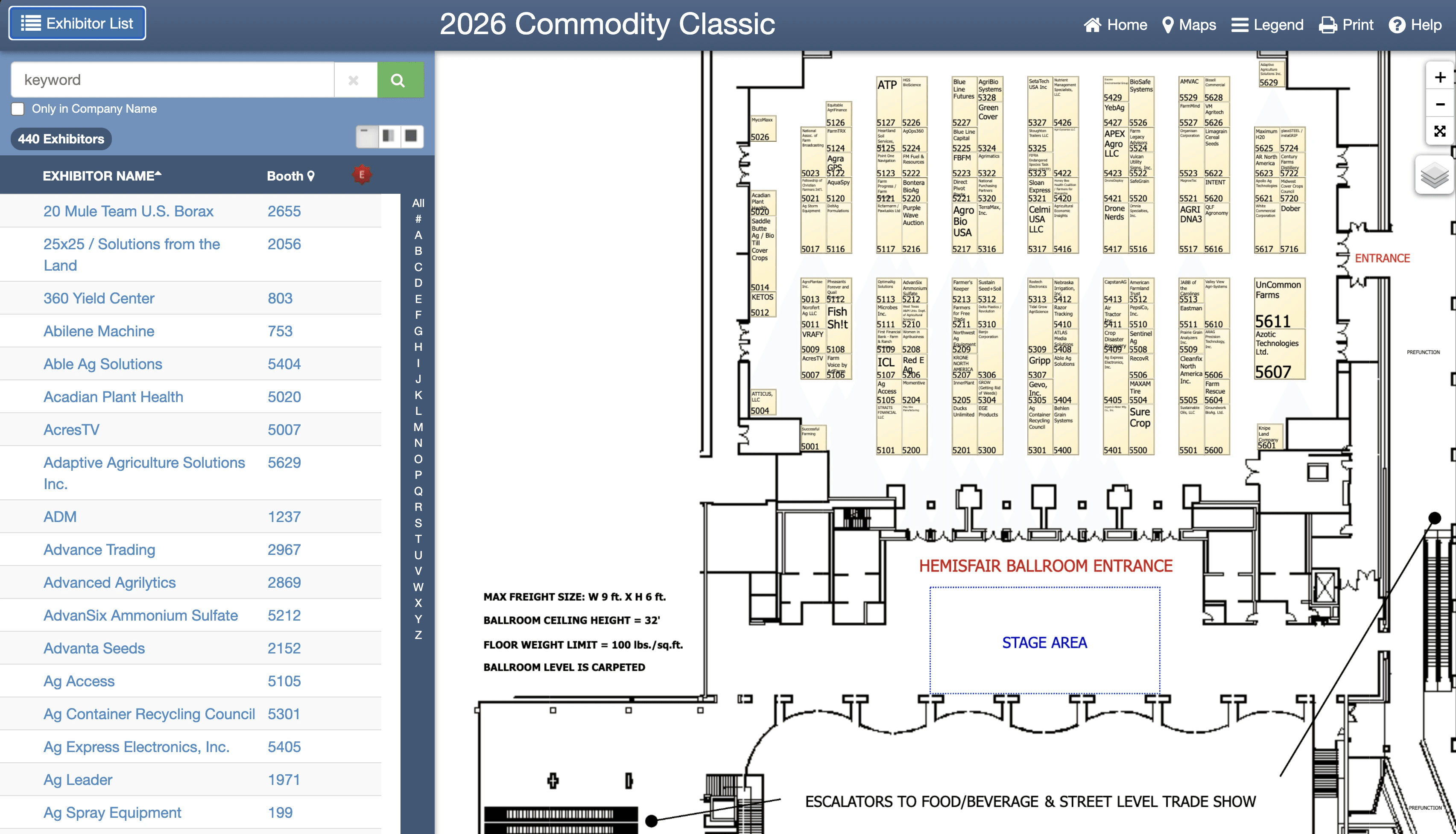
Experienced trade show sellers consistently outperform peers by studying the attendee and exhibitor list in advance, identifying their top 20 accounts, and mapping where those contacts will be on the show floor. This intelligence-first approach lets reps prioritize time ruthlessly and approach prospects with context rather than cold openers. The tradeoff is that attendee lists are sometimes released late or are incomplete, requiring flexible contingency outreach plans.
Post-Show Strategies - How to Turn Event Leads Into Pipeline Before Conversion Velocity Dies
Prompt follow-up while the conversation is still fresh. That single sentence is the most actionable post-show strategy available, yet industry data consistently shows that 80% of trade show leads never receive any follow-up at all, not because sales teams are indifferent, but because the contacts never made it into a system where follow-up could begin.
1. Send Segmented Follow-Up Emails Within 24 Hours of the Show Floor Closing
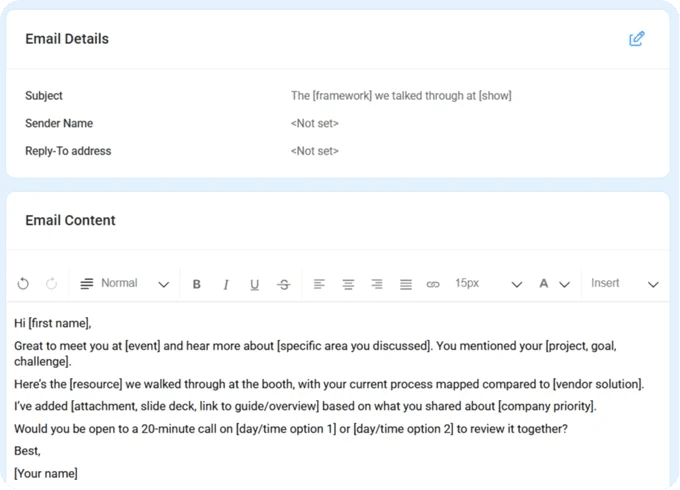
Conversion velocity peaks in the first 24 hours post-show, before prospects return to their normal workload and your booth fades into a blur of badge scans. Segmenting outreach by lead temperature, hot, warm, cold, lets reps personalize at scale without slowing CRM entry. The real tradeoff: teams without pre-built templates and automated CRM routing consistently miss this window, erasing trade show ROI before follow-up even begins.
2. Apply a Post-Show Lead Scoring Model Before Routing to Sales
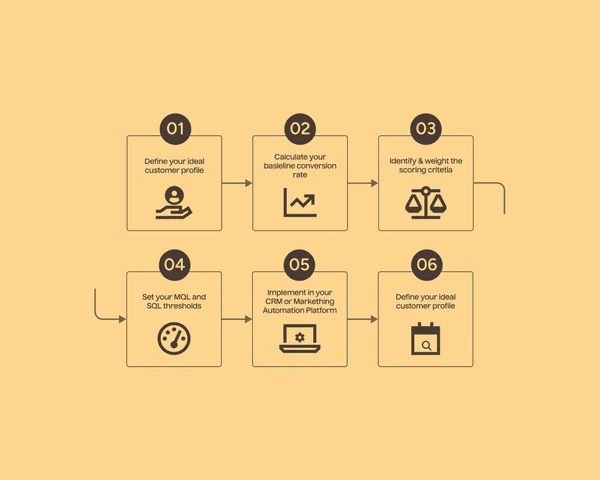
Not every badge scan represents pipeline. Applying a structured B2B lead scoring model immediately after the event, weighting job title, buying authority, expressed intent, and booth conversation depth, ensures sales reps prioritize the 10–15% of contacts most likely to convert. This directly protects trade show ROI by preventing high-value reps from wasting cycles on cold contacts. The limitation: scoring models require pre-agreed criteria between marketing and sales or they collapse into subjective guesswork.
3. Build a 5-Touch Post-Event Nurture Sequence for Warm and Cold Leads
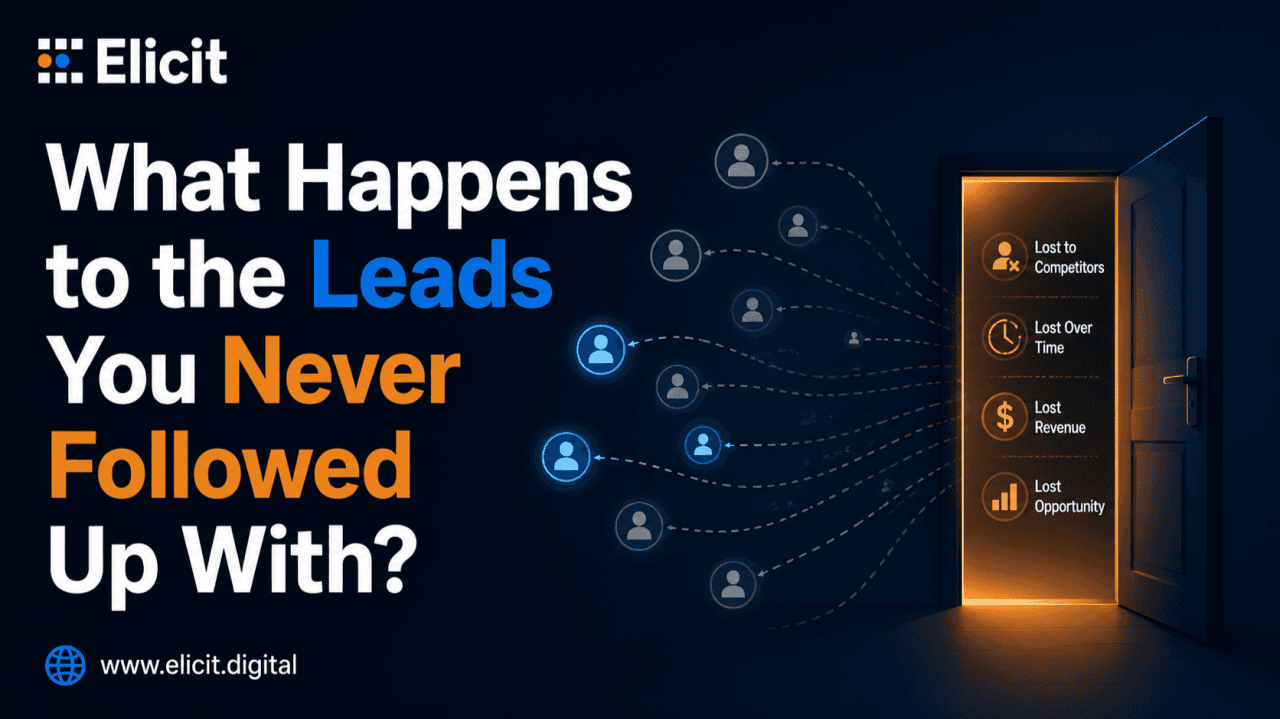
Leads who weren't ready to buy at the show still represent measurable trade show ROI if nurtured correctly. A structured 5-touch sequence, mixing educational content, social proof, and soft CTAs over 3–4 weeks, keeps your brand present during the prospect's internal evaluation cycle. This approach works best for mid-funnel contacts with defined pain points but no immediate budget. The tradeoff: sequences require content assets built before the show, not after, or the cadence stalls.
4. Enforce a Speed-to-Lead SLA That Mandates First Contact Under 5 Minutes for Hot Leads
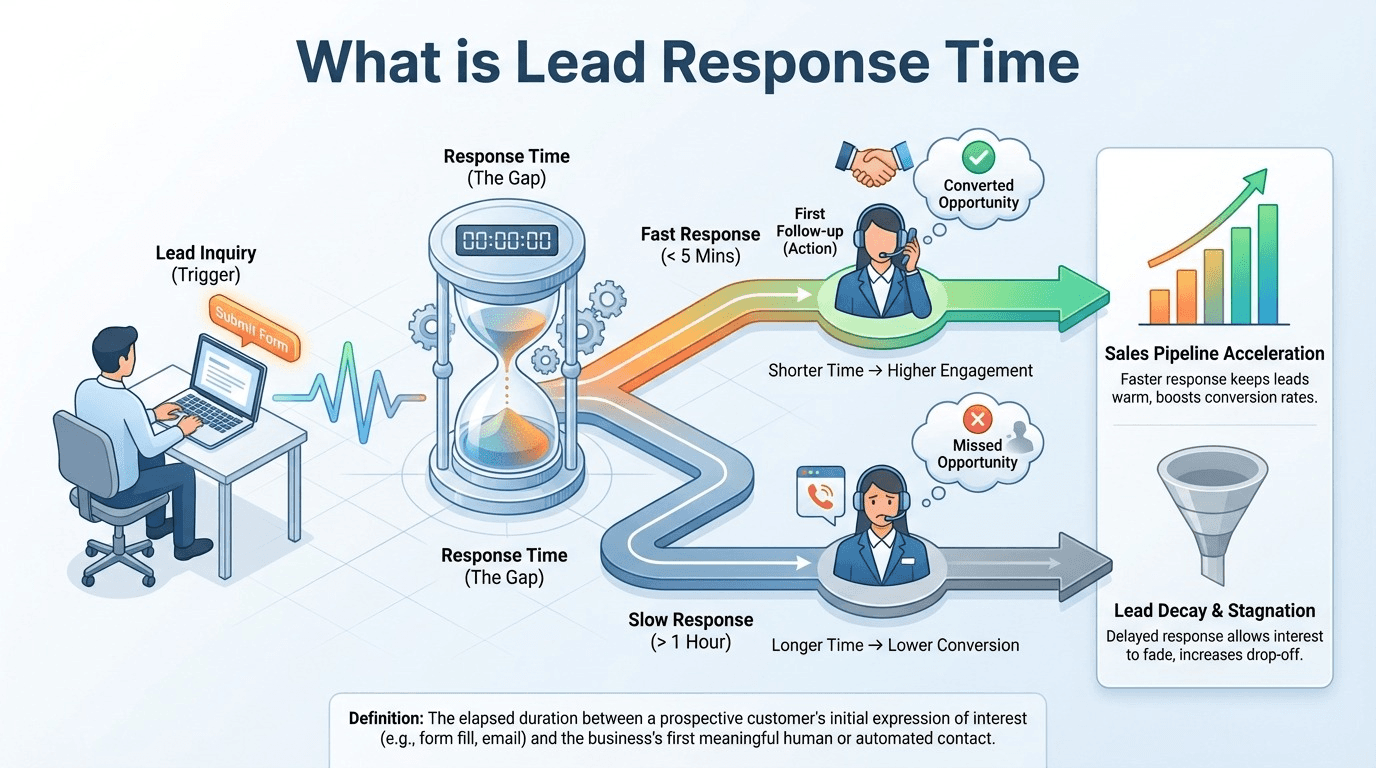
Research consistently shows that contacting a hot lead within 5 minutes of their expressed interest increases conversion likelihood by over 80% compared to a 30-minute delay. For trade show teams, this means hot leads captured on the floor must trigger an immediate automated touchpoint, a personalized SMS or email, before the rep follows up by phone. The critical limitation: this SLA is operationally impossible without pre-configured CRM automation and lead routing rules established before the event opens.
5. Convert One-Time Booth Visitors Into Long-Term Pipeline With a Post-Event Content Drip
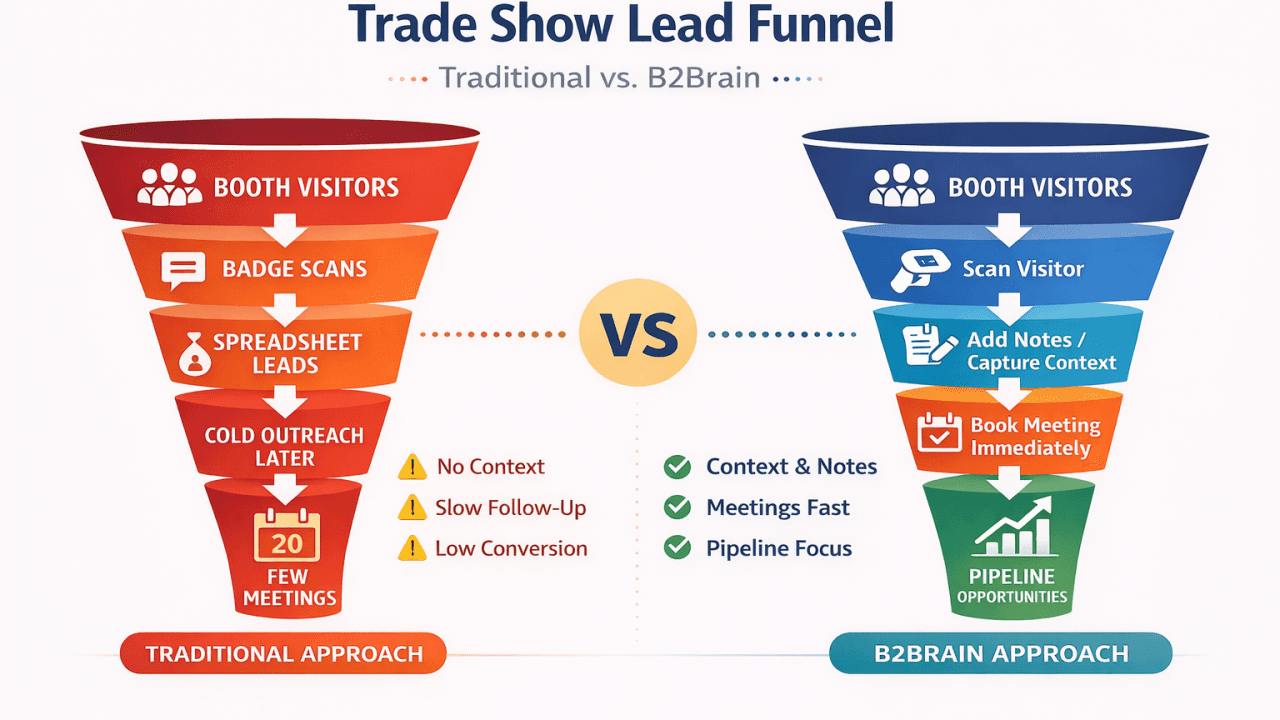
Most trade show contacts won't convert in the first 30 days, but they represent future trade show ROI if kept in an active content relationship. A post-event content drip tied to the specific topic or product category the prospect engaged with at the booth extends the event's revenue impact across an entire quarter. This strategy suits enterprise deals with long sales cycles and multiple stakeholders. The tradeoff: it requires content mapped to booth conversation themes, which demands pre-show planning most teams skip.
Related Reading
- Which Networking Software Is Best For Conferences
- Trade Show Booth Ideas To Attract Visitors
- Conference Lead Capture
- How To Measure Trade Show Effectiveness
- Virtual Event Success Metrics
- Trade Show Lead Generation Ideas
- What's The Best Event Lead Generation Software
- Post-Trade Show Marketing Strategies
- Best Trade Show Giveaways
Trade Show ROI FAQs - The Questions Every CMO Gets Asked by Finance
Finance doesn't ask the same trade show ROI questions every budget cycle because they enjoy the friction. They ask because the answers keep changing, or can't be traced back to real data. The real problem isn't the question; it's that most marketing teams have never built a repeatable, audit-ready answer set. And the stakes are real: CMOs walking into budget reviews after spending $18K across three shows with nothing closed have experienced exactly what happens when measurement infrastructure doesn't exist, the spend gets cut, not optimized. Here are the three questions your CFO will ask again this cycle, and what a defensible answer actually requires.
"What's a Good Trade Show ROI?"

The widely cited benchmark for B2B trade show ROI sits between 200% and 500%, meaning every dollar invested should return two to five dollars in pipeline or closed revenue, according to GoShowHero's analysis. Finance will accept that range once. What they won't accept the second time is an answer that can't show where on that range your program landed, and why.
One measurement gap that repeatedly trips up CMOs: finance scrutinizes raw foot traffic numbers, but total visitor count is a poor predictor of ROI. Walk-bys are not pipeline. The three variables that actually determine outcome are lead capture completeness, follow-up speed, and the quality of the contacts your team walked away with.
Calling any of those "hard to measure" is not a defense; it is a signal that the measurement infrastructure was never built. This is where a consistent, brand-aligned capture process matters. Mobilo's Teams and Business plans include:
- Insights and analytics
- Lead capture and management
- Custom lead capture forms
- Unlimited leads and contacts
Every tap, scan, or QR interaction at the booth enters a trackable record immediately, not after a manual data-entry marathon back at the office.
The Teams plan ($4/month per member, billed annually) also includes brandable QR codes and the Apple/Google QR code widget, ensuring every customer-facing touchpoint consistently reflects your brand identity while generating the engagement data finance will eventually ask to see.
"How Long Until We See Returns?"
Enterprise sales cycles routinely run six to twelve months, which means a 30-day post-show report tells finance almost nothing meaningful. 90-day pipeline tracking is the floor, not the ceiling, for any ROI window you present. Committing to that window publicly also forces the internal discipline of keeping trade show lead sources tagged and active inside the CRM long after the event debrief is forgotten.
The operational burden here is real. Manually chasing down attendee data post-show, cross-referencing badge scans, paper note stacks, and half-completed spreadsheets, is one of the primary reasons ROI tracking breaks down between the booth and the CRM. When that process is painful, it gets skipped or compressed, and the 90-day window collapses into a 30-day guess.
Mobilo removes that bottleneck at the source: contacts captured via NFC tap or QR scan flow directly into your lead management workflow. The Teams plan's paper business card scanner means even contacts who hand you a physical card don't fall through the cracks. And with 6,000 integrations through Zapier available on both Teams and Business plans, those contacts route automatically into whichever CRM your sales team already uses, no re-entry, no lost attribution.
"How Do You Prove ROI When Deals Close 6-12 Months Later?"
Long-cycle attribution only works if every contact captured at the booth enters the CRM with a clean, consistent source tag on day one, not reconstructed from memory three months later. The moment data collection becomes a manual post-show task, source integrity degrades and the attribution chain breaks. That is the precise gap finance is probing when they question trade show spend year after year.
Mobilo's lead capture and management tools, available across Pro ($3/month), Teams ($4/month), and Business ($5/month) plans, are built so that capture and tagging happen at the moment of contact, not afterward. The Business plan adds HR directory sync, enterprise SSO, central billing, and team management with the ability to control, lock, and override data fields across the entire team, which means field reps cannot accidentally create duplicate records or miscategorize a lead source mid-show.
For organizations running events at scale, white-glove onboarding is available for teams of 100 seats or more, and a custom-built landing page is also available at that threshold. The result is an audit-ready contact record that holds up when finance asks, six or twelve months later, exactly where that closed deal originated.
Related Reading
- Best Tech Conferences For Networking
- Best Networking Apps for Trade Show Attendees
- Best Finance Conferences For Networking
- Trade Show Booth Ideas For Small Budgets
- Virtual Conference Booth Ideas
- Networking Activity Ideas For Conferences
- What Are The Top Trade Show Lead Retrieval Tools
- Trade Show Follow Up Email Examples
- Conference Lead Capture Tools
- Trade Show Lead Capture App
Next steps
If your post-show pipeline numbers keep falling short no matter how much you spend on booth presence or pre-show outreach, the path forward starts with recognizing that the ROI formula is broken at the input layer, not the output. Start with our digital business card.
The 90% of contacts that never reach the CRM mean your cost-per-lead is understated, your close rate is applied to structurally degraded leads, and your estimated revenue projection is built on a denominator that was always a fraction of reality. The 24-to-72-hour capture window is where those contacts disappear permanently, and every metric your team tracks afterward is recording the shadow of a lead pool, not the actual one. Together, these two facts point to one action: automate capture at the moment of contact, before the show floor clears, so every formula you run afterward is working from complete data.
Start with a digital business card from Mobilo. Every tap or scan routes contact data directly into your CRM pipeline in real time, closing the capture gap that makes trade show ROI impossible to defend to finance.
Frequently Asked Questions
What's the step-by-step formula for calculating trade show ROI?
Start with Estimated Revenue, calculated as: Number of Qualified Leads × Close Rate × Average Deal Value. Then apply the core ROI formula: (Net Profit / Total Investment) × 100, where Net Profit equals estimated revenue minus total investment. For example, 120 qualified leads with a 22% close rate and a $28,000 average deal value produces $739,200 in projected revenue, and against a $78,000 investment, that's an ROI of 848%.
What costs should I actually include in my total trade show investment?
Beyond the booth space fee, your true investment should include exhibit design and construction, electrical hookups, furnishings, travel (flights and ground transport), hotel, per diems, freight and shipping, printed collateral, and staff time, the post notes a 10-person team at a Las Vegas show that invoices $25,000 in booth fees can actually cost closer to $78,000 when all of these are counted. Excluding any of these understates the denominator and makes your ROI look better than it actually is.
How do I calculate cost per lead for a trade show, and what's a normal benchmark?
Cost Per Lead (CPL) is calculated as Total Investment divided by the number of qualified leads captured, not total badge scans or booth visitors. B2B event CPL benchmarks typically run between $150 and $300 per qualified lead, but that benchmark assumes every qualified conversation at the booth actually becomes a counted lead in your CRM.
Why does lead quality matter more than the raw number of badge scans?
The post illustrates this directly: a field marketing team tracking 400 badge scans might report a CPL of $195 and call the show a success, but filtering that same list for genuinely qualified leads could shrink it to 87 contacts, pushing CPL to $897 and changing the entire conversation with the CFO. Because the estimated revenue formula is multiplicative, even a 5-point drop in close rate on 120 leads cuts projected revenue by roughly $168,000, so qualification quality affects every downstream metric.
How long after a trade show should I wait before measuring pipeline results?
A single post-show report will almost always be premature. According to the post, the average B2B sales cycle runs approximately 102 days, and enterprise deals can stretch to six to twelve months, which means a meaningful pipeline measurement requires a 90-day-plus tracker that follows qualified leads through your CRM until they convert or go cold.