.avif)


How to Guide Measuring Event ROI for Maximum Results
On This Page
Your event ROI formula is not broken. The data feeding it is. Here is why most pipeline numbers are fiction before the math even starts, and how to fix the gap upstream.
Event ROI measures the net value generated by an event against its total costs. That definition sounds simple, but the measurement breaks down long before anyone opens a spreadsheet. The real problem is not the formula.
It is the data feeding it. The common assumption is that this is purely a sales hygiene issue: if reps would just enter their cards into the CRM after the show, the attribution would work fine, and the measurement framework itself is sound. That assumption is wrong, and it is costing marketing teams the credibility they need to defend their budgets.

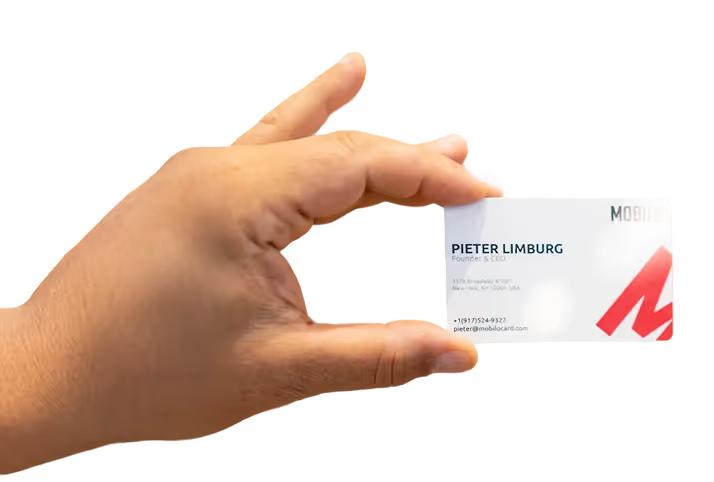
See our digital business card for how this works in practice.
Most marketing teams treat ROI as a post-event exercise: tally the badge scans, count the leads in the spreadsheet, and run the numbers once the show floor closes. That approach has a structural flaw. If the contacts made on the floor never made it into the CRM, because someone spent the flight home trying to reconstruct conversations from a stack of cards and voice memos, the pipeline number reported to the CFO is built on a fraction of what actually happened.
Tools like tap-to-sync contact capture exist precisely to close that gap before the data loss becomes permanent. Value includes tangible outcomes such as revenue, sponsorships, and pipeline generated, as well as intangible outcomes like brand awareness and relationship depth. Cost includes both the invoice-able line items (venue, A/V, travel) and the indirect ones (staff hours, pre-event marketing) that rarely appear in the post-event recap but are real expenditures.
Leaving indirect costs out inflates the ROI figure before the calculation even starts. Events consume a significant share of B2B marketing budgets, making event ROI the primary evidence marketing uses to justify continued investment. Across the market, a surprisingly low percentage of marketers measure event ROI systematically, which means most budget conversations happen without credible data on either side of the table.
Platforms such as Cvent are built around this problem, yet even teams using dedicated event technology often fail to connect contact capture to pipeline reporting. The CMO who walks in with clean attribution numbers owns that conversation. Every unlogged conversation is a silent deduction from the ROI numerator before the formula is applied.
Key takeaways
- Event ROI is not a formula problem, it is a data problem. The formula is simple; the contact records feeding it are almost always incomplete.
- 90% of new contacts never make it into a CRM because manual entry after a show is too much effort, which means most pipeline numbers reported after events are fiction.
- True event cost goes beyond venue and booth fees. Every hour spent on post-show data recovery is a real cost that inflates the expense side while shrinking the value side.
- Pre-event infrastructure, defined goals, enrichment workflows, and CRM sync rules, determines at least 80% of whether your final ROI number is credible or reconstructed.
- Attribution models only work when the contact records they run on are complete, clean, and accurately timestamped. A confident-looking number built on bad data is still a bad number.
- The window between a great booth conversation and a competitor reaching that same prospect is rarely longer than 47 hours. Manual follow-up processes burn most of it.
- Mobilo Card closes the gap by syncing every contact exchange directly into your CRM in real time, one tap, no manual entry, no three-day lag between the show floor and your pipeline.
How to Calculate Event ROI - The Basic Formula and What to Plug Into It
Spend enough time staring at an event ROI spreadsheet and you start to realize the formula itself is almost insultingly simple. The real work, the part that determines whether your number is credible or fictional, happens before you type a single value into a cell.

The Core Event ROI Formula
The basic event ROI formula is: (Net Event Revenue minus Total Event Costs) divided by Total Event Costs, multiplied by 100. The challenge has never been the arithmetic; it has always been sourcing inputs that actually reflect what happened at the event. A formula fed bad data produces a confident-looking percentage that means nothing, and in a CFO review, a confident wrong number is worse than admitting you do not know.
What Counts as Net Event Revenue
Net event revenue covers three sources:
- Ticket and registration income
- Sponsorship fees collected
- Pipeline value from leads generated at the event
- Upsell or expansion revenue directly attributed to event conversations
Of these, pipeline value is the most variable and the hardest to pin down. Bizzabo's event data research consistently identifies pipeline generated as the primary metric B2B event teams use to justify budget, which makes it both the most important input and the one most exposed to data-quality risk. One of the most consistent struggles field marketing teams face is the gap between what actually happened at an event and what ends up documented inside the CRM.
Reps exchange cards, have real conversations, and walk away with genuine pipeline interest, but the manual work of logging those contacts after an exhausting show day means entries are delayed, incomplete, or skipped entirely. The result is a pipeline figure that understates reality and quietly misrepresents its own numerator. This is not a discipline problem; it is a structural one.
Why Your Pipeline Input Is Only as Good as Your Lead Data
Key takeaway: CRM data problems that begin on the event floor corrupt the pipeline figure before it reaches the CRM, making the output a confident-looking number built on invented inputs rather than measured revenue.
80% of trade show leads are never properly followed up on
When that happens, a B2B SaaS team that captured 40% of its booth leads on paper and never completed CRM entry is not calculating event ROI; it is calculating partial-event ROI and reporting it as the whole picture. The fix is upstream, not downstream. Capturing leads from events and field meetings directly into the CRM, without relying on reps to manually log contacts, closes the gap between what happened on the floor and what the pipeline actually reflects.
Mobilocard's Teams and Business plans are built for exactly this: both include lead capture and management, lead enrichment, unlimited leads and contacts, and 6,000 integrations through Zapier, so every tap or scan at a booth feeds data directly into the CRM pipeline rather than waiting for a rep to remember the stack of paper cards in their jacket pocket. The Teams plan (marked Popular, at $4/month billed annually) also includes a paper business card scanner, brandable QR codes, custom lead capture forms, and full insights and analytics, giving field marketing and event teams the visibility to see which reps are actively networking and which conversations are actually converting into pipeline. For organizations with deeper compliance or onboarding needs, the Business plan (at $5/month billed annually) adds enterprise SSO, HR directory sync, and white-glove onboarding for teams of 100 seats or more, so the lead capture infrastructure scales alongside the event program.
Messy CRM data is a direct threat to client retention, and trade show follow-up failures are one of the most reliable sources of that mess. Bizzabo's event management research frames data completeness not as a reporting nicety but as the operational foundation for any ROI claim. A pipeline number that was never entered is not a rounding error; it is a hole in your numerator that no formula can patch.
Related Reading
- Etiquette For Networking In Online Conferences
- Trade Show Sales Tips
- How Do You Find The Roi Of A Trade Show
- Trade Show Sales Funnel
- What Is Trade Show Marketing
- Trade Show Follow Up Best Practices
- Event Lead Management
- B2b Trade Show Best Practices
- Conference Lead Generation
- B2b Trade Show Marketing
- Trade Show Lead Follow Up
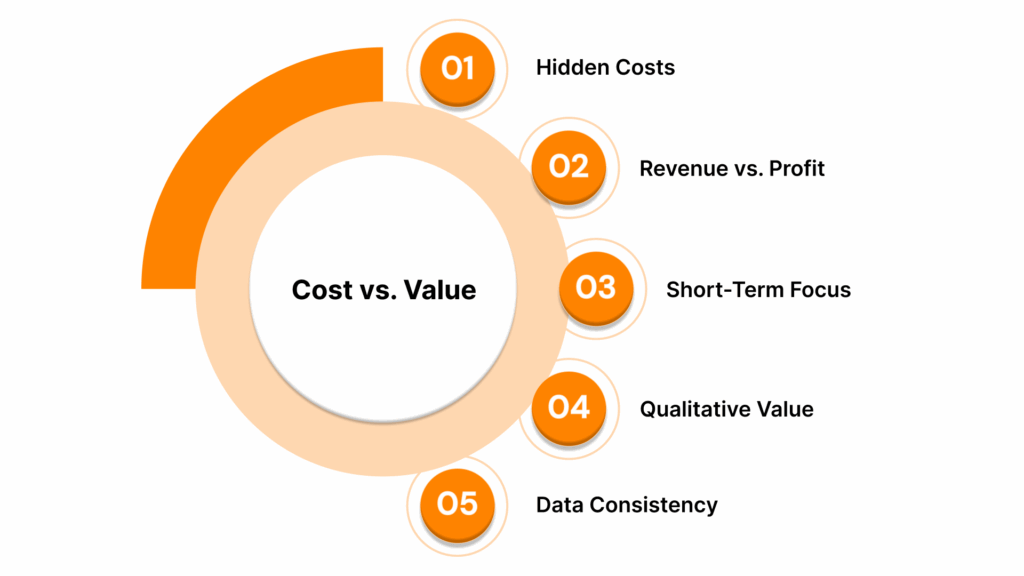
Identifying Event Costs vs. Value - What Goes Into Each Side of the Equation
The line items that appear on a typical event budget tell about half the story. Venue deposits, catering minimums, A/V rentals, and booth fees are real costs, but they are the easy ones to count. The harder costs are the ones that never generate an invoice, and they have a compounding effect: they inflate the true expense side of the equation while simultaneously shrinking the value side.

The Full Cost Map - Direct Spend, Indirect Labor, and Collateral
Direct costs are straightforward: venue, catering, travel, booth construction, and sponsorship fees. Booth staff training, pre-show outreach, and post-event lead reconciliation all consume hours that rarely appear in a formal event budget, and the problem compounds most severely for teams that attend events regularly and need structured lead follow-up, where manual reconciliation becomes a recurring tax on every show cycle. Printed collateral is its own problem.
Every card and brochure distributed generates zero attribution data. A team distributing thousands of printed cards at a conference has no record of which exchanges happened, who received what, or whether any of those contacts ever reached a CRM. That is a cost already paid with no data asset to show for it.
For professionals in client-facing roles or those attending frequent in-person networking events, this gap is especially damaging: the value of every conversation walks out the door in the recipient's pocket. This is precisely where Mobilo's team-tier cards close the loop, turning every card exchange into a trackable, attributable data point rather than a silent handout.
Both options include control, lock, and override capability on data fields, so team managers can enforce data hygiene at the source rather than cleaning it up in the CRM afterward. This matters because messy CRM data is a direct client-retention risk. The Teams software plan backing both cards, the platform's most popular tier at $4/month billed annually, adds team management, lead enrichment, custom lead capture forms, a paper business card scanner, and 6,000 integrations through Zapier, so captured contacts flow automatically into existing marketing and sales workflows without manual re-entry.
The Full Value Map - Revenue, Pipeline, and Content Multipliers
Revenue and pipeline value should anchor the numerator, alongside sponsorship income and ticket sales. But brand lift, earned media, and content repurposing also belong there. Teams that exclude content multipliers and brand impressions systematically understate the value side, producing an artificially low ROI figure even when the event performed well.
Engagement signals such as session attendance rates and networking volume matter here too, because low engagement KPIs reliably predict weak pipeline outcomes. For teams attending events regularly with structured lead follow-up needs, the exact profile where Mobilo's team tier is most beneficial, the numerator grows in a second way: every lead captured via NFC tap, QR scan, or digital wallet share arrives already enriched and ready to route, compressing the lag between first contact and first follow-up. That compression is itself a measurable value driver that belongs in any honest ROI numerator.
Beyond the Basic Formula - Incremental Revenue and Gross Margin Models
The basic ROI formula treats all attributed revenue as equivalent. The Incremental Revenue Model evaluates only the additional revenue generated specifically because of the event. When lead capture is systematic, every exchange logged, every contact enriched, every follow-up triggered automatically through Mobilo's Zapier integrations, it becomes meaningfully easier to isolate which pipeline entries originated at a specific event rather than through ambient brand awareness, sharpening the incremental signal and making the model far more defensible to finance stakeholders.
Essential Steps for Measuring Event ROI - From Pre-Event Goals to Post-Event Attribution
Before the show floor opens, the measurement window has already started closing. Most event teams treat ROI calculation as a post-event task, something to assemble from badge exports and survey responses once everyone is back at their desks. The reality is starker: without pre-event benchmarks, the post-event number is not a measurement, it is a reconstruction.
1. Define SMART Goals Before the First Ticket Is Sold
Measuring event ROI starts before the event exists. B2B marketing teams that skip pre-event goal-setting have no baseline against which to judge outcomes. SMART goals, Specific, Measurable, Achievable, Relevant, Time-bound, force alignment between event spend and business objectives like pipeline generation or customer retention. The real tradeoff: goal-setting takes cross-functional buy-in that many lean teams struggle to secure under tight planning timelines.
2. Build a Multi-Pillar Metrics Dashboard Covering Eight KPI Categories
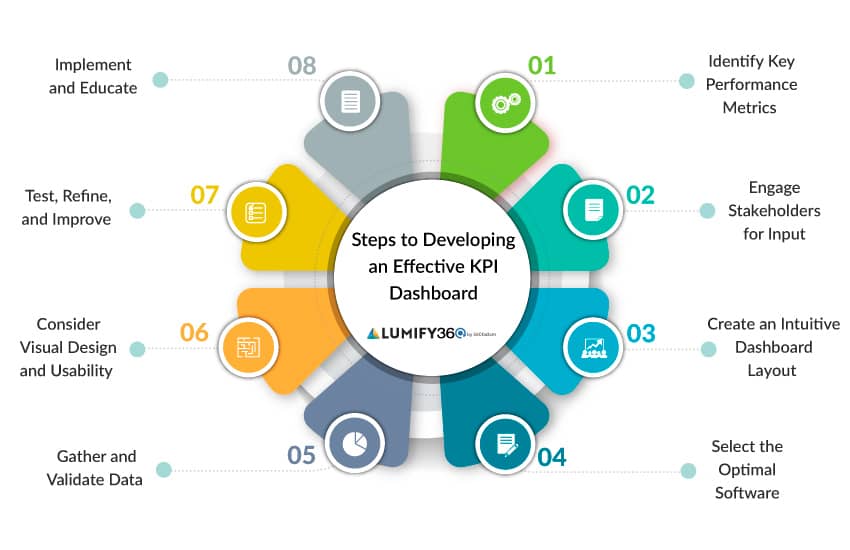
Relying on a single satisfaction score is the fastest way to misread event ROI. A multi-pillar dashboard spanning attendance quality, engagement depth, lead velocity, content consumption, social amplification, sponsor value, revenue influence, and NPS gives revenue-focused teams a defensible, 360-degree proof loop. This approach is ideal for enterprise event programs reporting to CFOs. The tradeoff is dashboard complexity, teams without a dedicated analyst risk drowning in data rather than acting on it.
3. Choose the Right Lead Attribution Model to Connect Events to Pipeline
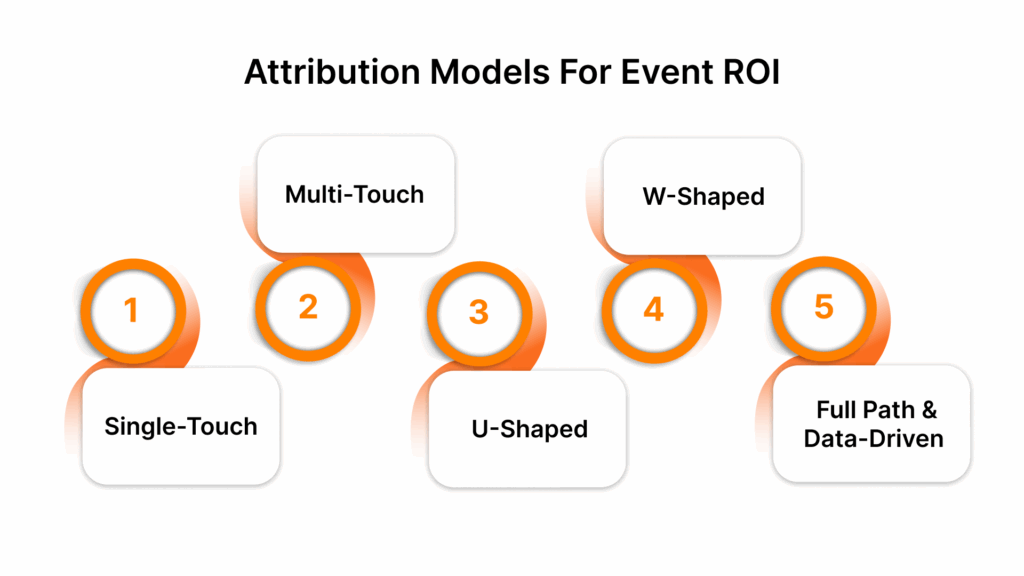
Attribution is where most event ROI calculations break down. Selecting the wrong model, first-touch, last-touch, linear, or multi-touch, either over-credits or under-credits the event's role in a deal. For B2B teams running conferences and trade shows, a W-shaped or time-decay model typically reflects reality most accurately. The critical limitation: any attribution model requires clean CRM data hygiene pre-event, which is rarely the state most sales teams maintain.
4. Track Real-Time Engagement Metrics During the Event to Capture In-Session ROI Signals
Waiting until post-event surveys to assess ROI means missing the live behavioral data that predicts downstream conversion. Session dwell time, booth interaction rates, app engagement, and live poll participation are leading indicators of attendee intent that can be acted on in real time, rerouting staff, triggering follow-up sequences, or escalating hot leads to sales. The tradeoff: real-time tracking requires event tech infrastructure investment that smaller teams may not have budgeted.
5. Deploy Post-Event Surveys Within 24 Hours to Lock In Qualitative Attribution Data
Quantitative metrics tell you what happened; post-event surveys tell you why it mattered to attendees. Sending structured surveys within 24 hours, while experience recall is highest, captures qualitative attribution data like perceived value, intent to purchase, and Net Promoter Score that no CRM can auto-generate. This step is essential for events targeting brand perception shifts or long-cycle enterprise deals. The tradeoff: response rates drop sharply after 48 hours, making timing discipline non-negotiable.
Key Event ROI Metrics and KPIs - Financial, Engagement, Lead Quality, and Brand Impact
Four KPI categories determine whether your event budget survives the next CFO review. Most marketing teams report on one or two, usually total leads scanned and a rough revenue attribution number, then wonder why the finance team keeps questioning the spend. The problem is not the formula. It is the incomplete picture feeding it.
1. Financial ROI - Revenue Generated vs. Total Event Cost
Financial ROI is the category CMOs defend first in budget reviews, and it carries the most obvious inputs: total event cost versus pipeline value generated, cost per lead, and sponsorship return. Across the market, the average B2B event cost per lead sits well above most digital channels, which means a single misattributed deal or a batch of missing contacts can swing the final number from positive to fiction. This metric is only credible when the revenue inputs are complete, not reconstructed from memory a week after the show closes.
2. Engagement Depth - Session Attendance Rate and Dwell Time
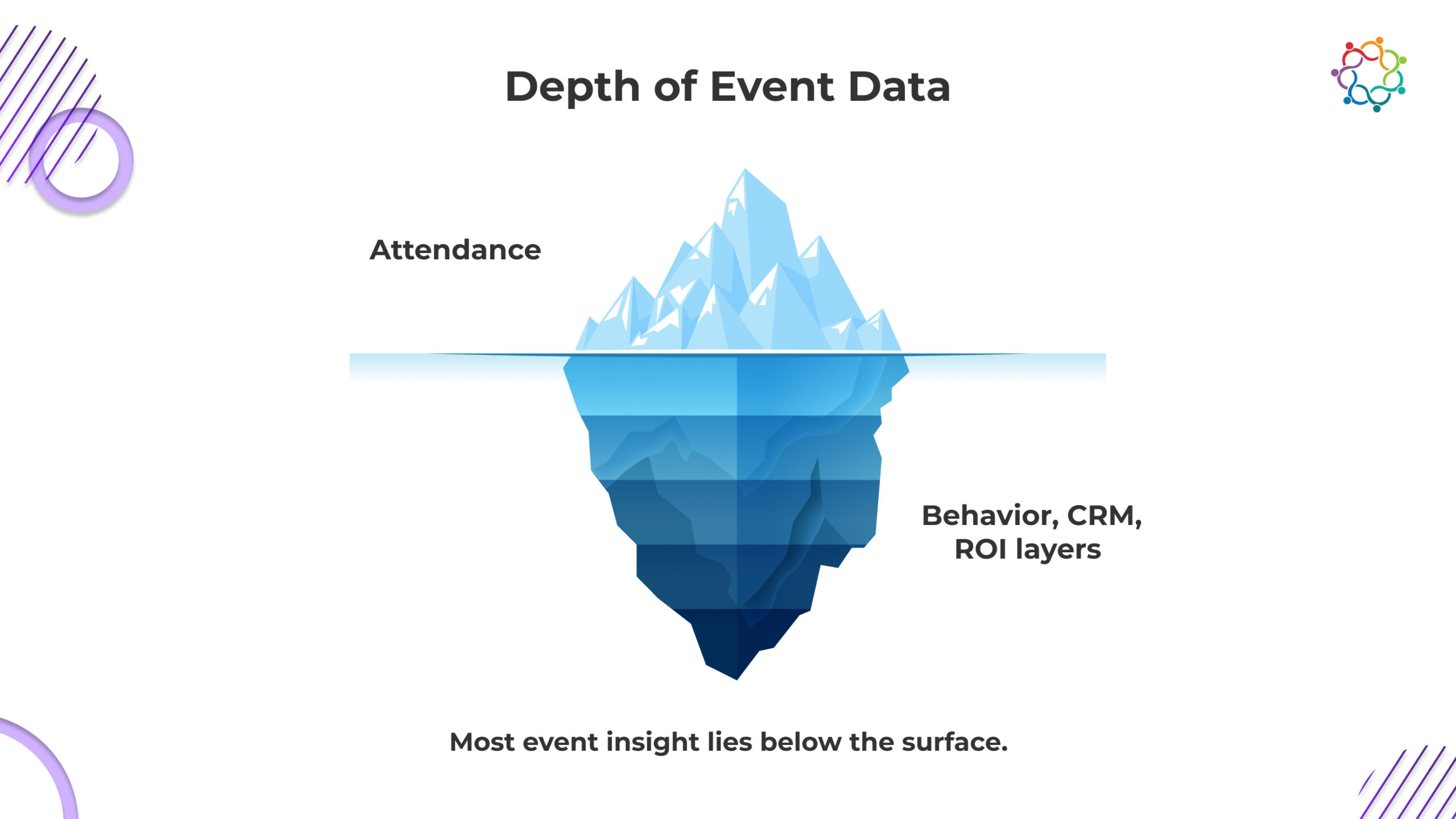
Engagement KPIs measure whether the audience you paid to attract actually showed up and stayed. Session attendance rate, dwell time at your booth, app usage, and networking activity all signal whether the event format worked. The limitation here is real: high engagement scores do not predict pipeline. An event that fills every session but generates 80% unqualified leads still produces a financial loss. Treat engagement metrics as a diagnostic for future event design, not as a standalone proof of ROI.
3. Lead Quality Score - MQL-to-SQL Conversion Rate from Event Leads
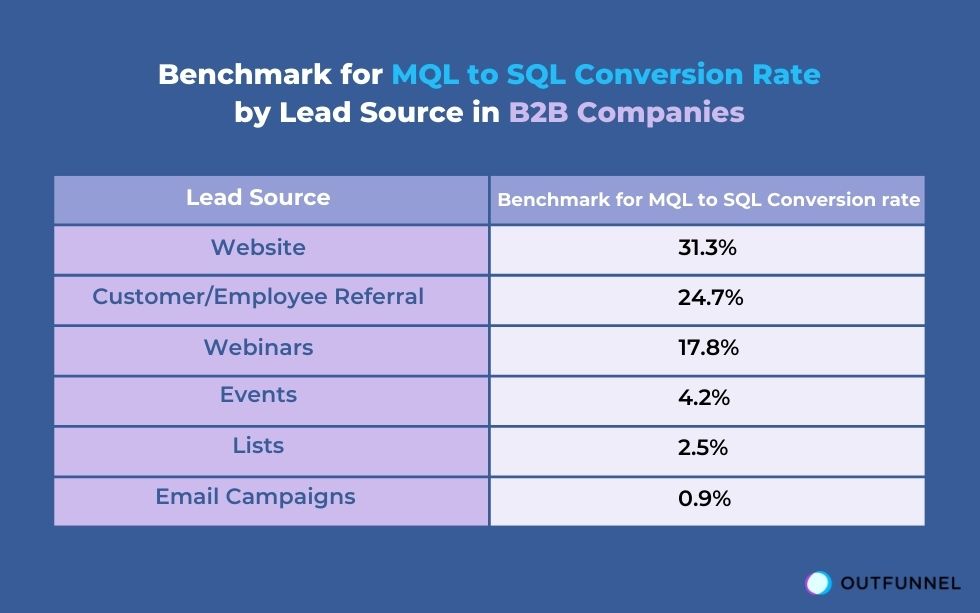
This is where most event ROI frameworks quietly collapse. What most teams report bears this out:
- Event and trade show leads convert from lead to MQL at roughly 20 to 25 percent, compared to higher-intent inbound channels.
- The average MQL-to-SQL conversion rate across B2B industries sits at approximately 13 percent.
- Compounded, that means a best-case scenario produces only 2.6 to 3.25 percent of raw event contacts as sales-qualified opportunities, before accounting for any data loss at capture.
Most teams then unknowingly sabotage that conversion rate by running contact capture on manual badge scans and paper exchanges. Contacts arrive in the CRM days late, missing fields, or not at all. A smart digital business card syncs contact data directly to the CRM at the moment of exchange, so the MQL count reflects every qualified conversation on the floor, not just the ones someone remembered to log.
4. Brand Impact - Post-Event Share of Voice and Sentiment Lift
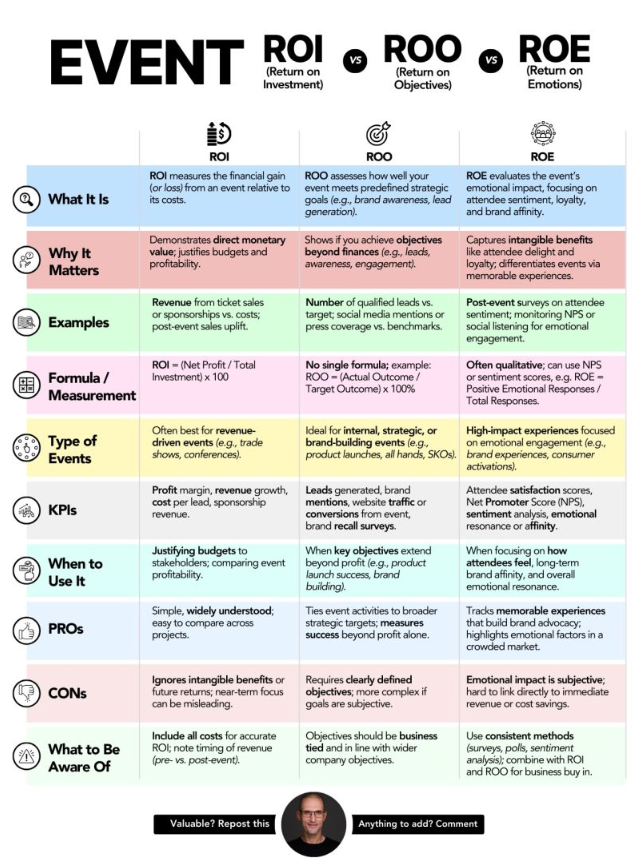
Brand impact metrics capture the awareness and perception value of an event by measuring social mentions, share of voice relative to competitors, and sentiment scores before and after the event window. This is the right KPI category for brand and communications teams defending sponsorship budgets or flagship conference investments. The persistent challenge is that brand lift is inherently lagging and harder to tie to revenue, requiring dedicated social listening tools and baseline benchmarks set well in advance.
Related Reading
- Which Networking Software Is Best For Conferences
- Trade Show Booth Ideas To Attract Visitors
- Conference Lead Capture
- How To Measure Trade Show Effectiveness
- Virtual Event Success Metrics
- Trade Show Roi
- Trade Show Lead Generation Ideas
- What's The Best Event Lead Generation Software
- Post-Trade Show Marketing Strategies
- Best Trade Show Giveaways
Data Capture Methods and Tools That Make Event ROI Tracking Actually Work
Badge scanners feel like a solved problem. You rent the device, staff swipes attendees at the booth, and the leads exist. The trouble is that "existing" and "being CRM-ready" are two completely different things, and the gap between them is where event ROI quietly collapses.
The real event ROI killer is not a missing metric or an ignored KPI category; it is a compounding time-destruction chain: contacts are captured as fragments across notepads and mobile photos, re-entered into CRM days later without context, then follow-up happens 47 hours after the interaction on average, by which point the 391% conversion premium available in the first minute has fully evaporated. In other words, the financial loss from trade shows is not in the spend column but in the systematic destruction of conversion velocity between handshake and CRM record. 90% of new contacts captured at events never make it into a CRM, because the manual entry step requires effort that simply does not happen under post-show pressure.
Across the market, the average scanned contact waits 48 to 72 hours after a show closes before anyone touches the record. By that point, conversion velocity has already fallen off a cliff. The event data capture method you choose determines not just whether a contact exists, but whether it arrives fast enough, clean enough, and attributed accurately enough to count in any ROI calculation.
The goal for field marketing and event teams is to capture leads efficiently and feed that data directly into the CRM pipeline, eliminating the lag and data loss that manual workflows guarantee.
How to Capture Leads at the Contact-Exchange Moment
The highest-intent signal at any event is the deliberate one-to-one contact exchange, and it is almost universally the least instrumented step in the event tech stack. Contacts frequently fail to reach the CRM under manual workflows. Mobilo's digital business card addresses this directly by making the contact-exchange moment itself the data-capture trigger.
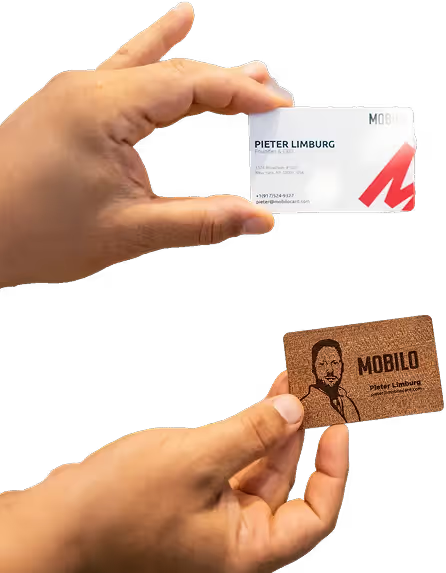
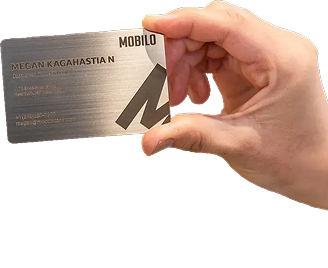
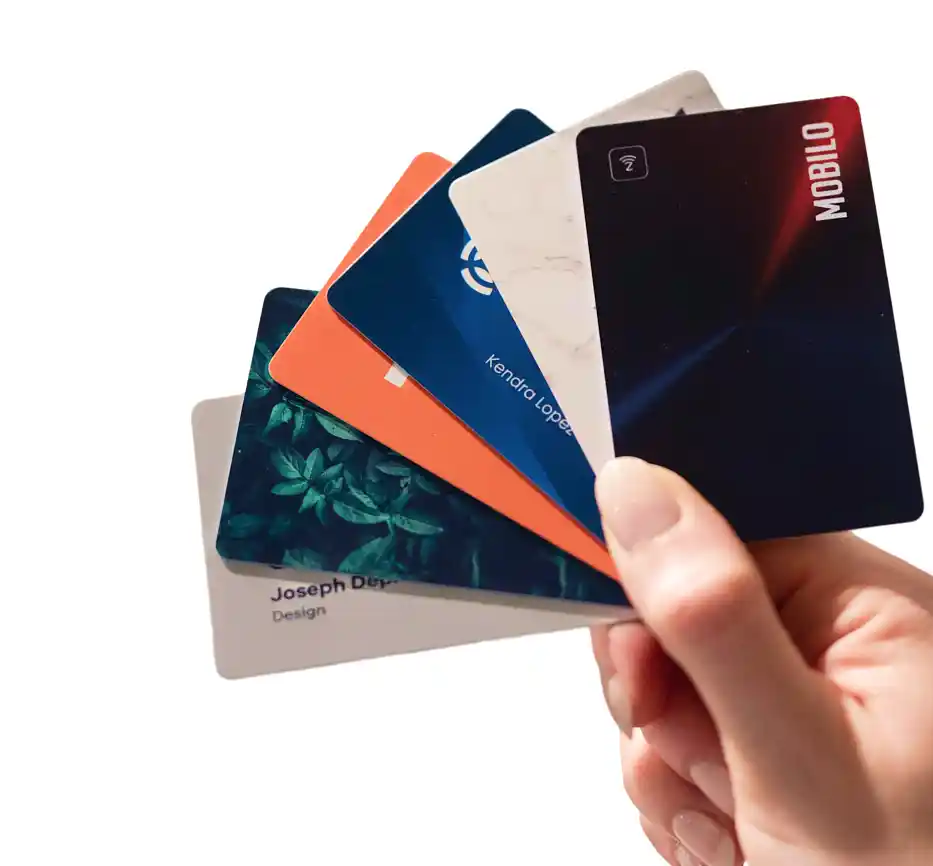
A single NFC tap or QR scan creates a timestamped, enriched CRM record instantly, no manual re-entry, no 48-hour lag. For teams deploying at events, the Teams plan ($4/month per member, billed annually), the platform's most popular tier, pairs the physical card with full team data analytics, CRM integrations, lead enrichment, custom lead capture forms, and unlimited leads and contacts, so every rep's activity rolls up into a single pipeline view the moment it happens. Teams can choose from a range of card formats suited to different event contexts: a Digital Wallet Card (included at no extra hardware cost beyond the $4/month software), Paper Plus Cards for easy handouts at high-volume booths, or premium Custom Designed NFC Cards available in standard, Wood, and Metal finishes for higher-touch relationship moments.
Every format ships with unlimited taps and scans, team management with the ability to control, lock, and override data fields, and full team analytics, meaning the data captured in the field is structured and CRM-ready before the rep leaves the booth floor. For larger organizations that need enterprise-grade controls, the Business plan ($5/month per member, billed annually) adds enterprise SSO, HR directory sync, a custom domain, central billing, white-glove onboarding, and 6,000 integrations through Zapier, giving field marketing operations the infrastructure to arm every rep with a capture tool that feeds directly and automatically into the CRM pipeline, with no data left behind on a notepad.
1. Mobilocard - Best for Real-Time CRM-Synced Lead Capture and Measuring Event ROI
Mobilocard combines NFC digital business card exchanges with instant CRM sync, giving event teams a clean, timestamped data trail from first contact to closed deal, exactly what measuring event ROI demands. It's the right pick for B2B sales teams attending multiple shows who need pipeline attribution without manual data entry. The tradeoff: it requires attendees to tap or scan, so passive walk-by traffic goes uncaptured.
2. PheedLoop Lead Retrieval - Best Badge-Scan Tool for Exhibitor-Side ROI Tracking
PheedLoop's built-in lead retrieval turns badge scans into structured exhibitor data, name, title, company, and custom qualification notes, all exportable post-show. For event organizers who need to prove sponsor and exhibitor ROI, this creates a measurable scan-to-pipeline record. The key limitation is that it only works within PheedLoop-managed events, making it a poor fit for teams exhibiting across multiple platforms or third-party shows.
3. Grip Lead Generation - Best AI-Matched Lead Capture for Conference ROI Measurement
Grip layers AI-powered matchmaking on top of standard badge scanning, so exhibitors capture not just contact data but intent-qualified leads ranked by relevance. This makes it uniquely powerful for measuring event ROI in conference settings where meeting quality matters more than raw scan volume. It integrates directly with Salesforce and HubSpot. The tradeoff is cost and complexity, smaller exhibitors or single-event teams may find the platform overkill.
4. Eylet NFC Cards - Best Offline-First Lead Capture Method for Trade Show ROI Data
Eylet NFC cards capture leads without requiring a badge scanner or monthly software subscription, making them ideal for smaller exhibitors or teams at shows where official lead retrieval hardware is expensive or unavailable. Contacts are stored locally and exportable as CSV, giving teams clean data for post-event ROI calculations. The limitation is the absence of real-time CRM sync, data must be manually uploaded after the event, introducing lag in follow-up speed.
5. Zuddl Lead Capture App - Best for B2B Trade Show Teams Needing Scan Versatility and CRM Speed
Zuddl's lead capture tooling supports QR code scanning, business card OCR, and manual entry in a single app, covering the full range of in-person data capture scenarios that matter for measuring event ROI across diverse show formats. It's best suited for B2B event teams who exhibit at multiple shows with inconsistent badge infrastructure. The notable gap is lead qualification depth, it captures contact data efficiently but offers fewer built-in scoring or intent-tagging features than AI-native competitors.
Attribution Models and CRM Integration - How to Connect Event Data to Pipeline and Revenue
Revenue operations teams spend real energy debating whether linear, time-decay, or position-based attribution gives the most accurate picture of event performance. That debate matters, but it starts in the wrong place. Before any model can work, the contact records it runs on have to be complete, clean, and timestamped accurately. Without that foundation, every model produces a confident-looking number built on a fraction of the actual data, and AI or automation layered on top only amplifies those errors rather than correcting them.

Why Single-Touch Attribution Lies to You About Event Revenue
"CRM data quality is a prerequisite for accurate attribution, messy CRM records mean AI and automation tools amplify attribution errors rather than fix them."
Multi-touch attribution is necessary for event ROI because B2B buyers encounter an average of 6 to 10 touchpoints before a purchase decision closes. More recent deal analysis puts that figure even higher, at 8 to 15 touchpoints for complex B2B sales. Crediting 100% of a closed deal to the trade show booth conversation, or to the last email before signature, systematically overstates one channel while erasing the contribution of every other interaction in the sequence. Single-touch models are structurally incapable of representing a buying journey that long, and in practice, what most teams call "multi-touch attribution" is still last-click thinking dressed up with prettier charts. The model changes; the underlying data problem does not.
Multi-Touch Models That Actually Fit Event Scenarios
Linear attribution splits credit equally across all recorded touchpoints, which works well when no single interaction clearly dominated the buyer's decision. Time-decay attribution gives progressively more credit to interactions closer to the close date, making it a reasonable fit when an in-person product demo two weeks before signing carried more weight than a webinar six months prior. Position-based models weight first and last touch most heavily, useful when event sourcing and final conversion are the two moments revenue ops most needs to defend to a CFO.
Each model is a legitimate analytical lens, but every one of them is only as trustworthy as the contact records underneath it. Inconsistent fields, duplicate contacts, and incomplete lifecycle stages do not stay quietly in the database; they flow directly into whichever model you run and cause it to produce comforting stories instead of accurate ones.
Attribution Accuracy Is a Data-Completeness Problem Before It Is a Model-Selection Problem
A B2B deal involves a buying committee, multiple stakeholders, and months of distributed influence. The CRM, however, typically records a single rep's single contact entry, collapsing that entire multi-person, multi-month signal into one timestamp. Any attribution model running on that record will systematically under-credit the event relative to digital channels that produce one trackable touchpoint per person per interaction.
Model sophistication cannot compensate for a capture model that was never designed to represent committee-level influence. This is the core tension a CRM admin setting up attribution integrations faces: the integration is configured correctly, but the data flowing into it was compromised at the point of collection, the booth, the hallway conversation, the walk-up demo. Mobilo's Teams and Business plans address this at the source.
Both plans include lead capture and management, lead enrichment, unlimited leads and contacts, and direct Zapier integrations, meaning every contact tapped or scanned at an event flows into the CRM automatically, with consistent fields, without relying on a rep to manually key anything in after the fact. The Teams plan is available at $4/month per member billed annually, supports unlimited team members, and includes full team data analytics and CRM integrations alongside the ability to control, lock, and override data fields across the team, a capability that directly prevents the inconsistent field entries that corrupt downstream attribution. The Business plan at $5/month per member billed annually adds enterprise SSO, HR directory sync, a custom domain, and white-glove onboarding for larger deployments, giving CRM admins the governance layer needed to enforce data standards at scale.
Both plans include 24/7 customer support, brandable QR codes, no-internet QR sharing for venue environments where connectivity is unreliable, and a free digital wallet card per member. Clean, timestamped contact records captured automatically also serve a second strategic function: they reduce wasteful spend on printed collateral. When every NFC tap and QR scan is logged with a timestamp and tied to a named contact in the CRM, marketing can demonstrate which events sourced pipeline and influenced revenue, shifting the budget conversation from anecdote to evidence.
Why Dirty or Missing Contact Records Break Every Attribution Model
Messy records, duplicate contacts, and missing lifecycle stages cause attribution models to tell comforting stories instead of accurate ones. No model, linear, time-decay, or position-based, can recover signal that was never captured. The fix is not a better model. It is a capture workflow that makes clean, complete, automatic CRM entry the default outcome of every in-person interaction, so that when revenue ops does sit down to choose a model, the data it runs on actually reflects what happened.
Methods That Maximize Event ROI - From Data-Driven Follow-Up to Contact Capture Automation
Turning a well-attributed contact record into a closed deal faster starts with one uncomfortable truth: the window between a great conversation on the show floor and a competitor reaching that same prospect first is rarely longer than 47 hours. Most of that window is wasted not by poor booth design or a weak session agenda but by the gap between the moment a rep shakes a hand and the moment they finally open a laptop to log the contact.
1. Automate Contact Capture at the Booth with NFC-Enabled Digital Cards
Key takeaway: Automated capture only pays off when the CRM sync triggers follow-up immediately, not the next morning.
The hidden cost of manual contact exchange is not the time spent on data entry. It is the conversion window that closes while the data sits unprocessed. Mobilo Card's NFC-enabled digital business cards close that gap by creating a structured contact record at the precise moment of exchange, provided the rep's CRM integration is configured and the follow-up sequence is live before the show opens. When those two conditions are met, the lead that would have lived on a paper card in a jacket pocket becomes a tagged, enriched pipeline entry before the conversation ends.
2. Build a Segmented Post-Event Email Sequence Tied to Lead Scoring
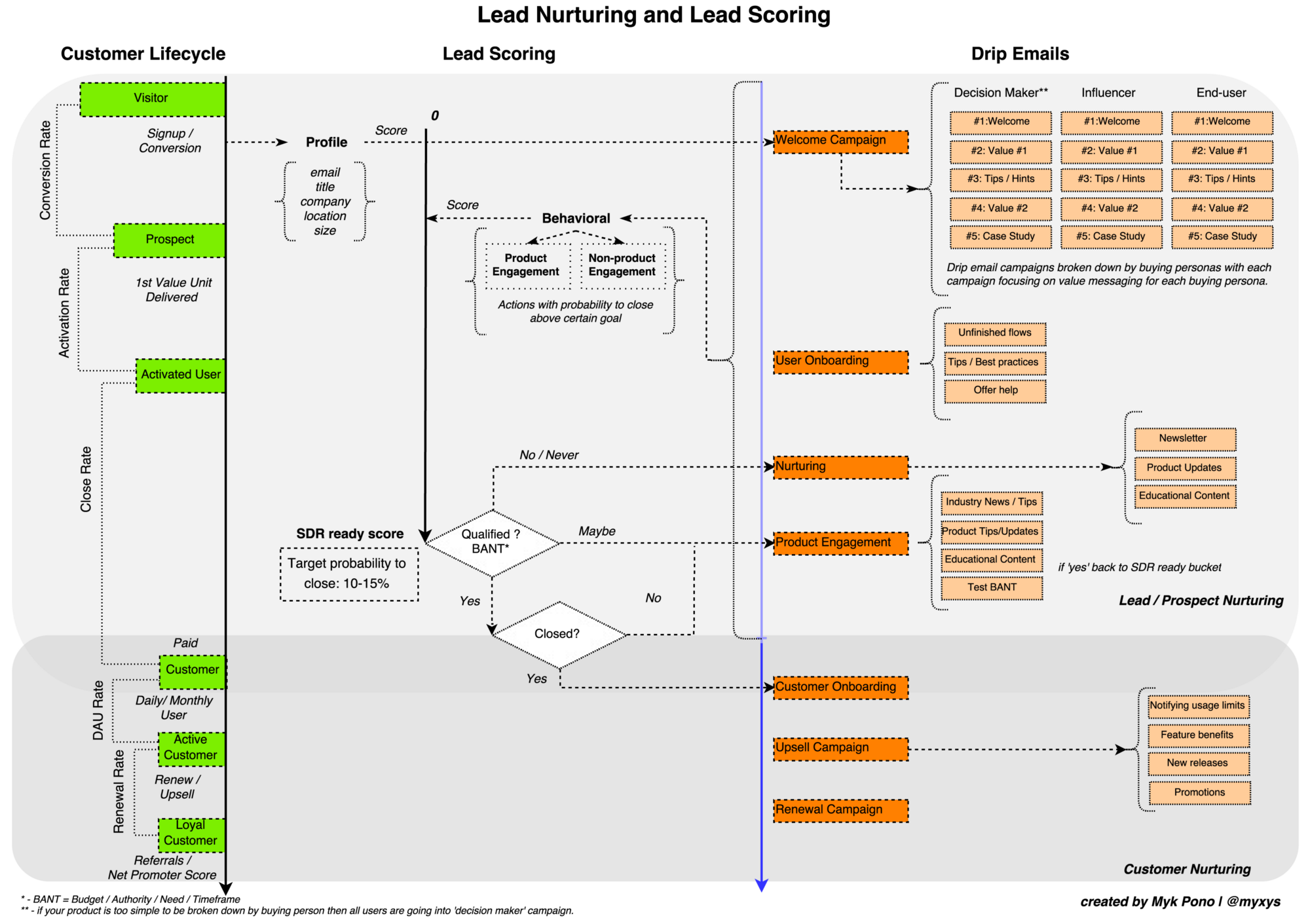
Measuring event ROI demands that captured leads actually convert, and a segmented post-event email sequence, triggered by lead score or engagement tier, is the highest-leverage follow-up method available. It works best for B2B teams with CRM-integrated event platforms where attendee behavior data feeds directly into nurture logic. The limitation: building truly personalized sequences requires clean data from the event itself, meaning poor capture quality upstream kills downstream results.
3. Sync Event Leads Directly to Salesforce for Real-Time Pipeline Attribution
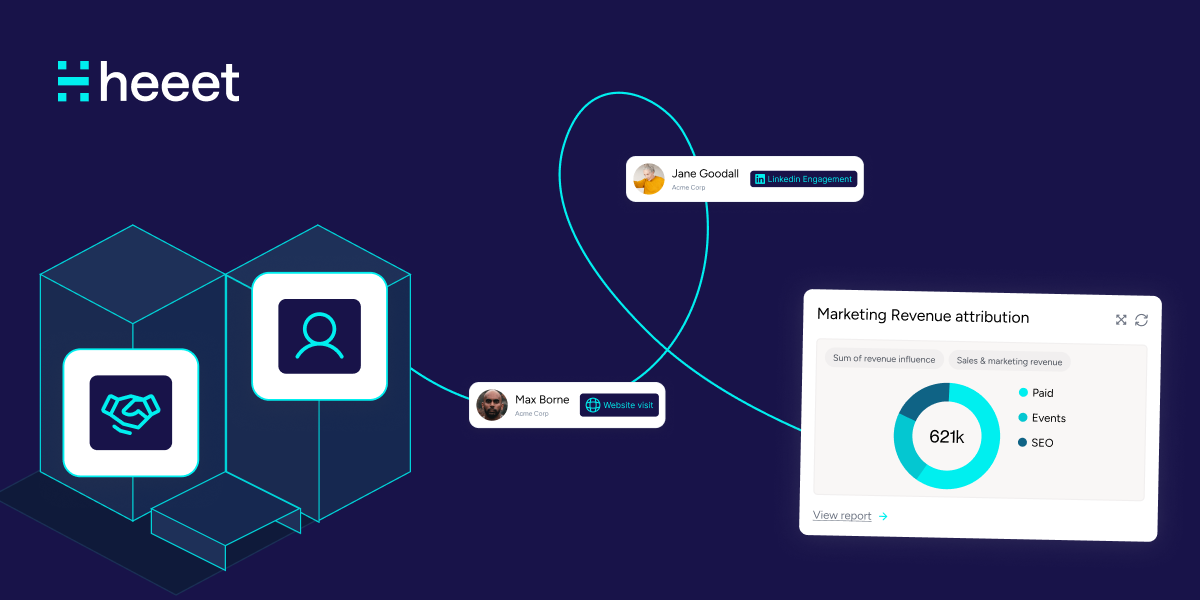
The fastest path to proving measuring event ROI is eliminating the gap between booth conversation and CRM record. Direct capture-to-Salesforce workflows let revenue teams attribute pipeline to specific events within hours, not weeks. This approach suits enterprise sales orgs running multiple events per quarter where attribution accuracy directly influences budget decisions. The tradeoff is setup complexity, custom field mapping and permission structures require dedicated RevOps time before each event.
4. Deploy Universal Lead Capture with Gamified Booth Activations
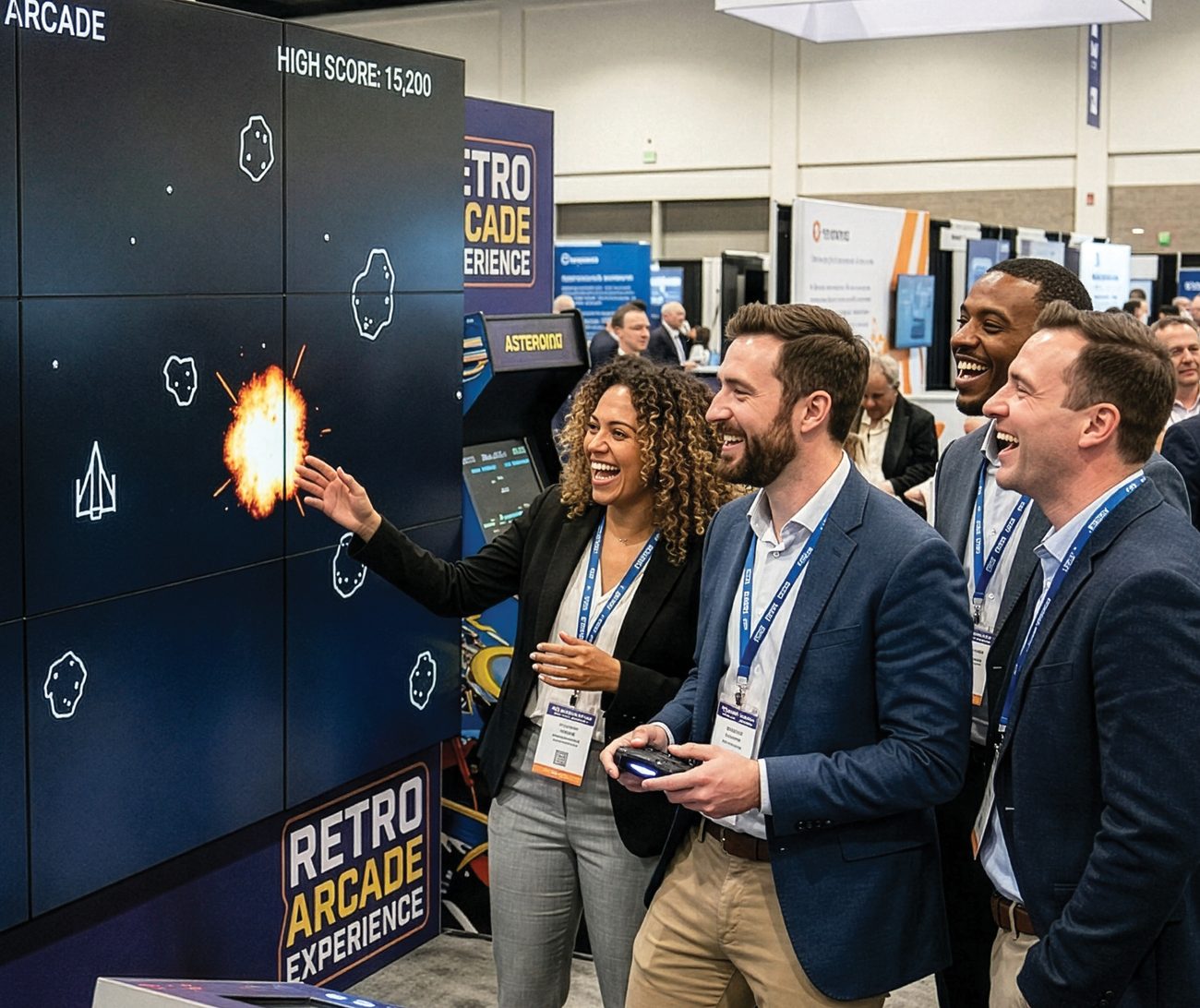
Universal lead capture platforms that layer gamification, spin-to-win wheels, digital prize draws, leaderboards, onto badge scanning dramatically increase both volume and quality of leads collected. This method is the right pick for exhibitors at large trade shows where booth traffic is competitive and dwell time is short. The key limitation is that gamification inflates raw lead counts, so teams must apply post-event qualification filters to avoid wasting sales follow-up resources on low-intent contacts.
5. Establish Pre-Event KPI Baselines to Benchmark Post-Event ROI Calculations
Before a single badge is scanned, your measurement framework needs a denominator. Set target MQLs, pipeline value thresholds, and lead-to-opportunity conversion rate benchmarks specific to this event type, not borrowed from a generic industry average. Without these baselines, post-event reporting becomes a narrative exercise rather than a calculation.
The teams that walk into CFO reviews with credible numbers are the ones that locked their success criteria in the CRM before the show floor opened. - [ ] Set a target MQL count specific to this event type. - [ ] Define a pipeline value threshold that constitutes success.
- Establish lead-to-opportunity conversion rate benchmarks before the event. - [ ] Set lead quality thresholds alongside volume targets so post-event math reflects what actually moved pipeline. - [ ] Lock all criteria in the CRM before the show floor opens.
A common pattern is optimizing for cost-per-lead at registration while ignoring lead quality entirely. That trade-off quietly destroys ROI for high-ticket B2B events, where one qualified SQL is worth more than fifty low-intent badge scans. Industry research supports setting these baselines in advance to ensure post-event reporting reflects genuine pipeline movement rather than vanity metrics.
Related Reading
- Best Tech Conferences For Networking
- Best Networking Apps for Trade Show Attendees
- Best Finance Conferences For Networking
- Trade Show Booth Ideas For Small Budgets
- Virtual Conference Booth Ideas
- Networking Activity Ideas For Conferences
- What Are The Top Trade Show Lead Retrieval Tools
- Trade Show Follow Up Email Examples
- Conference Lead Capture Tools
- Trade Show Lead Capture App
Next steps
If your event pipeline number keeps getting challenged in CFO reviews, the path forward starts with eliminating the manual layer between the handshake and the CRM record. A formula fed reconstructed data produces a confident-looking percentage that means nothing, and no attribution model repairs signal that was never captured. Start with our digital business card.
The compounding time-destruction chain covered earlier makes the stakes concrete: when follow-up averages 47 hours post-conversation, the 391% conversion premium available in the first minute is already gone before a rep opens their laptop. Layer on the lead quality math, where only 2.6 to 3.25 percent of raw event contacts become sales-qualified opportunities under best-case conditions with zero data loss, and a 90% contact capture failure rate does not reduce ROI by 90 percent. It reduces it by a compounding factor that makes the reported pipeline number a rounding error on the actual opportunity the event produced. Together, those two realities point to one action: make the contact-exchange moment itself the data-capture trigger, so every tap or scan produces a timestamped, enriched CRM record before the conversation ends.
Start with a digital business card from Mobilocard. Every tap syncs a complete contact record directly to your CRM, closing the gap between what happened on the floor and what your pipeline actually reflects.
Frequently Asked Questions
What's the difference between event ROI and return on objectives?
Event ROI measures net value generated against total costs using a financial formula, while return on objectives evaluates success against pre-set targets like MQL counts or pipeline thresholds. The post makes clear that without SMART pre-event goals logged in your CRM before the show opens, your post-event number is a reconstruction rather than a true measurement.
What indirect or intangible costs and value should I actually include in the calculation?
On the cost side, indirect labor for booth staff training, pre-show outreach, and post-event lead reconciliation are real expenditures that rarely appear in a formal event budget but inflate your true spend when left out. On the value side, brand lift, earned media, and content repurposing belong in the numerator alongside revenue and pipeline, teams that exclude them systematically understate how well an event performed.
How far in advance do I need to set up my attribution model, and which type should I use?
You need to lock your attribution model, linear, time-decay, or position-based, and configure your CRM campaign fields to match it before the event begins, not after. Choosing a model after the fact almost always produces a number that fits the story someone wanted to tell rather than what the data actually supports, and fewer than one in three B2B event marketing teams currently use a multi-touch model.
Why does lead capture at the moment of exchange matter so much for the final ROI number?
Every contact that bypasses the CRM at the point of exchange, a paper card that never gets entered, a badge scan that never syncs, is a permanent gap in your attribution data. Up to 80% of trade show leads are never properly followed up on, which means the pipeline figure reported to finance is built on a fraction of what actually happened at the event.
When should I expect event-sourced pipeline to actually show up as closed revenue?
B2B event ROI is typically realized three to six months after the event because that is how long B2B sales cycles run. This lag is exactly why pre-event benchmarks and a locked attribution model matter, without them, it becomes nearly impossible to connect closed deals back to the specific event that originated the conversation.