.avif)

13 Best B2B Trade Show Marketing Strategies for 2026
On This Page
Your booth isn't the problem. The leads you lose after the conversation ends are. Here's how top B2B teams fix the workflow that turns trade show spend into actual pipeline.
B2B trade show marketing is back, and the numbers make it hard to ignore. For CMOs defending five-figure event budgets to skeptical CFOs, that rebound is welcome news. But the common assumption is that the booth itself, its size, design, and foot traffic, is the primary lever for trade show ROI, so teams optimize for badge scans and visual impressions rather than the lead workflow that follows. That framing is the wrong one, and the market tailwind only matters if your team can actually convert the contacts you collect on the show floor into pipeline. Most can't, and the reason has nothing to do with booth size.
The B2B trade show market is outperforming pre-pandemic benchmarks, with a significant share of shows exceeding prior attendance records, as EXHIBITORLIVE event data and broader industry tracking confirm. That recovery reflects genuine buyer intent, not just pent-up travel budgets. See our digital business card for how this works in practice.
82% of trade show attendees have buying authority, meaning the majority of people walking the floor are the decision-makers your sales team spends months trying to reach through cold outreach. The show floor compresses that access into three days. Floor space now costs between $100 and $150 per square foot on average, a figure that excludes freight, installation, staffing, and travel.
A mid-size booth at a major show can clear $80,000 in total spend before a single conversation happens. Pipeline attribution is the new minimum standard, and teams without a clean data path from contact to CRM have no credible answer when the budget review arrives. The failure point is rarely the booth.
It's what happens after. Manual entry backlogs, paper cards sorted into pockets and forgotten, and zero routing logic between the show floor and the sales team's inbox create a systemic drain. Across the market, the pattern is consistent: roughly 90% of new event contacts never make it into the CRM.
Tools like Mobilo Card exist precisely to close that gap, routing captured contacts directly into the CRM the moment a conversation ends, so the market tailwind actually converts into pipeline.
82% of attendees hold real buying authority
Key takeaways
- 90% of new contacts never enter the CRM after a trade show, not because sales reps are careless, but because the data collection workflow breaks the moment someone walks away from the booth.
- Pre-show outreach that treats the event as a closing deadline, not a starting gun, is what fills the calendar with high-value meetings before the floor even opens.
- Booth size, swag budget, and badge scan volume are the wrong metrics, the 72 hours after the show floor closes is where pipeline is won or lost.
- Roughly 80% of trade show leads are never followed up, and the root cause is a data handoff problem, not a sales motivation problem.
- Post-show reply rates drop sharply after 72 hours, which means a follow-up workflow that waits for manual data entry is already too slow.
- At $150, $300 per lead, unworked contacts sitting outside the CRM are a calculable, repeatable dollar loss, not a minor operational gap.
- Mobilo Card closes the loop by letting reps share contact details and capture leads via one tap, syncing qualified data directly into the CRM before the flight home, no paper, no manual entry, no lost pipeline.
Pre-Show Trade Show Marketing Strategies That Build Pipeline Before You Arrive
Ninety days before the doors open at NRF Big Show or Adobe Summit, the highest-value meetings on the floor are already spoken for. The teams booking them aren't relying on a prime booth location or a well-designed display. They're running a structured pre-show campaign that treats the event calendar as a closing deadline, not a starting gun.
The uncomfortable truth for most B2B exhibitors: pre-show qualification decisions, not booth aesthetics or badge scan volume, are the single upstream variable that determines whether trade show spend ever produces attributable pipeline. Exhibitors who fail to define what a "qualified lead" looks like before the event contaminate every downstream metric, because a rep scanning any badge to hit a volume target produces CRM noise, not pipeline signal, making the entire post-show ROI calculation meaningless from the moment the badge reader fires. Teams that pre-qualify target accounts, book meetings in advance, and set pipeline-tied goals consistently outperform those who rely on booth traffic and badge scans, a pattern that holds across the market regardless of event size or vertical.
The show floor is where deals get confirmed. The 90 days before it are where they get won. Here is the pre-show framework that separates exhibitors who fill their calendars from those who wait at the booth hoping someone interesting walks by.
Define Qualified Lead Criteria Before Anything Else
The 90 days before it are where they get won.
Before a single outreach email goes out, your team needs a shared definition of what a qualified lead actually looks like at this specific event. Without it, reps scan every badge to hit a volume target and produce CRM noise instead of pipeline signal. Set firmographic filters: company size, industry vertical, buying role, and active budget cycle. This single upstream decision determines whether every downstream conversion metric means anything at all.
1. Build a Targeted Pre-Show Email Sequence Starting 6 Weeks Out
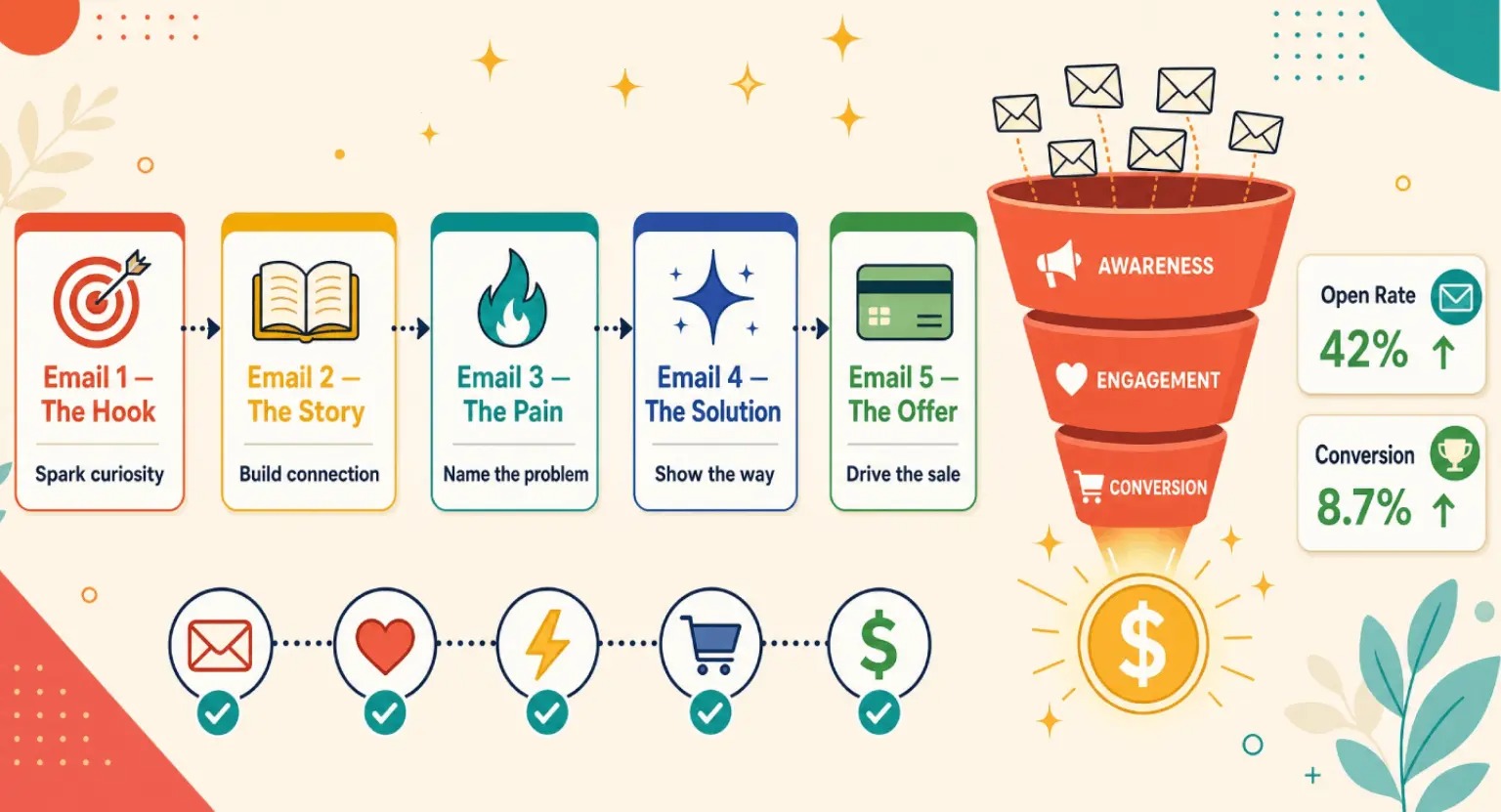
A structured multi-touch email cadence, beginning six weeks before the event, warms your existing CRM contacts and registered attendees before the show floor opens. B2B marketers targeting mid-market and enterprise buyers benefit most, as longer sales cycles demand early relationship priming. The real tradeoff: list hygiene and segmentation require upfront investment, and generic broadcast emails consistently underperform personalized sequences.
2. Activate LinkedIn Outreach to Book Qualified Meetings Before You Land
Using LinkedIn to identify, connect with, and message confirmed attendees before the event transforms cold booth walk-ups into pre-scheduled, high-intent conversations. This approach is ideal for B2B teams selling complex solutions where a single qualified meeting justifies show ROI. The limitation is scale, manual LinkedIn outreach is time-intensive, and automation tools risk account restrictions if messaging volume exceeds platform thresholds.
3. Launch a Dedicated Event Landing Page to Capture and Convert Inbound Interest
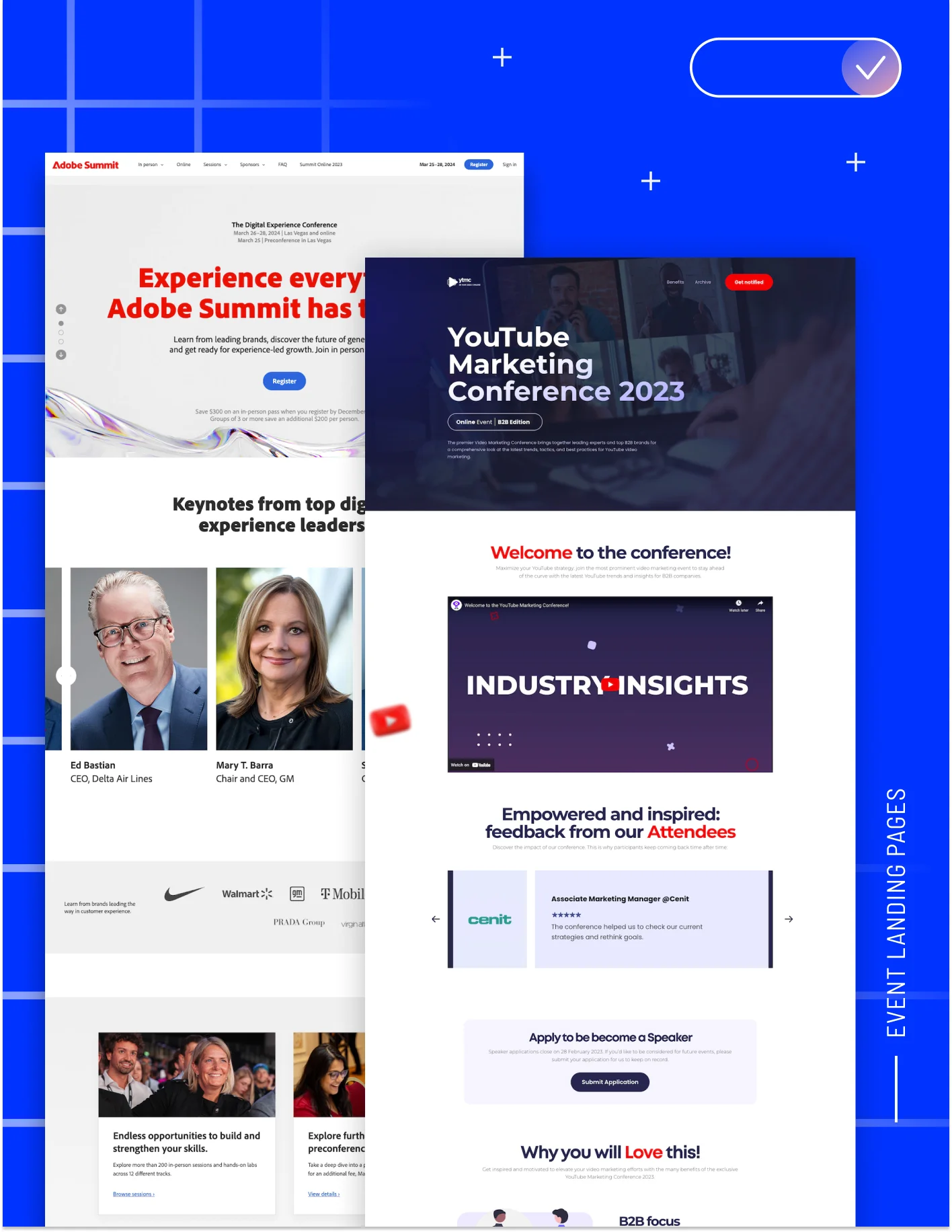
A purpose-built trade show landing page, featuring your booth number, a teaser of what you're launching, and a meeting-booking CTA, gives inbound prospects a clear conversion path weeks before the event. It works especially well for B2B companies running paid social or email campaigns driving traffic to the show. The tradeoff: without sufficient traffic volume or promotion budget, the page generates minimal pipeline on its own.
4. Build and Enrich a Target Account List from the Official Attendee Registry
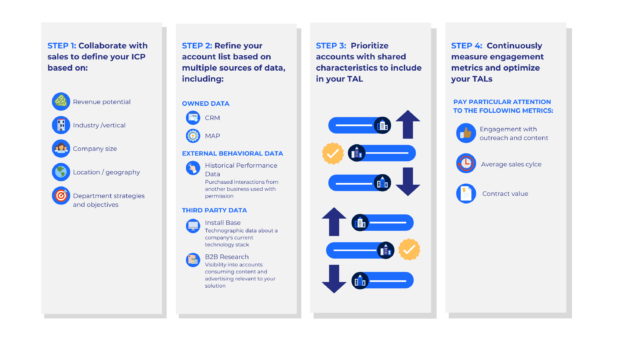
Downloading the event's published attendee or exhibitor list and enriching it with firmographic and intent data lets your sales team prioritize outreach to best-fit accounts before the show begins. This strategy is most valuable for enterprise B2B teams with defined ICPs and limited booth capacity. The key limitation is data freshness, attendee lists are often incomplete or released late, compressing the window for meaningful pre-show outreach.
5. Implement a Confirmation Cadence to Lock In Pre-Booked Booth Meetings
Once meetings are booked, a structured confirmation sequence, reminder emails, calendar holds, and a reschedule lifeline, dramatically reduces no-show rates and protects your pipeline investment. B2B exhibitors running high-value, appointment-based booth strategies see the greatest ROI from this tactic. The tradeoff is operational overhead: without scheduling automation, managing confirmations across dozens of pre-booked meetings becomes a manual bottleneck for small teams.
Related Reading
- Etiquette For Networking In Online Conferences
- Measuring Event Roi
- Trade Show Sales Tips
- How Do You Find The Roi Of A Trade Show
- Trade Show Sales Funnel
- What Is Trade Show Marketing
- Trade Show Follow Up Best Practices
- Event Lead Management
- B2b Trade Show Best Practices
- Conference Lead Generation
- Trade Show Lead Follow Up
On-Site Trade Show Marketing Strategies - Booth Design, Engagement, and Lead Capture That Actually Work
Four hundred badge scans. Zero pipeline. That quiet disaster starts not with a weak booth but with what happens the moment a visitor walks away from it.
Roughly 80% of trade show leads are never followed up after the event, not because sales teams are indifferent, but because the data never arrives in a usable form. The booth attracted the crowd. The workflow failed the conversion.
The fix is not a bigger booth. It is redesigning every physical and digital element as a stage in a qualification funnel, where a visitor moves from curious to captured to CRM-tagged before the show floor lights go down.
How to Standardize Lead Capture Across Every Booth Rep
Brand consistency across a 20-person booth team breaks down fast when reps run out of cards on day one or hand over outdated contact details. On Mobilo's Teams and Business plans, a digital profile with unlimited taps and scans means every rep shares the same branded experience regardless of traffic volume, and the team's contact data stays current without a reprint cycle. The limitation worth naming: digital profiles require that visitors have a phone in hand and a moment of willingness to scan, which is not guaranteed in every high-noise show floor environment.
Design the physical booth to create that moment deliberately, not to assume it. Engineering a booth that qualifies and captures is only half the equation. The other half is what happens to those leads in the 48 hours after the show floor goes dark.
The next section exposes exactly where that handoff breaks down, and what an airtight lead capture and follow-up workflow looks like for B2B teams that cannot afford to let another event's pipeline evaporate, starting with the 24-to-48-hour window that determines whether a booth conversation ever becomes a closed deal.
1. Open-Plan Booth Architecture with a Single Bold Brand Statement Wall
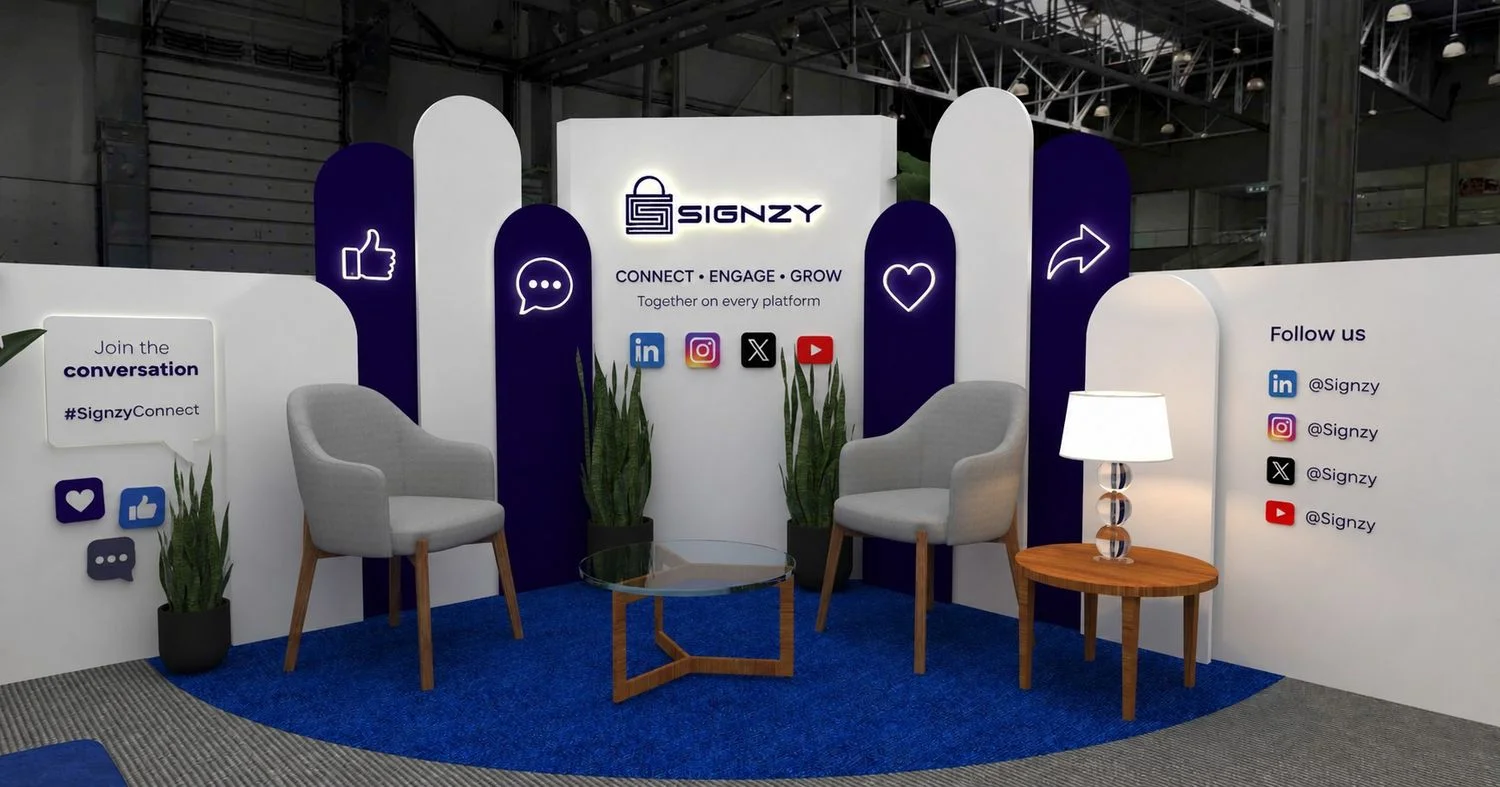
For B2B trade show marketing teams competing on crowded floors, an open-plan layout removes physical barriers that discourage walk-ins while a single high-contrast brand statement wall anchors visual identity from 30 feet away. This approach works best for companies with complex solutions that need conversation to sell. The tradeoff: without walls to display collateral, your booth staff must carry the messaging burden entirely.
2. Gamified Booth Challenges Tied to Lead Qualification Gates
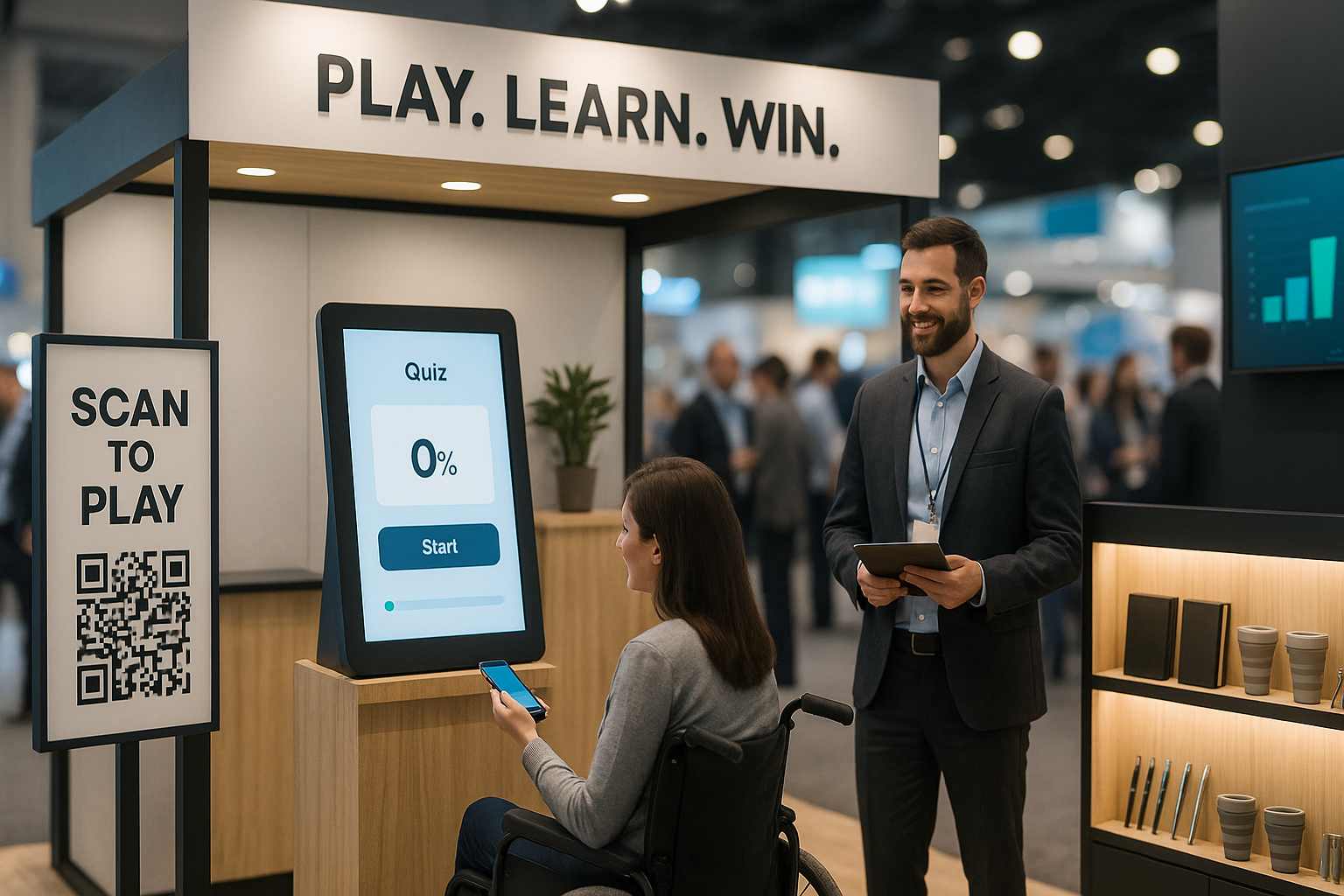
Embedding a spin-to-win wheel, trivia challenge, or digital prize draw directly into your lead capture flow transforms passive foot traffic into qualified pipeline. Prospects exchange contact details and answer one or two qualification questions to participate, giving sales teams pre-scored leads rather than raw badge scans. The real limitation is prize cost and logistics, low-value prizes attract tire-kickers, while high-value ones inflate your budget fast.
3. Live Product Demo Theater with Scheduled 10-Minute Presentation Slots
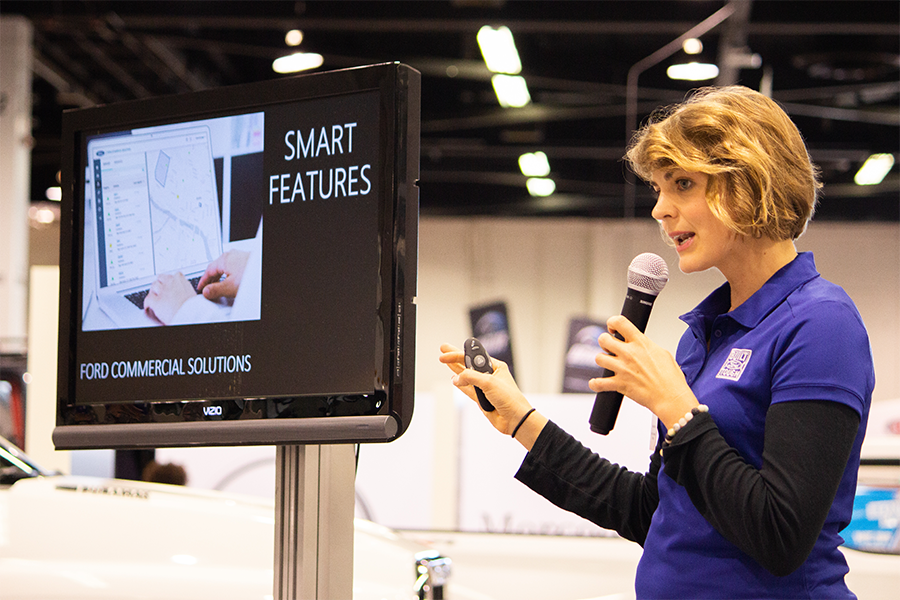
Structuring your booth around a small standing-room demo theater, with a visible schedule board and timed 10-minute slots, creates urgency, draws crowds through social proof, and ensures every visitor sees your core value proposition delivered consistently. This is the right model for SaaS, hardware, or any product where seeing is believing. The tradeoff is inflexibility: off-schedule conversations get disrupted, and a weak presenter can tank the entire day.
4. Badge-Scan Lead Retrieval Integrated with Real-Time CRM Tagging
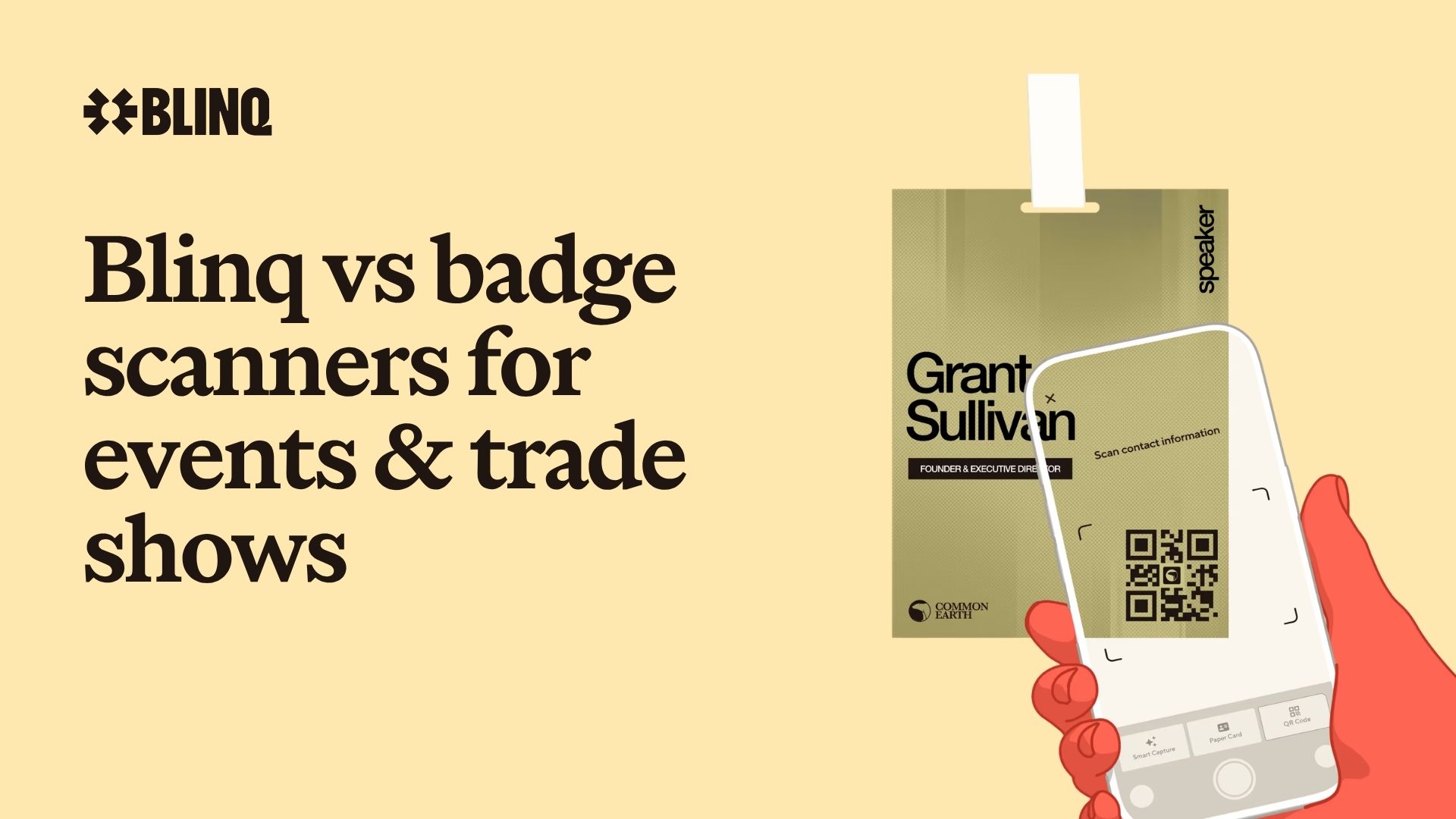
Using a dedicated lead retrieval app that scans attendee badges and instantly pushes tagged, segmented records into your CRM eliminates the post-show data-entry bottleneck that kills follow-up speed. B2B teams exhibiting at multi-day shows with high foot traffic gain the most, reps can add voice notes and intent scores at the moment of conversation. The key limitation is dependency on the show organizer's badge format, which varies and can break integrations.
5. Interactive Touchscreen Kiosks Delivering Personalized Content Journeys
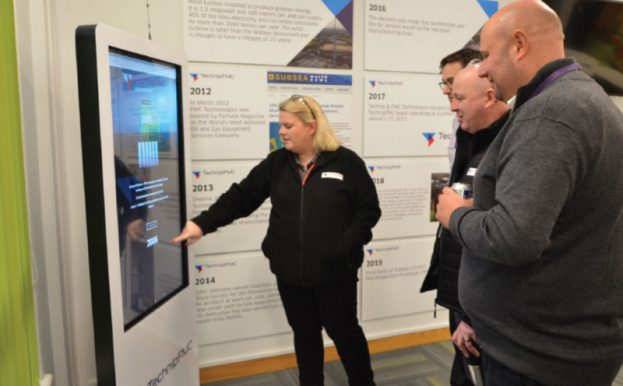
Self-guided touchscreen kiosks let visitors self-select their industry or pain point and receive a tailored content path, case studies, ROI calculators, or product comparisons, without requiring a sales rep to be present. This scales engagement during peak traffic periods and captures behavioral data on what content resonates. The tradeoff is upfront build cost and the risk that visitors disengage before reaching a lead capture prompt if the UX isn't ruthlessly streamlined.
Related Reading
- Which Networking Software Is Best For Conferences
- Trade Show Booth Ideas To Attract Visitors
- Conference Lead Capture
- How To Measure Trade Show Effectiveness
- Virtual Event Success Metrics
- Trade Show Roi
- Trade Show Lead Generation Ideas
- What's The Best Event Lead Generation Software
- Post-Trade Show Marketing Strategies
- Best Trade Show Giveaways
The Lead Capture and Follow-Up Strategy That Stops Trade Show ROI from Dying in a Stack of Business Cards
Most chief marketing officers assume the booth itself, its size, design, and foot traffic, is the primary lever for trade show ROI, so teams optimize for badge scans and visual impressions rather than the lead workflow that follows. Here is what actually kills trade show ROI: it is not the booth size, the swag budget, or the number of badge scans. It is the 72 hours after the show floor closes, when hundreds of captured contacts sit in a shoebox waiting for someone to type them into a CRM that already has a backlog.
That gap is where pipeline goes to die, and most event teams have normalized it without ever measuring what it costs. Sales teams that attend events regularly, the exact teams Mobilo's contact exchange and lead capture tools are designed around, feel this most acutely: structured lead follow-up breaks down precisely because the capture step was never structured in the first place.
The 24-48 Hour Follow-Up Window
"Sales teams struggle with manual lead capture and follow-up tasks after trade shows, leading to lost ROI as collected contacts (business cards, badge scans) go unactioned."
The follow-up window is not a suggestion. Leads contacted within 24 to 48 hours of an event convert at significantly higher rates than those reached even a few days later, as prospect recall and intent decay rapidly beyond that window. Prospect recall fades, intent shifts, and competing vendors fill the gap. The window is not wide; it is narrow enough that a single day of data-entry lag can close it entirely for every contact your team collected. For teams that attend events on a recurring basis, including high-volume shows like Coffee Fest Dallas-Fort Worth, this is not an occasional problem. It is a structural one that compounds show after show.
35-50% of Sales Go to the First Responder
The data on response-time advantage puts the figure plainly: the vast majority of closed deals go to the vendor that responded first. That is not a marginal edge. That is a coin flip that consistently lands in favor of whoever picked up the phone or sent the email before you finished sorting your badge scans. Manual card entry does not just slow you down; it structurally guarantees you lose that race. Teams using Mobilo's contact exchange and lead capture workflow eliminate that manual re-entry step at the point of first tap, meaning the contact is captured and ready for follow-up the moment the conversation ends, not two days later when the show floor is a memory.
The Paper Card Failure Chain
The failure chain is predictable and repeatable. A rep collects 40 contacts over two days. She returns to the office, drops the stack on her desk, and spends part of Thursday manually entering names, titles, and emails.
By Friday, three titles are already wrong because contacts updated their LinkedIn profiles mid-week. Two cards are illegible. The CRM record, when it finally appears, carries no context about the conversation, no lead quality signal, and no routing logic.
The paper card workflow is not a minor inefficiency; it is the direct cause. This is the precise scenario Mobilo's Teams and Business plans are built to disrupt. Both plans include lead capture and management, unlimited leads and contacts, custom lead capture forms, a paper business card scanner, lead enrichment, and 6,000 integrations through Zapier, so contacts flow directly into whatever CRM or follow-up sequence is already in place, from the first card tap forward.
The Teams plan, marked Popular and priced at $4/month billed annually, also includes full team management and central billing, which means a field team of any size operates from a single, consistent capture workflow rather than 12 individual reps improvising their own. For organizations requiring deeper infrastructure, enterprise SSO, HR directory sync, a custom domain, and white-glove onboarding for deployments of 100 seats or more, the Business plan provides that at $5/month billed annually.
No Visibility, No Improvement
Without capture-level data, there is no ROI story to tell. When every lead from a three-day show lands in a single "trade show" CRM source with no rep attribution, no booth interaction context, and no timestamp, the CMO cannot answer the one question the CFO will ask: which activities drove pipeline? Teams that cannot answer that question at the budget review are the ones who lose the event line item, not because the events failed, but because the data never existed to prove they worked.
Both the Teams and Business plans include insights and analytics, giving event teams the rep-level and campaign-level visibility needed to connect show activity to pipeline outcomes. The value of that visibility compounds most for teams that attend events regularly and need to demonstrate structured, repeatable follow-up, which is exactly where the data shows the follow-up gap is largest.
Post-Show B2B Trade Show Marketing Strategies: and How to Measure ROI Before the Next Event Budget Review
Follow-up failure at trade shows is not a sales motivation problem. It is a workflow engineering problem, and the data makes that uncomfortably clear. Reply rates drop sharply after 72 hours of post-show contact, a pattern that holds consistently across North American trade show floors.
Following up within 48 hours drives five times higher conversion rates than waiting longer. The 24-to-48-hour window is not a best practice suggestion. It is the entire game.
The problem is that most teams never reach that window in time. Manual badge-scan exports sit in an inbox. Paper cards pile up in a laptop bag.
Someone has to type names into the CRM before a single email goes out. By the time that work is done, the prospect has already forgotten the conversation, moved on to three competitor follow-ups, and mentally filed your booth under "looked interesting, never heard back." This breakdown hits hardest for professionals in client-facing roles who attend frequent in-person networking events, the exact people for whom a broken follow-up workflow compounds across every show on the calendar, not just one.
1. Segment-Tiered Follow-Up Email Sequences - Hot, Warm, and Cold Lead Tracks
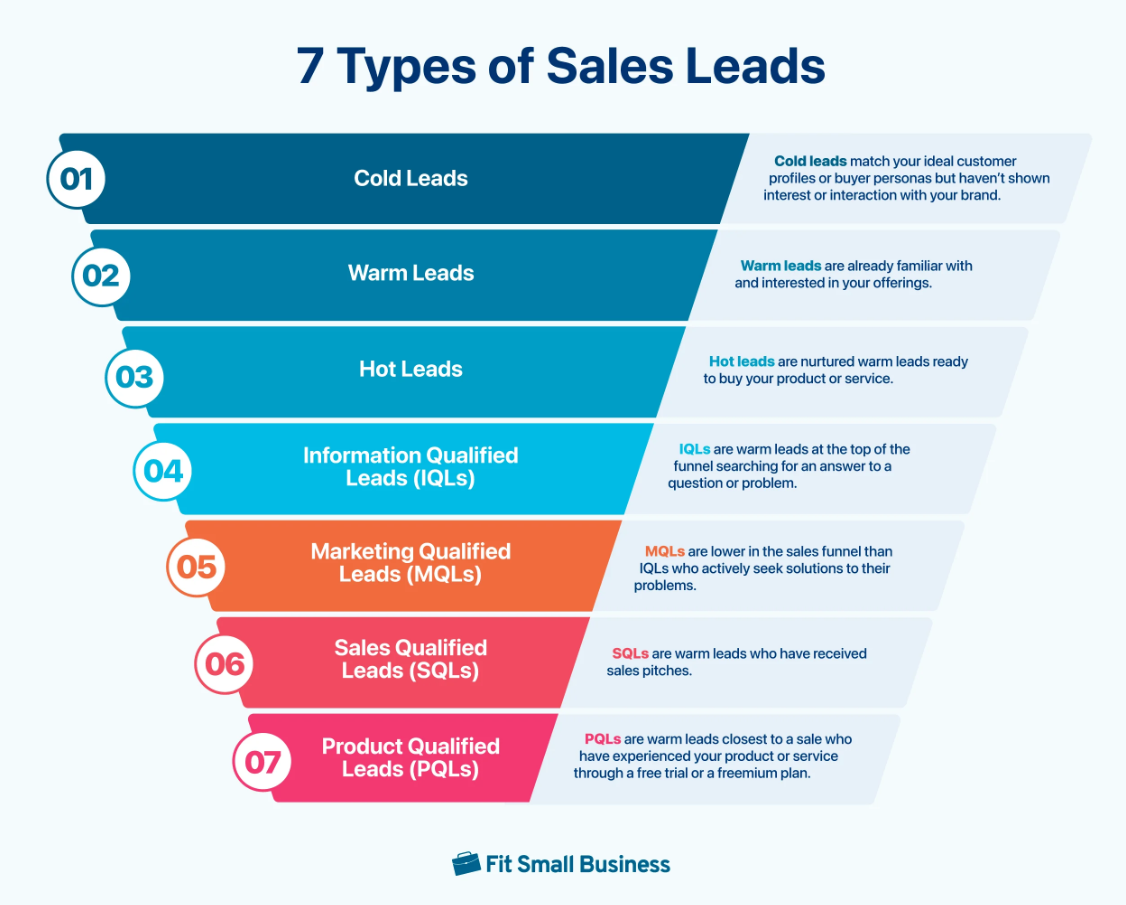
For B2B trade show marketing teams managing hundreds of post-show contacts, a single follow-up blast wastes pipeline potential. Segmenting leads by booth engagement temperature and deploying tailored email sequences within 48 hours dramatically lifts reply rates. Best for mid-market teams with CRM infrastructure already in place. The real tradeoff: building three parallel sequences demands copywriting resources most lean teams underestimate before the show ends.
2. CRM-Synced Lead Scoring With Post-Show Pipeline Attribution Tracking
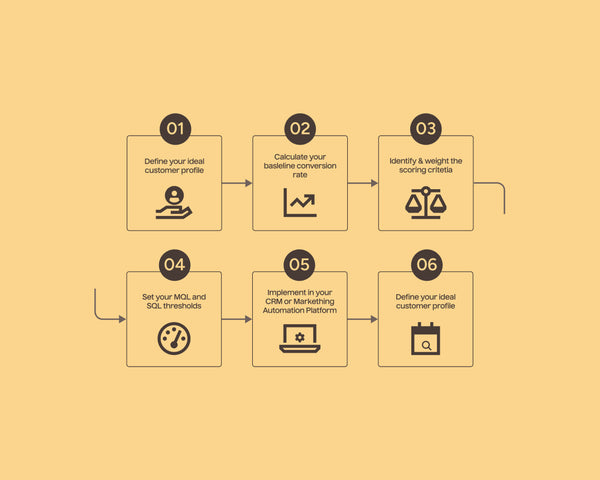
Proving B2B trade show marketing ROI before the next budget review requires connecting booth-captured contacts directly to closed-won revenue inside your CRM. Assigning intent-weighted scores at the point of capture, then tracking each lead's pipeline stage through close, gives marketing concrete cost-per-opportunity data. Ideal for revenue operations teams defending event spend. The limitation: attribution accuracy collapses without disciplined badge-scan or manual data entry discipline on the show floor.
3. Structured Post-Show Lead Nurture Cadence - Seven-Step Multi-Touch Framework
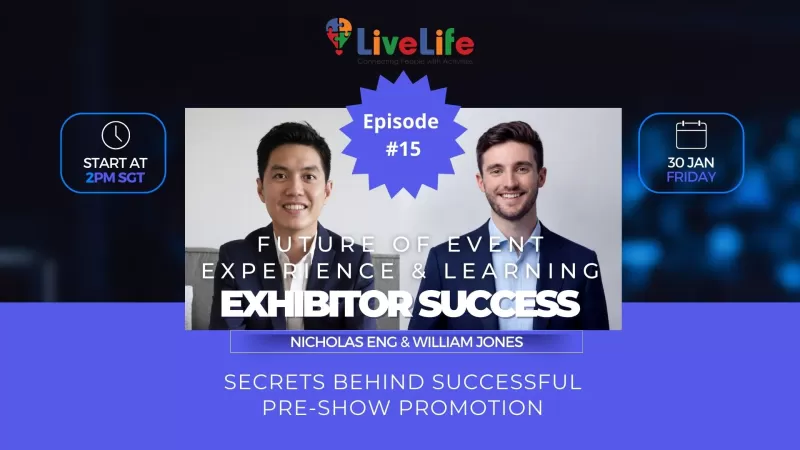
Most B2B trade show marketing ROI evaporates because follow-up stops after one or two touches. A structured seven-step nurture cadence, spanning personalized email, LinkedIn engagement, direct mail, and sales call checkpoints across 30 days, keeps warm leads progressing without overwhelming sales reps. Best suited for companies with longer B2B sales cycles and defined buyer personas. The tradeoff is time-to-build: mapping content assets to each step requires pre-show planning, not post-show scrambling.
Related Reading
Related Reading
- Best Tech Conferences For Networking
- Best Networking Apps for Trade Show Attendees
- Best Finance Conferences For Networking
- Trade Show Booth Ideas For Small Budgets
- Virtual Conference Booth Ideas
- Networking Activity Ideas For Conferences
- What Are The Top Trade Show Lead Retrieval Tools
- Trade Show Follow Up Email Examples
- Conference Lead Capture Tools
- Trade Show Lead Capture App
Next steps
If your event budget keeps producing badge scans that never become pipeline, the path forward starts with engineering the data handoff before the show floor closes, not after. Start with our digital business card.
Pre-show qualification decisions determine whether downstream metrics mean anything at all, which means a rep scanning every badge to hit a volume target produces CRM noise, not signal. The 72-hour post-show window compounds that problem: manual entry backlogs from paper cards and badge scans consume the entire viable contact window before a single follow-up email is sent, and 35-50% of sales go to the vendor that responds first. Together, those two realities point to one action: replace the manual capture step with a workflow that routes a tagged CRM record the moment the conversation ends, not three days later when prospect recall has already decayed.
Start with a digital business card that syncs contacts directly into your CRM on the first tap. Every subsequent follow-up cadence, segmentation decision, and attribution report runs on clean, timestamped data instead of a spreadsheet someone still hasn't finished typing.
Frequently Asked Questions
How early should I start reaching out to prospects before a trade show?
Start your pre-event email campaign six to eight weeks before the show. The post explains that the earlier your outreach lands, the less competition there is for calendar slots, and VP-level buyers need enough runway to block time on a packed conference schedule.
Should I set a badge-scan target or a pipeline target for my team at the show?
Set pipeline targets, not badge-scan targets. A goal like 'schedule 30 meetings with VP-level buyers' shapes behavior toward revenue, while '500 badge scans' produces CRM noise, contacts that never convert because they were never qualified in the first place.
What's a good way to make the booth more interactive without just giving away free stuff?
Gate any prize or challenge behind a qualification question rather than a simple badge scan. The post notes that a challenge asking 'what's your biggest pipeline problem this quarter?' captures intent signal, while a spin-to-win with no qualification question only captures volume. Touchscreen kiosks are another option, they route visitors through a content journey that surfaces intent and can qualify a visitor's tech stack before a rep invests time in a demo.
How fast does my team actually need to follow up after a show conversation?
The follow-up window is measured in hours, not days. The post cites that 35–50% of sales go to the vendor that responds first, and that window closes quickly, meaning manual entry backlogs that delay CRM routing directly cost pipeline to faster-moving competitors.
How do I make sure personalized follow-up doesn't fall apart when I have dozens of contacts to reach after the event?
The post points to real-time CRM routing at the moment of conversation as the fix, tools like Mobilo Card push a fully tagged contact record directly into the CRM the instant the interaction ends, so the follow-up cadence can start before the booth even closes on day one rather than waiting for manual entry after the flight home.