.avif)


Best Finance Conferences for Networking in 2026
On This Page
Picking the right finance conference is only half the battle. The reps who return empty-handed usually lost the deal in their coat pocket, not on the floor.
Finance conferences demand serious investment. Registration alone for a top-tier event can run $2,000 to $3,500 per attendee, and when you add flights, hotels, and three days off the floor, a single rep at Money 20/20 USA can cost $5,000 or more before a single handshake happens. Most sales directors believe that equipping the team with premium printed business cards is a sufficient and professional solution for conference networking, the card gets the contact's attention, and the rep handles follow-up from there.
Most of the time, it does not, and the reason has nothing to do with which conference they chose. The failure happens in the coat pocket, not on the floor. Our market understanding is that the large majority of physical business cards are discarded within days of being received, meaning the majority of contacts collected at even the largest fintech gatherings never result in follow-up. See our digital business card for how this works in practice.

In fact, 88% of business cards handed out get thrown away in less than a week. Reps return to full inboxes, cards sit in jacket pockets, and transcription gets pushed to "later" until later becomes never. The conference was the right call. The process after it was not. Without a system that records contact exchange at the moment it happens, every rep on that floor is running a private operation. You have no data on how many contacts each person collected, who followed up, or which conversations are worth pursuing.
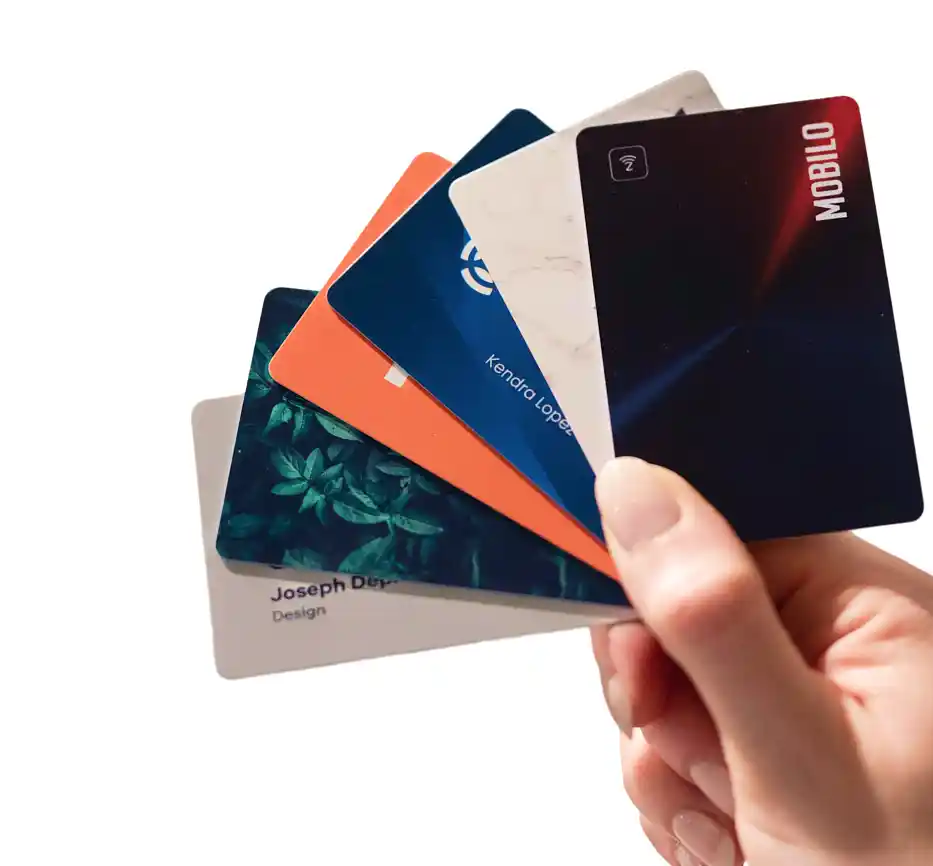
That is not a rep accountability problem; it is a structural gap. Tools like Mobilo's digital business card close that gap at the point of handshake, feeding contact data directly into the CRM, most beneficial when a team attends events regularly and needs a structured lead follow-up workflow rather than relying on each rep to log contacts manually after the fact.
The conference was the right call. The process after it was not.
88% of business cards thrown away in a week
Key takeaways
- A single rep at Money20/20 USA can cost $5,000 or more before a single handshake happens, and most of that investment evaporates if contacts never reach a CRM.
- 90% of new contacts collected at events never make it into a CRM because manual logging creates enough friction that it simply doesn't happen.
- Headcount fills a conference brochure; it rarely fills a pipeline, the events worth booking are the ones with structured networking formats and pre-qualified attendees.
- CFO and executive-tier events run invite-required or tight-capacity formats, which means the contacts you meet there compound in value across quarters, not weeks.
- At investment and M&A conferences, the people across the table are counterparties and deal sources, losing their contact details to a coat pocket is a different kind of expensive.
- Smaller regional and niche finance conferences can return more CRM-ready contacts than a 7,000-person national expo floor because compressed rooms replace volume with conversations that actually go somewhere.
- Mobilo's Contact Exchange and Lead Capture closes the gap between the handshake and the CRM record, when someone taps or scans a Mobilo card, their information is captured and fed directly into your contact list or CRM with no manual entry required.
What to Look For in a Finance Networking Conference Before You Book
Knowing which events deserve a budget line is only half the equation; knowing what to measure when you evaluate them is the other. Headcount is the metric that fills a conference brochure. It is rarely the metric that fills your CRM.
The common assumption among sales directors is that equipping the team with premium printed business cards is a sufficient and professional solution for conference networking, the card gets the contact's attention, and the rep handles follow-up from there. The evaluation criteria you apply to a finance conference will determine whether your reps return with 15 CRM-ready contacts or 15 paper cards in a coat pocket. One evaluation factor that rarely appears on conference shortlists but quietly eliminates otherwise strong events: language and accessibility.

Finance professionals who are traveling internationally or on temporary relocation regularly discover, after booking, that an event is conducted primarily in the local language, has no English-language programming, or is structured in ways that disadvantage attendees who are not part of the domestic professional network. That friction compounds every other ROI problem discussed below, because a rep who cannot fully participate in structured sessions cannot reach the daily conversation ceiling that makes a curated event worth attending in the first place. Before committing budget, confirm explicitly that the event's sessions, hosted-buyer introductions, and networking app are English-friendly, and that the organizer publishes attendee demographics that let you verify seniority before you travel.
Audience Seniority Over Attendance Size
Why 600 decision-makers outperform 6,000 attendees is a failure point that is usually invisible until after the event. A rep spends two days at a large expo, scans 40 badges, and returns with a contact list where fewer than a third hold actual budget authority. Industry practitioners consistently note that the average sales rep has 5 to 8 meaningful conversations per day at a trade conference, a ceiling that drops further when the room is diluted with junior staff, other vendors, and passive floor traffic.
A smaller, curated event with a verified decision-maker audience changes the math entirely. Every conversation carries a higher probability of matching your ideal customer profile, which means the same daily conversation ceiling produces a fundamentally different pipeline outcome. This dynamic is most pronounced for professionals whose roles are inherently client-facing or who attend in-person networking events frequently; the marginal value of each additional quality conversation is highest when the rest of the schedule is already optimized.
Structured Networking Formats vs. Unstructured Floor Time
The format that determines your rep's daily contact ceiling is the sharpest differentiator between a high-ROI conference and an expensive trip, not size. Hosted buyer programs and curated one-to-one introductions consistently convert at higher rates than open expo floor time, where reps spend significant portions of the day talking to other vendors or waiting in badge-scanner queues. Structured formats pre-qualify the interaction before the handshake happens.
Even when you land a structured-networking event packed with senior buyers, contacts face a second failure point. Industry research consistently finds that the vast majority of new contacts collected at events never make it into the CRM, because manual logging competes with post-event inbox catch-up and loses almost every time. This is precisely where the hardware a rep carries into the room stops being a nicety and starts being an operational decision.
The Teams plan ($4/month per member, billed annually) includes unlimited taps and scans, lead capture and management, unlimited leads and contacts, lead enrichment, custom lead capture forms, and full team data analytics with CRM integrations, exactly the pipeline infrastructure that prevents the post-event logging collapse. For organizations that need tighter oversight, the Teams plan also includes team management and the ability to control, lock, and override data fields across the entire team, so no rep's card goes out of compliance mid-event.
Managers who need enterprise-grade controls, HR directory sync, a custom domain, enterprise SSO, and white-glove onboarding (available at 100 seats or more) can evaluate the Business plan at $5/month per member, billed annually, which carries the same unlimited-taps and 6,000 Zapier integrations architecture. A rep who arrives at a last-minute event without physical hardware can still tap into the same lead capture and analytics infrastructure from their phone, a practical hedge for exactly the kind of spontaneous client-facing interaction that frequent networkers encounter most.
Finance Conference Evaluation Checklist
Use this checklist before booking any finance conference to forecast networking ROI:
Evaluate events against practical buyer-quality and lead-capture criteria—not brand recognition alone:
- Audience seniority → Look for >50% attendees with budget authority or C-suite titles → Red flag: Majority are analysts or associates.
- Structured networking format → Look for hosted buyers, curated 1:1s, or roundtables → Red flag: Pure expo floor with no introductions.
- Attendance cap / selectivity → Look for invite-only or capped registration → Red flag: Open registration with no vetting.
- Seniority-to-vendor ratio → Look for buyers clearly outnumbering vendors → Red flag: Vendor booths dominate the floor map.
- Language & accessibility → Look for English sessions and networking tools, with language details published in advance → Red flag: No language information.
- Contact capture compatibility → Look for NFC-ready or digital badge scanning compatible with tools like Mobilo → Red flag: Paper badges only.
- Post-event content access → Look for session recordings for registered attendees → Red flag: No digital assets.
- Historical deal velocity data → Look for published attendee job-title breakdowns → Red flag: No demographic data.
What Are the Best Broad Finance and Treasury Conferences for Networking in 2026?
The best broad finance and treasury conferences for networking in 2026 are AFP Annual Conference, EuroFinance International Treasury Management, Sibos, and AICPA & CIMA ENGAGE 26. Each draws thousands of qualified finance professionals into structured networking formats, making them the highest-volume contact opportunities on the calendar. The critical variable is not which event you attend.
It is whether every contact your team exchanges on that floor actually enters your CRM before the flight home. Surveys of thousands of sales reps consistently find that the vast majority of new contacts collected at events never make it into the CRM, because manual logging feels like an optional step after an exhausting conference day. At an event like AFP, where a single rep can realistically exchange details with 80 or more qualified treasury professionals across four days, that survival rate means most of those conversations quietly disappear.
The conference delivered the volume. The system failed to capture it. This is the core synthesis claim: at scale conferences like AFP (7,000+ attendees), the sheer density of interactions guarantees that without a real-time digital capture system, the majority of handshakes statistically vanish. Most physical business cards are discarded within days and the large majority of trade show leads are never followed up, meaning that without a real-time digital capture system, a significant share of the per-head conference investment quietly disappears before a single rep opens their CRM.
Where brand perception matters, and at senior-level finance events it always does, the card your rep hands over is often the last impression that survives the conference floor. Cards on the Teams plan create a tangibly different first impression than a rep fumbling with a stack of paper, and each delivers that memorability at a per-card cost that disappears against a single qualified deal.
All Team-tier cards include unlimited team members, full team data analytics and CRM integrations, team management, and the ability to control, lock, and override data fields across every rep on the floor. The underlying Teams software subscription includes 24/7 customer support, lead enrichment, lead capture and management, unlimited leads and contacts, brandable QR codes, 6,000 integrations through Zapier, and no-internet QR sharing, so capture keeps working in a convention-center basement with a spotty signal.
For larger enterprise deployments with 100 or more seats, the Business plan adds enterprise SSO, HR directory sync, custom domain, white-glove onboarding, and a custom-built landing page. The most impactful use case is precisely when brand perception and memorable first impressions are a priority, which describes every sponsored roundtable, hosted dinner, and expo-floor introduction at each of the events below.
Before the events below, equip your team: Mobilo Card’s NFC and QR digital business cards turn every conversation at these conferences into a CRM-ready lead. One tap shares your full details and captures theirs, then syncs the contact straight into your CRM — no manual entry, no lost cards, no follow-up gap. It is the networking tool to bring to the events ranked below, not a conference itself.
1. AFP Annual Conference - Best for Corporate Treasury and Finance Professionals
AFP 2026 runs November 8–11 in Las Vegas and brings together over 7,000 treasury and finance professionals, making it the largest single gathering for senior finance teams in North America. Networking spans the expo floor, hosted roundtables, and breakout sessions, giving sales teams multiple structured access points to qualified buyers. The real tradeoff: volume without a real-time capture system means AFP can simultaneously be the biggest lead-loss event on your calendar. Most beneficial when your team arrives with a contact capture workflow already deployed, and with cards that make the brand stick in a room where every competitor is also present.
2. EuroFinance International Treasury Management - Best for Global Treasury Networking
EuroFinance International Treasury Management 2026 in Barcelona draws over 2,600 senior treasury and finance professionals from across the globe. Its focus on cash management, liquidity, and AI in treasury makes it the go-to event for multinationals seeking cross-border peer connections. The curated networking format and high seniority of attendees deliver strong relationship quality. The tradeoff: the European location and premium pricing can be a barrier for North America-based teams with limited travel budgets.
3. Sibos - Best for Financial Institutions and Payments Ecosystem Networking
Sibos, organized by SWIFT, is the world's premier financial services event for banking, securities, payments, and technology professionals. With its 2026 edition in Miami, it attracts thousands of decision-makers from financial institutions, fintechs, and regulators worldwide. The open forum format and deep agenda on cross-border payments and digital finance make it exceptional for building institutional relationships. The tradeoff: the sheer scale can make targeted one-on-one networking challenging without advance planning.
What Are the Top CFO and Executive Leadership Networking Events in 2026?
The top CFO and executive leadership networking events in that same figure are the Finance Alliance CFO Summit (May 13-15, New York City), Gartner Finance Symposium/Xpo (May 27-29, National Harbor, MD), Private Funds CFO Forum (September 17-18, Chicago), and MIT CFO Summit (November 19, Boston). Each runs an invite-required or tightly capped format where seniority density, not headcount, is the defining feature. These are architecturally different events from standard industry conferences.
The Finance Alliance CFO Summit is an exclusive, invite-required gathering built around curated one-to-one introductions and CFO Hot Seat sessions, where a rep may exchange details with only 12 contacts across two full days. Every single one of those contacts is a CFO-level buyer. The Gartner Finance Symposium/Xpo, designed specifically for CFOs and senior finance leaders according to industry data own event positioning, structures access through roundtables, workshops, and direct technology-provider engagement rather than open expo floor time.
Private Funds CFO Forum draws PE and VC finance leaders on an invitation-only basis; MIT CFO Summit caps attendance tightly for its November 19 Boston date. Low volume is the feature, not the limitation. That asymmetry creates a cost structure most Sales Directors underestimate.
At a 7,000-person treasury conference, losing one contact to a dropped card is a rounding error. At the Finance Alliance CFO Summit, losing one contact is potentially a six-figure opportunity that disappears entirely. Research across large samples of field sales reps consistently finds that the vast majority of event contacts never make it into the CRM, because manual entry gets deprioritized the moment a rep boards the return flight.
At CFO-tier events, where deals require 14 to 20 touches to close and attendees return to overwhelming day-to-day reality, a contact that never enters the CRM is indistinguishable from a conversation that never happened. The familiar approach is to collect cards, photograph them later, and trust reps to log entries before the week ends. The hidden cost is not laziness; it is structural.
There is no trigger, no timestamp, no visibility for the Sales Director reviewing pipeline on Monday morning. Sales teams using a smart digital business card eliminate that gap at the moment of exchange: one tap or scan on the conference floor creates a live CRM entry the Sales Director can see in real time, turning the rarest contacts from these low-volume events into live CRM records the Sales Director can act on before the return flight lands, rather than entries that were meant to be logged and never were.
1. CFO Leadership Council Fall Conference - Best for Senior Finance Executive Peer Learning
The CFO Leadership Council Fall Conference (October 2026, Mountain Time) is purpose-built for senior finance executives seeking peer-driven, agenda-shaped content. CFOs submit real automation and systems challenges before the event, which directly shape the sessions, making conversations unusually relevant. The tradeoff: the curated, invite-influenced format means it's less accessible to mid-level finance professionals or first-time attendees.
2. Millennium Alliance CFO Conferences - Best for Exclusive Executive Roundtable Access
Millennium Alliance hosts exclusive CFO roundtables and strategic finance forums throughout 2026, bringing together senior financial officers to exchange insights on strategy, growth, and leadership. The intimate roundtable format prioritizes depth of conversation over volume of attendees, making it ideal for C-suite executives who want high-signal networking. The tradeoff: the exclusivity means limited seats and a selective application or invitation process.
3. 2026 Canadian Finance Summit - Best for FinTech and Cross-Industry Executive Networking
Canada's premier FinTech and Financial Services conference, the 2026 Canadian Finance Summit (May 28, Toronto) draws 800+ executives to explore AI, Banking-as-a-Service, risk management, and InsurTech innovation. It's the top pick for finance leaders seeking cross-sector partnerships and exposure to emerging technology trends. The tradeoff: the broad scope across FinTech verticals means depth on any single topic like pure CFO strategy may be limited.
Which Fintech and Banking Transformation Conferences Offer the Best Networking in 2026?
For teams whose ICP sits squarely within fintech and core banking transformation rather than across verticals, the strongest options narrow to three: Fintech Meetup, Banking Transformation Summit US, and FT Global Banking Summit. Each attracts buyers who are actively mid-evaluation, not browsing, which compresses the window between first contact and closed deal faster than any other finance vertical.
1. Fintech Meetup - Best for High-Volume Structured 1:1 Networking
Fintech Meetup is the right pick for sales teams whose primary goal is volume of qualified introductions rather than serendipitous floor conversations. Its structured 1:1 meeting format removes the guesswork of who to approach, but that same structure means reps arrive with a packed schedule and zero margin for manual contact logging between sessions. A team that captures contacts digitally during each meeting, rather than reconciling a stack of cards at the hotel bar afterward, will exit with a synced pipeline. Reps relying on post-event manual entry will find the format punishing.
2. Banking Transformation Summit - Best for Senior Banking Executive Peer Access
Banking Transformation Summit US takes place November 9 in Charlotte and brings together over 600 banking professionals in a regional format that keeps travel costs manageable for Southeast-focused sales teams. The attendee density skews toward senior transformation and operations leaders, meaning conversations on the floor tend to move quickly toward vendor evaluation rather than exploratory small talk.
3. FT Global Banking Summit - Best for Cross-Border Institutional Networking
FT Global Banking Summit draws institutional banking leaders with cross-border mandates, making it the strongest option for teams selling infrastructure that needs to clear multi-jurisdiction procurement. The editorial credibility of the Financial Times brand attracts a buyer who is skeptical of vendor-heavy environments, so hard-sell approaches backfire here. The real opportunity is in the margins: pre-conference dinners, side meetings, and post-session hallway conversations where a rep equipped with a smart digital business card can share contact details and trigger CRM sync before the next session starts, rather than hoping a paper card survives the flight home.
The urgency at these events is real. A significant share of conference contacts never make it into a CRM at all, and fintech buyers move faster than most finance verticals. At that volume, manual post-event logging is not a discipline problem; it is a structural mismatch between the pace of the floor and the pace of data entry. The teams that convert those contacts into pipeline are the ones who eliminated the manual step entirely before they arrived.
Related Reading
- Etiquette For Networking In Online Conferences
- Measuring Event Roi
- Trade Show Sales Tips
- Trade Show Follow Up Best Practices
- How Do You Find The Roi Of A Trade Show
- Trade Show Sales Funnel
- What Is Trade Show Marketing
- Event Lead Management
- B2b Trade Show Best Practices
- Conference Lead Generation
- B2b Trade Show Marketing
What Are the Premier Investment and M&A Networking Conferences in 2026?
The premier investment and M&A networking conferences in that same figure share one defining characteristic: the contacts you meet there are not prospects in the traditional sense. They are counterparties, co-investors, and deal sources whose value compounds over quarters, not weeks. According to PwC's that same figure M&A Trends, deal activity is concentrating into fewer but significantly larger transactions, which means each senior relationship formed at a dealmaker forum carries disproportionate revenue potential. A missed CRM entry at one of these events is not a minor data hygiene issue. It is a pipeline gap that closes silently.
1. ACG InterGrowth - Best for Middle-Market M&A Deal Sourcing
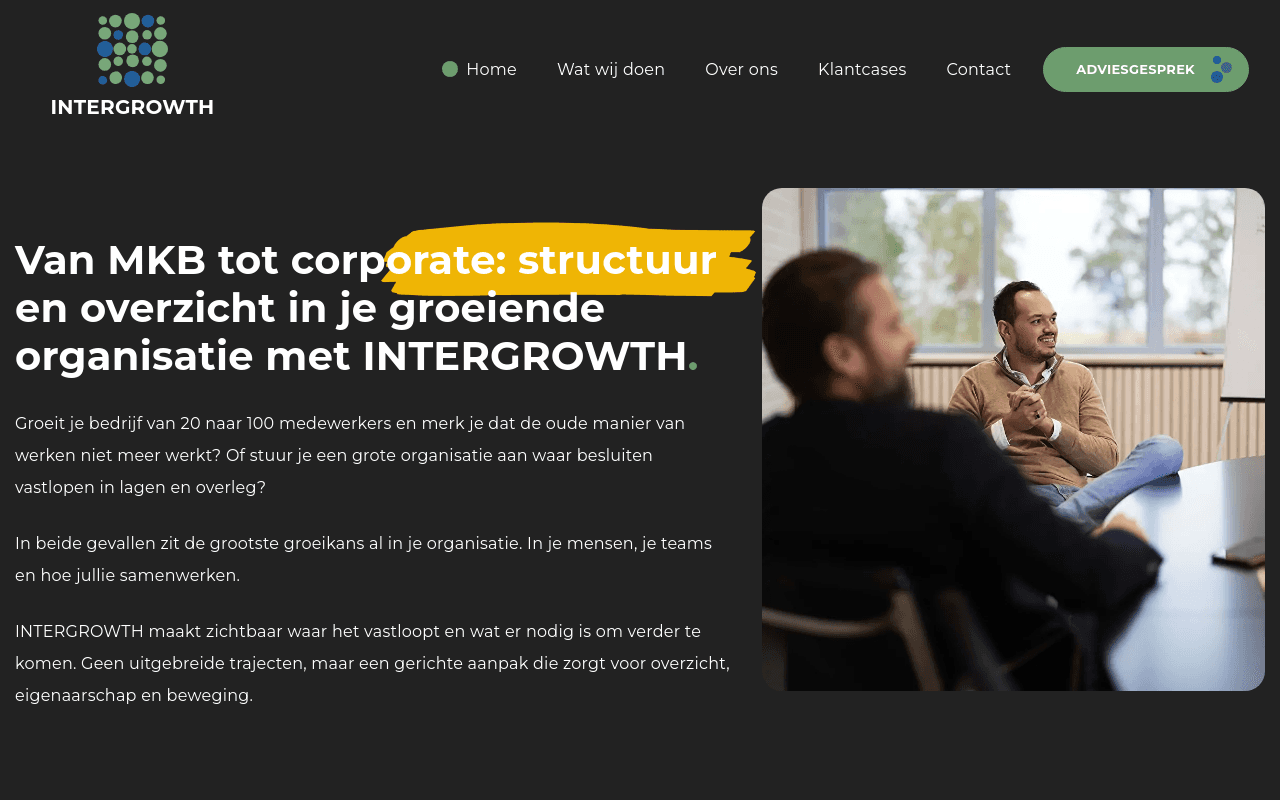
ACG hosts over 1,000 events annually, with InterGrowth as its flagship gathering for middle-market M&A professionals including PE sponsors, lenders, and advisors. It's the right pick for deal originators seeking structured one-on-one meeting formats alongside open networking. The tradeoff is cost and selectivity, attendance skews toward established firms, making it less accessible for emerging independent sponsors or first-time fund managers.
2. Private Equity Info (PEI) Local Events - Best for Regional PE and M&A Networking
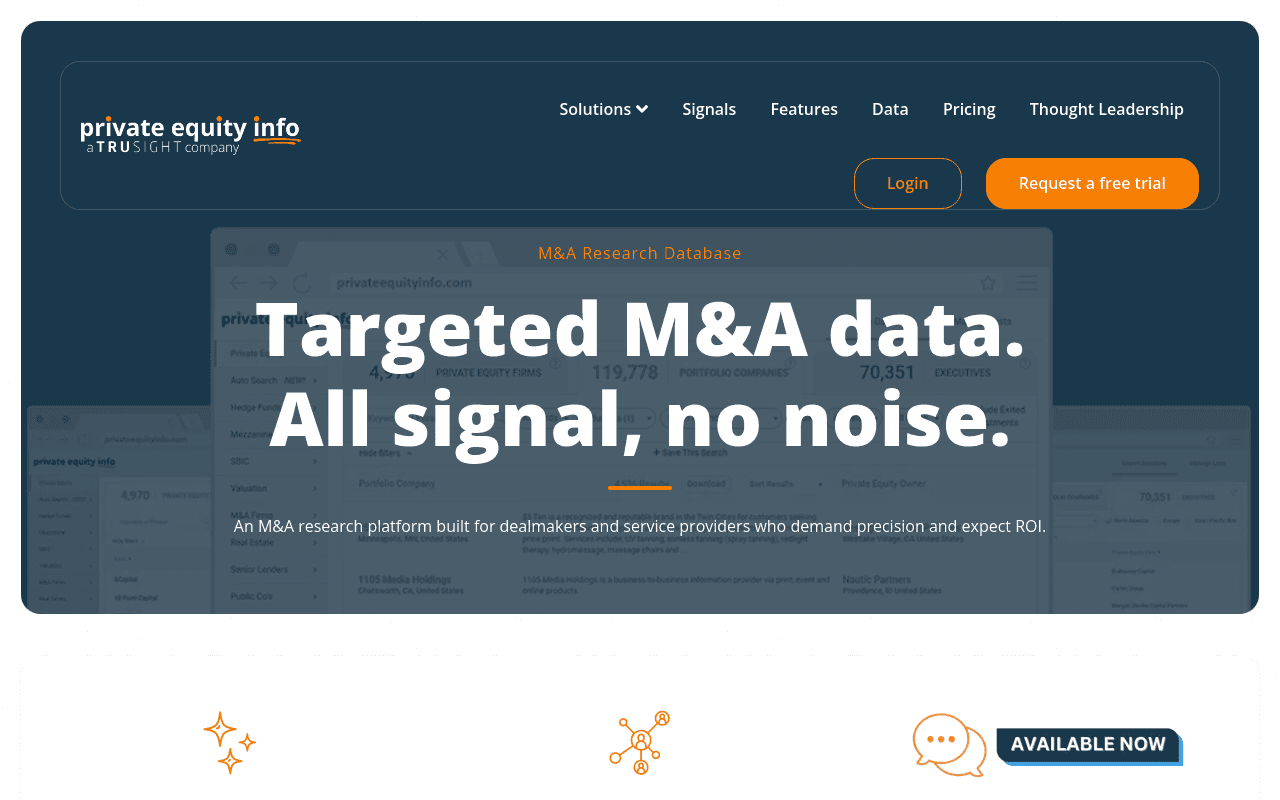
PEI Local's events calendar aggregates regional M&A and private equity networking events across 2026–2027, making it the go-to resource for deal professionals who want proximity-based conference discovery. Best suited for lower-middle-market advisors and regional PE firms that can't justify travel to national summits. The limitation is that event quality varies significantly by geography, and some listings lack detailed attendee or speaker information.
3. FT Live Global Banking Summit - Best for Senior Banking and Investment Leadership
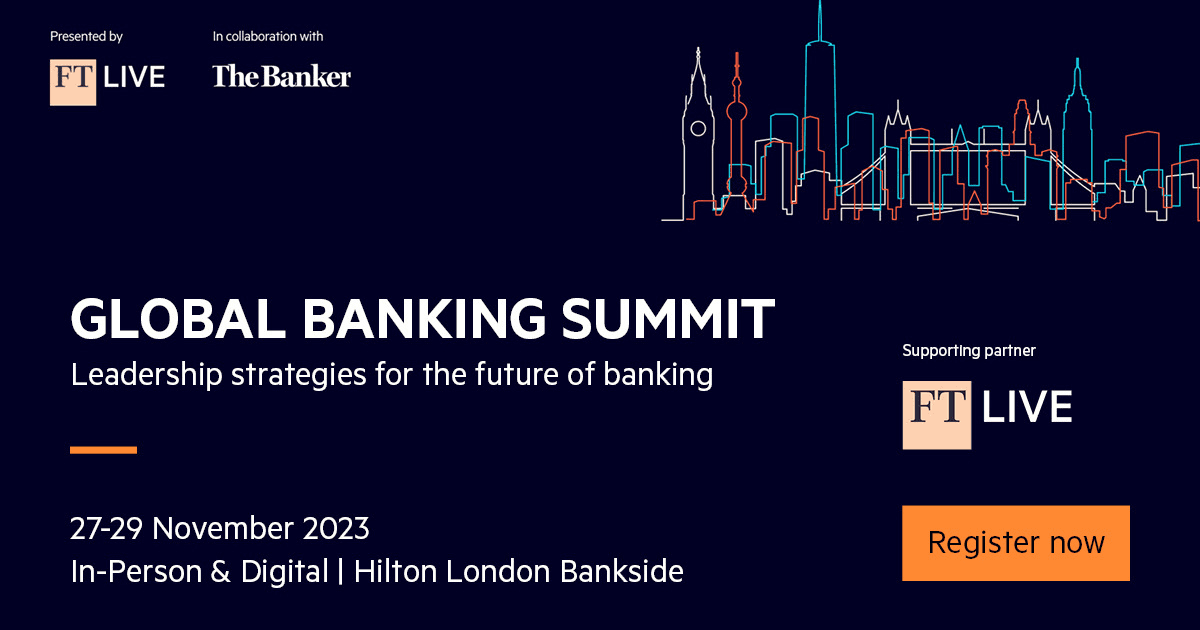
The FT Live Global Banking Summit (December 1–3, 2026) convenes the world's top banking executives, institutional investors, and policymakers for high-level strategic dialogue. It's the premier choice for C-suite professionals in investment banking, asset management, and financial regulation seeking peer-level access and media visibility. The tradeoff is that the event skews toward macro themes over deal-specific networking, limiting utility for transactional M&A practitioners.
Which Financial Advisor and Wealth Management Conferences Provide Strong Networking Opportunities in 2026?
The strongest financial advisor and wealth management conferences for networking in that same figure share one structural trait: advisors return year after year, which means a contact captured correctly at the first event compounds in value across every subsequent cycle. The conferences below earn their place on this list not just for attendance size, but for the quality of informal interaction they produce and the relationship continuity they reward.
1. NAPFA National Conference - Best for Fee-Only Advisor Peer Networking
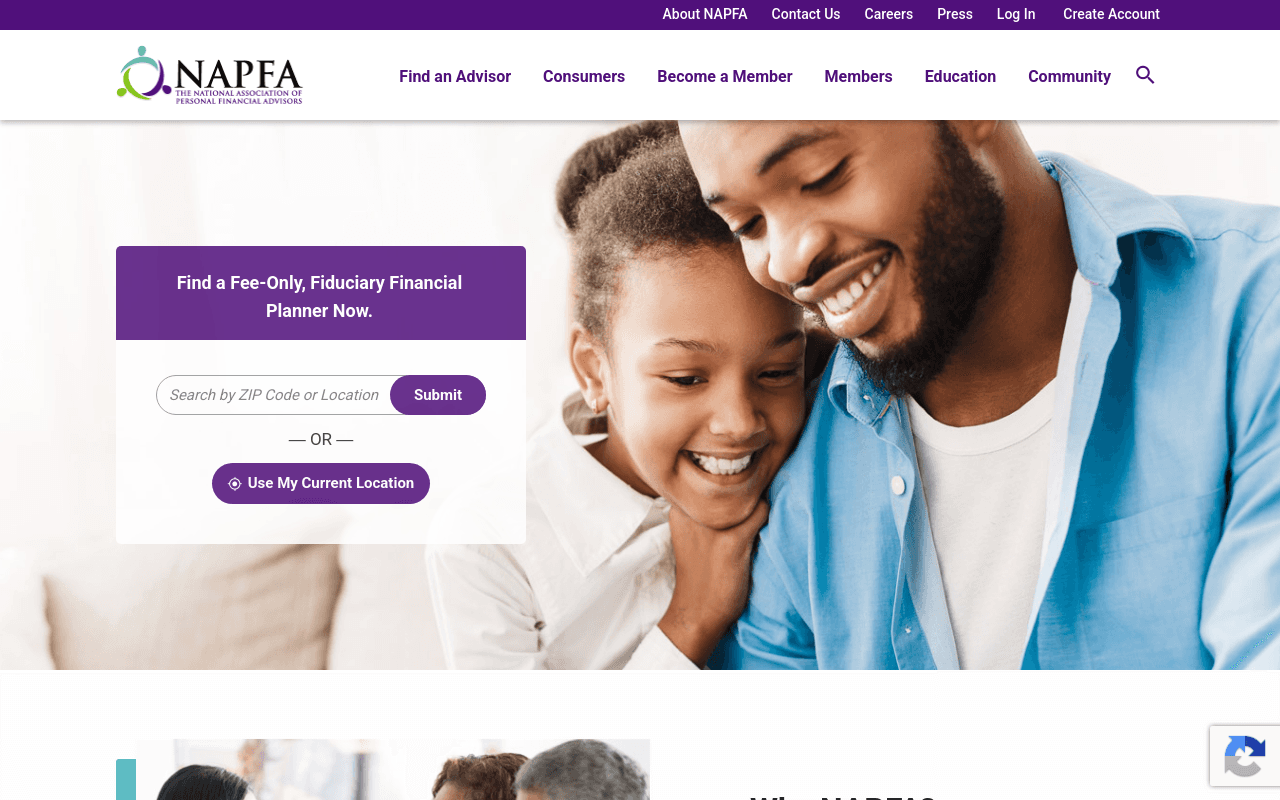
NAPFA's Spring and Fall 2026 National Conferences draw fee-only financial planners who share a fiduciary-first philosophy, making peer connections unusually high-trust and actionable. Structured networking sessions and a planning committee model ensure attendees meet relevant peers rather than vendors. Best for RIAs and independent advisors seeking referral relationships or study group partners. The tradeoff is a narrower audience, it skews fee-only, so broker-dealer professionals may find limited crossover.
2. CFP Board Connections Conference - Best for CFP Professionals Seeking CE and Connections
The CFP Board's Connections Conference 2026 brings together Certified Financial Planner professionals for a focused blend of continuing education and intentional networking. The credential-gated audience means conversations quickly reach a substantive level, making it efficient for advisors who want to build relationships with peers who share the same professional standards. It's best suited for practicing CFPs. The limitation is that non-CFP wealth management professionals or institutional finance attendees may find the content and audience too narrowly focused.
3. FPA Annual Conference - Best Broad-Reach Event for Financial Planning Professionals
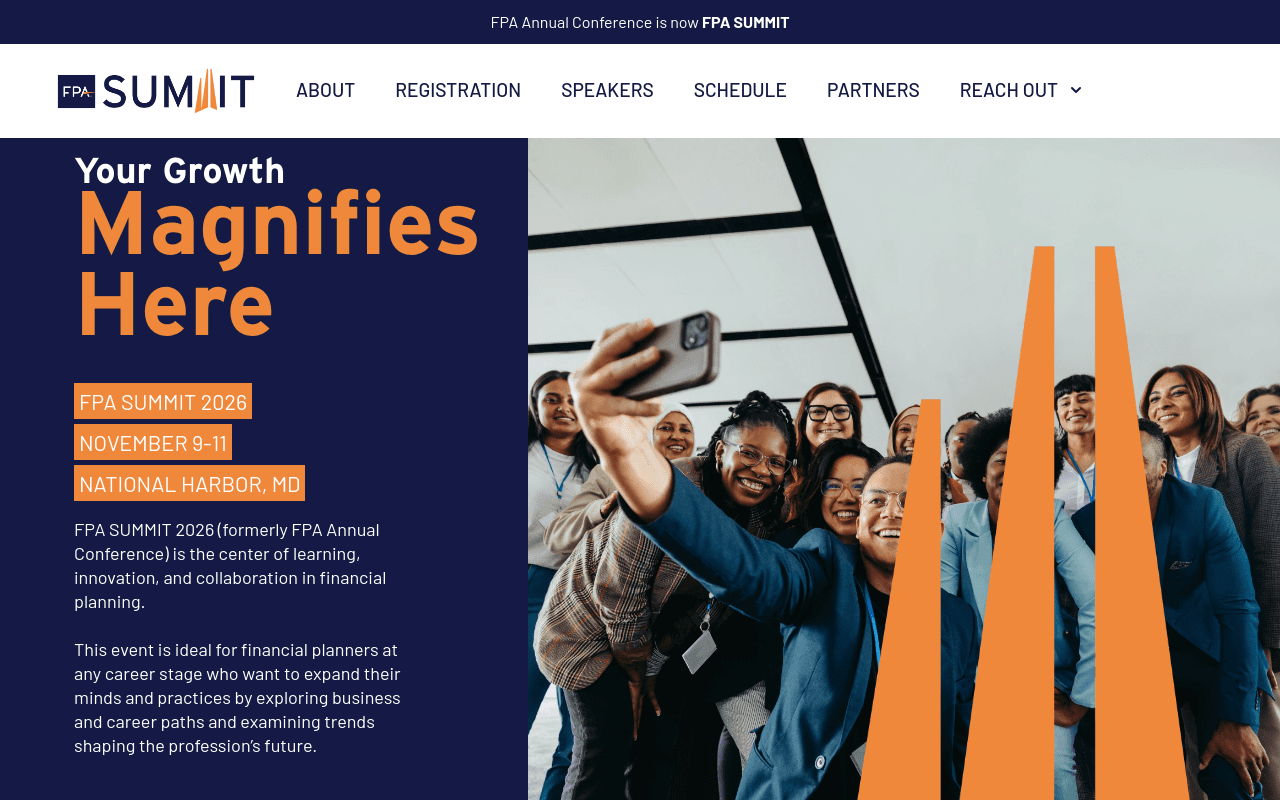
The Financial Planning Association's national events attract a wide cross-section of financial planning professionals, from solo practitioners to large RIA teams, making it one of the highest-volume networking opportunities in the advisor space. Chapter-level events throughout the year extend relationship-building beyond a single annual gathering. FPA membership unlocks deep discounts, making it cost-effective for frequent attendees. The tradeoff is that the broad audience can make it harder to identify and connect with highly specific niches like ultra-high-net-worth specialists.
What Regional and Niche Finance Conferences Are Worth Attending for Networking in 2026?
A rep who spends three days working a 200-person FPA regional chapter conference strategically can return with more CRM-ready contacts than one who collected 400 cards on a 7,000-person national expo floor. The reason is structural: smaller rooms compress seniority, pre-qualify attendees by community, and replace volume networking with conversations that actually go somewhere. The trade-off is real, though: if your team attends without automatic contact capture in place, each lost connection represents a higher share of total event yield than at a national show. A small room creates false confidence. Reps remember faces, assume they'll follow up, and then don't. The FPA's tiered conference ecosystem makes this choice concrete.
Regional chapter events, including FPA Far West, FPA of Greater Kansas City Annual Symposium, and FPA of Colorado Annual Forum, offer depth over the national FPA Summit's scale. For Sales Directors targeting independent advisors in specific geographies, the regional format wins on contact quality, not contact count. Teams equipped with a tap-to-capture digital business card turn every high-context regional conversation into an automatic CRM record, an outcome Mobilo customers have documented directly: Landsea Homes recorded $21,000 in annual savings and Falcon Group $6,000 per year after replacing card distribution and manual CRM logging with automatic tap-to-capture, labor cost savings that become more meaningful, not less, at smaller events where each contact represents a higher share of total event yield.
One underappreciated dimension of that yield: visibility. Sales Directors managing regional event rotations frequently lack a reliable way to know which reps are actively networking versus which ones are spending most of the conference day at the booth. Mobilo's insights and analytics, included on every Teams and Business plan, give managers exactly that: visibility into which reps are actively networking and converting connections into pipeline, surfaced through the team management dashboard without requiring manual check-ins.
At a 200-person regional event where six reps are on the floor, that signal is the difference between a debrief built on assumptions and one built on data. For teams deploying across multiple regional stops, the Teams plan (marked Popular, $4/month billed annually) is the practical starting point. It includes unlimited team members, unlimited taps and scans, team management, central billing, lead enrichment, custom lead capture forms, brandable QR codes, the Apple/Google QR code widget, a free Digital Wallet Card, and integrations through Zapier, so every tap at an FPA regional chapter event routes directly into the CRM without a manual export step.
The Teams plan starts at $4/month billed annually, with a Digital Wallet Card included at $0 + $4/month. The ability to control, lock, and override data fields across the team means rep profiles stay on-brand and compliant regardless of which regional market they're working. For organizations with larger teams, the Business plan ($5/month billed annually) adds enterprise SSO, HR directory sync, a custom domain, white-glove onboarding, and a custom-built landing page, a meaningful step up for larger sales teams running coordinated regional conference programs.
1. OFN Regional Meetings - Best for CDFI and Community Development Finance Networking

"I'm having difficulty finding region-specific finance and business networking events in niche markets like the field, with very limited publicly known options for April 2026."
OFN Regional Meetings are the right pick for teams selling into community development financial institutions, credit unions, and mission-driven lenders. Decision-makers attend specifically to build relationships, not collect vendor decks. The limitation: if your product has no clear CDFI-adjacent use case, you will stand out for the wrong reasons.
Relevance is the price of entry here. Teams attending niche, mission-driven events like these also face a practical discovery problem: region-specific finance networking events in specialized markets can be genuinely hard to find, with limited public information on timing and format. That scarcity makes each confirmed event more valuable, and it raises the cost of leaving a conversation uncaptured.
A Digital Wallet Card, included at $0 + $4/month on the Teams plan, gives every rep an always-ready, no-internet-required sharing option. The no-internet QR sharing feature means contact capture works even in venues where connectivity is unreliable, which is common at smaller community-focused gatherings.
2. WIFM Conference - Best Niche Networking Event for Women in Financial Markets

The Women in Financial Markets annual conference, held in New York City, is a targeted one-day event combining pre-event networking lunch with curated panels on leadership and career advancement in financial markets. It's the right pick for women professionals in trading, derivatives, and capital markets who want high-quality peer connections in a focused setting. The limitation is its single-day, single-city format, which restricts access for professionals outside the Northeast.
3. ABA Conference for Community Bankers - Best Regional Banking Networking Forum
The ABA Conference for Community Bankers concentrates community bank executives, presidents, and board-level decision-makers into a single regional format that national banking shows rarely replicate. Deal cycles here are long, but relationship depth is the currency, and a contact made at this event and properly captured in the CRM can anchor a relationship that produces revenue across multiple fiscal years. For sales teams where a single converted relationship justifies the cost of attendance many times over, the ability to see, post-event, which reps converted conversations into captured pipeline contacts is what separates a disciplined regional event strategy from an expensive hope.
Mobilo's team-level insights and analytics, available on both the Teams and Business plans, make that accountability built-in rather than bolted on after the fact.
How to Ensure Every Contact From These Finance Conferences Actually Enters Your CRM
That relationship-conservative room exposes a problem most sales teams carry into every event: the contacts made there, and at every other conference on this list, routinely disappear into a stack of paper business cards that never make it into a CRM. The failure is rarely a matter of rep discipline. It is a systemic gap between the moment a meaningful conversation ends and the moment that contact becomes a trackable, actionable record, and in long-cycle environments where relationship depth determines revenue, that gap functions as a direct leak in the pipeline.
Research drawing on surveys of thousands of field sales reps consistently finds that the vast majority of new contacts collected at events never make it into the CRM, because manual entry feels like too much effort after a multi-day event, a finding that tracks directly with the operational gaps Mobilo customers describe before switching. That is not a discipline problem. It is a systems problem.

When a rep returns from a three-day conference carrying 60 contacts and faces a blank CRM entry form for each one, the math is simple: most of those records never get created. The contacts go cold, the pipeline never forms, and the conference spend produces no measurable return.
How to Capture Conference Contacts at the Point of Handshake (No Manual Entry Required)
The failure point is the gap between the physical exchange and the digital record. A digital business card built on NFC or QR technology closes that gap at the moment of contact. When a prospect taps or scans, their information routes directly into the rep's CRM record without any manual step. Mobilo customers including Landsea Homes and Falcon Group documented this outcome directly, with contacts created at the point of exchange rather than days later when memory has faded and the moment has passed.
How Rep-Level Contact Analytics Turn the Conference Floor Into a Measurable Pipeline Input
The analytics layer is what converts a networking tool into a management tool. A Sales Director running a team across a large conference floor currently has no data on which reps exchanged contacts, how many, or whether any were logged. Rep-level tap and scan data changes that. You can see, by name, which reps are actively working the floor and which are not, giving you an attribution signal that paper card exchanges can never produce. That visibility is the difference between managing conference ROI and guessing at it.
Quantified ROI - What Teams Actually Save When Manual Entry Disappears
The labor cost of manual CRM entry is significant on its own. Industry research on sales rep time allocation consistently finds that manual data entry consumes a significant portion of the working week, time that competes directly with active selling and follow-up. Landsea Homes documented $21,000 in annual savings after replacing their card distribution and manual logging workflow with an automatic tap-to-CRM process.
Falcon Group recorded comparable savings per year. These are not projections; they are operational outcomes from teams that removed the manual step entirely. For teams that attend events regularly, deployment does not require IT involvement. Research on follow-up timing consistently shows that contacting a lead within 24 hours of first meeting produces meaningfully higher conversion rates than outreach sent days later, a window that automatic tap-to-CRM capture keeps open, and manual post-event logging routinely closes.
Related Reading
- Which Networking Software Is Best For Conferences
- Trade Show Booth Ideas To Attract Visitors
- Conference Lead Capture
- How To Measure Trade Show Effectiveness
- Virtual Event Success Metrics
- Trade Show Roi
- Trade Show Lead Generation Ideas
- What's The Best Event Lead Generation Software
- Post-Trade Show Marketing Strategies
- Best Trade Show Giveaways
Next steps
If your reps are returning from finance conferences with pockets full of paper cards that never reach the CRM, the path forward starts with recognizing that the card exchange is not the end of the process, it is the beginning of a data problem. Start with our digital business card.
The body of this post makes two things clear in sequence. At scale events like AFP, where 7,000-plus attendees produce interaction volumes no rep can manually log before the flight home, most paper cards are discarded within a week and the large majority of trade show leads are never followed up on, meaning a significant share of your per-head conference investment disappears before anyone opens a CRM. At CFO-tier events like the Gartner Finance Symposium/Xpo, where deals require 14 to 20 touches to close and a contact that never enters the CRM is indistinguishable from a conversation that never happened, the cost of that same dropout rate is not a rounding error, it is a six-figure relationship that decayed silently.
Together, they point to one next step: understanding how automatic contact capture actually works at the point of handshake, before the next event date arrives. For a deeper look at how digital card infrastructure closes the gap between the conference floor and the CRM, see the mobilocard.com guide. What follows there is the operational detail this post intentionally left open: how tap-to-CRM capture works, what the analytics layer surfaces for Sales Directors, and where the workflow fits into a structured conference program.
Frequently Asked Questions
Which finance conference is best for networking if I sell into banks and payments companies rather than corporate treasury?
Sibos 2026 in Miami is the right fit. The audience is distinctly institutional, banks, custodians, and payments processors, making it the event the post specifically recommends for teams selling into financial institutions rather than corporate treasury.
Does conference size actually matter, or is a smaller event sometimes better for making real connections?
A smaller, curated event with a verified decision-maker audience often outperforms a larger one. The post notes that the average sales rep has only 5 to 8 meaningful conversations per day at a trade conference, so when more of those conversations are with people who hold budget authority, the pipeline outcome is fundamentally different than at a large expo diluted with junior staff and other vendors.
What's the real reason reps come back from expensive finance conferences with nothing to show for it?
The failure happens after the handshake, not on the floor. The post cites Adobe data showing 88% of physical business cards get thrown away in less than a week, and industry research consistently finds the large majority of trade show leads are never followed up, because manual logging competes with post-event inbox catch-up and loses almost every time.
Are there any CFO-specific or executive-level events worth attending in 2026, and when do they run?
Yes, the post covers four: the Finance Alliance CFO Summit (May 13–15, New York City), the Gartner Finance Symposium/Xpo (May 27–29, National Harbor, MD), the Private Funds CFO Forum (September 17–18, Chicago), and the MIT CFO Summit (November 19, Boston).
What should I check before booking a finance conference to make sure it's actually worth the budget?
The post provides an eight-criterion checklist covering audience seniority, structured networking format, attendance selectivity, seniority-to-vendor ratio, language and accessibility, contact capture compatibility, post-event content access, and whether the organizer publishes attendee job-title demographics. Any event that fails three or more of those criteria should be deprioritized regardless of brand recognition.