.avif)


Linkinbio vs Linktree Guide for Higher Bio Link Conversions
On This Page
You've spent months building your social media following, crafting the perfect posts, and growing your audience. But when someone clicks that single link in your Instagram bio, are they actually becoming customers, subscribers, or leads? The challenge most creators and businesses face isn't getting profile visits—it's turning those clicks into meaningful results. Choosing the Best Link in Bio Tool between Linkinbio vs Linktree requires understanding which platform transforms casual browsers into engaged customers, making every profile click count toward your bottom line.
Traditional bio tools simply list links without capturing visitor information or enabling meaningful follow-up. Smart creators need solutions that share complete contact information, social profiles, and key resources while tracking exactly who engages with their content. This approach allows you to follow up with interested prospects, measure which links drive real business outcomes, and build genuine connections that extend beyond a single click with a digital contact card from Mobilo.
Table of Contents
- Why Do Most Bio Pages Fail to Convert Traffic Into Sales or Subscribers?
- Linkinbio vs Linktree: Which Actually Solves the Bottleneck?
- How to Choose (And Fix Your Bio in 14 Days)
- Your Bio Link Shouldn’t Be the Only Place You Capture Leads
Summary
- Most bio pages fail because they create cognitive overload rather than guide visitors toward a single clear action. When someone lands on a page with eight or ten links, their brain doesn't perceive abundance; it sees work requiring decision-making effort. Research shows this decision fatigue sets in within seconds, causing most visitors to choose nothing and leave. The bottleneck isn't traffic volume but what happens after people arrive.
- Simple math reveals the leverage hidden in conversion optimization. If 1,000 profile visitors generate a 20 percent click-through rate (200 people) and a 3 percent conversion rate (six conversions), improving that conversion rate to 6 percent doubles your results to twelve conversions without spending anything on new traffic. Yet most creators obsess over follower growth while ignoring the higher-leverage move of converting more people who already show up.
- Bio pages that convert perform five specific functions that most creators ignore: reduce cognitive load, build trust in 3 seconds, capture contact information for owned-audience building, track behavior across touchpoints with event-level data, and support segmentation for personalized visitor paths. According to research on processing time and predictive modeling, small changes in measurement frequency and response speed compound into massive performance differences over time. Teams that track daily and adjust weekly significantly outperform those who check monthly and react quarterly.
- Traditional bio tools treat email collection and lead capture as add-on features rather than core components of the architecture. Both Linktree and Linkinbio were built to solve the single-link constraint, not to maximize revenue per visitor. This creates a fundamental mismatch for businesses whose models depend on building owned audiences, as these platforms assume your primary goal is link distribution rather than conversion optimization and relationship building.
- Three immediate fixes work on any platform and address core conversion problems. First, reduce the link count to three or fewer, since each additional option increases cognitive load. Second, add one trust signal above the fold (social proof, media mentions, or a clear value proposition) because people decide whether to engage within three seconds. Third, implement email capture before your most valuable link to transform one-time visitors into contacts you can reach again.
- Digital contact cards extend conversion architecture beyond social profiles by capturing contact information at events, auto-syncing leads to CRMs, tracking engagement across touchpoints, and automatically enriching prospect data.
Why Do Most Bio Pages Fail to Convert Traffic Into Sales or Subscribers?
Most creators think their bio page isn't working because they need more people to see it. They focus on getting more followers while missing the core issue: what happens after someone clicks. Conversion failure isn't about a lack of visibility—it's about making things too hard. Your bio page either guides people on what to do next or presents too many choices, causing them to leave.
🎯 Key Point: The problem isn't traffic volume—it's what happens after the click that determines your conversion success.
"Choice overload reduces decision-making ability by 40% when users face more than 3-4 options simultaneously." — Behavioral Economics Research, 2023
⚠️ Warning: Every additional link or button on your bio page creates friction that pushes visitors toward the exit door.
Why do creators blame traffic when sales stall?
When sales slow down, people often blame low visitor numbers. Creators produce more content, run ads, and partner with larger accounts to drive traffic. But attracting visitors without conversion infrastructure is noise.
What happens when traffic increases but conversion doesn't?
A developer launching a Steam game saw this firsthand. After localizing to 12 languages, traffic spiked 150 to 200 percent. Yet wishlists barely moved. The visibility existed; the conversion architecture didn't.
The same pattern plays out on bio pages. Send 10,000 people to a link hub, but if the experience confuses them or fails to build trust in three seconds, most will bounce. The bottleneck isn't awareness—it's what you ask people to do upon arrival.
How does quantitative modeling reveal conversion opportunities?
Say 1,000 people visit your profile this month. Your bio link has a 20% click-through rate, so 200 people land on your page. At 3 percent conversion, that yields six conversions.
What happens when you optimize the bio page experience?
Improve the bio page experience by reducing cognitive load, strengthening trust signals, and adding one clear call to action. Conversion rate climbs to 6 percent. With the same 200 visitors, you achieve twelve conversions and double revenue without spending on new traffic.
This reveals why focusing on follower growth before fixing conversion is backwards. The highest-leverage move isn't attracting more people—it's converting more of those already showing up. Yet most bio tools prioritize link aesthetics over conversion mechanics.
Why Bio Pages Fail: The Mechanism Breakdown
Bio pages often fail in predictable ways, quietly losing potential customers before they reach your offer. failure modes
Too many links create cognitive overload.
When you have eight, ten, or twelve options, it feels like work rather than choice. People tire of deciding which link matters most within seconds, and most leave the page.
Generic design erodes trust formation.
A bare list signals low investment. If you didn't care enough to create a cohesive experience, why should someone trust you with their email or money? A template identical to 50,000 other profiles communicates commodity, not credibility.
No email capture means no owned audience.
Every visitor who doesn't convert immediately is lost forever. You can't follow up, nurture interest, or re-engage when you launch something new. Without capturing contact information, you start from zero with each new piece of content.
No event tracking eliminates the optimization loop.
You can't improve what you don't measure. If you don't know which links get clicked or where people drop off, you're making guesses. Most bio tools show total clicks at best—vanity metrics, not actionable information.
No segmentation blocks personalized paths.
A podcast listener and a potential client need different next steps. Bio pages that treat every visitor the same leave conversion rates in the single digits.
What approach actually increases conversions?
Teams using digital contact card approaches shift this dynamic entirely. Instead of dumping links into a static list, the Mobilo solution captures lead information, tracks engagement, and feeds data directly into CRM workflows. The bio page becomes the first step in a relationship, not a directory.
The real question isn't "Which tool is popular?" It's which one reduces friction and increases conversion?
Related Reading
- Best Link in Bio Tool
- What is Link in Bio
- How to Improve Linkedin Profile
- How To Build Personal Branding
- How to Add Portfolio to Linkedin
- How To Add Link To Tiktok Bio
- How to Add Instagram Link to Tiktok
- Where is Link in Bio on Instagram
- How to Add Link to Linkedin Post
- How to Add Website Link to Linkedin Profile
- Link in Bio Examples
- How To Add Link To Tiktok Bio
- How to Add Instagram Link to Tiktok
Linkinbio vs Linktree: Which Actually Solves the Bottleneck?
The right bio tool removes friction between audience interest and your desired outcome. If you only need people clicking through to multiple destinations, either platform works. But if conversion matters, you need a system that treats every visitor as a potential relationship, not a statistic.
Feature Comparison
Primary Focus
- Linktree: Link aggregation
- Linkinbio: Conversion optimization
Analytics Depth
- Linktree: Basic click tracking
- Linkinbio: Detailed visitor insights
Customization
- Linktree: Template-based
- Linkinbio: Full brand control
Conversion Tools
- Linktree: Limited
- Linkinbio: Email capture, retargeting
Pricing Model
- Linktree: Freemium with limits
- Linkinbio: Premium-focused features
🎯 Key Point: Linktree excels at simple link organization, while Linkinbio prioritizes relationship building and long-term audience development.
"The difference between a link tool and a conversion tool is whether it captures visitor data for future engagement." — Digital Marketing Institute, 2024
🔑 Takeaway: Choose Linktree for basic link sharing needs, but select Linkinbio when your goal is building a sustainable audience and maximizing conversion rates from every click.
What a High-Converting Bio Experience Must Actually Do
Before comparing platforms, define what success looks like. A bio page that converts doesn't just organize links; it performs five specific functions that most creators overlook until traffic stalls.
Reduce cognitive load.
Every additional choice increases the mental effort required to act. When someone lands on your page, eight links create decision paralysis where three would suffice. The best bio experiences guide attention toward one primary action, with secondary options clearly subordinate. Clarity beats variety.
Build trust in three seconds.
First impressions happen faster than conscious thought. Custom branding, cohesive design, and professional polish signal credibility before anyone reads a word, demonstrating that you take your work seriously enough to create a meaningful experience.
Capture contact information
Traffic without ownership is rented attention. If someone visits your bio page and leaves without a way to reach them again, that relationship ends when they close the tab. Email capture, SMS opt-ins, or lead forms convert one-time visitors into an owned audience, enabling follow-up and relationship building over time.
Track behaviour across touchpoints.
Click counts alone reveal little. Which traffic sources convert best? Which links get ignored? Without event-level tracking, you're optimising in the dark. Actionable analytics require detailed data: individual link performance, source attribution, time-on-page, and conversion paths.
Support segmentation and personalization.
A podcast listener needs different next steps than a potential client. Bio tools that enable conditional routing, audience-specific pages, or dynamic content based on referral source create pathways that match visitor expectations.
According to Reviewed That, Instagram enforces one clickable link in your bio, which is why these tools exist. But solving the single-link constraint doesn't automatically solve conversion. Most creators simply replace one problem with another: scattered attention.
How Linktree and Linkinbio Stack Up Against These Criteria
Both platforms handle the basics: multiple links, custom branding, and mobile responsiveness. Their architectures, however, reveal different priorities.
How does Linktree prioritize simplicity over advanced features?
Linktree makes things simple and fast. You can set it up in just a few minutes using an easy-to-use interface that doesn't require any technical skills. The vertical list format is clear and easy to read, with each link receiving the same amount of attention, making it easy for visitors to scan.
The free version has limited customization options. Advanced branding, custom backgrounds, and layout control require paid plans. Analytics show only total clicks and traffic sources, not user behaviour or conversions. Email capture and lead generation features cost extra. The platform is built for sharing links, not building audience relationships.
What makes Linkinbio different from traditional link pages?
Linkinbio (part of Later's social media management suite) takes a different approach by connecting directly with Instagram and TikTok. It pulls in recent posts and displays them in a grid format that mirrors your social profile, with each post linking to a different destination. This creates visual continuity between your social presence and bio page.
The grid layout offers more visual interest than a simple list and converts better for product-based businesses or visual creators: someone sees a post about a specific product and lands on the relevant sales page with clear context.
Later's platform is primarily a scheduling and management tool. Linkinbio exists as a feature within that ecosystem, not a standalone product. You need a Later account to access it, which adds complexity for those who are not already using the platform.
Why do these platforms fall short for lead generation?
Neither platform was built with lead capture as the main function. Both treat email collection as an add-on feature rather than core architecture. If your business model depends on building an owned audience, you're working against what these tools were designed to do.
Teams using digital contact card systems approach this differently. Instead of treating the bio page as a link directory, they design it as the entry point to an automated lead workflow. When someone clicks through, their information gets captured, tagged by interest area, and routed into CRM systems that trigger follow-up sequences. The bio page becomes the first touchpoint in a relationship that continues through email, retargeting, and sales outreach, shifting function from distribution to conversion.
What are the key advantages of each platform?
Linktree wins on speed and ease. If you need a bio page live in ten minutes without advanced tracking or lead capture, it's hard to beat. The free tier covers basic needs, while paid plans unlock customization and analytics without technical expertise.
Linkinbio wins on visual coherence and social integration. If your business relies on Instagram or TikTok, the grid layout feels like an extension of your profile. The Latter integration streamlines workflow for teams already managing content through that platform.
Why don't these tools maximize revenue?
Both tools assume your main goal is to share links, not to drive purchases or sign-ups. They were built to solve the problem of sharing only one link, not to monetise each visitor. If your primary need is building awareness, either tool works. If your primary need is driving conversions, you need different tools.
The real question is whether you're choosing tools because they're easy to use or because they help you make more money. Most creators pick tools for ease, then wonder why increased traffic doesn't translate to sales.
But picking the right tool is only half the battle. The other half is fixing what isn't working.
Related Reading
- How to Add Linktree to Tiktok
- How To Add Linktree To Instagram
- How To Add A Link To Instagram Story
- How To Add Link To Instagram Profile
- Personal Landing Page Examples
- Graphic Design Portfolio Websites
- Personal Portfolio Website Design Examples
- Small Business Bio Examples
- One Page Website Examples
- Best Photography Portfolio Websites
- Instagram Landing Page Examples
How to Choose (And Fix Your Bio in 14 Days)
Start by measuring what already exists. Too many professionals rebuild their bio link based on what feels broken rather than what data shows. Run your current setup for two weeks while tracking three metrics: total clicks to your bio page, click-through rate on individual links, and conversion rate from click to captured contact. Without baseline numbers, you're optimizing blind.
🎯 Key Point: Always establish baseline metrics before making changes to avoid optimizing based on assumptions rather than data.
"Without baseline numbers, you're optimizing blind." — The foundation of effective bio optimization starts with measurement, not guesswork.
⚠️ Warning: Most professionals skip the measurement phase and jump straight to redesigning, which means they never know if their changes actually improved performance.
Metric
Total Clicks
- Traffic to the bio page
- Shows overall engagement
Click-through Rate
- Individual link performance
- Reveals which content resonates
Conversion Rate
- Contacts captured
- Measures actual business impact
How do you identify where people disengage?
The decision framework simplifies once you identify the problem. If you're getting clicks on your bio but losing people before they take action, your message isn't clear, or your offer isn't strong enough. If clicks on specific links don't convert to sales or qualified leads, the problem exists later in the process—beyond what any bio link platform can address. The tool matters less than understanding where engagement stops.
When does a basic link aggregator work best?
Choose a basic link aggregator if you're sending traffic to destinations that already convert visitors into customers. Podcasters sending listeners to Spotify, creators routing followers to YouTube channels, or writers funneling readers to Substack newsletters don't need to capture leads on the bio page itself. You need speed, reliability, and enough customization to maintain brand consistency.
What happens when you need lead capture?
That scenario breaks down the moment you need to capture visitor information before they leave. If someone clicks through to your booking calendar but doesn't schedule right away, you've lost them with no follow-up opportunity. The bio page becomes a leaky funnel rather than a lead generation system.
When does visual commerce make the biggest impact?
Brands selling physical products or visual services on Instagram benefit from bio layouts that match the platform's native experience, using grid designs. Fashion boutiques, interior designers, food brands, and lifestyle creators see higher engagement when the bio page feels like an extension of their feed.
This visual continuity reduces cognitive friction: visitors already trust the aesthetic, so clicking through to product pages or booking forms feels natural.
What are the platform dependency risks?
The tradeoff is platform dependency. If your audience spans TikTok, LinkedIn, Twitter, and Instagram simultaneously, optimizing for one platform's visual language alienates the others.
Multi-platform creators need the flexibility that Instagram-focused tools don't provide, leading to separate bio experiences across channels and fragmented analytics.
Which metrics actually predict revenue from bio links?
Most people track vanity metrics that feel productive but don't predict revenue. Total bio clicks sound impressive until you realize 90% bounce without taking action. Focus on email capture rate and conversion to revenue-generating action: booked calls, completed purchases, or submitted lead forms.
How long should you track performance to get meaningful data?
According to Frontiers in Nutrition, you must monitor your data over an extended period to identify meaningful patterns. A single check or three-day test reveals little about user behaviour. You need at least 30 minutes of combined session data from different visitor groups to determine where engagement drops and which link placements drive conversions rather than casual clicks.
What does an effective bio link audit look like?
Run a 14-day audit organised around decision points. Days one through seven, track existing performance without changes: how many visitors reach your bio, which links they click, and what percentage complete your desired action. On day eight, implement one change: reorder links by strategic priority, add email capture before external redirects, or simplify your call-to-action language. Days nine through fourteen, measure again and compare conversion rates, not click volume alone.
How do you diagnose traffic versus conversion problems?
The gap between clicks and conversions reveals whether you have a traffic problem or a conversion architecture problem. If 100 people visit your bio, 80 click a link, but only two convert, your traffic quality is sound—your offer, messaging, or post-click experience is broken. If only 10 people click anything, you have a clarity problem: visitors don't understand what you're offering or why it matters.
What email capture rates indicate a broken value proposition?
An email capture below 5% indicates a weak value proposition or a poorly positioned opt-in. Try reducing form fields to email and name, moving the opt-in above your link list, or offering a specific resource instead of a vague newsletter signup.
How do you identify friction in your conversion funnel?
When less than 2% of interested people take action to make money, underlying problems prevent them from moving forward. These might include unclear pricing, unclear next steps, or competing demands on their attention. For example, if someone clicks "Book a Call" but abandons the scheduling process, the issue could stem from a complicated calendar interface, unclear availability, or uncertainty about what the call entails.
What conversion rates should paid traffic achieve?
Teams running paid traffic to their bio link should expect conversion rates above 5%. Paid traffic converts better than organic because you control messaging and audience targeting. Below 5% indicates you're attracting the wrong people or creating expectation mismatches between your ad copy and bio page experience.
Most teams optimize bio links by changing layouts, swapping tools, or adding more links. The real problem usually isn't the platform: it's the absence of a conversion system that captures intent, qualifies interest, and triggers follow-up automatically.
Solutions like Mobilo's digital contact card shift focus from link management to relationship infrastructure. Instead of routing traffic elsewhere and hoping for conversions, you capture visitor details, sync engagement data to your CRM, and automate outreach based on which links visitors clicked and when they clicked them. The bio page becomes the start of a trackable sales process, not a directory.
What's the real decision point when choosing bio link tools?
The question isn't which tool has more integrations or nicer-looking templates, but whether your bio link works as a system that converts visitors into customers or simply sends traffic elsewhere. If you need to collect information from potential customers, measure visitor engagement, and set up automatic follow-up messages based on visitor behaviour, you need a tool built for those purposes.
Why do most professionals waste their highest-intent traffic?
Most professionals realize too late that their bio link represents their highest-intent traffic source. Someone who navigates from social content to your profile and clicks your bio link has shown more interest than passive scrollers. Treating that moment as a simple redirect wastes your most valuable interaction.
But the bio link only captures people who are already visiting your profile.
Related Reading
- Bio Site vs Linktree
- Linktree Alternatives
- Shorby Vs Linktree
- Linktree vs Carrd
- Beacons vs Linktree
- Beacons vs Stan Store
- Milkshake vs Linktree
- Taplink vs Linktree
Your Bio Link Shouldn’t Be the Only Place You Capture Leads
Whether you choose Linkinbio or Linktree, the goal is to build a system that captures, tracks, and converts attention across every touchpoint. Most businesses optimize their bio page while ignoring a larger problem: leads lost at events, in conversations, via QR codes, or on product packaging. In those moments, there's no bio link—only a contact exchange—and 90 percent of those contacts never reach a CRM.
🔑 Key Point: Your bio link optimization is meaningless if you're bleeding leads at every other touchpoint where prospects interact with your business.
"90 percent of contact exchanges never make it into a CRM, representing massive lead loss beyond social media touchpoints."
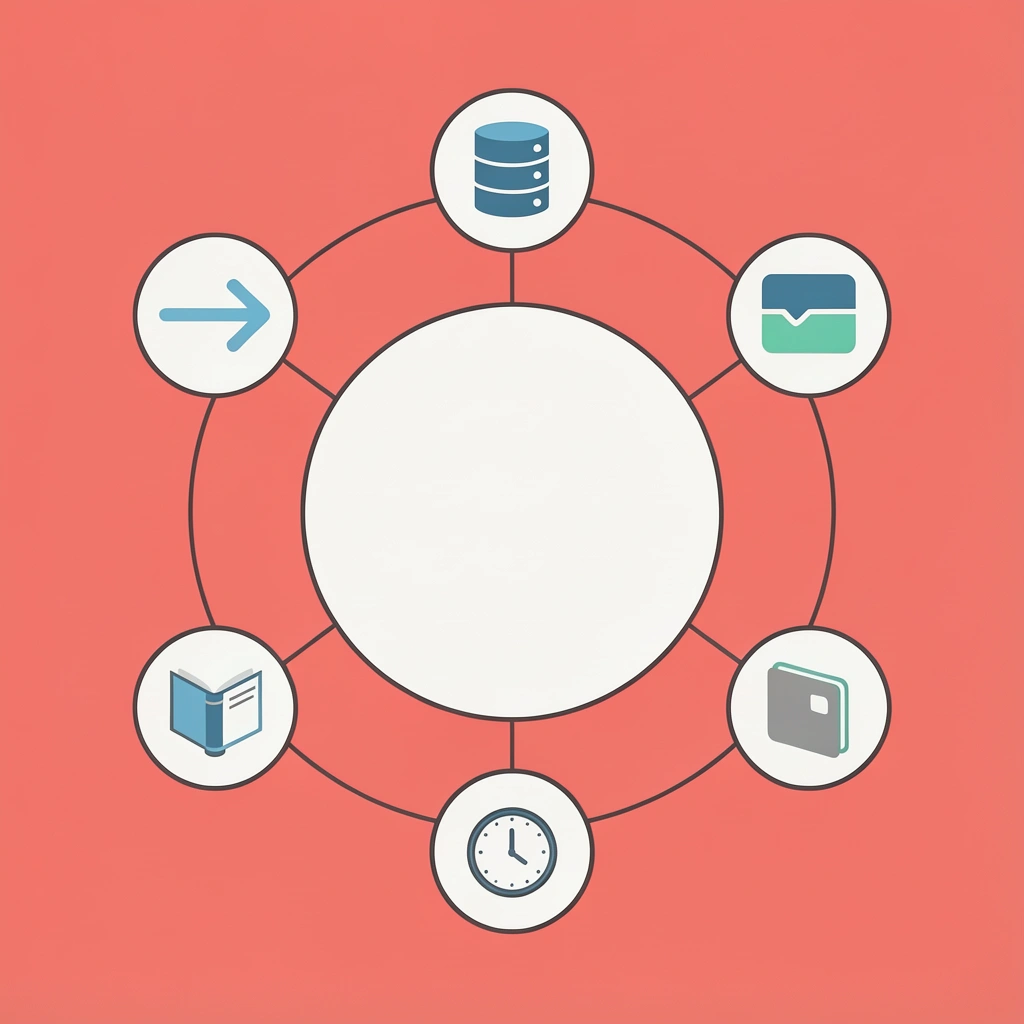
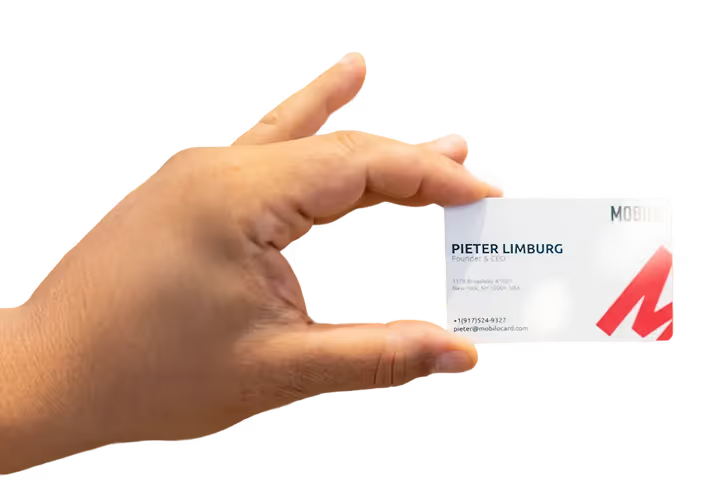
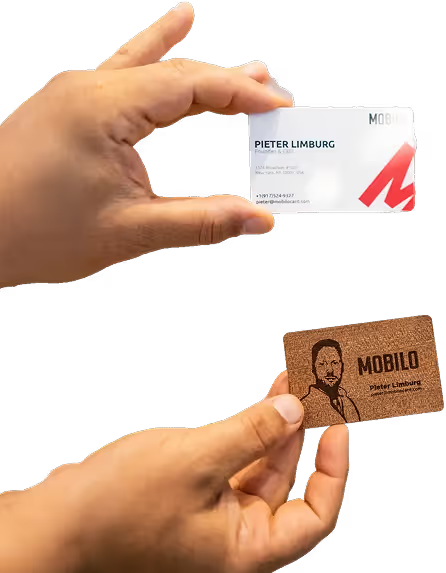
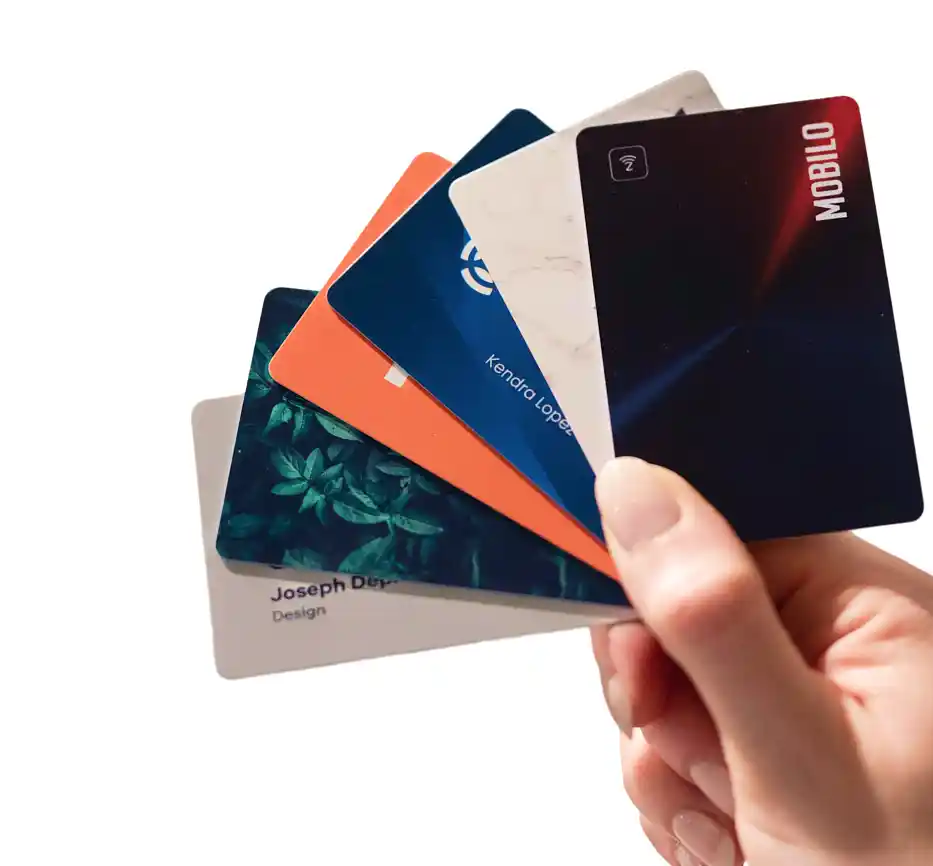
Teams using digital contact card solutions extend their conversion system beyond social profiles. Our Mobilo digital business cards capture contact information at events, automatically sync leads to CRMs, track engagement across touchpoints, and enrich prospect data automatically. Rather than managing links in isolation while losing leads elsewhere, you build one connected system that treats every interaction as the start of a measurable relationship.
💡 Tip: The most effective lead capture systems work seamlessly across digital profiles, physical interactions, and automated follow-up sequences.