.avif)

How to Add Link to Instagram Profile and Drive Real Traffic
On This Page
You've built your Instagram presence, shared great content, and grown your following. But here's the problem: Instagram only gives you one clickable link in your bio, and that single spot needs to work hard for you. If you're wondering how to add a link to your Instagram profile that actually converts followers into customers, subscribers, or engaged community members, you're asking the right question. This guide will show you how to add a link to your Instagram profile effectively, so you can drive real traffic, increase engagement, and grow your audience beyond the platform.
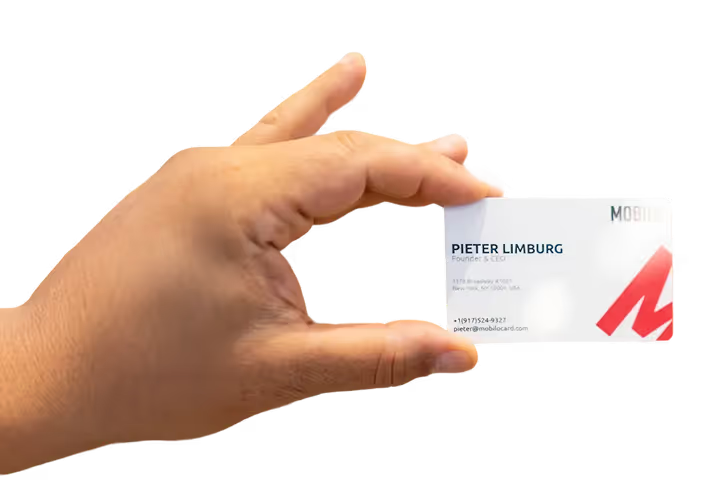
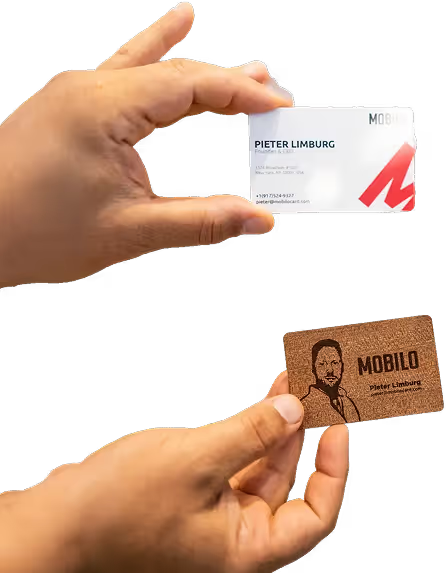
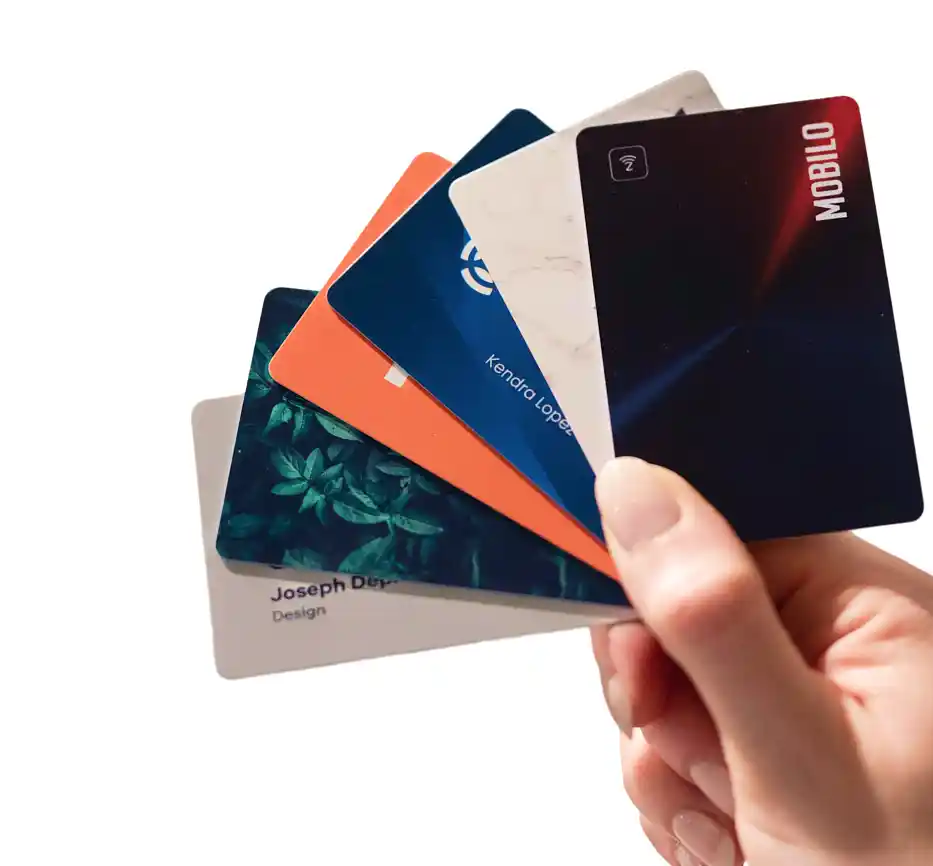
That's where a digital contact card like Mobilo becomes a game-changer for your Instagram bio link strategy. Instead of sending people to a static website or forcing them to choose between multiple destinations, Mobilo lets you share all your important connections in one smart, trackable space.
Summary
- Instagram's single bio link creates a structural conversion problem that most creators never solve. The platform provides a single clickable URL, while your content addresses multiple topics, promotes different offers, and serves various audience segments. Sending everyone to the same generic homepage, regardless of what sparked their interest, undermines the intent that brought them to your profile.
- Conversion happens when the landing destination matches the promise that brought someone there, yet most bio links break this alignment. You post a reel about a specific product feature. Someone clicks, expecting to learn more about that feature, but instead lands on your homepage with 12 navigation options and no clear path to what they came for.
- Instagram's algorithm actively suppresses posts designed to drive traffic away from the platform. The platform prioritizes content that drives in-app engagement, such as likes, comments, shares, and watch time. When your post exists solely to push people off Instagram, it contributes nothing to these metrics, and the algorithm recognizes this pattern and buries your reach.
- More than five hundred million users now check Instagram profiles every day, but most never scroll past the first three lines of bio text. Your link placement determines whether those visitors even notice it exists. Position your primary call to action in the first line of your bio, directly above the clickable link, because when someone taps your profile, their eyes land on the top of your bio first. If your link context sits buried after your mission statement and favorite emoji, you've already lost the click.
- Specific link context converts, while generic phrasing kills clicks. Instead of "link in bio for more," use "tap below for the full tutorial" or "link takes you straight to booking" to set clear expectations. People click when they know exactly what they'll find, not when they're guessing.
- Outdated or broken bio links damage more than just single conversions because they erode trust over time. When someone clicks expecting your new guide and encounters a 404 error or last month's promotion, they conclude your links aren't reliable and stop clicking altogether.
Digital contact card addresses this by creating a single intelligent landing page that adapts based on visitor source and intent, tracks which content drives qualified traffic, and updates instantly for all team members without requiring manual coordination between content strategy and link destinations.
Why “Just Add a Link” Is the Worst Instagram Strategy

The advice to "just add a link" in your Instagram bio or caption sounds simple, but it's quietly killing your conversion rate. Every time you tell someone to "check the link in bio," you're asking them to complete a seven-step journey that loses more than half your audience before they ever reach your destination. Instagram isn't built to send people away; it's designed to keep them scrolling, and the platform's algorithm actively punishes content that tries to drive traffic elsewhere. The irony cuts deep. You spend hours crafting content, building trust, nurturing an audience. Then, at the moment of conversion, you hand them a generic phrase and expect them to do the work. Most won't.
The Seven-Step Friction Trap
Here's what you're actually asking someone to do when you say "link in bio".
The Multi-Step Drop-Off
See your post. Read your call to action. Tap your profile. Scroll to find the bio link. Click it. Wait for a browser to load outside Instagram. Navigate whatever landing page appears. Then, maybe, complete the action you wanted.
Compounding Friction
Each step compounds the previous drop-off. By step three, you've lost a significant portion of interested users. By step five, you're down to a fraction of those who started. According to platform behavior studies from 2025, this multi-step friction reduces engagement by an average of 57% compared to in-app interactions. That's not a small leak; it's a structural failure in your conversion path.
The Cost of Attention
The problem isn't that people don't care about your offer. The problem is that you've made caring expensive. Every tap, every load time, every context switch between the app and the browser consumes attention. In 2026, attention is the scarcest resource your audience has.
Instagram's Algorithm Penalty for Outbound Links
Instagram's AI doesn't just ignore posts designed to drive traffic away; it actively suppresses them. The platform prioritizes content that drives in-app engagement, such as likes, comments, shares, saves, and watch time. When your post exists solely to push people off Instagram, it contributes nothing to these metrics. The algorithm recognizes this pattern and buries your reach.
Walled Garden Reality
This isn't speculation. Social platforms in 2026 operate as walled gardens. They've learned that every user who leaves is one who might not return, which directly threatens their advertising revenue model. Your post competes with thousands of others for visibility, and Instagram will always favor content that keeps users inside the app over content that sends them away.
The Algorithmic Link Penalty
The "link penalty" isn't an official policy announced by Instagram. It's an emergent behavior of an algorithm optimized for session duration and engagement depth. Your reach is quietly throttled, your content appears lower in feeds, and you never quite understand why your posts aren't performing as they used to.
Why "Link in Bio" Became Lazy Shorthand
"Link in bio" became the default because it was the only option for years. Instagram didn't allow clickable links in captions, so creators adapted. The phrase became shorthand, a learned behavior that spread across the platform until it felt like standard practice.
Habit Over Strategy
But standard practice isn't the same as an effective strategy. What started as a workaround became a crutch, a way to avoid thinking deeply about how to actually convert attention into action. The phrase signals to your audience that you haven't thought past the content itself. It says: "I made this post, now you do the rest."
The Copy-Paste Dead End
When someone pastes a URL directly into a caption, the situation gets worse. Instagram still doesn't make caption links clickable, so users must manually copy and paste the link into a browser. That's not just friction; it's asking your audience to perform an awkward, time-consuming task that feels outdated the moment they attempt it. Conversion rates on copy-paste links hover near zero because the action itself feels broken.
The Opportunity Cost of the Lazy Link Strategy
Think about the full investment you've made to reach this point. You've developed a content strategy. You've learned what resonates with your audience. You've built credibility and trust over weeks or months of consistent posting. You've figured out timing, hashtags, visual style, and voice.
Momentum Lost at the Finish Line
At the exact moment when someone is ready to take the next step, when they're interested enough to act, you hand them a generic phrase and a multi-step obstacle course. The conversion did not die because your offer wasn't compelling; it died because your link strategy was an afterthought.
A Single Smart Hub
Teams using digital contact cards find that consolidating all their important destinations into a single, trackable landing page eliminates this friction entirely. Instead of forcing users to hunt through a bio or navigate multiple steps, they present one intelligent hub that adapts to what each visitor needs, whether that's booking a call, downloading a resource, or connecting on another platform, while capturing lead data automatically.
The Compounding Opportunity Cost
The real cost isn't just the lost clicks. It's the compounding effect over time. Every failed conversion is someone who might have become a customer, a subscriber, or a long-term relationship. Multiply that across every post, every week, every month, and the opportunity cost becomes staggering.
Zero-Click Content as the Real Solution
The fix isn't a better link; it's eliminating the need for one. Zero-click content delivers the full value inside the post itself. The "aha moment" happens in-app. If someone wants to go deeper, they comment a keyword, and your DMs handle the rest through automation.
Working With the Platform
This approach works with Instagram's design instead of against it. Your content generates engagement signals that the algorithm rewards. Your audience gets immediate value without friction. And the people who do convert have already demonstrated higher intent by actively commenting rather than passively clicking.
Optimize for Conversion, Not Traffic
The shift requires rethinking what you're optimizing for. Most creators optimize for traffic, getting people off Instagram and onto their website. But in 2026, you should optimize for conversion, getting people to take the action that actually matters, wherever that action happens. Sometimes that's a website visit. Often, it's not.
Why Most Links Fail
Understanding why most Instagram links fail isn't just about avoiding mistakes; it's about recognizing what actually drives conversion in a platform designed to keep users exactly where they are.
Related Reading
- Best Link in Bio Tool
- What is Link in Bio
- How to Improve Linkedin Profile
- How To Build Personal Branding
- How to Add Portfolio to Linkedin
- How To Add Link To Tiktok Bio
- How to Add Instagram Link to Tiktok
- Where is Link in Bio on Instagram
- How to Add Link to Linkedin Post
- How to Add Website Link to Linkedin Profile
- Link in Bio Examples
- How To Add Link To Tiktok Bio
- How to Add Instagram Link to Tiktok
How Instagram Bio Links Actually Convert (And Why Most Don’t)
Conversion happens when the landing destination matches the promise that brought someone there. A bio link converts when a follower clicks, expecting something specific and finds exactly that, frictionless and immediate. Most bio links fail because they break this alignment. They send everyone to the same generic homepage regardless of what sparked the click, use vague "link in bio" calls that give no context for what awaits, or lead to outdated pages that no longer match the content being promoted.
The Conversion Gap
The conversion gap looks like this: You post a reel about a specific product feature. Someone gets interested enough to tap your profile. They click your bio link expecting to learn more about that feature. Instead, they land on your homepage with twelve different navigation options and no clear path to what they came for. They close the tab. That's not a failed link. That's a broken promise.
What Makes Bio Links Actually Convert
Link conversion depends on three elements working together: clarity, alignment, and momentum. Clarity means your call to action tells people exactly what they'll find when they click. Not "link in bio" but "tap the link for the full tutorial" or "link in bio takes you straight to the product page." The more specific your promise, the more qualified your clicks become.
Promise and Delivery Must Match
Alignment means the landing page delivers on that promise immediately. If your post features a new collection, the link should direct to that collection, not your homepage. If you're promoting a webinar, the link should open the registration form, not an about page. According to the growth_for_interior_decor_biz Instagram post, 30% of Instagram users engage with bio links, but engagement alone doesn't translate into conversions. The gap between click and action closes only when what you promised and what you delivered are identical.
Protect the Momentum
Momentum means reducing every possible point of friction between interest and action. Each extra tap, each loading screen, each navigation decision costs you conversions. The best bio links feel like a continuation of the experience that started in your content, not a detour into a separate destination.
Why Most Bio Links Fail to Convert
The most common failure pattern is the generic destination trap. You create different content for different audiences, but you send everyone who clicks to the same place. Someone interested in your consulting services lands on the same page as someone looking for your free resource. Neither finds what they need quickly, so both leave.
The Cost of Vague CTAs
Vague calls to action create another conversion killer. "Link in bio" without context forces people to click blindly. They don't know if they're about to see a blog post, a product page, a signup form, or something else entirely. That uncertainty creates hesitation. Many don't click at all because the cognitive cost of finding out feels too high.
When Broken Links Break Trust
Broken or outdated links damage more than just that single conversion. They erode trust. When someone clicks expecting your new guide and finds a 404 error or last month's promotion, they learn that your links aren't reliable. They stop clicking. The problem compounds over time as your most engaged followers become your most skeptical ones.
Content–Destination Disconnect
The disconnect between content and destination is the deepest form of conversion failure. You spend a week creating a carousel about a specific problem your audience faces. The content resonates. People save, share, and comment. Then your bio link drops them on a generic homepage where that problem isn't even mentioned. The emotional momentum you built evaporates the moment they realize they have to search for what you just promised them.
One Centralized Conversion Hub
Most teams manage their Instagram presence separately from their conversion infrastructure. Content lives in one system, landing pages in another, analytics somewhere else. When someone updates a promotion, the bio link remains linked to the old destination for days because no one owns that connection point. Solutions like digital contact card centralize this by creating a single intelligent hub where every destination stays current, tracks engagement automatically, and adapts based on what each visitor needs, whether that's booking a call, downloading a resource, or connecting on LinkedIn.
The Single Destination Problem
Sending all traffic to a single destination, regardless of source, creates a conversion ceiling you can't break through. Your audience isn't monolithic. The person who found you through a reel about productivity tips has different needs than someone who discovered you via a post about team management. When both land on the same generic page, you're forcing them to do the work of finding what's relevant to them.
Measurement Blind Spots
This approach also makes measurement impossible. You can see total bio link clicks, but you can't tell which content drives qualified traffic versus curiosity clicks. You can't identify which topics convert versus which just generate engagement. Without that visibility, you're optimizing blind.
Intentional Multi-Link Paths
The fix isn't complicated, but it requires intentionality. Multi-link landing pages let you create different paths for different audience segments. Someone clicking from a product showcase sees product options. Someone who clicks through from an educational post sees related resources. The context from your content carries through to the destination, maintaining the momentum that drove the click in the first place.
The Context Gap That Kills Clicks
When you post "link in bio" without explaining what's there, you're asking people to trust you before you've given them a reason. That works when you have deep audience loyalty and a track record of delivering value. For everyone else, it's a conversion barrier disguised as a call to action.
Mismatched Expectations
The gap widens when your bio link text doesn't match your current promotion. Your pinned post mentions a new course launch, but your bio still reads "shop my favorite products." People who click expecting course details instead find an affiliate store. The mismatch signals carelessness, and carelessness kills trust faster than almost anything else.
Specificity Drives Conversion
Specificity converts. "Link in bio for the full case study" outperforms "link in bio" because it sets clear expectations. People who want the case study click. People who don't, don't. Your click-through rate might drop, but your conversion rate rises because every click reflects genuine interest in what you're offering.
Landing Pages That Break Promises
The most frustrating conversion failure happens when everything else works. Your call to action was clear. Your link was current. The person clicked with intent. Then your landing page loads, and it's wrong. Maybe it's your homepage when they expected a specific article. Maybe it's a category page they intended to use for a product. Maybe it's a signup form with twelve fields when they thought they were getting instant access.
The Cost of Broken Expectations
Each mismatch between expectation and reality costs you not just that conversion but future ones. People remember when they waste time clicking your links. They remember when you promise one thing and deliver another. That memory shapes whether they'll click next time, and the time after that.
Plan the Full Path
The solution requires thinking through the full path before you post.
- What specific thing are you promoting?
- Where should someone land to get that thing with the least friction?
- Does that destination actually exist and work?
If you can't answer those questions confidently, your bio link isn't ready to convert.
Related Reading
- How to Add Linktree to Tiktok
- How To Add Linktree To Instagram
- How To Add A Link To Instagram Story
- Personal Landing Page Examples
- Graphic Design Portfolio Websites
- Personal Portfolio Website Design Examples
- Small Business Bio Examples
- One Page Website Examples
- Best Photography Portfolio Websites
- Instagram Landing Page Examples
How to Add, Position, and Optimize Your Instagram Bio Link for Real Clicks

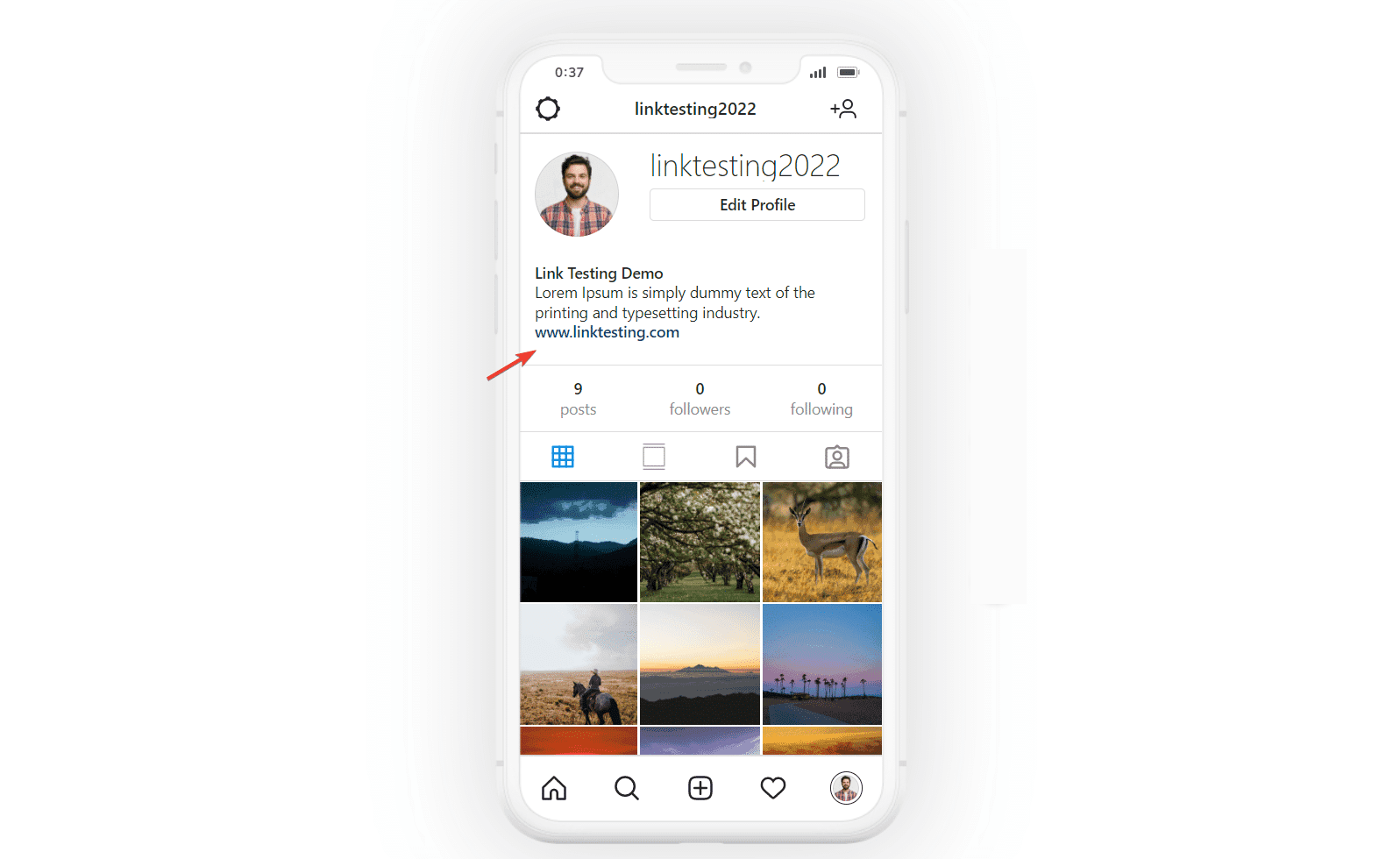
Open the Instagram app and tap the profile icon at the bottom right. Select "Edit Profile" below your bio. Tap the "Website" field, paste your link, and tap the checkmark at the top right. Your link appears immediately beneath your bio text. The mechanics are simple. The strategy behind what you link to and how you position it matters far more than the technical steps. Most people stop at adding the URL. That's where conversion problems actually begin.
Add a Link to Your Instagram Bio on the Web
Log in to Instagram on your desktop browser. Click your profile icon in the top right corner, then select "Settings" from the dropdown menu. Choose "Edit Profile" from the left sidebar. Click the "Website" field, enter your URL, and click "Submit" at the bottom of the page. The link updates across all platforms instantly. Desktop editing offers one advantage: you can see exactly how your full bio layout appears without the mobile keyboard covering half your screen. This matters when you're testing different link anchor text or bio formatting to maximize click-through rates.
Position Your Bio Link Where Attention Actually Goes
More than five hundred million users now check Instagram profiles every day, but most never scroll past the first three lines of bio text. Your link placement determines whether those visitors even notice it exists. Position matters as much as the link itself.
Lead With Your CTA
Place your primary call to action in the first line of your bio, directly above the clickable link. When someone taps your profile, their eyes first land on the top of your bio. If your link context sits buried in line four after your mission statement and favorite emoji, you've already lost the click. Lead with the action you want people to take, then provide the link that enables it.
Clear Space Converts
The blue clickable text stands out visually, but only if the surrounding content doesn't compete for attention. Avoid cluttering the space immediately around your link with hashtags, multiple emojis, or dense text blocks. White space directs focus. A clean, obvious link with clear context above it converts better than a perfectly crafted URL hidden in paragraph-length bio copy.
Customize Your Link Text for Context
Instagram displays your full URL in the bio link field, but you control what appears above it. Generic "link in bio" phrasing tells people nothing about why they should click. Specific context converts.
Be Specific With CTAs
Instead of "link in bio for more," write "tap below for the full tutorial" or "link takes you straight to booking." The specificity sets expectations. People click when they know exactly what they'll find, not when they're guessing. Vague calls to action create hesitation. Clear ones eliminate it.
Test and Tailor Your Wording
Test different framing based on what you're promoting. For a product launch, "shop the new collection below" outperforms "check out my link." For a resource, "download the free guide here" beats "link in bio." The pattern holds across contexts: specific promises generate more qualified clicks than generic instructions.
Use Link-in-Bio Tools to Solve the Single Destination Problem
Instagram gives you one bio link. Your content addresses multiple topics, promotes different offers, and serves various audience segments. Sending everyone to the same homepage wastes the intent that brought them to your profile.
Multi-Destination Landing Pages
Link-in-bio platforms let you create a landing page with multiple destinations. Someone clicking from a product post sees product options. Someone who clicks through an educational reel sees related resources. You maintain the context that drove the click instead of forcing everyone through the same generic funnel.
Friction and Audience Mismatch
The friction these tools eliminate is real. When a creator posts about three different topics in a week but links to only one destination, two-thirds of their audience ends up on something irrelevant to their interests. Those people don't convert. They leave. The single link limitation isn't just inconvenient. It's a structural barrier to matching audience intent with the right destination.
Centralized Link Management
Most teams juggle Instagram content across multiple team members while their bio link points to last week's promotion because no one owns updating it. When your content strategy and link strategy live in separate systems, they drift out of sync. Teams using digital contact card centralize this by creating a single intelligent landing page that adapts based on visitor source and intent, tracks which content drives qualified traffic, and updates instantly for all team members without requiring manual coordination. The link stays current because the system itself maintains alignment between what you're promoting and where people land.
Track Which Content Actually Drives Clicks
You can see total bio link clicks in Instagram Insights, but that number tells you almost nothing about what's working. Aggregate click counts don't reveal which posts generated interest, which topics convert, or which calls to action resonate. You're measuring output without understanding input.
Track Link Performance with URL Parameters
URL parameters let you tag links with source information. Add "?source=reel_jan15" to your bio link, and your analytics will show exactly how many clicks came from that specific piece of content. Change the parameter when you update your bio link for a new post. Over time, you build a dataset showing which content types drive the most qualified traffic.
Data-Driven Content Decisions
This visibility changes how you create content. When you discover that tutorial reels generate five times more bio clicks than inspirational quotes, you can double down on what actually moves people to action. Without tracking, you're guessing based on likes and comments, metrics that correlate poorly with conversion intent.
Update Your Link as Often as Your Content Strategy Shifts
Static bio links signal static thinking. Your content evolves, your offers change, your audience's needs shift. Your bio link should reflect your current priority, not whatever you set up three months ago and forgot about.
Weekly Bio Link Review
Set a recurring reminder to review your bio link weekly. Ask whether it still aligns with your most recent content and your current business focus. If you spent the last week posting about a new service but your bio link still points to an old lead magnet, you're leaving conversions on the table.
Update with Purpose
The update itself takes thirty seconds. The strategic thinking behind it determines whether those thirty seconds generate results or just move the problem around. Before changing your link, confirm that the new destination exists, loads quickly, and delivers on the promise your recent content made. A working link to the wrong place converts better than a broken link to the right one, but not by much.
Test Different Link Anchor Strategies
Some profiles place the URL directly in bio text, making it the only clickable element. Others use the dedicated website field and reference it with surrounding copy. Both approaches work, but they optimize for different goals.
Inline URLs for Maximum Visibility
Putting the URL inline makes it impossible to miss. The blue text draws the eye. This works when your primary goal is to drive traffic to a single destination, and you want maximum visibility for that link. The tradeoff is aesthetic. A raw URL in your bio looks utilitarian rather than polished.
Contextual Copy for Cleaner Presentation
Using the website field with contextual copy above it gives you more control over presentation. You can write compelling link text without showing the actual URL. This approach feels cleaner and lets you frame the click with persuasive copy. The tradeoff is subtlety. Some visitors won't notice the link exists if your surrounding text doesn't make it obvious.
Test and Optimize
Test both over a two-week period. Track click-through rates relative to profile visits. The format that generates more clicks for your specific audience and content type wins. Don't assume what works for other accounts will work for yours.
Avoid the Outdated Link Trap
Nothing damages trust faster than clicking a link that leads nowhere useful. A 404 error signals to visitors that you don't maintain your presence. An expired promotion signals to them that you're not paying attention. A landing page that contradicts your recent content tells them you don't care about their experience.
Monthly Bio Link Audit
Audit your bio link destination monthly. Click through as if you're a new visitor. Does the page load quickly? Is the content current? Does it match what your recent posts promised? If any answer is no, fix it before posting new content that drives traffic to that page.
The Compounding Cost of Outdated Links
The cost of an outdated link compounds over time. Each person who clicks and encounters a broken or irrelevant link will be less likely to trust your future links. They stop clicking. Your most engaged followers become your most skeptical ones because you've taught them that your links waste their time.
Optimize for Mobile Load Speed
Instagram users are on mobile devices. Your bio link opens in an in-app browser or their default mobile browser. If your landing page takes more than three seconds to load, you've lost a significant portion of clicks before anyone sees your content.
Test Mobile Performance
Test your link destination on a mobile device with a typical cellular connection, not your office wifi. Slow load times kill conversions regardless of how compelling your offer is. People don't wait. They close the tab and forget why they clicked.
Optimize for Speed
Image-heavy pages, unoptimized scripts, and auto-playing videos all slow mobile load times. Strip your landing page down to essential elements. Every second of load time costs you conversions. Speed isn't a nice-to-have feature. It's the foundation of whether your link converts at all.
Create Alignment Between Content and Destination
Your Instagram post creates an expectation. Your bio link should fulfill it immediately. When someone sees a reel about productivity tips, and your link directs them to a consulting services page, the disconnect breaks their momentum. They came for tips. You gave them a sales pitch. They leave.
Align Content Themes with Landing Pages
Map your content themes to specific landing destinations. If you regularly post about three core topics, create three dedicated landing pages. Update your bio link to match the theme of your most recent content. This requires more work than pointing everything to your homepage, but it respects the intent that brought someone to your profile in the first place.
Treat Each Post as Its Own Funnel
The pattern I've seen work consistently across industries is to treat each piece of content as its own conversion funnel. The post builds interest. The bio link continues that specific conversation. The landing page closes with a relevant call to action tied to the original topic. Each step reinforces the previous step rather than introducing unrelated information.
Optimized Instagram? Now Optimize Your In-Person Networking—Get 25 Cards Free
You've built a conversion machine on Instagram. Your bio link is specific, your landing pages match intent, and your tracking reveals which content drives action. That infrastructure works because you've optimized every digital touchpoint. But most business relationships still start offline, and that's where the system breaks down.
The Paper Card Problem
At conferences, client meetings, and networking events, you're back to paper cards that sit in wallets until they're thrown away or manually entered into spreadsheets days later when context has faded. The lead capture system you've perfected online disappears the moment you shake someone's hand. Teams using digital contact cards close that gap by bringing the same strategic precision to in-person networking.
Instant, Trackable Contact Exchange
A single tap exchanges contact information, enriches lead data in real time, automatically scores prospects, and syncs directly to your CRM without manual entry. Your first 25 cards are free (worth $950), because optimizing Instagram while losing 90% of offline contacts to broken follow-up isn't a strategy. Book a demo today and make every handshake as trackable as every bio link click.
Related Reading