.avif)


How to Add Linktree to TikTok in Minutes (2026 Guide)
On This Page
You've built an audience on TikTok, but there's a problem. That single bio link isn't enough to share everything you need: your website, products, social channels, and latest offers all compete for one tiny spot. Learning how to add Linktree to TikTok solves this limitation by turning your profile into a gateway that directs followers wherever you want them to go. This guide walks you through the best link in bio tool and exact steps to set up your link-in-bio tool, optimize your profile, and turn views into real results without getting lost in confusing settings or wasting time.
While Linktree offers a simple solution for multiple links, Mobilo's digital contact card takes your TikTok bio further by creating a professional hub that captures leads, shares contact information instantly, and tracks exactly how your audience engages with your content. Instead of just listing links, you're building a connection point that turns casual followers into contacts you can reach again, making every profile visit count toward your business goals.
Summary
- TikTok's single bio link creates a forced choice that becomes more restrictive as your presence grows. You start with one clear goal, maybe promoting a YouTube channel or a single product, but as your content diversifies and your audience segments multiply, that single URL becomes a bottleneck.
- Linktree transforms that single bio link into a landing page holding unlimited destinations, eliminating the either-or dilemma entirely. According to Linktree's Creator Commerce Report, 83% of creators report that link-in-bio tools help them drive traffic to multiple destinations because the architecture removes forced choices.
- The real power lies in instant updates that occur outside TikTok's platform. When you launch a campaign, release a product, or shift focus, you log into Linktree and rearrange links without touching your TikTok bio. The change occurs immediately, while your bio URL remains unchanged, removing the maintenance burden of manually swapping links three times a day to keep your content schedule aligned.
- Analytics show which links followers actually click, turning guesswork into data. You see whether followers care more about your email list or your product page, if tour dates outperform streaming links, and which campaigns drive action versus which fall flat. If your top link gets 60% of clicks while the rest split the remaining 40%, you know where attention concentrates and can adjust in real time rather than waiting weeks to assess performance.
- Not every TikTok user can add a website link to their bio, as the platform controls external linking to manage spam and low-quality accounts. TikTok reached 1 billion monthly active users in 2021. While the exact eligibility criteria remain unclear, business accounts are always eligible, while personal accounts typically require more than 1,000 followers.
Digital contact card addresses this by treating landing pages as lead capture systems that integrate with CRM workflows, tracking which links each visitor clicks and feeding that data into sales pipelines instead of just directing traffic to scattered destinations.
The Problem With TikTok's Single Link Limitation

TikTok restricts your bio to one clickable link. That single URL becomes the only bridge between your content and every destination you want followers to reach, whether that's a product page, email signup, portfolio, or another social platform. You're forced to choose one path and sacrifice everything else, no matter how many goals your account serves.
One Link Bottleneck
The limitation feels manageable when you're starting out. Select your most important destination, add the link to your bio, and proceed. But as your presence grows and your content diversifies, that single link becomes a bottleneck.
Every video you post could drive traffic to a different place based on what you're promoting, but your bio stays frozen in place. You're sending viewers to the same URL whether they watched a product demo, a behind-the-scenes story, or a tutorial, even though each audience segment wants something different.
The Real Cost of Choosing Just One Link
A musician releases a new single on Spotify, but their merch store is having a limited-time sale. The bio link points to Spotify because streaming numbers matter for algorithmic visibility. The sale ended with lower-than-expected conversions.
Followers who wanted the merch couldn't find it without digging through comments or direct messages. The artist didn't lose interest; they lost access.
Content Creators
Content creators face a similar tension. You're building a YouTube channel, offering consulting services, and trying to grow an email list. Your TikTok videos attract different audiences; some want free content, others want to hire you, and a few just want to follow you elsewhere.
Your bio link can only serve one of those groups at a time. The others leave without a clear next step, and you lose the chance to convert attention into action.
Small Businesses
Small businesses hit this wall even harder. You're running a campaign for a specific product, but your bio link goes to your homepage because that's where most traffic should land.
A video goes viral showcasing that product, and thousands of viewers click through, only to land on a generic page that doesn't match what they just watched. Friction builds. Bounce rates climb. The opportunity evaporates before you can capitalize on it.
When Growth Amplifies the Limitation
The frustration compounds as your goals multiply. Early on, you might only need to drive traffic to a single destination. But as your TikTok presence matures, you're juggling partnerships, launches, content series, and audience segments that all need different destinations. Your bio link becomes a compromise, a lowest-common-denominator choice that serves no one particularly well.
Peak Moment Lost
Every piece of content you create has peak relevance immediately after posting. That's when engagement spikes, comments flood in, and profile visits surge. But your single bio link can't adapt in real time.
You're stuck pointing everyone to the same place, regardless of which video brought them to your profile. The mismatch between what they just watched and where you send them creates cognitive friction, and most people won't work hard enough to find what they actually wanted.
Manual Update Burnout
You could manually update your bio link each time you post, swapping the URL to match your latest content. Some creators do this. It's exhausting and easy to forget, especially when you're posting multiple times a day or managing content across platforms
The single-link limitation doesn't just restrict your options; it requires constant maintenance or forces you to forgo opportunities.
The Missed Opportunity Hidden in Every Video
Think about how TikTok content works. Each video reaches a different slice of your audience. Some viewers discover you through a specific niche topic. Others find you through trending sounds or challenges. A few arrive because a friend shared your video. They come from different contexts with different intentions, but they're all funneled to the same link when they visit your profile.
Lost Precision
This one-size-fits-all approach wastes the specificity that makes TikTok powerful. The platform's algorithm is incredibly good at matching content to interested viewers, but your bio link can't leverage that precision. You've done the hard work of creating content that resonates with distinct audiences, and then you lose that segmentation the moment they click through to your profile.
Conversions Left Behind
The opportunity cost grows with every video. A tutorial might drive viewers who want to learn more. A product showcase attracts buyers. A personal story builds community.
Each video creates a different kind of momentum, but your single bio link can't honor those distinctions. You're leaving conversions, email signups, sales, and collaborations on the table because you can't give each audience what they actually want.
Why the Limitation Feels More Restrictive Over Time
When you're focused on a single clear goal, the single link works well. But most creators, businesses, and professionals evolve.
You start with a simple objective, maybe growing a YouTube channel or promoting a single product. Then you add an email list. Then a consulting offer. Then a partnership. Then a secondary platform. Your TikTok strategy expands to match your ambitions, but your bio link remains limited to one.
Scaling Constraint
The gap between what you need and what TikTok allows becomes more obvious as your presence matures. You're not asking for anything unreasonable; you just want to meet your audience where they are and offer options that align with their intent. But the platform's constraint forces you into a binary choice that doesn't reflect the complexity of what you're building.
Growth Bottleneck
That's when the single link becomes a structural problem rather than a minor inconvenience. You're growing, your content is diversifying, and your audience is responding, but your ability to convert that attention into meaningful action is stagnant. The limitation doesn't scale with your success; it constrains it.
Related Reading
- Best Link in Bio Tool
- What is Link in Bio
- How to Improve Linkedin Profile
- How To Build Personal Branding
- How to Add Portfolio to Linkedin
- How To Add Link To Tiktok Bio
- How to Add Instagram Link to Tiktok
- Where is Link in Bio on Instagram
- How to Add Link to Linkedin Post
- How to Add Website Link to Linkedin Profile
- Link in Bio Examples
- How To Add Link To Tiktok Bio
- How to Add Instagram Link to Tiktok
How Linktree Solves TikTok's Link Problem

Linktree transforms your single TikTok bio link into a landing page that holds unlimited destinations. Instead of forcing followers to one URL, you link to your Linktree page, where they choose from every important link you've organized in one clean interface. The tool doesn't replace your bio link; it multiplies what that link can do.
The core shift is simple but powerful. Your TikTok bio still shows a single URL, but that URL now opens a mobile-optimized page that displays all your links stacked vertically. Each link gets a button with a title you control. Followers scroll, tap what they want, and land exactly where they intended. You've turned a bottleneck into a menu.
Why This Eliminates the Forced Choice
You no longer sacrifice one destination to promote another. A musician can list Spotify, Apple Music, YouTube Music, Bandcamp, and tour dates without picking favorites. According to Linktree's Creator Commerce Report, 83% of creators report that link-in-bio tools help them drive traffic to multiple destinations, precisely because the architecture removes the either-or dilemma.
Followers who prefer Apple Music aren't forced to use Spotify. Fans looking for concert tickets don't have to dig through streaming platforms first. Every audience segment finds what they came for without friction.
Businesses
Businesses face similar relief. You can organize links by product category, current promotions, and evergreen resources simultaneously. A video showcasing a specific product can drive viewers to your Linktree, where that product sits at the top, but other categories remain accessible below.
The hierarchy adapts to your priorities without hiding alternatives. You're no longer guessing which link converts best; you're serving all of them simultaneously and letting follower behavior tell you what matters.
Instant Updates Without Touching Your TikTok Bio
Linktree operates outside TikTok's platform, so you retain control. When you launch a new campaign, release a product, or shift focus, you log into Linktree, rearrange your links, add new ones, or remove outdated destinations.
The change happens immediately. Your TikTok bio URL remains the same, but what followers see when they click through updates in real time.
Maintenance Removed
This removes the maintenance burden that makes manual link swapping exhausting. You're not editing your TikTok profile three times a day to match your content schedule. You're not worrying about typos in URLs or forgetting to update after a video goes live.
The Linktree page serves as a flexible layer between TikTok's rigid structure and your evolving goals. You update once, and every profile visitor sees the current version instantly.
Dynamic Gateway
Many creators experience this exact tension. They want their bio link to match their latest video, but manually updating it for every post feels unsustainable. Linktree solves this by decoupling the bio link from the destination. Your bio becomes a permanent gateway, and your Linktree page becomes the dynamic surface that shifts with your strategy.
Analytics That Show Which Links Followers Actually Click
Linktree tracks every click on every link. You see which destinations get the most traffic, when clicks happen, and how engagement shifts over time.
This visibility turns guesswork into data. You know whether followers care more about your email list or your product page. You see if tour dates outperform streaming links. You identify which campaigns drive action and which fall flat.
Prioritized Insights
The insight changes how you prioritize. If your top link gets 60% of clicks while the rest split the remaining 40%, you know where attention concentrates.
If a link you thought was critical receives little engagement, you can move it down or replace it entirely. The feedback loop tightens. You're not waiting weeks to assess performance; you're watching behavior in near-real-time and adjusting accordingly.
Real-Time Feedback
This matters because attention on TikTok moves fast. A video that drives profile visits today might be irrelevant tomorrow. Linktree's analytics let you respond to momentum as it builds, not after it fades.
You can test link order, experiment with titles, and measure how small changes affect click-through rates. The tool doesn't just organize links; it teaches you what your audience actually wants.
Prioritizing Links Based on Current Campaigns
You control the order in which links appear. The top position gets the most visibility, so you place your highest-priority destination there. When priorities shift, you drag links up or down. A limited-time sale moves to the top until it ends, then drops back down. A new video series gets featured while it's active, then recedes when the next campaign starts.
Strategic Flexibility
This flexibility mirrors how your content strategy actually works. You're not promoting the same thing every day. You're running overlapping initiatives with different timelines and audiences.
Linktree lets you surface what's urgent without burying what's evergreen. Followers who visit your profile during a product launch will see the product first, but they can still access your portfolio, contact form, or other platforms by scrolling further.
Actionable Landing
Platforms like digital contact cards take this concept further by treating landing pages as networking tools that integrate with CRM systems and track lead behavior across touchpoints.
For professionals and teams, the landing page becomes more than a link hub; it becomes a lead capture mechanism that feeds directly into business workflows. The same principle applies when you turn social media attention into structured, actionable data rather than letting it dissipate after the click.
Practical Examples of How Creators Use This
A fitness coach posts workout videos, nutrition tips, and client testimonials. Their Linktree includes links to a free meal plan PDF, a paid coaching program, a YouTube channel, and an Instagram account.
Each video attracts a slightly different audience. Some viewers want free resources; others are willing to pay; and a few just want to follow on other platforms. The Linktree serves all three without forcing the coach to choose one path.
Small Business Browsing
A small business selling handmade jewelry uses Linktree to organize product categories. The top link goes to the current collection, followed by links for earrings, necklaces, bracelets, custom orders, and a contact form.
A video showcasing earrings directs viewers to the Linktree, where earrings appear near the top, while someone interested in necklaces can find them two taps down. The structure mirrors how people browse, not how the platform constrains you.
Musician-Friendly Links
Musicians benefit from this more than almost any other group. Streaming platforms fragment audiences; Apple Music users won't switch to Spotify just because your bio link says so. A Linktree page lists every platform, plus merch, tour dates, and a mailing list.
Fans choose their preferred service without friction. The musician stops losing conversions to platform loyalty, and followers stop feeling frustrated by forced choices.
Setup Takes Minutes and Requires No Technical Skills
You create a free Linktree account, claim your custom URL, and start adding links. Each link needs a title and a destination URL. You paste the URLs, write short descriptions, and arrange the order by dragging. The interface is visual and immediate. You see exactly what followers will see before you publish.
Quick Setup
Once your links are set, you copy your Linktree URL and paste it into your TikTok bio. That's the entire technical process. No coding, no design work, no integrations to configure. The tool assumes you want simplicity, and it delivers. Most people finish setup in under ten minutes, including the time it takes to decide which links matter most.
Low Barrier
The barrier to entry is so low that hesitation rarely comes from difficulty. It comes from deciding what to prioritize, which is a strategic question, not a technical one. Linktree removes the excuse that organizing multiple links is too complicated or time-consuming. If you have five minutes and a list of URLs, you're done.
Related Reading
- How To Add Linktree To Instagram
- How To Add A Link To Instagram Story
- How To Add Link To Instagram Profile
- Personal Landing Page Examples
- Graphic Design Portfolio Websites
- Personal Portfolio Website Design Examples
- Small Business Bio Examples
- One Page Website Examples
- Best Photography Portfolio Websites
- Instagram Landing Page Examples
How to Add Linktree to TikTok (Step-by-Step Guide)

The entire process takes less than five minutes. You copy your Linktree URL, paste it into your TikTok bio's website field, and you're done. The only potential complication is whether your TikTok account has unlocked bio link access, which depends on account type and follower count.
Eligibility Limits
Not every TikTok user can add a website link to their bio. TikTok keeps the exact eligibility criteria deliberately vague, but business accounts always have access. Verified accounts and profiles with over 1,000 followers typically unlock the feature as well.
According to TikTok, which reached 1 billion monthly active users in 2021, the platform controls who can link externally as part of its approach to managing spam and low-quality accounts. If you don't see a website field in your profile settings, you're either below the threshold or using a personal account without sufficient reach.
Copy Your Linktree URL
Open your Linktree admin dashboard. In the top right corner, you'll see a 'Share' button. Click it to reveal your unique Linktree URL. Copy it exactly as shown. The URL looks like linktree.com/yourusername. Don't modify it or add extra characters. If you're working from your phone, long-press the URL to copy it to your clipboard.
Some people try to type their Linktree URL from memory when adding it to TikTok. This introduces typos, missing letters, or incorrect formatting. Copy-paste eliminates that risk entirely. The URL must be exact for the link to work; manually typing it is where most setup failures occur.
Open TikTok and Navigate to Edit Profile
Open the TikTok app and tap your profile icon in the bottom-right corner. Once you're on your profile page, look for the 'Edit profile' button. It sits directly below your bio text and follower count. Tap it. This opens the profile editing interface, where you can change your name, bio, and other public details.
The interface shows several fields stacked vertically. You'll see options for your profile photo, name, username, and bio text. Scroll down past these. If your account has bio link access, a 'Website' field appears below your bio. If you don't see this field, your account hasn't unlocked the feature yet.
Add Your Linktree URL to the Website Field
Tap inside the 'Website' field. Your keyboard appears. Paste your Linktree URL into this field. Make sure the full URL is present, including the 'https://' prefix if it was part of what you copied. TikTok sometimes auto-formats URLs, but it's safer to paste the complete version. Once the URL is in place, tap 'Save' in the top right corner.
The link may not appear immediately. TikTok's interface can lag by a few seconds, especially if your connection is slow or the app needs to refresh. If you paste the URL and nothing happens, wait 5 seconds before trying again. Force-closing the app and reopening it can also trigger the update if the save didn't register properly.
If You Don't See the Website Field
The absence of a website field means your account hasn't met TikTok's criteria for bio link access. Converting to a business account guarantees the feature unlocks immediately.
To switch, go to your profile settings, tap 'Manage account,' then select 'Switch to Business Account.' TikTok guides you through a brief setup process in which you select a business category. Once the switch completes, return to 'Edit profile,' and the website field will appear.
Business Account Tradeoff
Business accounts come with minor tradeoffs. You lose access to certain trending sounds that are restricted to personal accounts due to music licensing. For most users, especially those focused on driving traffic and conversions, the tradeoff is worth it. The ability to link externally matters more than access to every audio clip.
Test Your Link Before Promoting It
After saving your Linktree URL, view your profile as a visitor would. Log out of TikTok or use a second device to open your profile page. Tap the link in your bio. It should open your Linktree page in a browser and display all the links you've set up.
If the link doesn't work, double-check the URL you pasted for typos or missing characters. If it opens to a 404 error, the issue is with your Linktree username, not TikTok.
Link Verification
Testing removes the risk of promoting a broken link. You don't want to drive traffic to your profile only to find the link doesn't work. A quick verification step prevents that embarrassment and ensures every profile visitor can access your full link hub.
Display Your TikTok Profile and Videos on Linktree
Linktree offers a TikTok Profile Link App that embeds your TikTok content directly on your Linktree page. This creates a reciprocal loop: TikTok drives traffic to Linktree, and Linktree showcases your TikTok videos to visitors from other platforms.
In your Linktree admin, click 'Explore,' then find the TikTok Profile Link App under 'Share your content.' Select 'Add,' give the link a title, and connect your TikTok account by following the authorization prompts.
Curated Video Display
Once connected, you can display your profile details along with up to six TikTok videos. Select which videos appear and arrange them in the order that best supports your goals.
If you have a paid Linktree plan, you can use the Spotlight Link feature to make a TikTok video open automatically when someone lands on your Linktree. This works well for campaigns where one specific video drives the entire narrative.
Video-Level Links
The TikTok Video Link App works similarly but focuses on individual videos rather than your full profile. Paste a TikTok video URL into Linktree, and the platform automatically detects it, offering display options.
You can embed the video on your Linktree page or link directly to TikTok. The embedded option keeps visitors on your Linktree longer, increasing the likelihood that they explore other links.
Team Conversion Tools
Teams managing multiple TikTok accounts benefit from tools that treat landing pages as lead capture systems rather than simple link directories. Platforms like digital contact cards extend this concept by integrating profile pages with CRM workflows, tracking which links each visitor clicks, and feeding that data into sales pipelines.
For professionals using TikTok as part of a broader networking strategy, the landing page serves as a tool to convert social media attention into structured business relationships, rather than directing traffic to scattered destinations.
Common Issues and Quick Fixes
Forgetting to include the full URL is the most frequent mistake. If you type 'linktree.com/username' without the 'https://' prefix, TikTok may not recognize it as a valid link. Always paste the complete URL exactly as it appears in your Linktree dashboard. If the link isn't clickable after saving, this is usually the cause.
Link Activation Delay
Links sometimes take a few minutes to become active after you save them. TikTok's servers need to process the change, and this can lag during high-traffic periods. If your Linktree URL doesn't appear clickable immediately, wait five minutes and refresh your profile. The delay is normal and doesn't indicate a problem.
Profile Refresh Fix
If your account has over 1,000 followers but still doesn't show a website field, try logging out of TikTok and logging back in. The app sometimes caches old profile settings, and a forced login updates the interface. If that doesn't work, updating the TikTok app to the latest version often resolves the issue.
Turn TikTok Connections Into Real Leads With Mobilo Get 25 Cards Free
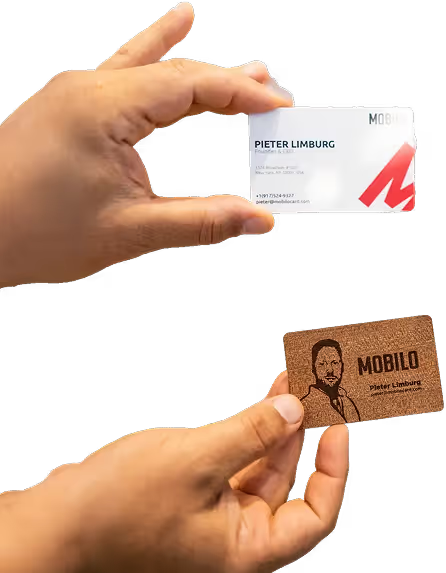
You've built your TikTok presence and optimized your bio with Linktree, but what happens when you meet someone face-to-face at a conference, trade show, or networking event? Most professionals still hand out paper cards that get lost, discarded, or filed in a drawer full of forgotten contacts. Your online strategy is sharp, but your offline networking hasn't caught up.
Automated Contact Capture
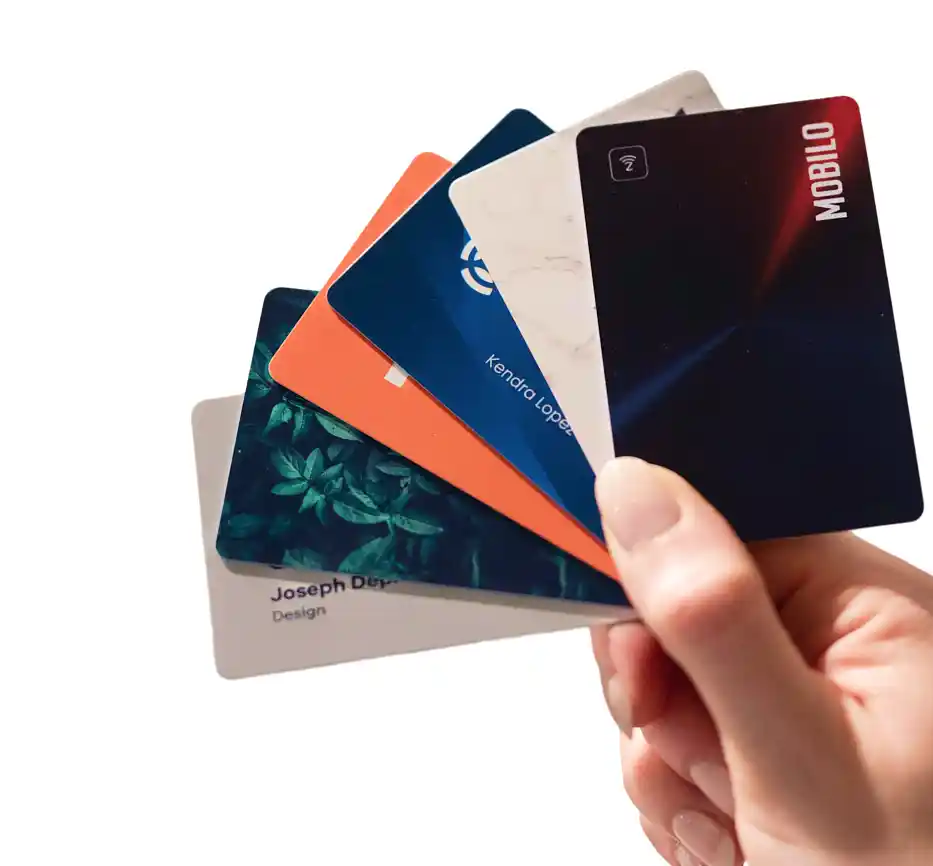
Platforms like digital contact card close that gap by automating contact exchange with a single tap, syncing lead data directly to your CRM, and scoring prospects in real time so you know which connections actually matter.
Over 59,000 companies use Mobilo to turn in-person meetings into trackable opportunities, generating 10x more event leads by capturing, enriching, and routing every interaction to the right team member without manual data entry.
Offline Lead Protection
While Linktree handles your social media traffic, Mobilo ensures the people you meet in person don't disappear into the 90% of business contacts that never make it into a CRM. You get your first 25 digital contact cards free (a $950 value), so you can test the system at your next event at no upfront cost. Book a demo today and stop losing leads to paper cards that end up in the trash.
Related Reading
- Bio Site vs Linktree
- Linktree Alternatives
- Shorby Vs Linktree
- Linkinbio vs Linktree
- Linktree vs Carrd
- Beacons vs Linktree
- Beacons vs Stan Store
- Milkshake vs Linktree
- Taplink vs Linktree