.avif)


Side-by-Side Shorby vs Linktree Comparison Guide for 2026
On This Page
Link-in-bio tools have become essential for creators, brands, and businesses looking to drive traffic, showcase content, and increase sales through social media profiles. With numerous platforms available, choosing between options like Shorby and Linktree requires careful consideration of features, pricing, and how well each aligns with specific goals. Both platforms offer best link in bio tool and unique strengths, from customization capabilities to depth in analytics, making the decision more complex than it initially appears.
While link aggregators help organize online presence effectively, they represent just one piece of a comprehensive digital strategy. For professionals seeking to capture leads directly and build meaningful business relationships, Mobilo's digital contact card offers a more robust solution that combines link sharing with real-time engagement tracking and CRM integration.
Table of Contents
- Do You Even Need a Link-in-Bio Tool — or Is One Link Enough?
- The Risk of Choosing the Wrong Link-in-Bio Tool
- Shorby vs Linktree — Which One Actually Supports Growth?
- A Better Link Isn’t the Goal. Captured Leads Are
Summary
- Instagram's single bio link forces impossible trade-offs once your content serves multiple purposes. A product launch post shouldn't send people to your general homepage, and a tutorial video shouldn't compete with a limited-time discount. According to Instagram's platform limitation, you're stuck with only one bio link, which means every new priority forces you to choose between audience segments instead of serving all of them. Link-in-bio tools create digital menus that let visitors self-select based on what brought them there, reducing friction between interest and action.
- Traffic without attribution creates invisible leaks in your conversion pipeline. Most link-in-bio tools count clicks like a door counter tracks foot traffic, showing you that people entered, but not why they came or what they were looking for. Without pixel integration, you can't retarget visitors who didn't convert immediately, and Shopify's 2024 e-commerce benchmarks show that retargeting campaigns convert at 10x the rate of cold traffic. The gap between traffic and intent means you're optimizing in the dark, treating warm leads like strangers rather than moving them down a funnel you control.
- Linktree serves over 20 million users and is optimized for simplicity, making it easy for anyone to set up a functional link page in minutes, with unlimited links on all plans. Shorby entered the market later, with deeper customization and marketing capabilities, such as retargeting pixels, that transform your landing page from a passive directory into an active lead-generation tool. The cost difference is substantial (Linktree's paid plan at $6 monthly versus Shorby's entry tier at $15 monthly), reflecting different value propositions for individual creators versus agencies managing multiple client accounts.
- Generic landing pages with stock templates signal that you're using free tools because you're not serious enough to invest in infrastructure. Custom domains create a trust advantage because a link like links.yourbrand.com signals permanence and professionalism, while a generic platform URL signals convenience. That perception gap affects how visitors assess credibility, particularly in B2B contexts or when requesting payment information.
- Surface-level metrics create the illusion of insight without the depth to act on decisions that affect revenue. You might know your most-clicked link, but not whether those clicks led to purchases, bookings, or qualified leads. Real analytics answers questions like which traffic sources produce buyers versus browsers, how long it takes from first click to conversion, and what sequence of interactions predicts a sale. Without event tracking, conversion funnels, and cohort analysis, you're measuring motion instead of progress.
- Mobilo's digital contact card addresses this by capturing contact details instantly and syncing directly to your CRM, transforming every interaction into structured, actionable data rather than relying on someone to click through and remember to follow up.
Do You Even Need a Link-in-Bio Tool — or Is One Link Enough?
You've got one link in your Instagram bio. One. Every time you post, you face the same choice: Which link do I use this time? Your latest blog, a product page, or your newsletter?

Over time, this constraint costs you. Followers click the wrong link. Traffic scatters. Conversions dip. Your content's potential goes unrealized. So the question becomes: do you need a link-in-bio tool, or can one link be enough?
🎯 Key Point: The single-link limitation forces you to constantly choose between different destinations, potentially confusing your audience and diluting your marketing efforts.

"Every time you change that one bio link, you're essentially abandoning all the traffic and momentum built up from previous posts." — Social Media Marketing Strategy, 2024
⚠️ Warning: Sticking with one link might seem simpler, but it can lead to missed opportunities and frustrated followers who can't find what they're looking for from your recent posts.
When does a single bio link work effectively?
A single bio link works when your entire online presence directs toward one main action. If you're a freelance photographer directing followers to your portfolio, or a consultant sending prospects to a booking page, simplicity wins: no confusion, no decision fatigue, and no maintenance burden.
What happens when your goals multiply?
The problem emerges when you have multiple goals. You start a newsletter, launch a product, advertise a webinar, and maintain a services page. Suddenly, you're either constantly updating that single link (breaking links in older posts) or accepting that your audience can't find what they need.
According to Instagram's platform limitation, you can only use one bio link, which means every new priority forces an impossible choice.
When do you know you've crossed the traffic segmentation threshold?
You've crossed the threshold when different posts serve different purposes. A product launch post shouldn't direct people to your general homepage. A tutorial video shouldn't compete with a limited-time discount. When you need to send specific audiences to specific pages, you've outgrown the single-link model.
How do link-in-bio tools help segment traffic effectively?
Link-in-bio tools create a digital menu that lets visitors access what they need based on their intent. Someone who clicked from a blog post wants your latest article, not your product catalog. Someone interested in booking a call doesn't need to browse your content archive. Traffic segmentation respects visitor intent and streamlines the path from interest to action.
What's the difference between links and conversion paths?
A conversion path considers where someone stands in their relationship with you and guides them to the next logical step. A first-time visitor may need background information before making a purchase. A returning follower might want direct access to your latest work. A warm lead might seek a way to start a conversation. Multiple links without a strategy are a mere organisation.
How can you track what happens after the click?
Most link aggregators show you a landing page with buttons, but don't reveal what happens after the click. Which links get attention? What patterns emerge in your audience's interests? Are you testing different calls-to-action and measuring results? Without that feedback loop, you're guessing instead of improving.
How do digital contact cards build relationships?
Platforms like Mobilo's digital contact card transform how you collect leads. Instead of hoping someone clicks a link and remembers to contact you, a digital contact card captures contact information immediately. You can track engagement in real time and add that data to your CRM to build relationships with people who have already shown interest.
When does a simple link become problematic?
A website link stops being simple when it requires constant manual updates or leaves parts of your audience behind. Changing your bio link every few days disrupts the experience for anyone who finds older content. Leaving it permanent ignores that your audience has different needs depending on what brought them to your profile.
How do you know when infrastructure no longer matches ambition?
The strategic decision isn't about following trends: it's about recognizing when your infrastructure no longer matches your ambition. You need a digital contact card tool when the single-link constraint costs you opportunities, forces bad trade-offs, or creates friction between what you're offering and what your audience seeks.
But choosing any tool without understanding the consequences creates different problems.
Related Reading
- Best Link in Bio Tool
- What is Link in Bio
- How to Improve Linkedin Profile
- How To Build Personal Branding
- How to Add Portfolio to Linkedin
- How To Add Link To Tiktok Bio
- How to Add Instagram Link to Tiktok
- Where is Link in Bio on Instagram
- How to Add Link to Linkedin Post
- How to Add Website Link to Linkedin Profile
- Link in Bio Examples
- How To Add Link To Tiktok Bio
- How to Add Instagram Link to Tiktok
The Risk of Choosing the Wrong Link-in-Bio Tool
Using the wrong tool creates hidden leaks in your conversion pipeline that worsen over time. You lose money, untracked behavior, and audiences you cannot reach again because the system wasn't built to capture what matters. The difference between a link aggregator and a conversion system shows up in what happens after someone clicks.
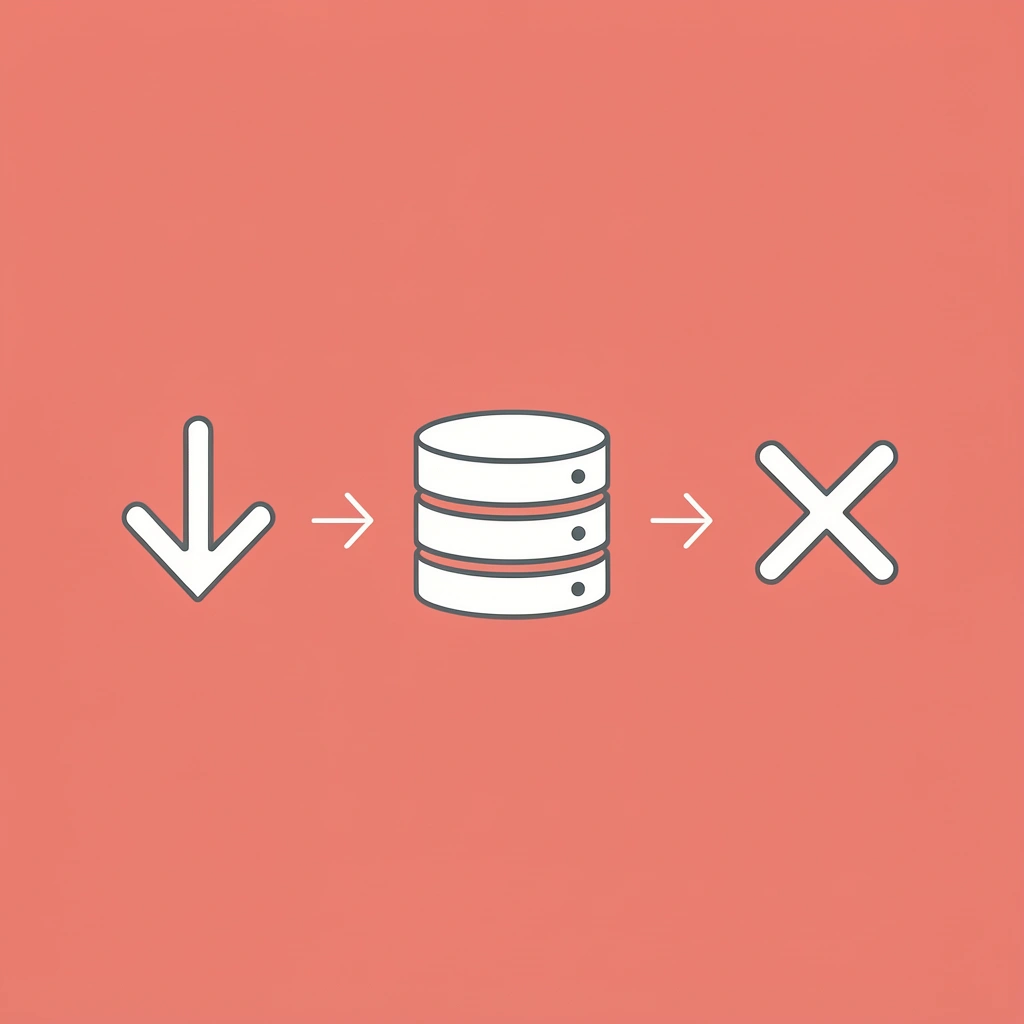
⚠️ Warning: Every day you use the wrong link-in-bio tool, you're bleeding potential customers and losing valuable data you'll never get back.
"The difference between a link aggregator and a conversion system shows up in what happens after someone clicks."

🔑 Takeaway: Your link-in-bio tool isn't just organizing links—it's either building your business or quietly sabotaging it through missed opportunities and lost tracking data.
What happens when you get clicks without context?
Traffic without attribution tells you nothing. You see 200 clicks on your bio link this week, but you can't connect them to specific posts, campaigns, or audience segments. Someone visited your pricing page, but you don't know if they came from a product demo video or a testimonial post. That gap between traffic and intent means you're optimizing in the dark.
Why does this leave you guessing about content performance?
Most link-in-bio tools count clicks like a door counter tracks foot traffic: you know people entered, but not why they did. Without connecting clicks to results, you cannot test messages, improve offers, or determine what's working. You're left guessing which content drives action and which creates noise.
The Retargeting Blind Spot
Pixel tracking separates platforms that enable clicks from those that build audiences. Without Facebook Pixel, Google Analytics, or custom tracking scripts, visitors who don't buy immediately disappear: you can't retarget them, build lookalike audiences, or measure how social traffic influences conversions across other channels.
Retargeting campaigns convert at 10x the rate of cold traffic, according to Shopify's 2024 e-commerce benchmarks. Without pixel integration, you treat warm leads as strangers rather than moving them through a controlled funnel.
Email Capture as an Afterthought
Some tools add email signup forms as an afterthought; others make lead capture foundational. A generic email field converts at 2-3%, while a contextual offer tied to user intent converts at 15-20% because it matches what someone wants.
The real cost shows up later. You've driven thousands of clicks but grown your email list by dozens. You're renting attention on platforms with unpredictable algorithms instead of building an owned audience. When Instagram changes its feed or limits reach, you lose the ability to reconnect with people who engaged with you before.
What are the risks of platform dependency?
Basic link tools treat your audience as transient visitors to someone else's website. You cannot save contact information because none was collected, connect with your CRM because the platform wasn't built for managing relationships, or change the experience based on visitor origin.
Why do switching costs become so expensive?
Teams often realize too late that their link-in-bio tool is a dead end. Switching platforms means losing analytics history, breaking links embedded in old content, and rebuilding from scratch. The switching cost includes lost continuity in understanding audience behaviour and what drives engagement.
How do professional solutions differ from basic link tools?
The difference between sharing social media links and professional contact exchange becomes clear when you need more than a landing page. Solutions like Mobilo's digital contact card shift from displaying links to collecting leads, integrating directly with CRMs, and tracking engagement in real time. Rather than hoping someone clicks through and remembers to contact you, you build a contact list of people who have already shown interest, complete with data on how they found you and what they engaged with.
Analytics That Don't Inform Decisions
Surface-level metrics create the illusion of insight without the depth to act on it. You know your most-clicked link, but not whether those clicks led to purchases, bookings, or qualified leads. You see traffic spikes but cannot connect them with specific campaigns or content types.
Real analytics answer questions that affect revenue: Which traffic sources produce buyers versus browsers? How long between first click and conversion? What sequence of interactions predicts a sale? Without event tracking, conversion funnels, and cohort analysis, you're measuring motion instead of progress.
Branding Limitations and Trust Signals
Generic landing pages with stock templates signal that you're not serious enough to invest in infrastructure. That perception matters when someone decides whether to share contact information or make a purchase. A branded experience with custom domains, consistent visual identity, and professional polish builds credibility before anyone reads your content.
If your link-in-bio page looks identical to thousands of others using the same platform, you're not standing out when it matters most: when someone evaluates whether you're worth their time and trust.
Related Reading
- How to Add Linktree to Tiktok
- How To Add Linktree To Instagram
- How To Add A Link To Instagram Story
- How To Add Link To Instagram Profile
- Personal Landing Page Examples
- Graphic Design Portfolio Websites
- Personal Portfolio Website Design Examples
- Small Business Bio Examples
- One Page Website Examples
- Best Photography Portfolio Websites
- Instagram Landing Page Examples
What are bio-link tools and their purpose?
Bio link tools create simple landing pages that display links to social media profiles, blogs, online stores, or other websites. Shorby and Linktree are two of the most well-known platforms in this category, though they serve slightly different audiences.
How did Linktree become the market leader?
Linktree launched in 2016 and became the go-to choice for influencers and content creators dealing with Instagram's single-link limit. According to Jotform's platform comparison, Linktree now serves over 20 million users. The platform was featured by CNBC's "Upstart 100" as one of the most promising young startups, and most social media users recognise the Linktree URL format immediately.
What makes Shorby different from competitors?
Shorby entered the market as a feature-rich alternative with deeper customization and marketing capabilities. The platform has appeared on AppSumo multiple times, attracting agencies and marketers managing multiple client pages. Shorby built its reputation on visual flexibility and advanced features, such as retargeting pixels, that appeal to growth-focused users.
The popularity gap reflects different priorities. Linktree is optimized for simplicity and speed, enabling anyone to set up a functional link page in minutes. Shorby invested in depth, offering tools that matter more to professionals running campaigns.
How do you access and navigate the main dashboard?
When you visit Shorby.com, you are taken to the login page. Once logged in, the main dashboard offers two options: shorten a link using the box on the right, or create a new page by clicking the +Create button on the left.
Clicking +Create opens a dropdown menu with three options: create a page, create a short link, or create a messenger link. Selecting "page" takes you to the page editor.
What content blocks can you add in the page editor?
The editor lets you add a title and profile image, then fill your page with three types of content blocks. Messengers add contact options including Facebook, Telegram, Skype, Viber, email, phone number, or WhatsApp. Blocks insert custom buttons linking anywhere, text subtitles, dynamic RSS feeds, or countdown timers. Social Links adds buttons for your social media profiles.
How do you customize the appearance and settings?
The settings panel controls appearance, custom URL aliases, and tracking pixels. Shorby offers multiple pre-built colour schemes, including a purple-red theme that creates visual contrast. Clicking the gear icon within the theme selector reveals detailed customization options for button colours, background styles, and layout details.
If you're working with a team, the settings tab lets you add collaborators by entering their email addresses, making Shorby practical for agencies managing multiple client accounts from a single dashboard.
Everything updates in real time, so you see exactly what visitors will experience.
How Does Linktree Work? A Brief Walkthrough of the Dashboard
When you create a Linktree account, you arrive at a dashboard organised into four tabs: Links, Appearance, Settings, and Analytics. The Links tab, where you start, lets you add and organise your destinations.
What types of links can you create?
Linktree offers special link types beyond regular URLs: Music links connect to Spotify or SoundCloud, video links embed YouTube videos, store links display e-commerce products, form links gather visitor information, Support Me links accept donations, and Request links process payments.
The Pro version adds more link features: Leap links send visitors directly to their destination, Priority links place specific destinations at the top of your page, Schedule links appear based on chosen time windows, and Gated links require a password for access.
Each link can have a thumbnail or icon. Changes appear immediately in the preview pane on the right side of the dashboard.
How do you customize the appearance of your page?
The Appearance tab controls your bio text, profile picture, and page theme. Linktree offers a large library of free themes with a range of background designs, colours, and button styles. Premium themes, custom fonts, and additional button styles are available in the paid version.
What settings and analytics are available?
The Settings tab lets you connect to external platforms, including marketing tools, analytics services, and social networks.
Your Linktree URL appears in the upper right corner of the dashboard. Copy it into your Instagram bio or any platform where you need a single link to represent multiple destinations. The Analytics tab shows link views and clicks on the free plan, with more detailed reporting in Pro.
How do Shorby and Linktree differ in visual design approach?
Shorby excels at creating visually engaging, animated pages with live preview functionality. Pop animations on links and countdown timers add movement and urgency, making it useful for time-sensitive campaigns and product launches.
Linktree focuses on polished, static presentation through pre-built themes ranging from minimalist to bold. According to Payable's comparison, you can set up a complete Linktree page in under 60 seconds. Themes maintain visual consistency across screen sizes without requiring design skills.
What customization options does each platform offer?
The customization difference is clear: Shorby lets you adjust background colours and individual elements, but lacks Linktree's themed design variety. Linktree's theme library provides more starting points for brand-aligned looks, while Shorby's interactive elements—timers and animations—drive user action.
Linktree prioritizes fast, professional results. Shorby prioritizes interactive elements that influence behaviour.
What customization options are available?
Linktree's free version lets you customize your page with color themes and standard button styles. The Pro version adds animated backgrounds, custom fonts, and removes Linktree branding. Shorby offers more detailed control, including customizable color schemes, button styles, background animations, GIFs, and custom domains.
How do custom domains affect brand perception?
Custom domains create a trust advantage. A link like links.yourbrand.com signals permanence and professionalism, while generic platform URLs suggest convenience. This perception difference affects how much people trust you, particularly in business-to-business contexts or when requesting payment information.
When your link page becomes a primary place for action, its appearance directly impacts trust. Professional teams need tools that strengthen their brand's authority rather than dilute it with platform branding.
What enterprise features do teams need?
Teams requiring SOC 2 compliance, SSO integration, and admin-level governance need solutions beyond standard link aggregators. Platforms like Mobilo's digital contact card shift focus from displaying links to capturing leads with enterprise-grade security and CRM integration, building contact databases that sync automatically with sales systems.
What features does Linktree offer?
Linktree's main features include unlimited links, drag-and-drop organization, and basic analytics on the free plan. You can add social icons, connect with email marketing services, and use priority links to highlight specific content. The Pro version adds video thumbnails, scheduled links, and integrations with Google Sheets, Mailchimp, and other marketing platforms.
How does Shorby help with marketing and lead generation?
Shorby targets marketers and businesses with retargeting pixels that track visitors and build custom audiences for future ad campaigns. This transforms your link page from a passive directory into an active lead generation tool: visitors who don't convert immediately become retargeting prospects across other platforms.
The platform supports multiple pages, which matters for agencies managing different clients or brands managing distinct product lines. Each page can have its own design, tracking, and link structure without requiring separate accounts.
What advanced customization options are available?
Shorby's advanced CTA buttons let you customise button behaviour, appearance, and tracking to optimise for specific conversion goals. This control matters when the conversion rate directly affects revenue.
Linktree serves individuals who need a simple, reliable way to share multiple links. Shorby serves teams that need marketing infrastructure with built-in measurement and optimization capabilities.
How many links can you add?
Shorby limits pages to 10 links, while Linktree allows unlimited links on all plans. This difference matters depending on how you organize your online presence.
What are the benefits of link limits?
Ten links force prioritization. You can't list every social profile, blog post, and product page. That constraint can improve conversion by reducing choice paralysis, but it becomes limiting if you need to provide access to many destinations.
How does unlimited linking help creators?
Unlimited links removes that constraint entirely. You can organize links into categories, maintain access to archived content, and add new destinations without removing old ones. This flexibility suits creators with deep content libraries or businesses with multiple product lines.
Which approach works better for your audience?
The practical impact depends on your audience's behaviour. If most visitors seek one or two specific things, ten well-chosen links work better than thirty options. If your audience has diverse needs, unlimited links prevent dead ends.
What integrations does Linktree offer?
Linktree integrates with Mailchimp, Google Analytics, Facebook Pixel, and Zapier to track link performance and automate workflows. For most users, these integrations cover essential needs: collecting email addresses, identifying traffic sources, and retargeting site visitors.
How does Shorby expand integration options?
Shorby expands its integration options to include Google Ads, Instagram, LinkedIn, and other platforms marketers regularly use. The broader ecosystem makes Shorby more practical for teams running coordinated campaigns across multiple channels where data flows between systems.
Why does integration depth matter more than quantity?
How deep the integration goes matters more than how many platforms you can connect. A Facebook Pixel integration that only tracks page views is less valuable than one that tracks specific link clicks and builds audiences based on content engagement. Shorby's marketing focus is evident in how integrations are configured, not merely which platforms are supported. Integration depth matters more than quantity.
What basic analytics do these platforms provide?
Linktree's free plan provides basic metrics: total clicks and views per link, as well as overall profile performance. The Pro version adds audience demographics, referral sources, and device breakdowns to help you optimise your content strategy.
Shorby offers deeper analytics from the start, tracking clicks, views, and conversions with greater detail. The retargeting pixel capability lets you create custom audiences for future campaigns based on visitor behaviour and clicks, turning analytics from reporting into actionable insights.
How do advanced analytics impact strategic decisions?
The difference shows up when you answer strategic questions. "Which link gets the most clicks?" is a reporting question that both platforms can answer. "Which traffic source brings in buyers instead of browsers?" requires conversion tracking and audience segmentation, and that's what Shorby does best.
How do Shorby and Linktree pricing tiers compare?
Shorby offers three subscription tiers: Rocket at $15 monthly ($12 annually), Pro at $29 monthly ($25 annually), and Agency at $99 monthly ($82 annually). Higher tiers unlock additional pages, team members, and advanced features, including custom domains and white labelling.
Linktree offers a free version with core functionality and a Pro plan at $6 monthly, less than half of Shorby's entry tier.
What explains the significant cost difference?
The cost difference reflects the services each offers. Linktree is best for individual users who need a single-link page, while Shorby is ideal for agencies and businesses that require multiple pages, team collaboration, and marketing features.
Shorby's ability to create multiple pages helps agencies manage client accounts. One Agency plan covers unlimited pages with centralized billing, eliminating the need for separate subscriptions per client. This significantly reduces costs when managing five or ten different brands.
Why does Linktree's free option matter?
Linktree's free version removes financial barriers, making it accessible to anyone needing basic link aggregation. The low-cost paid tier means upgrading requires minimal budget approval in most organisations.
Shorby vs Linktree Pros and Cons
Shorby Pros
Offers detailed design customization, comprehensive analytics with conversion tracking and retargeting, broad marketing platform integrations, and multiple pages across all plans: ideal for agencies.
Shorby Cons
Capped at 10 links per page, significantly more expensive than Linktree, and no free version (trial only).
Linktree Pros
Unlimited links on all plans, including the free tier, affordable paid plans starting at $6/month, an easy-to-use interface with quick setup, and an extensive theme library.
Linktree Cons
Limited customization on the free plan, fewer marketing features than Shorby, basic analytics without a Pro subscription, and a single link page per account.
When should you choose Shorby over Linktree?
Shorby makes sense when managing multiple brands, clients, or product lines, each of which needs its own link page. The ability to create customized pages from one dashboard, add team members with specific permissions, and track performance across all pages simultaneously justifies the higher cost for agencies and larger teams. The platform's marketing features (retargeting pixels, conversion tracking, advanced CTAs) matter when link page performance directly affects revenue.
Linktree serves influencers, content creators, and small businesses that need a single well-designed link page. The free version handles basic needs effectively, while the affordable Pro upgrade adds professional polish and better analytics. For solo creators or small teams without the need for multiple pages or advanced marketing features, Linktree delivers what you need without unnecessary complexity.
How do you decide between these platforms?
The decision comes down to scale and purpose. How many link pages do you need? Is your link page a passive directory or an active part of your marketing funnel? What's your budget? Answer those questions, and the right choice becomes obvious.
Shorby offers a free trial to test its capabilities. Linktree's free tier lets you start immediately and upgrade only if needed. Testing both platforms with real traffic reveals which interface feels natural and which features matter for your use case.
Here's a comparison to clarify the decision:
Linktree
Customization
Basic to advanced (Pro version)
Features
Unlimited links, simple drag-and-drop
Integrations
Basic integrations with marketing tools
Analytics
Basic to detailed (Pro version)
Pricing
Free to $9/month
Shorby
Customization
Extensive with more templates
Features
Advanced features like retargeting
Integrations
Extensive marketing-centric options
Analytics
In-depth analytics with retargeting pixels
Pricing
$15 to $99/month
The real question is what happens after someone clicks your link and whether you're building infrastructure that turns attention into measurable, growing relationships.
Related Reading
- Bio Site vs Linktree
- Linktree Alternatives
- Linkinbio vs Linktree
- Linktree vs Carrd
- Beacons vs Linktree
- Beacons vs Stan Store
- Milkshake vs Linktree
- Taplink vs Linktree
A Better Link Isn’t the Goal. Captured Leads Are
Link-in-bio tools organize traffic, but they don't solve the main problem: most business connections never convert to usable leads. You can improve click-through rates and track button engagement, but if visitors leave without sharing contact information, you start from zero each time.
🎯 Key Point: A click shows curiosity. A captured contact with context shows who they are, what they care about, and how to continue the conversation. One is a data point. The other is a relationship you can build on.

"90% of business contacts never make it into your CRM, leaving massive gaps in your sales pipeline." — MediaPost, 2024
Teams that treat networking as infrastructure need systems that capture and qualify contacts in real time. Mobilo's intelligent digital business cards exchange contact details instantly, automatically enrich lead data, score prospects against your ideal customer profile, and sync directly to your CRM. Used by over 59,000 companies, the platform transforms every interaction into structured, actionable data that flows into your existing systems.

⚠️ Warning: In a world where 90% of business contacts never make it into your CRM, paper cards and basic link pages aren't enough.
🔑 Takeaway: Book a demo today and get your first 25 Mobilo business cards free (worth $950).