.avif)


What Is Link in Bio and What are the Best Alternatives?
On This Page
You've seen it everywhere on Instagram, TikTok, and Twitter: that single clickable URL in someone's profile that promises to unlock their entire digital world. What is link in bio, exactly? It's the workaround that transformed social media's biggest limitation into an opportunity. Most platforms restrict you to one bio link, which creates a real problem when you're trying to share multiple destinations like your website, latest blog post, product page, newsletter signup, and podcast all at once. This article will show you how link-in-bio tools work, why they matter for your growth strategy, and which alternatives actually deliver results when it comes to driving traffic, capturing leads, and building your online presence.
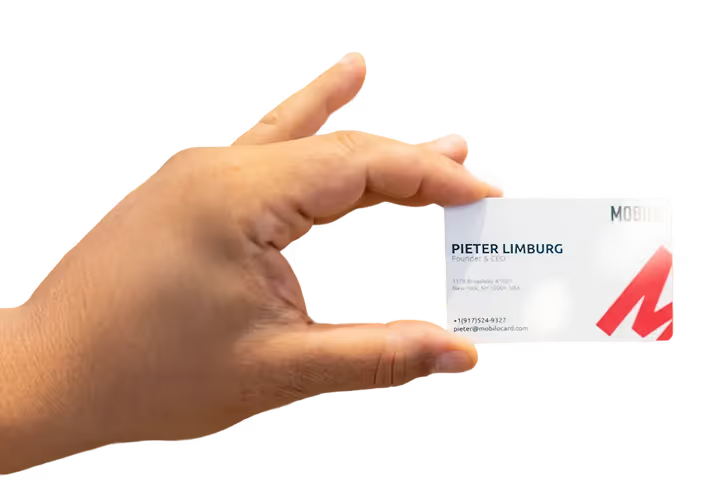
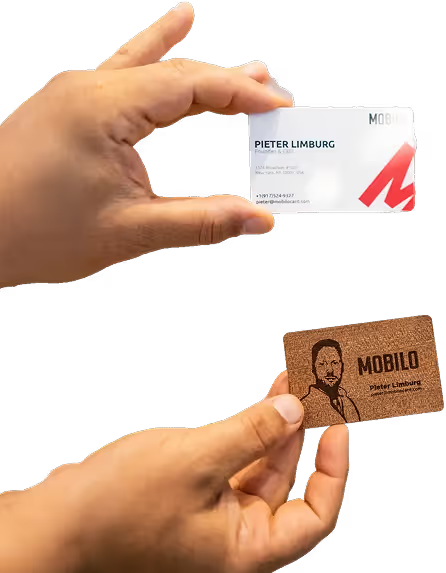
The right solution does more than just house multiple links. Mobilo's digital contact card takes this concept further by turning every interaction into a networking opportunity that connects people directly to your content, contact information, and calls to action in one seamless experience. Instead of managing separate tools for lead capture and link sharing, you get a unified platform that makes it easy for your audience to engage with you while automatically collecting the data you need to follow up and convert interest into real relationships.
Summary
- Link-in-bio tools have become essential infrastructure because social platforms limit you to a single clickable URL on your profile. Based on data from over 100 million Instagram profiles analyzed, these tools transformed a single link into dynamic landing pages that consolidate multiple destinations.
- Basic link-in-bio pages work well for content creators and small businesses sharing straightforward destinations such as portfolios, menus, or booking calendars. The simplicity breaks down when you need lead capture, attribution tracking, or CRM integration.
- Research shows that 80% of Instagram users follow at least one business account, meaning your bio link reaches an audience already primed to engage with branded content. Speed matters because optimized pages that load under 1 second reduce bounce rate.
- Team coordination exposes the gaps in consumer-focused link tools. When multiple employees need to manage their own profiles without accessing sensitive company data, you need role-based permissions and centralized admin controls. Most teams cobble together separate tools for contact sharing, link management, and lead capture.
- Attribution becomes critical when running multiple campaigns and needing to know which content drives valuable traffic. Without UTM parameters, campaign tagging, or source tracking, you can see that people are clicking, but you can't identify what's working or where to focus effort.
When your bio link is part of a broader lead-generation strategy, it needs to function as infrastructure that captures contacts, syncs them into your CRM, and tracks which sources generate the highest-quality leads. Digital contact card addresses this by combining contact sharing with a professional landing page that consolidates links, lead-capture forms, and CRM integrations in one place, turning every bio-link click into a trackable networking opportunity with centralized controls for measuring team performance.
What is a Link in Bio (and Why It Exists)

A link in bio is the single clickable URL you're allowed to place in your profile description on platforms like:
- TikTok
- X (formerly Twitter)
Most social networks block clickable links inside individual posts, which means the only place you can direct followers to external content is through that one line in your bio. When creators or brands say “tap the link in our bio,” they're inviting you to leave the platform and visit a website, product page, landing page, or any other destination they want to promote.
Why Platforms Limit Outbound Traffic
Platforms designed to maximize time on the app intentionally restrict outbound links because every click away represents lost engagement. Instagram wants you scrolling through Reels, not bouncing to external sites. TikTok thrives on endless video loops, not traffic exits. The bio link exists as a compromise: a single gateway that lets brands and creators maintain some connection to their broader digital presence without undermining the platform's core retention strategy.
The Single-Link Bottleneck
The frustration sets in when you realize how much you need to promote through that one link. You launch a new product line, publish a blog post, announce a webinar, and spotlight a cause you care about, but you only get one URL to work with. Constantly swapping that link becomes tedious. You update it for Monday's campaign, then scramble to change it again for Thursday's launch, hoping followers remember which post sent them there in the first place.
The Disconnect Between Timing and Intent
The unpredictability of social algorithms exacerbates this. You publish a story on Tuesday and direct people to your bio link, but Instagram's feed no longer displays content chronologically. A follower might see that story three days later, click through, and land on a completely different destination than you intended. It feels like sharing links with a void because you never know which post drove the click or whether your message even reached the right audience at the right time.
Why the Bio Link Matters More than You Think
Platform restrictions created an unexpected opportunity. According to AstroLink, optimized link-in-bio pages load in under 1 second, which matters because speed directly impacts whether someone stays or bounces. That single URL in your bio can drive significant referral traffic if you treat it as a strategic asset rather than an afterthought. The bio link becomes your central hub: the place where you consolidate everything you want people to see, do, or buy.
Maximizing Your Single Link
This is where link-in-bio tools transformed the game. Instead of forcing you to choose a single destination, they turn that single URL into a gateway to multiple links. You create a landing page that houses your product catalog, latest articles, booking forms, social profiles, and any other content worth sharing. Followers click once and see all their options in one place. You stop rotating links manually and start tracking which destinations generate the most engagement.
What You Can Actually Do With It
The bio link solves more than just the multi-destination problem:
- You can drive traffic to your most valuable content without constantly updating URLs.
- You can promote products and services by linking directly to relevant pages.
- You can raise awareness for social causes by spotlighting issues that matter to your brand.
- You can provide deeper context about your business, share customer testimonials, explain your values, and offer clear calls to action, all from a single entry point.
Teams often report that managing this manually feels discouraging, like shuffling between priorities without any sense of what's working. Link-in-bio tools give you visibility into performance. You see how many people viewed your landing page and which specific links they clicked. That data tells you what resonates with your audience and where to focus your energy next.
The Professional Networking Gap
For professionals who rely on networking to generate leads, the bio link serves a different but equally critical function. You're not just sharing content; you're sharing contact information, calendars, portfolios, and ways for people to reach you directly. The challenge is that most link-in-bio tools were built for influencers and e-commerce brands, not for enterprise teams who need security controls, CRM integrations, and analytics that tie networking activity to business outcomes.
From Fragmented Tools to a Unified Networking Engine
Most teams handle this by cobbling together separate tools: one for contact sharing, another for link management, a third for lead capture. As your team grows and you attend more events, this fragmented approach creates friction. Contact details get stored in different places, follow-up becomes inconsistent, and you lose visibility into which team members are generating the most valuable connections. What worked for a solo creator doesn't scale when you need centralized admin controls and an automated pipeline.
From Simple Link to Centralized Hub
Solutions like digital contact card address this by combining contact sharing with a professional landing page that consolidates your links, lead-capture forms, and CRM integrations in one place. Instead of managing multiple platforms, you get a unified system that turns every bio link click into a trackable networking opportunity while giving your team the enterprise-grade tools they need to measure and improve performance. But turning that single bio link into a functional hub requires more than just listing URLs on a page.
Related Reading
- Best Link in Bio Tool
- How to Improve Linkedin Profile
- How To Build Personal Branding
- How to Add Portfolio to Linkedin
- How To Add Link To Tiktok Bio
- How to Add Instagram Link to Tiktok
- Where is Link in Bio on Instagram
- How to Add Link to Linkedin Post
- How to Add Website Link to Linkedin Profile
- Link in Bio Examples
- How To Add Link To Tiktok Bio
- How to Add Instagram Link to Tiktok
How Link in Bio Tools Work (and What You Can Do With Them)

Modern link-in-bio tools convert a single URL into a dynamic landing page that hosts multiple links, captures visitor behavior, and integrates with the systems you already use. Instead of swapping out one destination for another every time you post, you update a centralized hub that stays live across all your content. Your followers click once and see every option you want to offer, from product pages to booking calendars to social profiles, organized in a format that loads fast and looks cohesive on mobile.
The Evolution of Social Infrastructure
The shift from static links to functional landing pages was driven by creators' need for flexibility without technical overhead. Early workarounds involved manually coding simple HTML pages or using URL shorteners that tracked clicks but offered no customization. Link-in-bio platforms emerged to solve both problems at once: they gave non-technical users drag-and-drop editors and provided analytics showing which links drove the most engagement. According to data from over 100M Instagram profiles analyzed, these tools have become essential infrastructure for anyone seeking to monetize or measure their social presence.
How to Use Link in Bio on Social Media
The mechanics are straightforward, but execution matters more than most people realize. Your bio link text should communicate exactly where someone will land when they click. Vague phrases like “Check out our link” waste the opportunity to set expectations. Specific language, such as “Visit our latest blog post” or “Shop our new collection,” tells users what they'll find before they leave the platform, which increases click-through rates and reduces bounce rates.
The Power of Consistent CTAs
Call-to-action phrasing inside your posts and stories drives traffic to that bio link. Phrases like “Learn more in the link in bio” or “See the full story in our bio” create a clear next step for followers who want deeper context. The key is consistency. If you include the bio link in a Reel, use the same language in your caption and Stories so people recognize the thread wherever they encounter your content.
Your Content’s Permanent Anchor
Instagram Stories, IGTV, and Reels offer additional ways to funnel attention toward your bio link without relying on follower memory. Link stickers in Stories let you point directly to specific destinations, but for accounts under 10,000 followers or content types that don't support embedded links, the bio remains your only clickable option. That makes the bio link your anchor point. Every piece of content you publish should assume that some portion of your audience will seek more information there, so keeping it updated and relevant becomes part of your content rhythm, not an afterthought.
How to Add a Link in Your Instagram Bio
- Open the Instagram app and tap your profile picture in the bottom right corner. This takes you to your profile tab, where you can see how your bio currently appears to visitors.
- Tap “Edit Profile” to access the fields where you'll customize your presence. The bio section is your chance to establish brand identity through concise text, emojis, and the single URL that will serve as your traffic hub.
- Add your link in the “Website” field above your bio text. This is where most link-in-bio tools come into play.
- Instead of pointing to a single destination, you'll paste the URL of your link in bio landing page, which then houses all your other links in one place.
- Once you've added the URL, tap “Done” in the top right corner to save your changes.
The process is identical across platforms like TikTok and Pinterest, making it easy to maintain a consistent presence as your brand expands beyond Instagram.
How to Add a Link to Instagram Stories
Stories reach audiences who scroll past traditional posts, and research shows that 80% of Instagram users follow at least one business account, meaning your Stories can reach people already primed to engage with branded content.
- Tap the “Add” symbol at the top of the app or swipe right from your feed to create a new Story.
- Select “Story” from the menu at the bottom, then tap the circle to capture a photo or hold it to record video. You can also pull content from your phone's gallery by swiping up.
- Use the sticker, text, or drawing tools to direct followers to your bio link.
- For accounts without swipe-up access, adding a “link in bio” sticker or GIF makes the call to action visual and impossible to miss.
- This is especially valuable for time-sensitive promotions such as giveaways, product drops, or event registrations, where you need to capture attention within the 24-hour window before the Story disappears.
- Tap “Your Story” at the bottom left to publish.
Strategic Stories: Driving Action Through Urgency
Stories work best when they create urgency around a specific action. If you're promoting a limited-time offer, your Story should make that clear while pointing people to the bio link for details. If you're sharing behind-the-scenes content, the Story can tease the full narrative available through the link. The ephemeral nature of Stories means you can experiment with messaging and creative formats without cluttering your permanent feed, but every Story should assume some viewers will click through to your bio, expecting to find what you promised.
What Link in Bio Tools Actually Do
Link in bio platforms turn your single URL into a multi-functional landing page that consolidates links, tracks visitor behavior, and integrates with the tools your business already uses. You get a drag-and-drop editor to arrange buttons, images, and text blocks without writing code. Each link you add becomes trackable, so you can see how many people clicked through to your product page versus your blog versus your booking calendar. That visibility helps you understand what your audience cares about and where to focus your content strategy.
The All-in-One Conversion Engine
Advanced tools go beyond simple link aggregation. They let you embed lead capture forms directly on your landing page, so visitors can sign up for your email list or request a demo without leaving the page. They connect to CRM systems, automatically syncing new contacts into your sales pipeline. They support payment processing, enabling you to charge for services or sell products with a single click. The best platforms load in under a second, which matters because slow pages lose visitors before they even see your links.
Networking vs. Influence
For professionals who rely on networking to generate business, the bio link serves a different function. You're not just sharing content; you're sharing contact information, calendars, portfolios, and ways for people to reach you directly. The challenge is that most link-in-bio tools were built for influencers and e-commerce brands, not for enterprise teams who need security controls, CRM integrations, and analytics that tie networking activity to business outcomes.
Consolidating the Networking Stack
Most teams handle this by cobbling together separate tools: one for contact sharing, another for link management, a third for lead capture. As your team grows and you attend more events, this fragmented approach creates friction. Contact details get stored in different places, follow-up becomes inconsistent, and you lose visibility into which team members are generating the most valuable connections. Solutions like digital contact card address this by combining contact sharing with a professional landing page that consolidates your links, lead-capture forms, and CRM integrations in one place, turning every bio-link click into a trackable networking opportunity while giving admins the centralized controls they need to measure team performance.
Common Use Cases Across Creators, Businesses, and Teams
Creators use link-in-bio pages to drive traffic to their latest content, whether that's a YouTube video, podcast episode, or blog post. They promote affiliate products by adding tracked links that earn commissions on every sale. They sell digital products such as:
- Courses
- Templates
- Ebooks
Directly through the landing page, often using payment integrations that eliminate the need for a separate storefront. The goal is to turn social media followers into paying customers or engaged subscribers without forcing them to navigate a complicated funnel.
The Central Hub for Cross-Channel Connectivity
Businesses use these tools to consolidate their digital presence. A restaurant might link to its menu, reservation system, delivery apps, and loyalty program from a single page. A consultant might feature their:
- Services
- Testimonials
- Booking calendar
- Case studies
The bio link becomes the central hub that connects every marketing channel, from Instagram to email signatures to printed materials. It's easier to update one landing page than to change links across a dozen platforms every time you launch a new campaign.
From Personal Branding to Enterprise Infrastructure
Teams need more than individual creators or small businesses.
- They need admin dashboards that show which team members are generating the most engagement, which links are converting, and how networking activities translate into pipeline growth.
- They need role-based permissions so junior employees can update their own profiles without accessing sensitive company data.
- They need integrations that push contact information directly into Salesforce or HubSpot, so follow-up happens automatically.
The use case shifts from personal branding to enterprise infrastructure, and most link-in-bio tools weren't designed to handle that complexity. But not every situation demands the full feature set these platforms offer.
Related Reading
- How to Add Linktree to Tiktok
- How To Add Linktree To Instagram
- How To Add A Link To Instagram Story
- How To Add Link To Instagram Profile
- Personal Landing Page Examples
- Graphic Design Portfolio Websites
- Personal Portfolio Website Design Examples
- Small Business Bio Examples
- One Page Website Examples
- Best Photography Portfolio Websites
- Instagram Landing Page Examples
When a Link in Bio is Enough and When You Need More
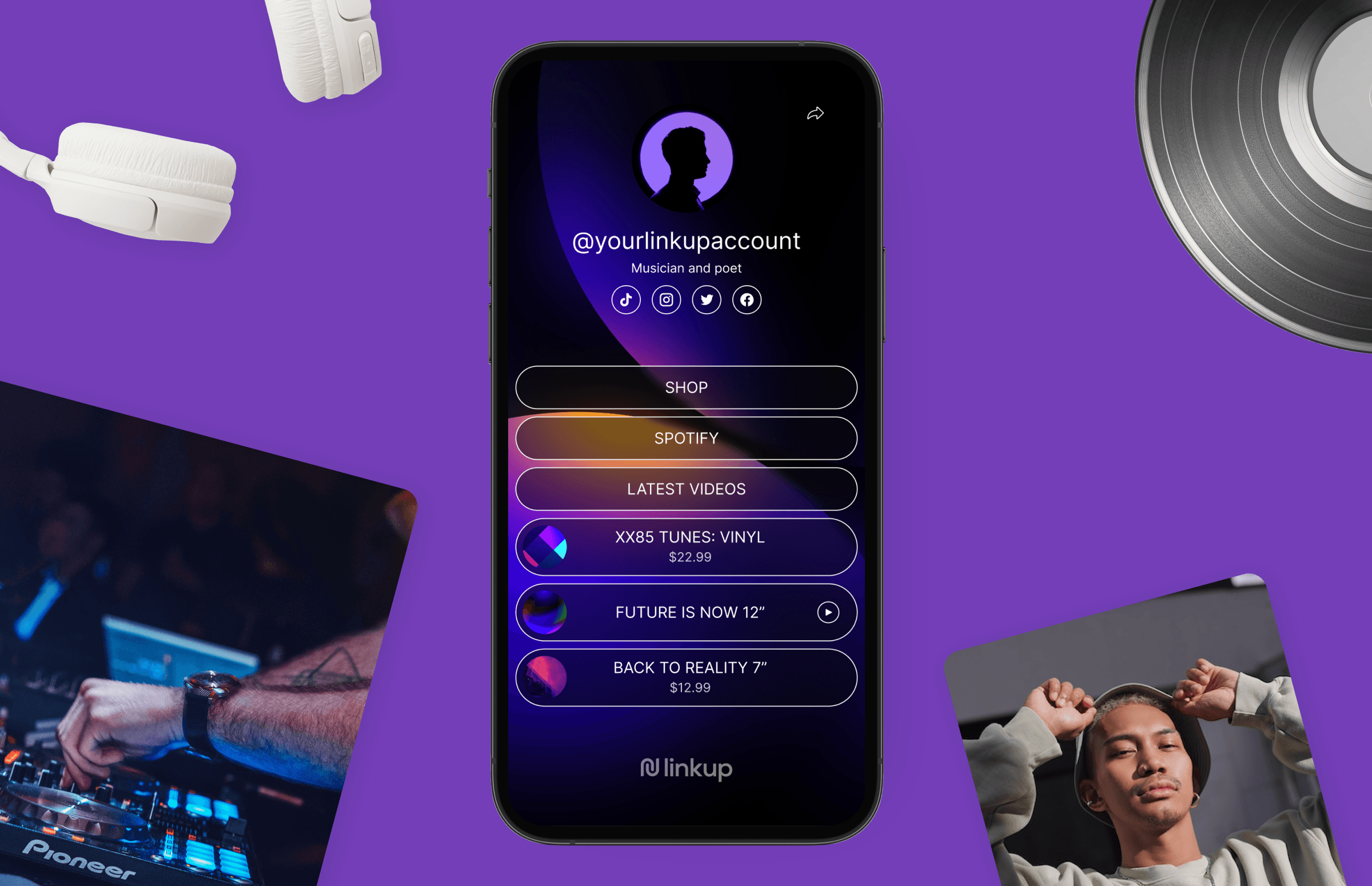
A basic link in bio works perfectly when you're sharing content, promoting a single destination, or building an audience around creative work. If you're a photographer showcasing portfolios, a writer driving traffic to your latest article, or a podcaster linking to new episodes, a simple landing page with a few buttons gets the job done. You don't need analytics dashboards or CRM integrations. You need a clean, fast page that sends people where you want them to go without friction. The simplicity breaks down when your bio link needs to do more than just route traffic. The moment you start capturing leads, managing follow-up, or coordinating activity across a team, the limitations become obvious. You're no longer just sharing links. You're running a system that needs to track who clicked what, sync contact information into your sales pipeline, and measure which team members are generating the most valuable connections. That's when a link in bio stops being a landing page and starts functioning like infrastructure.
When Basic Link in Bio Tools Work Fine
Content creators who publish regularly benefit from link-in-bio pages that consolidate their work in one place. Update the page once, and every post, story, or video you share links to the same URL. Followers click through to view your latest YouTube video, blog post, newsletter signup, and social profiles, all organized in a grid. The page loads quickly, looks cohesive on mobile, and requires no maintenance beyond swapping links when you publish new content.
Functional Simplicity for Straightforward Needs
Small businesses with straightforward needs fall into the same category. A local bakery might use its bio link to share its:
- Menu
- Hours
- delivery apps
- Instagram feed
A fitness coach might link to class schedules, testimonials, and a booking calendar. The goal is simple: Give people a single place to find everything they need without forcing them to search through your feed or website. As long as you're not tracking attribution or syncing data with other systems, a basic tool can handle this without issue.
The Case for Minimalist Workflows
Affiliate marketers and influencers who promote products through tracked links also find basic tools sufficient, as long as they're focused on individual performance rather than team coordination. You add affiliate links to your landing page, track clicks through the platform's built-in analytics, and optimize for the products that drive the most engagement. The workflow is self-contained. You're not managing permissions, integrating with CRMs, or coordinating with other team members. You're running a solo operation where speed and simplicity matter more than enterprise features.
When You Outgrow the Basic Setup
Lead capture changes everything. The moment you need to collect email addresses, phone numbers, or other contact details, your bio link shifts from passive directory to active funnel. You're no longer just sending people to external pages. You're asking them to share information directly on your landing page, which means you need forms that integrate with your email marketing platform, CRM, or sales automation tools. Basic link-in-bio platforms either don't support this at all or offer limited form builders that don't sync data effectively.
The Necessity of Attribution
Attribution becomes critical when you're running multiple campaigns and need to know which content drives the most valuable traffic. You publish a Reel promoting your webinar, a Story highlighting a product launch, and a carousel post linking to a case study. All three point to your bio link, but you have no way to tell which piece of content generated the clicks that turned into signups or sales. Without UTM parameters, campaign tagging, or source tracking, you're flying blind. You know people are clicking, but you don't know what's working or where to focus your effort.
Eliminating the Pipeline Bottleneck
CRM syncing separates casual users from teams that treat networking as a revenue driver. When someone fills out a form on your bio link page, that contact information needs to flow automatically into Salesforce, HubSpot, or whatever system your sales team uses to manage follow-up. Manual exports and CSV uploads create delays, introduce errors, and ensure some leads slip through the cracks. The friction between your bio link and your CRM becomes a bottleneck that slows down your entire pipeline.
Team Coordination and Enterprise Needs
Role-based permissions matter when multiple people manage the same bio link or when you're coordinating activity across a sales team. Junior employees should be able to update their own contact information and links without accessing sensitive company data or changing settings that affect other team members. Admins need centralized control over branding, integrations, and analytics to enforce consistency and measure performance across the organization. Basic tools don't offer this level of access control because they were built for individuals, not teams.
From Data to Motivation: Gamifying Team Networking
Analytics at the team level reveal which employees are generating the most engagement, which links convert best, and how networking activities translate into pipeline growth. You stop guessing which team members are effective networkers and start measuring it. You identify patterns, like certain types of content or specific events driving disproportionate results, and you replicate what works. This requires dashboards that aggregate data across users, not just individual click counts on a personal landing page.
Creating a Unified Post-Event SOP
Most teams handle this by cobbling together separate tools:
- One for contact sharing
- Another for link management
- A third for lead capture
As your team grows and you attend more events, this fragmented approach creates friction. Contact details get stored in different places, follow-up becomes inconsistent, and you lose visibility into which team members are generating the most valuable connections. Platforms like digital contact card address this by combining contact sharing with:
- A professional landing page that consolidates your links
- Lead-capture forms
- CRM integrations in one place
It turns every bio-link click into a trackable networking opportunity while giving admins the centralized controls they need to measure team performance.
When to Treat Your Bio Link Like Infrastructure
If your bio link is part of a broader lead-generation strategy, it needs to function as infrastructure, not just a content directory.
- You're capturing contacts at events, syncing them into your CRM
- Tracking which sources generate the highest-quality leads
- Measuring how networking activities contribute to revenue
The bio link becomes one piece of a system that includes digital business cards, email automation, sales follow-up, and performance analytics. Treating it as a standalone tool creates gaps that slow your pipeline and complicate ROI measurement.
Aligning Networking with Global Privacy Standards
Security and compliance requirements increase when you handle customer data at scale. You need to know who accessed what information, when they did it, and whether the data was shared or exported. You need audit trails, encryption, and role-based access controls that prevent unauthorized changes. Basic links in bio tools don't offer this because they weren't designed for enterprise use cases where data governance and regulatory compliance matter.
Connecting Networking to Revenue
The shift from personal branding to enterprise infrastructure is where most link-in-bio tools fail. They work beautifully for creators and small businesses who need simplicity and speed. They fall apart when teams need coordination, attribution, and integration that tie networking activity to business outcomes. The question isn't whether link-in-bio tools are useful. It's whether the tool you're using can scale with the complexity of your project. But even the best landing page can't solve the deeper problem: getting people to click in the first place.
Related Reading
- Bio Site vs Linktree
- Linktree Alternatives
- Shorby Vs Linktree
- Linkinbio vs Linktree
- Linktree vs Carrd
- Beacons vs Linktree
- Beacons vs Stan Store
- Milkshake vs Linktree
- Taplink vs Linktree
Link in Bio Is Just the Start: Turn Every Click Into a Contact with Mobilo
Social links direct traffic, but they don't capture who clicked, what they care about, or how to follow up. That gap is where most networking opportunities disappear. When 90% of business contacts never make it into a CRM, you need more than a landing page. You need a system that turns every interaction into a measurable sales opportunity.
From Contact to Closed-Won
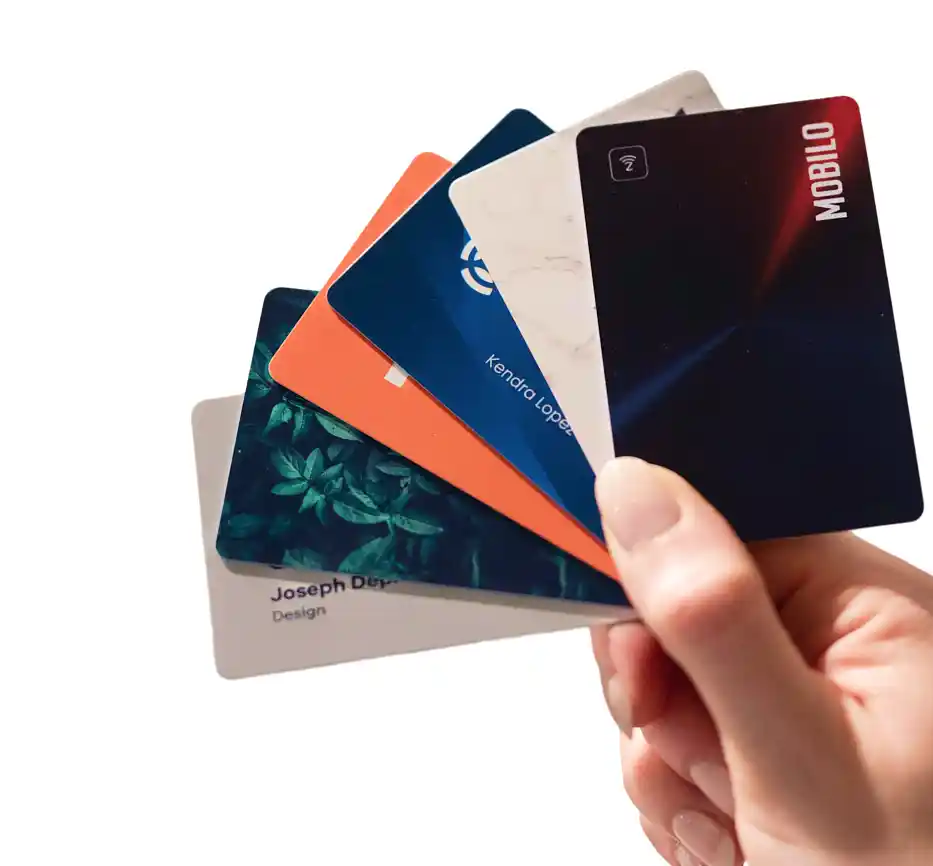
Mobilo's smart digital contact card solves this by combining instant contact sharing with lead enrichment, prospect scoring, and automatic CRM syncing. Trusted by over 59,000 companies, Mobilo works online and in person, capturing intent when someone engages with you. Every click, scan, or profile view becomes a qualified lead that flows directly into your pipeline without manual data entry or CSV uploads. Book a demo today and get your first 25 digital contact cards free (a $950 value). When your network is your revenue engine, relying on links alone leaves too much on the table.