.avif)

A Conversion-Focused Milkshake vs Linktree Comparison Guide
On This Page
Building a brand and growing a following takes significant effort, but converting profile visitors into customers depends heavily on the link-in-bio tool chosen. The Milkshake vs Linktree debate centers on which platform delivers better click-through rates, conversions, and measurable growth. Each offers distinct approaches to organizing and presenting multiple links to audiences.
While both platforms provide basic link-sharing capabilities, some businesses require more advanced lead-capture and engagement-tracking features. Mobilo's digital contact card transforms simple link clicks into comprehensive audience insights, helping brands understand which content drives the most value and build stronger connections with their followers.
Summary
- Your link in bio isn't just a list of URLs. It's conversion infrastructure that either amplifies or undermines every piece of content you create. According to research cited by marketing experts, bio link pages without clear prioritization experience a 30% drop in conversions because visitors can't identify which action to take first. When every link looks equally important, most people choose none and leave.
- Mobile experience makes or breaks your conversion rates since most social media traffic comes from phones. Creators often test their bio links on desktop, see everything looking clean, and assume it's fine. Then they check analytics and discover 90% of their traffic is mobile with an average session duration of four seconds, meaning people glance, decide it's not worth the effort, and bounce before engaging.
- Analytics gaps leave you optimizing for the wrong metrics. One creator assumed her audience wanted YouTube content because that's what people commented about, so she prioritized that link for three months. When she finally checked her data, her affiliate skincare link was getting 5 times as many clicks. Without tracking which links actually drive action, you're making decisions based on intuition instead of evidence.
- Direct selling capabilities eliminate friction that kills conversions. Some creators have increased revenue by 40% simply by switching from tools that require external checkout to those with native payment processing. The audience didn't change, and the offer didn't change. The only difference was removing one extra click between interest and purchase, proving that every redirect costs you, buyers.
- Linktree dominates with 30 million users and extensive features, including payment processing, detailed analytics, and dozens of integrations, making it ideal for data-driven marketers who need conversion tracking and native monetization. Milkshake costs just $2.99 per month and uses a swipeable card format that feels like Instagram stories, appealing to mobile-first creators who prioritize visual storytelling over advanced analytics.
- Digital contact cards help teams capture leads from profile visits by turning every interaction into trackable engagement with built-in CRM integration that shows exactly who clicked what and which traffic sources drive real business value.
Table of Contents
- Are You Paying Attention to Your Link in Bio?
- Linktree vs. Milkshake: How Do They Stack Up Against Each Other?
- Which Link in Bio Is Better for Your Business Goals?
- Use-Case Scenarios
- Turning Profile Clicks Into Leads Is Smart. Don't Drop the Ball Offline.
Are You Paying Attention to Your Link in Bio?
Your Instagram bio link isn't decoration. It's infrastructure.
🎯 Key Point: Your bio link is the single most important conversion tool on your entire profile.

When platforms like Instagram and TikTok limit you to one clickable URL, that link becomes your entire digital storefront. Every follower who wants to buy from you, book a call, download your lead magnet, or join your community must go through that one gateway. "That single bio link becomes your entire digital storefront when platforms limit you to one clickable URL."
⚠️ Warning: Most creators treat their bio link as an afterthought, but it's actually the bottleneck that determines whether your social media traffic converts into real business results.
What happens when your link-in-bio experience fails?
If the experience is slow, confusing, or visually broken on mobile, you've lost a sale you already earned through your content.
Why aren't all link-in-bio tools the same?
According to Janis Mjartans, there are over 100 link-in-bio tools available today. Most creators assume any tool will work since they all appear to do the same thing: display a list of links. But a link-in-bio tool isn't a URL aggregator. It's a micro landing page with design structure, loading speed, layout flexibility, and monetization capabilities that determine whether traffic converts into revenue. The wrong choice doesn't cost you clicks. It costs you, customers.
What happens when visitors can't find your main offer?
A creator with 47,000 Instagram followers launched a digital product with strong engagement: hundreds of likes per post, dozens of comments. She promoted it in stories for a week, and it received 1,200 profile visits. Only 83 clicked through to the sales page. Six bought. The problem wasn't her audience—it was her link-in-bio page. The layout was cluttered with eight different links, lacked a visual hierarchy, and used a generic template. Visitors didn't know where to click first, so most didn't click at all.
Why does poor link prioritization kill conversions?
Janis Mjartans reports a 30% drop in conversions when bio link pages fail to prioritise which links matter most. When every link appears equally important, none stand out. Your best offer gets lost among your podcast, newsletter, and affiliate links. Visitors make a split-second judgment and leave. Friction reduces conversions at every stage: a half-second page load delay, insufficient button contrast, or too many choices without context. Each point of friction reduces the percentage of people who take the next step.
Why does mobile experience matter for conversions?
Most social media traffic comes from mobile devices. If your bio link doesn't load smoothly on a phone, has buttons too small to tap, or images that don't resize properly, you're losing conversions before people see your offer. Creators often test bio links on desktop, see clean layouts, then check analytics to discover 90% of traffic is mobile with an average session duration of four seconds. Users glance, decide it's not worth the effort, and leave.
How do poor mobile designs impact user behavior?
The best link-in-bio tools focus on mobile-first design. The worst ones treat mobile as an afterthought, shrinking desktop layouts without rethinking the experience: buttons overlap, text becomes hard to read, and images load slowly or not at all. A clunky mobile experience directly impacts conversions. If someone has to pinch-zoom to read your offer or accidentally taps the wrong link, they're gone. You don't get a second chance.
Why do generic templates make you forgettable?
Generic templates make you forgettable. When your bio link looks identical to every other creator in your niche, you lose the brand recognition you worked hard to build. A bio link that feels like a default WordPress page from 2012 erodes trust.
How does customization ensure brand consistency?
Customization ensures visual consistency. If your Instagram grid is clean and simple with a specific color palette, your bio link should match. If your TikTok content is bold and fun, your landing page should feel the same. When the look and feel shift suddenly, people question whether they're in the right place. Some link-in-bio tools let you customise fonts, colours, layouts, backgrounds, and button styles, whilst others enforce strict templates with minimal flexibility. A cohesive brand experience signals professionalism and builds trust, whereas a disorganised one undermines credibility.
Why can't you optimize without proper measurement?
You can't improve something you don't measure. If your bio link tool doesn't show which links get clicked, which traffic sources convert best, or how long people stay on the page, you're flying blind. Your audience might want one thing while clicking something else entirely.
How can relying on intuition mislead your strategy?
One creator assumed her audience was most interested in her YouTube channel because that's what people commented about. She promoted it heavily at the top of her bio page. After three months, her analytics showed that her affiliate link for a skincare product was getting five times as many clicks. She'd been optimizing for the wrong metric by relying on intuition instead of data.
What makes analytics strong versus weak?
Good analytics show which platforms drive valuable traffic, which offers resonate with people, and where engagement drops. This enables quick adjustments rather than months of guessing. Weak analytics provide impressive-looking numbers without context, such as total clicks devoid of meaning, leaving you unable to make informed decisions about where to focus your efforts.
Why do redirects hurt your conversion rates?
Some link-in-bio tools are merely link aggregators that send people elsewhere to complete a purchase. That extra step creates friction and kills conversions. Every redirect and new checkout process loses a percentage of buyers. The best tools let you sell directly from the bio link itself: digital products, bookings, subscriptions, and tips. The transaction occurs in one place without redirects, resulting in fewer steps and higher conversion rates.
How much revenue can native payments increase?
I've seen creators increase revenue by 40% by switching from a tool requiring an external checkout to one with built-in payment processing. The audience and offer remained unchanged; only one click between interest and purchase was eliminated. Solutions like a digital contact card go further. Instead of listing links, the Mobilo platform turns every profile visit into a lead-capture opportunity with built-in analytics showing who engaged, what they clicked, and which traffic sources deliver the most value. You're tracking real engagement and building a pipeline of qualified contacts from every interaction.
How do design choices shape user behavior?
A link-in-bio tool is not neutral infrastructure. Its design choices shape user behaviour: loading speed determines bounce rate, layout hierarchy guides attention, button placement influences click-through rate, colour contrast affects readability, and mobile optimisation controls accessibility.
What's the difference between conversion levers and abstract principles?
These aren't abstract principles—they're conversion levers. When you choose a tool, you're selecting the architecture that will support or sabotage your content. A tool with fast loading, intuitive navigation, and strong mobile performance amplifies impact; one with slow speeds, confusing layouts, and poor mobile design undermines it. The difference between a 2% click-through rate and a 12% click-through rate isn't luck. It's infrastructure.
Which features separate tools that convert from those that just look good?
Your bio link is the bridge between getting people's attention and converting them to action. If the bridge is shaky, people won't cross it. But which specific features separate a tool that converts from one that merely looks good in screenshots?
Related Reading
- Best Link in Bio Tool
- What is Link in Bio
- How to Improve Linkedin Profile
- How To Build Personal Branding
- How to Add Portfolio to Linkedin
- How To Add Link To Tiktok Bio
- How to Add Instagram Link to Tiktok
- Where is Link in Bio on Instagram
- How to Add Link to Linkedin Post
- How to Add Website Link to Linkedin Profile
- Link in Bio Examples
- How To Add Link To Tiktok Bio
- How to Add Instagram Link to Tiktok
Linktree vs. Milkshake: How Do They Stack Up Against Each Other?
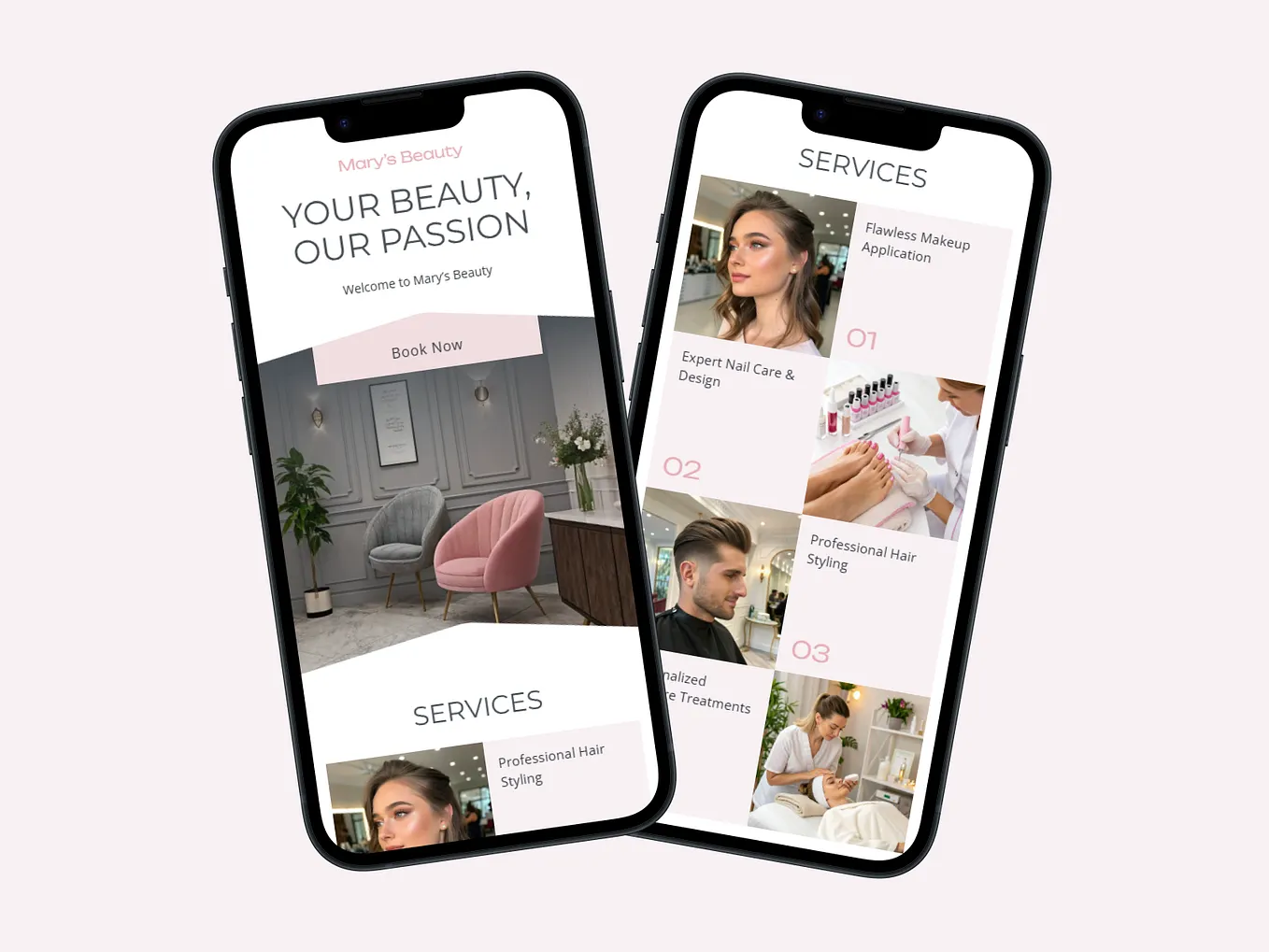
Both Linktree and Milkshake solve the single-link problem on social platforms, but take different approaches. Linktree focuses on speed and functionality with a straightforward link list, strong analytics, and seamless integrations. Milkshake leans into visual storytelling, turning your bio link into a swipeable card experience like an Instagram story.

🎯 Key Point: Choose Linktree for functionality and analytics, or Milkshake for visual appeal and storytelling.
"The best bio link tool depends on whether you prioritize data-driven insights or visual engagement with your audience." — Social Media Strategy Guide, 2024

🔑 Takeaway: Linktree wins for data-driven users who need comprehensive analytics and integrations, while Milkshake excels for visual-first brands prioritizing aesthetic appeal and user engagement.

What is Linktree?
Linktree launched in 2016 as the first link-in-bio tool. It gained 3,000 users overnight, and Instagram initially flagged it as spam because so many users added the same domain to their profiles. Today, Linktree has 30 million users, making it the most recognised name in the space. The platform has evolved far beyond its original list-of-links format to include payment processing, scheduling features, analytics dashboards, and integrations with dozens of third-party platforms. Linktree's longevity stems from continuous iteration, adapting as creators' needs grow more complex.
What is Milkshake?
Milkshake positions itself as a free website builder in the link-in-bio category, but organizes content into swipeable cards instead of vertical lists. Each card serves a different purpose: displaying links, introducing you to an About section, or showcasing YouTube videos and recommendations.
How does the swipe interface work?
Visitors swipe through your Milkshake site like Instagram stories, keeping them engaged longer since they already know how to use this interface. You're not asking them to learn something new.
How do you build a Milkshake site?
Building a Milkshake site involves choosing a template, picking cards, and filling them with content: an easy process for creators working from phones who want polished results without hiring a designer.
Pricing
Linktree offers four pricing tiers. The free plan includes unlimited links and basic customisation but lacks analytics, advanced link types, payment locks, and scheduled links. Starter ($5/month) unlocks most link types, custom animations, and scheduling. Pro ($9/month) adds automations, detailed analytics, and full design control. Premium ($24/month) includes a dedicated customer success manager, onboarding calls, and priority support. Milkshake is free but shows a branded card promoting the app unless you pay $2.99/month to remove it, making it one of the cheapest options available. You get access to all cards, unlimited content, and full customisation for less than a coffee. Milkshake works well for creators on tight budgets, while Linktree's paid tiers serve those who need advanced features, such as payment processing and CRM integrations.
Features
Linktree offers extensive features, allowing you to link to nearly any platform. Many links display directly on your page rather than redirecting visitors elsewhere. Shopify stores, YouTube videos, Spotify playlists, and NFT galleries are embedded within Linktree, keeping visitors engaged and simplifying navigation. The analytics dashboard shows click-through rates, geographic data, device types, and referral sources. You can track which links perform best, which traffic sources convert, and how visitor behaviour changes over time. For creators treating their bio link as a business tool, this data is essential. Milkshake's feature set is narrower but intentional. The card system includes link lists, About sections, YouTube embeds, Top Picks recommendations, and Splash cards for quotes or images. It lacks NFT embeds or Shopify integrations, though most creators don't need those. The trade-off is between simplicity and depth: Linktree offers more tools, while Milkshake requires fewer decisions.
Branding and Design Customization
Milkshake's card-based format creates a more immersive visual experience than a standard link list. The platform offers 16 customisable templates with adjustable fonts and colours. For a link-in-bio tool, that's reasonable; for a website builder, it's limiting. Creators seeking extensive design flexibility may find the options too rigid. Linktree offers more detailed control over individual elements. You can use an NFT as your background, add custom banners, apply animation effects, and adjust button styles, though most features require a paid plan. The difference comes down to philosophy: Milkshake offers a neat, polished look with minimal customisation, while Linktree prioritises granular control over every detail.
Ease of Use
Linktree wins on speed. Creating an account, adding links, and publishing your page takes minutes. The web-based dashboard features drag-and-drop reordering for quick updates. Milkshake requires more intentional design work. You create a visual experience by selecting cards, arranging them in order, and filling each with content. This takes longer initially but yields a more polished final product. The mobile-only editing interface suits phone-first creators but feels limiting for desktop users.
Customization
Linktree's customization includes themes, fonts, colours, button styles, and backgrounds. Paid plans unlock avatar frames, custom animations, and priority placement of links. You can achieve a professional look, though the template-based approach limits uniqueness without extensive tweaking. Milkshake offers deeper visual customization within its card framework, with dozens of templates, adjustable layouts, image galleries, and multi-card experiences. The tradeoff is that you're constrained by the card structure. It offers more creative freedom than Linktree if that format aligns with your vision; otherwise, flexibility is limited.
Monetization
Linktree has invested significantly in monetisation tools for creators. Paid plans include built-in payment processing for tips, digital products, and premium content, with conversion tracking and the ability to prioritise paid offerings. This reduces friction for creators focused on selling. Milkshake lacks built-in payment processing. Every transaction requires leaving your Milkshake site to use external payment platforms, which lowers conversion rates. If monetisation is central to your strategy, this becomes a significant problem.
How do advanced platforms improve lead generation?
Most link-in-bio tools focus on organizing links without capturing leads or tracking engagement beyond clicks. Platforms like Mobilo digital contact card shift the model entirely, turning every profile interaction into a lead capture opportunity with built-in CRM integration. Our digital contact card helps you build a pipeline of qualified contacts with real-time analytics showing who engaged, what they viewed, and which traffic sources drive the most value.
Analytics
Linktree's free version provides basic click tracking. Paid plans add detailed analytics, including geographic data, device types, click-through rates by link, and referral sources. The data integrates with Google Analytics and Facebook Pixel, enabling conversion tracking across platforms. Milkshake's analytics are minimal: total visits and individual card views. There's no geographic data, device breakdown, or third-party integrations. For casual creators, this suffices; for businesses tracking marketing performance, it falls short. Linktree tells you which traffic sources convert best so you can optimise. Milkshake tells you people visited: a gap between data and actionable insight.
Integrations
Linktree connects with dozens of platforms, including email marketing tools, e-commerce systems, video platforms, social networks, and analytics services. These integrations enable automated workflows such as adding new subscribers to Mailchimp or tracking conversions in Google Ads, reducing manual work for creators managing multiple tools. Milkshake doesn't offer platform integrations. You manually link to external services with no API or automation layer. This simplicity limits its usefulness for growth-focused creators who need interconnected tools.
Performance
Both platforms load quickly and handle traffic reliably. Linktree has been tested by millions of users, including high-profile accounts that drive massive concurrent traffic. Milkshake performs well but has less publicly available information on extreme-load handling. For creators expecting viral traffic spikes, Linktree's proven infrastructure offers more confidence.
Scalability
Milkshake offers scalability through custom domains, letting you create multiple landing pages and add relevant links as your content changes. Linktree scales similarly, allowing you to manage several social media accounts from a single dashboard. Linktree's analytics and integrations help you handle complexity as your audience grows.
Mobile Experience
Linktree has a mobile app but was originally designed as a web-based service, so the mobile experience is useful but not the primary focus. Milkshake was built with mobile-first in mind, with creation and management optimised for smartphones. This appeals to creators who work mainly from mobile devices and want to edit their bio link the same way they edit Instagram stories. For mobile-focused users, Milkshake is the clear winner. For those preferring desktop work, Linktree's web-based interface feels more natural.
Customer Reviews
Milkshake users consistently praise its speed and simplicity. Amanda Homack rates it 5 out of 5 stars on Google Play Store, writing, "I've been struggling to build a simple website for quite some time. Milkshake gave me the tools to build something that looks amazing, is functional, and took me hardly any time at all." Linktree users appreciate its functionality and flexibility. Rachel F. notes, "If you need a basic website that looks good and can be made quickly, this is a great app. It is working perfectly to onboard new members." Milkshake attracts creators who prioritise visual design and mobile-first aesthetics. Linktree attracts creators who prioritise data, integrations, and monetisation. According to Gradient Creative Agency, Linktree becomes more valuable at around 10,000 followers, as its data tools and monetisation features justify the cost. Below that threshold, Milkshake's simplicity and affordability make it the better choice.
Related Reading
- How to Add Linktree to Tiktok
- How To Add Linktree To Instagram
- How To Add A Link To Instagram Story
- How To Add Link To Instagram Profile
- Personal Landing Page Examples
- Graphic Design Portfolio Websites
- Personal Portfolio Website Design Examples
- Small Business Bio Examples
- One Page Website Examples
- Best Photography Portfolio Websites
- Instagram Landing Page Examples
Use-Case Scenarios
Your bio link moves people from curiosity to commitment. That commitment looks different depending on what you're building: a photographer needs bookings, a consultant needs discovery calls, a product creator needs sales, a brand needs email subscribers. Choose a tool that matches the action you're trying to get, not the one with the most features.

🎯 Key Point: The most successful bio links focus on one primary action rather than overwhelming visitors with multiple options. Conversion rates drop significantly when users face too many choices.
"The best bio link tool isn't the one with the most bells and whistles—it's the one that gets your specific audience to take your desired action most effectively."

💡 Tip: Before choosing any bio link platform, define your primary goal first. Are you driving traffic, collecting leads, or making direct sales? Your purpose should dictate your platform choice, not the other way around.
How do you measure BioLink success?
Figure out what success means for your business. More clicks might sound good, but they don't matter if people don't buy anything. Increasing revenue per visitor is important, but only if you're measuring it. The best platform makes it easy for your audience to accomplish their goals while helping your business achieve its results.
Who Should Choose Linktree?
Linktree works well for businesses that monetise their bio link. If you're paying for ads that send people to your profile, you need to track which sources lead to sales. If you're selling digital products, you need a built-in checkout in the tool to prevent cart abandonment. If you're managing multiple offers, you need the ability to schedule them and prioritise your highest-value link at the top.
Why do professional brands benefit from Linktree's credibility?
Businesses and professional brands benefit from Linktree's established credibility. When someone clicks your bio link and sees a Linktree URL, they recognize it immediately. That familiarity reduces hesitation because they know what to expect: a fast-loading page with clear links.
How does integrated payment processing help content creators?
Content creators benefit most from Linktree's built-in payment processing, which lets them sell digital downloads, accept tips, or require payment for premium content without redirecting users to a separate checkout page. Fewer steps between interest and purchase increase conversion rates. According to the blog.solo.to, 80% of Instagram users follow at least one business account, and that audience is ready to buy.
What analytics do data-driven marketers need?
Marketers who use data need detailed analytics to improve performance. Linktree's paid plans show click-through rates for each link, geographic data, device types, and traffic sources. You can track which platforms bring the most valuable traffic and which offers resonate with specific audiences.
Why do desktop users prefer Linktree's interface?
Users managing their online presence on desktop computers prefer Linktree's web-based interface. The dashboard supports bulk link editing, drag-and-drop reordering, and quick updates. For daily link updates or managing multiple accounts, speed matters. Those needing specific features should evaluate which capabilities justify the cost. Automations that add email subscribers to your CRM save hours of manual work. Scheduled links let you promote time-sensitive offers without logging in at midnight. Priority link placement keeps your most valuable offer above the fold. Linktree's established market position means regular updates and a larger user community for support. New features are tested at scale, and technical issues typically have existing solutions within the community.
Who Should Choose Milkshake?
Milkshake works for creators who want their bio link to feel like an extension of their content, not a basic landing page. If your Instagram grid looks visually consistent and your stories have a distinct style, Milkshake lets you carry that visual identity through to your bio link. The card-based format creates an immersive experience that keeps people engaged longer. Mobile-first creators who manage content primarily from smartphones benefit from Milkshake's design philosophy. The platform is built for phone editing, using the same swipe-and-tap interactions as Instagram.
What makes Milkshake ideal for visual creators?
Visual storytellers and creative professionals seeking greater design flexibility find Milkshake's card system more expressive than a simple list of links. You can create an About card to introduce your story, a Top Picks card to highlight your best work, and a Links card to direct people to specific actions. Users who prefer simplicity in pricing appreciate Milkshake's straightforward choice: free with branding, or $2.99 per month without it. There's no tiered feature matrix to navigate. Those who prioritize visual presentation over detailed analytics or advanced monetization features will find Milkshake sufficient. If you're not running paid ads, tracking conversion funnels, or optimizing based on geographic data, total visits and card views provide enough insight into whether your content resonates.
How does the card format create a competitive advantage?
Creators who want their link page to feel like a mini-website benefit from Milkshake's immersive format. The swipeable cards create a sense of discovery that increases time on page and emotional connection to your brand. When everyone else uses a vertical list, a swipeable card interface stands out. That differentiation matters when competing for attention. Most link-in-bio tools focus on organizing URLs but don't capture leads or track engagement beyond surface-level clicks. Platforms like Mobilo digital contact card shift the model entirely. Instead of hoping visitors click through and convert elsewhere, our digital contact card turns every profile interaction into a lead-capture opportunity, with built-in CRM integration. You're measuring engagement depth, not just clicks, with real-time analytics showing who engaged, what they viewed, and which traffic sources drive the most value. The best platform aligns with how you make money, not how it looks in screenshots. Your bio link isn't decoration—it's the bridge between attention and revenue.
Turning Profile Clicks Into Leads Is Smart. Don't Drop the Ball Offline.
You've optimized your link in bio to capture attention online. But what happens at events, conferences, and in-person meetings? Most business contacts never make it into a CRM. Paper cards get lost. Follow-ups get delayed. Opportunities disappear.

🎯 Key Point: The offline handoff is where most digital momentum dies. Someone discovers you online, engages with your content, clicks through your bio link, and becomes interested. Then you meet them face-to-face at a conference and hand them a paper card. That card goes into a pocket with 40 others, gets photographed poorly, or ends up in a drawer. The momentum you built digitally disappears because your offline handoff lacks the same infrastructure.

"Most business contacts never make it into a CRM because paper cards get lost, follow-ups get delayed, and opportunities disappear." — Digital Marketing Reality, 2024
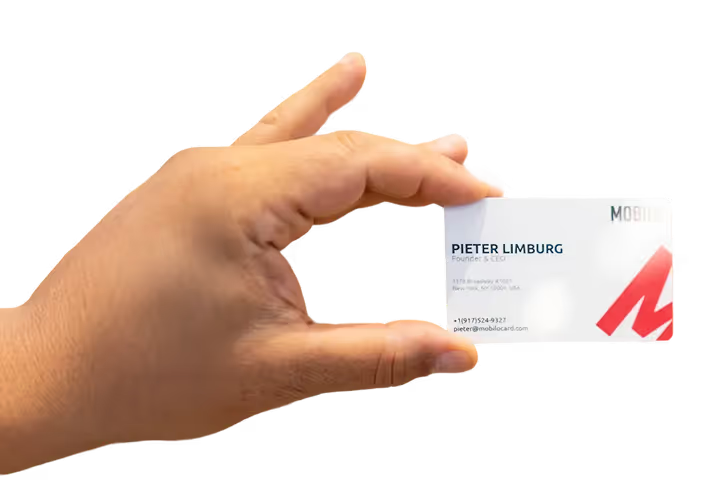
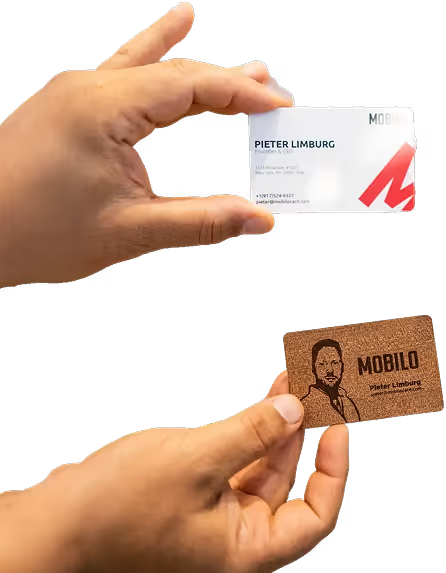
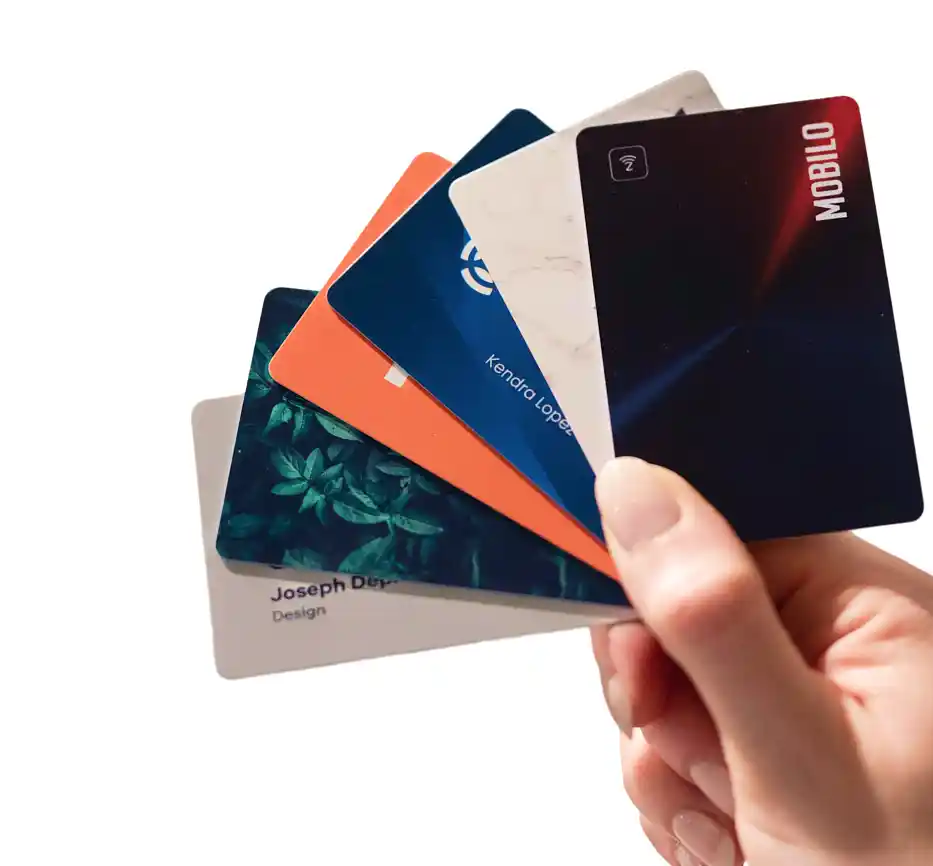
Platforms like Mobilo digital contact card close that gap. Instead of paper cards requiring manual data entry, Mobilo lets you instantly exchange contact details, automatically enrich lead data, score prospects against your ideal customer profile, sync directly to your CRM, and track engagement after the interaction. Over 59,000 companies use Mobilo to turn every handshake into a qualified lead.

⚠️ Warning: Don't let your offline networking sabotage your digital lead generation efforts.
If your bio link is your digital conversion engine, your business card should be equally smart. Book a demo today and receive your first 25 Mobilo business cards free (worth $950).
Related Reading