.avif)

How to Use QR Code Lead Generation to Grow Your Contacts
On This Page
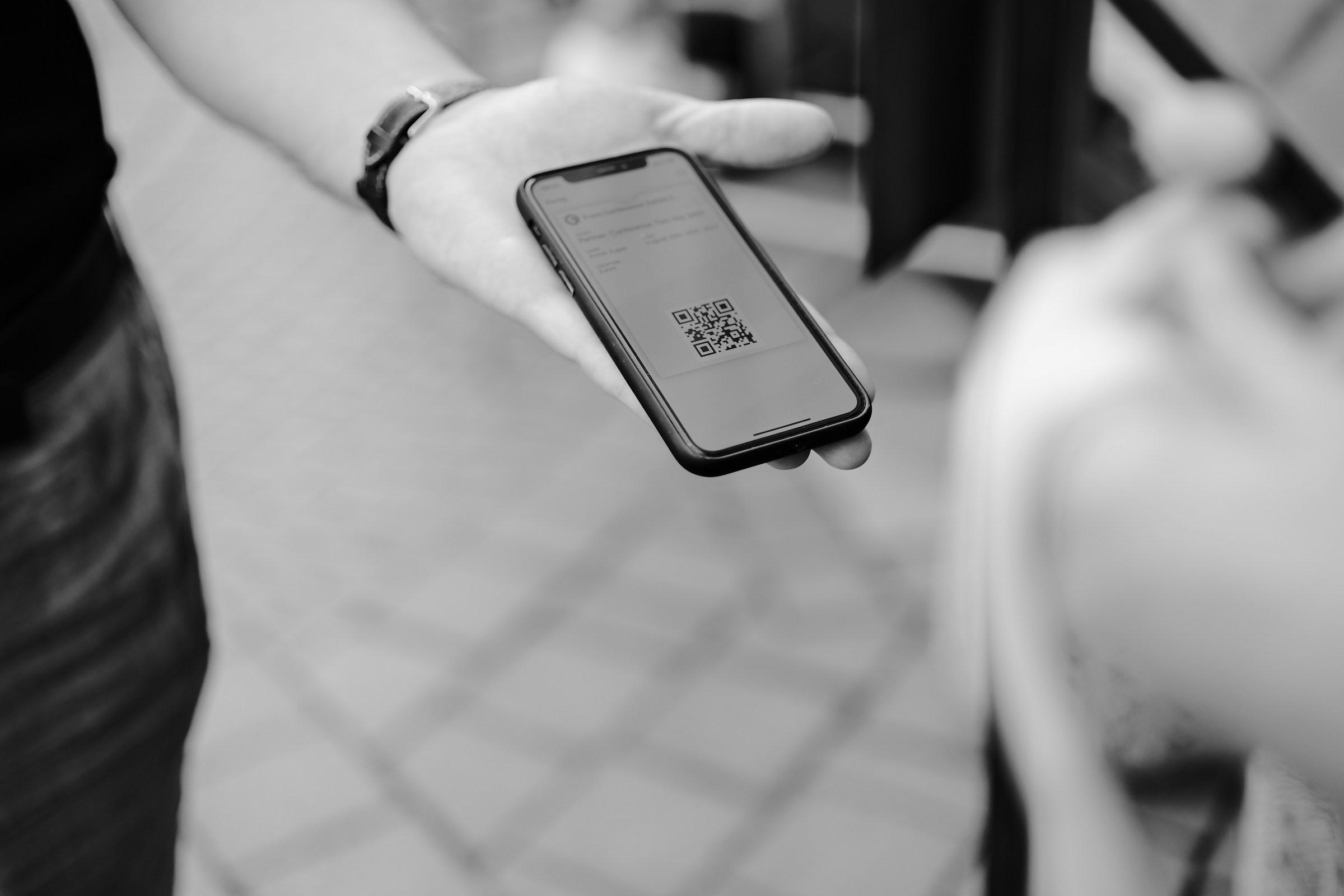
You're at a networking event, conference, or trade show, and you've just had a meaningful conversation with a potential customer. They're interested. They want to follow up. But then comes the awkward fumbling for business cards, the manual typing of contact information into phones, or worse, the promise to "connect later" that never happens. This is where QR code lead generation changes everything, transforming fleeting moments into captured opportunities. This article will show you best business card scanner, and how to build your contact list without friction, converting every handshake and introduction into a trackable lead that expands your business reach.
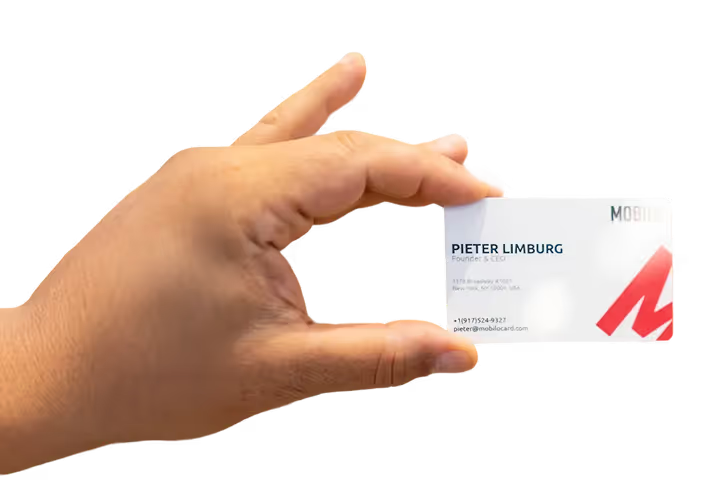
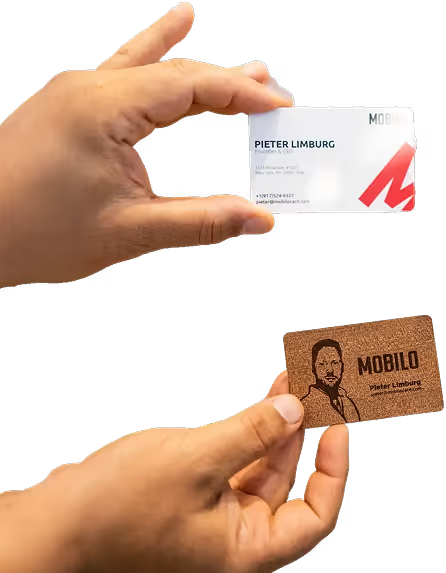
The solution lies in moving beyond paper cards and static exchanges. Mobilo's digital contact card puts QR code technology at the center of your lead capture strategy, allowing prospects to scan and instantly save your information while you simultaneously collect theirs. No apps required for them; no data-entry headaches for you. When someone scans your QR code, their contact details are automatically imported into your CRM or contact management system, creating an immediate connection you can nurture.
Summary
- QR codes eliminate the gap between interest and action by creating trackable pathways from physical materials directly into your sales infrastructure. 93% of marketers say QR codes effectively drive engagement by removing friction when someone wants more information. The technology turns passive materials such as brochures, business cards, and event signage into active lead-capture systems that feed contact details directly into your CRM without manual data entry.
- Most QR code campaigns fail at the placement stage, not the design stage. Codes positioned where people can't comfortably scan within three seconds, printed too small for the viewing distance, or placed in poor lighting conditions, see significantly lower engagement. 60% of QR code scan failures are due to poor design or technical issues, with placement accounting for a significant share of that waste.
- The mobile experience determines whether scans convert into captured leads. When someone scans your QR code on their phone and lands on a page with desktop formatting, tiny text, or forms requiring multiple steps, they close the tab within seconds. You've captured a scan metric but lost the lead because the experience punished their effort.
- Tracking scans without measuring conversions creates a false sense of success. 500 scans mean nothing if your CRM shows only three new leads. Useful tracking connects scans to form submissions, content downloads, meeting bookings, or purchases, allowing you to calculate actual ROI per code rather than celebrating engagement proxies that don't inform revenue decisions.
- Generic incentives attract generic leads because they optimize for volume instead of quality. A broad offer like "Download our guide" might generate more scans than "See how manufacturing teams reduced downtime by 40%," but the specific version attracts people who actually match your buyer profile.
Mobilo's digital contact card addresses this by providing mobile-optimized contact-capture experiences that sync instantly with CRM platforms, shortening the path from scan to sales follow-up while maintaining full visibility into which interactions actually convert into pipeline value.
Why Your Lead Generation Strategy Should Use QR Codes
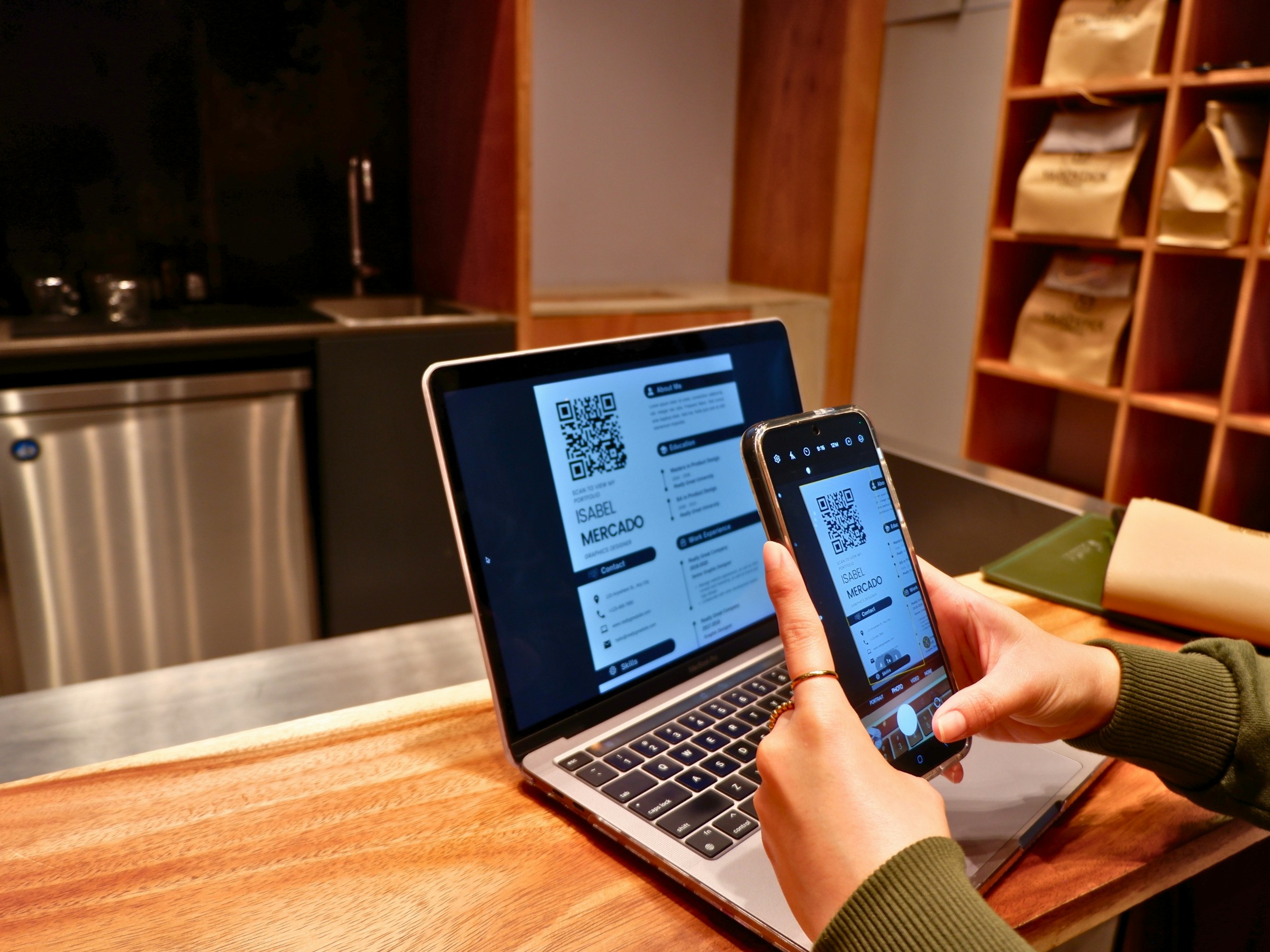
QR codes turn passive marketing materials into active lead capture systems. When someone scans your code, you're not just sharing information; you're opening a trackable pathway that funnels contact details, behavior data, and engagement signals directly into your sales infrastructure. According to Bitly's QR Code Survey 2025, 93% of marketers say QR codes are effective at driving engagement because they eliminate friction between interest and action.
Bridging Print and Digital Without Losing Visibility
Campaign tracking used to stop at the mailbox or event booth. You'd send brochures, distribute flyers, sponsor a conference, and hope someone remembered your URL or called the number on your card. The ROI calculation was guesswork dressed up as attribution modeling.
Measuring QR Code ROI
Dynamic QR codes change that equation completely. Each scan generates data, such as timestamp, location, device type, and the post-scan outcome. Integrate Google Analytics, and you're watching the full journey from print material to landing page to form submission.
That trade show booth handout becomes as measurable as a Facebook ad. You can finally answer whether your $15,000 event sponsorship generated three leads or three hundred, and which booth materials drove the conversions.
Beyond Vanity Metrics
The tracking extends beyond vanity metrics. You're seeing which calls to action resonate, which placements perform, and which audience segments engage most.
When you compare scan patterns across campaigns, you start recognizing what works before you've spent the full budget. That's not just transparency, it's the ability to optimize while the campaign is still running.
Customization That Doesn't Compromise Scannability
The aesthetic concern is real. Many professionals worry that adding a black-and-white pixelated square will clash with carefully designed marketing materials.
But modern QR code generators offer extensive customization options, including brand colors, logo integration, custom frames with CTAs, and rounded edges instead of sharp corners. You can match the code to your visual identity without sacrificing function.
Built to Be Flexible
The technical tolerance matters too. QR codes include built-in error correction, meaning they remain scannable even with significant customization or minor damage. You can cover up to 30% of the code with a logo, and it still works.
They scale from business card size to billboard dimensions without losing reliability. And if you need to update the destination URL or change the content type entirely, dynamic codes let you edit without reprinting anything.
A Behavior Users Already Know
Most teams find that a well-designed QR code increases engagement by signaling modernity and ease. Scratcher reports that 89% of smartphone users have scanned a QR code, indicating your audience is already familiar with this behavior. You're not asking them to learn something new; you're giving them a shortcut they already trust.
Turning Networking Moments Into Pipeline Entries
Networking events generate qualified leads, but the follow-up process often erodes momentum. Someone hands you a business card, you promise to connect, and the card sits in your pocket until you're back at your desk three days later. By then, the context is gone, and the urgency has faded.
Instant Contact Capture
QR codes on business cards flip this dynamic. The person you meet scans your code, and their contact information flows directly into your CRM, no manual entry, no delay, no forgotten follow-ups.
You can link to your calendar for immediate meeting bookings, your portfolio for instant credibility, or a lead-capture form that segments leads by interest. The interaction becomes a data point in your pipeline before you've left the conversation.
Tracking Leads That Matter
The tracking layer reveals which connections are genuinely interested. If someone scans your code but doesn't fill out the form, that's a signal. If they scan, visit your LinkedIn, and download your case study, that's a warmer lead worth prioritizing.
Solutions like Mobilo take this further by integrating QR and NFC technologies into digital business cards that automatically sync contact exchanges with your CRM, turning every networking interaction into a trackable lead-generation event with full visibility into who engaged and what they viewed.
Mobile Optimization Without Platform Restrictions
Desktop users can also access QR codes; most modern webcams and laptops support scanning via browser extensions or built-in camera apps. But the real power is mobile-first design. Dynamic QR codes automatically serve mobile-optimized content, adjusting layouts and load times for smartphone screens without requiring separate landing pages.
One Code, Every Touchpoint
This matters because your audience constantly switches contexts. They might scan your code on their phone at an event, revisit the link on their laptop later, and email it to a colleague.
The QR code works across all those touchpoints, and the tracking follows the journey. You're not choosing between mobile and desktop strategies; you're running both simultaneously with a single asset.
QR Codes Anywhere
The platform flexibility extends to placement. QR codes can be used on printed brochures, email signatures, video overlays, product packaging, storefront windows, and social media graphics.
You can test the same code across multiple channels and compare performance without creating separate tracking systems. That unified approach means you're measuring actual effectiveness, not just channel-specific vanity metrics.
Related Reading
- Best Business Card Scanner
- What Makes a Good Business Card
- Business Card Trends
- QR Code Marketing Strategy
- What Are NFC Business Cards
- Professional Networking Tools
- New QR Code Technology
- Best Paid QR Code Generator
- What to Include on a Business Card
Common Challenges and Mistakes in QR Code Lead Generation

The technical capability exists, but execution determines whether your QR code generates leads or gets ignored. Most failures trace back to five recurring mistakes, like placing code where no one looks, landing pages that punish mobile users, calls to action that assume interest rather than earning it, tracking systems that capture scans but miss conversions, and incentives so generic they inspire apathy rather than action.
When Placement Kills Visibility Before Anyone Scans
A QR code printed on glossy event materials sounds smart until you watch attendees squint under conference hall lighting, unable to get their camera to focus through the glare.
Physical placement determines scan rates more than design quality. Codes tucked into brochure corners, printed too small on business cards, or positioned where people can't comfortably stop to scan, simply go unused.
Context is Everything
The failure point is usually ignorance of context. A code on a subway ad works because riders have idle time and access to their phones. The same code on a highway billboard fails because drivers can't safely scan while moving.
According to barkoder.com, 60% of QR code scans fail due to poor design or technical issues, and placement accounts for a significant portion of that waste. You're not just choosing a surface, you're choosing a moment when someone has the attention, access, and motivation to act.
Scan in Three Seconds
Test your placement by asking whether someone can scan comfortably within three seconds of noticing the code. If they need to reposition, zoom, or wait for better lighting, you've added friction that most people won't tolerate.
The code needs contrast against its background, adequate white space around the edges for camera recognition, and positioning at a natural eye level or hand height. When you see low scan rates, check placement first before blaming the design or the audience.
The Mobile Experience Gap That Stops Conversions Cold
Someone scans your code on their phone, and your landing page loads with desktop formatting: tiny text, buttons too small to tap accurately, forms that require zooming and scrolling. They close the tab within seconds. You've captured a scan metric but lost the lead because the experience punished their effort.
Optimize for Mobile
Research from QR Codes Generator shows that 95% of businesses use QR codes to collect data and boost ROI, yet many still route traffic to desktop-optimized pages. The disconnect is jarring.
Your audience scanned because they wanted speed and convenience, and you delivered a clunky interface that requires patience they don't have. Mobile optimization isn't optional when 100% of your QR traffic arrives on smartphones.
Mobile Matters Most
The fix requires testing on actual devices, not just responsive design previews. Load times matter more on mobile networks. Form fields should have large touch targets and minimal required input. Auto-fill should work for contact details.
If your landing page takes longer than two seconds to load or requires more than three taps to complete the desired action, you're bleeding leads at the threshold. Platforms like Mobilo address this by delivering mobile-first contact-capture experiences that sync directly with CRM systems, eliminating the multi-step forms that typically reduce conversion rates at networking events and trade shows.
Missing the Call-to-Action That Earns Attention
Your QR code sits on a flyer with no explanation of what happens after scanning. People see it, recognize the pattern, and keep walking because you didn't answer the basic question of why they should care. A code without context is a request for blind trust that most audiences won't grant.
CTAs That Convert
The truth is, effective CTAs frame value before action. "Scan to download the guide" is more effective than a standalone code because it sets expectations. "Get instant access to pricing" converts higher than "Learn more" because it promises specific information. When you skip the CTA or use vague language, you're asking people to invest effort without knowing the return. That's a losing negotiation.
CTAs That Remove Doubt
Strong CTAs also signal what won't happen. "No email required" or "Instant access" reassure people they won't be required to complete a lengthy form or endure a sales pitch. When someone discovered a QR code in a physical location but didn't photograph it or engage deeply, the lack of a clear purpose created confusion about whether interaction was worth the effort.
Your CTA should eliminate that hesitation in five words or fewer, making the value so obvious that not scanning feels like missing an opportunity.
Tracking Scans Without Measuring What Matters
You're celebrating 500 scans on your campaign QR code, but your CRM shows three new leads. The gap between activity and outcome reveals the real problem. You're measuring the wrong thing.
Scan counts tell you someone was curious enough to point their camera. They don't tell you whether that curiosity converted into pipeline value.
Beyond Vanity Metrics
The critical difference is attribution depth. Basic tracking captures scans by location and time. Useful tracking connects scans to form submissions, content downloads, meeting bookings, or purchase behavior.
If you can't trace a scan to a revenue event, you're collecting vanity metrics that feel productive but don't inform decisions. You need to know which codes generate qualified leads, not just which ones get the most attention.
Track the Full Journey
Integration solves this gap. When your QR codes feed directly into your CRM or marketing automation platform, you can track the full journey from scan to conversion.
You can segment by source, compare performance across campaigns, and calculate actual ROI instead of guessing based on engagement proxies. The teams that succeed with QR lead generation treat scans as the starting point of measurement, not the finish line.
When Incentives Feel Generic or Extractive
You're offering a free ebook in exchange for contact details, just like the twelve other vendors at this trade show. Your QR code gets scanned, but the leads are cold because the incentive attracted curiosity, not genuine interest. Generic offers produce generic results because they don't filter for intent or relevance.
Quality Over Quantity
The failure occurs when you optimize for volume rather than quality. A broad incentive like "Download our guide" might generate more scans than "See how teams in manufacturing reduced downtime by 40%," but the second version attracts people who actually match your buyer profile. You want leads who scan because they recognize their problem in your offer, not because they collect free resources out of habit.
Urgency Drives Action
Timing and exclusivity amplify incentive value. "Scan now for early access" is more effective than an evergreen offer because scarcity creates urgency. "Available only at this event" positions the QR code as an opportunity rather than another marketing touchpoint.
When incentives feel tailored, timely, and specific to the audience's context, conversion rates climb because you're rewarding attention with genuine value, not just adding another email to your list.
Related Reading
- How to Put Linkedin on Business Card
- How to Share Linkedin QR Code
- How to Add Instagram QR Code to Business Card
- QR Code Instead of Business Card
- QR Code Size on Business Card
- How to Scan QR Code on Iphone
- Aztec Code vs QR Code
- How QR Codes Work
- QR Code Analytics
- Linkedin QR Code Business Card
- How to Create Vcard
Best Practices and Strategies for Successful QR Code Lead Generation

Building QR code campaigns that generate qualified leads requires precision in five areas:
- Design choices that balance brand identity with technical reliability
- Calls-to-action that communicate value before asking for effort
- Landing experiences optimized for the device in every scanner's hand
- Tracking infrastructure that connects scans to pipeline outcomes
- Strategic deployment across channels where your audience already pays attention
Design Fundamentals That Preserve Scannability
Color customization matters, but contrast determines whether cameras can read your code. The scanner requires clear differentiation between dark and light modules, so your brand colors are effective only if they maintain sufficient contrast ratios.
A navy code on a light gray background scans reliably. A pastel pink code on white fails under most lighting conditions.
Size for Visibility
Size follows a simple rule. The scanning distance should never exceed ten times the code's width. A two-inch code works fine on a business card held at arm's length.
The same code printed on a poster viewed from fifteen feet away becomes unreadable. Calculate your typical viewing distance first, then size accordingly. Most failures trace back to codes printed too small for their intended context.
Logo with Care
Logo integration requires restraint. QR codes tolerate up to 30% center coverage due to built-in error correction, but that's a maximum, not a target. A small, clean logo works. An oversized graphic that obscures key modules causes scanning failures, frustrates your audience, and kills conversions before they start.
Test every customized code on multiple devices under varying light conditions before printing thousands of copies.
Calls-to-Action That Earn the Scan
Your CTA answers the question every person asks before raising their camera: what's in it for me? Vague promises like "Learn more" or "Discover our solution" assume interest you haven't earned. Specific value statements, such as "Download the 2025 pricing guide" or "Book a 15-minute demo slot," set clear expectations and help people self-select based on theirintent.
Context Drives Messaging
The language should match the context. A QR code on event signage benefits from urgency: "Scan now for exclusive show pricing." A code in a printed case study drives curiosity: "See how this approach reduced costs by 40%." When you align the promise with the moment, you're not just increasing scan rates; you're attracting people who actually match your buyer profile.
CTA Placement Matters
Placement of the CTA matters as much as the words. Position your value statement directly above or beside the code, never below, where it might get cut off or overlooked. Use a frame or border to visually group the code with its CTA, creating a single, cohesive call to action rather than separate elements competing for attention.
Mobile-First Landing Pages That Convert Scanners Into Leads
Every person who scans your code arrives on a mobile device, which means your landing page needs to load in under two seconds on 4G networks and display perfectly on screens ranging from 5 to 7 inches. Slow load times kill more conversions than bad copy because people close tabs before your content even renders.
Forms That Convert
Form design determines whether interest converts to captured contact information. Limit required fields to the absolute minimum, like name and email for most B2B contexts, and a phone number if immediate follow-up is required.
Every additional field drops completion rates. Auto-fill should work seamlessly for contact details. Touch targets must be large enough (minimum 44x44 pixels) so users can tap accurately without zooming or repositioning.
Design for Instant Clarity
The visual hierarchy should guide the eye from headline to value proposition, creating a natural flow that requires no scrolling. People scanning QR codes expect immediate clarity, not exploration.
If your most important content sits below the fold, you're asking for patience that your audience doesn't have. According to Bitly's QR Code Survey 2025, 89% of marketers use QR codes for lead generation, but conversion rates vary widely depending on the mobile experience.
Tracking Systems That Measure What Drives Revenue
Basic QR analytics tell you scan counts by location and time. Useful tracking connects those scans to actual business outcomes, such as form submissions, content downloads, meeting bookings, and purchases. The gap between activity metrics and conversion data is a missed opportunity, as you're optimizing for attention rather than results.
Track Every QR Scan
UTM parameters turn every QR code into a trackable campaign asset. Append source, medium, and campaign tags to your destination URLs so Google Analytics can attribute conversions back to specific codes.
You'll see which placements generate qualified leads versus casual browsers, which CTAs drive the highest conversion rates, and which audience segments engage most deeply with your content.
From Scan to Sale
Integration with your CRM or marketing automation platform closes the loop between scan and sale. When contact details automatically flow from QR code forms into your pipeline, you can see the full journey from initial interest to closed deal. You can calculate actual ROI per code, compare performance across campaigns, and identify which lead sources justify continued investment versus which ones just generate noise.
Strategic Placement Across High-Intent Touchpoints
Physical materials work when they intercept people at decision moments. Business cards exchanged during networking conversations capture interest while the context is fresh. Event booth signage converts attendees who've already invested time walking the floor.
Product packaging reaches customers as they evaluate a purchase. Each placement targets people who've already demonstrated some level of intent.
Go Digital, Capture More
Digital channels extend your reach without requiring print costs. Email signatures turn every outbound message into a potential lead capture opportunity.
Social media graphics work when the code links to content that fits the platform's context (e.g., quick tips on Twitter, detailed guides on LinkedIn). Video overlays enable viewers to explore further without leaving their current activity.
Test to Find Winners
Testing reveals which placements actually perform. Run the same code across three different materials at your next event and track conversion rates separately.
You might discover that table tent cards outperform booth banners three-to-one, or that codes in post-presentation handouts generate warmer leads than those on general promotional flyers. Let the data guide your placement strategy instead of assuming all touchpoints deliver equal value.
Generate Leads Faster with QR Codes for Free Today with Mobilo
The tools you choose determine whether QR code lead generation becomes a scalable system or a manual bottleneck. You need platforms that generate codes quickly, track performance granularly, and integrate captured data directly into your sales workflows without requiring your team to export CSVs, manually tag contacts, or chase down scan information days after an event ends.
Smart Cards, Smarter Leads
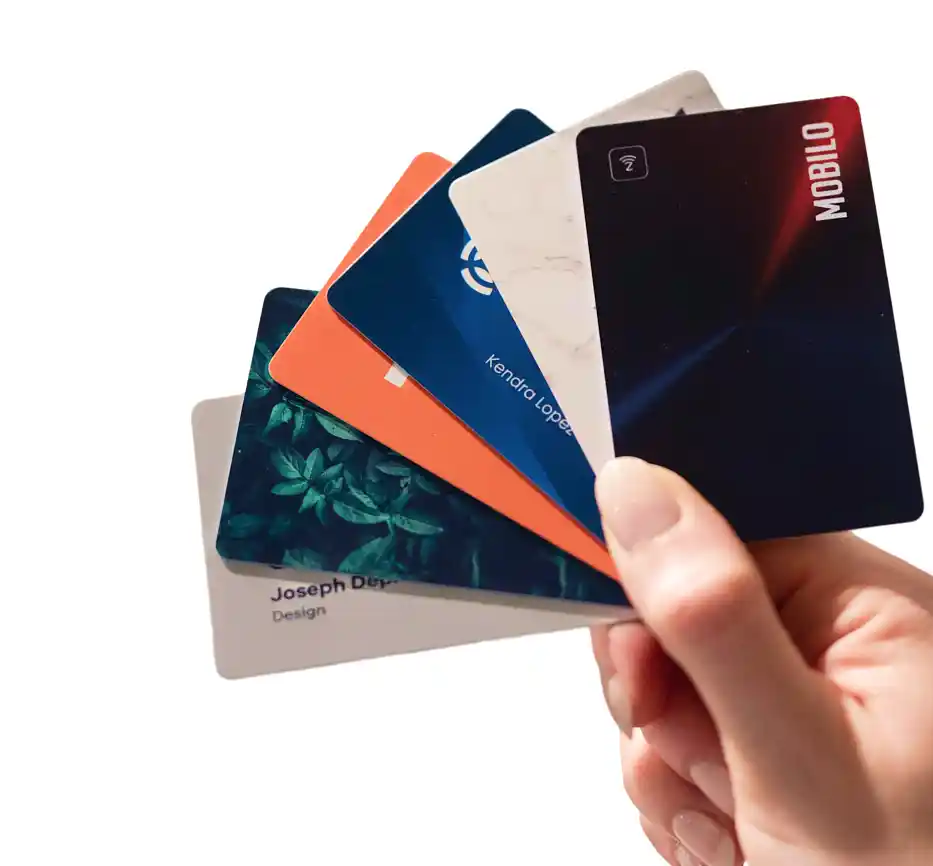
Mobilo's smart digital contact cards integrate QR codes with automatic lead capture, enrichment, and CRM synchronization. When someone scans your code at a conference or in marketing materials, their contact information is saved instantly, and the system logs device type, scan location, timestamp, and engagement behavior.
That data flows directly into your CRM with lead scoring against your ideal customer profile, so your sales team knows which prospects warrant immediate follow-up and which need nurturing. You're not just collecting scans. You're building a qualified pipeline from every networking interaction, whether through NFC tap, QR scan, or digital widget.
Get 25 Cards Free
Book a demo today and get your first 25 digital contact cards free (a $950 value). Turn every QR code scan into verified pipeline data, track engagement in real time, and integrate seamlessly with your existing marketing workflows. Stop losing potential leads because your follow-up system can't keep pace with your networking efforts.
Related Reading
- Static vs Dynamic QR Code
- How to Put a QR Code on a Business Card
- RFID vs QR Code
- How to Track QR Codes
- Is QR Code Generator Safe
- How Much Does a QR Code Cost
- QR Code Accessibility
- Business Card Ideas With QR Code
- Dynamic QR Code Example