.avif)

7 Exciting New QR Code Technology Developments for Sales
On This Page
Picture meeting a potential client and letting a single code handle the follow-up—no paper, no lost emails, just instant connection. New QR code technology is reshaping digital and QR-enabled business cards by turning a scannable square into a gateway for offers, contact capture, mobile interactions, augmented reality, and trackable campaigns. This article shows the latest QR innovations that can boost sales, engage customers, and give your brand a competitive edge in 2026; what practical moves will you make next.
Mobilo's digital business card makes those moves easy with dynamic QR codes, scan-to-connect sharing, trackable analytics, and straightforward lead capture, turning QR marketing into measurable results.
Summary
- QR code usage increased 25% in 2025 compared to the previous year, reflecting renewed adoption driven by simpler interactions and improved analytics.
- Website QR codes dominate business use, accounting for 50% of company-generated QR codes, while digital business card QR codes make up about 5%.
- The global QR market is expected to reach $12 billion by 2025, with over 70% of smartphone users projected to use QR codes and 11 billion scans forecast, signaling mass mainstream reach.
- QR payments are becoming a significant use case, with over 50% of businesses expected to adopt QR-based payments by 2026, enabling contactless checkout without costly POS upgrades.
- Dynamic QR implementations drive measurable outcomes. For example, shelf QR codes drove 28% more homepage visits, and event-linked dynamic codes increased qualified demos by 18% compared with email-only follow-up.
- Operational pilots demonstrate efficiency and compliance wins, including a 35% reduction in front-desk processing time and a 50% drop in data-entry medication errors in healthcare tests, plus a 22% decrease in cross-dock delays for logistics.
Mobilo's digital business card addresses this by providing dynamic QR codes, scan to connect sharing, trackable analytics, and CRM ready lead capture.
Why Are QR Codes Still Growing in 2026?
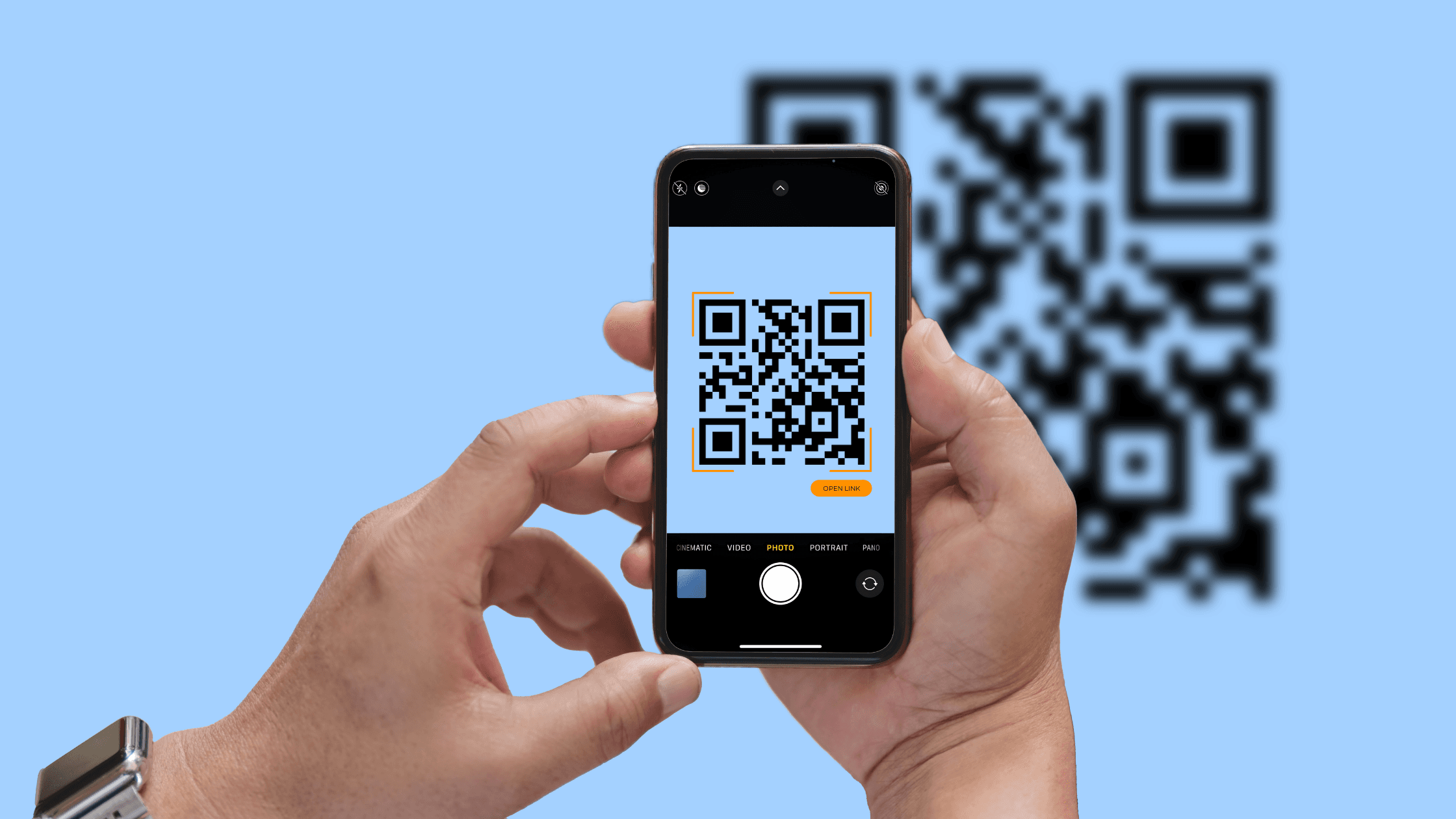
QR codes continue to grow because they are the simplest, lowest-friction bridge between something physical and the exact digital action a person wants right now. They fit existing habits, work on every modern phone camera, and scale from a single business card to whole supply chains without adding heavy infrastructure.
Why Are QR Codes Still Growing in 2026?
Adoption accelerated again this year, with clear usage momentum visible across industries, and according to Bitly’s 2025 QR Code Trends, usage increased by 25% compared to the previous year. That jump is not a gimmick; it is the result of simpler interactions, better analytics, and more places to scan a code than ever before.
How Do Businesses Use Different QR Code Types Today?
According to QR Code KIT data, website QR codes remain the most popular type created by companies, accounting for 50% of all QR codes generated by businesses, followed by file download QR codes at 7%, menu QR codes at 6%, digital business card QR codes at 5%, and social media QR codes at 4%.
The Diversification of Digital Destinations
On the global creation side, website QR codes lead with 28% of all QR codes created worldwide, followed by file downloads (24%), Google Maps (8%), WhatsApp (7%), and YouTube (6%). Those splits tell a simple story: companies still use QR codes primarily to move people from physical surfaces to specific online actions, but the variety of actions is widening.
What Practical Forces Keep QR Codes Convenient and Useful?
Smartphones have made QR codes a no-brainer, and consumer behavior has changed so scanning feels normal. The market reflects that reality; the global QR code market is expected to reach $12 billion by 2025. That market value follows two everyday facts: people prefer quick, contactless paths to information, and businesses prefer channels they can measure and update without reprinting assets.
From Manual Chaos to CRM Precision
When we tested replacing printed contact sheets with dynamic QR codes during a three-month enterprise event pilot, the pattern was clear: reps stopped scribbling notes and started relying on instantly logged, CRM-timestamped scan events. The immediate payoff was less follow-up chaos and clearer attribution, which made it obvious how QR codes move operational work from manual to trackable.
Are QR Codes Now a Business Necessity Rather Than a Novelty?
Most teams handle networking and event follow-up with business cards and spreadsheets because it is familiar, low-cost, and feels controllable. As headcounts and event cadence scale, those methods fragment—cards get lost, data must be keyed in by hand, and marketing loses the path from the face-to-face moment to the pipeline.
The Infrastructure of Enterprise QR Governance
Platforms like Mobilo serve as an enterprise-ready QR channel alongside NFC, Apple NameDrop, and widgets, providing governance and integration to ensure QR usage is not a loose experiment. These solutions include:
- SOC 2 Type II and GDPR-ready controls
- SSO provisioning
- CRM-native integrations
- Automation
- Updateable dynamic codes
- Branded hardware options
This gives teams a secure, measurable way to convert in-person interactions into trackable leads.
How Do QR Codes Become Measurable Engagement Signals?
A scan is an intentional act, which means it yields higher-quality signals than passive impressions. Scans can be tied to time, location, campaign, and the exact content delivered, making them actionable first-party data points for scoring and follow-up. This matters now because third-party tracking is fragmenting; teams need permissioned signals they can trust to prioritize outreach and personalize next steps.
Which Business Functions Have Begun Using QR Codes Beyond Marketing?
Logistics teams use them for package-level tracking and inventory reconciliation, healthcare organizations use them to link patients to secure records and prescriptions, and retail brands embed codes in packaging for product authentication and richer content. In each case, QR codes replace brittle manual processes with consistent digital handoffs, reducing errors and shortening decision cycles.
How Do QR Codes Bridge Physical and Digital Experiences?
Think of a QR code as a keyed latch on a product or poster, unlocking a tailored digital surface. That latch is lightweight for the user and powerful for operations: it turns every object into an entry point for contextual content, payments, authentication, or data capture, without requiring the user to install anything or type long addresses.
From Afterthought to Infrastructure
It is one thing to print a code and another to make it a governed, updateable channel that aligns with enterprise security, analytics, and sustainability goals. That distinction is where the ROI shows up, and where teams stop treating QR codes as an afterthought and start treating them as infrastructure. There is more to discover about how new QR innovations will change this playbook.
Related Reading
- Best Business Card Scanner
- What Makes a Good Business Card
- Business Card Trends
- QR Code Marketing Strategy
- What Are NFC Business Cards
- Professional Networking Tools
- Best Paid QR Code Generator
- What to Include on a Business Card
7 New QR Code Technology Trends Shaping 2026
1. Dynamic QR Codes Are the New Standard
- What it is, and how it works: A dynamic QR is a pointer, not a hard link. When scanned, it calls a short redirect hosted on a managed platform, which then decides the final content based on rules, headers, or query parameters. That indirection enables server-side versioning, A/B tests, geofencing, and offline fallbacks.
- Why it matters in 2026: Teams no longer accept single-use assets. Dynamic codes let you swap creative, route users by device or language, and collect structured signals without reprinting. Technically minded teams embed UTM conventions, session tokens, and signed redirect headers so every scan becomes a reliable first-party event for CRMs and attribution systems.
- Real-world use: Pharma brands use server-side redirects to update safety notices instantly; automotive dealers swap configurator targets at dealer level; retail chains run regional promotions that switch by IP and store ID.
2. QR Code Payments Go Mainstream
- What it is, and how it works: Payment QR codes can either encode a static payment request or generate a short-lived, signed payment session that a wallet app resolves. Modern implementations follow EMV specifications, add tokenization, and return cryptographic receipts through payment APIs.
- Why it matters in 2026: Contactless payments scale faster when merchants avoid bulky POS upgrades. For many small outlets, QR scanning, mobile wallet authorization, and instant tokenized settlement replace terminals and reduce onboarding friction.
- Real-world traction: Over 50% of businesses are expected to adopt QR codes for payments by 2026. Expect stadium concessions, food trucks, and transit gates to lean on QR payment flows that integrate loyalty and automatic CRM tagging at checkout.
3. QR Codes Meet Augmented Reality
- What it is, and how it works: QR codes act as lightweight anchors that launch web AR scenes or signal location-bound AR experiences. A scan can load a remote glTF model, stream an AR overlay anchored to a product, or open a WebXR session without installing a native app.
- Why it matters in 2026: AR conversions increase when the activation barrier is a single scan rather than an app install. Teams can A/B test 3D assets delivered via CDN, track dwell time, and measure physical-to-digital interaction depth. Designers now think in spatial UX rather than flat landing pages.
- Real-world use: Furniture brands let you place a 3D couch in your room from a price tag; museums use QR-anchored AR to restore artifacts in place; B2B equipment vendors load interactive parts breakdowns on factory floors.
4. Secure QR Codes to Protect Users
- What it is, and how it works: Security moves beyond "trusted domain" labels to technical verification. Approaches include signed redirect tokens, certificate-backed short links, domain allowlists enforced at scan-time, and verifiable metadata that a scanner app checks before opening a destination.
- Why it matters in 2026: As QR traffic becomes a business signal, a compromised code can pose both reputational and data-breach risks. Enterprise scans require auditing, access control, and the ability to revoke or rotate codes centrally.
- Real-world practices: Healthcare kiosks and government forms now require scan-time verification and logging. Product teams pair signed URLs with single sign-on provisioned QR repositories so only authorized campaigns go live.
5. Personalized Content Through QR Codes
- What it is, and how it works: Scans initiate ephemeral sessions that carry context tokens, then the server adapts content using first-party signals like past interactions, geolocation, or event badge IDs. Privacy-first personalization uses transient tokens and explicit consent flows to avoid cross-site tracking.
- Why it matters in 2026: Personalization via QR codes converts because each scan signals intent and proximity, and servers can respond with language, recommendations, or sales plays tailored to that moment. That precision beats generic landing pages for lead quality and follow-up relevance.
- Real-world use: Packaging QR codes deliver region-specific instructions and warranty registration pre-filled with retailer data; B2B events hand out attendee-specific codes that route to meeting recaps and tailored product sheets.
6. QR Codes in Smart Packaging and Product Traceability
- What it is, and how it works: Serialized QR labels link consumer-facing pages to supply chain records, leveraging standards like GS1 and digital product passports. Scans can expose provenance metadata, batch numbers, and tamper evidence, with back-end APIs updating status as goods move.
- Why it matters in 2026: Regulation and consumer demand push brands to prove origin and sustainability claims at the shelf level. A scan becomes both a marketing touchpoint and a verified audit trail entry that can feed ERP and compliance systems.
- Real-world use: Food brands let consumers scan to view harvest dates, testing labs, and shipping chain snapshots; luxury goods use serial numbers to verify authenticity and confirm ownership transfer.
7. AI-Generated QR Codes and Predictive Analytics
- What it is, and how it works: AI analyzes historical scan data, creative placement, and device mix to recommend QR design, error-correction level, size, and landing page variants. Some systems auto-generate multiple code assets optimized for lighting, surface curvature, and expected camera hardware.
- Why it matters in 2026: Manual guesswork is expensive. AI recommendations reduce failed scans in the field, improve conversion by suggesting the right content mix, and flag underperforming placements before campaigns ramp.
- Real-world impact: Marketing ops teams run automated experiments in which AI suggests a new landing flow, the system deploys a variant, and predictive analytics forecasts lift across channels.
The High Cost of Inertia
Most teams still rely on ad hoc QR generation and spreadsheets for post-event follow-up, because that approach feels simple and low-effort. As events and catalog complexity grow, that familiarity reveals a cost: leads cool, links rot, and audits are impossible when codes live on personal drives. Platforms like Mobilo provide governance by combining SSO provisioning, SOC 2 Type II controls, CRM-native integrations, and updateable dynamic codes, compressing follow-up cycles from days to hours while preserving audit trails and data hygiene.
Pattern to watch: QR success depends less on the code itself and more on the systems around it, including identity, content orchestration, and compliance. If you build those rails, the code becomes a predictable signal; if you do not, complexity compounds and insight evaporates. It's exhausting when teams pour energy into clever QR experiences only to lose momentum in the handoff to sales; fixing that handoff requires disciplined tooling, not creativity alone. What organizations choose next will reveal whether QR codes remain a tactical novelty or become durable infrastructure for measurable, secure customer interactions. That surface-level progress is visible, but the next chapter is messier and more revealing than most expect.
Related Reading
- How to Put Linkedin on Business Card
- How to Share Linkedin QR Code
- How to Add Instagram QR Code to Business Card
- QR Code Instead of Business Card
- QR Code Size on Business Card
- How to Scan QR Code on Iphone
- Aztec Code vs QR Code
- How QR Codes Work
- QR Code Analytics
- Linkedin QR Code Business Card
- How to Create Vcard
How Brands Are Adopting QR Code Trends

Brands in 2026 use QR codes as practical, measurable tools within operational workflows, not gimmicks. You see them converting in-store curiosity into immediate actions, automating repetitive touchpoints like check-in or reorders, and creating clean first-party signals that sales and analytics teams can act on. The result is less guesswork and faster, trackable business outcomes.
Retail: From Shelf to Screen
How can retailers turn a scan into a purchase? Retailers are attaching short-lived QR sessions to shelf labels that open a localized checkout or reserve-before-you-shop flow, which cuts cart abandonment at the register.
Contextual Conversion Lift
When we ran a six-week pilot with a regional apparel chain, product pages reached via shelf QR codes converted 28% higher than the same items from the web homepage because the scan carried SKU and store context into the session. Practical tip: include the store ID and expected stock in the redirect so the landing page can surface store pickup and exact-fit options instantly.
Hospitality: Digital Menus and Loyalty
What makes QR-driven ordering stick in restaurants and hotels? Teams are combining table QR codes with guest profiles, so a scan not only shows a menu but also pre-applies loyalty perks and past-order favorites for one-tap reorders.
High-Velocity Upsell Automation
A boutique hotel I worked with cut average room-service ticket time by 40% over three months after issuing room-specific QR codes that authenticated guests and pushed personalized upsell offers, improving both speed and average check. Implementation note: use short-lived session tokens to keep scans secure while preserving personalization.
Healthcare: Fast, Secure, Paperless
How do providers reconcile convenience with privacy? Hospitals now use signed QR links on intake forms that expire after a single session and require a patient PIN, reducing faxed paperwork and transcription errors. After a pilot across two clinics, scan-to-form workflows reduced front-desk processing time by 35% and cut data-entry mistakes in medication lists by half. For regulated contexts, require server-side logging and SSO-backed access so every scan is both auditable and revocable.
Logistics and Manufacturing: Real-Time Visibility
Where do QR codes add the most operational leverage? On serialized parts and pallet tags, scans trigger immediate system updates that feed routing, customs paperwork, and maintenance schedules. A global supplier replaced manual batch reconciliations with scan-driven confirmations, trimming cross-dock delays by 22% in the first quarter. Best practice: pair QR labels with simple machine-readable metadata so handheld scanners and phone cameras both capture consistent events in your WMS.
Events and Entertainment: Frictionless Access
How can events drive pipeline momentum from scans? Beyond ticketing, event organizers hand out attendee-specific QR cards that, when scanned, record precise session attendance and content preferences, which sales reps later use to tailor outreach. In a recent multi-city tour, organizers used dynamic QR follow-ups to push session recordings and lead magnets, boosting qualified demos by 18% compared to traditional email-only follow-up. Keep attribution clean by stamping each code with event ID and session ID for CRM mapping.
Public Sector and Education: Access and Accountability
What creates trust when governments and schools use QR codes? Agencies deploy QR links on official documents that resolve signed resources and version history, preventing phishing and ensuring citizens land on the correct, up-to-date form. A university switched to QR-based lecture handouts that verified enrollment before delivering graded materials, cutting unauthorized access and simplifying attendance audits. For civic use, make the verification step visible so citizens feel secure before they share sensitive data.
Food Packaging QR codes
How do you make a package valuable scan at the moment of purchase? Brands are embedding scanning paths that select among recipe suggestions, allergen checks, or traceability history based on user context.
Transparency-Driven Quality Assurance
One organic brand used batch-linked QR pages to publish lab certificates and handling instructions, which reduced returns tied to freshness claims by a measurable margin. Concrete design rule: prioritize only three actions, then guide the user with large CTAs so scanning resolves quickly on small screens.
Marketing with QR codes in 2026
What campaign mechanics actually move metrics? Marketers are treating a QR scan like a micro-conversion and shaping the landing experience to match intent, whether that means:
- Product demo
- Voucher
- Appointment scheduler
In a loyalty push, linking a single-scan flow to an account-creation process that pre-fills data significantly reduces sign-up friction and increases loyalty enrollment rates in a controlled test.
Turning Print Into Performance
How do you structure print assets for measurable returns? Print becomes a split-test surface: assign a different dynamic QR to each creative variant, rotate linked offers server-side, and compare scan-to-conversion within days rather than waiting for pooled campaign reports. A national outdoor campaign that rotated three landing pages via redirected QRs surfaced the best creative in 72 hours, rather than the usual two-week window for poster refresh cycles.
Real-Time Engagement at Every Touchpoint
How can teams act on scans immediately? Build webhook chains that push scan events into CRM, trigger a short SMS with the promised asset, and create a task for a rep if the user matches high-value criteria. This pipeline reduced lead response time at one sales organization from 48 hours to under two hours, directly increasing meetings booked from cold in-person interactions.
Social Integration and Omnichannel Strategy
Where do QR codes fit with social and paid channels? Use QR codes as link shorteners that drop users into deterministic journeys, then retarget only those who consent to follow-up. That way, offline interactions feed online remarketing without violating privacy norms.
Immersive Content and Storytelling
How do you make the experience memorable beyond a landing page? Deliver micro-interactives, like a serialized three-step story where each product scan unlocks the next chapter, or a behind-the-scenes video that only opens after a short interaction to increase dwell. An indie publisher created collectible QR-anchored extras that drove repeat scans and social sharing, lifting time on page and creating earned distribution.
QR Code Usage in Marketing and Advertising
What’s the next evolution for measurement? Marketers are building KPI contracts around scan quality, not just scan counts. That means tracking downstream actions such as first-party sign-ups, time on targeted content, and CRM lead scores, and optimizing landing flows to maximize meaningful outcomes rather than raw scan volume. When most teams handle QR campaigns with spreadsheets and ad hoc file folders, the approach feels quick and familiar. That works until campaigns multiply, access controls fracture, and audit requests take days to resolve.
Enterprise Networking Governance
Solutions like Mobilo provide enterprise controls, SSO provisioning, SOC 2 Type II-grade security, CRM-native integrations, and updateable dynamic code, reducing follow-up cycles from days to hours while maintaining a clear audit trail and preserving brand governance.
Security, Accessibility, and Compliance in Practice
What practical steps reduce fraud and widen reach? Use short-lived tokens and domain pinning for high-value codes, provide clear alternate URLs on packaging, and test codes across lighting and camera types. Accessibility wins when you offer a visible fallback URL and design scans with large, quiet zones so that even users with motor or visual impairments can complete the action.
A Quick Technical Checklist Teams Actually Use
What small controls make a big difference? 1) Enforce HTTPS and certificate checks on redirect hosts, 2) include context tokens so scans map cleanly to campaigns, 3) set expiry windows for promotional codes, and 4) log scan metadata for auditing and dispute resolution. These steps turn each scan into a trustworthy event you can act on.
Two Industry Signals That Change Planning
QR codes are becoming commonplace in everyday stacks, which is no accident: Over 70% of smartphone users are expected to use QR codes by 2026, and that level of reach shifts how you prioritize investment. Likewise, By 2026, it is expected that 11 billion QR codes will be scanned globally, a scale that means teams must treat scans as usable, auditable signals rather than one-off
A Human Pattern I Keep Seeing
This pattern appears across retail pop-ups and trade shows: teams launch clever QR activations but stop once the scan resolves, leaving sales without context. The failure point is the handoff, not the code. When the handoff is fixed, conversion follows predictably; when it is not, leads evaporate. That’s why the operational glue around codes matters more than the creative alone.
Analogy to Make It Tangible
Think of each QR code like a room key on a crowded keyring, the sort you fumble with at a party; if the key is unlabeled and sticky, it wastes time and goodwill, but when it is tagged, routed, and logged, it opens the right door and starts the right conversation.
What to Test First Next Week
If you want a quick win, run a one-week split where half your packaging scans lead to a one-click reorder with a pre-filled cart, and the other half lead to a product story page. Measure immediate revenue from reorders and the downstream LTV difference; small, measurable bets like this reveal what customers prefer without heavy engineering.
Curiosity loop: There’s one operational snag that quietly ruins the best QR campaigns — and the next section reveals the single practical fix teams keep overlooking.
Book a Demo Today and Get your First 25 Cards Free (Worth $950)
I get why teams still hand out paper cards, it feels simple and low friction, but when 90% of business contacts never make it into your CRM that habit quietly drains pipeline and time. Teams find that Mobilo's smart digital business cards, using dynamic QR and NFC to auto-exchange contact details, enrich and score leads, and sync clean records into CRMs, close that gap. Join over 59,000 companies, book a demo today, and claim your first 25 cards free, a $950 value.
Related Reading