.avif)


20 Best Professional Networking Tools for Busy Executives
On This Page
After a conference, you walk away with a stack of paper cards, half a dozen apps, and no clear plan to follow up—how do you turn those names into real connections? Professional networking tools combine contact sharing, digital business cards, contact management, event networking features, and simple analytics to help you track leads and maintain relationships. This article shows how to quickly identify and use the most effective networking tools that save time, strengthen high-value relationships, and create meaningful professional opportunities without wasted effort.
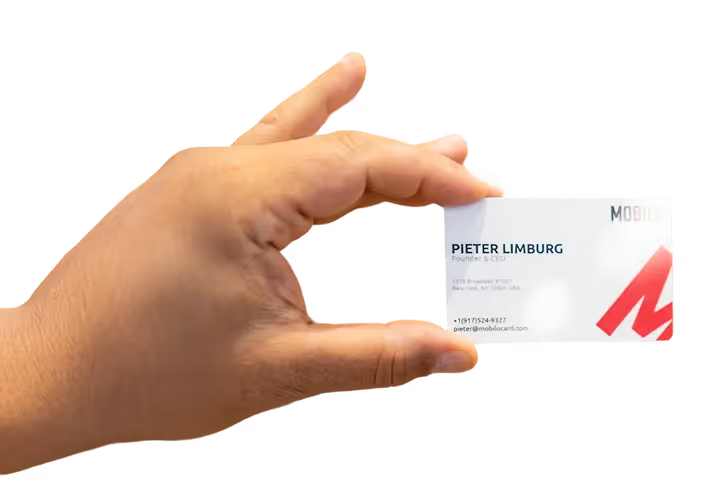
To help with that, Mobilo's digital business card makes sharing and follow-up friction-free by syncing with your address book and CRM and offering QR code and proximity sharing, so you capture the right contacts and act on them quickly.
Summary
- Networking should be treated as an operational system, not a gimmick, because it accounts for 80% of career success.
- Paper cards and manual spreadsheet imports work for small networks but break down at scale. Manual methods are generally adequate for under 50 people, and roughly 90% of business contacts never make it into CRMs.
- A practical toolkit matters, which is why the article reviews 20 distinct professional networking tools that map to contact capture, outreach, event discovery, and relationship tracking workflows.
- Follow-up works when sequenced, not when one-off. For example, send a personalized note within 24 to 48 hours, then schedule two short nudges over the next eight weeks to salvage connections that would otherwise go cold.
- Sustainable habits beat intensity, so block two weekly slots (one for outreach, one for learning) and commit to three events per quarter paired with two concrete follow-up actions to avoid burnout and patchy relationships.
- Networking directly drives business outcomes: 65% of new business opportunities reported as originating from networking. As a result, repeatable processes and tool orchestration are essential for predictable pipeline growth.
Mobilo's digital business card addresses this by making capture and follow-up friction-free, syncing with address books and CRMs, and offering QR code and proximity sharing to speed contact capture.
Why Networking Feels Broken (And How a Great Tool Can Fix It)

Handshakes and event rooms are part of it, but professional networking is really a system for turning introductions into repeatable opportunities and dependable relationships. When it works, you get referrals, collaborations, and a measurable pipeline. When it fails, you end up with scattered contacts, stalled follow-ups, and regret.
What Comes to Your Mind When You Think About Professional Networking?
Handshakes, smiles, and events with other professionals will likely be your answer. And you’d be correct, up to a point. While many people cringe at the prospect of attending a networking event, for others, it is their go-to for socializing with other professionals in their field. But what if you could keep the human element and reduce friction? You can connect and follow up without living on the conference circuit if the tools you use are designed to move introductions into action.
But Why’s Networking So Important?
Networking opens access to roles, mentors, and deals you would not find on your own; it fuels discovery and career momentum. Since 85% of jobs are filled through networking, these conversations still drive hiring and opportunity. At the same time, the playbook many of us use is broken. The Percolator notes that 80% of professionals fail at networking because intent alone rarely produces results when follow-through and context are missing.
Why Networking Feels Broken
The familiar pattern is evident: you meet someone, swap contacts, then life intervenes, and the connection cools. That pattern appears at conferences, hybrid events, and even internal meet-the-team sessions, where forced small talk creates shallow ties that never convert. It feels exhausting to leave an event with a stack of cards or a long list of LinkedIn connections and no clear next steps.
AI Shifts Networking from Volume to Context
AI changes the work from chasing people to prioritizing the right people. Innovative models can rank introductions by relevance to your goals, draft messages that reference the meeting moment so outreach feels natural, and schedule follow-ups automatically when engagement drops. Think of it as turning a Rolodex into a context-aware assistant that remembers the small remarks that make follow-up genuine.
What Makes a Great AI Networking Tool?
- Relevance: Will it surface contacts who can help you achieve your objectives, not just everyone you met?
- Personalization: Can it create messages that reflect the last interaction and feel authentic?
- Automation: Does it take repetitive steps off your plate while preserving human judgment?
- Insights: Does it turn behavior into actionable signals, like who opened a link or revisited your profile?
Hidden Costs of Status Quo Networking
This is where the status quo breaks down, and a different approach helps. Most teams still rely on paper cards, spreadsheets, or ad hoc contact lists because those methods are familiar and cheap to start. That familiarity hides real costs: follow-ups fragment across email, CRM, and social platforms, administrative control vanishes as team size grows, and event ROI cannot be tied to actual leads.
Platform Solution for Lead Conversion
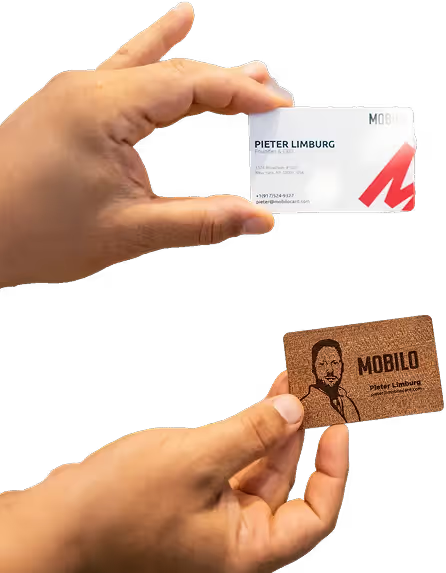
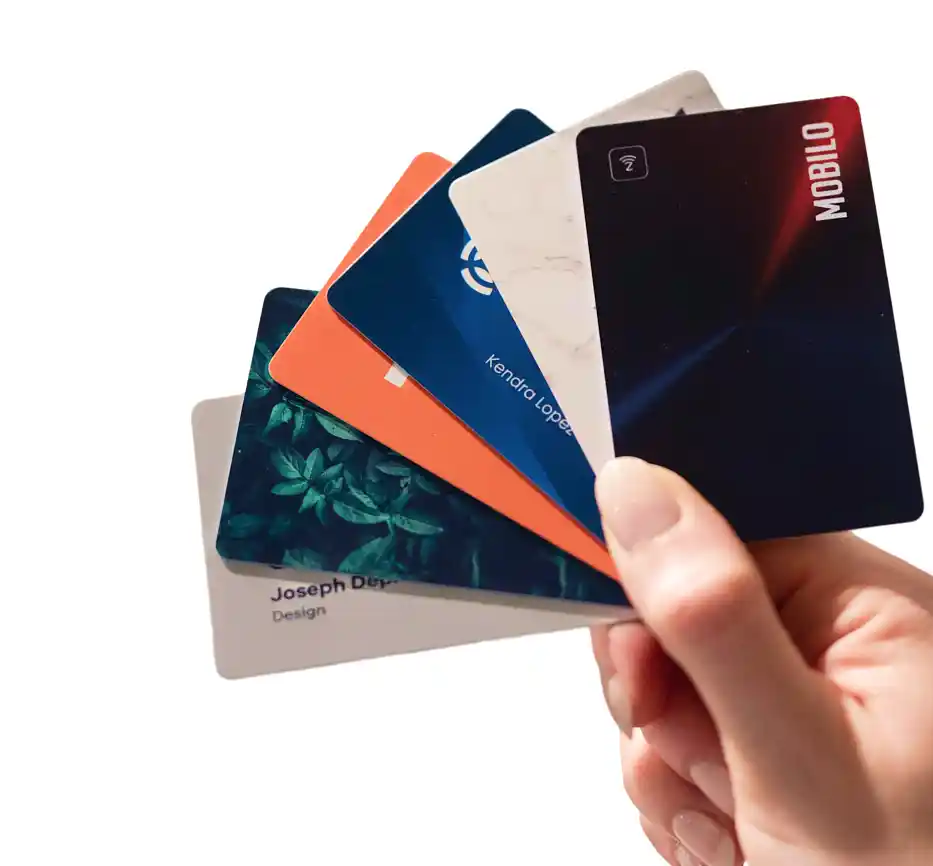
Platforms like Mobilo pair physical NFC and QR cards with personalized landing pages and native CRM and automation integrations, helping teams capture trackable leads, centralize contact data, and convert introductions into organized pipeline activity while meeting enterprise needs like:
- SSO
- SOC 2 Type II compliance
- Admin governance
Predictable Conversion Through Immediate Capture
After working with event teams and sales squads over several quarters, a pattern became clear: when introductions are immediately captured in a single, trackable place and routed into existing workflows, conversion is no longer a hope; it becomes predictable. That change reduces the time between meeting and meaningful follow-up from days of uncertainty to a sequence of deliberate actions that a team can measure and improve.
How Should You Judge Tools Before You Commit?
If your priority is speed, choose platforms that automate routing and CRM sync so leads land where your reps work. If governance and security are a concern, require SSO and compliance certifications before the pilot. If events are central, insist on event ROI reporting that ties scans and shares directly to the pipeline. Those tradeoffs determine which tool will scale without adding noise. It’s exhausting when connections feel plentiful, but valuable contacts remain rare — and that mismatch is precisely what the next section will address.
Related Reading
- Best Business Card Scanner
- What Makes a Good Business Card
- Business Card Trends
- QR Code Marketing Strategy
- New QR Code Technology
- What Are NFC Business Cards
- Best Paid QR Code Generator
- What to Include on a Business Card
20 Professional Networking Tools That Make High-Value Connections Easier
1. Mobilo
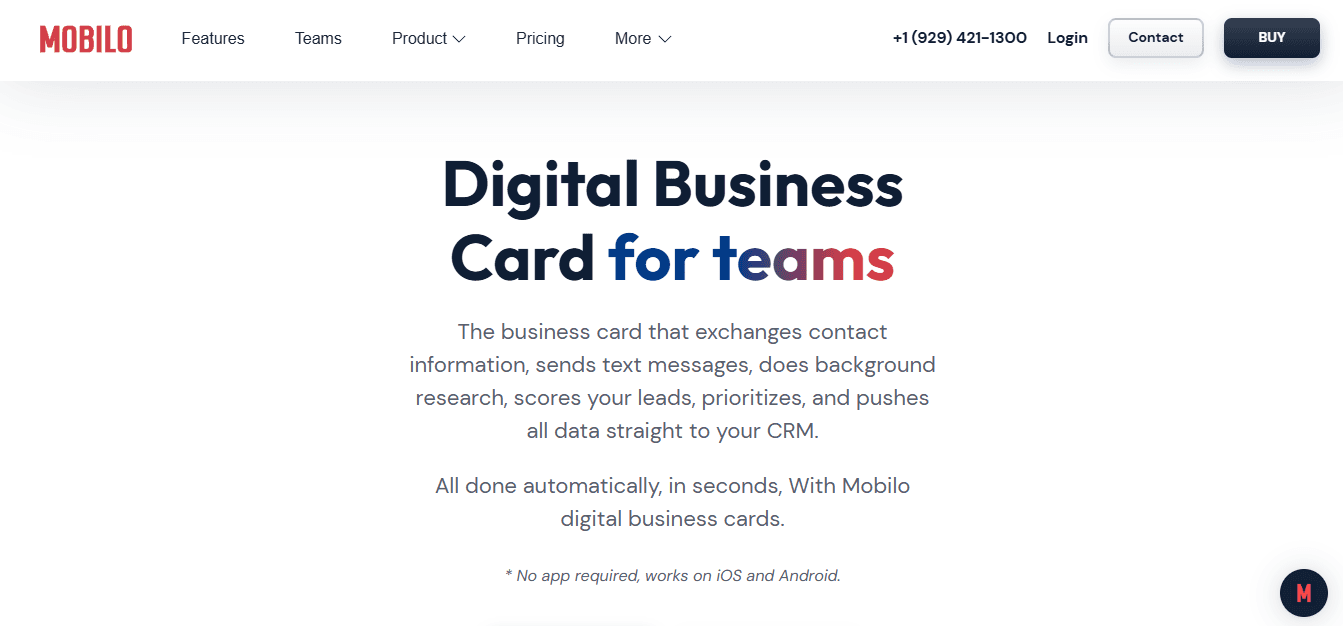
An enterprise-focused hybrid of NFC/QR smart cards plus a centralized digital business card platform.
- Best for: Teams that need reliable lead capture at events and one-click CRM integration.
- How it works: Tap or scan a card to exchange a rich contact profile; the platform enriches leads, scores them against ICPs, and pushes records to CRMs with provisioning and admin controls.
- Who should use it, and why: Large sales and marketing teams that run frequent events. The primary benefit is consistent, auditable lead capture that removes manual data entry and enforces brand control, turning every handshake into a tracked pipeline event. Because 85% of jobs are filled through networking, capturing contacts reliably is not optional. Learn more about LinkedIn networking statistics.
2. Shapr
A discovery app that matches professionals via interest and goals using AI.
- Best for: Professionals who want curated, intentionally chosen introductions rather than broad broadcasts.
- How it works: You set interests and goals, the algorithm suggests profiles daily, and you swipe to connect and message in-app.
- Who benefits: Solo founders, freelancers, and career shifters. The core benefit is quality over quantity, letting you meet people who map to a project or role without endless scrolling.
3. Crystal
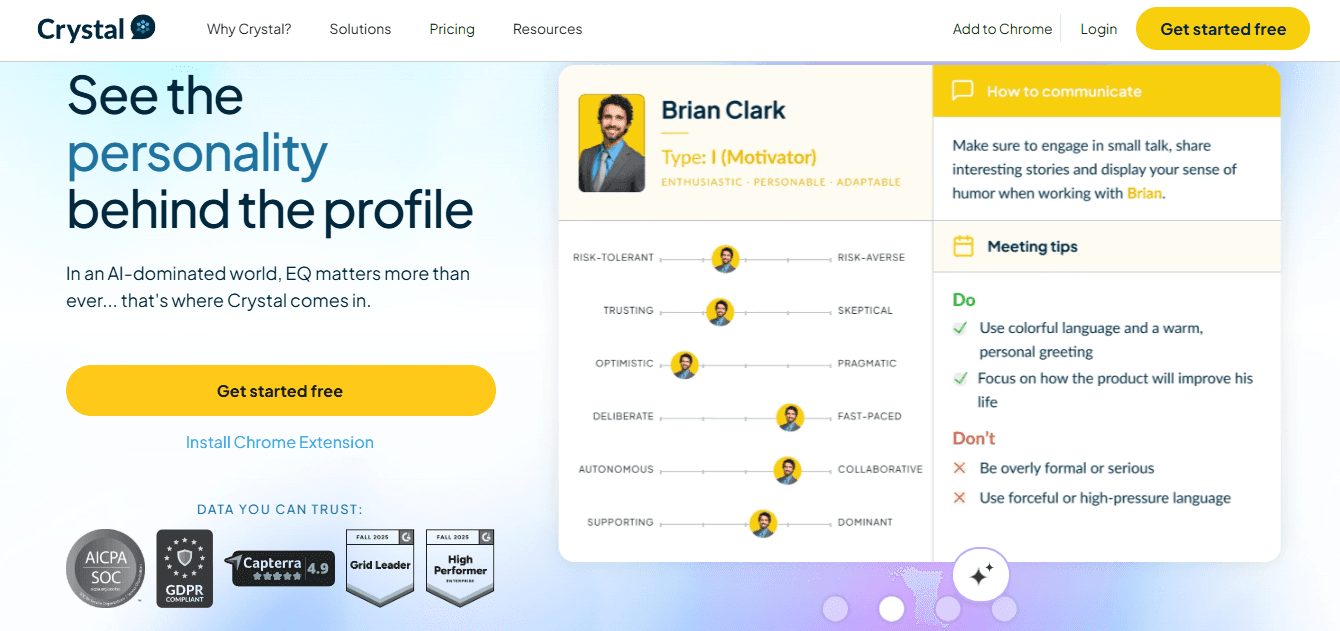
Personality and communication-style insights driven by public data and machine learning.
- Best for: Personalizing outreach and avoiding tone mismatches.
- How it works: Crystal analyzes online footprints and suggests how to phrase emails or conversations, then integrates those cues into Gmail and LinkedIn workflows.
- Who benefits: Account executives, recruiters, and customer success teams. The primary payoff is faster rapport and fewer misreads during first contact.
4. Lunchclub

An AI super-connector that schedules 1:1 conversations between professionals.
- Best for: High-intent introductions to investors, partners, or niche experts.
- How it works: You supply goals and availability, Lunchclub makes matches and can schedule calls on your calendar automatically.
- Who benefits: Founders and biz dev leaders who need targeted, repeatable introductions. The benefit is cadence: you run a predictable outreach engine without doing the matchmaking yourself.
5. LinkedIn AI Tools
LinkedIn features that surface connection suggestions, job recommendations, and content prompts.
- Best for: Career development and professional content distribution.
- How it works: The platform analyzes profile signals and engagement patterns to recommend connections, roles, and posts.
- Who benefits: Mid-career professionals and talent teams. The main advantage is reach and context, given LinkedIn’s role as a professional graph.
6. Blinq
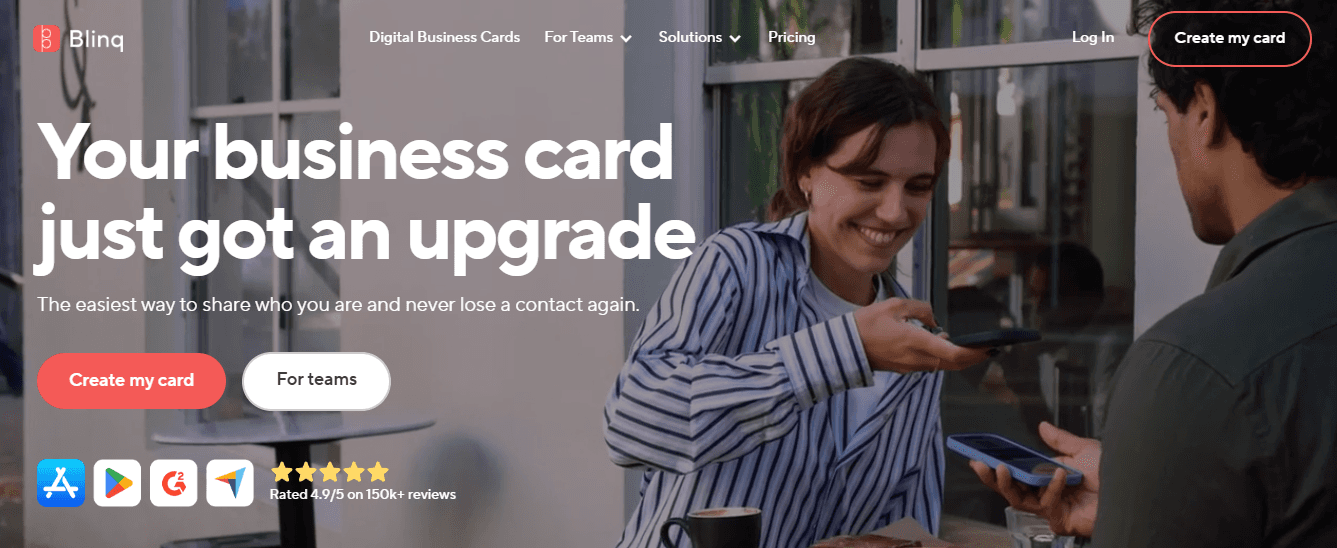
A digital business card builder that uses QR and shareable links.
- Best for: Fast, customizable contact exchange at in-person meetups.
- How it works: Create multiple card profiles, share via tap, QR, or link, and Blinq can auto-save incoming contacts to your phone with notes.
- Who benefits: Consultants, creatives, and event-forward sellers. The benefit is polish and speed, with detailed card customization for distinct audiences.
7. Hunter.io
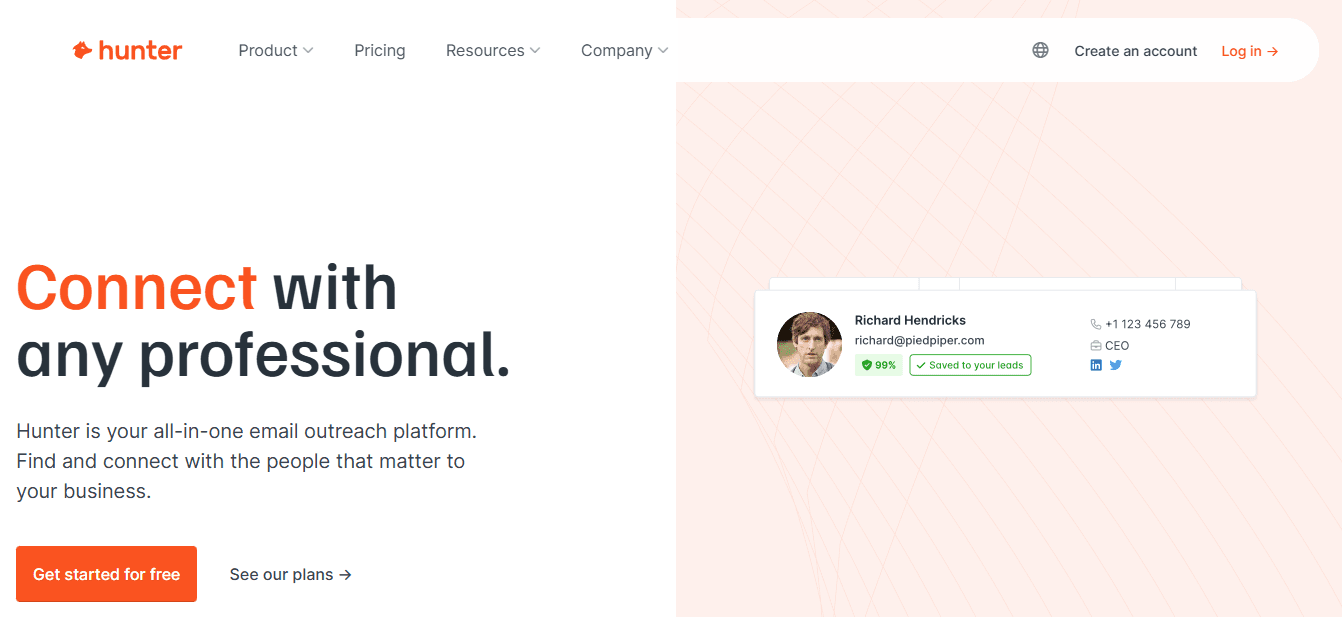
An email-finding and verification tool.
- Best for: Sourcing decision-maker email addresses for outreach campaigns.
- How it works: Use domain search or name-based finder to surface likely addresses, then verify deliverability with a confidence score and browser extension.
- Who benefits: SDRs, freelancers, and PR pros. The clear win is accuracy; you stop guessing email formats and reduce bounce rates.
8. Slack (Communities)
Private, industry-focused Slack communities are used for networking and job leads.
- Best for: Ongoing, threaded conversations and immediate collaboration.
- How it works: Join invite-only channels, participate in topic threads, and surface opportunities through active engagement.
- Who benefits: Freelancers and practitioners who want to be discoverable between formal gigs. The advantage is signal: deep, timely conversations that often lead to paid work.
9. Twitter Communities

Topic-based forums inside Twitter for focused industry discussion.
- Best for: Visibility, thought leadership, and finding collaborators fast.
- How it works: Follow or join communities, contribute short-form commentary, and amplify your expertise.
- Who benefits: Content creators and consultants who rely on public thought leadership. Benefit is discoverability and the chance to turn micro-connections into project leads.
10. Newsletters
Curated email publications that distribute opportunities, analysis, and job stories.
- Best for: Passive discovery of jobs, leads, and domain insight.
- How it works: Subscribe to niche editors; respond to calls for contributors or jobs embedded in issues.
- Who benefits: Specialists who value depth over breadth. The benefit is that high-signal opportunities land in your inbox rather than being buried in social feeds.
Status Quo Disruption Paragraph (Empathize, Cost, Bridge)
Most teams still trade paper cards and rely on manual spreadsheet imports because it is familiar and low-friction for a single meeting. That approach works until events scale and contacts slip between hands, inboxes, and memory, producing fragmented follow-up and lost pipeline. Teams find that platforms like Mobilo change that flow by automating capture, enriching contacts with firmographic data, and syncing directly to CRMs, while offering admin controls for provisioning and compliance.
11. BuzzSumo

A content intelligence tool for topic research and competitive signals.
- Best for: Creating content that attracts and engages your professional network.
- How it works: Analyze what content performs best, surface influencers, and spot share patterns.
- Who benefits: Marketers and executives who use content to stay top of mind. Benefit is smarter content that fuels introductions and inbound leads.
12. Clay
A personal CRM that aggregates contacts and context across accounts.
- Best for: Remembering why someone matters and when to reconnect.
- How it works: Connect email, calendar, and socials, then surface people by tags, events, or notes and alert you to milestones.
- Who benefits: Founders, VC partners, and relationship-driven sellers. The payoff is fewer missed opportunities because context stays attached to the person.
13. Guild
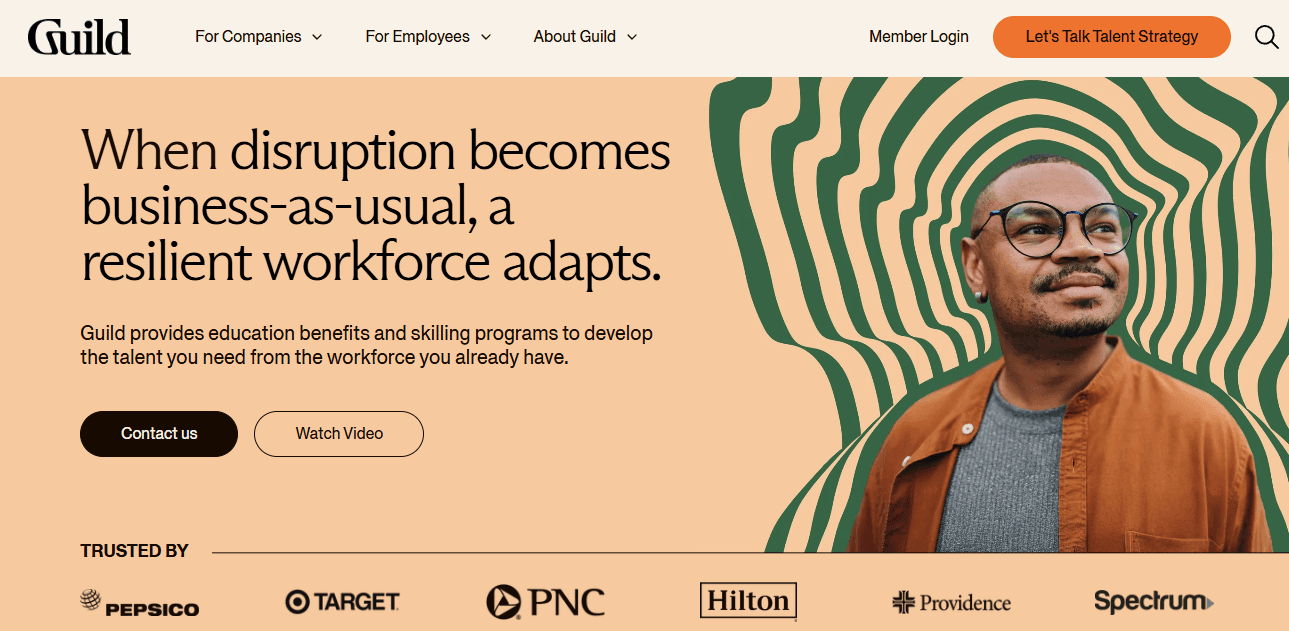
A professional community platform for private, branded groups.
- Best for: Monetized membership communities and controlled networking.
- How it works: Admins create private groups, manage roles, and run events with sponsorship and analytics.
- Who benefits: Niche community leaders and associations. Benefit is a professional, ad-free space where members trust the environment and engagement converts.
14. GroupMe
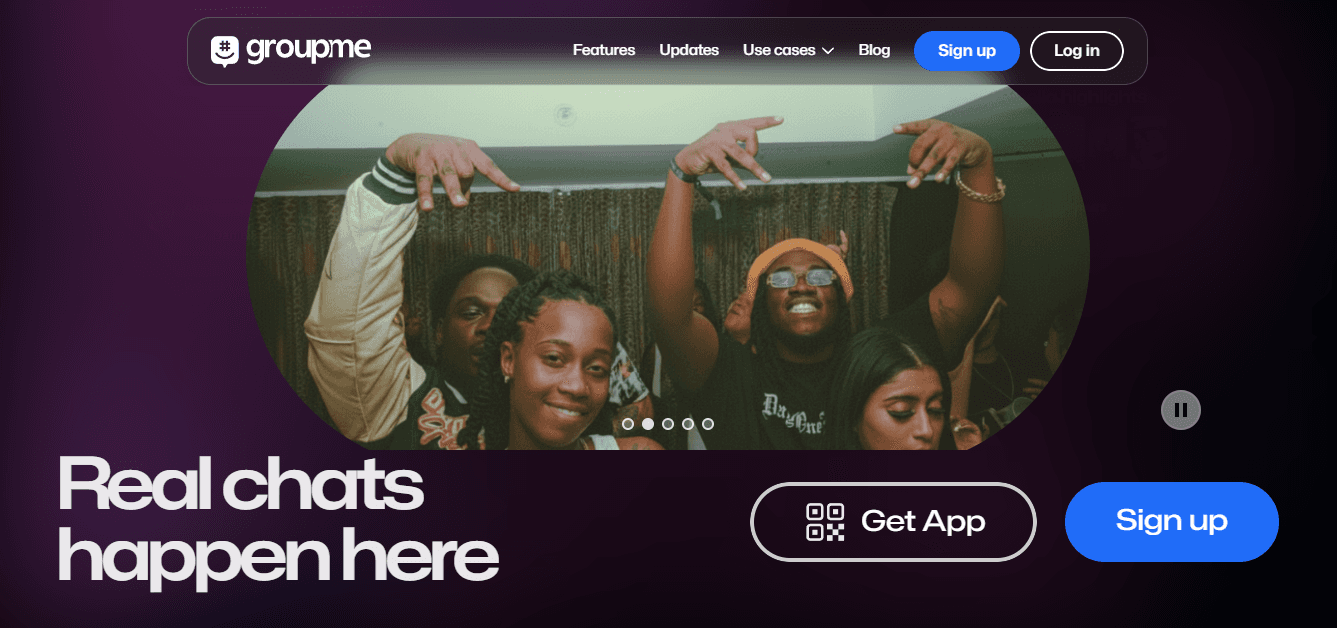
Lightweight group chat with topic threads and event scheduling.
- Best for: Small team coordination and informal networking groups.
- How it works: Create groups with sub-chats, run polls, and schedule meetups without sharing phone numbers.
- Who benefits: Local organizers and small project teams. The advantage is simplicity and low friction for recurring coordination.
15. Fishbowl
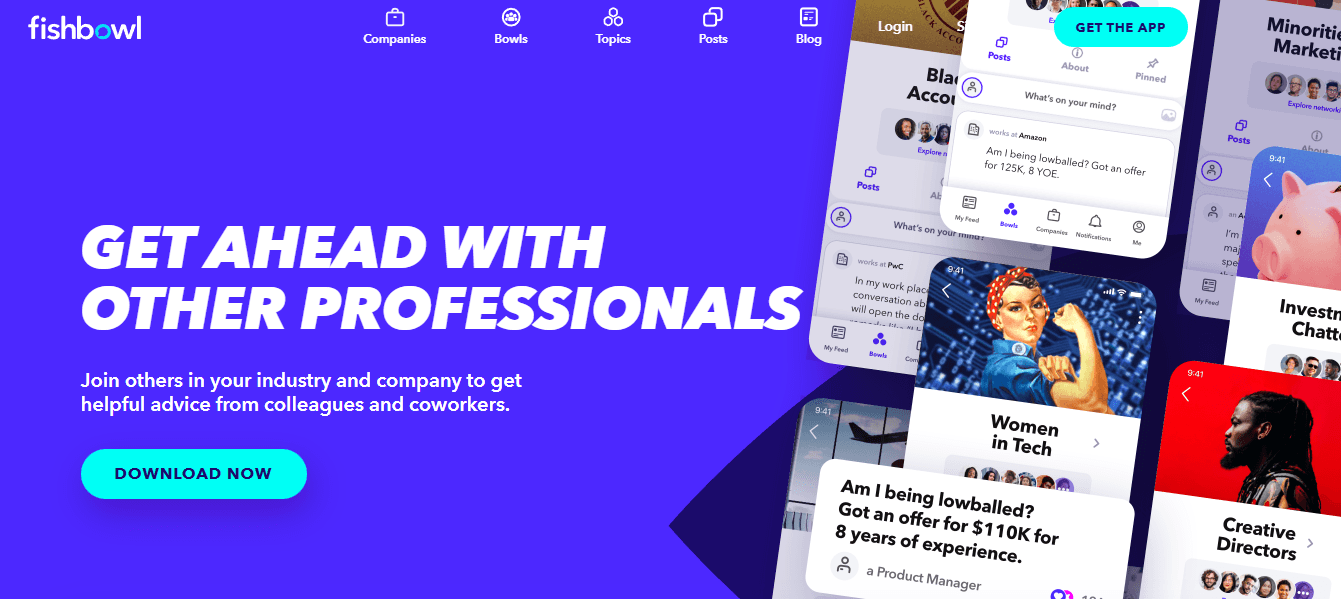
Anonymized professional discussion app for industry-specific advice.
- Best for: Honest, experience-based career and workplace discussions.
- How it works: Users join industry bowls, ask questions anonymously, and participate in Q&A or live audio.
- Who benefits: Professionals weighing tough decisions who need candid peer input. The benefit is safety to surface real trade-offs without reputational risk.
16. Meetup
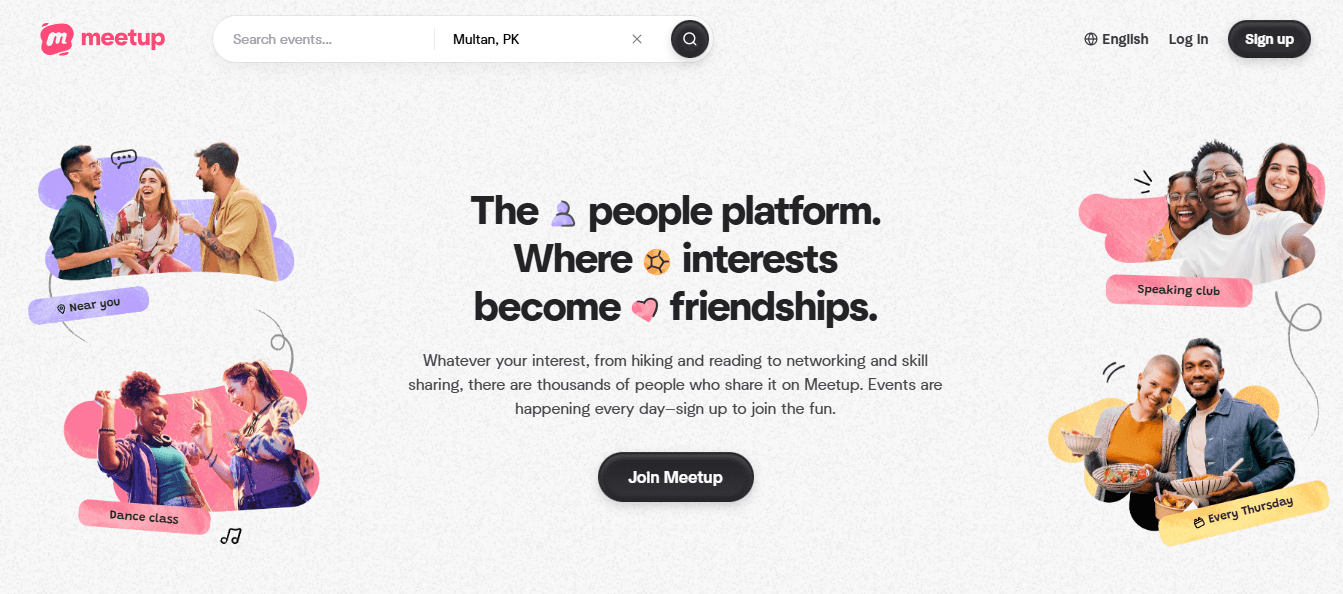
A platform for organizing and finding interest-based local events.
- Best for: Building repeat, in-person communities and workshops.
- How it works: Create groups, schedule events, and manage RSVPs with both free and paid options.
- Who benefits: Local organizers and professionals who rely on consistent attendance at meetups. The advantage is discoverability in your city for active, recurring relationships.
17. Teamblind
An anonymous professional forum for tech and corporate workers.
- Best for: Comparing compensation and culture without exposure.
- How it works: Users post under handles, share salary data and employer conditions, and participate in polls.
- Who benefits: Job seekers and employees evaluating offers. Benefit is aggregated, candid data that informs negotiation and career moves.
18. Breakfast
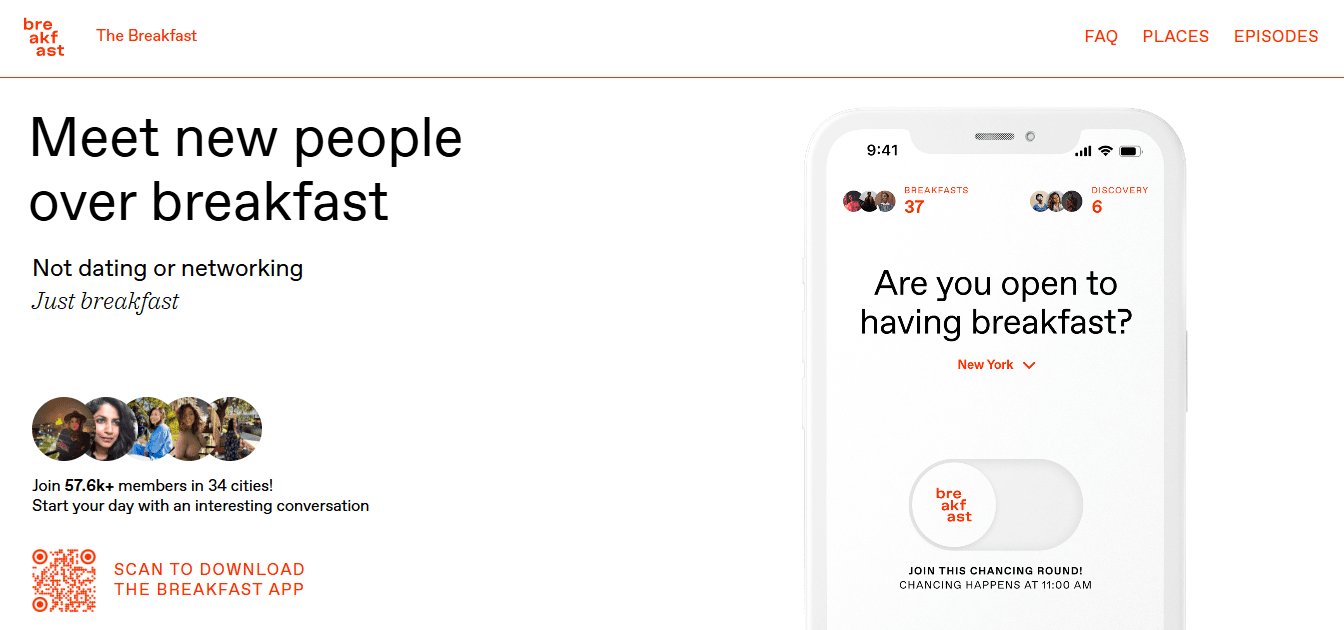
A single-daily match app for morning conversations.
- Best for: Brief, intentional social or professional check-ins that prioritize authenticity.
- How it works: The algorithm gives one daily match; you connect for a short chat at a set time.
- Who benefits: Busy professionals wanting low-commitment connections. The benefit is depth from scarcity, not volume.
19. Eventbrite

An event discovery and ticketing platform for virtual and in-person events.
- Best for: Finding conferences, workshops, and meetup-style networking opportunities.
- How it works: Search by category, location, and industry; register and integrate with calendar systems.
- Who benefits: People who prefer structured, face-to-face networking. The core advantage is scale: it surfaces events you would otherwise miss.
20. Facebook Professional Groups
Industry-focused Facebook groups are used for Q&A, job leads, and deal flow.
- Best for: Niche, ongoing discussions and soft outreach.
- How it works: Join groups, contribute, and respond to threads where members post opportunities.
- Who benefits: Professionals who want approachable, frequent exchanges. The benefit is breadth and the low barrier to entry, especially for localized or niche communities.
A recurring pattern I see across events and teams is this, paper cards and manual entry work when your network is under 50 people, they fail when volume and compliance requirements rise, and they create hidden costs in lost follow-ups and inconsistent brand representation.
Frictionless Enterprise Synchronization
Solutions that combine hardware taps or QR with enterprise features like SSO, role provisioning, and CRM-native connectors solve that scale problem without forcing a change in human behavior overnight. This is only the toolkit; what separates habitual connectors from transactional ones is how they sequence these tools into repeatable processes that preserve context, reduce admin, and make follow-up feel effortless.
Related Reading
- How to Put Linkedin on Business Card
- How to Share Linkedin QR Code
- How to Add Instagram QR Code to Business Card
- QR Code Instead of Business Card
- QR Code Size on Business Card
- How to Scan QR Code on Iphone
- Aztec Code vs QR Code
- How QR Codes Work
- QR Code Analytics
- Linkedin QR Code Business Card
- How to Create Vcard
Tips for Successful Business Networking

How Do You Give First Without Losing Time?
Start conversations with proper context, not a pitch. Share a relevant article, a warm introduction, or a brief note that connects two people who should meet, then walk away. This creates a pattern of reciprocity that makes future requests feel natural rather than frantic, and replaces the awkwardness of last-minute outreach with predictable goodwill.
Where Should You Invest Your Time Beyond Passive Platforms?
Treat networking like a habit, not a feature. Block one small slot each week for outreach: one thank-you note, one resource share, one quick check-in. After a 90-day experiment with a midsize sales team, the pattern was clear, consistent touch turned sporadic interest into steady referrals, and the frantic, last-minute plea for help stopped happening.
Why Does Authenticity Matter in Every Channel?
Be clear about your goals and honest about limits, without grandstanding. When you admit what you do not know, you invite collaboration instead of defensive one-upmanship. That vulnerability makes your outreach memorable; a short candid line about constraints often sparks a follow-up that polished self-promotion never would.
What Happens When You Skip Follow-Up?
Connections cool fast, and opportunities evaporate. The standard failure mode is this, people collect contact methods then treat them as trophies, not starting points. Follow-up is a small sequence of deliberate actions, like a 30-second personalized message, a calendar invite for coffee, and a log entry in your CRM. Those tiny rituals convert introductions into pipeline because they remove the guesswork about next steps. Most teams handle introductions reactively because it feels easier in the moment, and that familiarity makes the hidden cost invisible: missed referrals, fractured audit trails, and inconsistent reporting as the team scales. Those gaps add up.
Automated Handshake Integration
Platforms like Mobilo provide NFC and QR capture with CRM routing and admin controls, so teams find that captured contacts move directly into workflows, reducing the time between meeting and meaningful outreach and preserving context for every follow-up.
5. How Do You Keep Networking Consistent Without Burning Out?
Automate the low-signal work and reserve your energy for high-signal gestures. Use a personal CRM or note field to tag one actionable item per contact, then set a lightweight cadence, not a rigid checklist. Think of the system like compound interest: small deposits of attention that accumulate into durable relationships rather than one-off favors.
6. Why Prioritize Measurable Networking Habits?
Because relationships produce returns when tracked and acted on, not when they sit in a drawer, statistics show that 80% of small businesses report that networking is crucial to their success, underscoring why consistent practices matter for survival, not just growth. Because a large share of opportunities originates from these ties, 65% of new business opportunities come from networking. That is why turning casual conversations into trackable leads should be part of your daily routine.
7. How Do You Avoid Being Purely Transactional?
Swap scripts for curiosity. Ask one question designed to surface a real need, then listen two beats longer than feels comfortable. If someone mentions a constraint, offer a single, concrete next step you can deliver in days, not months. This pattern builds trust quickly because people feel heard and helped, not sold to.
8. What Simple Systems Keep Everything Honest?
Capture a moment of context at the point of exchange, tag the contact with the source and event, and schedule the first follow-up before the end of the day. That workflow makes accountability trivial and reduces the habit cost of follow-through. Tools are helpful, but they only matter when your process enforces the two behaviors that actually move relationships forward, generous outreach and timely follow-up. That change in habit makes the rest of the conversation far more interesting.
Related Reading
- Static vs Dynamic QR Code
- How to Put a QR Code on a Business Card
- RFID vs QR Code
- How to Track QR Codes
- Is QR Code Generator Safe
- How Much Does a QR Code Cost
- QR Code Accessibility
- QR Code Lead Generation
- Business Card Ideas With QR Code
- Dynamic QR Code Example
Book a Demo Today and Get Your First 25 Cards Free (Worth $950)
Ready to fix the leaky handoff between introductions and revenue? Consider Mobilo, a professional networking tool that turns smart digital business cards into enriched, scored leads that sync directly to your CRM so your team spends time selling, not logging. Book a demo, join over 59,000 companies, and we'll include your first 25 cards free, a $950 value, because when roughly 90% of business contacts never reach your CRM, you can no longer afford paper cards.