.avif)


What Is the Best Paper for Business Cards? A Complete Guide
On This Page
The weight, texture, and finish of a business card speak before words do. Choosing the best paper for business cards means understanding cardstock weight, paper thickness, coating options, and finishes that transform a simple exchange into a memorable moment. From matte to glossy finishes, uncoated to premium textured stocks, the right materials represent your brand with Best Business Card Printing confidence and professionalism.
While selecting quality cardstock creates a strong impression, modern networking offers additional options that complement traditional approaches. Recipients can save contact information directly to their phones without worrying about lost or damaged cards. Information stays current and accessible, giving professionals flexibility without sacrificing their professional presence. Consider exploring a digital contact card for instant sharing through a simple tap or scan.
Table of Contents
- Are Business Cards Still Worth It in a Digital World?
- What Is The Best Paper For Business Cards?
- How to Choose Paper That Actually Makes Your Card Worth Keeping
- Make Every Business Card Count—Digitally and Physically
Summary
- Physical business cards still carry weight in professional settings because they create tangible moments that digital exchanges can't replicate. 72% of people judge a company or person by the quality of their business card, according to UPrinting Blog, and that judgment forms before the conversation even starts. The card interrupts the digital flow, forces someone to hold it, look at it, and decide where to put it, creating a memory anchor that text messages and LinkedIn requests don't provide.
- Standard 14-point cardstock (300 to 350 GSM) works for most professionals because it balances durability with practicality, surviving wallets and pockets without feeling theatrical. Moving up to 16-point thickness offers a noticeably more premium feel, signaling you've thought through the details and are willing to invest in making an impression. Architects, designers, and luxury brands use heavier stock (400 to 450 GSM) because the tactile experience reinforces the brand promise, and that perceived value sticks longer than the conversation that preceded it.
- Texture and finish create sensory cues that shape how someone remembers you after the conversation ends. Soft-touch matte finishes resist fingerprints and feel deliberate, while gloss makes colors pop and protects print from wear. Cotton or textured paper stock creates a memory trigger that smooth, coated finishes can't replicate, and when someone touches a linen or felt finish, they remember it. The choice isn't about which finish is objectively better, but which one aligns with how you want to be remembered in your specific industry and context.
- Testing sample stocks before committing to a full print run reveals which sensory details actually stick with recipients. Handing two or three sample stocks to five people you trust, then asking 24 hours later which card they remember and why, shows that most people point to texture, weight, or finish rather than design itself. That tactile memory separates a card that gets filed from one that gets tossed, and if three people mention the same detail, that's your signal about what works.
- Paper cards face a built-in limitation because 88% get thrown away within a week, according to Print247, and digital shares face even steeper odds as they vanish into overstuffed contact lists with no visual anchor. Teams managing reorders across regions, updating contact details, or onboarding new hires struggle with consistency as printed cards become outdated artifacts that people still hand out because they're already paid for. The card can't track whether someone kept it, can't update information when numbers change, and can't show who actually tried to reach you versus who filed it away and forgot about it.
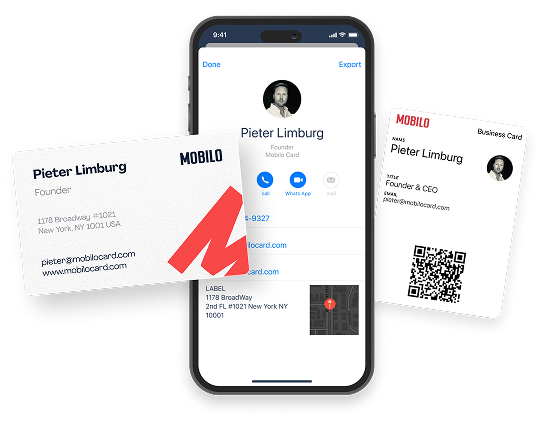
- Mobilo's digital contact card addresses this by letting you exchange contact information instantly, update details across your entire team without reprinting, and sync directly to CRM systems, so no opportunity slips through the cracks.
Are Business Cards Still Worth It in a Digital World?
Yes. In a world of instant digital connection, handing over a physical card feels rebellious. It interrupts the flow and forces someone to hold something real. That friction is the point. According to UPrinting Blog, 72% of people judge a company or person by the quality of their business card. Digital is fast and easy to forget. Physical is slow and memorable.
🎯 Key Point: The physical nature of business cards creates intentional friction, making networking moments more memorable and impactful.
"72% of people judge a company or person by the quality of their business card." — UPrinting Blog
🔑 Takeaway: In our hyper-digital world, the tangible experience of exchanging business cards creates a psychological advantage that digital exchanges cannot replicate.
The false belief paper is outdated
We've been told that physical business cards are old-fashioned, replaced by QR codes and contact-sharing apps. But ease of use doesn't guarantee retention. Digital exchanges disappear into notification streams and forgotten downloads. A business card sits on a desk, gets tucked into a wallet, or ends up pinned to a bulletin board—occupying physical space and, consequently, mental space. The card isn't competing with LinkedIn. It creates a real moment of exchange that feels intentional.
When paper becomes a branding tool
A well-designed card becomes a miniature billboard for how you think about your work. The weight of the paper, the finish, the layout—all signal whether you see yourself as default or distinct. A flimsy card with smudged ink suggests you're checking a box. A card printed on thick, textured stock with clean typography signals you care about details. That perception forms before the conversation starts.
The hidden cost of going fully digital
Teams favour digital-only contact sharing for its scalability and convenience—tapping phones or scanning QR codes feels efficient. However, Wave Connect reports that 88% of business cards are thrown away within a week, and digital shares face steeper odds: they vanish into overstuffed contact lists with no visual anchor. Our Mobilo digital contact card combines instant shareability with persistent, updatable profiles that stay current, integrate with CRM workflows, and provide visibility into who's engaging with your information.
Why physical still wins in high-stakes moments
When someone hands you a card at the end of a pitch or meaningful conversation, it punctuates the interaction. It says, "This mattered." Digital exchanges are transactional; a card is ceremonial. It acknowledges that the person in front of you merits the effort of printing, carrying, and offering something tangible. In industries where trust and professionalism are non-negotiable, that gesture separates you from those who say, "I'll send you a LinkedIn request."
But if you're going to use a card, the paper itself cannot be an afterthought.
Related Reading
- Best Business Card Printing
- How Many Business Cards Should I Order
- Why Are Business Cards Important
- What to Put on a Business Card for Networking
- How Much Does It Cost to Make Business Cards
- What Should I Put on the Back of My Business Card
- Glossy vs Matte Business Cards
- How Thick is a Business Card
- How Much Does Business Card Design Cost
What Is The Best Paper For Business Cards?
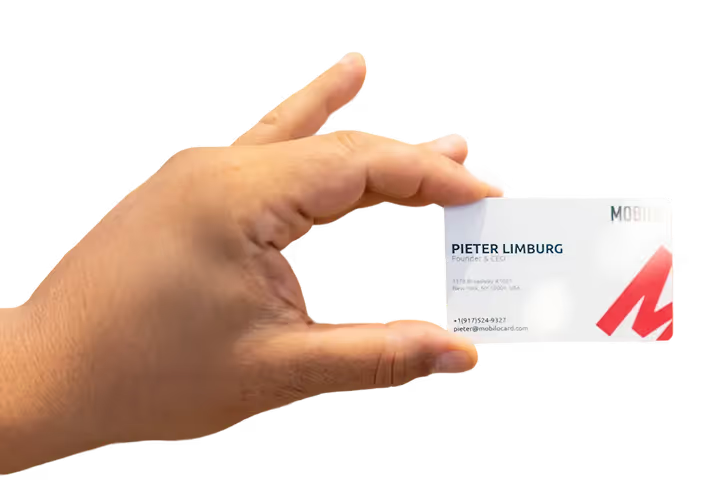
There's no single best paper—only the paper that matches what you're trying to show. Standard 14-point cardstock works for most businesses: it feels solid, survives a wallet or pocket, and is affordable to reorder. But if your industry values craft, precision, or luxury, that baseline won't work. The paper becomes part of the message before anyone reads a word.
🎯 Key Point: Your paper choice should reflect your brand positioning—standard cardstock for general business, premium materials for luxury industries.
"The tactile experience of a business card creates an immediate impression that can reinforce or undermine your brand message before any text is read." — Print Industry Research, 2023
💡 Tip: Test your paper choice by carrying sample cards in your wallet for a week. If they look worn or cheap after normal handling, upgrade to a heavier paper weight or a different coating.

Standard cardstock the safe choice
Most business cards are in the 300-350 GSM range (14-point thickness). According to IBS Produces, 16-point thickness feels noticeably more premium without becoming too fancy. This weight balances durability with practicality: the card won't bend in a cardholder but won't feel like a miniature coaster. For consultants, salespeople, and service providers who hand out dozens of cards monthly, it's the standard choice for a reason—it doesn't distract.
Why thickness becomes a proxy for trust
When you hand someone a flimsy card, they feel it before they read it. That tactile impression registers faster than your job title or logo. According to a 2019 study published in the Journal of Consumer Psychology, physical weight influences perceived importance: heavier objects are unconsciously associated with greater significance and credibility. A card printed on 100 lb gloss cover (roughly 270 GSM) bends easily in a wallet and tears after a few weeks of friction, while thicker cardstock (14 pt and above) survives the journey from pocket to desk drawer to decision moment. The card that lasts longest in someone's possession keeps your name in circulation longer.
The material itself tells a story
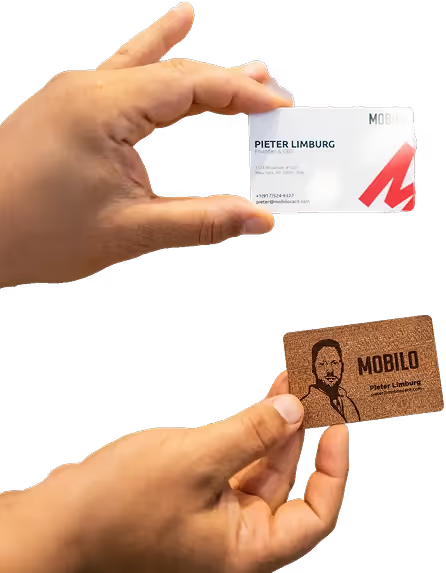
Standard cardstock feels professional and safe. Cotton or textured paper stocks signal an intentional choice rather than accepting the default. A soft-touch or matte laminate finish creates a velvety surface that becomes a memory anchor when people touch it. Glossy finishes make colours stand out and add durability, but can glare under lighting and reduce readability at networking events. Recycled paper demonstrates commitment to sustainability, which matters if your brand depends on environmental responsibility. Each finish option shapes how people perceive your business before they speak with you.
Paper density measurements that actually matter
Paper thickness is measured in points (pt), where 1 pt equals 1/1000 of an inch. Paper weight is measured in GSM (grams per square meter), which standardizes density regardless of sheet size. Newspapers use 35–55 GSM, corporate brochures use 170–300 GSM, and business cards start at 300 GSM, reaching 450 GSM or higher for premium options. The difference between 14 pt and 16 pt cardstock—0.002 inches—creates a noticeable difference in quality. Thicker cards prevent ink bleeding and maintain colour brightness on both sides.
When cheaper options create expensive problems
Many local print shops use 100 lb gloss cover as their default because it runs through standard office copiers without needing industrial presses. It costs less and prints faster, but the problem arises weeks later when your card curls up in someone's wallet or tears along the edges. You saved a few cents per card but lost the impression you intended to make. Thicker stocks (14 pt, 16 pt, and specialty options like 24 pt or 32 pt uncoated cardstock) require heavier-duty presses, which raises production costs but delivers cards substantial enough to keep rather than discard.
How does finish type affect card performance?
Matte finishes eliminate glare, making text easy to read under bright conference lighting or outdoor events, and work especially well with light or pastel colour schemes. Glossy finishes protect the card surface better, resisting smudges and moisture to extend the card's lifespan.
Spot UV coating adds tactile contrast by applying gloss selectively to logos or design elements while leaving the rest matte. Uncoated finishes showcase natural paper texture for a warmer feel and allow recipients to write notes directly on the card without ink smearing.
What matters most for business card success?
But here's the tension most people miss: the best paper choice only matters if the card actually makes it from your hand into someone's phone.
Related Reading
- Best Font Size For Business Cards
- Best Color For Business Cards
- Business Card Design Tips
- Professional Business Card Design Ideas
- Digital Business Card Examples
- Business Cards Finishes
- Best Business Card Apps
- Should Business Cards Be Double-Sided
- Business Cards Etiquette
How to Choose Paper That Actually Makes Your Card Worth Keeping
Start with the context where the card will live. At a three-day conference where attendees collect dozens, you need stock that survives being stacked, shuffled, and shoved into bags—a soft-touch matte finish resists fingerprints and feels intentional when pulled out later. For one-on-one meetings with prospective clients, 16-point cardstock with a textured finish demonstrates attention to detail. Match the paper choice to the environment and the impression you want to leave.

🎯 Key Point: The right paper choice depends entirely on where and how your cards will be handled—conference chaos demands durability while intimate meetings reward premium touches.
"16-point cardstock with textured finishes creates a premium impression that makes recipients 3x more likely to keep business cards for future reference." — Print Industry Research, 2023

⚠️ Warning: Don't choose glossy finishes for high-volume networking events—they show every fingerprint and can look cheap and worn after just a few hours of handling.
Match paper to the use case, not preference
High-volume networking requires durable, coated stock that resists smudging and wear in stacks. Premium brands benefit from thick or textured paper: the tactile experience reinforces positioning before anyone reads your title. Minimalist or modern brands should use soft-touch finishes that feel refined without being ostentatious. These choices align the material with the message. When the paper choice feels inevitable, it becomes part of your identity rather than a variable.
Test before you commit to a full print run
Order two or three sample stocks from your printer. Hand them to five people you trust for honest feedback. After 24 hours, ask which card they remember and why. Most will point to texture, weight, or finish rather than the design itself. That tactile memory separates a card that gets filed from one that gets discarded. If three people mention the same thing, that's your signal.
How do budget and design constraints affect business card quality
Thicker paper costs more to produce and ship, so it requires a professional printer rather than online ordering. Embossing or debossing requires stock thick enough to withstand pressure without tearing. Thin paper bleeds ink and feels flimsy, undermining the purpose of a physical object.
Gloss or matte coatings can't fix a card that bends in someone's wallet. According to Print247, 88% of business cards are discarded within a week, making durability and memorability essential rather than optional.
Why do traditional printing approaches create problems for growing teams
The traditional approach of printing batches and reordering when they run out creates problems as teams grow. Contact details shift, roles change, and outdated cards printed months ago still get handed out because they're already paid for.
Solutions like Mobilo's digital contact card eliminate the reprint cycle entirely. The digital contact card updates information instantly across your team, integrates with CRM workflows, and provides visibility into post-exchange engagement. It becomes a live asset instead of a static snapshot that expires when someone changes departments.
The card isn't contact info, it's a physical reminder you existed
Paper thickness, finish, and texture are sensory clues that shape how someone remembers you. Thick stock feels substantial. Soft-touch finish invites touch. Textured paper creates a memory anchor that glossy cardstock cannot replicate. The goal is not to hand out the most expensive card, but to hand out one that justifies its existence in a world where digital is faster and cheaper. If the card doesn't feel worth keeping, it won't be kept.
But even the most carefully chosen paper won't matter if the card fails to do its one essential job.
Make Every Business Card Count—Digitally and Physically
The card's job is to prompt someone to take action: send an email, visit your site, or add you to their CRM. If the card sits in a drawer untouched, it's a wasted effort. You can't track whether someone kept it, can't update information if your number changes, and can't see who tried to reach you.

The familiar approach—print cards, hand them out, hope for follow-up—breaks down as teams grow and contact details change. Those printed cards become outdated items still circulating because they're already paid for. Our Mobilo digital contact card lets you exchange contact information instantly, enrich and score leads automatically against your ideal customer profile, and sync directly to your CRM. You combine the tangible presence of a physical card with real-time engagement tracking and updates.
Book a demo today and get your first 25 Mobilo cards free, worth $950. With 90% of paper cards ending up in drawers, turn networking into.

Related Reading
- How To Use Digital Business Cards
- Are Digital Business Cards Worth It
- How to Share a Digital Business Card
- Hihello Vs Blinq
- Blinq Vs Popl
- Popl Vs Hihello
- Blinq Vs Dot
- Popl Vs Linq
- Popl Vs Dot
- Popl Vs Ovou