.avif)

Side by Side Popl vs Hihello Guide for Digital Networking
On This Page
Fumbling for crumpled business cards at networking events has become a thing of the past thanks to digital business cards. Two popular platforms, Popl and HiHello, offer solutions for instant contact sharing, but they differ significantly in features, pricing, and user experience. Understanding these differences helps professionals choose the right tool to build meaningful connections and convert brief encounters into lasting business relationships.
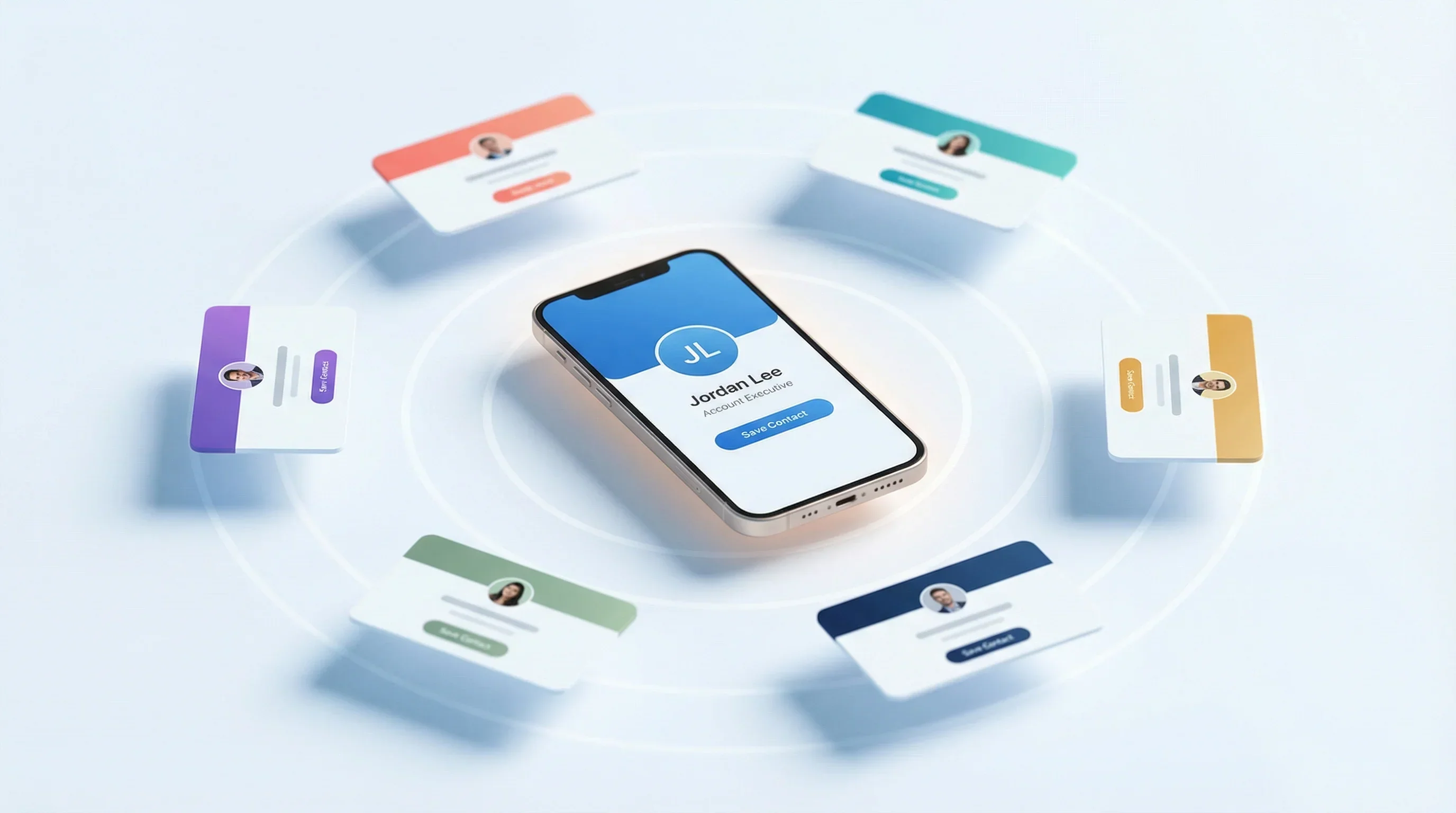
Both platforms solve the basic problem of contact exchange, yet each takes a different approach to digital networking. Popl focuses on simplicity with NFC-enabled devices, while HiHello emphasizes comprehensive contact management and team features. For those seeking an alternative that combines instant sharing with detailed engagement analytics, Mobilo's digital contact card provides insights into who views your profile and when to follow up effectively.
Table of Contents
- Are All Digital Business Cards the Same?
- Popl vs Hihello: Which Digital Business Card Is Right for You?
- How to Choose and Get Started with the Right Digital Business Card
- Stop Losing Leads. Try the Digital Business Card That Fits Your Team — Free Starter Pack!
Summary
- Digital business cards vary widely in technology and business impact, with some relying on manual QR code scanning while others use NFC for instant tap-to-share contact exchange. QR code solutions require recipients to open their camera app, align the code, wait for recognition, and tap a notification before accessing your profile, while NFC-enabled cards transfer information with a single tap. According to UPrinting Blog, 88% of business cards are thrown away within a week, which suggests that contact retention depends heavily on immediate digital capture and platforms that eliminate friction during the exchange process.
- Advanced digital business card platforms treat every contact exchange as a lead capture event rather than just creating an electronic Rolodex entry. Sophisticated platforms embed custom intake forms that qualify prospects during the handshake, trigger automated follow-up sequences based on recipient behavior, and sync contact data directly into Salesforce, HubSpot, or Microsoft Dynamics without manual CSV exports. When a prospect views your profile, watches your demo video, or downloads your pricing sheet, that engagement data flows into your CRM, including timestamps and interaction scores, so sales teams can prioritize follow-ups based on demonstrated interest.
- Visual presentation and brand customization signal professionalism before a single word gets exchanged in networking situations. According to UPrinting Blog, 72% of people still judge a company by the quality of its business cards, and this extends to digital representations. A generic card template with default fonts and stock backgrounds suggests you grabbed the first free tool available, while a branded landing page with custom photography, cohesive typography, and interactive portfolio elements demonstrates investment in how people experience your professional identity.
- Contact capture volume tells you nothing about pipeline quality without tracking follow-up conversion metrics. A sales team that collects 500 contacts at a trade show but converts zero into qualified opportunities wasted their booth investment, regardless of how many digital cards they distributed. According to QRCodeChimp, digital business cards can increase contact retention by up to 10 times compared to paper cards, but retention only creates value when it feeds systematic follow-up and platforms that automatically sync contact data into CRMs with engagement timestamps.
- Most teams evaluate digital business cards by counting integrations or comparing price tiers, but platforms that look identical on feature comparison spreadsheets produce wildly different outcomes when measured against actual business goals. Free trials reveal whether a platform's promised automation actually saves time or just shifts manual work from one system to another, and usability issues like slow loading on older phones or requiring app downloads only surface during real-world testing rather than demo presentations.
- Mobilo's digital contact card addresses this by combining NFC instant sharing with behavioral analytics and automated CRM workflows that show exactly who engaged, when, and with what content.
Are All Digital Business Cards the Same?
No. Digital business cards differ significantly in technology, functionality, and business results. Some use QR codes that require manual scanning, while others use NFC to enable instant contact sharing by tapping. Some display basic contact details on a simple page, while others offer interactive media galleries, lead capture forms, real-time analytics, and built-in CRM integrations. The difference between a basic digital profile and a full networking platform can determine whether you collect contacts or convert them into revenue.

🎯 Key Point: The technology behind your digital business card directly impacts your networking effectiveness and conversion rates.
"The difference between a simple digital profile and a full networking platform can mean the difference between collecting contacts and turning them into real revenue."

- Technology
- Basic digital cards: QR codes only
- Advanced digital cards: NFC + QR codes
- Sharing Method
- Basic digital cards: Manual scanning
- Advanced digital cards: Instant tap sharing
- Content
- Basic digital cards: Basic contact info
- Advanced digital cards: Interactive media galleries
- Lead Capture
- Basic digital cards: None
- Advanced digital cards: Built-in forms
- Analytics
- Basic digital cards: Limited or none
- Advanced digital cards: Real-time tracking
- CRM Integration
- Basic digital cards: Not available
- Advanced digital cards: Built-in connections
💡 Tip: Choose a digital business card platform that offers both NFC technology and advanced analytics to maximize your networking ROI and track which connections convert to actual business opportunities.

How does sharing technology affect contact exchange speed?
The sharing method determines how quickly contacts move from introduction to your pipeline. QR codes require recipients to open their camera app, align the code, wait for recognition, and tap a notification to access your profile. NFC-enabled cards transfer information with a single tap, eliminating four friction points that hinder contactless exchange at crowded events. When someone juggles a drink, name badge, and phone simultaneously, those seconds matter.
Why do most business cards fail to create lasting connections?
According to UPrinting Blog, 88% of business cards get discarded within a week. Physical cards end up buried in pockets or left on conference tables, while digital cards require multiple steps to save face, similar to abandonment rates. The platform that makes saving contact information effortless wins the retention battle.
What separates basic digital cards from advanced business tools?
Basic digital business cards display your name, job title, phone number, and email on a mobile-friendly webpage. Advanced platforms like Mobilo treat each contact exchange as a lead capture event, using custom intake forms to qualify prospects during the handshake, triggering automated follow-up sequences based on recipient behavior, and syncing contact data directly into Salesforce, HubSpot, or Microsoft Dynamics without manual CSV exports.
How do sophisticated platforms transform networking into measurable lead generation?
Simple cards create a contact record. Advanced platforms create a workflow. When a prospect views your profile, watches your demo video, or downloads your pricing sheet, that engagement data flows into your CRM with timestamps and interaction scores.
Sales teams can prioritize follow-ups based on demonstrated interest rather than guessing who seemed most engaged during a 90-second conversation. Solutions like digital contact cards combine instant NFC sharing with behavioral analytics and automated CRM workflows, transforming networking into a measurable lead-generation system that reveals who engaged, when, and with what content.
How does the customization level affect professional credibility
Some digital cards offer template-based designs with limited color choices and fixed layouts, while others provide white-label customization that matches your corporate brand guidelines down to the hex code. A generic card template with default fonts and stock backgrounds signals a rushed choice.
A branded landing page with custom photography, cohesive typography, and interactive portfolio elements demonstrates investment in how people experience your professional identity.
Why does visual consistency matter for business relationships
According to UPrinting Blog, 72% of people judge a company based on the quality of its business cards, including digital versions. If your card appears hastily made or mismatches your website and email signature, people may question whether your work reflects the same lack of care.
Brand coherence across every touchpoint builds credibility. Your choice of technology, features, and customization all signal how seriously you treat professional relationships.
Related Reading
- Best Business Card Printing
- How Many Business Cards Should I Order
- What To Put On A Business Card For Networking
- Why Are Business Cards Important
- How Much Does It Cost To Make Business Cards
- What Should I Put on the Back of My Business Card
- Best Paper For Business Cards
- How Much Does Business Card Design Cost
- How Thick Is A Business Card
Popl vs Hihello: Which Digital Business Card Is Right for You?
HiHello works well for people who want to tell stories using videos and pictures and connect via email. Popl is better for teams that need CRM depth and want to capture event leads at scale. Pick HiHello if you want a polished personal branding tool, or choose Popl if you need enterprise-grade contact automation that feeds into your sales system. Your workflow determines which choice is better.

- Best For
- HiHello: Personal branding & storytelling
- Popl: Enterprise teams & lead capture
- Strengths
- HiHello: Videos, pictures, and email connection
- Popl: CRM integration, event scaling
- Target User
- HiHello: Individual professionals
- Popl: Sales teams & organizations
- Focus
- HiHello: Visual presentation
- Popl: Contact automation
🔑 Takeaway: Your business needs and team size should drive your decision between these two platforms.

💡 Tip: Consider your primary use case - choose HiHello for visual storytelling or Popl for systematic lead management.
"The way you work determines which digital business card platform delivers the best ROI for your networking efforts." — Digital Networking Analysis, 2024

What is HiHello?
HiHello is an affordable digital business card platform starting at $3 per month, targeting solo professionals and small teams. It supports video embedding directly on cards, setting it apart from competitors that only allow multimedia through external links. You can share your card via QR code, NFC tap, email signature, or branded virtual background during video calls. Email signature integration transforms your everyday emails into passive networking opportunities.
What features and integrations does HiHello offer?
HiHello includes basic CRM features with Salesforce and HubSpot connections, though these integrations lack depth for automated lead scoring or custom field mapping. The platform stores contacts captured through card shares and provides analytics on view counts and engagement patterns. Video embedding proves particularly useful for consultants, real estate agents, and creative professionals whose work benefits from visual demonstration. According to HiHello Blog, cards display properly at 800 pixels wide, ensuring consistent presentation across mobile devices.
What is Popl?
Popl built its reputation on seamless integrations and event lead capture. The platform integrates with over 5,000 applications, including every major CRM, marketing automation system, and HR platform used by enterprise sales teams.
How does Popl handle enterprise integrations?
This matters when data from networks needs to flow automatically into Salesforce opportunity records, HubSpot contact properties, or Monday.com project boards without manual CSV exports. Popl claims adoption by 93% of Fortune 500 companies, suggesting it meets procurement requirements around security, compliance, and vendor reliability.
What makes Popl's lead capture tools different?
Event lead-capture tools make Popl stand out from simpler digital card solutions. Custom intake forms qualify prospects during handshakes by collecting budget information, project timelines, or pain points before contacts enter your pipeline. These forms map directly to CRM fields, so conversation data from a trade show booth becomes structured data in your sales system within seconds.
Recipients don't need to download an app to view your card or submit responses, reducing friction that typically stops contact exchange at crowded conferences. The Pro plan starts at $7.99 monthly and includes three digital cards with lead capture forms, while Pro+ at $14.99 adds custom form builders and advanced CRM field mapping. Enterprise pricing requires direct sales conversations.
How does HiHello's video embedding enhance digital networking?
HiHello's video embedding transforms digital cards into tools that make strong first impressions. A 30-second introduction video conveys your personality, communication style, and expertise faster than written bios. Real estate agents can showcase property walkthroughs, consultants can explain their approach, and speakers can share highlights of their presentations.
The virtual background feature displays your card information and call-to-action during video meetings, maintaining brand consistency. According to HiHello Blog, using the correct card dimensions of 600 pixels height ensures your card functions properly on mobile devices without horizontal scrolling.
How does Popl's CRM integration drive revenue operations?
Popl's integration depth connects networking directly to revenue operations. Native connections with Salesforce, HubSpot, Zoho, and Microsoft Dynamics sync contact data, interaction timestamps, and custom fields without middleware or manual imports.
When prospects view your card, download materials, or watch demos, that engagement data appears in your CRM with attribution linking networking to pipeline value. Sales leaders can track which team members generate the highest-quality leads, which conversations convert to opportunities, and which follow-ups produce meetings.
Solutions like digital contact card combine NFC-based instant sharing with behavioral analytics and automated workflows, turning every handshake into a measurable pipeline contribution rather than leaving contact records untouched.
Feature comparison: HiHello vs Popl
- Free plan
- HiHello: ✓
- Popl: ✓
- NFC support
- HiHello: ✓
- Popl: ✓
- QR code sharing
- HiHello: ✓
- Popl: ✓
- Custom branding
- HiHello: ✓
- Popl: Limited
- Expiring links
- HiHello: ✗
- Popl: ✗
- Personalized card URL
- HiHello: ✗
- Popl: ✗
- Analytics
- HiHello: ✓
- Popl: ✓
- Team features
- HiHello: ✓
- Popl: ✓
- CRM integrations
- HiHello: ✓
- Popl: ✓
- Wallet passes
- HiHello: Apple & Google
- Popl: Apple & Google
- Lead capture
- HiHello: ✓
- Popl: ✓
- Physical cards
- HiHello: ✗
- Popl: Yes (sold separately)
How does HiHello's pricing structure work?
HiHello's clear pricing starts at free for basic cards with limited customization, $3 per month for enhanced features, and $6 per month for full branding and analytics. The Professional plan suits most individual users seeking customizable cards without enterprise complexity. Business and Enterprise tiers don't display pricing; instead, they provide custom quotes based on team size and feature requirements.
What value does Popl's premium pricing offer?
Popl's Pro and Pro+ plans cost more than HiHello equivalents but justify the premium for teams measuring networking return on investment. The $7.99 Pro plan delivers three cards and basic lead capture, while the $14.99 Pro+ adds custom forms and detailed CRM mappings that convert contact exchange into structured data collection.
Teams and Enterprise pricing require sales conversations that scale with user count and integration complexity. The cost makes sense when automated CRM sync saves hours of manual data entry weekly or when event lead capture directly feeds sales pipelines, but not for casual networkers who rarely attend conferences and don't track contact-to-opportunity conversion rates.
Where do HiHello's limitations impact users?
HiHello lacks privacy controls such as expiring links or view-limited cards, meaning you cannot revoke access or track information forwarding. The platform also prevents personalized card handles (like yourname.hihello.com) and offers only generic URLs, which weaken your personal brand.
Advanced features cost extra and are available only on higher-tier plans. Business and Enterprise pricing lacks clarity, making it difficult for teams to plan budgets and calculate total costs. These limitations affect large companies managing hundreds of cards across departments more than individual professionals.
What challenges does Popl present for professionals?
Popl's card designs feel useful rather than visually interesting, which undermines the professional impression digital cards should make. The platform lacks privacy features such as expiring links and view restrictions across all plan levels, and it doesn't offer personalized card handles.
Pro/Pro+ pricing is high compared to other options with similar core features. For users who don't need 5,000 integrations or custom lead capture forms, Popl's pricing is difficult to justify.
Understanding which workflows you're trying to improve and what business results you're measuring determines which platform matters most.
Related Reading
- Should Business Cards Be Double-Sided
- Business Cards Etiquette
- Business Cards Finishes
- Best Font Size For Business Cards
- Professional Business Card Design Ideas
- Best Business Card Apps
- Digital Business Card Examples
- Business Card Design Tips
How to Choose and Get Started with the Right Digital Business Card
Define your success metrics before comparing features. Platforms that look identical on feature comparison spreadsheets produce wildly different outcomes when measured against actual business goals. Start by deciding what you're optimizing for: contact volume, follow-up conversion rates, CRM data quality, team adoption speed, or event ROI. The right platform emerges only after you clarify which metric moves your specific revenue needle.
🎯 Key Point: Your success metrics should drive platform selection, not feature checklists. A platform with fewer features but better alignment with your goals will outperform a feature-rich solution that doesn't align with your priorities.
💡 Pro Tip: Test your chosen platform with a small pilot group first. Measure actual performance against your defined metrics before rolling out company-wide.
"85% of digital business card implementations fail to meet ROI expectations because companies choose based on features rather than strategic alignment to business outcomes." — Digital Marketing Institute, 2024

Why doesn't contact volume predict sales success?
Contact capture volume tells you nothing about pipeline quality. A sales team that collects 500 contacts at a trade show but converts zero of them into qualified opportunities has wasted their booth investment. Track follow-up completion rates instead: What percentage of captured contacts receive outreach within 48 hours? How many progress to discovery calls within two weeks? These conversion metrics reveal whether your digital card serves as lead-generation infrastructure or merely accumulates names without generating revenue.
How do you transform networking into measurable lead generation?
According to QRCodeChimp, digital business cards can increase contact retention by up to 10 times compared to paper cards. Retention creates value only through systematic follow-up. Platforms that automatically sync contact data into your CRM, including engagement timestamps, enable you to prioritize outreach based on demonstrated interest.
Solutions like digital contact card combine instant NFC sharing with behavioral analytics and automated CRM workflows, converting networking into measurable lead generation that tracks who engaged, when, and with what content. Team adoption matters equally: if half your sales team continues carrying paper cards because the digital platform feels clunky, you've created a fragmented contact database that undermines the entire investment.
How can you validate platform fit before committing?
Most platforms offer free trials or freemium tiers to test the workflow before committing to a financial commitment. Sign up for both tools, create cards with real content, and share them in actual networking situations for at least two weeks.
Pay attention to where people struggle: Do they save your contact information? Does the card load slowly on older phones? Can they access your profile without downloading an app? These usability issues emerge only during real-world testing, not demo presentations.
What should you monitor during the trial period?
Keep track of your own behavior during the trial period. How often do you check analytics? Do the CRM integrations sync data automatically? Does creating a new card for a team member take two minutes or twenty?
The platform that feels easy to use in daily work wins over one with more features you rarely use, even if the interface is difficult to navigate. Free trials reveal whether promised automation actually saves time or simply shifts manual work between systems.
How do you choose the right pilot scenario for digital cards?
Use digital cards for a single team or event before rolling them out company-wide. Pick a high-stakes situation where success or failure becomes clear quickly, such as your next major conference, a new sales territory launch, or a partnership team that meets with prospects regularly.
Set clear before-and-after metrics: average time from introduction to CRM entry, percentage of contacts receiving follow-up within 48 hours, or number of qualified leads generated per networking hour invested. Run the pilot for 30 to 60 days, gather feedback from actual users and managers, and measure whether the platform delivered your defined outcomes.
What makes a pilot successful enough to scale?
Scaling works only when the pilot proves the platform solves a real problem rather than digitizing an existing process. If your team manually enters contact details into the CRM after exchanging digital cards, the platform has failed its core purpose. If follow-up rates don't improve, the bottleneck exists elsewhere in your workflow.
Successful pilots produce clear evidence that the platform saved measurable time, increased conversion rates, or improved data quality enough to justify broader deployment. But choosing the right platform matters only if your team uses it consistently, which depends on factors most comparison articles overlook.
Stop Losing Leads. Try the Digital Business Card That Fits Your Team — Free Starter Pack!
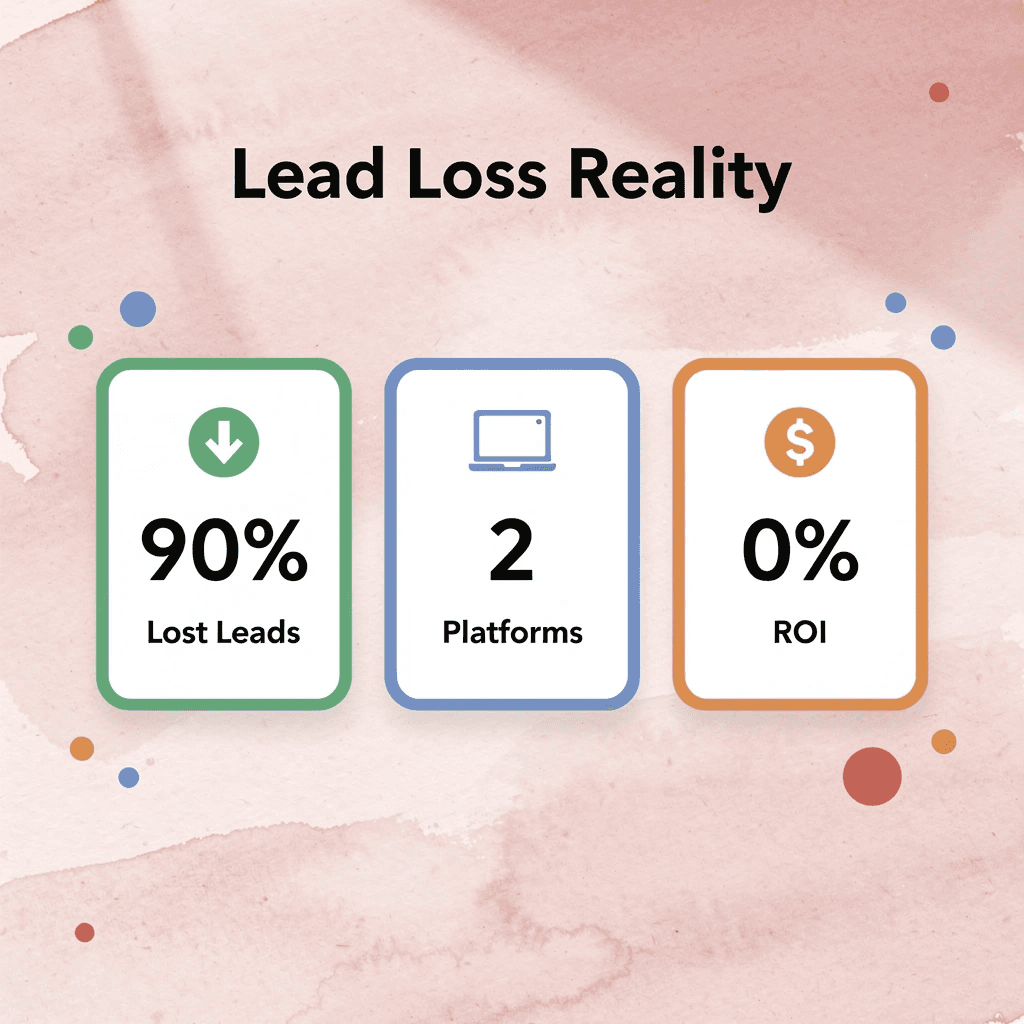
Comparing Popl and HiHello reveals a critical gap: most digital business cards collect contacts but fail to convert them into sales opportunities. Both platforms lack robust features for enriching lead data, tracking interactions with your content, and enabling automated follow-up that transforms networking into revenue. Your choice matters less than whether your selected tool bridges the handshake to the closed deal.

🎯 Key Point: Neither platform was built to solve the complete problem of turning every introduction into a qualified opportunity with measurable return on investment. Teams that treat digital cards as contact collectors rather than lead generation tools continue losing 90% of their event connections to slow follow-up, incomplete data, and manual workflows that break when you have too much volume. The gap between exchanging information and creating business value stays wide when platforms don't have smart lead enrichment and automatic CRM syncing that prioritizes prospects based on engagement signals.
"Teams continue losing 90% of their event connections to slow follow-up, incomplete data, and manual workflows that break when you have too much volume." — G2 Lead Generation Statistics
Mobilo closes that gap by combining NFC instant sharing with automated lead capture and behavioral analytics that show exactly who engaged, when, and with what content. Every tap triggers workflows that add more information to contact records, sync data directly into your CRM with custom field mapping, and queue follow-ups based on demonstrated interest. Book a demo today and get your first 25 Mobilo business cards free (worth $950), so your team can test the platform at your next conference and measure conversion rates against your current process. Continuing to lose qualified leads because your digital card can't tell you who watched your demo video or downloaded your pricing sheet costs everything.
⚠️ Warning: The free starter pack removes risk while giving your team enough cards to run a legitimate pilot at scale. Turn your next event into measurable opportunity generation, rather than another stack of contacts that sit untouched in a spreadsheet.
🔑 Takeaway: Digital business cards that only collect contact information miss 90% of their potential value — the real ROI comes from automated lead enrichment and behavioral tracking that turns every networking interaction into a qualified sales opportunity.
Related Reading
- How To Use Digital Business Cards
- Are Digital Business Cards Worth It
- How to Share a Digital Business Card
- Hihello Vs Blinq
- Blinq Vs Popl
- Blinq Vs Dot
- Popl Vs Linq
- Popl Vs Dot
- Popl Vs Ovou