.avif)


Popl vs Linq Comparison Guide for Modern Digital Networking
On This Page
Standing at networking events with pockets full of paper business cards that rarely get sorted through is a common frustration for professionals. The choice between digital networking tools like Popl and Linq directly determines whether fleeting conversations become paying customers or end up in an overflowing inbox. Selecting the right platform helps capture more leads, streamline follow-ups, and transform every interaction into real business opportunities.
Digital business card platforms vary significantly in their ability to turn connections into revenue. The most effective solutions go beyond basic contact sharing to provide tracking, follow-up reminders, and relationship-nurturing tools. Professionals seeking a comprehensive networking solution should explore Mobilo's digital contact card for features that transform every shared contact into potential business growth.
Table of Contents
- The Problem with Sharing Digital Business Cards Today
- What Makes Popl and Linq Top Contenders for Digital Networking?
- Popl vs Linq: Which Digital Business Card Is Right for You?
- Decide Smarter: Try Mobilo and See Why It Outperforms Popl & Linq
Summary
Key Takeaways
- Physical business cards fail because 88% get thrown away within a week, and the ones that survive require manual data entry that most people never complete. The friction between meeting someone and getting their information into your system means most connections never convert into tracked, actionable relationships.
- Contact sharing without context turns follow-up into guesswork. When you have a name and phone number but can't remember whether someone was interested in your Q3 launch or looking for partnership opportunities, you either send a generic message that signals you forgot them or delay until the relationship goes cold.
- Consumer-grade digital business card platforms solve the initial contact capture problem but create new gaps in enterprise deployment. Neither Popl nor Linq provides detailed documentation on SOC 2 Type II certification, GDPR compliance frameworks, or role-based access controls that meet IT department standards for organizations handling sensitive client data.
- Shallow CRM integrations force teams to manage two separate systems. Platforms that only push contact data into Salesforce or HubSpot without triggering automated workflows based on interaction type create manual handoffs where contacts get lost between initial capture and pipeline entry.
- Popl prioritizes speed through instant onboarding and tap-to-share hardware, but suffers from frequent app crashes during high-volume events. Linq offers stronger brand consistency through expanded card customization options, but restricts profile color customization entirely, making the digital presence look generic despite the physical card variety.
- Paper business card production uses approximately 24,000 gallons of water per tonne, and most cards end up discarded within days. The environmental cost mirrors the opportunity cost of networking tools that don't convert contact sharing into managed relationships with automated follow-up and analytics tracking.
- Mobilo's digital contact card addresses this by embedding CRM automation directly into the contact sharing flow, so every interaction triggers the right workflow without requiring manual transfers between systems.
The Problem with Sharing Digital Business Cards Today
You meet someone at a conference. The conversation goes well. You exchange contact details, promise to follow up, and walk away feeling confident you've made a valuable connection. Three weeks later, you can't remember their name, their company, or why you were supposed to reach out. The contact sits in your phone without any background information, becoming less useful over time. This is a systems problem, and it's costing you opportunities you'll never know you lost.

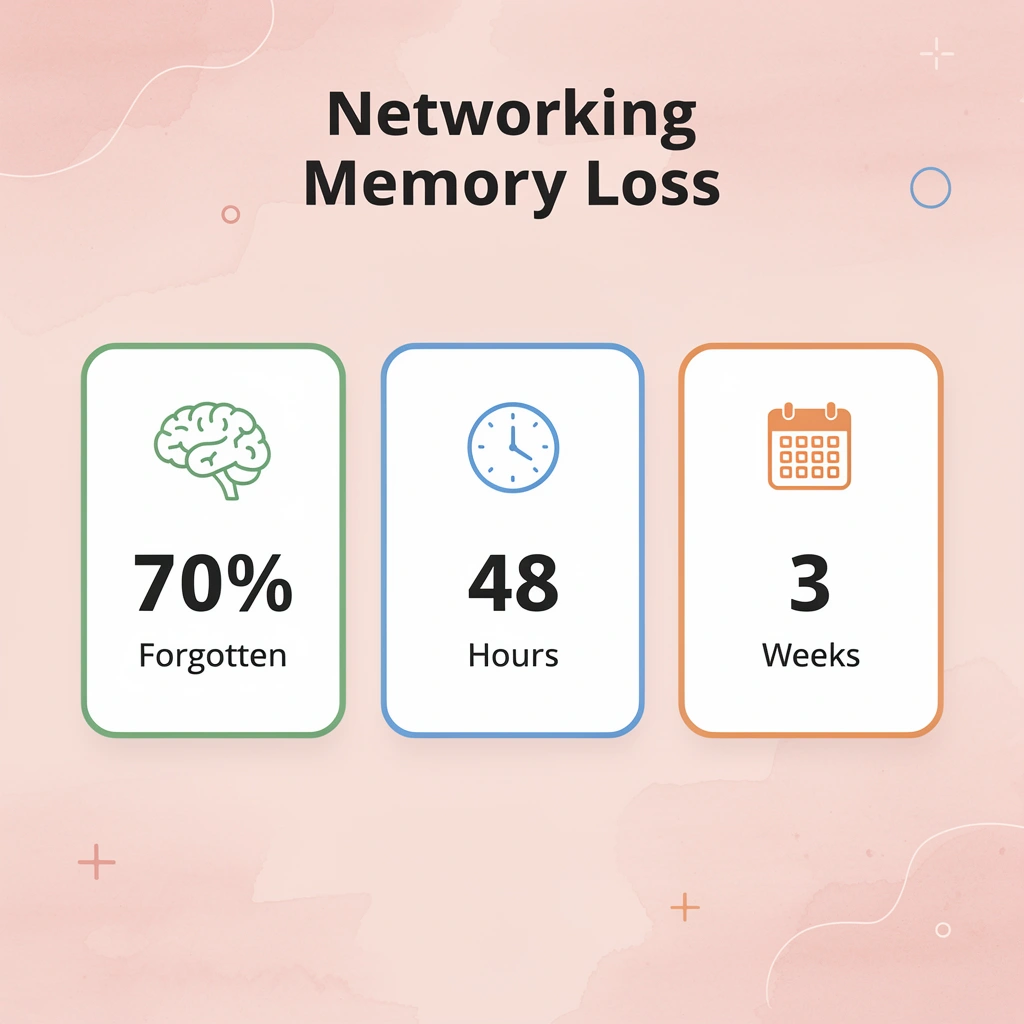
🎯 Key Point: The average professional forgets 70% of networking details within 48 hours of meeting someone new, turning valuable connections into dead-end contacts.
"Most networking failures happen not during the conversation, but in the weeks afterward when context and opportunity fade from memory." — Harvard Business Review, 2023
⚠️ Warning: Every forgotten connection represents a potential partnership, referral, or career opportunity that simply vanishes due to poor contact management systems.
Why do most business cards get discarded so quickly?
According to Digital Business Card Statistics, 88% of paper business cards get thrown away within a week. Physical cards require manual data entry, so most connections never reach your CRM, calendar, or follow-up workflow. QR codes offer a partial solution, but they require the other person to retrieve their phone, open a camera app, and scan while you both wait. Poor lighting or failed scans create awkward moments that kill the connection.
Why does follow-up become guesswork without proper systems?
Even when contact information enters your system, you've lost the context that made the conversation matter. Was this the VP interested in your Q3 launch, or the consultant seeking partnership opportunities? Without notes attached to the contact, follow-up becomes guesswork. You either send a generic message that signals you don't remember them, or delay reaching out until you reconstruct the conversation from memory. By then, the window will have closed.
Relationships require deliberate nurturing, timed reminders, and systems that surface the right person at the right moment. When your networking tool can't track interactions, tag contacts by priority, or remind you to follow up before relationships cool, you're collecting names that lose their value and become digital clutter.
How do basic solutions fail to provide visibility?
Making one ton of paper uses about 24,000 gallons of water, and most of it gets discarded within days. Teams using basic QR solutions or paper cards cannot see who's networking effectively, which connections convert to sales, or where follow-up breaks down. Without analytics, you cannot identify patterns, coach your team, or measure whether the effort produces results.
Platforms like digital contact card make contact sharing the foundation of a managed relationship. Instead of relying on someone to type in your details by hand, the platform automatically captures the interaction, adds context, and feeds it into your CRM. Follow-up reminders surface based on timing and priority, ensuring important connections don't slip away. The difference is between forgotten contacts and a pipeline that converts to sales.
But knowing the problem exists doesn't tell you which solution works for your workflow, your team's needs, or the way you network in practice.
Related Reading
- Best Business Card Printing
- How Many Business Cards Should I Order
- What To Put On A Business Card For Networking
- Why Are Business Cards Important
- How Much Does It Cost To Make Business Cards
- What Should I Put on the Back of My Business Card
- Best Paper For Business Cards
- How Much Does Business Card Design Cost
- How Thick Is A Business Card
What Makes Popl and Linq Top Contenders for Digital Networking?
Digital business card platforms like Popl and Linq make it easier to connect with someone and turn that meeting into a tracked relationship you can act on. They replace manual data entry, forgotten details, and slow follow-ups with systems built to grab contact information immediately and integrate it into your workflow. The question is whether they solve the problem in a way that fits your team's way of working.

🎯 Key Point: Both Popl and Linq eliminate the traditional friction of business card exchanges by turning every networking interaction into actionable data that flows directly into your CRM or contact management system.
"Digital networking platforms can reduce follow-up time by 75% compared to traditional business card exchanges, transforming how professionals build and maintain relationships." — Digital Marketing Institute, 2024
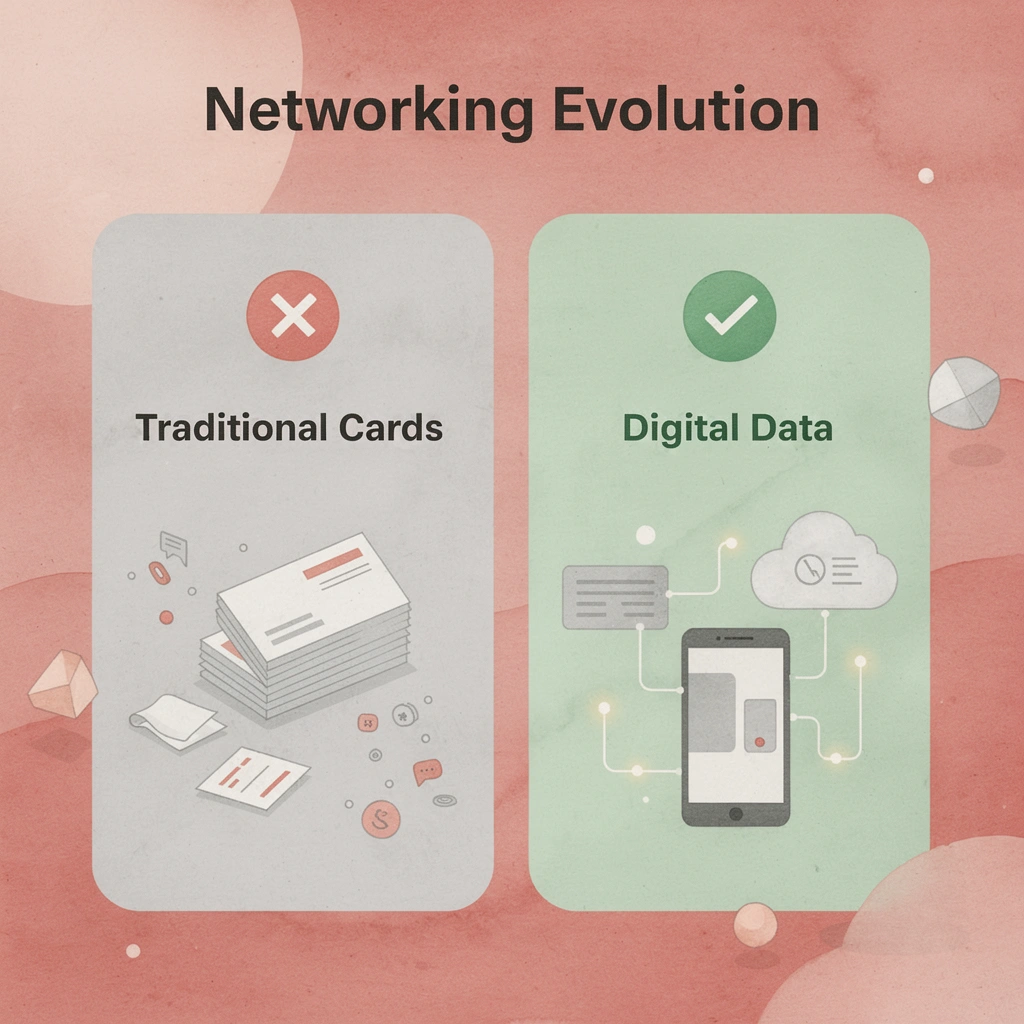
💡 Tip: The most effective digital networking tools don't just capture contact information – they integrate seamlessly with your existing sales processes and relationship management workflows to ensure no connection falls through the cracks.
What hardware options does Popl offer?
Popl focuses on hardware: physical cards (standard, lux, metal, or custom), wearables (keychains and wristbands), and event accessories (badges and displays). Each features NFC technology and a dynamic QR code for tap-or-scan sharing of your digital profile. The platform works on iOS and Android and integrates with Zapier, Pipedrive, Microsoft Dynamics 365, and Microsoft Entra ID. The goal is to turn every interaction into an instant digital handshake without requiring contacts to download an app.
How customizable are Popl's features?
You have limited choices for customizing the card itself—black or white for standard cards, three finishes for Lux, black-only for metal—but your digital profile offers extensive customization. You can add website and social links, lead capture forms, email signatures, virtual backgrounds, and automated follow-ups. The app includes a digital address book and basic analytics. However, users report frequent crashes and freezes, undermining the platform's core speed advantage.
What card customization options does Linq offer?
Linq offers similar hardware (cards, wearables, event accessories, bundles) but expands card customization with 10 color variants, a matte-black metal option with laser-engraved designs, and fully custom cards that let you control dimensions and upload design files. It integrates with HubSpot, Salesforce, Zoho, and other CRM tools supported by Popl.
How do Linq's profile design options compare to competitors?
However, Linq's profile design lacks color customization. While you can embed videos, create photo grids, add Calendly buttons, and include up to 20 social icons, your profile won't showcase your brand's visual identity as effectively as Popl's.
Which platform should you choose for team management?
Both platforms include lead capture tools, data dashboards, bulk onboarding, and admin controls. Popl prioritizes quick setup through automatic syncing from company directories or CSV imports, while Linq emphasizes branding customization for cards, pages, and products. Choose Popl for speed or Linq for greater control over your team's appearance.
What features do consumer platforms typically offer?
Both support QR codes, links, email signatures, text messages, and NFC tapping. Both offer free plans with basic features and premium tiers that unlock advanced analytics, CRM integrations, and team management.
Popl's premium plans start with a 14-day trial and scale to enterprise options. Linq offers one free plan, one premium individual plan, and a team plan. Pop-upsells features as needs grow; Linq segments users by role from the outset.
Where do security and compliance gaps emerge?
Neither platform focuses on enterprise-level security or compliance tools. You won't find SOC 2 Type II certification, GDPR compliance frameworks, or role-based access controls that meet the IT department's needs.
For small teams and individual networkers, this isn't a problem. For organizations handling sensitive client data or operating under regulatory oversight, it's the difference between a useful tool and a deployment-ready platform.
Mobilo's digital contact card builds security and compliance into its foundation rather than offering them as premium add-ons. Native CRM integrations run deeper, automated workflows eliminate manual handoffs, and admin dashboards provide visibility into team activity.
But features only matter if they match how you work.
Related Reading
- Should Business Cards Be Double-Sided
- Business Cards Etiquette
- Business Cards Finishes
- Best Font Size For Business Cards
- Professional Business Card Design Ideas
- Best Business Card Apps
- Digital Business Card Examples
- Business Card Design Tips
Popl vs Linq: Which Digital Business Card Is Right for You?
Choose Popl if you want speed and the ability to customize your profile. Choose Linq if you care more about card design options and stability. Popl lets you get started faster and gives you more flexibility with your profiles, but it has some reliability problems. Linq gives you a cleaner experience and more control over design, but it limits how much you can customize things. Neither platform works smoothly with large business systems or solves the main problem of sharing contacts in a secure way without creating extra work for administrators.
🎯 Key Point: Your choice between Popl and Linq should depend on whether you prioritize customization speed or design stability.
"Neither platform works smoothly with large business systems or solves the main problem of sharing contacts in a secure way." — Digital Business Card Analysis, 2024
- Setup speed → Popl: Fast | Linq: Slower
- Profile customization → Popl: High flexibility | Linq: Limited options
- Card design options → Popl: Basic | Linq: Advanced
- Platform stability → Popl: Reliability issues | Linq: Stable
- Enterprise integration → Popl: Poor | Linq: Poor
🔑 Takeaway: Both platforms have significant limitations for enterprise users, making them better suited for individual professionals rather than large organizations.

Feature comparison: Linq vs Popl vs Lynkle
- Free plan → Linq: No | Popl: Yes
- NFC support → Linq: Yes | Popl: Yes
- QR code sharing → Linq: Yes | Popl: Yes
- Custom branding → Linq: Yes | Popl: Limited
- Expiring links → Linq: No | Popl: No
- Personalized card URL → Linq: No | Popl: No
- Analytics → Linq: Yes | Popl: Yes
- Team features → Linq: Yes | Popl: Yes
- CRM integrations → Linq: Yes | Popl: Yes
- Wallet passes → Linq: No | Popl: Apple & Google
- Lead capture → Linq: Yes | Popl: Yes
- Physical cards → Linq: Yes (sold separately) | Popl: Yes (sold separately)
When does Popl work best for networking?
Popl works best for individuals and small teams needing instant deployment without deep CRM automation. At events where speed matters more than brand consistency, Popl's tap-to-share hardware and automated onboarding get people running in minutes. Hand someone a card; they tap it, and your profile loads without requiring an app download or QR-scanner troubleshooting in poor lighting. This simplicity matters when managing dozens of interactions in a single afternoon.
What are Popl's main limitations?
The tradeoff shows up in two places. First, app stability undermines the speed advantage: users report frequent crashes during high-volume events, causing the tool to fail when needed most. Second, Popl's analytics remain basic. You can see how many people tapped your card, but cannot track which interactions converted to meetings, which contacts engaged with follow-up content, or where networking efforts generated pipeline. For solo consultants or small sales teams without a dedicated CRM infrastructure, that's acceptable. For organizations measuring ROI on networking spend or identifying top performers, it represents a visibility gap that compounds over time.
What are LINQ's main advantages?
Linq appeals to teams that value brand consistency and need tighter control over network presentation. The platform's expanded card customization—10 color options, custom dimensions, laser-engraved metal designs—lets you match physical cards to brand guidelines in ways Popl doesn't support. If your company invests heavily in visual identity, Linq's design flexibility justifies the higher price point. The platform also delivers a better user experience and greater stability, which matters when onboarding sales teams under pressure who need reliable tools.
Where does LINQ fall short?
Where Linq disappoints is profile design: you lose color customization entirely, leaving your digital presence clean but generic. For companies where brand differentiation depends on visual storytelling (design agencies, creative consultancies, luxury service providers), that's a meaningful limitation. The platform also segments pricing by role rather than by features, which can create friction if your team includes both heavy users who need advanced analytics and occasional networkers who require basic contact sharing.
What security gaps do both platforms share?
According to Uniqode's 2025 comparison of digital business card platforms, the market has generated over 10 billion scans across competing solutions, though most platforms prioritize features over security and compliance.
Neither Popl nor Linq provides detailed information on SOC 2 Type II certification, GDPR compliance frameworks, or role-based access controls meeting IT department standards. For companies handling client data under regulatory oversight, this gap requires months of security reviews before IT approval—a critical blocker that consumer-grade solutions avoid.
Why do CRM integrations remain insufficient?
Both platforms work with major CRMs, but those connections remain basic. You can move contact data into Salesforce or HubSpot, but you cannot start automated workflows based on user interactions, assign leads by area, or display contacts at the right time in your sales process without manual intervention.
Teams manage two systems: the digital card for initial contact information and their CRM for everything after. This switch creates delays, causes mistakes, and leaves some contacts out of your pipeline. Platforms like Mobilo close that gap by embedding CRM automation into the contact-sharing process, so that every interaction automatically triggers the right workflow.
The real question is whether either platform turns networking into a system that grows without creating extra work for your team.
Related Reading
- How To Use Digital Business Cards
- Are Digital Business Cards Worth It
- How to Share a Digital Business Card
- Hihello Vs Blinq
- Blinq Vs Popl
- Popl Vs Hihello
- Blinq Vs Dot
- Popl Vs Dot
- Popl Vs Ovou
Decide Smarter, Try Mobilo and See Why It Outperforms Popl & Linq
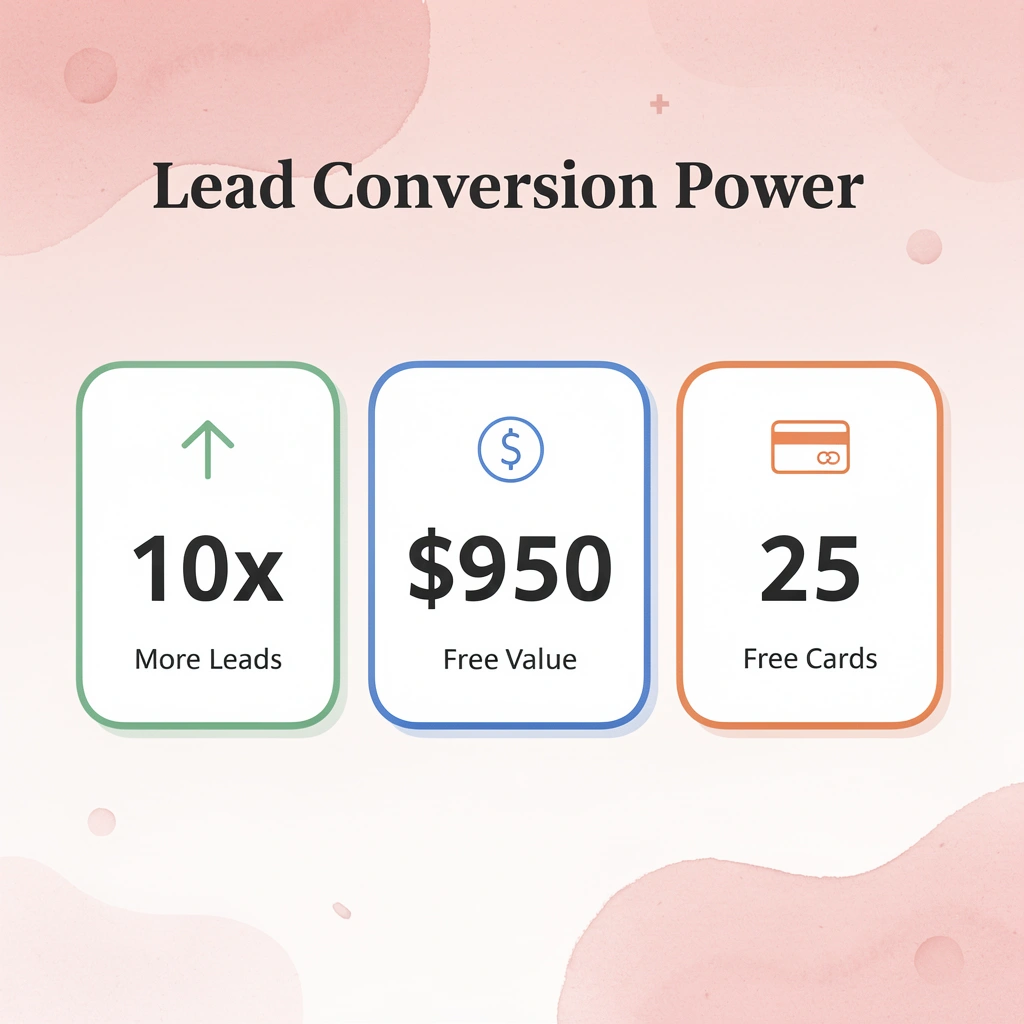
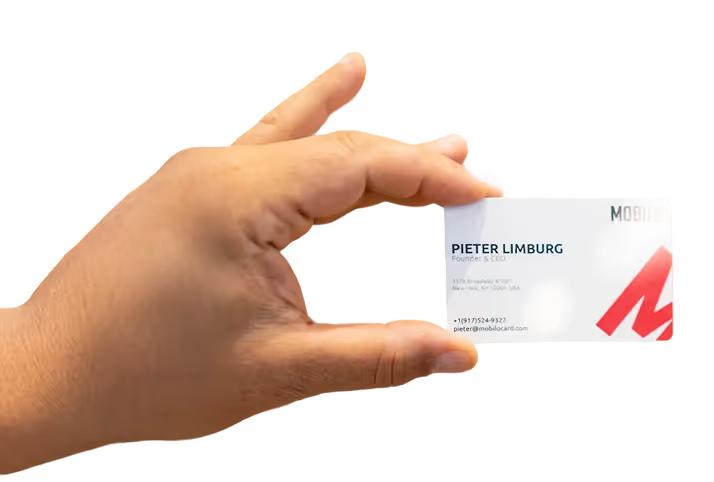
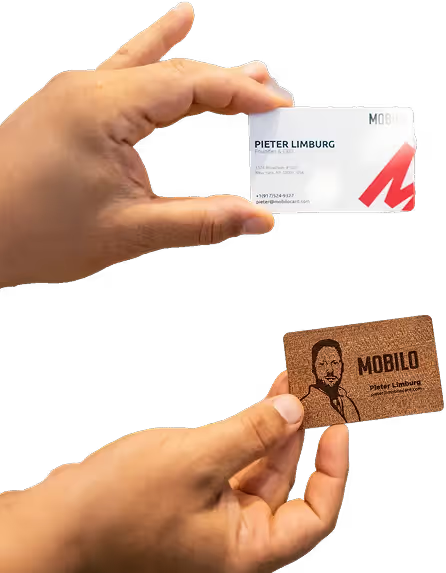
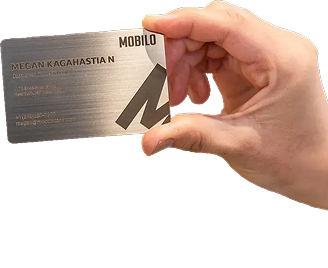
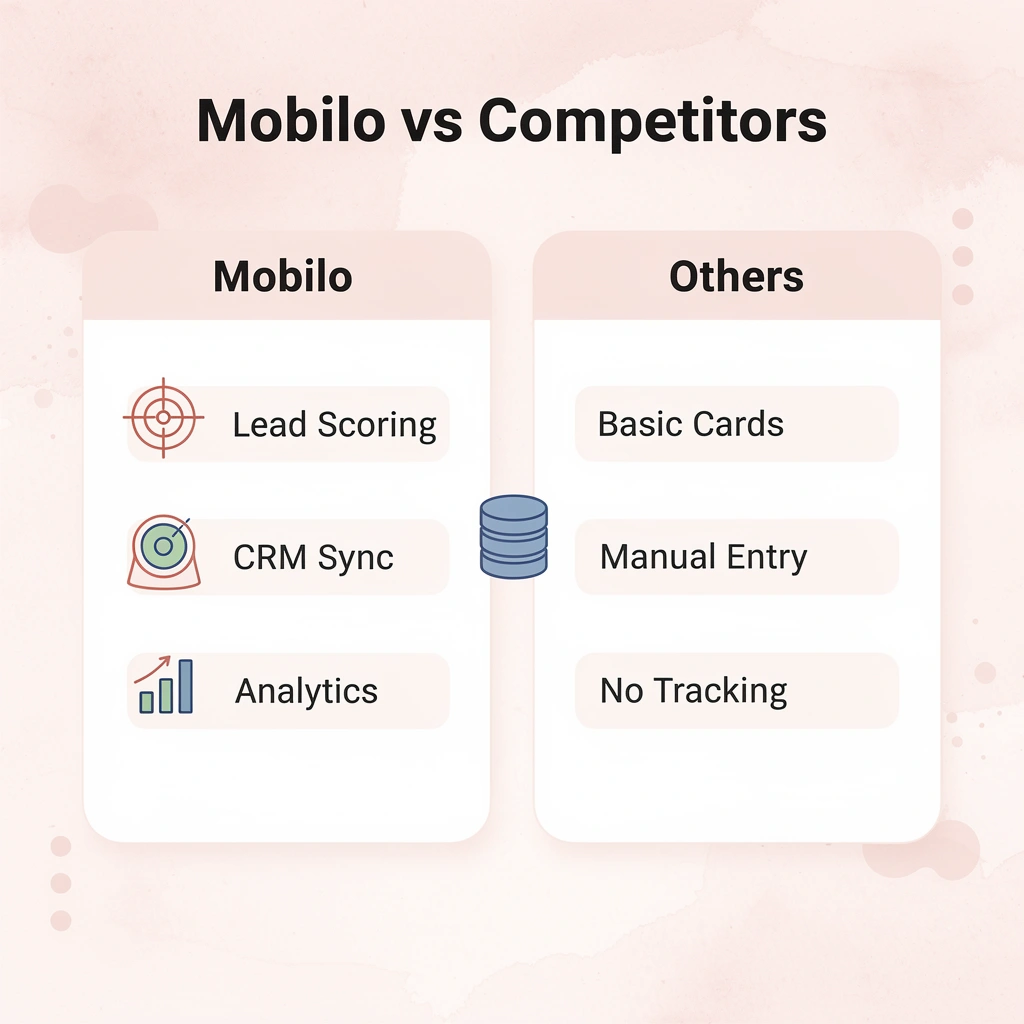
Mobilo brings everything together in one place: automatic contact exchange through NFC, enriched lead data that scores prospects against your ideal customer profile, and CRM syncing that eliminates manual data entry. You get 25 cards free (worth $950) when you book a demo, so you can test the full system with your team at real events before committing.

🎯 Key Point: Unlike Popl and Linq, Mobilo offers comprehensive lead scoring and CRM integration that turns networking into a measurable sales process.
"Digital business cards can help capture and convert 10x more leads when used as strategic sales tools with proper tracking and automation." — Wave Connect, 2024
Your next conference could capture and convert 10x more leads using digital business cards as a strategic sales tool that tracks performance, automates follow-up, and proves ROI through metrics that matter. Reserve your free 25 cards today and experience the difference when your networking tools work as hard as your team does.
💡 Tip: The $950 value of free cards lets you test Mobilo's advanced features risk-free while your competitors are still exchanging basic contact information.