.avif)

How to Use Digital Business Cards for Real Business Growth
On This Page
Traditional business cards create a disconnect between first impressions and lasting impact. Paper cards get lost in wallets or discarded within days, leaving potential connections to fade into missed opportunities. Digital business cards solve this problem by transforming every networking interaction into a trackable, engaging experience that continues working long after the initial meeting.
Smart professionals now share their complete contact information instantly through taps, scans, or links while gaining valuable insights about engagement. This strategic approach turns networking from a numbers game into a relationship-building system that captures qualified leads and provides data for perfectly timed follow-ups. Transform your networking strategy with Mobilo's digital contact card.
Table of Contents
- Why Doesn’t Sharing Your Contact Info Lead to Anything Anymore?
- Why Digital Business Cards Are the Future of Networking
- How Do You Use a Digital Business Card So People Actually Follow Up?
- Turn Every Digital Handshake Into Action — Start With Mobilo Today
Summary
- Traditional business cards create a critical disconnect between first impressions and lasting impact. According to Forbes Tech Council, 88% of paper business cards are thrown away within a week because they force recipients to manually transfer information later, creating a gap where urgency fades, and context disappears. The waste isn't about format, it's about the friction between receiving information and taking action.
- Context decay happens faster than most professionals realize. Research shows that 50% of adults have actively limited their social media usage in 2025, which means even digital connections face immediate friction when trying to maintain momentum. People forget why a connection mattered within hours, not days, as soon as the next conversation starts. The mental bookmark that said "follow up with this person about X" gets overwritten before anyone gets back to their desk.
- Generic networking follow-up fails at the same rate as cold outreach. Research from Goadstra shows that 99% of cold emails go unopened, and most networking follow-ups fall into the same ignored category because they offer no specific value. "Great to meet you" messages get deleted alongside actual spam when they don't remind recipients why they cared in the first place or what problem you could solve together.
- Event networking loses 80% of captured leads because exchanges lack context and purpose at the moment of sharing. According to Blinq's research on event networking, this failure happens during the handshake, not later. When you don't anchor contact sharing to a specific conversation point or immediate next step, recipients have no mental trigger to act when they review their contacts days later.
- Trackability changes networking from passive information exchange to active relationship management. Digital contact cards that track when someone views your information, which links they click, and how long they spend reviewing your details, let you follow up with precision rather than guesswork. Mobilo's digital contact card addresses this by integrating with CRM systems to automate follow-up sequences based on recipient behavior, preserving conversation momentum without manual tracking across dozens of events.
Why Doesn’t Sharing Your Contact Info Lead to Anything Anymore?
You exchange contact information, add someone on LinkedIn, and send a follow-up email. Then nothing happens. The conversation stops, and another name gets lost in your phone.
🎯 Key Point: The problem isn't getting contact information—it's what happens after the exchange that determines whether connections turn into meaningful relationships.
"78% of professionals report that their networking contacts never lead to meaningful business relationships or opportunities." — Harvard Business Review, 2023

⚠️ Warning: Simply collecting contacts without a strategic follow-up plan turns your network into a digital graveyard of missed opportunities.
Why do people forget networking conversations so quickly?
When someone reviews your contact details days later, they've forgotten the conversation that made it matter. They remember meeting you at the conference, but not why they wanted to stay connected or what problem you could solve together.
According to the American Psychiatric Association, 50% of adults limited their social media usage in 2025, indicating that digital connections face immediate friction. The mental note to follow up with someone about X gets overwritten by a dozen other interactions by the end of the day.
How does lost context turn opportunity into obligation?
By the time someone opens their CRM or sorts through business cards, the initial spark of connection has faded into obligation. Weeks later, they see your name and think, "Who was this again?" without the energy to investigate why it mattered.
Why do generic messages get ignored by default?
Generic follow-ups fail because they offer no specific value. "Great to meet you" or "Let's stay in touch" gives people no reason to respond. Research from Goadstra shows that 99% of cold emails go unopened, and generic networking follow-ups land in that same ignored pile.
People don't respond to polite messages when their inboxes have 200 unread messages, and their attention is already stretched across Slack, text threads, and calendar notifications.
What makes follow-ups compete with spam?
The core problem: your follow-up doesn't remind the recipient why they cared in the first place. Without context about the specific conversation, shared challenge, or concrete next step, your message becomes clutter, competing for scarce attention.
Most professionals ignore anything that feels transactional or high-pressure, so your follow-up gets deleted with actual spam.
Why does exchanging contact information feel incomplete
Exchanging numbers or business cards creates a false sense of closure. However, human memory doesn't work that way when someone has competing priorities. People forget conversation details within hours. The promise to "reach out next week" becomes vague, then guilt-ridden, then abandoned.
How do digital solutions preserve the networking context?
Solutions like Mobilo's digital contact card address this by capturing context at the moment of exchange, tracking engagement, and automating follow-up reminders with specific details that make reconnection natural. Rather than relying on someone to remember to act, the system preserves what mattered about the interaction and surfaces it when timing makes sense.
What makes traditional networking methods outdated
Most people keep using the same broken approach because they don't understand the structural reason it fails. The problem isn't your follow-up skills or networking ability. The whole model was designed for a world with less noise, fewer choices, and more mental space to remember why someone mattered.
Why do digital tools succeed where traditional contact sharing fails so consistently?
Related Reading
- Best Business Card Printing
- How Many Business Cards Should I Order
- What To Put On A Business Card For Networking
- Why Are Business Cards Important
- How Much Does It Cost To Make Business Cards
- What Should I Put on the Back of My Business Card
- Best Paper For Business Cards
- How Much Does Business Card Design Cost
- How Thick Is A Business Card
Why Digital Business Cards Are the Future of Networking
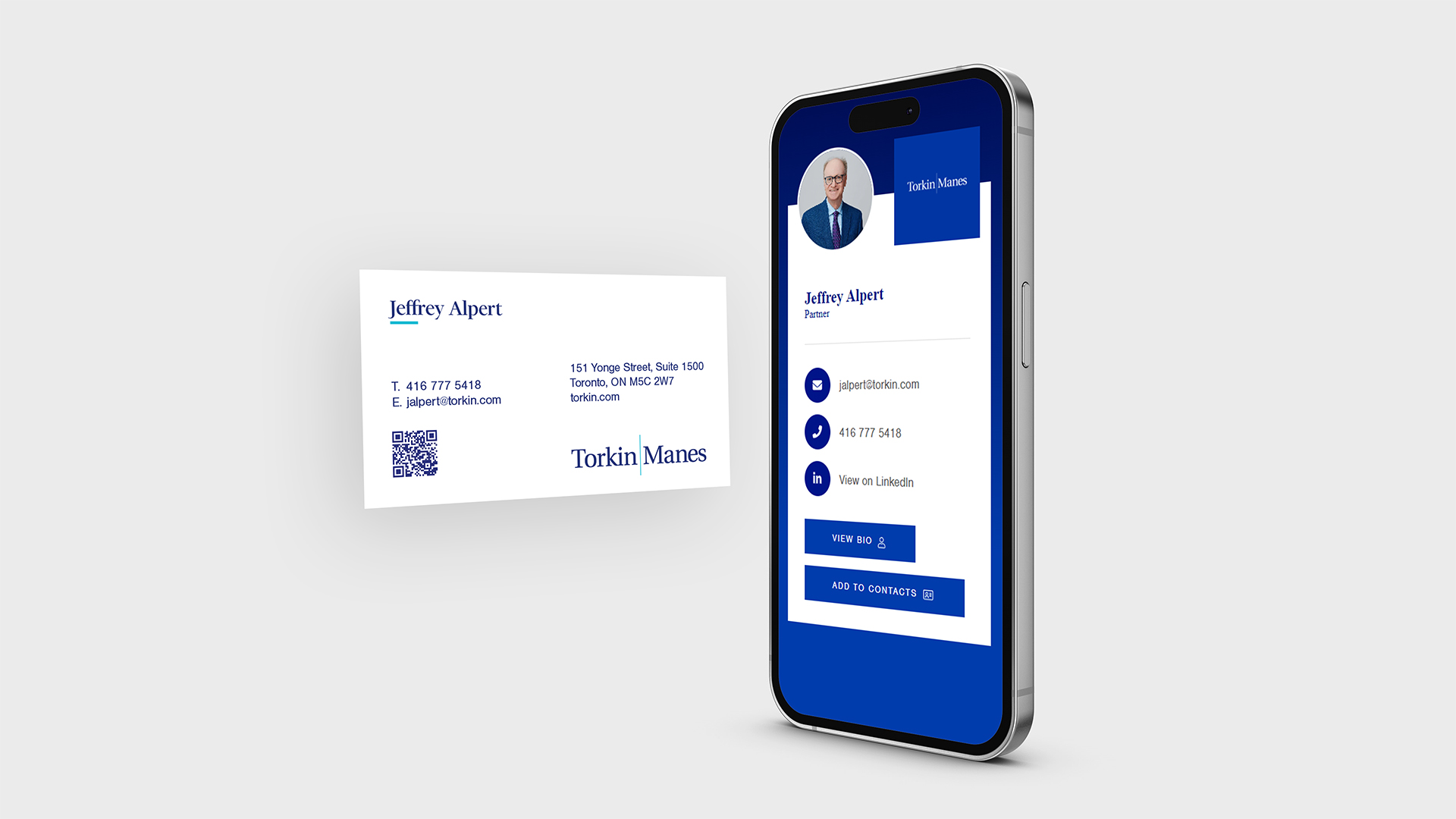
Digital business cards change how people share contact information. Instead of giving someone paper they might forget to use, you create a clickable link that lets them access your contact list, calendar, portfolio, or booking system. Our digital cards connect information directly to action, eliminating the friction that undermines networking attempts.

🎯 Key Point: Digital business cards eliminate the friction between initial contact and meaningful follow-up, turning every networking opportunity into an immediate connection.
💡 Tip: Unlike traditional paper cards that often get lost or forgotten, digital cards can be saved instantly to someone's phone, ensuring your contact information stays accessible and actionable.

What happens to traditional paper business cards?
According to Forbes Tech Council, 88% of paper business cards get thrown away within a week. When someone receives your paper card, they must choose between stopping to manually enter your details or setting it aside for later. Later rarely comes. The card ends up in a wallet, drawer, or trash bin, and your connection opportunity vanishes.
How do digital cards create actionable follow-up opportunities?
The power of digital business cards lies in their context awareness and trackability. When you share a digital card with an embedded appointment link, you reduce the steps between "nice to meet you" and "let's schedule a call" from 5 to 1 tap. The embedded link displays your availability in real time. The recipient clicks, selects a time slot, and the meeting appears on both calendars without any back-and-forth emails.
What data insights do digital cards provide for networking?
Digital cards transform networking. Paper cards required manual data entry, offered no verification, and provided no insight into whether recipients engaged with them. Digital cards generate actionable data with each view, click, and scan. When someone opens your card and clicks your portfolio link, you know they're interested. When they tap your phone number at 2 p.m. on a Tuesday, you have context for the follow-up conversation.
How do traditional cards become obsolete when information changes?
Traditional cards become useless the moment your information changes. A new phone number, updated service area, or rebranded email address renders your entire stack of printed cards worthless. Digital cards update in real time: change your details once, and every card you've ever shared reflects the update instantly. Your brand stays consistent, your contacts stay current, and you eliminate waste.
How do digital cards integrate with lead generation systems?
Platforms like Mobilo integrate with CRM systems and marketing tools. When someone scans your card at a trade show, that interaction can trigger an automated email sequence, add them to a specific contact list, or alert you to follow up based on engagement. Your digital contact card becomes part of your lead generation system, building a measurable pipeline from first handshake to closed deal.
The shift fundamentally changes what a business card can do after you hand it over.
How do digital cards link information directly to action?
Traditional cards make recipients decide what to do with your information later. Digital cards put the action directly into the card itself: your phone number becomes a tappable button to call, your calendar link opens to available meeting times, and your portfolio loads immediately, giving someone a complete picture of what you offer before they've left the conversation.
Why do paper cards create friction in follow-up?
According to Forbes Tech Council, 88% of paper business cards get thrown away within a week. Paper creates a gap between obtaining information and acting on it: by the time someone reaches their desk, urgency fades, and context disappears. Digital cards close that gap by enabling immediate follow-up.
They Create Follow-Up Triggers Without Relying on Memory
The key difference between paper and digital isn't the format: it's that you can track what happens. When someone views your digital card, clicks a link, downloads a file, or saves your contact, you receive a notification. You can follow up with specific details instead of guessing whether they remember you.
Platforms like Mobilo's digital contact card integrate with CRM systems to send follow-up messages based on user behavior. If someone opens your card but doesn't book a meeting, the system can send a reminder email three days later with relevant information. This keeps momentum without requiring manual tracking across dozens of events.
Why do context-rich cards outperform generic ones?
A digital card listing name, title, and email works only marginally better than a paper card. What makes a difference is putting the "why" directly on the card. If you met someone at a trade show to discuss commercial roofing projects, your card should link to case studies of similar jobs, not your homepage. If the conversation focused on scheduling challenges, the card should open to your booking calendar, not a contact form.
How do cards shift from passive storage to active problem-solving?
One contractor shared a card with an embedded project gallery and financing calculator at a home expo. Within 24 hours, three recipients had booked consultations because the card answered their next logical question without requiring them to search for it. This shift transforms cards from passive repositories of information to active problem solvers.
What stops most people from getting those results, even when they've switched to digital?
Related Reading
- Best Font Size For Business Cards
- Best Color For Business Cards
- Business Card Design Tips
- Professional Business Card Design Ideas
- Digital Business Card Examples
- Business Cards Finishes
- Best Business Card Apps
- Should Business Cards Be Double-Sided
- Business Cards Etiquette
How Do You Use a Digital Business Card So People Actually Follow Up?
Digital cards that create action differ in three moments: what you decide before sharing, how you connect it to the conversation, and what you do to reinforce it afterward. Most people treat card sharing as the endpoint when it's the starting gate. The exchange means nothing unless it triggers a specific next step within hours, not days.

🎯 Key Point: Your digital business card is only as powerful as the follow-up strategy you build around it. The card itself is just the delivery mechanism.
"The exchange means nothing unless it triggers a specific next step within hours, not days." — Digital Networking Best Practices, 2024

⚡ Pro Tip: Always have a clear reason for sharing your digital card before you pull it out. Whether it's scheduling a follow-up call, sharing a specific resource, or connecting on LinkedIn, know your intended outcome and communicate it during the exchange.
Why should you set one clear goal before the conversation starts?
Pick one clear action for the exchange to accomplish: book a discovery call, view a case study, download a pricing sheet, or schedule a site visit. When you know the desired outcome before sharing your card, you can shape the interaction so the action feels natural.
The card becomes a tool for solving an immediate problem rather than a generic contact storage device.
What happens when business card exchanges lack purpose?
Blinq's research on event networking found that 80% of leads captured at events are never followed up on due to a lack of context and purpose in the exchange.
If you don't connect the card to a specific conversation point—"Here's the link to that roofing project I mentioned" or "This opens directly to my calendar so we can lock in that demo"—the recipient has no mental trigger to act when reviewing their contacts later.
How do you tie sharing to conversation context effectively?
Share your card as an answer to something they just said, not as a closing formality. If someone mentions they're evaluating contractors for a commercial build, your card should link directly to relevant portfolio work and client testimonials, not your homepage. If they're struggling with scheduling across time zones, the card should open to your booking calendar with timezone detection already configured.
The card extends the conversation by removing the next friction point, making follow-up feel like a continuation rather than cold outreach.
Why do context-rich cards eliminate decision fatigue?
Cards filled with helpful information that solve the problem at hand reduce decision fatigue. One sales director created different card versions for distinct buyer types: one for technical buyers (linked to implementation docs and API specs), another for budget approvers (ROI calculator and case studies), and a third for end users (demo videos and trial signup).
Each card matched the recipient's needs, so the card itself served as the follow-up.
Why does immediate follow-up matter for memory retention?
Within a day, most people forget why a meeting mattered or what they were supposed to do about it. Your follow-up message must rebuild that context with specifics: reference the exact challenge they mentioned, link back to the resource you promised, and remind them of their timeline.
Generic "great to meet you" emails get ignored. Specific follow-ups that reference what was discussed—"You mentioned needing a proposal by Friday for the warehouse project, here's the breakdown we discussed"—get responses because they prove you were listening.
How can digital cards improve the precision of follow-up?
Teams that treat digital cards as a system rather than standalone tools see conversion rates improve significantly. Our Mobilo digital contact card tracks when someone views your card, which links they click, and how long they spend reviewing your information.
That visibility lets you follow up with precision. If someone opened your card but didn't book a meeting, send a calendar reminder with the specific context from your conversation. If they viewed your portfolio three times, interest is real, and you can accelerate the conversation accordingly.
How do you measure if your card strategy actually works
Measure whether your card strategy works by tracking concrete outcomes within 24 to 48 hours: meetings booked, documents downloaded, replies received, and next steps confirmed. If you're sharing cards but not seeing those actions, the problem isn't your follow-up skills—it's that the card itself isn't designed to trigger behavior.
What elements make the next step easier to take
Every element should help you achieve your goal: tap-to-call buttons, embedded calendars, one-click access to documents, and pre-filled contact forms. The easier you make the next step, the more likely people will complete it before losing interest.
Most exchanges fail because people skip the critical step of deciding what success looks like before the conversation starts.
Related Reading
- Are Digital Business Cards Worth It
- How to Share a Digital Business Card
- Hihello Vs Blinq
- Blinq Vs Popl
- Popl Vs Hihello
- Blinq Vs Dot
- Popl Vs Linq
- Popl Vs Dot
- Popl Vs Ovou
Turn Every Digital Handshake Into Action — Start With Mobilo Today
Most digital business cards fail because they're static links: contacts forget them, and leads slip through the cracks. The missing piece is a system that tracks engagement and automates action after the handshake ends.

💡 Tip: Transform your networking from passive card sharing to active lead generation with automated tracking and CRM integration.
Mobilo solves this by tracking who opens your card, scoring leads against your ideal client profile, and syncing automatically to your CRM so follow-ups happen without manual chasing. Your networking efforts convert into opportunities instead of ending with a tap. Book a demo today and receive your first 25 Mobilo digital cards free (worth $950).

"Your networking efforts convert into opportunities instead of ending with a tap." — The power of automated follow-up systems
🔑 Takeaway: When your contacts take action, your networking becomes unstoppable.