


83 Best Business Networking Questions to Ask in 2026
On This Page
Great networking questions mean nothing if the answers never reach your CRM. Here is how to fix the handoff before the event starts.
80% of trade show leads never receive a follow-up. That number, drawn from B2B event research, reflects a broken handoff, not bad conversations. The conversation ends, the rep pockets a card or scribbles a note, and real life intervenes before anything reaches the CRM.
80%
of trade show leads never get follow-up
Most sales managers treat post-event data entry as a minor admin task. In practice, it's where pipeline goes to die.

See our digital business card for how this works in practice.
Cognitive science has established that humans forget roughly 70% of new information within 24 hours of receiving it. That stat hits differently when the "information" is a prospect's budget timeline, their frustration with a current vendor, or the specific phrase they used to describe their Q3 problem. By Monday morning, what felt vivid at the event is already a blur. The brain was never built to function as a CRM.
70%
of new information forgotten in 24 hours
The real cost isn't forgetting a name. It's losing the signal inside the answer.
When a prospect says "we're actually mid-evaluation right now" or "our current tool doesn't talk to Salesforce," that's buying intent in plain language. Without a capture workflow attached to the moment, that signal evaporates. As Futureprint's 2025 analysis of B2B events notes, the infrastructure for converting meaningful interactions into actionable pipeline data has not kept pace with the quality of the conversations being had. A great answer, unlogged, is indistinguishable from no answer at all.
A great answer, unlogged, is indistinguishable from no answer at all. Post-show follow-up is consistently identified as the stage where trade show ROI is lost, not because reps lack motivation but because no system bridges the live exchange and the pipeline record.
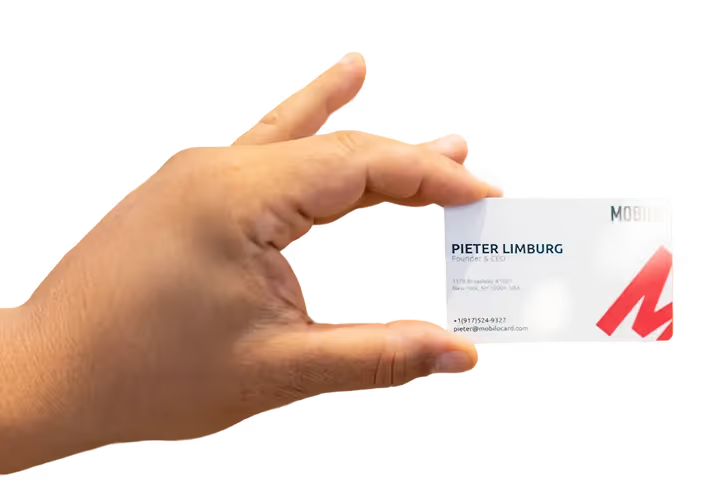
Tools like Mobilo's digital business card route contact details and captured context directly into the CRM at the moment of the tap or scan, before the conversation even ends. The fix starts with building the system that receives what those questions uncover.
Key takeaways
- 80% of trade show leads never receive a follow-up, not because the conversations were bad, but because the handoff between conversation and CRM is broken.
- The best networking question is only as valuable as the record it produces; asking the right thing and failing to capture the answer are functionally the same outcome.
- Job titles are qualification noise, a Director at one company may need three approvals for a $5,000 purchase while a Senior Manager at another signs six-figure deals solo.
- Buying intent hides in specific language: a contact who volunteers a contract renewal date in passing is a pipeline entry; a contact who laughs at your jokes may have zero purchasing intent for twelve months.
- ICP filtering happens at the point of contact or it doesn't happen, 62% of B2B event leads are never followed up effectively, and poor qualification in the room is a primary reason.
- Memory retention for conversation details drops sharply within 24 to 48 hours, which means the pain signal, the budget hint, and the renewal date all decay before Monday morning.
- Mobilo's Contact Exchange captures both sides of the exchange the moment someone taps or scans a card, contact details, context, and next step feed directly into your CRM before you leave the room.
How to Prepare for a Networking Event So Every Question Has a Purpose
Reps who walk into a networking event without pre-defined qualification criteria are running a tax on their own pipeline, and the pattern shows up in the data.
One of the most consistent patterns we see is that people arrive at networking events without intentional questions, leading to forgettable, surface-level conversations drowned in polished elevator pitches, and the fix starts before you leave the office.

Define Your Buying-Signal Checklist Before the Badge Goes On
According to industry data, contacts collected without pre-defined qualification criteria leave reps unable to distinguish hot leads from unqualified contacts, so post-event triage becomes guesswork rather than a systematic process. That guesswork has a measurable cost: 79% of leads generated at events are never followed up on by sales teams, which means the solution is defining your criteria by persona before the first conversation happens.
If you're targeting VP-level buyers, questions about current budget cycles and active vendor evaluations matter more than icebreakers, while director-level contacts may warrant a different set of intent signals entirely.
This discipline pays its biggest dividend for teams that attend events regularly and need structured lead follow-up, the exact scenario where Mobilo's Lead Capture and Management tools are most beneficial. When the qualification criteria are set before the first conversation, every tap of a Mobilo card or scan of a brandable QR code feeds a record that already has a home in your pipeline, rather than a vague impression that has to be reconstructed on Sunday night.
Map Every Question Category to a CRM Field You'll Actually Need
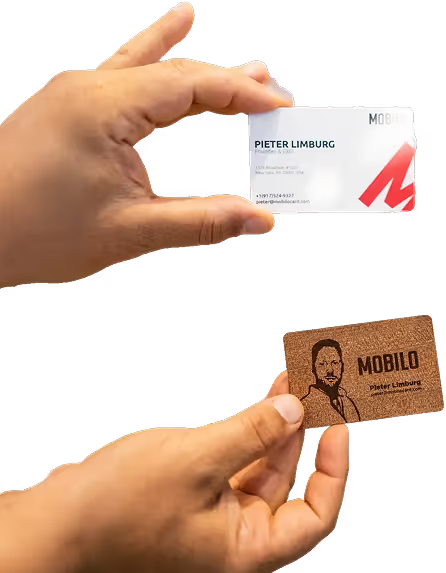
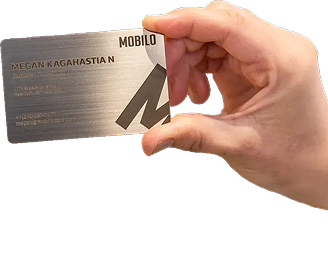
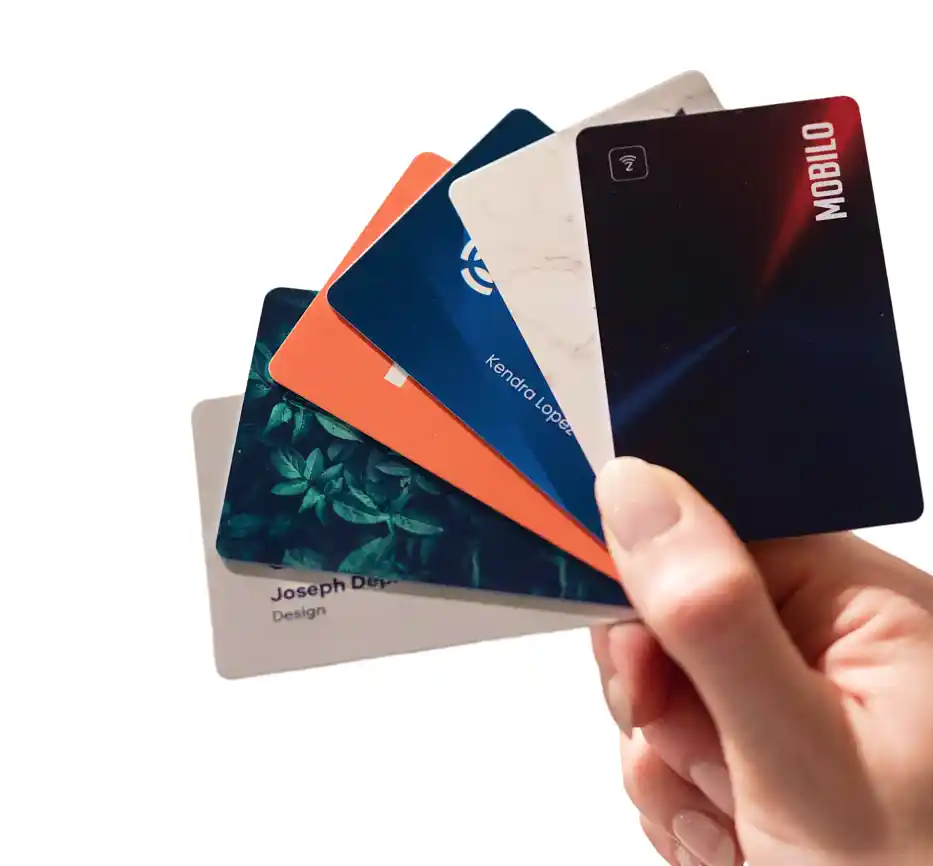
For teams running Mobilo's Teams or Business plan, this is where the platform earns its place in the pre-event workflow. Both plans include Lead Capture and Management, custom lead capture forms, lead enrichment, and 6,000 integrations through Zapier, so the CRM field mapping you complete before the event can be wired directly into whatever system your pipeline already runs on. The Teams plan ($4/month per member, billed annually) also includes full team data analytics and CRM integrations across every card tier, from the Digital Wallet Card to the Custom Designed NFC Cards available in standard, Wood, and Metal finishes.
The Business plan ($5/month per member, billed annually) adds HR directory sync, enterprise SSO, a custom domain, and, for qualifying deployments of 100 seats or more, white-glove onboarding and a custom-built landing page, so the infrastructure behind each conversation is as deliberate as the conversation itself.
How to Set a Pre-Event Success Metric That Actually Measures Lead Quality
Volume is a comfort metric. WWM's 2024 trade show KPI research is clear that lead quality must be defined before the event, because without pre-defined criteria, post-event follow-up becomes inefficient and pipeline velocity suffers.
Setting a specific numeric target tied to qualifying answers rather than raw badge scans is what separates teams that close event pipeline from those that sort through a spreadsheet for weeks. Mobilo's Contact Exchange and Lead Capture route buying signals directly into the pipeline in real time, not in a Sunday-night data-entry session that never quite happens.
Pre-Event Qualification Checklist
1 — Define 3-4 buying-signal answers that qualify a contact for a same-week call
2 — Map each question category to a specific CRM field (e.g. pain point → Notes; budget cycle → Close Date estimate)
3 — Set a numeric success metric (e.g. 12 contacts with ≥3 qualifying answers logged before leaving the floor)
4 — Confirm Mobilo Lead Capture forms and Zapier integrations are configured and synced to your CRM before the event opens
5 — Assign an icebreaker, role-qualifier, and intent-signal question for each persona you expect to meet
6 — Review past attendee list or sponsor roster to pre-identify ICP-fit targets
Icebreaker Networking Questions That Open Real Business Conversations
Open with a number that stings: research from event marketing practitioners consistently shows that the majority of networking conversations produce no follow-up contact at all. The question most sales professionals ask themselves afterward is "did I say the right things?" The real question is whether they asked the right things, specifically, questions that surface a live professional priority rather than a rehearsed title and tenure.
One pattern that compounds this problem: many professionals, especially those newer to field sales or event marketing, struggle to calibrate which questions are appropriate depending on who they're speaking with. Asking a strategic question designed for a C-suite decision-maker to someone in an HR coordination role produces a stiff, awkward exchange and no useful signal. The questions below are built to work across seniority levels, with notes on where each one lands best.
Open-ended questions generate significantly faster rapport than closed-ended ones, according to psychology research published in Personality and Social Psychology Bulletin, because they invite the other person to reveal motivation rather than confirm facts. That distinction matters at a networking event. "What do you do?" confirms a title. "What are you most focused on right now?" opens a window into a current problem, which is the first data point in any real sales conversation.
The fifteen questions below are built on that principle. Each one is low-threat, curiosity-led, and designed to surface professional context within the first two minutes of a B2B exchange. Most reps treat these answers as conversational texture and mentally file them away.
The smarter move is to treat each answer as a signal worth capturing. A smart digital business card with built-in lead capture means the contact record and the note attached to it can be in the pipeline before you reach the next table. For field marketing and event teams specifically, this is where Mobilo earns its place: the platform arms those teams with tools that capture leads efficiently and feed data directly into the CRM pipeline, so the intelligence gathered from a well-asked question doesn't evaporate on the drive home.
This benefit materializes most clearly when your team attends events regularly, multiple times per quarter, and has a structured follow-up process waiting to receive those records, rather than relying on a post-event memory exercise. For businesses with five or more employees in the field, Mobilo's Team Management and Admin Dashboard adds a layer of centralized control over branding and contact information, so every card your team hands out, whether a Custom Designed NFC Card, a Metal Card, a Wood Card, or a Digital Wallet Card under the Teams plan, carries consistent, locked-down data that reflects your brand accurately, not whatever a rep last updated on their phone.
1. "What brought you out tonight?" - The Motivation-First Opener
Asking what drew someone to the event sidesteps the dreaded 'what do you do' reflex and instead surfaces their current professional priority, a job search, a pivot, a partnership hunt. The answer tells you more in ten seconds than a LinkedIn profile would in ten minutes. The tradeoff: some attendees haven't reflected on their motivation and may give a vague answer, requiring a gentle follow-up.
2. "Is this your first time at one of these events?" - The Shared-Experience Leveler
This question works because it immediately creates common ground regardless of seniority. First-timers feel seen and relieved; veterans enjoy playing guide. Either answer opens a natural follow-up thread without triggering a sales pitch. The limitation is that it can feel slightly formulaic at smaller, tight-knit industry gatherings where everyone already knows each other.
3. "What's the one thing you were hoping to get out of today?" - The Priority Excavator
This is the highest-yield opener in a B2B context. It surfaces the professional priority driving attendance, which is often identical to the problem your product solves. Survey data from event research shows attendees arrive with distinct motivations, learning, partnership, sales, or hiring, and this question identifies which category you're in within thirty seconds. The honest trade-off: some contacts give a polished non-answer, so be ready to follow up with "what would make today feel worth it?"
4. "How did you hear about this event?" - The Referral-Network Revealer
The path someone took to arrive at an event exposes their professional community, a mentor, a Slack group, a trade publication, a colleague. That context is far richer than a job title. It also opens a natural thread about shared communities or mutual contacts. The limitation: at large public conferences where most attendees simply bought a ticket, the answer may be too generic to build on.
5. "What kind of work are you most excited about right now?" - The Energy-Signal Question
Asking about excitement rather than job title invites people to talk about what energizes them professionally, which is almost always more interesting and more memorable than a role description. It signals genuine curiosity and positions you as someone worth talking to. The tradeoff: introverts or people in transitional career moments may find the question hard to answer quickly without feeling put on the spot.
6. "Have you seen any sessions or speakers today that stood out?" - The Content-Anchor Icebreaker
At conferences and structured events, referencing shared content gives both parties an immediate, neutral topic that has nothing to do with selling. It also reveals what the other person values intellectually. Best used mid-event when there's genuinely shared programming to reference. The limitation is obvious: it only works at events with sessions or speakers, not at open-format mixers or happy hours.
7. "What does your day-to-day actually look like right now?" - The Reality-Check Question

Job titles are increasingly meaningless across industries, but a description of someone's actual daily work is precise and personal. This question cuts through the abstraction of titles and reveals real responsibilities, frustrations, and priorities. It's particularly effective in cross-industry networking. The tradeoff: it can feel slightly informal for very senior executives who prefer to stay at the strategic level.
8. "What's a challenge your industry is dealing with that most people outside it don't realize?" - The Insider-Knowledge Prompt
This question flatters expertise without being sycophantic and immediately positions the conversation as a genuine exchange of insight rather than a transactional pitch. People love being the expert in the room. It works especially well in niche or technical industries. The limitation: it requires the asker to be genuinely curious and prepared to listen at length, making it a poor choice when time is short.
9. "Are you here looking to connect with anyone specific, or keeping it open?" - The Intent-Clarifier

This question respects the other person's agenda while opening a door to mutual referral, if they're looking for someone you know, you can make the introduction on the spot. It signals that you're a connector, not a pitcher. The tradeoff is that it can feel slightly transactional if asked too early in the conversation before any rapport has been established.
10. "What's something you're working on that you're genuinely proud of?" - The Pride-Point Opener
Inviting someone to share a professional win creates an immediate positive emotional association with the conversation and with you. People remember how you made them feel. This question works across seniority levels and industries. The limitation: it requires a degree of psychological safety to answer honestly, so it lands better after a brief warm-up exchange rather than as the very first thing you say.
11. "How long have you been in this space?" - The Journey-Invitation Question
Asking about tenure invites a career story rather than a job description, and career stories are inherently more engaging and revealing. A five-year veteran and a twenty-year veteran will give you completely different answers that open completely different threads. It also signals respect for experience. The tradeoff: very early-career attendees may feel self-conscious about a short answer, so follow-up warmth is essential.
12. "What made you choose this industry over others?" - The Origin-Story Prompt

Origin stories are universally compelling and almost never rehearsed for networking events, which means the answer is usually authentic. This question reveals values, pivots, and motivations that a LinkedIn profile would never surface. It's particularly powerful for building genuine rapport quickly. The limitation: it can feel too personal too fast in very formal or transactional networking environments.
13. "What's the best connection or conversation you've had at an event like this?" - The Meta-Networking Question

Asking someone to recall their best networking experience primes them to recreate that positive feeling in the current conversation, with you. It also reveals what they value in professional relationships: introductions, ideas, collaborations, or something else entirely. The tradeoff: it requires the other person to have attended enough events to have a reference point, making it less effective with first-time networkers.
14. "What's something you wish more people in your field understood?" - The Contrarian-Insight Question
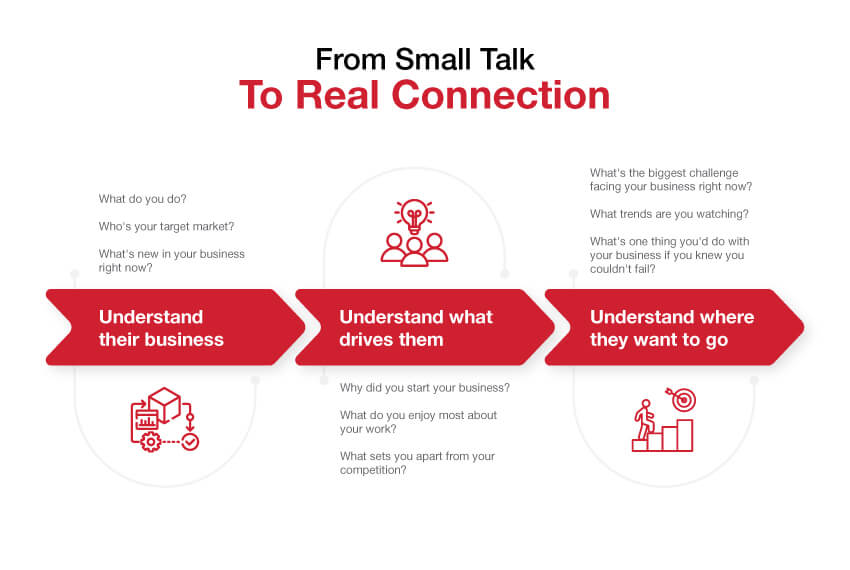
This question invites a genuine opinion rather than a rehearsed answer, and opinions create real conversation. It signals intellectual respect and positions you as someone who values substance over surface. It works especially well with experienced professionals who have developed strong points of view. The limitation: it can occasionally surface frustration or negativity, so be prepared to steer the conversation constructively.
15. "If you could meet one type of person at this event, who would it be?" - The Wish-List Connector

This question turns you into an active ally in the other person's networking goal the moment they answer it. If you can make an introduction or point them in the right direction, you become immediately valuable, not as a vendor or contact, but as a connector. The tradeoff: it requires you to actually follow through on any referral you offer, or the goodwill evaporates and the interaction feels hollow.
"What's been keeping your team busiest this quarter?"
Current workload is a more honest signal than job title. A VP who says "we're rebuilding our outbound motion" has just told you more about buying context than their LinkedIn headline ever would. This question works because it anchors the conversation in present tense rather than history. It does require the other person to trust you enough to be candid, so your own body language and tone carry more weight here than the words themselves.
"What brought you to this particular event over others?"
Event selection is a proxy for professional priority. Someone who chose this conference over three others made a deliberate decision, and the reason behind it is usually a gap they're trying to close. That gap is your entry point. This opener works especially well at vertical trade shows where attendees self-select by industry, because the answer often names a specific challenge the sector is facing right now rather than a generic networking goal.
"What does success look like for your team over the next six months?"
Forward-looking questions reveal aspiration and, by extension, the obstacles between here and there. A contact who describes a specific revenue target or operational milestone is showing you the outcome they need to achieve. That is more actionable than knowing their current state. The limitation: this question can feel slightly formal for a casual first thirty seconds, so it lands better after a brief exchange has already established warmth.
"What's a challenge your team is trying to solve that you haven't quite cracked yet?"
Pain stated voluntarily carries more weight than pain extracted through a funnel of qualification questions. When someone names an unsolved problem in the first two minutes of a conversation, they're signaling that the problem is live enough to mention to a stranger. That is a meaningful intent signal. This question does require a degree of psychological safety, so it works better mid-conversation than as a cold opener with someone who just handed you their card.
"What kind of work are you most proud of from the past year?"
Pride-based questions invite storytelling, and stories reveal the outcomes someone wants to repeat. A contact who describes a successful partnership, a product launch, or a team initiative is showing you their definition of value. That definition is your qualification filter. The secondary benefit: people remember conversations where they felt genuinely heard, which makes your follow-up email land differently than the generic "great to meet you" that floods inboxes after every event.
"What's a tool or resource that's genuinely changed how your team operates?"
This question reveals the contact's operational maturity and their appetite for adopting new solutions. Someone who names a specific CRM integration or workflow automation is showing you they think in systems, and notably, both the Teams plan ($4/month, billed annually) and the Business plan ($5/month, billed annually) include 6,000 integrations through Zapier, so if the conversation turns to your own stack, you have something concrete to offer. Someone who draws a blank is showing you something different. Neither answer is wrong, but both are useful for calibrating how you'd position a follow-up conversation. It also opens a natural reciprocal exchange where you can share what's working for teams you know.
"What's the biggest shift you've seen in your space over the last twelve months?"
Industry-change questions position you as a peer rather than a vendor. They signal that you're interested in the market, not just the contact's budget. The answers also tend to surface emerging pain points before they've become standard objections, which is useful for pipeline prioritization. The trade-off: this question requires the other person to have a considered view of their industry, so it works better with senior practitioners than with attendees who are newer to the field.
"What's a partnership or collaboration that's worked really well for your team?"
Past partnerships reveal the type of relationship someone values and the outcomes they associate with external collaboration. A contact who describes a co-marketing arrangement is a different buyer than one who describes a technology integration. Both are useful, but they require different follow-up conversations. This question also signals that you're thinking about mutual value rather than a one-directional sale, which tends to lower the other person's guard in a way that direct qualification questions rarely do.
"If you could solve one operational headache by the end of this year, what would it be?"
Specificity and time-pressure together surface real priorities rather than aspirational ones. "By the end of this year" forces the contact to think about what's actually urgent rather than what's theoretically important. The answers to this question are the most directly actionable of any on this list, because they name a problem with an implicit deadline attached. The risk: it can feel slightly abrupt if the conversation hasn't warmed up yet, so context and timing matter.
"What does your team's growth look like right now, are you expanding or consolidating?"
Growth stage is a qualification signal dressed as a friendly question. A team that is actively hiring and expanding has different buying behavior than one that is consolidating after a rough quarter. This question surfaces that context without asking directly about budget or headcount, both of which tend to trigger a more guarded response. It is particularly useful for sales professionals whose product scales with team size, for example, both the Teams and Business plans support unlimited team members, and the Business plan adds HR directory sync and enterprise SSO for organizations scaling into more complex infrastructure. The answer tells you whether you're talking to a growing opportunity or a maintenance account.
"What's something you've been meaning to learn more about but haven't had time for?"
Learning gaps reveal professional ambition and, often, the areas where a contact feels under-resourced. Someone who names a specific skill or knowledge area is showing you where they feel exposed. That exposure is frequently the same place a well-positioned product or partnership conversation can add genuine value. This question also tends to produce honest, unguarded answers because it frames the gap as a time problem rather than a competence problem, which is easier for most professionals to admit.
"What would make this event worth attending for you, and are you on track for that?"
The closing check-in question is the one most reps skip, and it is the most direct path to a next step. Asking whether someone is on track for their goal creates a natural opening to offer help, make an introduction, or schedule a follow-up. It also signals that you were listening to their answer from earlier in the conversation, which is rarer than it should be. The limitation: it only works if you actually asked about their goal earlier, so it depends on having used one of the openers above.
These fifteen questions get you past the handshake and into a real exchange. But an icebreaker that surfaces a VP-level pain point is only valuable if you know you're talking to a VP. The next section goes deeper: role and background questions that qualify seniority, decision authority, and budget scope in the time it takes to walk to the next table.
The Energy-Signal Question
Excitement is a reliable proxy for priority. When someone lights up describing a project, a new market they're entering, or a team initiative, they're showing you what has their attention and their budget.
That enthusiasm is a buying-intent signal in disguise. The word "excited" matters here: it bypasses the rehearsed professional summary and invites an honest answer. The trade-off is that some contacts interpret "excited" as personal rather than professional, so be ready to gently redirect toward work context if the conversation drifts.
Networking Questions About Professional Role and Background That Qualify Fast
The specificity of someone's answer also exposes a deeper truth about B2B sales that most networkers ignore: job titles are qualification noise. A "Director" at one company may need three sign-offs to approve a $5,000 purchase, while a "Senior Manager" at another signs six-figure contracts before lunch. 77% of B2B buyers describe their most recent purchase as very complex or difficult, involving multiple stakeholders with different priorities and levels of authority. That complexity means the person standing in front of you at a networking event is rarely the whole story. They are one node in a buying committee you haven't mapped yet.
"No comments or discussion in the conversation directly address networking questions about professional role and background that qualify fast, making it difficult to extract pain points specific to this topic."
— what we hear from professional networkers
The rep who treats role-and-background questions as social courtesy is leaving the most reliable qualification layer on the floor. Every question in this category is actually a CRM field waiting to be populated: decision scope, reporting chain, budget location, stakeholder count. The fifteen questions below are structured to surface those fields naturally, without triggering the defensive reflex that a direct "do you have budget?" probe always produces.
One pattern worth naming before you get to the questions: the window after the first networking event or card tap is when qualification signals are freshest and most actionable, and also when most reps fail to capture them. The conversation is still warm, the context is still clear, and the contact's answers are still precise. That window closes fast. Reps who attend events regularly and need to triage follow-up by authority level rather than gut feel get the most from the questions below, but only if they have a system that captures what those questions surface before the next conversation starts.
"What does your team own end-to-end versus what gets escalated?"
This question separates operators from approvers in a single sentence. Someone who owns a process end-to-end is almost always closer to budget authority than someone who escalates decisions upward. The answer also maps the reporting chain without asking for an org chart, giving you a clear picture of where the real sign-off lives before you invest follow-up time.
"How many people are typically involved when you bring in a new vendor?"
Stakeholder count is one of the most under-captured CRM fields after a networking event. Research confirms that B2B buying decisions involve budget holders, influencers, and end users each engaging at different stages, meaning the person you met is rarely the only vote that counts. This question quantifies the committee without asking who's in charge.
"What does your role look like six months from now if this quarter goes well?"
Timeline and urgency live inside this question. A contact who answers with a specific outcome tied to a near-term date is signaling active pressure. One who gives a vague or aspirational answer is likely browsing, not buying. The framing keeps the conversation forward-looking and personal, so it reads as genuine interest rather than a qualification script.
"What's your team's headcount, and is it growing?"
Team size is a fit signal, not just background detail. It tells you whether the contact's organization has the operational complexity that makes your solution relevant, and whether growth pressure is creating the urgency that accelerates purchase decisions. A team that doubled in eighteen months is a team with process gaps. That's the condition where buyers move fast.
"How does budget planning work for your function, and when does that cycle reset?"
Budget cycle timing is the most actionable timeline signal available in a networking conversation. A contact whose budget resets in Q4 and who is currently evaluating options in Q2 is in active buying mode. One whose cycle just closed is likely in a holding pattern. This question frames the inquiry around their planning process, which feels collaborative, while delivering the fiscal calendar data your CRM needs for accurate pipeline dating.
"What's the biggest shift in how your team operates compared to two years ago?"
Strategic inflection points create buying windows. A team that shifted to a distributed model, absorbed a new function, or changed its go-to-market approach in the last two years is almost certainly running on tools and processes that haven't caught up. This question surfaces that gap without asking "what are your pain points," which most contacts deflect on instinct.
1. "What Does Your Role Actually Own?" - The Decision-Scope Opener

Asking what someone's role 'owns' rather than what they 'do' immediately surfaces whether they control outcomes or merely influence them. This business networking question works best in B2B contexts where titles are misleading, a 'Director' may have no budget authority while a 'Manager' signs contracts. The tradeoff: it can feel blunt if delivered without a warm lead-in, so pair it with genuine curiosity about their team structure.
2. "Who Else Gets Pulled Into a Decision Like This?" - The Stakeholder Map Question

This question reveals whether your contact is a lone decision-maker or part of a buying committee without directly asking 'are you the boss?' It maps the influence chain naturally and flags whether you need to reach additional stakeholders. Ideal for complex B2B sales cycles. The limitation: some contacts will name colleagues to deflect rather than inform, so follow up by asking what each named person's specific role in the decision is.
3. "What Happens If This Problem Doesn't Get Solved This Quarter?" - The Urgency and Authority Signal
A budget holder feels the consequence of inaction directly; an influencer or end user typically describes inconvenience rather than business risk. This question separates the two by surfacing who bears accountability. It doubles as a qualification filter for timing and priority. The tradeoff is that it can feel high-stakes too early in a conversation, so it works best after you've established some rapport and context.
4. "How Did You Come to Be in This Role?" - The Career Path Background Qualifier
Asking about career trajectory reveals functional expertise, industry depth, and often the scope of authority someone has accumulated. A founder who grew into a COO role signals very different decision-making power than someone recently promoted into a title. This business networking question feels conversational and warm, making it ideal for early-stage networking. The limitation: it yields rich context but requires active listening to extract the qualification signal embedded in the answer.
5. "Are You Running This Initiative, or Supporting Someone Who Is?" - The Lead vs. Support Distinction
This direct but respectful question cleanly separates project leads, who typically have budget and sign-off authority, from supporting team members who execute but don't decide. It's especially effective in enterprise accounts where multiple people attend networking events representing the same initiative. The tradeoff: it can feel slightly clinical, so frame it as wanting to understand how best to be useful to them rather than as a gatekeeping move.
6. "What Does Success Look Like for You Personally in This Role?" - The Individual-Stakes Qualifier
Outcome framing reveals priority. A contact who answers with a specific, measurable goal is operating under real pressure, and real pressure produces real urgency. One who gives a generic answer is either not the right contact or not in an active buying cycle. This question also gives you the language to use in your follow-up, because the best follow-up mirrors the outcome the contact named, not the feature you want to pitch.
7. "How Long Have You Been with the Company, and What's Changed in Your Scope?" - The Tenure and Growth Signal
Tenure reveals two things at once: institutional authority (longer tenure usually means more budget influence) and the pace of strategic change inside the organization. A contact who describes significant recent shifts is flagging a team in motion, which is the condition where new vendor relationships are most likely to open. It also gives you a natural bridge into what triggered those changes.
8. "Do You Own the Budget for This, or Does It Sit Elsewhere?" - The Direct Budget Location Question
When rapport is established and the context is clearly professional, asking directly where budget sits is the fastest qualification filter available. It removes ambiguity immediately and respects everyone's time. This question works best after you've already established mutual relevance, jumping to it cold reads as transactional. The tradeoff is that it requires a higher trust threshold than indirect questions, making it better suited to second conversations or warm introductions than cold networking.
9. "What's the Biggest Decision You've Made in the Last Six Months?" - The Decision-Scale Revealer
The scale and type of decision someone volunteers reveals their authority level more honestly than any title. A budget holder describes vendor selection, headcount changes, or strategic pivots. An influencer describes process improvements or tool recommendations. This business networking question feels engaging and forward-looking rather than interrogative. The limitation: some people downplay significant decisions out of modesty, so follow up by asking what made that decision difficult.
10. "Are You the Founder, or Did You Join After the Company Was Established?" - The Business Owner Entry-Point Question
For business owners specifically, this question opens a completely different conversation path. Founders carry full authority, financial, strategic, and operational, while early employees in leadership roles may have significant influence but not ultimate control. Knowing which you're talking to shapes every subsequent question. The tradeoff: it's only relevant when you already know you're speaking with someone at the ownership or C-suite level, making it a second-tier question rather than an opener.
11. "How Many People Are on Your Team, and Do You Hire for It?" - The Team Size and Hiring Authority Filter
Hiring authority is one of the clearest proxies for budget authority in most organizations. If someone manages a team and controls headcount decisions, they almost certainly control operational budgets too. This question also reveals organizational scale, which qualifies fit for enterprise versus SMB solutions. The limitation: in some organizations, hiring is centralized in HR regardless of seniority, so treat a 'yes' as a strong signal rather than a guarantee of full budget control.
12. "What Does Your Day-to-Day Actually Look Like?" - The Role Reality vs. Title Check

Job titles in modern organizations are notoriously unreliable qualification signals. Asking what someone's day actually looks like surfaces whether they spend time in strategy and vendor meetings, signals of authority, or in execution and reporting, signals of an end user or influencer. This business networking question feels casual and genuinely curious, making it one of the least threatening qualification filters available. The tradeoff: answers can be vague, requiring skilled follow-up to extract useful qualification data.
13. "Who Do You Report To, and How Often Do You Meet?" - The Reporting Structure Qualifier
Reporting structure reveals organizational position more reliably than titles. Someone who reports directly to the CEO and meets weekly is almost certainly a senior decision-maker. Someone who reports to a VP through a director layer is likely an influencer at best. This question also reveals how insulated or accessible the real decision-maker is. The tradeoff: it can feel slightly hierarchical in cultures that de-emphasize org charts, so frame it as understanding how decisions flow in their organization.
14. "What Would You Need to See Before Recommending Something to Your Leadership?" - The Influencer Identification Question
This question is specifically designed to identify influencers, people who don't hold budget but whose recommendation carries significant weight with those who do. Knowing you're talking to an influencer rather than a budget holder changes your entire engagement strategy: you need to equip them to sell internally rather than closing them directly. The tradeoff is that it implicitly positions them below the final decision, which some senior influencers find mildly deflating if not framed carefully.
15. "What's the One Thing You Wish You Had More Control Over in Your Business?" - The Business Owner Authority Gap Question
Designed specifically for business owners rather than mid-level employees, this question reveals where their authority ends and where frustration lives, a powerful signal for solution fit. A business owner who answers with 'time' or 'cash flow' is signaling very different needs than one who says 'finding the right people.' It also builds immediate rapport by inviting honest reflection. The limitation: it requires the conversation to already feel safe enough for candor, making it a mid-conversation rather than opening question.
"What's driving the priority of this area for your team right now?"
Urgency has a cause. A contact who can name the driver (a new competitor, a leadership mandate, a failed initiative, a compliance deadline) is operating under external pressure that shortens sales cycles. One who can't name a driver is likely exploring rather than buying. The specificity of the answer is itself a qualification signal: vague answers mean low urgency; concrete answers mean an open window.
"If you decided to move forward on something like this, what would the approval process look like?"
This is the authority-mapping question that closes the qualification loop. The answer reveals the full decision chain: who approves, how many layers exist, and whether the contact has the standing to drive the process or will need to hand it off. A contact who describes a clear, short approval path is a high-priority follow-up. One who describes a six-month committee review with executive sign-off needs a different engagement strategy from day one.
The qualification work these questions do is only as durable as the system that captures it. Most reps walk away from a role-qualification conversation having mentally noted that their contact is a budget holder with a three-person buying committee and a Q3 deadline, then lose every one of those signals to a post-event data-entry session that happens, if at all, two days later with half the context forgotten. The drop-off is steepest in the hours immediately after the first networking event or card tap, which is exactly when the signals are richest and the contact's answers are still precise enough to be useful.
Mobilo's Contact Exchange and Lead Capture addresses that lag by letting reps tag decision scope, stakeholder count, and authority level directly into the contact record at the moment of exchange, so the qualification work done through these questions flows into the pipeline before the next conversation starts. Teams on the Teams plan ($4/month per member, billed annually) get full team data analytics, CRM integrations, and the ability for managers to control, lock, and override data fields across every rep's contact records, which means the fields you pre-map for role qualification are enforced consistently across the whole team, not just by the reps who remember to fill them in. For organizations that need enterprise HR directory sync, custom domain, and enterprise SSO layered on top of that infrastructure, the Business plan ($5/month per member, billed annually) extends those capabilities while keeping 24/7 customer support, lead enrichment, and unlimited leads and contacts in place across both tiers.
One honest trade-off: the workflow delivers the most value for teams that attend events regularly and have CRM fields pre-mapped to receive these signals. For a rep who networks once a year, the setup investment outweighs the return.
Knowing someone's role, authority level, and decision scope tells you whether a follow-up is worth prioritizing. It doesn't yet tell you what problem is urgent enough to make them act. That's where the next layer of questions comes in: the ones that invite a contact to describe a memorable project or client win, and in doing so, hand you the clearest map to their real pain you'll ever get without a formal discovery call.
Urgency and Authority Signal
Urgency and authority travel together. A contact who can describe a concrete consequence tied to a specific timeframe is operating under real organizational pressure, which almost always means there is budget attached and a decision-maker close by. A contact who shrugs or gives a vague answer is exploring, not buying. The framing keeps the question empathetic rather than interrogative, so it reads as genuine curiosity about their situation rather than a qualification checklist item.
"What happens if this problem doesn't get solved this quarter?"
Tenure and Growth Signal
Tenure maps authority trajectory. A contact who joined two years ago and has since absorbed two additional functions is almost certainly accumulating budget influence alongside responsibility. One who has been in the same role for five years with a stable scope is likely well-established but not in an expansion phase. The "what's changed" half of the question is where the real signal lives: rapid scope growth signals organizational change, and organizational change is the condition where new vendor relationships open fastest.
"How long have you been with the company, and what's changed in your scope?"
Networking Questions That Surface Memorable Projects and Real Client Pain
That candor is worth protecting as the conversation moves forward. Shift to a direct challenge question, "What are your biggest challenges right now?", and the openness tends to close just as quickly as it appeared, replaced by a polished, risk-free response that tells you nothing actionable. The richest pain context surfaces when you invite narrative instead: ask someone to describe a past project or a memorable client, and they stop performing and start remembering.
That shift from performance to memory is where the real intelligence lives.
"What's a Client or Project That Was Memorable in a Great Way for You?"
This is the highest-yield question in a sales rep's networking toolkit. When a contact describes a past win, they reveal the original problem, the stakes, the constraints, and the outcome they want to repeat. The emotional language they use to frame that story, the specific friction they mention, the relief in their voice when they describe the resolution, these are more actionable CRM context than any direct challenge question will ever produce.
One of the most persistent struggles reps and networkers face is showing up without prepared questions, which forces the other person to carry the entire conversation. An interaction that feels one-sided is forgettable by design. The questions in this section exist to prevent exactly that: they give you a structure that makes the contact feel heard while surfacing the context you actually need. When brand perception and memorable first impressions are a priority, the quality of your questions is as important as the quality of your card.
"What Made That Project Harder Than You Expected?"
Follow the memorable-project question with this one and you shift from celebration to candor. Contacts who just described a win are emotionally open; they have already lowered their guard. The answer to this follow-up is where unsolicited pain disclosure happens. You will hear budget constraints, team misalignment, vendor failures, and timeline pressure described in the contact's own words, exactly the language that makes a follow-up email feel personal rather than templated.
"What Would You Do Differently If You Ran That Project Again?"
Retrospective questions like this one surface regret-based pain, which is the most durable kind. A contact who says "I'd qualify the vendor earlier" or "I'd get buy-in from finance before scoping" is telling you where they felt exposed. That answer maps directly to the category of problem your product solves, and it does so without the contact ever feeling interrogated.
"What Kind of Client or Project Do You Find Most Rewarding to Work On?"
This question reveals the outcome a contact most wants to repeat, which is the inverse of their deepest pain. If they describe a client who was organized, decisive, and well-funded, they are implicitly telling you what it costs them when a client is the opposite. The gap between their ideal and their reality is your entry point.
"What's a Project You're Proud of That Most People Wouldn't Know About?"
The "most people wouldn't know about" framing invites disclosure of under-recognized work, which is often where the most emotionally charged pain lives. Contacts describe projects that were difficult, underappreciated, or constrained by factors outside their control. That context, captured verbatim, is the most specific follow-up hook a rep can log.
Here is where the methodology breaks down in practice. Research from Insycle confirms that CRM data entered after an interaction rather than in real time is significantly more likely to be incomplete, inaccurate, or omitted entirely, because recall fades and competing priorities intervene between the conversation and the desk. The emotional language a contact used, the specific project name, the phrase that revealed the real constraint, these blur into a generic summary by the time a rep opens their laptop the next morning. That generic summary produces a generic follow-up, and a generic follow-up gets ignored.
Most reps mentally intend to log project-story details after the event. The hidden cost is the structural gap between a rich conversation and a system that can receive it. A digital business card with a built-in note field closes that gap at the moment of exchange: the project name, the verbatim pain phrase, and the follow-up hook attach to the contact record before the conversation is even fully over. For teams managing follow-up at scale, the critical question is whether those notes reach the CRM automatically and are tied to a shared team record, rather than sitting in an individual rep's standalone contact list.
Mobilo's Teams plan ($4/month per member, billed annually) addresses this directly. It includes:
- team management
- lead enrichment
- lead capture and management
- unlimited leads and contacts
- integrations through Zapier, which means a note captured at the moment of card exchange can route automatically into the CRM your team already uses, tagged to a shared record rather than a siloed inbox
For teams where brand perception and memorable first impressions are a priority, the Teams plan also includes brandable QR codes, personalized business card templates, a free Digital Wallet Card, and insights and analytics across the full team. The Team, Custom Design Card (available in standard, Wood, and Metal finishes) pairs with the Teams plan and adds the ability to control, lock, and override data fields, so the contact information your reps share is always current and on-brand, even across an unlimited team.
Most beneficial when a team attends events regularly, this approach turns a high-quality networking exchange into a structured, queryable CRM record instead of a fading memory. Worth noting: if your team rarely meets prospects in person, the real-time capture advantage is minimal and the setup investment may not justify itself.
Project stories tell you what someone has done and what pain they have already survived. They do not always tell you whether that person is the right fit for what you sell next. The questions in the following section are designed to close that gap: they help you identify whether a contact matches your ideal client profile without ever making the conversation feel like a qualification call.
1. Ask 'What's a Project You're Still Proud Of?' to Unlock Honest Storytelling

Pride is a guard-lowering emotion. When a contact answers this question, they stop delivering a rehearsed elevator pitch and start narrating from memory. That shift is where unsolicited pain disclosure begins: the original problem, the constraints they worked around, and the outcome they fought for all surface naturally inside the story. The emotional language they use in that first sixty seconds is the highest-signal lead context you can log.
2. Use 'Walk Me Through How That Came Together' to Surface the Real Problem Behind the Win
Once someone names a proud project, the follow-up 'walk me through how that came together' forces a chronological narrative. Chronology exposes the before-state, the mess, the constraint, the gap, more reliably than any direct pain question. For business networking questions focused on qualifying prospects, this is where you learn what they actually needed to fix, not what they're willing to admit in a first conversation. Limitation: it can run long at busy events.
3. Ask 'What Made That Client Relationship Work?' to Identify Repeatable Fit Signals
The answer reveals the conditions under which this contact delivers their best work, which is a direct signal of what a good-fit engagement looks like for them. If they describe a client who came prepared, respected their process, or gave them clear authority to execute, they are implicitly telling you what it costs them when those conditions are absent. That gap between their ideal client and their current reality is your entry point for a relevant follow-up.
4. Invite 'What Was the Hardest Part to Get Right?' to Extract the Pain Beneath the Success Story
A contact who just described a win is emotionally open. This question redirects that openness toward candor. The answer surfaces regret-based pain, which tends to be durable and specific: timeline compression, internal approval delays, a tool that created more work than it saved. Those specifics, captured in the contact's own words rather than paraphrased, are what separate a personalized follow-up from a templated one.
5. Ask 'Who Else Was Critical to Making That Happen?' to Map the Buying and Influence Network
The names and roles a contact volunteers here sketch the decision-making structure around them. A contact who credits their CFO, their operations lead, or an external consultant is telling you who else needs to be in the room before a purchase decision moves forward. Logging those roles alongside the project story gives your follow-up a structural advantage: you already know the influence map before the first call.
6. Use 'What Would You Do Differently?' to Hear the Unmet Need They Haven't Voiced Yet
Retrospective regret is the most honest form of pain disclosure a rep will encounter at a networking event. A contact who says "I'd have involved procurement earlier" or "I'd have set clearer scope boundaries" is describing a process failure they have not yet solved. That answer maps directly to a category of problem, and it does so without the contact ever feeling like they are being qualified or sold to.
7. Ask 'What Does a Win Look Like for You Right Now?' Immediately After a Project Story
Timing matters here. A contact who has just finished narrating a proud project is primed to articulate their current success criteria in concrete terms rather than abstract ones. The project story gives them a reference point; this question asks them to project it forward. The answer tells you whether the outcome they want to repeat is one your product can support, which is the most efficient qualification signal a project-story conversation can produce.
8. Capture the Project Name, Client Type, and Outcome in Your Notes Before Leaving the Conversation
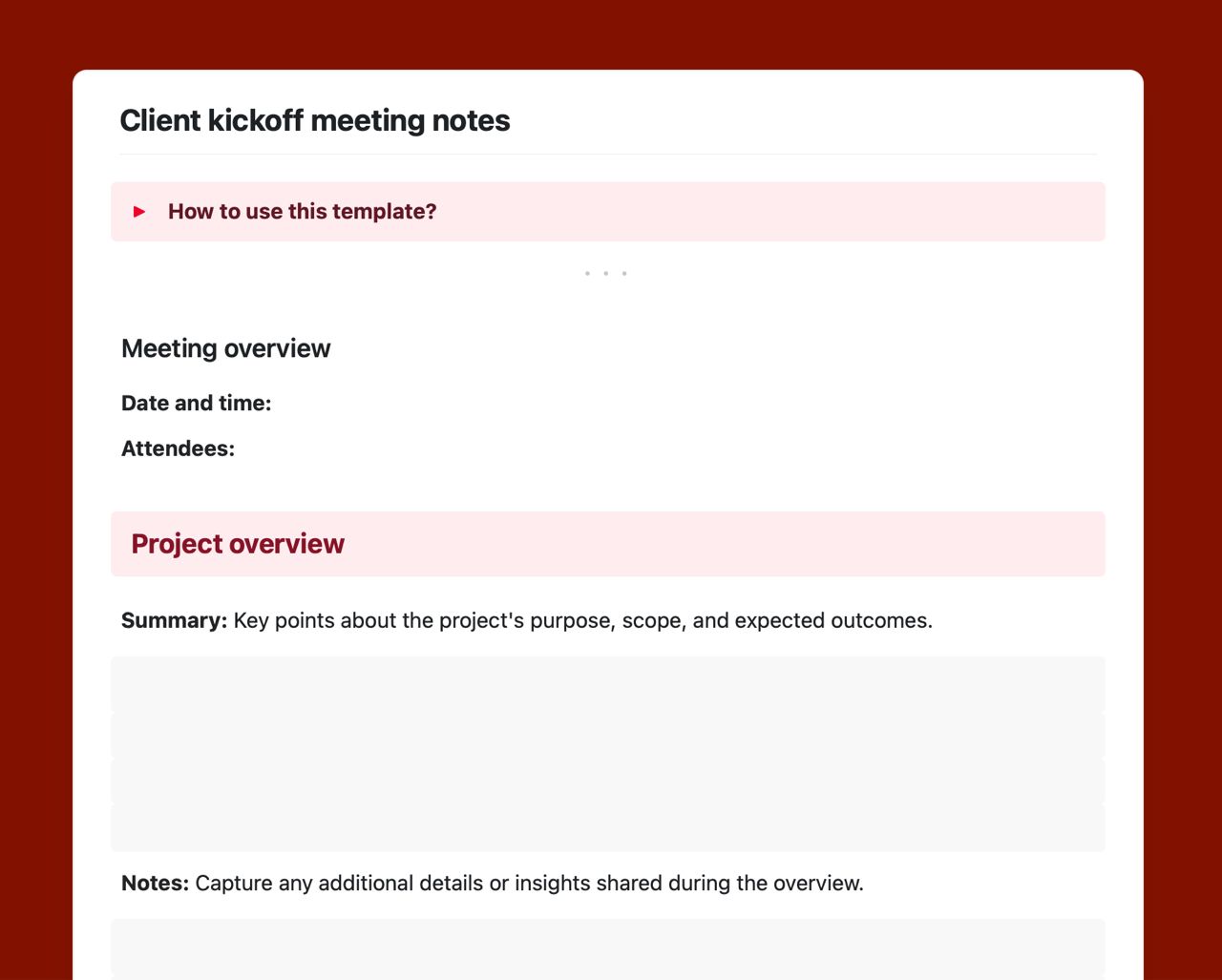
The operational value of project-focused business networking questions collapses if the answers aren't recorded in real time. Noting the project name, the type of client involved, and the stated outcome, while still at the event, transforms a good conversation into a usable lead note. Waiting until after the event means losing the specific language the contact used, which is the most valuable part. The tradeoff: note-taking mid-conversation requires practice to avoid breaking rapport.
9. Log the Exact Words Your Contact Used to Describe the Problem, Not Your Paraphrase
Paraphrasing strips the emotional signal out of a pain disclosure. If a contact says "we were always firefighting the last two weeks of every quarter," that phrase belongs in the CRM verbatim. Your restatement of it ("contact mentioned Q4 pressure") loses the urgency, the self-awareness, and the specificity that makes a follow-up message land. Verbatim language is the raw material of personalization; a summary is not a substitute.
10. Tag Each Lead Note With the Project Type to Enable Pattern Recognition Across Events

A single project-story conversation is a data point. Fifty of them, tagged consistently by project type in your CRM, become a pattern that tells you which verticals surface the most acute pain and which contacts are most likely to convert. Mobilo's Teams and Business plans both include insights and analytics and connect to integrations through Zapier, which means tagged lead data can flow directly into the analytics layer your team already uses, without a manual export step.
CRM integration gaps are a hidden drain on productivity precisely because manual data-transfer steps introduce the delay and omission errors that make aggregate pattern recognition impossible. This is most beneficial when a team attends events regularly and needs to prioritize follow-up across a large contact volume. Without consistent tagging, even rich notes stay siloed inside individual records and produce no aggregate intelligence.
11. Ask 'What Kind of Work Do You Want More Of?' to Identify the Outcome They Want to Repeat

This question surfaces aspiration, which is the forward-facing complement to retrospective pain. A contact who says "I want more clients who let us own the full process" is describing both the outcome they value and the constraint they are currently working against. That answer tells you whether their desired future state is one your product or service can credibly support, and it does so in language the contact chose themselves.
12. Use the Project Story to Qualify Whether Their Pain Is in Your Addressable Market Before Following Up
Not every compelling project story maps to a problem you solve. A contact who describes a memorable win rooted in creative execution, regulatory navigation, or organizational politics may be fascinating to talk to and completely outside your addressable market. Using the project story as a qualification filter before investing follow-up time is the discipline that separates productive networking from a full contact list that produces no pipeline. If the pain they describe is not in your market, log the contact, note the mismatch, and move on.
13. Record the Follow-Up Hook - the Specific Detail That Makes Your Next Message Feel Personal
The follow-up hook is the one detail from the project story that only this contact would recognize: the client name they mentioned, the tool that failed them, the quarter that nearly derailed the engagement. Incomplete lead context means even motivated reps lose the specificity needed to personalize outreach, because the conversation quality at the event does not automatically transfer into the CRM without deliberate, real-time capture. Log the hook immediately.
It is the sentence that opens your follow-up email and signals that you were actually listening. For enterprise teams where this discipline needs to scale across a large, distributed workforce, Mobilo's Business plan ($5/month per member, billed annually) adds HR directory sync, enterprise SSO, a custom domain, and white-glove onboarding for teams of 100 or more, so the capture-and-sync workflow is standardized across every rep from day one, not adopted inconsistently rep by rep.
Networking Questions That Identify Ideal Clients Without Pitching
That hook only matters if the contact is actually worth following up with. 62% of B2B sales leads generated at events are never followed up effectively, and poor ICP filtering at the point of contact is a primary reason. The contacts that drain follow-up time most are rarely the ones who said no outright. They are the ones who seemed promising, exchanged details warmly, and turned out to be three company sizes too small, two budget cycles away, or structurally unable to buy without a committee that was never in the room.
The fix is asking the right questions before the conversation ends, so the contacts who deserve follow-up are already sorted from the ones who do not.
"What does your current tech stack look like for [relevant process]?"
Technographic fit is one of the strongest ICP signals available, and most reps never ask for it directly. Framing it around a process the contact already owns ("how do you currently handle lead routing?" or "what are you using for event follow-up?") makes the question feel like interest rather than interrogation. The answer tells you whether they are already in a compatible ecosystem, whether there is a migration cost, and whether the problem you solve is one they are actively trying to fix or passively tolerating.
"What prompted you to come to this event specifically?"
Motivation reveals priority. A contact who says "we are actively evaluating options in this space" is in a different buying window than one who says "my manager suggested I get out of the office." Neither answer disqualifies the contact entirely, but one tells you to follow up within 48 hours and the other tells you to set a 90-day nurture cadence. The question works because it sounds like small talk while functioning as a timeline filter.
"What does your current process look like for [the problem your product solves]?"
Process maturity is a technographic and operational signal in one. A contact who describes a manual, fragmented workflow is signaling both pain and readiness for change. A contact who describes a well-integrated system is telling you the switching cost is high and the urgency is low. The question is genuinely curious in tone, and the answer gives you the context to decide whether this is a six-week deal or a six-month education cycle.
"What does your team structure look like above and below you?"
Org structure reveals where budget sits and where decisions get made. A contact who reports directly to a C-suite and manages a team of ten has a different authority profile than one who is three layers removed from any budget holder. This question also surfaces whether the contact is an end user, an influencer, or an economic buyer, which determines whether your follow-up should be value-focused, technical, or business-case-oriented.
"What is the one thing your team is trying to get better at this quarter?"
Current-quarter priority is a proxy for budget availability and urgency. A contact whose team is actively trying to improve the exact process your product addresses is a warm ICP match regardless of company size. A contact whose priorities are entirely unrelated to your solution is a longer-term play at best. The question invites storytelling, which means the answer tends to be honest rather than rehearsed, and honest answers are where real ICP signals live.
"What would need to be true for something like this to be a priority for your team?"
This is an ICP-mapping question disguised as collaborative problem-solving. The contact's answer tells you the conditions under which they would move, which is more useful than knowing whether they are interested today. If the conditions they describe match the triggers your product addresses, you have an ICP match with a clear follow-up angle. If the conditions are entirely outside your product's scope, you have saved yourself three follow-up emails and a demo call.
"What would a good outcome from today look like for you?"
The most efficient ICP question is the one that lets the contact self-qualify. A contact who answers with a specific business outcome they are trying to solve is signaling both priority and self-awareness about what they need. A contact who says "just here to see what's out there" is telling you the same thing, and both answers are useful. The question works because it is genuinely respectful of the contact's time and goals, which is exactly why it produces honest answers rather than polished ones.
Most reps mentally note these signals mid-conversation and trust themselves to reconstruct the picture later. That trust is where ICP data evaporates. A digital business card with built-in lead capture lets a rep attach a note or tag to a contact record the moment the exchange happens, so the headcount figure, budget cycle timing, or growth stage that surfaced in the conversation is logged before the next handshake, not reconstructed two days later from a fading memory. Several platforms now offer this capability; the value for a sales team specifically lies in whether the capture is tied to centralized team management and direct CRM sync, rather than living as a standalone contact list the rep must export manually after the event.
This benefit materializes most clearly for teams that attend events regularly and need structured follow-up, not as a one-off fix. It is worth noting that real-time capture does not replace good judgment about who is worth following up with; it just ensures that the judgment you made in the room is not lost by the time you are back at your desk.
Knowing a contact fits your ICP is only half the equation. The other half is knowing whether they are ready to move now or just networking for sport. The next section gives you the specific questions that separate genuine buying intent from polite professional curiosity, so your follow-up queue only contains contacts who are actually in a window.
1. Ask 'How Many People Are on Your Team Right Now?' to Surface Headcount Fit Instantly
Headcount is one of the fastest ICP signals you can surface at a networking event. A casual question about team size reveals whether a prospect falls inside your serviceable range before any follow-up is booked. Reps targeting 50-200-person companies can immediately deprioritize a 12-person startup or a 5,000-person enterprise. The tradeoff: headcount alone doesn't confirm budget authority, so pair it with a second signal.
2. Use 'Are You Still Growing That Function or Is It Pretty Stable?' to Gauge Operational Maturity

Operational maturity, whether a team is in build mode or optimization mode, determines which solutions a prospect is actually ready to buy. This question surfaces whether a company is scaling a new function or running a mature operation, which maps directly to ICP criteria around growth stage. It feels like genuine curiosity rather than qualification. The limitation is that answers can be vague, requiring a natural follow-up to pin down specifics.
3. Drop 'What Does Your Tech Stack Look Like for That?' Into a Problem Discussion

Technographic fit is one of the strongest ICP signals available, and most reps never surface it directly. Framing the question around a process the contact already owns ("what are you using for event follow-up right now?") makes it feel like interest rather than interrogation. The answer tells you whether they sit in a compatible ecosystem, whether a migration cost exists, and whether the problem you solve is one they are actively trying to fix or quietly tolerating. Incompatible stacks are a legitimate disqualifier worth knowing early.
4. Ask 'When Do You Typically Plan Budgets for This Kind of Initiative?' to Reveal Budget Cycle Timing

Budget cycle timing is a critical ICP signal that determines whether a prospect is worth pursuing now or in six months. Framing the question around planning rather than spending removes the awkwardness of asking about money directly. A prospect who just closed their annual budget is a low-priority follow-up; one entering Q4 planning is high-priority. The limitation is that some contacts won't know their company's fiscal calendar, especially in larger organizations.
5. Try 'Who Else Gets Involved When You're Evaluating Something Like This?' to Map Decision Structure
This question maps decision authority without asking "are you the decision-maker," which reads as transactional and tends to produce a defensive non-answer. The response tells you whether you are talking to a champion, an influencer, or an economic buyer, and it tells you how complex the internal sell will be before you have invested a single follow-up call or demo slot.
6. Ask 'How Are You Handling That Today?' to Identify Whether a Process Is Formalized or Ad Hoc
Process maturity is both a technographic and an operational signal. A contact who describes a manual, fragmented workflow is signaling pain and readiness for change in the same breath. A contact who describes a well-integrated system is telling you the switching cost is high and urgency is low. The question is genuinely curious in tone, and the answer gives you the context to decide whether this is a six-week deal or a six-month education cycle, before you have said a word about your product.
7. Use 'Is This Something Your Team Owns or Does It Sit with a Central Function?' to Detect Org Structure
Ownership structure reveals where budget sits and where decisions actually get made. A contact whose team controls the budget for a given process has a shorter approval path than one who depends on a central IT or procurement function to greenlight spending. This question also tells you whether your follow-up should go directly to the person in front of you or whether you need to map a broader buying committee before investing in a formal proposal.
8. Ask 'Have You Tried Solving This Before?' to Surface Prior Investment and Solution Awareness
A prospect who has already invested in solving a problem, and failed, is far closer to buying than one who hasn't acknowledged the problem yet. This question surfaces solution awareness, prior spend, and the emotional urgency behind the pain. It also reveals whether a competitor is already entrenched. The limitation is that prospects who had a bad prior experience may be skeptical of any new solution, requiring more trust-building before follow-up converts.
9. Drop 'How Fast Is the Company Growing Right Now?' to Qualify Growth Trajectory as an ICP Signal

Growth rate is a proxy for budget availability, hiring pace, and operational stress, all of which affect ICP fit. A company growing 40% year-over-year is experiencing the scaling pains your solution likely addresses; a flat or shrinking company may be in cost-cutting mode. This question feels like genuine interest in the business rather than qualification. The tradeoff is that contacts may not know or share accurate growth figures, especially at private companies.
10. Ask 'What's the Biggest Bottleneck in That Process Right Now?' to Confirm Pain Severity
Pain severity determines whether a contact is a priority follow-up or a long-term nurture. A contact who immediately names a specific, costly bottleneck is signaling active urgency. A contact who pauses and says "honestly, it's not too bad" is telling you the problem exists but is not keeping anyone up at night. As ScoreApp's December 2024 analysis notes, misfit leads consume the same follow-up resources as high-potential prospects, making early pain-severity assessment a time-protection strategy, not just a sales tactic.
11. Use 'Are You the Right Person to Talk to About This, or Is There Someone Else?' to Qualify Authority Early
This is the most direct authority-mapping question available, and it works precisely because it is respectful rather than presumptuous. Most contacts appreciate being asked rather than assumed. The answer either confirms you are talking to a decision-maker or hands you the name and role of the person who is, which is more valuable than a warm conversation with someone who cannot move a deal forward. Use it when the conversation has produced clear ICP fit signals but authority remains ambiguous.
12. Ask 'What Does Success Look Like for Your Team This Year?' to Surface Strategic Priority Alignment

Strategic priority alignment tells you whether your solution maps to something the contact's leadership is actively measuring. A contact whose success metrics align directly with the outcomes your product drives is a high-fit prospect regardless of company size. A contact whose priorities are entirely disconnected from your solution's core value is a longer-term play at best. The question invites honest reflection rather than a rehearsed pitch, which means the answer tends to reveal real organizational context rather than polished talking points.
13. Try 'How Many Customers or Accounts Is Your Team Managing?' to Infer Scale and Complexity
Customer or account volume is a strong proxy for operational complexity and the scale at which your solution needs to perform. A team managing 20 accounts has fundamentally different needs than one managing 2,000. This question works especially well for sales, customer success, and operations tools where volume drives the value proposition. The tradeoff is that it's role-specific, it's most useful when speaking with someone in a customer-facing or operational function rather than a generalist.
14. Ask 'Is This on Your Roadmap for This Year or More of a Future Thing?' to Separate Active from Passive Prospects
Timeline is the clearest separator between active pipeline and polite interest. A contact who says "we are actively looking at this for Q3" belongs in your immediate follow-up queue. A contact who says "it's something we'd like to get to eventually" belongs in a nurture sequence, not a weekly check-in. The question is direct without being pushy, and it frames both answers as equally valid, which makes the contact comfortable being honest rather than defaulting to vague encouragement that wastes your follow-up time.
15. Use 'What Triggered You to Start Thinking About This?' to Identify the Compelling Event Behind the Need

Compelling events, a new hire, a failed audit, a missed target, a competitor move, are the real drivers behind buying decisions and are one of the strongest ICP fit signals available. A prospect who can name a specific triggering event is far more likely to move through a sales process than one exploring a problem abstractly. This question surfaces urgency, context, and timeline in a single conversational move. The tradeoff is that it requires the prospect to have already surfaced a relevant pain point earlier in the conversation.
Related Reading
- How To Scale Business Networking Online
- Business Networking Automation
- Business Networking Skills
- Virtual Speed Networking
- How To Build A Referral Network
- Business Networking Tips
- Business Networking Plan
- Strategic Networking For Business Growth
- Where To Network For Business
Networking Questions That Signal Buying Intent Versus Polite Small Talk
A contact who volunteers a contract renewal date in passing is handing you a qualified pipeline entry. A contact who laughs at your jokes and asks thoughtful follow-up questions may have zero purchasing intent for the next twelve months. The gap between those two conversations is only visible if you know which specific language patterns to listen for, and only actionable if you capture those exact words before you leave the room.
According to industry research, buying-intent signals in networking exchanges are distinguished from polite small talk by the presence of urgency language, unprompted budget references, or expressions of team frustration with a current solution, whereas polite engagement typically produces vague affirmations and no timeline. The distinction is learnable. Below is the signal taxonomy that separates a prioritizable pipeline entry from a friendly conversation that goes nowhere.
1. Budget Mention Mid-Conversation - The Clearest Buying Signal You'll Hear

An unprompted budget reference is the highest-confidence intent signal available in a networking conversation. When a contact says "we have budget allocated for this in Q3" without being asked, they have self-qualified. The tradeoff: budget mentions are rare, so treating every conversation as a potential budget disclosure leads to over-listening and missed signals elsewhere. Capture the exact phrase, including the quarter or figure named, not a paraphrase.
This is where standard intent-tracking tools fall short. They monitor broad topic-level behavior and cannot identify who inside an account asked a specific question or what triggered a research spike, so there is no way to distinguish genuine buying conversations from general browsing noise. The advantage of a live networking exchange is that the signal is attached to a real person, in real time. Lock it to that person's contact record the moment it surfaces, not after the event, not from memory.
2. Urgency Language - When 'We Need This Soon' Separates Buyers from Browsers

Phrases like "we've been looking at this for months" or "our leadership wants something in place before the end of the year" carry timeline pressure that polite conversation does not. Urgency language is most reliable when it references a specific deadline or internal driver, not a vague aspiration. A contact saying "we should probably look into this at some point" is not urgency; a contact saying "our contract ends in March" is.
3. Team Frustration Signals - Complaints About Current Tools That Reveal Active Pain
When a contact volunteers that their current solution "keeps breaking down" or "the team has basically stopped using it," that is active pain, not small talk. Industry analysis identifies team frustration with a current solution as a primary intent signal in live networking exchanges. The limitation here is that frustration without authority is a weak signal; pair it with a decision-process question to confirm the contact can actually act on the pain.
4. The Timeline Question - 'Where Are You in Your Evaluation Process?' as an Intent Elicitor
Asking directly where a contact sits in their evaluation process surfaces buying context that polite conversation never will. A contact who answers "we're demoing two vendors right now" is in an active evaluation. A contact who says "we haven't really started looking yet" is not. Industry research classifies timeline questions as one of three primary intent-eliciting categories in networking contexts. Most beneficial when asked after a pain signal has already surfaced organically.
5. The Pain-Priority Question - 'Is This Your Team's Top Problem Right Now?' to Test Urgency

A contact who describes a real problem but ranks it third or fourth on their team's priority list is unlikely to move forward in any reasonable timeframe. This question separates genuine urgency from conversational sympathy. The honest tradeoff: asking priority questions too early reads as transactional. Let the contact describe the problem first, then test its weight with this question. The answer calibrates how aggressively to pursue the follow-up.
6. The Decision-Process Question - 'Who Else Would Be Involved in a Decision Like This?' to Map Authority
This question tells you whether you are talking to a buyer or an influencer. A contact who says "that would be my call" is categorically different from one who says "I'd need to bring in our CFO and IT." Neither answer disqualifies the lead, but both change the follow-up strategy entirely. Capture the names and titles mentioned, not just the fact that others are involved. Those names are the buying committee.
7. The Vendor-Dissatisfaction Question - 'What's Missing From What You're Using Today?' to Surface Active Search
A contact who can answer this question specifically is already mentally shopping. Vague dissatisfaction ("it's fine, just not perfect") is low-signal. Specific dissatisfaction ("it doesn't integrate with our CRM and we lose data every week") is a live evaluation waiting for a trigger. The risk: this question can feel presumptuous if asked before rapport is established. It works best after a frustration signal has already surfaced in the conversation.
8. Capturing Exact Quoted Language - Why Verbatim Notes Beat Name-and-Email Collection
According to industry research, capturing the specific language a contact uses in response to intent-eliciting questions transforms an event lead list from a flat roster into a prioritizable pipeline, because verbatim phrasing reveals urgency, budget reality, and decision-making stage that a name alone cannot convey. "Our contract ends in March, CFO owns the decision, we're demoing two vendors already" is a qualified pipeline entry. "Seemed interested, follow up next week" is not.
9. Pain Specificity as a Prioritization Filter - Vague vs. Quantified Problem Statements
A contact who says "we lose a lot of time on manual reporting" is describing a problem. A contact who says "we spend about twelve hours a week on manual reporting and it's costing us a senior analyst's time" is describing a quantified problem with budget implications. Specificity is the filter. Vague problem statements belong in a low-priority nurture sequence. Quantified ones belong at the top of your follow-up list, with the exact numbers captured in the contact record.
10. The Competitor-Mention Signal - When a Contact Names a Rival You're Already Beating
When a contact names a specific competitor they are currently evaluating, they have confirmed an active buying process. This is one of the highest-priority signals in a networking conversation because it tells you the evaluation is real, the timeline is live, and a decision will be made with or without you. Response speed becomes a conversion variable the moment a competitor is named. Capture the competitor name in the contact record so the follow-up sequence can address the comparison directly.
11. Logging Intent Context in Your CRM - Why 'Met at Conference' Is a Useless Note

The core capability, real-time contact creation with appended notes, is increasingly common across digital card platforms; what differentiates any team-grade implementation is how completely those records arrive in the CRM and whether field-level controls let managers lock or override data for consistency across reps.
This is where Mobilo's team-tier structure is directly relevant. After the first networking event or card tap, Teams and Business plan users benefit from features that go well beyond basic contact exchange. One of the sharpest frustrations teams bring to us is that standard intent-tracking tools monitor broad topic-level behavior and cannot identify who inside an account asked a specific question or what triggered a research spike, so there is no way to distinguish genuine buying conversations from general browsing noise.
Mobilo's approach addresses this at the point of exchange itself: both the Teams plan and the Business plan include lead enrichment, lead capture and management, unlimited leads and contacts, custom lead capture forms, insights and analytics, and integrations through Zapier, so the verbatim intent notes captured in a tap-to-exchange moment flow into whatever CRM the team already uses, structured and searchable, not buried in an email thread.
The Teams plan ($4/month per seat, billed annually, marked Popular) gives managers the ability to control, lock, and override data fields across the team, so every rep logs buyer language in a consistent format rather than personal shorthand that no one else can action. The Business plan ($5/month per seat, billed annually) adds enterprise SSO, HR directory sync, and a custom domain, along with white-glove onboarding for qualifying teams, for organizations running structured, high-volume event programs where data consistency is a compliance requirement, not just a preference.
For teams choosing a card format, the Team tier offers a range of physical options, Custom Design NFC Cards with QR Code in standard ($29.50 + $4/month), Wood ($39.50 + $4/month), and Metal ($69.50 + $4/month) materials, as well as Paper Plus Cards ($29.99 + $4/month) and a Digital Wallet Card ($0 + $4/month), all with unlimited taps and scans, full team data analytics, CRM integrations, and the field-level data controls described above. Every tap is a structured data point, not a paper card that gets sorted into a pile after the event.
Most beneficial when a team attends events regularly and needs structured follow-up, not post-event reconstruction from memory.
12. The Polite-Engagement Pattern - Recognizing Responses That Signal No Near-Term Opportunity

Polite engagement has specific markers: enthusiastic agreement with no specifics, questions about your product that never reference a personal problem, and positive body language with no timeline or budget language. A contact who says "that sounds really interesting, I'll definitely look into it" is almost certainly being courteous. The cost of misreading politeness as intent is real: it fills your follow-up queue with low-probability contacts and pushes genuinely qualified leads down the priority list.
13. The Follow-Up Trigger Question - 'What Would Need to Be True for You to Move Forward?' to Test Real Intent
This question is the clearest intent test available in a networking conversation. A contact who answers with a specific condition ("we'd need to see it integrate with Salesforce" or "we'd need sign-off from our VP") is describing a real evaluation path. A contact who answers with "I'm not sure, maybe just more information" is not in a buying process. The answer also hands you the exact follow-up message: address the stated condition directly, using the contact's own words, in your first outreach.
Knowing how to detect and capture buying intent is only half the equation. The other half is putting yourself in rooms where high-intent contacts are actually present. The next section maps the specific networking venues and event formats where these questions are most likely to surface qualified pipeline, so your question framework lands in front of the right audience.
Where to Find the Best Networking Opportunities Worth Preparing Questions For
Attendance volume is the wrong scorecard. The events that actually build pipeline are the ones where your ideal customer profile (ICP) walks in self-selected, not the ones with the longest badge queues or the most recognizable sponsor logos.
According to The Trade Group, trade shows and vertical industry events yield structurally higher-quality leads than broad-reach networking channels because attendees are pre-filtered by industry relevance and purchasing intent. That ICP density is the multiplier on every question you ask. Even the highest-density venue produces zero measurable pipeline improvement if the rep has no capture-and-sync workflow. The same lead dropout rate that plagues a generic chamber mixer applies equally to a hosted buyer dinner where every conversation was objectively better.
Choose venues by ICP concentration per conversation, not by headcount. The twelve formats below are ranked on that basis.
1. Industry Conferences - Where Business Networking Questions Get the Most Traction
Large vertical conferences concentrate buyers, practitioners, and decision-makers in one place for two to three days, creating repeated touchpoints that a single-evening mixer cannot replicate. The tradeoff is signal-to-noise: sponsored sessions attract vendors as much as buyers, so pre-screening the attendee list before you arrive is the only reliable way to confirm ICP density justifies the registration cost.
Many attendees, particularly those new to a vertical, arrive uncertain about what to actually say to prospects or senior practitioners, and end up defaulting to a generic pitch that sounds identical to everyone else's. The reps who break through that pattern do so with genuine preparation: a specific question tied to the conference theme, a reference to a session just attended, a concrete reason for the conversation. Having your contact details transfer in a single tap via a Mobilo NFC card removes the mechanical friction of card-swapping so you can stay fully in that conversational moment rather than fumbling with paper.
2. Vertical Trade Shows - Niche Venues Where ICP Density Is Built In

The Trade Group confirms that trade show attendees are industry-specific and self-selected by vertical, which compresses qualification time significantly. The real risk is booth-floor volume: reps collect dozens of contacts in a day and then face a Monday morning pile of cards that never reach the CRM. Capture infrastructure is what separates a recoverable lead from a lost one at a trade show.
Teams running Mobilo's Team plan ($4/month per member, billed annually) get full team data analytics and CRM integrations built in, along with the ability to control, lock, and override data fields across every rep on the floor, so a busy trade show day produces structured, synced records rather than a stack of forgotten paper. The Team, Custom Design Card (NFC with QR Code, promo-priced at $29.50 + $4/month) gives each rep a branded tap-to-share card that works even without an internet connection, which matters in convention-center basements and exhibit halls where Wi-Fi is unreliable.
3. Chamber of Commerce Events - Local Relationship Depth Over Volume
Chamber events trade ICP density for relationship depth. Attendee pools are geographically concentrated and repeat across months, which builds familiarity faster than a once-a-year conference. The limitation is real: if your ICP is a national or enterprise buyer, a local chamber is rarely the right room. Many networking professionals find chamber events feel transactional or politically misaligned with their own context, and the predominantly B2B, SMB-heavy mix can feel like a poor fit if your target buyer profile skews enterprise or white-collar professional. Most valuable for SMB-focused sales teams whose territory is regional and whose pipeline depends on referral relationships.
4. LinkedIn-Sourced Meetups - Pre-Qualified Attendees Before You Arrive

LinkedIn-sourced meetups let you audit the attendee list before committing, which is a genuine advantage for pre-event qualification. The structural problem is RSVP-to-attendance gaps: no-show rates at informal meetups are high enough that a 40-person RSVP list can produce a 15-person room. Calibrate expectations accordingly and treat the pre-event attendee list as a prospecting tool even if you never attend.
5. Hosted Buyer Dinners - Structured Intimacy That Maximizes Every Question
A hosted buyer dinner with 20 pre-screened attendees consistently produces higher-quality conversations than a 500-person trade show floor because the format eliminates the noise problem entirely. Seating is deliberate, conversation time is extended, and every person in the room has been vetted. The tradeoff is access: these events are invitation-only or require a sponsorship investment that smaller sales teams may not be able to justify without a clear pipeline target attached.
The format also exposes a common beginner struggle: in a room where every attendee is senior and pre-screened, the pressure to sound distinct is highest. Generic openers fall flat fastest here. A Mobilo card tap at the moment of introduction signals that you operate differently. The contact lands in both parties' phones instantly, which itself becomes a natural conversation starter about how the rep's team manages follow-up at scale.
6. Eventbrite Sales and Marketing Events - Low-Barrier Discovery for New Verticals
Eventbrite events are the lowest-friction way to test a new vertical or geography before committing to a full conference budget. ICP density varies widely, and the absence of a curated attendee list means qualification happens in the room rather than before it. Useful for early-stage prospecting and market research; not the right format if your goal is to add qualified pipeline contacts in a single event cycle.
7. Attendee-to-Speaker Ratio as an ICP Density Signal
A high attendee-to-speaker ratio (200 attendees, 8 speakers) typically means more peer-level buyers in the room relative to vendors presenting. A low ratio flips that: the event is structured for content delivery, not peer exchange. Before registering, check the agenda for the proportion of open networking time versus programmed sessions. Events with less than 30 percent unstructured time rarely produce the conversation depth that makes a strong question framework pay off.
8. Agenda Format Evaluation - Sessions That Force Peer Interaction
Roundtable formats, working groups, and facilitated breakouts structurally outperform keynote-plus-cocktail-hour formats for networking ROI because they create a reason to talk that goes beyond small talk. If the agenda shows back-to-back panels with a single 45-minute reception, the format is working against you. Prioritize events where the agenda itself creates peer interaction as a designed outcome, not an afterthought.
9. Past Attendee List Analysis - The Most Reliable ICP Density Check

Requesting or researching past attendee lists is the single most reliable pre-event ICP check available. Most organizers publish sponsor lists and speaker rosters publicly; past attendee companies are often visible through LinkedIn event pages or post-event recap posts. If the previous year's attendee mix skews toward vendors rather than buyers, the event's ICP density is lower than the marketing copy suggests.
10. Sponsor Tier Review - Reading ICP Signals from Who Pays to Be There
Sponsor rosters reveal who considers the event's audience worth paying to reach. If your direct competitors are title sponsors, the buyer pool is likely strong. If the sponsor list is dominated by vendors selling to vendors, the ICP density is probably thin. A quick scan of the top three sponsor tiers takes five minutes and gives you a credible proxy for audience quality before you commit budget.
11. Badge Scanning and Digital Lead Capture - Why Structured Capture Beats Volume
The most common failure mode at high-ICP events is what happens after the conversation ends. Most reps return with a stack of contacts and no structured record of what was discussed. This is especially acute after a first networking event, when the excitement of strong conversations fades and the lag between meeting someone and following up costs the relationship entirely.
A digital business card with built-in lead capture addresses this at the moment of exchange: one tap creates a contact record in real time that can sync directly to the CRM, so the ICP density of the event translates into pipeline rather than a pile of forgotten contacts. Mobilo's Teams plan ($4/month per member, billed annually) includes lead capture and management, unlimited leads and contacts, a paper business card scanner, custom lead capture forms, and 6,000 integrations through Zapier, all with 24/7 customer support. The Team, Digital Wallet Card is included at $0 + $4/month (original price $10.00), making it the lowest-friction entry point for teams that want structured capture without a hardware investment. For teams that want a physical card, the Team, Paper Plus Cards add $29.99 to that same $4/month subscription.
For teams operating at enterprise scale, the Business plan ($5/month per member, billed annually) adds enterprise SSO, HR directory sync, a custom domain, centralized billing, and white-glove onboarding for teams of 100 or more seats, so the record that arrives in the CRM after every tap carries team-level controls and analytics, rather than requiring a manual export step that reintroduces the same lag the card was meant to eliminate.
12. Post-Event Attendee Engagement Platforms - Extending Conversations Beyond the Room
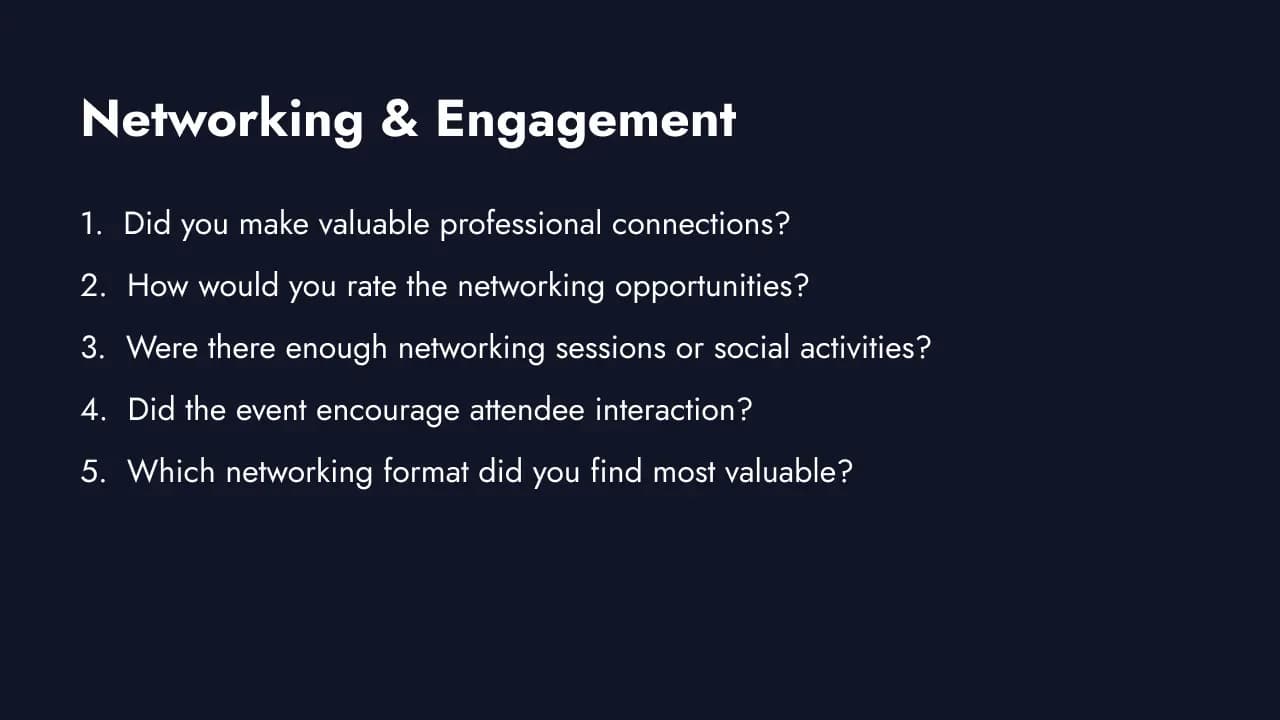
Some conference platforms (Whova, Brella, Hopin) maintain attendee profiles and messaging after the event closes, extending the networking window by days or weeks. The limitation is adoption: if the broader attendee pool does not actively use the platform post-event, it becomes a one-sided outreach channel rather than a two-way conversation tool. Treat these platforms as a supplement to in-room capture, not a replacement for it.
Knowing where to find the right room is only half the equation. The other half is making sure every question you ask in that room produces a record you can act on. That is exactly what the next section covers: how a single tap at the moment of exchange turns your best networking questions into live CRM entries before you have even left the venue.
How a Digital Business Card Turns Every Networking Question Into a CRM Entry
The quality of a networking conversation and the quality of the CRM record it produces are two completely separate outcomes. Most sales teams invest heavily in the first and accept, without questioning it, that the second will somehow take care of itself.

From Conversation Signal to CRM Field - What Actually Happens in the Gap
The gap between a great answer and a usable pipeline record is structural. According to industry research, CRM records reconstructed from memory hours after an event are materially less accurate and actionable than those created in real time, because the qualifying context that made the conversation valuable is the first thing that fades. That pain signal a prospect mentioned in passing, the budget hint dropped casually, the renewal date they volunteered: none of it survives the commute home intact.
Research found that 32% of sales reps spend an hour or more on data entry every day, time that produces records of declining accuracy the longer the gap grows, because there is no mechanism at the moment of exchange.
How to Close the Loop Between a Networking Conversation and Your CRM
Mobilo's Contact Exchange and Lead Capture closes that gap at the moment of handshake, capturing contact details and conversation context before either party has moved on. That record, tagged with conversation notes and intent signals, pushes directly into the CRM via Zapier's integrations in real time. By the time the rep walks to the next booth, the lead is already sitting in Salesforce, HubSpot, or whichever system the team runs, structured and actionable.
Why a Team-Wide Capture Standard Beats a Per-Rep Workaround
A single rep using real-time CRM capture is a workaround. An entire sales team using it is an operational standard, and the difference shows up in pipeline consistency and forecast reliability.
Mobilo's Teams plan, at $4 per month per rep billed annually, includes custom lead capture forms, unlimited taps and scans, team management controls, and CRM connections through Zapier, features that carry through to the Business plan as well, for organizations that need enterprise SSO, HR directory sync, or a custom domain. Central billing gives a sales manager unified cost control across the team, and the shared insights and analytics dashboard, available on every Mobilo plan, provides visibility into tap and scan activity by rep, a level of event-pipeline observability that spreadsheet-based badge-scanning workflows do not provide by design.
Related Reading
- Business Networking Trends
- Business Networking Opportunities
- Networking Ideas For Small Business
- Business Networking Event Ideas
- Business Networking Conversation Starters
- Business Networking Questions
- Networking Ideas For Virtual Events
- Virtual Networking Ideas For Large Groups
Next steps
If your best networking conversations keep producing cold contacts and empty CRM fields by Monday morning, the path forward starts with accepting that the capture gap, not the conversation quality, is where pipeline dies. Reps who leave events energized by sharp exchanges still lose those leads at the same rate as reps who had forgettable ones, because motivation does not move data into a CRM. Start with our digital business card.
The research behind the 80% trade show lead dropout rate means that even a contact who volunteered a budget timeline, named a renewal date, or described an active vendor evaluation is operationally worthless if those signals are not logged at the moment they are spoken. The finding that 32% of reps already lose more than an hour daily to manual data entry means any system that adds a post-event upload step is compounding the problem rather than solving it. Together, they point to a single architectural fix: real-time capture wired directly to the CRM, triggered at the moment of exchange, before the conversation ends.
Start with a digital business card that captures lead context and syncs to your CRM in one tap. From there, every qualifying signal your questions surface, the urgency cues, the budget hints, the stakeholder names, lands in a structured pipeline record before you reach the next table.
Frequently Asked Questions
Why do so many networking conversations never turn into actual follow-ups?
The problem is a broken handoff between the live conversation and the CRM, not a lack of good conversations. Cognitive science research shows humans forget roughly 70% of new information within 24 hours, so buying signals like budget timelines or vendor frustrations that felt vivid at the event are already a blur by Monday morning. Without a capture workflow attached to the moment, that signal evaporates before it ever reaches the pipeline.
How should I prepare for a networking event to make sure my questions are actually useful?
Build a buying-signal checklist before the event opens, decide in advance which three or four answers would tell you a contact is worth a same-week call, and write them down. Then map each question category to a specific CRM field so every answer has a home in your pipeline rather than becoming a vague impression you have to reconstruct later. The post also recommends reviewing the past attendee list or sponsor roster to pre-identify ICP-fit targets before your badge goes on.
What kinds of open-ended questions actually work for starting a real business conversation?
Questions that invite the other person to reveal a current professional priority work better than questions that simply confirm facts. For example, "What are you most focused on right now?" opens a window into a live problem, while "What do you do?" only confirms a title. Psychology research cited in the post shows open-ended questions generate significantly faster rapport because they surface motivation rather than rehearsed answers.
How do I measure whether a networking event was actually worth attending?
The post recommends setting a quality-based success metric before the event rather than counting raw volume of contacts collected. A meaningful example given is twelve contacts who answered at least three qualifying questions, all logged with complete CRM fields before leaving the venue floor, a smaller number that is actually worth something compared to a large pile of unqualified business cards.
What's the best single question to open a B2B networking conversation?
The post identifies "What's the one thing you were hoping to get out of today?" as the highest-yield opener in a B2B context because it immediately surfaces the professional priority driving the other person's attendance, which is often identical to the problem your product solves. If the contact gives a polished non-answer, the post suggests following up with "What would make today feel worth it?"