

27 Networking Ideas for Small Business Owners That Actually Work
On This Page
Networking works. The follow-up almost never does. Here is how to fix the system that lets warm contacts go cold before they ever reach your CRM.
Small business owners don't have a marketing department, a business development team, or a paid acquisition engine running in the background. Client acquisition falls on the owner, which means every conversation at a chamber breakfast or industry mixer carries real operational weight. Most sales managers and business development professionals believe the lag between meeting a prospect and entering them into the CRM is an unavoidable cost of in-person networking, a normal friction point that better follow-up discipline can overcome.
Murray State University research confirms that for small business owners, finding reliable clientele is one of the primary hardships separating them from corporate counterparts, making in-person relationship-building a core necessity rather than a nice-to-have. Networking matters. The question is whether the time invested actually produces pipeline.

"Small business owners report spending countless hours attending networking events with little tangible return in business growth, leading to frustration and questioning its value."
— what we hear from small business owners
Word-of-mouth and referrals consistently outperform paid acquisition for resource-constrained businesses, precisely because trust transfers with the introduction. Research from global marketing leaders consistently finds that the shift toward the self-reliant buyer in a digital-first environment has significantly increased the value of relationship-driven marketing. Human connection has become more valuable as digital noise has grown, not less.
Human connection has become more valuable as digital noise has grown, not less. The catch is conversion.
The same owners who dutifully attend every mixer report frustration: hours invested, cards collected, and almost nothing traceable in closed revenue months later. The cause is specific. Contacts captured on paper sit on a desk. Manual entry gets skipped. The follow-up window closes before the CRM ever opens. From surveying 4,000 sales reps, Mobilo found that 90% of new contacts never enter a CRM because the effort required is simply too high. It's a systems problem.
90% of new contacts never enter a CRM
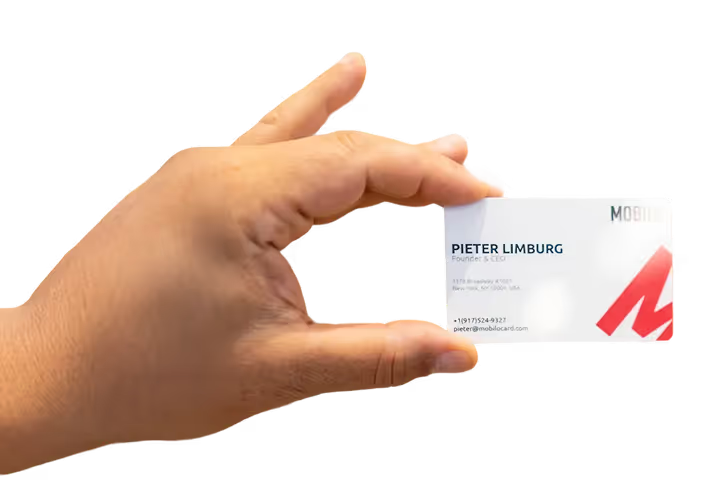
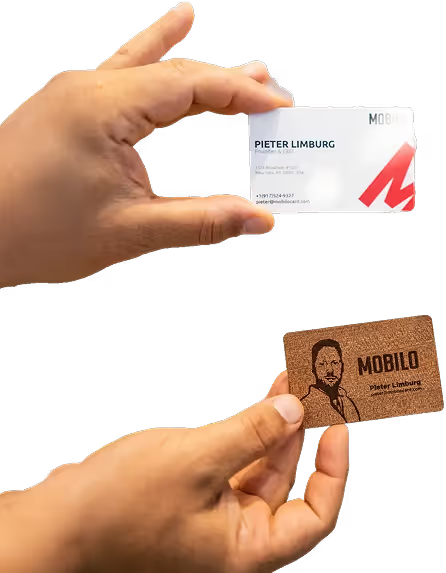
This is where tools like Mobilo's Contact Exchange and Lead Capture close the gap. A tap or scan at the moment of exchange routes contact details directly into the CRM in real time, so the follow-up trigger fires before the event ends rather than days later when memory and momentum have both faded.
Key takeaways
- 90% of new contacts never enter a CRM, not because reps forget, but because manual entry is friction enough to kill the habit entirely.
- Every networking idea in this post is only as good as the system that captures the contact the moment the conversation ends.
- The follow-up window closes faster than most small business owners expect, contacting a prospect within five minutes of an inquiry makes connection far more likely than waiting until end of week.
- Chamber breakfasts, industry mixers, and local pop-ups all produce real pipeline when the contact data actually reaches a dashboard, and almost none when it stays in a pocket or a stack of cards.
- The 24-hour rule isn't a courtesy, it's the conversion variable that separates deals that close from contacts that go cold.
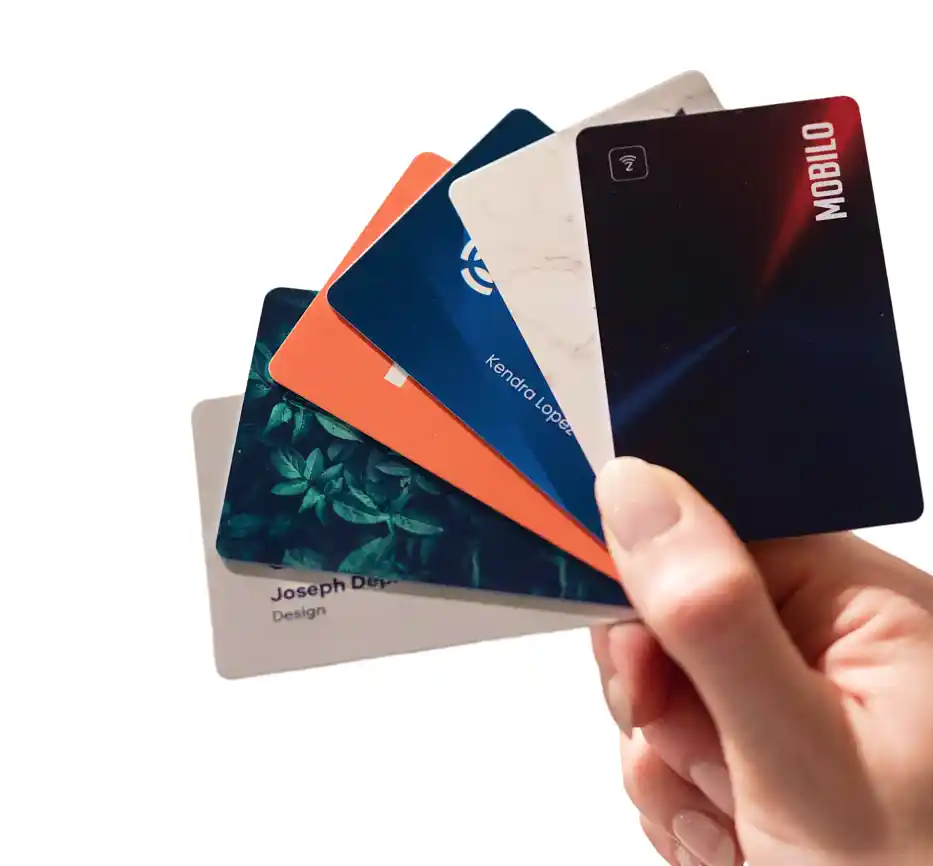
- Mobilo's Contact Exchange & Lead Capture closes the loop at the point of exchange: when someone taps or scans a Mobilo card, their information feeds directly into your contact list or CRM, no manual entry, no lost cards, no follow-up that never gets triggered.
How to Start Networking as a Small Business Owner Without Wasting Time
The common assumption among sales managers and business development professionals is that the lag between meeting a prospect and entering them into the CRM is an unavoidable cost of in-person networking, a normal friction point that better follow-up discipline can overcome. But the gap between a productive networking hour and a wasted one has nothing to do with how many events you attend; it comes down to whether your capture system and follow-up trigger are locked in before you walk through the door.
How to Choose the Right Networking Events
The right question is not "who shows up near me?" but "who shows up with budget authority in my category?" With that filter in place, the events worth prioritizing are the ones built around genuine conversation and mutual referral, not badge-scanning and brochure exchanges. Small business owners who track deals closed against events attended consistently find that niche-specific gatherings outperform broad local mixers on conversion relevance, making venue selection itself a strategic decision.
27 Networking Ideas for Small Business Owners That Build Real Pipeline
Most business cards exchanged at networking events never produce a follow-up conversation, a pattern sales operations teams consistently observe when they audit post-event pipeline against contacts collected. That single number explains why most small business owners feel like networking is working until they check their pipeline three months later and find almost nothing traceable to all those early mornings and after-work mixers. The ideas below are organized into three tiers: in-person tactics, digital strategies, and lead capture systems. Each one includes the specific moment where warm momentum tends to leak out, because knowing the failure point is what separates a tactic from a system.
1. Join Your Local Chamber of Commerce to Access a Pre-Vetted Buyer Network

U.S. The real ROI comes from showing up to the same breakfast events for three consecutive months, not just paying the dues. Your ideal customer profile determines which chapter is worth joining: a B2B service firm benefits most from a chapter dominated by other business owners, not retail operators.
2. Join BNI (Business Network International) for Structured Weekly Referral Accountability
What breaks without follow-through: referrals get passed verbally but never logged, so you have no data on which member relationships actually convert to closed revenue.
3. Craft a 60-Second Elevator Pitch That Opens Conversations Instead of Closing Them
A sharp elevator pitch for networking events is a hypothesis you test, refine, and update based on which version produces follow-up questions versus polite nods. The most effective structure names the specific problem you solve, names who has that problem, and states the outcome you produce. "I help independent dental practices fill their schedule without paying for ads" outperforms "I'm a marketing consultant for healthcare" every time. Where this breaks down: you deliver a great pitch, the person asks for your card, and that card goes into a pocket and never resurfaces.
4. Optimize Your LinkedIn Profile to Communicate Exactly Who You Help and How

A profile that leads with your job title and company name is written for a resume, not for your ideal customer. LinkedIn's own data shows that personalized connection requests are accepted at significantly higher rates than generic ones, meaning the profile and the outreach note work together as a system. What breaks without follow-through: you optimize the profile, collect connection requests, and never send a message that moves the relationship past a notification.
5. Build a Client Referral Program With Tiered Incentives, Clear Mechanics, and a Tracking Sheet
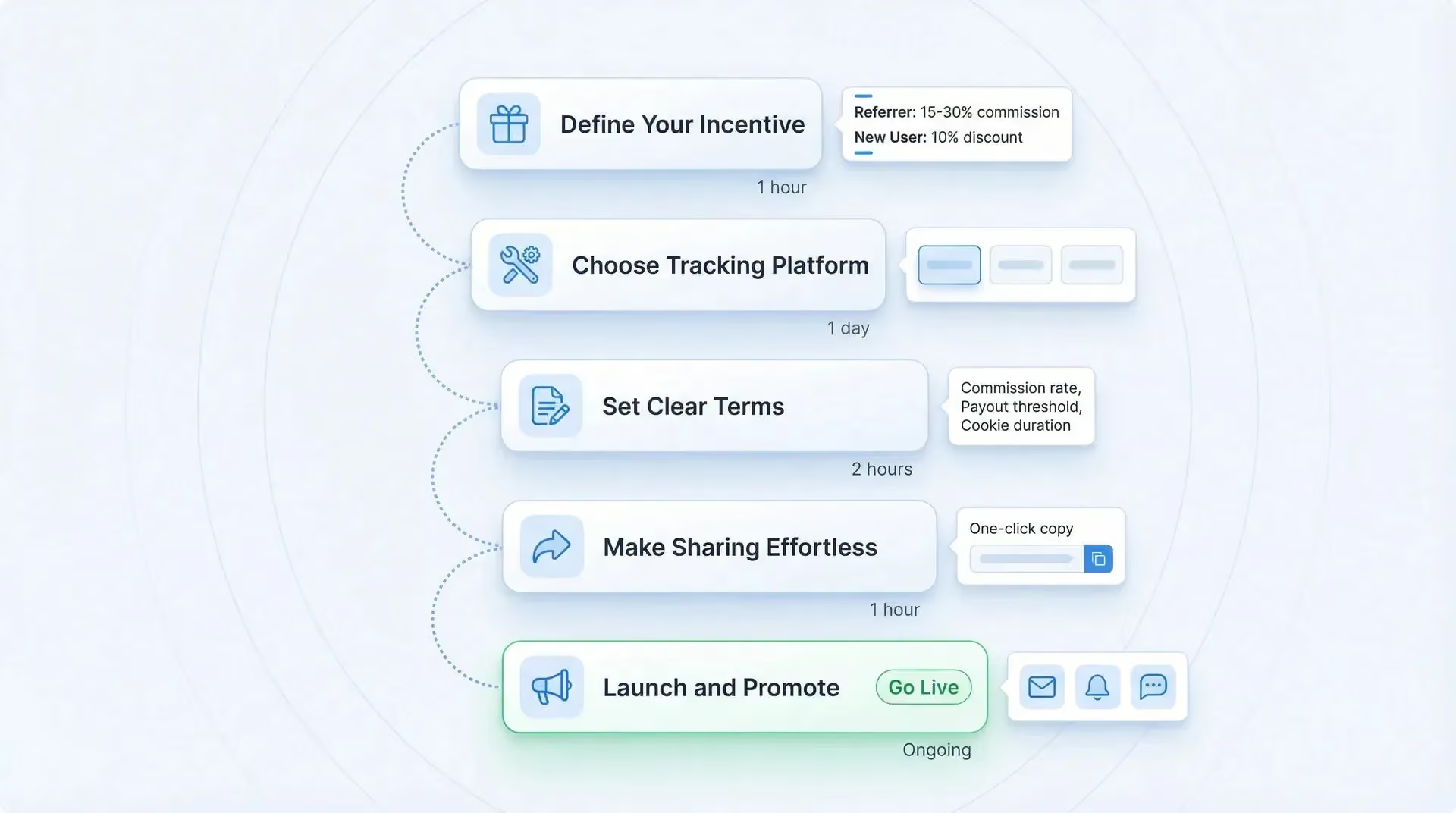
The mechanics matter: the referral ask needs to be specific ("Do you know one other founder dealing with this exact problem?") rather than general ("Feel free to refer anyone you know"). Industry data suggests referral leads convert at higher rates than any other acquisition source, but most small businesses never formalize the ask or track which clients actually send business.
6. Host a Micro-Workshop or Educational Seminar to Position Yourself as the Go-To Expert
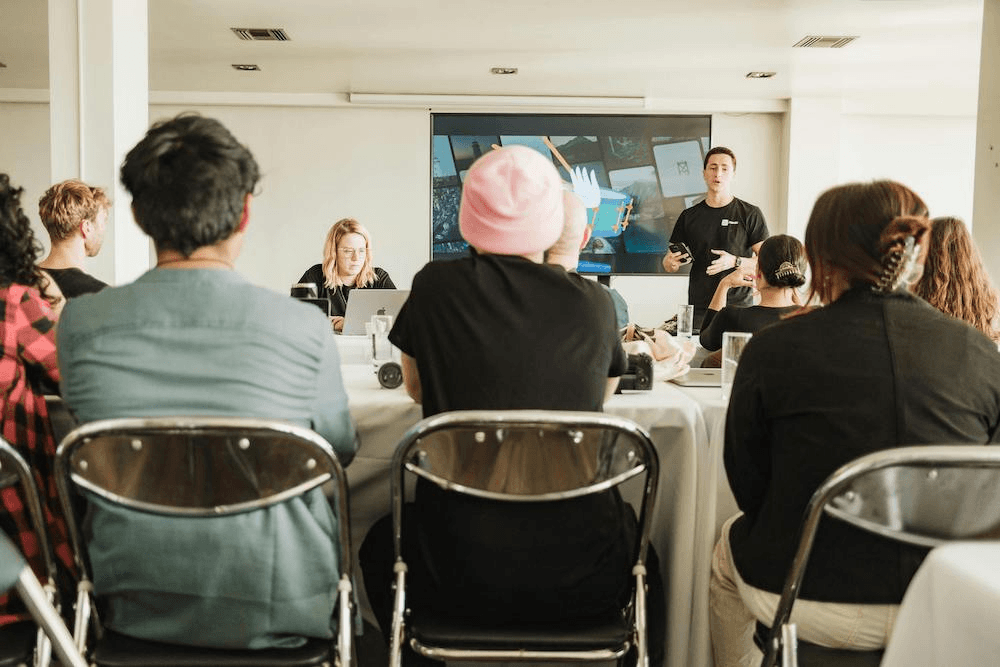
A 60-to-90-minute session on a specific problem your ideal customer faces works best; a bookkeeper who hosts a workshop on cash flow forecasting for restaurant owners will fill a room with restaurant owners who have a cash flow problem, a better-qualified audience than any general mixer. The tradeoff is real: preparation time is significant, and a poorly attended first event can feel discouraging.
7. Identify Complementary Non-Competing Businesses for Co-Referral Partnerships
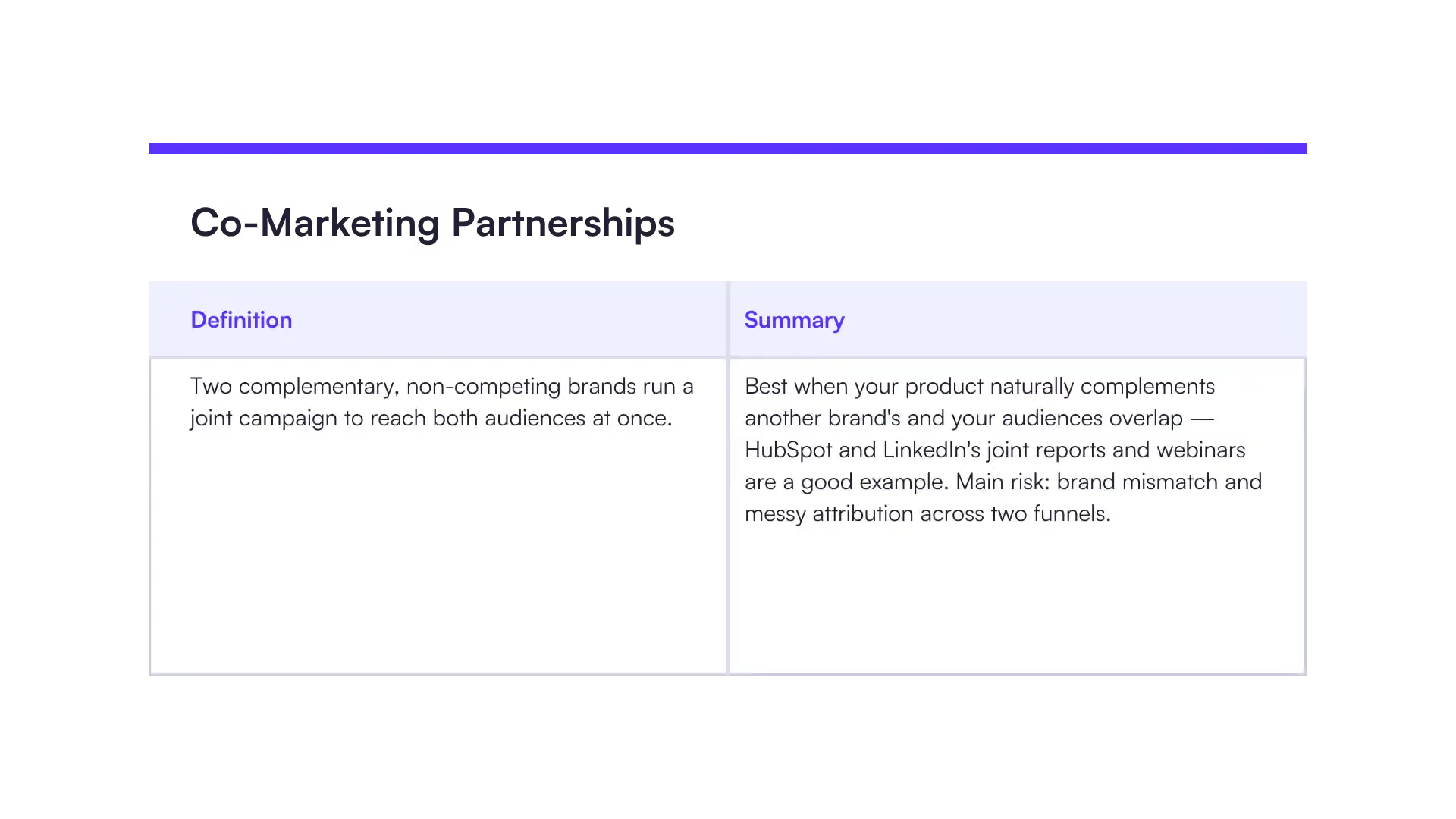
Partnering with non-competing businesses that share your target audience for cross-promotion reaches pre-qualified contacts at scale without paid advertising. A wedding photographer partnering with a florist, or a coffee shop partnering with a bookstore, reaches each other's existing customer base through a trusted voice.
8. Attend Industry Trade Shows With a Pre-Scheduled Meeting Strategy
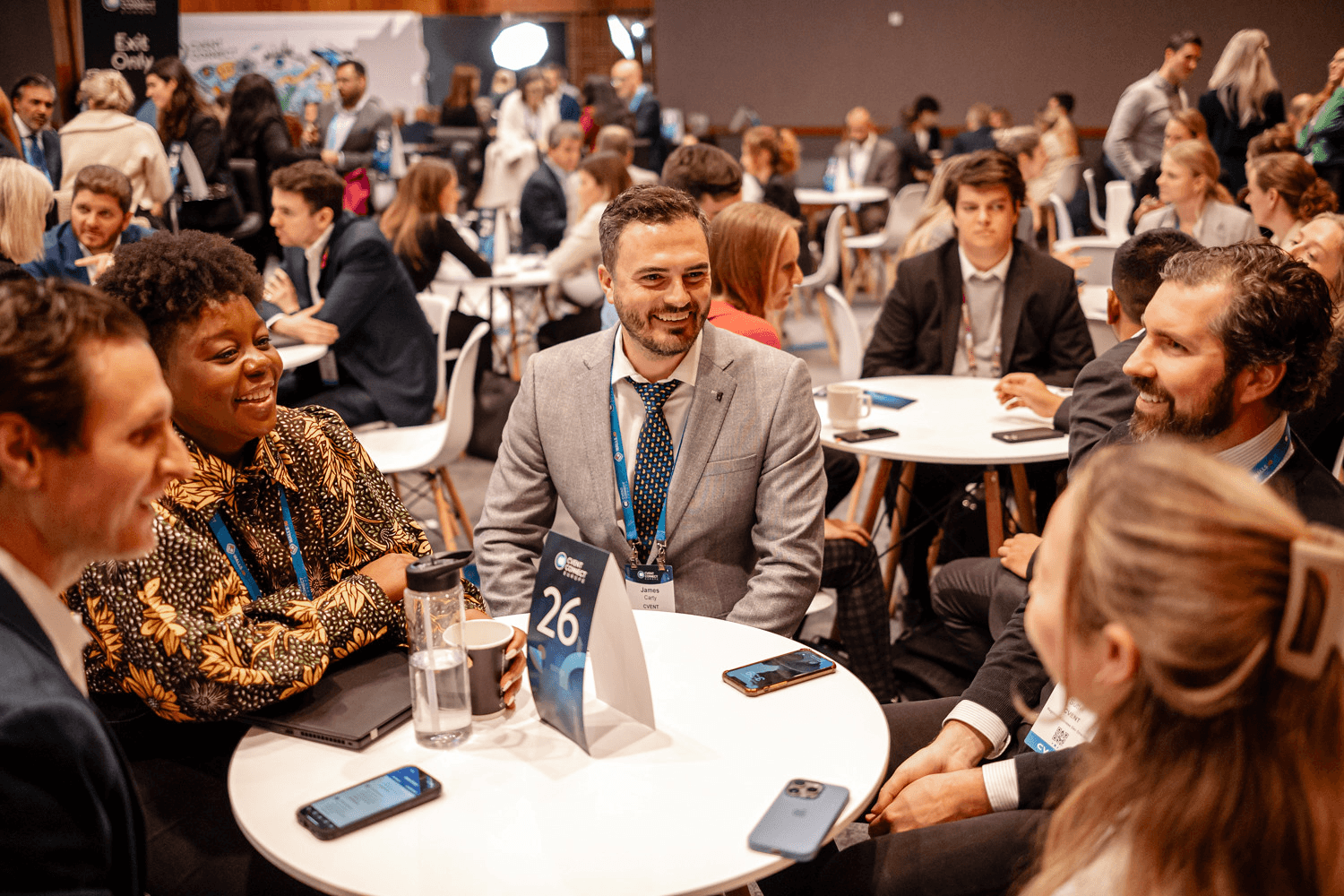
The key decision is whether to attend as a visitor or exhibit: exhibiting costs more but gives you a physical anchor point where contacts come to you, so capture takes less effort. Visiting is cheaper but requires proactive outreach before the event to pre-schedule meetings with specific targets. Badge-scan data from the event organizer arrives in a CSV three weeks later, by which point the contacts have gone cold and your reps have moved on to other priorities.
9. Use Meetup.com to Find and Attend Hyper-Local Niche Networking Events

Meetup.Search by your target industry or buyer persona, not just geography: a cybersecurity consultant attending a local tech founders' meetup will find better-fit contacts than at a general small business expo. The limitation is real: attendance is inconsistent, and groups with no organizer accountability can dissolve without warning. Where things break without follow-through: you have a great conversation, exchange contact details on a phone screen, and never transfer that information into anything structured.
10. Join Industry-Specific Facebook Groups to Network Where Your Clients Already Spend Time
Search for groups organized around your city plus "business owners" or your specific industry vertical. What breaks without follow-through: you answer a question, someone messages you privately, and the conversation dies because you never moved it to a scheduled call or captured their contact details anywhere permanent.
11. Participate in Reddit Communities to Build Authority With Skeptical, Research-Mode Buyers
Reddit's subreddits like r/smallbusiness, r/entrepreneur, and niche industry communities attract buyers who are actively researching solutions and deeply skeptical of marketing. Genuine, detailed answers to posted questions build karma and profile authority that prospects check before reaching out. Self-promotion violates most subreddit rules and results in bans. Without a Reddit username tied to your professional identity and a habit of logging which threads generated profile visits or DMs, the effort produces no traceable pipeline.
12. Join or Form a Mastermind Group With Non-Competing Owners at a Similar Revenue Stage

An informal mastermind group of three to five non-competing local entrepreneurs meeting monthly creates a structured referral engine that compounds over time. The format works best when each member serves the same buyer type from a different angle: a web designer, a copywriter, a brand strategist, and a paid ads consultant all serving e-commerce brands, for example. The time investment is real: as the organizer, scheduling, agenda-setting, and accountability fall on you. What breaks without follow-through: the group meets but no one tracks referrals passed or pipeline generated, so the ROI is invisible and momentum eventually fades.
13. Volunteer for a Visible Leadership Role in a Local Organization to Accelerate Trust

Volunteering professional skills for local non-profits and civic organizations organically connects you with community-minded business owners and civic leaders who are often influential connectors. This tactic is most effective when you take a visible role (committee chair, event organizer) rather than a background one, because visibility is what generates introductions. What breaks without follow-through: you meet a well-connected board member, exchange cards, and never send the follow-up message you promised because you lost the context.
14. Implement a Contact Capture Workflow With NFC/QR Tap-to-Save Technology
That lag is where pipeline dies. A smart digital business card with NFC and QR-code contact exchange eliminates the lag entirely: on Mobilo's Teams and Business plans, the new contact syncs directly into a connected CRM at the moment of the tap, so the follow-up sequence starts in real time rather than whenever the rep finds a spare hour. Most beneficial when professionals attend frequent in-person events or hold client-facing roles, this approach turns every handshake into an immediate, trackable pipeline entry. Even with digital capture in place, the contact sits in the CRM untagged and unassigned, so no follow-up sequence is triggered.
15. Create a 48-Hour Post-Event Follow-Up Sequence to Convert Warm Contacts Into Meetings
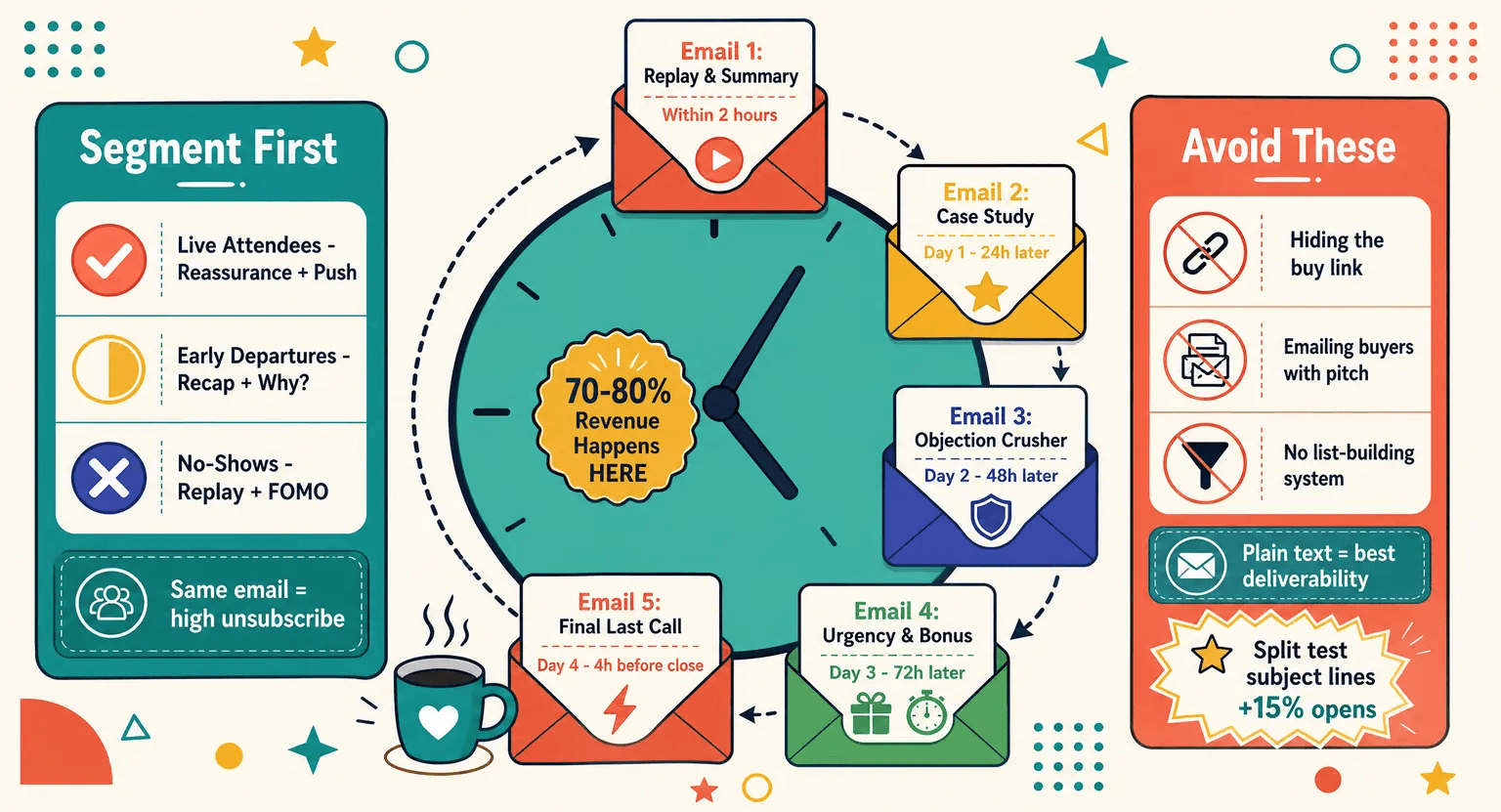
Without follow-through, the follow-up slips to 72 hours, then a week, then it feels awkward, and the contact is quietly written off as a missed opportunity.
16. Speak at Local Business Events and Panels to Generate Inbound Referrals at Scale
Speaking at local business events and panels positions you as the category expert in the room and generates inbound introductions that cold outreach cannot replicate. The pitch to event organizers is straightforward: propose a specific, useful topic for their audience rather than a general overview of what you do. The limitation is throughput: speaking slots are competitive, and the pipeline from a single talk materializes slowly. What breaks without follow-through is that audience members approach you after the talk, you exchange contact details informally, and those contacts never make it into a system that triggers action.
17. Co-Host a Networking Happy Hour With a Complementary Business to Split Costs and Double Reach

Co-hosting a networking happy hour with a complementary business splits venue and catering costs while doubling the guest list, because each business invites its own contacts. The format is lower-pressure than a formal seminar and generates more natural conversation than a structured mixer. The key is choosing a co-host whose audience overlaps with yours without competing for the same business. What breaks without follow-through: guests arrive, conversations happen, and no one captures contact information in a structured way, so the event produces a good evening but no traceable pipeline.
18. Develop a 'Referral Partner Kit' to Make It Easy for Allies to Send You Business
A referral partner kit gives your best referral sources everything they need to introduce you confidently: a one-paragraph description of who you help, a clear statement of the problem you solve, a sample introduction email they can forward, and a simple way to flag when they have made an introduction. The kit removes the friction that stops well-intentioned allies from following through. The limitation: creating the kit takes time upfront, and it only works if you actively distribute it to the right people. Partners want to refer you but default to a vague verbal mention because they do not have the words to describe what you do precisely.
19. Attend Networking Events With a 'One New Connection' Goal to Avoid Shallow Card Collecting

Setting a single, specific pre-event goal, one new connection who fits your ideal customer profile and agrees to a follow-up conversation, changes the event from a social activity into a focused sales motion. The goal forces selectivity rather than card collecting, and selectivity produces better pipeline data. The tradeoff: this approach can feel transactional if it overrides genuine curiosity about the people you meet, so the goal should frame the floor, not the ceiling. What breaks without follow-through: you identify the right person, have a great conversation, and then skip the CRM entry step because you are tired by the time you get home.
20. Create a Monthly Email Newsletter to Stay Top-of-Mind With Your Entire Network
A short monthly email newsletter to your existing contact list keeps you visible to people who already know you but are not yet ready to buy. The format works best when it shares one specific insight, case study, or resource rather than a roundup of everything you have been doing. The critical constraint: this only works if your contact list is actually inside a system. If your contacts are scattered across email threads, spreadsheets, and phone notes, the newsletter cannot reach them consistently. What breaks without follow-through: you write the newsletter but your list is incomplete because half your networking contacts were never entered anywhere structured.
21. Schedule One-on-One 'Coffee Chats' With New Contacts Within 7 Days of Meeting

A one-on-one coffee chat, scheduled within seven days of an initial meeting, converts a first impression into a real relationship faster than any amount of social media engagement. The format is low-stakes for both parties and creates the space to understand whether a referral, partnership, or sales conversation is the right next step. The limitation: coffee chats do not scale, so they should be reserved for contacts who showed genuine fit or interest at the original event. What breaks without follow-through: you agree to "grab coffee sometime," neither party books it, and the relationship stalls at the level of a LinkedIn connection.
22. List Your Business in Local Online Directories and Community Boards to Extend Offline Networking
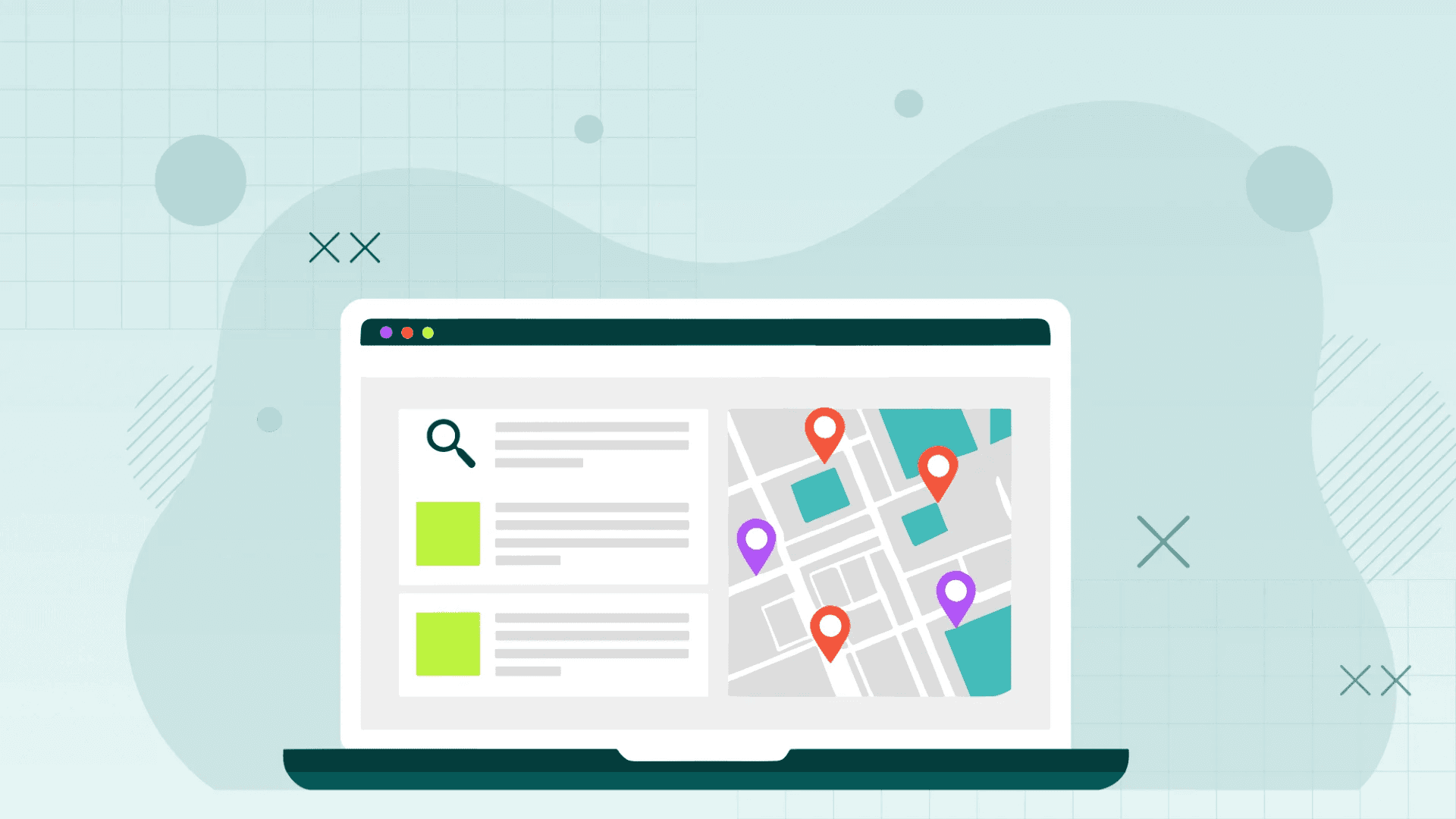
Listing your business in local online directories (Google Business Profile, Yelp, local Chamber directories) and community boards extends the visibility of your offline networking by giving contacts a place to find you after an event. A complete, accurate listing with a clear description of who you serve acts as a 24-hour referral asset. The limitation: directories require maintenance; an outdated phone number or address actively damages trust. What breaks without follow-through: you create the listing once and never update it, so contacts who search for you after an event find stale information and move on.
23. Use a CRM to Tag Every Contact by Source, Stage, and Next Action

Without tags, the CRM becomes a flat list with no way to prioritize or segment follow-up. This takes 90 seconds per contact and changes a CRM that drives action into one that merely stores names. What breaks without follow-through: contacts are entered but never tagged, so they sit in a generic leads bucket and no follow-up trigger is ever set.
24. Partner With a Local Charity or Community Event as a Sponsor to Build Goodwill and Visibility

Sponsoring a local charity event or community initiative puts your business name in front of an audience that associates it with a cause they care about, so trust builds faster than it would from a cold introduction. The sponsorship works best when the cause is genuinely relevant to your ideal customer: a children's education non-profit is a natural fit for a tutoring business but an awkward fit for a B2B software firm.
The tradeoff: sponsorship fees can be significant relative to the measurable pipeline they produce, so treat it as a brand-building investment with a long payback window. What breaks without follow-through: your logo appears on the event materials but no one from your team attends, so the visibility produces no conversations and no contacts.
25. Ask for Testimonials and Case Studies Immediately After a Win to Fuel Future Networking Conversations

The best time to ask a client for a testimonial or case study is within 48 hours of a successful outcome, when their satisfaction is highest and the details are fresh. A specific case study ("we reduced their invoicing time by 40% in the first month") is more useful in a networking conversation than a generic endorsement. The limitation: most small business owners delay the ask out of discomfort, and the window closes quickly as clients move on to their next priority. Without follow-through, you complete great work, the client is delighted, and you never capture the story in a format you can use in future networking conversations.
26. Create a 'Networking Event Debrief' Ritual to Extract Maximum Value From Every Event You Attend

A 15-minute debrief ritual immediately after every networking event, reviewing who you met, what was discussed, and what the agreed next step was, captures context that fades within hours. The debrief produces the specific details that make follow-up messages feel personal rather than templated. Without it, follow-up defaults to "great to meet you," which produces low response rates. The limitation: the ritual requires discipline to maintain, especially after evening events when the temptation is to decompress rather than document. When follow-through breaks down, the debrief never happens, the follow-up is generic, and the conversion rate from event to meeting reflects it.
27. Build a 'Strategic Visibility Calendar' That Rotates Across All Networking Channels Monthly

A strategic visibility calendar maps your networking activities across in-person events, digital channels, and lead capture touchpoints on a monthly schedule, so you avoid over-investing in one channel while neglecting others. The calendar should be built around your pipeline stage: early-stage businesses need volume (more events, more connections); later-stage businesses need depth (fewer events, more follow-through per contact). A calendar without a contact capture system attached to each activity is just a schedule of appearances. Without follow-through, the calendar fills up with events attended but no corresponding pipeline data, so the next month's calendar is built on the same assumptions as the last.
Related Reading
- Virtual Speed Networking
- How To Build A Referral Network
- Business Networking Automation
- How To Scale Business Networking Online
- Business Networking Tips
- Where To Network For Business
- Business Networking Plan
- Strategic Networking For Business Growth
- Business Networking Skills
How to Follow Up After Networking Events Before Your Leads Go Cold
The follow-up email you plan to send "by end of week" is not a strategy, and the data on response windows explains why.

The 24-Hour Rule - Why the Follow-Up Window Closes Faster Than You Think
Speed is the conversion variable. Contacting a prospect within five minutes of an inquiry makes connection far more likely than waiting even thirty minutes, and companies responding within the first hour are significantly more likely to qualify a lead than those who wait a day or longer. That window is measured in hours.
Why the Manual Card-to-CRM Workflow Creates a Follow-Up Gap Your Pipeline Can't Afford
Sales operations teams that have audited their post-event workflows consistently find that the manual steps, card photography, spreadsheet entry, CRM upload, field mapping, task assignment, introduce a multi-day lag before any follow-up sequence can fire. In practice, a significant share of those contacts are never entered at all. The workflow itself is the liability.
Real-Time Contact Capture vs. Bulk Upload - Which Follow-Up Workflow Actually Works?
The fix is removing the transcription step entirely.
Mobilo's Contact Exchange and Lead Capture feature works exactly this way: when a prospect taps or scans a digital business card, their information is captured and pushed directly into the connected CRM in real time, triggering whatever follow-up sequence the team has configured. No missing fields from a card that got wet in a coat pocket. For a field sales team covering multiple events each quarter, the difference between a digital capture workflow and a drawer full of cards is the difference between a functioning pipeline and a backlog of manually entered contacts that never quite catches up.
The Landsea Homes team documented measurable operational savings after replacing paper card collection with Mobilo's digital workflow. With contacts entering the CRM at the moment of exchange rather than days later, the time previously absorbed by manual entry was redirected to active selling.
One honest caveat: this workflow requires a CRM integration setup upfront, which means a CRM admin needs to be involved at the start. That investment, however, is a one-time cost rather than a recurring drag on every event the team attends.
Related Reading
- Business Networking Trends
- Business Networking Opportunities
- Networking Ideas For Virtual Events
- Business Networking Event Ideas
- Virtual Networking Ideas For Large Groups
- Business Networking Conversation Starters
- Business Networking Questions
Next steps
If your event contacts are disappearing before they ever reach your CRM, the path forward starts with removing the transcription step entirely. Real-time capture at the moment of the handshake is not a workflow upgrade; it is the difference between a lead that enters your pipeline and one that decays in a jacket pocket. Start with our digital business card.
The 48-hour decay window is not a discipline problem; it is a structural guarantee built into paper card exchange, because the manual steps between card and CRM introduce exactly the lag where prospect warmth and rep context both expire. Separately, when 70% of a sales rep's week is already consumed by non-selling tasks, adding a post-event batch-entry backlog does not just slow follow-up; it makes in-field contacts invisible to pipeline forecasting from the moment the event ends. Together, those two realities point to one corrective action: sync contact capture to the CRM at the point of tap, before the conversation ends.
Start with a digital business card that routes new contacts directly into your CRM in real time. From that point, the follow-up sequence fires automatically, the contact is tagged, and your pipeline reflects the conversation you just had; not the one you remembered to log three days later.
Frequently Asked Questions
Why do most networking events never lead to actual new business?
The most common cause is a broken capture system, not a lack of effort. Research cited in this post found that 90% of new contacts never enter a CRM because the manual data-entry step is simply too high a barrier, contacts captured on paper sit on a desk, the follow-up window closes, and warm momentum fades before any action is taken.
How many targeted conversations should I aim for at a networking event?
The post recommends setting a pre-event goal of three to five qualified conversations rather than trying to work the whole room. The focus should be on attendees who have budget authority in your category, not just whoever is nearby.
Are Chamber of Commerce events actually worth attending for a small business?
Yes, but only with consistent follow-through. U.S. Chamber of Commerce research shows consumers are measurably more likely to purchase from Chamber-member businesses, treating membership as a trust signal, but the real ROI comes from showing up to the same breakfast events for three consecutive months, not just paying dues. Your ideal customer profile should also determine which chapter is worth joining.
What's the best format for a networking event if I want to meet a lot of people quickly?
Speed networking events, where attendees rotate through short one-on-one conversations, are highlighted in the post as underrated for generating a high volume of first introductions in a short window. The format rewards a sharp elevator pitch and a fast contact capture system, since you can meet 20 people in 90 minutes, though your follow-up needs to be specific enough to reference something from each actual conversation.
How do I make sure contacts I meet at events actually get followed up with?
The post recommends defining your capture method and follow-up trigger before you leave the office, not after the event. Tools like Mobilo's Contact Exchange and Lead Capture route contact details directly into your CRM in real time at the moment of exchange, so the follow-up trigger fires before the event ends rather than days later when memory and momentum have both faded.