.avif)


Top 11 Business Networking Strategies for a Reliable Pipeline
On This Page
Professionals meet dozens of people at conferences, exchange business cards that end up buried in drawers, and watch promising connections fade into nothing. The problem isn't a lack of networking opportunities. The challenge lies in turning brief introductions into meaningful relationships that generate leads, referrals, and long-term partnerships. Practical business networking strategies help build consistent, high-quality connections and create a reliable pipeline of opportunities.
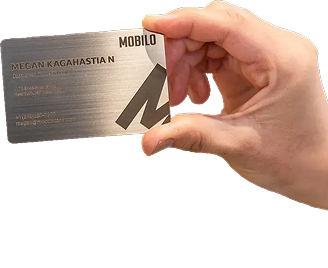
One simple shift can transform how professionals follow up and stay connected with the people they meet. When someone can instantly share information, track connections, and maintain consistent touchpoints, scattered networking efforts become a systematic approach. This transformation eliminates the friction between meeting someone and keeping them on your radar, making it easier to nurture relationships over time with a digital contact card.
Summary
- Most professionals fail to follow up after networking events, with only 48% maintaining contact after initial meetings. This structural failure means half of every networking opportunity disappears the moment you leave the room. The problem isn't social awkwardness or lack of effort. It's the absence of systematic follow-up mechanisms that convert conversations into qualified opportunities.
- Research shows that 85% of jobs are filled through networking, yet most professionals treat it as attendance rather than architecture. High-performing networkers focus on fewer, more intentional relationships with people who match their ideal client or partner profile. They create systematic touchpoints that keep relationships warm without being intrusive, rather than hoping scattered interactions will eventually yield results.
- Networking systems operate through five interconnected stages: targeting who matters, positioning why you're relevant, engaging through intentional follow-up, maintaining relationships through regular touchpoints, and creating conversion triggers that turn trust into opportunity. When any single stage fails, the entire structure weakens. The difference between contacts and relationships is infrastructure, not personality.
- Only 78% of startups credit networking as critical to their success, but those relationships only function when both sides contribute value. Leading with generosity, sharing relevant resources, and making introductions without expecting immediate return builds social capital that compounds over time. Transactional networking, where every interaction is a request, dies quickly because it violates the reciprocity that sustains professional relationships.
- Most teams lose 60 to 70% of their event contacts because the gap between conversation and CRM entry is too wide. Business cards sit in pockets for days, context evaporates, and promised follow-ups never happen. When contact details flow directly into your CRM with notes about context and next steps, follow-up becomes systematic rather than aspirational.
- Mobilo's digital contact card eliminates the gap between meeting someone and capturing their information by enabling instant digital exchange that syncs directly into CRM systems without manual data entry.
Why Most Business Networking Fails to Generate Real Opportunities
Most business networking fails not because people skip events, but because connections don't turn into opportunities. The problem isn't in the conversation—it's in what happens after, when follow-up systems don't exist, and connections fade into forgotten LinkedIn profiles.
.webp)
🎯 Key Point: The real networking challenge happens in the 48 hours after you meet someone. Without a systematic follow-up approach, even the most promising connections become dead leads.
"85% of professionals say they've made valuable connections at networking events, but only 2% report those connections leading to actual business opportunities." — Harvard Business Review, 2023
.webp)
⚠️ Warning: Most networkers focus on collecting business cards rather than building meaningful relationships. This transactional approach kills opportunities before they can develop into genuine partnerships.
What causes networking connections to disappear after events?
Most professionals assume that attending more events and collecting more contacts automatically accelerates growth. But doing more doesn't mean doing it faster. According to McKinsey, only 48% of professionals follow up after networking events, meaning half the people you meet disappear once you leave. The real problem is structural: no follow-up plan, no conversion system, and no mechanism to turn conversations into qualified opportunities.
What happens when networking lacks proper structure?
When networking lacks structure, problems grow quickly. You attend an event, collect business cards, and return to your desk with good intentions. Then emails pile up. Client work takes priority. Those contacts sit untouched, and within days, the context of your conversation disappears. You can't remember what you discussed. They've moved on. The moment is lost.
How does weak networking impact revenue generation?
This pattern creates wasted time at events, irrelevant contacts filling your database, and inconsistent referrals that never convert to pipeline. It makes revenue generation unpredictable: you can't forecast opportunities when networking relies on hope rather than process. Teams that rely on transactional relationship-building constantly start from zero, with no momentum, no compounding trust, and scattered efforts that feel exhausting and yield little.
What research reveals about networking success
Research from LinkedIn shows that 85% of jobs are filled through networking. High-performing networkers cultivate intentional relationships with people who match their ideal client or partner profile.
They create memorable interactions by solving specific problems or offering genuine insight, and they maintain proximity through systematic touchpoints that keep relationships warm without being intrusive.
Why does targeting the right people accelerate conversion
When you target the right people from the start—those who already have the problem you solve and the authority to act on it—conversion happens faster. Depth beats reach.
A small network of 50 people who trust you and remember your specific value will generate more qualified opportunities than 5,000 contacts who vaguely recall meeting you once.
How do digital tools eliminate networking gaps?
Platforms like Mobilo's digital contact card close the gap between meeting someone and correctly saving their information. When contact details go straight into your CRM with notes on what happened and what comes next, following up becomes routine rather than an afterthought.
But even the best tools won't fix a fundamental misunderstanding about what networking is and how high-value relationships develop over time.
Related Reading
- Benefits Of Business Networking
- Digital Networking
- Types Of Business Networking
- Professional Networking
- Digital Presence
- Virtual Networking Tips
- Networking Business Card
What Business Networking Actually Is (and the System Behind High-Value Relationships)
Networking is a structured process for turning relationships into predictable business opportunities: building a repeatable system that identifies who matters, positions you as relevant to them, and converts conversations into tangible outcomes like referrals, partnerships, or revenue.
🎯 Key Point: True networking is about creating a systematic approach to relationship building, not random connection collecting.
High-performing professionals treat networking as a system for opportunity generation rather than relying on luck. They engineer it. The difference appears in their pipelines: consistent inbound introductions, deals that close faster because trust already exists, and relationships that compound in value over time instead of fading after the first coffee meeting.
"High-performing professionals treat networking as a system for opportunity generation rather than hoping for luck. They engineer it."
.webp)
💡 Tip: Focus on building relationships that compound in value over time rather than one-off connections that fade after initial contact.
Random Networking
- Collecting contacts
- Hoping for luck
- One-time meetings
- Fading connections
Systematic Networking
- Building relationships
- Engineering outcomes
- Compounding value
- Sustained pipelines
.webp)
The Five Components of a Networking System
Every effective networking system works through five connected stages. Missing one weakens the entire structure.
1. Targeting
Determines who matters. Not everyone in your industry deserves equal attention. According to research published by Strategies and Voices, 85% of professionals say their best business comes from people they already know well.
High-value networks start with identifying decision-makers, connectors, and potential partners whose goals align with yours. Quality beats quantity because depth creates leverage.
2. Positioning
Explains why you matter to them. Before anyone refers you, invests time in you, or opens their network to you, they need to understand what you do and why it's relevant.
When someone asks what you do, your answer should make them immediately think of three people who need your help. Unclear positioning kills referrals before they start.
3. Engagement
Controls how relationships form. Conversations happen, business cards get exchanged, LinkedIn requests get accepted, and then nothing.
Real engagement requires intentional follow-up: sharing relevant articles, making introductions, and offering help before asking for it. When contact details flow directly into your CRM with context about where you met and what you discussed, follow-up becomes organized.
Tools like digital contact cards eliminate the gap between meeting someone and accurately capturing their information, preventing relationships from evaporating as memory fades.
4. Follow-up systems
Separate professionals who build networks from those who attend events. Research from SHRM shows that 70% of jobs are never publicly advertised, meaning access depends on who remembers you when opportunities arise.
This requires regular touchpoints: quarterly check-ins, birthday messages, congratulations on promotions, or forwarding something useful. Professionals who do this consistently have built systems that remind them when to reach out and what to say.
5. Conversion triggers
Determine how deals materialize. At some point, trust converts into opportunity: a referral, a partnership discussion, or an introduction to a decision-maker.
This happens when you've shown value repeatedly, positioned yourself clearly, and stayed present long enough that when someone encounters a problem you solve, you're the obvious answer.
The best networkers don't wait for this moment. They create it by asking directly: "Who else should I be talking to?" or "What would make me more useful to you?"
When Systems Replace Guesswork
Informal networking works when your circle is small and goals are unclear. Structured networking becomes necessary when you need predictable results: a specific number of qualified leads per quarter, partnerships with particular companies, or access to decision-makers in a new market. Both approaches fail without organization because memory doesn't scale, context gets lost, and follow-up becomes inconsistent. The difference between a contact and a relationship is infrastructure.
Once networking is understood as a system rather than a social activity, the next step is identifying which strategies produce consistent results.
Related Reading
- How To Use Social Media For Networking
- Social Networking For Business
- Icebreaker Examples Business Networking
- How To Build A Professional Network
- Business Networking Ideas
- How To Get Business Contacts
- Small Business Networking
11 High-Impact Business Networking Strategies That Generate Consistent Opportunities
Networking strategies that you can use again and again depend on planned processes that turn interactions into opportunities you can track. Each strategy below addresses a specific problem in how relationships become revenue, partnerships, or referrals. The difference between random networking and consistent results is knowing which system to use, when it stops working, and how to measure its effectiveness.
.webp)
🎯 Key Point: The most successful networkers treat relationship-building like a systematic business process, not a random social activity.
💡 Pro Tip: Track your networking ROI by measuring three key metrics: new connections made, follow-up conversations scheduled, and actual opportunities generated within 30 days of initial contact.
.webp)
1. Assess and Strengthen Your Current Network
Most professionals treat their network like a storage unit, adding contacts over time without checking what's there or whether those relationships still work. Start by mapping who you already know, organizing connections by strength and relevance, and identifying gaps before expanding.
Why it works structurally
You can't improve what you don't measure. An audit reveals which relationships are thriving, which need rebuilding, and which types of connections you're missing entirely. It transforms a vague notion of "knowing people" into a tangible strategic tool.
What problem does it solve?
You avoid wasted effort chasing new contacts when dormant relationships could be reactivated with a single message. It also prevents the creation of a network that's deep in one area but absent in others.
Where it breaks
Audits only work if you follow through. Identifying a former colleague you should reconnect with means nothing if you don't send the message. The audit is the diagnostic; the follow-up is the treatment.
2. Establish and Maintain Your Online Presence
Your digital footprint is the first filter people use to decide whether you're worth their time. According to Mobilocard, 85% of professionals say face-to-face meetings are important for long-term business relationships, but those meetings rarely happen if your LinkedIn profile looks abandoned or your website hasn't been updated since 2019.
A strong online presence creates passive credibility. People research you before they meet you, before they take your call, before they introduce you to someone else. A complete, current profile eases relationship-building at every step.
How do weak profiles cost you opportunities?
When someone searches for your name on Google or clicks on your LinkedIn profile, they're deciding whether to spend time learning about you. A weak presence means you lose opportunities before you even know they existed.
Presence without substance is noise. Posting generic motivational quotes or sharing unread articles signals performance rather than contribution. Your content should demonstrate expertise or add value to your audience.
3. Join Relevant Communities
Communities—alumni networks, industry associations, specialized groups—give you concentrated access to people who share your context. That shared context reduces friction in starting conversations and increases the likelihood that introductions lead somewhere useful.
Why does community networking work structurally?
Communities create repeated exposure. You're not meeting someone once at an event and hoping they remember you. You're showing up consistently in the same space, building familiarity and trust over time without requiring one-on-one effort with each person.
What networking problem do communities solve?
The cold-start problem: reaching out to a stranger on LinkedIn feels transactional, while contacting someone you've seen share thoughtful ideas in a shared Slack channel feels natural. Communities build stronger relationships before you need them.
Where does community networking break down?
Joining without participating is the same as not joining. Lurking in a group—never commenting, never attending events, never asking or answering questions—makes you invisible. Communities reward contribution, not membership.
4. Cultivate Diverse Relationships
Networks where everyone is the same create echo chambers. When everyone you know works in the same industry, at the same level, with the same background, you limit the range of opportunities and ideas you'll encounter. Diversity in your network isn't about appearance; it's about access to connections and perspectives that aren't obvious, creating competitive advantage.
Why does diversity in networking create structural advantages?
Weak connections across different areas often produce more value than strong connections within a single area. The person who connects you to a partnership opportunity or new market is rarely your closest colleague, but someone nearby who sees patterns you don't.
Where does diverse networking fail to deliver results?
Diversity without genuine curiosity feels performative. Adding someone to your network because they fit a demographic doesn't create real value. The goal is to learn from people whose experiences differ from yours, which requires an authentic interest in their perspectives.
5. Bring Shared Value to Your Network
Networking focused solely on quick wins fails. If you ask for something in every interaction, people stop responding. When you give value first, you create reciprocity without scorekeeping. Research from Jason Yormark shows that 78% of startups say networking was critical to their success, but those relationships only work when both people contribute.
Why does generosity build stronger professional relationships?
Generosity builds social capital. When you share a relevant article, make an introduction, or offer advice without expecting immediate return, you're depositing into a relationship account. Later, when you need something, the withdrawal feels natural rather than extractive.
What trust barriers does value-first networking overcome?
The trust problem: people hesitate to network because it often feels one-sided. When you start by helping others, you shift the dynamic from "what can you do for me" to "how can we help each other"—the foundation of lasting relationships.
When does giving without boundaries become counterproductive?
Giving without limits gets tiring. Shared value means both people benefit over time: you're not becoming everyone's free helper.
6. Follow Up Consistently
Most networking opportunities die between the initial meeting and the next interaction. You exchange contact information, perhaps send a quick message, then nothing. Weeks pass, context fades, and the relationship never forms due to a lack of follow-through.
Why does consistent follow-up build stronger relationships?
Consistency compounds. A single follow-up is polite. A second touchpoint a month later, sharing something relevant, builds familiarity. A third interaction, checking in or offering help, begins to look like a relationship. Repetition over time converts a contact into a connection.
The forgetting curve. People meet dozens of new contacts at conferences and events, and without follow-up, you become one more name they vaguely remember. Consistent outreach keeps you visible and relevant.
How can you automate follow-up without losing personal touch?
Most teams handle follow-up by hand, relying on memory or scattered notes. As event volume and contacts increase, this approach breaks down: context gets lost, timing becomes inconsistent, and promising conversations never convert.
Solutions like digital contact card automate contact capture and integrate directly with CRM systems, ensuring every interaction is logged, tagged, and routed into follow-up workflows without manual data entry.
What makes follow-up feel authentic rather than automated?
Staying consistent without making it relevant is spam. Generic monthly check-ins to everyone in your network don't strengthen relationships; they signal you're running a script. Effective follow-up is personalized, timely, and tied to something that matters to the other person.
7. Expand Your Network Beyond Your Industry
Networks within your industry are easy to work with but limited in scope. Everyone knows the same trends, faces the same challenges, and competes for the same opportunities. Cross-industry relationships introduce you to business models, strategies, and contacts that don't exist in your immediate world.
Why does cross-industry networking work structurally?
Industries adjacent to each other often solve similar problems using different tools. A marketing professional might learn more from a product designer than from another marketer because the designer approaches user behavior from a different angle. These lateral insights often create breakthrough ideas.
What problem does expanding beyond your industry solve?
Strategic blindness occurs when your entire network works in the same area, creating tunnel vision. Connections across different industries break that pattern and reveal approaches you wouldn't have considered.
Where does cross-industry networking break down?
Expanding too far outside your domain dilutes focus. The goal is adjacent, not random.
8. Be Conscious of Your Digital Image
Your online presence includes everything that appears when people search for you: old blog posts, outdated social media profiles, and past photos. All of these shape how people perceive you before you speak.
Why does digital reputation matter structurally?
Your digital reputation acts as a filter. Recruiters, potential partners, and clients will search for you online. If the first page of search results looks unprofessional or misaligns with your current presentation, you've created doubt before the relationship begins.
What problem does managing your digital image solve?
The gap between your professional appearance and your online presence. If your online history doesn't reflect your growth and evolution, it can confuse people or undermine their trust in you.
Where does digital image management break down?
Too much curation feels fake. Removing every bit of personality to look "professional" can make you seem robotic. The goal is to match your values, not erase who you are. Your digital image should reflect who you are today.
9. Grow Your Network Continuously
Networks fall apart as people change jobs, move to different cities, and switch industries. To keep growing, you need to continually build new relationships, even when you don't need anything immediately. This approach beats starting from scratch each time you need something.
Why does continuous network growth work structurally?
Momentum is easier to maintain than to restart. Regular attendance at events, conversations, and meetings expands your network organically, giving you fresh relationships and recent context when you need to activate it for a specific opportunity.
What problem does ongoing networking solve?
The desperation dynamic: reaching out to someone after three years to ask for a favor feels like a business deal, whereas staying in touch with people all along makes the ask feel natural.
Where does network growth break down?
Growth without maintenance creates a bloated, inactive network. Adding hundreds of LinkedIn connections you never interact with doesn't increase capacity; it creates noise. Effective growth balances new relationships with ongoing investment in existing ones.
10. Adopt a Help-First Networking Philosophy
The fastest way to build a strong network is to stop thinking about what you can get and start thinking about what you can give. People remember who helped them, who made introductions, and who offered advice without expecting anything in return. That memory creates goodwill that compounds over time.
Why does the help-first approach work so effectively?
Reciprocity is a social norm: when you help someone, they feel obligated to return the favor. More importantly, they talk about you, recommend you, and introduce you to others because you've demonstrated you're worth knowing.
What networking problem does this philosophy solve?
The trust barrier. Most people are skeptical of networking because it feels self-serving. When you lead by being generous and helpful, you break down that skepticism and demonstrate that you create value for others rather than simply taking from them.
When does help-first networking break down?
Helping without limits can lead to burnout. If you say yes to every request and never ask for anything in return, people will take advantage of you. The help-first approach works when balanced with the understanding that relationships should be reciprocal.
11. Keep Your Integrity and Build Trust
Trust is the only currency that matters in long-term relationships. You can be the most connected person in your industry, but without it, those connections are worthless. Integrity means doing what you say you'll do, admitting mistakes, and never compromising your reputation for short-term gain.
How does trust reduce friction in networking?
Trust makes things easier. When people trust you, they introduce you to their contacts, recommend you for opportunities, and believe what you say without requiring extensive proof. Without trust, every interaction requires verification, which slows everything down.
Why do networks depend on referrals and reputation?
Networks are built on referrals and introductions, which put someone's reputation on the line. If you're unreliable, people stop making those introductions because they won't risk their own credibility by associating with you.
What happens when integrity isn't paired with competence?
Being honest is not enough by itself. Being trustworthy means people believe you will do what you say, but if what you deliver is poor, trust falls apart. By combining reliability and quality, you maintain strong professional relationships.
How to Build a Networking System That Predictably Generates Business Growth
Organized networking turns introductions into opportunities and money. Without a systematic approach, relationships depend on memory, mood, and chance meetings. With a proven system, every conversation follows a repeatable process that generates business growth.
.webp)
🎯 Key Point: The difference between random networking and profitable networking is having a documented system that turns every interaction into a trackable business opportunity.
"Systematic networking approaches generate 3x more qualified leads than ad-hoc relationship building." — Harvard Business Review, 2023
.webp)
⚡ Pro Tip: Most professionals think they're networking when they're actually just socializing. The critical difference is having a follow-up system that converts conversations into measurable business outcomes.
Who deserves your attention?
Targeting determines whether your networking energy yields returns or leaves you exhausted. Define exactly who you need to know: decision-makers in companies with specific budgets, professionals two steps ahead in your career, or peers solving adjacent problems. According to the US Chamber of Commerce, 84% of small business owners say networking is important for business success, yet most squander that conviction by spreading their efforts across shallow connections. Build a target list of 50 people who, if they knew you well, could materially change your business trajectory. Then, engineer ways to get in front of them repeatedly.
How trust compounds through consistent engagement
An engagement system turns single interactions into relationships. Most professionals do nothing for months after meeting someone, then panic-message when they need something—guaranteeing rejection. Instead, create a schedule: share a relevant article within 48 hours, comment thoughtfully on their LinkedIn posts twice monthly, and invite them to a quarterly discussion. The pattern matters more than intensity. People trust those who show up predictably, not those who appear only when asking for favors. Track every meaningful conversation in a spreadsheet with columns for last contact date, their current priorities, and your next planned touchpoint. This isn't manipulation—relationships require maintenance.
How conversations become a pipeline
Follow-up systems stop opportunities from disappearing. When someone says, "let's grab coffee sometime" or "send me your info," that's a test—will you do it? Send a calendar invite within 24 hours. If they mentioned a challenge, attach a two-sentence resource addressing it. If they showed interest in your work, provide a one-page overview, not a sales presentation. Teams using digital contact card solutions capture contact details at events and send them directly into CRM workflows, eliminating the friction where most networking value is lost. Relationships tracked in an organized system convert at significantly higher rates than those left to memory.
How does a conversion system recognize business timing?
A conversion system recognizes that business rarely happens in the first conversation. It emerges after someone has seen your work multiple times, heard your name from trusted sources, and watched you deliver value before asking for anything.
Track relationship stages: aware (they know you exist), engaged (they respond to your outreach), trusting (they introduce you to others), and advocating (they refer business without you asking). Each stage requires different actions. Don't pitch to someone in the aware stage—educate them. Don't ask for referrals from someone in the engaged stage—demonstrate results. Conversion happens when the system moves people naturally through these stages, not through forced early asks.
What happens when networking lacks a systematic infrastructure?
Without a system, networking stays unpredictable. You attend events hoping for luck, collect business cards that end up forgotten, and have conversations that disappear because nothing captures the momentum.
The professionals who get consistent opportunities from their networks aren't more charismatic or better connected. They've built infrastructure that makes relationship-building repeatable, measurable, and scalable. But infrastructure only matters if every interaction enters the system.
Related Reading
- Tips For Networking Events
- Professional Networking Platforms
- Business Networking For Entrepreneurs
- Networking Tips For Small Business Owners
- Best Business Networking Apps
- Top Contact Management Software
Turn Every Networking Interaction Into a Trackable Business Opportunity
The shift from random networking to predictable pipeline starts with one decision: every contact you make either enters your system immediately, or it doesn't exist. Most teams lose 60 to 70% of their event contacts because the gap between conversation and CRM entry is too wide. Someone promises to follow up, the business card sits in a jacket pocket for three days, and by then the context has evaporated.
"Most teams lose 60 to 70% of their event contacts because the gap between conversation and CRM entry is too wide." — PMC Research Study
🔑 Key Point: The difference between successful networking and wasted effort comes down to immediate capture versus delayed entry.
.webp)
Most teams handle contact capture through paper cards or manual phone entry because it's familiar. As event volume increases and sales cycles compress, that approach creates silent leakage: cards get misplaced, details are transcribed incorrectly, and follow-up timing stretches from hours to weeks. Tools like Mobilo enable instant digital exchange that captures contact details, enriches lead data with engagement scoring, and syncs directly into your CRM without manual entry. Every handshake becomes a structured data point that enters your pipeline the moment the conversation ends.
💡 Tip: When each conversation has the potential to generate thousands in pipeline value, manual processes become your biggest competitor.
.webp)
For teams attending multiple events monthly or running partnership-driven sales motions, this infrastructure becomes essential. When each missed contact represents thousands in lost pipeline value, manual capture is no longer viable.
Manual Process
- 60-70% contact loss
- 3+ days follow-up delay
- Manual transcription errors
Digital Capture
- 0% contact loss
- Instant CRM sync
- Automated data accuracy

Book a demo today and receive your first 25 Mobilo business cards free (worth $950). You'll see exactly how much pipeline disappears in the gap between conversation and follow-up, and what your process looks like when that gap closes to zero.