.avif)


What Is Digital Networking and How to Do It Well for High ROI
On This Page
Professionals build dozens of LinkedIn connections and exchange messages with potential clients, yet most struggle to convert these digital interactions into revenue. The gap between making a connection and creating real value often comes down to how relationships are managed after the initial contact. Digital networking has become the primary way to build professional relationships, but without strategic follow-up, promising connections fade into forgotten contact lists.
Success requires a system to capture, organize, and nurture professional relationships without the friction of traditional methods. Meaningful follow-up, engagement tracking, and consistent visibility help transform virtual handshakes into genuine business opportunities that generate sustainable growth. For professionals seeking streamlined relationship management, Mobilo's digital contact card provides the tools needed to stay connected with the people who matter most to business goals.
Table of Contents
- What Digital Networking Actually Is and How It Works in Practice
- Why Most Digital Networking Fails to Create Real Opportunities
- The Real System Behind Effective Digital Networking
- How to Do Digital Networking That Actually Leads to Opportunities
- Turn Every Digital Networking Interaction Into a Trackable Lead
Summary
- Most professionals confuse visibility with relationship-building when networking online. According to LinkedIn, 85% of jobs are filled through networking, but that statistic only applies when you treat networking as a deliberate system rather than passive profile maintenance. The ones who generate real results don't wait for serendipity; they engineer it by blocking time for outreach, tracking engagement metrics, and refining their approach based on what actually converts.
- Digital networking fails when professionals prioritize reach over relationships. Someone with 10,000 followers might get hundreds of likes but only a handful of meaningful conversations, while someone with 340 engaged followers who know their expertise can generate more pipeline through personalized outreach. Platforms reward content designed for everyone, which attracts people who find you interesting but have no idea what you actually do or whether they need your help.
- Trust builds through repeated exposure, not single interactions. By the fourth or fifth time someone sees your name in a post, comment thread, or article, you're no longer a stranger. When you finally reach out, they respond because your name feels familiar, even if they can't remember exactly where they've seen it. One-off outreach fails because it asks someone to trust you based on a single data point with no proof that you'll deliver value.
- Timing determines whether contacts become pipeline or disappear forever. Following up within 48 hours, while the conference conversation is still fresh, makes your message feel like a continuation rather than cold outreach. Message someone three weeks later, and they've forgotten your face entirely. The gap between meeting someone and converting that meeting into a trackable opportunity is where most networking revenue gets lost.
- Warm outreach works because you've already delivered value before asking for anything. Someone who sees your comment on their post, reads an article you wrote, or watches you contribute in a Slack channel recognizes your name when you message them. Cold outreach fails because it interrupts someone's day with no context, no credibility, and no reason to care. The substitution test proves this: if your message still makes sense with someone else's name, you haven't personalized it enough.
- Mobilo's digital contact card addresses this by capturing contact information in real time and syncing it directly to CRM systems, so follow-up happens automatically instead of getting buried in scattered notes or to-do lists that never get completed.
What Digital Networking Actually Is and How It Works in Practice
Digital networking builds professional relationships that create opportunities through online platforms. It transforms visibility into conversations, conversations into trust, and trust into business results. Most people stop after visibility and wonder why nothing happens.
Digital-first work made reaching more people easier, but standing out harder. Inbox fatigue is real: LinkedIn messages blend together, and virtual meetings fill calendars without creating meaningful connections. According to McKinsey, networking can increase business revenue by 40%, but only when you move beyond being present. Networking happens through real conversations, valuable insights, and consistent follow-through, not profiles or templated messages.
.webp)
"Networking can increase business revenue by 40%, but only when you move beyond just being present." — McKinsey Research
🔑 Key Takeaway: Digital networking isn't about collecting connections—it's about building authentic relationships that translate into measurable business outcomes through strategic engagement and consistent value delivery.
.webp)
💡 Pro Tip: Focus on quality conversations over quantity of connections. One meaningful exchange with the right person beats 100 generic LinkedIn requests every time.
The environments where digital networking actually happens
Digital networking happens across different platforms, each with its own rules: LinkedIn for professional visibility and industry content, private communities (Slack, forums, associations) for sharing expertise, email for building personal relationships, and thought leadership (articles, videos, podcasts) to establish credibility before first contact.
The mistake is treating all environments the same way. LinkedIn rewards thoughtful comments and insights; cold email requires personalization and clear value. Industry communities build credibility through answering questions and sharing knowledge; content networking builds it through demonstrating expertise over time. Professionals who stand out adapt their approach for each situation.
What's the difference between passive and active networking?
Most professionals confuse having accounts with networking. They create profiles, connect with a few people, then wait for opportunities to arrive. Real networking requires conversations, outreach, and engagement loops. It means responding to posts with thoughtful comments, not likes. It means sending messages that reference specific work or shared interests, not generic connection requests. It means following up after initial contact, not abandoning conversations in your inbox.
Why does intentional follow-through matter more than volume?
Everyone is doing the same thing, so you need to stand out. According to SHRM, 70% of jobs are never publicly advertised, meaning real opportunities come from relationships you've already built. Professionals who convert digital interactions into business understand that networking isn't about quantity. It's about purposeful follow-up with the right people at the right time.
How does the hybrid model bridge digital and in-person networking?
Digital-first work offered flexibility but created challenges: buyers became harder to reach, face-to-face moments declined, and digital channels grew cluttered with noise. In-person networking is resurging as a complement to digital tools, delivering what digital cannot: trust, context, and real-time connection. Yet in-person moments alone fall short. Without proper tools, contacts go uncaptured, follow-ups lapse, and data disappears.
What tools make networking faster and more measurable?
The most effective networkers use digital contact card solutions that turn handshakes into a trackable pipeline. They share contact information with a tap or scan, send leads in real time, and automate follow-up workflows. Our Mobilo platform integrates with CRMs to ensure every conversation is logged, and our analytics dashboards help teams measure what's working. These tools make networking faster, more measurable, and scalable.
How does digital networking create visibility and trust?
Visibility means showing up where your audience already spends time: LinkedIn posts, industry Slack channels, email newsletters, or virtual events. Interaction means starting conversations that offer value, not pitching your services. Trust builds when you consistently share insights, follow through on commitments, and demonstrate expertise without selling.
Opportunity emerges when someone who trusts you has a problem you can solve. Research from SHRM shows that 70% of jobs are never publicly advertised; most opportunities come through relationships rather than job boards. Without actively building those relationships, you're invisible to most opportunities in your market.
What separates successful networkers from casual ones?
Most professionals treat networking as a side project: sporadic LinkedIn activity, occasional event attendance, and inconsistent follow-up. Those who get results treat it as a revenue function. They set aside time for outreach, track engagement metrics, and refine their approach based on what works.
Related Reading
- Benefits Of Business Networking
- Business Networking
- Networking Business Card
- Types Of Business Networking
- Digital Presence
- Virtual Networking Tips
- Professional Networking
Why Most Digital Networking Fails to Create Real Opportunities
Most people confuse digital networking with LinkedIn activity and connection requests. They post regularly, engage with content, and watch follower counts climb. But visibility without results is noise. The real problem is treating networking as a broadcast channel rather than as a system designed to move people from strangers to collaborators.
.webp)
🎯 Key Point: Digital networking isn't about broadcasting your presence—it's about creating meaningful pathways that transform strangers into collaborators through strategic relationship building.
"Being visible without getting results is just noise—the real value comes from systems that move relationships forward." — Digital Networking Reality Check
.webp)
⚠️ Warning: If your networking strategy focuses only on follower growth and content engagement, you're missing the critical transition from visibility to opportunity creation.
What causes digital networking to break down?
The problem isn't effort. Its structure. When you post content hoping the algorithm surfaces it, you're optimizing for visibility, not trust. When you send generic connection requests, you're adding contacts, not starting conversations. When you skip follow-up, you're leaving opportunity on the table.
According to The Executive Outlook, 85% of digital transformation projects fail because teams deploy tools without changing underlying workflows. Digital networking fails similarly: people adopt platforms without building systems that convert connections into a pipeline.
Which three breakdowns happen simultaneously?
Three breakdowns happen simultaneously. First, there is no follow-up system: information lives in phone notes or business card piles with no action taken. Second, no value exchange occurs: outreach asks for time or introductions without offering insight or help first.
Third, no relationship depth develops: you stay connected on LinkedIn but never have real conversations, so months later, you're asking a stranger for a favor.
How do social media algorithms prioritize engagement over business value?
LinkedIn, Twitter, and other platforms are designed to maximize engagement metrics that keep users scrolling, but not to foster relationship quality that generates business outcomes. Posts that spark controversy, share broad advice, or tell entertaining stories reach wider audiences than niche insights that solve specific problems for a small audience.
The algorithm rewards content designed for everyone, which attracts people who find you interesting but have no idea what you do or whether they need your help.
Why doesn't follower growth translate to revenue?
Teams often report spending months posting daily and engaging thoughtfully, only to discover that follower growth doesn't translate to revenue. Someone with 10,000 followers might receive hundreds of likes but only a handful of meaningful conversations.
Meanwhile, someone with 340 engaged followers who know their face, voice, and expertise can generate more pipeline through personalized outreach than mass announcements ever could. Platforms measure visibility, not trust. You build trust through repeated, valuable interactions that demonstrate understanding of someone's problem and your ability to solve it.
What happens when professionals optimize for reach instead of relationships?
Most professionals pursue follower growth instead of building real relationships because a 500-follower increase looks like success. Deeper conversations with 15 people who need your solution feel slower and harder to measure.
But gaining followers without clarity about what you do leaves your audience unaware of what you offer. They followed you for a clever post, not because they have the problem you solve. When you launch something, they scroll past because you've trained them to expect entertainment, not solutions.
How do successful professionals treat networking differently?
The people who succeed treat networking as a revenue stream. They track whom they've spoken with, what help they've provided, and which conversations might yield real opportunities.
Tools like digital contact cards help teams save contact information immediately, send it to CRM systems automatically, and measure which networking activities work. Every meeting becomes trackable, and follow-up happens seamlessly.
But even the best tools can't fix a flawed plan. If you're trying to gain followers instead of earning trust, no amount of automation will turn strangers into people who want to work with you.
The Real System Behind Effective Digital Networking
Digital networking works through a chain of cause and effect: creating signals builds credibility before you reach out to people, designing interactions determines how many people respond, and trust that grows over time converts repeated exposure into working relationships. Skip any step, and the system breaks down.
.webp)
🎯 Key Point: Networking success isn't about luck—it's about building a predictable machine where each action creates a measurable result.
This requires building a machine in which each action produces a predictable result. Valuable content increases perceived authority, which improves response rates to your outreach, which creates conversations and opportunities. The mechanism only works when you design each part on purpose.
"Digital networking is a system of cause and effect—skip any step, and the entire chain breaks down."
⚠️ Warning: Most people treat networking like random outreach instead of building a systematic approach that compounds over time.
.webp)
System Component
- Signal Creation
- Interaction Design
- Trust Building
Purpose
- Build credibility
- Control engagement
- Convert exposure
Result
- Higher response rates
- Predictable conversations
- Working relationships
How does your digital presence establish credibility before contact?
Your profile, content, and positioning determine whether someone takes you seriously before they contact you. When someone clicks your LinkedIn profile after you comment on their post, they decide in 10 seconds whether you're worth their time. A generic headline and sparse activity history signal low investment, while a clear value proposition, recent posts demonstrating expertise, and specific outcomes you've delivered signal someone who takes their professional presence seriously.
Why should you treat your digital presence like a storefront?
Think of your digital presence like a store where every part answers: What do you do? Who do you help? Why should I care? Content builds over time—one thoughtful post about a problem you solved reaches 500 people today, and three months later, someone searching for that exact problem finds it and reaches out. According to McKinsey, referrals have a 4x higher chance of being hired, but only when people know what you do well enough to recommend you. Clarity about what you offer makes that possible.
Why does context matter more than volume in outreach?
You can send 100 connection requests and get 10 responses, or send 20 and get 15. The difference is context. Reaching out to someone after they engage with your content means they already know who you are. Commenting thoughtfully on their post before sending a request builds familiarity. Mentioning a specific detail from their profile shows you did the work. Generic outreach gets ignored because it signals volume over value.
How does timing affect follow-up success rates?
Timing changes everything. Message someone three weeks after meeting them at a conference, and they've forgotten your face. Follow up within 48 hours while the conversation is fresh, and your message feels like a continuation, not cold outreach. Platforms like digital contact card solve this by capturing contact information in real time and routing it directly to CRM systems, so follow-up happens automatically instead of getting buried in your to-do list. Whether a contact becomes pipeline or disappears often depends on having a system that enforces follow-through.
Why does familiarity matter more than perfect pitches?
People get to know you through repeated exposure, not a single encounter. Someone sees your post and scrolls past. They notice your name in a comment thread. They read an article you wrote and recognise it. By the fourth or fifth encounter, you're no longer a stranger. When you finally reach out, they respond because your name feels familiar.
How does trust compounding reverse traditional outreach?
One-time outreach fails because it asks someone to trust you based on a single piece of information. Trust compounding reverses this: you deliver value first through content, insights, or helpful comments. By the time you ask for something, you've already proven you understand their world. That's the difference between cold outreach that gets ignored and warm outreach that starts real conversations.
Knowing the system and executing it consistently are two different challenges.
Related Reading
- How To Use Social Media For Networking
- Social Networking For Business
- Icebreaker Examples Business Networking
- How To Build A Professional Network
- Business Networking Ideas
- How To Get Business Contacts
- Small Business Networking
- Networking Mistakes
- Networking Follow-Up Email
How to Do Digital Networking That Actually Leads to Opportunities
Good networking takes planning and order: showing up regularly in the right places, genuine engagement that demonstrates your value, and maintaining organized contact. Most people approach this haphazardly, then wonder why people ignore their connection requests and conversations end after the first message.
🎯 Key Point: Strategic networking requires consistent presence and genuine value delivery — not random outreach that feels like spam to recipients.
.webp)
"85% of jobs are filled through networking, yet most professionals approach it without any systematic strategy." — LinkedIn Career Research, 2023
⚠️ Warning: Random connection requests without personalization have a less than 15% acceptance rate — you're essentially cold-calling strangers and expecting warm responses.
.webp)
What makes your digital presence function as an effective introduction?
Your digital presence works like an always-on introduction. When someone searches your name or clicks your profile, what they find determines whether the conversation continues. Your LinkedIn profile should explain what you do, who you help, and what problems you solve within the first three seconds of viewing. Skills listed without context lack meaning. Measurable outcomes and specific project examples build credibility.
How does networking impact job opportunities in today's market?
According to LinkedIn, 85% of jobs are filled through networking. Your profile competes with every other professional in the same feed. The professionals who land opportunities aren't necessarily the most qualified—they're the ones who made their value clear and memorable.
How do you engage meaningfully on social platforms?
Thoughtful comments that add perspective, ask clarifying questions, or share relevant experiences create visibility. The goal is to contribute meaningfully where your expertise adds value, not to comment on everything. When you consistently engage in specific conversations, people connect your name with that domain.
What does consistent engagement look like in practice?
Paula Diego Ortego built her network without a huge following by focusing on real interaction. She keeps her LinkedIn profile simple and engages regularly by liking, commenting, and showing genuine interest in others' work. She has conversations rather than sharing information. This consistent, relaxed presence keeps her visible and connected without requiring content creation or thought leadership campaigns.
How do you prepare for virtual networking events?
Virtual events create concentrated networking opportunities, but most people treat them passively. Professionals who extract value prepare differently: they identify key attendees in advance, engage during breakout sessions with specific questions or insights, and follow up within 24 hours while context is fresh.
How do you capture contacts from virtual interactions?
Virtual interactions lack the natural information-sharing methods of in-person meetings—you can't hand someone a business card after a hallway conversation. Tools like digital contact cards solve this by letting you share complete contact information during or after sessions. The lead gets captured, synced to your CRM, and set up for automated follow-up before momentum fades, turning quick interactions into a trackable pipeline without manual data entry.
How do industry-specific communities differ from public platforms?
Industry-specific communities (Slack channels, private forums, professional associations) operate differently from public social platforms. Value exchange happens through problem-solving, not self-promotion. Professionals build credibility by answering questions thoroughly, sharing specific experiences (including failures), and connecting people who could help each other. Contribution builds trust faster than profile optimization.
What's the biggest mistake when joining multiple communities?
The mistake is joining too many communities without engaging deeply in any of them. Being scattered across 10 Slack workspaces, passively watching, creates zero momentum. Deep engagement in two or three communities where you consistently add value builds reputation. People remember the person who solved their CRM integration problem or clearly explained a complex compliance requirement, not the person whose name appears on the member list.
Using Professional Networking Apps
LinkedIn rewards consistent content engagement and strategic outreach. Tools like Wisery organize relationship management by tracking interaction history and surfacing follow-up reminders. Slack connects you to real-time professional communities. Use each platform for its strengths rather than forcing one tool to serve all purposes.
Most professionals don't fully use LinkedIn's advanced search to find decision-makers at target companies, people who recently changed jobs, or professionals in specific industries discussing relevant topics. Personalized outreach to these filtered lists with specific references to their work or shared interests converts at much higher rates than generic connection requests.
How do you create content that builds credibility?
Creating content positions you to connect with people before you speak. Demonstrate expertise by sharing specific ideas, useful frameworks, or lessons from real projects. A well-written case study that shows how you solved a problem carries more credibility than a dozen motivational quotes.
Why does consistency matter more than volume?
Being consistent matters more than publishing frequently. Publishing one good post weekly builds more momentum than publishing many posts sporadically, then nothing for weeks. Focus on teaching, not selling: share frameworks, explain your decision-making process, and offer insights that help others solve problems. That usefulness gives you permission to start conversations later.
But creating content and building connections matter only if you can track what happens next.
Related Reading
- Business Networking For Entrepreneurs
- Networking Tips For Small Business Owners
- Professional Networking Platforms
- Tips For Networking Events
- Best Business Networking Apps
- Top Contact Management Software
- Business Networking Strategies
Turn Every Digital Networking Interaction Into a Trackable Lead
Most professionals collect business cards and promise to follow up, then watch those contacts disappear into scattered notes. The gap between meeting someone and converting that meeting into a pipeline determines whether networking generates money or fills your calendar.
.webp)
🎯 Key Point: Every networking interaction should automatically become trackable pipeline data, not lost contact information.
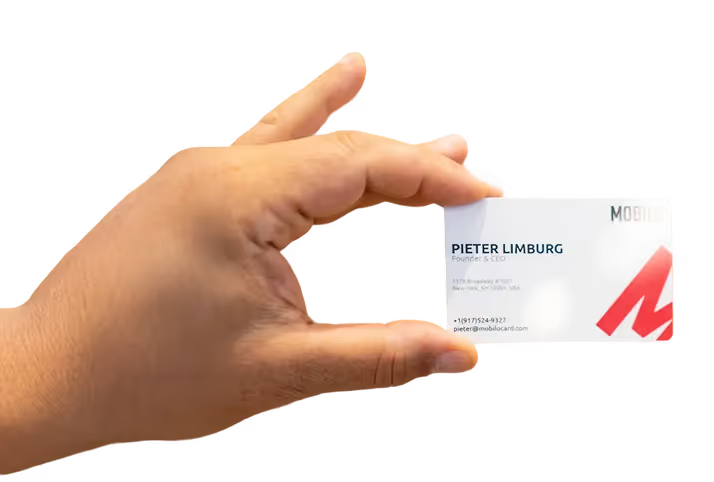
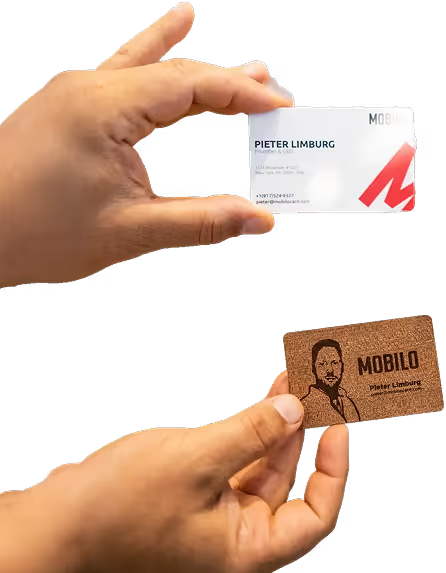
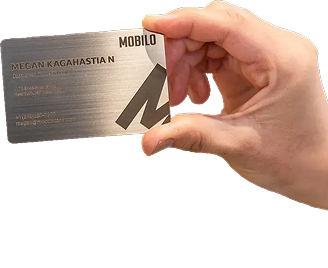
Mobilo turns every interaction into a captured, enriched lead the moment you connect. Our digital business card automatically exchanges contact details, enriches lead data, and syncs everything directly into your CRM. Every handshake becomes a trackable pipeline, every conversation gets logged with full context, and every contact is automatically scored against your ideal customer profile.
"The gap between meeting someone and turning that meeting into pipeline determines whether networking makes money or just fills your calendar." — Digital Networking Best Practices, 2024
💡 Tip: Test the system live during your demo to see real-time CRM integration in action.
Book a demo today to see how this works in practice. You'll watch a contact instantly appear in your CRM with full context and scoring, and you'll also receive your first 25 Mobilo business cards free (worth $950) for your team to use at real events. By the end of the demo, you'll know exactly how to turn every networking interaction into a measurable pipeline.
⚠️ Warning: Without automated lead capture, up to 80% of networking contacts are lost within 48 hours of initial contact.
.webp)