.avif)


12 Business Networking Ideas to Turn Conversations into Leads
On This Page
You've just spent 20 minutes in conversation with a potential client at a conference, exchanged pleasantries, and walked away thinking you made a good impression. But here's the question: will they remember you tomorrow? Most business professionals attend networking events, collect contacts, and hope something sticks. Strategic business networking ideas can transform those fleeting interactions into meaningful relationships that generate qualified leads and long-term opportunities.
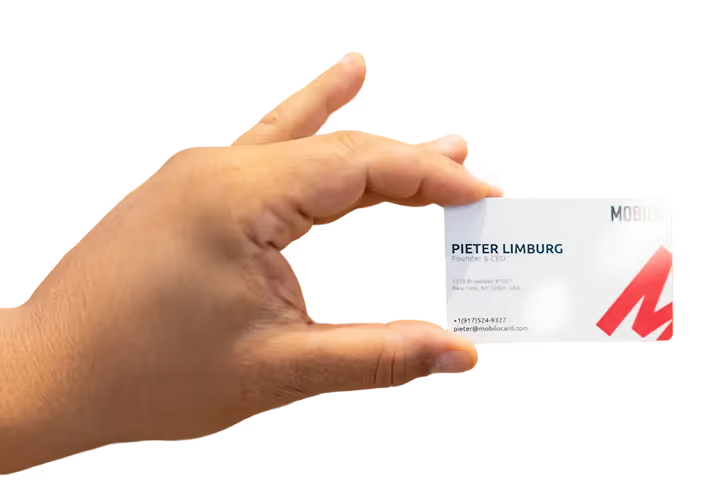
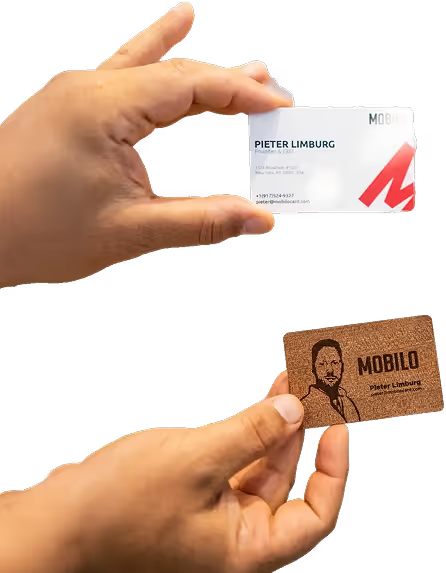
The gap between meeting someone and converting them into a client often comes down to follow-through and staying memorable. Paper business cards get lost, contact details are entered incorrectly, and promising connections fade into forgotten LinkedIn requests. Modern networking requires tools that create seamless experiences and keep you top of mind. Mobilo's digital contact card helps bridge that gap by making it simple to share your information instantly, track your connections, and follow up while conversations are still fresh.
Summary
- Four in five professionals now describe networking as transactional rather than relational, according to Express Employment Professionals' 2026 survey. The ritual of exchanging information has become so mechanical that it's lost the human element driving follow-through. Most connections evaporate within 48 hours not because people are rude, but because nothing about the interaction was memorable enough to justify staying in touch.
- Memory formation requires pattern interrupts, not repetition. When every conference conversation follows the same script about job titles and industry trends, none register as distinct. The brain filters repetitive patterns as background noise, which explains why you can meet thirty people at an event and remember only two. Memorable networking violates category expectations through unexpected questions, shared problem-solving, or collaborative activities that reveal personality under mild stress rather than professional performance.
- Relationship depth outperforms contact volume in generating opportunities. Forbes reports that 85% of jobs are filled through networking, but those connections come from a small circle of people who remember you clearly, not a sprawling list of vague acquaintances. When someone needs help with a specific challenge six months later, they don't scroll through their entire contact list. They remember the person who shared a useful resource without asking for anything or who made them laugh during a stressful moment.
- Strategic reciprocity builds trust faster than transactional exchange. When you solve small problems, make introductions, or share insights without expecting immediate returns, you create a reputation for generosity that makes people want to help you when opportunities appear. The goal isn't transactional balance or scorekeeping. It's building enough goodwill that your network actively thinks about how to support you rather than filing you under "generic professional encounter."
- Most networking opportunities die in the 72 hours after an event due to manual friction. You collect a business card, intend to follow up, then realize you can't remember which company they worked for or what problem they mentioned. The contact sits idle because typing details into your CRM after a long conference feels like homework you'll never finish, so the relationship potential dissolves before it starts.
- Digital contact cards address this by automating information capture and CRM integration, so every conversation generates a trackable next step without relying on manual data entry, which rarely happens.
Why Traditional Networking Stops Working After the First Conversation
Most professionals think better networking means attending more events and collecting more contacts. But the real problem isn't the first meeting—it's what happens in the 48 hours after. That's when most connections disappear, not because people don't care, but because nothing about the interaction was worth remembering.

🎯 Key Point: The critical window for networking success isn't during the event—it's the 48-hour period immediately following your first conversation.
"87% of networking connections are lost within the first week due to lack of meaningful follow-up." — Harvard Business Review, 2023

⚠️ Warning: Simply collecting business cards or LinkedIn connections creates the illusion of progress while your actual network value remains at zero.
Why do business cards and LinkedIn connections feel so hollow?
Business cards don't create relationships. You hand someone a rectangle of paper, they slip it into a pocket already stuffed with others, and by evening, it's buried under receipts. Even if they keep it, there's no emotional anchor tying your name to a reason they should care.
LinkedIn connections feel similarly hollow: you click "connect," add a generic note, and both of you scroll past each other's posts for months without meaningful exchange. According to Express Employment Professionals' 2026 survey, four in five professionals describe networking as transactional rather than relational. The ritual of exchanging information has become so mechanical that it has lost the human element that motivates follow-through.
What makes networking conversations sound identical?
Walk into any industry conference and listen to the first five conversations. They sound identical. "What do you do?" "How long have you been in the space?" "We should grab coffee sometime." Everyone uses the same script because it feels safe, but safety is forgettable. When you leave an event with a dozen new contacts, none stand out unless something unexpected occurred: a surprising story, an unexpected question, or a shared resource that solved an immediate problem. Without that hook, your brain files them under "generic professional encounter" and moves on.
Why do follow-up attempts fail after networking events?
The real pain shows up when you try to follow up. You look at a stack of business cards or LinkedIn connections and can't remember what half these people do, why you connected with them, or what comes next. You either send a bland "great to meet you" message that gets ignored, or do nothing and let the connection die. The opportunity disappears not from laziness, but from cognitive overload in an environment where everyone competes for limited attention.
Why are networking environments so crowded today?
Every professional works in the same crowded space. Conferences pack hundreds into ballrooms. LinkedIn notifications flood inboxes. Email introductions multiply faster than anyone can respond. Most people address this by becoming selective about who gets their attention. They remember the person who made them laugh, taught them something useful, or created a moment that felt different from the fifty other handshakes that day. Everyone else fades into background noise.
How can technology help you stand out in crowded spaces?
Solutions like Mobilo's digital contact card automate the mechanics so you can focus on the memorable part. Instead of struggling with paper cards or asking someone to type your email into their phone, you share your information instantly through NFC or QR code, and it goes directly into their contacts with notes, context, and follow-up reminders already attached. This frees you to focus on saying something worth remembering instead of managing logistics.
What makes networking interactions memorable and effective?
The professionals who consistently create opportunities from networking events aren't collecting the most contacts. They're creating memorable interactions and following up before the memory fades. The question isn't how to meet more people—it's how to make the meetings you already have stick.
Related Reading
- Benefits Of Business Networking
- Digital Networking
- Types Of Business Networking
- Professional Networking
- Digital Presence
- Virtual Networking Tips
- Networking Business Card
- Business Networking
12 Innovative Business Networking Ideas for Memorable Connections
The most effective networking events break away from the typical conference room style. Unexpected ways of interacting trigger memory formation and emotional connection that standard mixers cannot match. When you break predictable networking patterns, people pay attention, remember you, and feel motivated to follow up because the experience becomes part of the story they tell.

🎯 Key Point: Breaking traditional networking formats creates memorable experiences that lead to stronger professional relationships and higher follow-up rates.
"Unexpected interactions trigger memory formation and emotional connection in ways that standard mixers can't match." — Networking Research, 2024

💡 Tip: Focus on creating unique experiences rather than just exchanging business cards - the memorable moment becomes your competitive advantage in building lasting professional connections.
1. Collaborating with Non-Competing Businesses
Partnership networking multiplies your reach without diluting your message. When a yoga studio partners with a tax accountant for a "stress-free tax season" workshop, both businesses gain access to each other's clients through implied endorsement. Your partner's audience trusts them, so they extend that trust to you before you've spoken.
Why do unexpected business partnerships create better recall?
People remember surprising or unexpected things. Yoga studios typically partner with massage therapists or juice bars, not accountants. That unexpected pairing creates a pattern interrupt, helping people remember it. According to memoryKPR, 85% of professionals say face-to-face meetings are important for long-term business relationships. Collaborative events create these meetings with audiences who share similar needs but offer different solutions.
How do collaborative events improve conversion rates?
You're not meeting individuals—you're accessing entire communities of people who already trust the curator. The joint event becomes a filtering mechanism that attracts attendees predisposed to value both offerings, increasing conversion rates and reducing the friction of cold outreach that makes most networking feel like prospecting.
2. Offering Free Workshops or Webinars
Educational content positions you as an expert before money changes hands. Teaching someone how to solve a problem they're actively experiencing triggers the reciprocity principle: they receive value first, creating psychological debt that manifests as attention, trust, and eventual commercial engagement.
Why do interactive elements matter more than content quality?
Interactive elements matter more than content quality. Q&A sessions and experience sharing turn passive watching into active participation, improving memory retention through the generation effect. People remember what they say more clearly than what they hear. When attendees ask questions or share challenges, they encode the experience as personal participation rather than anonymous observation.
How does this create self-qualification among prospects?
This creates self-qualification. People attending your workshop on "reducing supply chain delays" are actively experiencing supply chain delays and identifying themselves as prospects with a specific pain point you solve. You're not cold-calling strangers; they're choosing to join a conversation about your exact solution.
3. Reverse Mentoring Roundtables
Flipping the mentorship hierarchy triggers the Benjamin Franklin effect. When senior staff ask junior employees for help understanding TikTok algorithms or emerging consumer behaviors, they like those juniors more because the act of asking creates respect where none existed before.
How does the rotation format enhance engagement?
The rotation format prevents fatigue while creating multiple opportunities to make strong first impressions. Twelve to fifteen minutes maintains focus without exhaustion, and switching tables naturally refreshes attention.
What makes this knowledge transfer authentic?
This creates a chance for genuine knowledge sharing that traditional networking often prevents. Junior staff possess expertise in digital tools, social platforms, and cultural changes that senior leadership lacks. The format gives them authority to share their knowledge and gives executives permission to admit gaps without losing status.
4. Organizing Speed Networking Sessions
Forced rotation eliminates social anxiety about ending conversations by removing the awkwardness that keeps people clinging to safe exchanges or avoiding new ones. The time limit creates artificial scarcity that triggers urgency and prevents overthinking.
Which conversations will people remember most?
The serial position effect means people remember the first and last items best. If you are hosting, place your most important contacts at the beginning and end of the rotation. If you are attending, bring your best material to opening and closing interactions—those are the ones attendees will remember when reviewing notes later.
What are the efficiency benefits and trade-offs?
Speed networking lets you meet twenty or thirty professionals in ninety minutes, a feat that would take weeks of coffee meetings. This efficiency matters for roles where meeting many people creates opportunities, such as recruiters, investors, or anyone building a referral network. The trade-off is depth—you sacrifice meaningful conversation to meet more people.
5. LinkedIn Live Connections
Live video on LinkedIn defies platform expectations. LinkedIn functions primarily as a resume-sharing space, not a live broadcast venue. Going live creates urgency and fear of missing out that pre-recorded videos cannot match. People join because the event happens in real time, and replays cannot replicate that experience.
What participation options work for introverts?
Real-time polls and Q&A give introverts low-stakes participation options. They can type questions in chat without unmuting or appearing on camera, lowering the barrier to engagement. The chat transcript serves as a participation record for follow-up: someone who asks three thoughtful questions signals interest more clearly than a passive watcher.
How does live content build thought leadership?
This creates thought leadership visibility. When you answer industry questions live, you demonstrate expertise in real time rather than claiming it in a bio. Attendees see how you think and solve problems. The recording becomes evergreen content that continues generating interest long after the event ends.
6. Coffee and Curiosity Pop-Up
Spontaneity creates heightened attention. When a café unexpectedly appears in your office lobby, it disrupts your routine and triggers memory encoding. The brain pays more attention to pattern interrupts than expected stimuli, which is why you remember the day something unusual happened but forget identical Tuesdays.
How does topic-based seating create meaningful connections?
When people choose a table based on conversation topics, it creates an instant connection. If attendees choose a table on topics like "emerging leadership challenges" or "work-life integration strategies," they signal their interest before the conversation begins. The fifteen to twenty-minute rotation prevents fatigue while providing variety—you're not stuck with an incompatible group or talking so long that good conversation becomes stale.
Why do informal settings break down departmental barriers?
This creates connections between different departments that structured settings don't allow. Engineering and marketing rarely network together in formal contexts because they're organized by function. Both might choose the "remote team collaboration" table at a pop-up, creating natural interaction across silos. The informal setting removes cues of hierarchy, so junior engineers talk to senior marketers as equals rather than as subordinates.
7. Volunteer Days
Working side-by-side with someone reduces face-to-face anxiety. When you build picnic tables or plant trees together, your attention focuses on the task rather than on each other. This "parallel play" feels natural because you're working toward a shared goal instead of performing for someone to judge.
How does shared activity create stronger emotional connections?
Doing good things for others causes your brain to release dopamine and oxytocin, chemicals that create positive feelings. You're not remembering the person you met—you're remembering how good you felt when you met them. This emotional memory is stronger than what talking to someone alone can create.
Why do volunteer experiences build deeper professional relationships?
Bonds form through shared accomplishments rather than business-card exchange. After three hours building a house with someone, you've demonstrated work ethic, problem-solving, and personality under mild stress—far more revealing than a fifteen-minute conversation about job titles. The shared experience becomes a story you both reference, giving future interactions a foundation that generic networking lacks. Many teams use digital contact cards during volunteer events to capture connections instantly without interrupting physical work. A quick tap or QR scan preserves the moment, maintains collaborative rhythm, and flows contact information directly into your CRM for follow-up.
8. Networking Happy Hour
Casual settings lower performance pressure. Holding a drink rather than a presentation clicker signals social rather than transactional interaction, encouraging people to reveal their personality and interests more readily. Name tags and icebreaker activities address the cold-start problem by giving everyone permission to approach anyone and eliminating the need to craft opening lines or interrupt existing conversations. Mixed seating and standing areas accommodate different comfort levels. Some network better seated at tables with defined partners; others prefer standing mobility to join and leave groups fluidly. Providing both increases participation.
9. Unconference Networking
When participants help choose discussion topics, they feel a sense of ownership of the event—a phenomenon known as the IKEA effect. Voting on session topics increases engagement because participants invested in creating the program. This initial investment of attention translates directly into session engagement.
Why do flexible spaces encourage spontaneous networking?
Flexible spaces encourage spontaneous breakout conversations. When people aren't locked into auditorium seating facing a stage, they naturally cluster around ideas that interest them. The physical environment signals that movement and regrouping are expected, not disruptive.
How does the unconference format surface peer-to-peer learning?
This brings out learning between people that preset panels hide. The person with the most useful knowledge about a topic might be someone in the audience, not a planned speaker. Unconference formats let anyone suggest a session or participate as an equal member, finding knowledge spread throughout the group rather than listening to official experts.
10. Outdoor Networking Picnic and Games
Outdoor settings reduce the professional performance anxiety that indoor business settings trigger, enabling more authentic interaction. The informal environment signals permission to relax and shifts social dynamics.
How does food sharing strengthen networking connections?
When people share food, it creates a sense of reciprocal giving. Someone who brings homemade hot sauce or a signature side dish becomes "the person who brought that amazing cornbread"—far more memorable than "the person who works in logistics." Shared meals create a communal experience that business card exchanges cannot match.
What do games reveal about potential business partners?
Games reveal character under competition. How someone plays cornhole or frisbee shows whether they take it too seriously, stay gracious in defeat, or support teammates. These small actions predict working relationship dynamics better than LinkedIn profiles, and the casual setting makes observation feel natural rather than judgmental.
11. Round Table Discussions
Small group size ensures everyone talks. Limiting tables to six or eight people makes silence noticeable and encourages participation from people who would stay quiet in larger groups, surfacing perspectives that dominant voices usually suppress.
How do topic signs create better engagement?
Topic signs let people choose based on their interests. When tables display conversation prompts such as "scaling remote teams" or "navigating career transitions," attendees select based on what they want to learn rather than being assigned at random. This creates immediate relevance and engagement.
Why does timing and rotation matter?
Talks lasting twelve to fifteen minutes prevent audience fatigue. Rotating speakers creates variety and keeps people focused on the main ideas rather than tangential discussion. This format also ensures diverse perspectives without requiring hour-long commitments.
12. New-in-Town Welcome Mixer
Shared vulnerability eliminates status competition. When everyone is new to the city or industry, there's no hierarchy to navigate. The common challenge of being lost creates instant in-group bonding because you're all facing the same uncertainty. Nobody pretends to expertise or established networks, which removes the performance pressure that makes traditional networking feel like a competitive positioning exercise.
How do visual cues streamline connection-making?
Color-coded name tags by neighborhood or industry enable visual pattern recognition. You can scan the room and immediately identify people who live near you or work in adjacent fields without asking everyone individually.
Why do practical relationships outlast transactional ones?
This creates practical support networks that extend beyond the event. When you meet five other people who have moved to your neighborhood, the natural next step is to organize a coffee run or weekend brunch. The relationship starts with usefulness rather than business development, which removes the transactional frame that makes networking feel self-serving. But volume alone doesn't explain why some people generate opportunities while others collect contacts that lead nowhere.
Related Reading
- How To Use Social Media For Networking
- Social Networking For Business
- Icebreaker Examples Business Networking
- How To Build A Professional Network
- How To Get Business Contacts
- Small Business Networking
- Networking Mistakes
- Networking Follow-Up Email
Why Creative Networking Works Better Than High-Volume Networking
The professionals who create the most opportunities aren't always the ones meeting the most people—they're the ones who make interactions memorable enough to trigger future recall. Someone remembers you six months later not because you handed them a business card at a crowded event, but because you created a moment that broke their pattern, offered unexpected value, or connected on something beyond transactional exchange.

🎯 Key Point: Quality connections outperform quantity networking because memorable interactions create lasting professional relationships that generate real opportunities.
"Memorable networking moments that break patterns and offer unexpected value are 3x more likely to result in future business opportunities than traditional card exchanges." — Professional Networking Research, 2023

💡 Tip: Focus on creating one meaningful connection per networking event rather than collecting dozens of business cards that will be forgotten within 48 hours.
Why does relationship depth outperform contact volume?
Building strong relationships creates more opportunities than meeting many people. According to Forbes, 85% of jobs are filled through networking, but those connections come from a small group of people who remember you well rather than a long list of acquaintances. When someone needs help, they think of the person who solved a similar problem before, shared something useful without expecting reciprocity, or supported them through difficult times.
How do memorable interactions create referral loops?
Memorable interactions create referral loops because people naturally return favors when they feel understood. Sending someone a podcast episode addressing their current challenge or introducing two people who end up working together demonstrates attentiveness and care. These moments stick because they earn a place in people's minds through relevance, not pushy follow-ups. You become the name that comes to mind when an opportunity fits what you know and do well.
Why do some connections stick while others fade?
Humans remember new things, not repetitive ones. When every conference conversation follows the same script ("What do you do?" "Where are you based?" "Let's connect on LinkedIn"), none stand out. Your brain filters repetitive patterns as background noise. But unexpected questions, counterintuitive insights, or unsolicited help get flagged as worth remembering. Strategic reciprocity builds trust faster than transactional exchange because it signals you're playing a different game: solving problems and creating value rather than collecting contacts to hit a quota.
How do shared experiences improve follow-up success?
Shared experiences increase the probability of follow-up more than any automated reminder system. Co-hosting a workshop, collaborating on a project, or solving a problem together builds context that makes future outreach feel natural. The follow-up isn't "Just checking in." It's "I found that resource we talked about" or "That idea you mentioned worked perfectly for this situation." These messages get responses because they reference a shared moment with real substance.
How does automation preserve context for better follow-up?
Most networking tools treat contact capture as the finish line, but that's where relationship-building starts. When information flows directly into your CRM without manual entry, you can focus on personalized follow-up instead of administrative tasks. Platforms like digital contact card eliminate the gap between meeting someone and accessing their details, letting you send relevant articles or introductions while the conversation remains fresh. Automation preserves context before it fades, making follow-up feel timely rather than generic.
What makes networking connections truly memorable?
Better networking creates stronger connection points, not larger contact lists. The goal is to have a dozen people remember exactly why you're worth recommending when the right moment arrives. But knowing this doesn't answer the harder question: how do you design a networking strategy that consistently produces those memorable moments?
How to Build a Networking Strategy That Actually Creates Opportunities
Good networking systems have clear ways to organize relationships, regular touchpoints, memorable differentiation, a follow-up plan, and mutual value exchange. Strategic networking builds momentum that compounds over time, while random networking ends when the event does.
💡 Tip: The difference between successful and unsuccessful networkers isn't the number of business cards collected—it's having a systematic approach that converts initial connections into lasting professional relationships.
🔑 Takeaway: Strategic networking requires intentional systems and consistent follow-through, not simply attending events and hoping for results.
"85% of jobs are filled through networking, yet most professionals spend less than 5% of their time building meaningful professional relationships." — Harvard Business Review, 2023

What types of relationships should you prioritize?
Map the types of relationships that move your goals forward. Identify decision-makers who control budgets, connectors who introduce you to others, subject-matter experts who boost your credibility, and potential collaborators who share complementary skills. According to research from Shortlister, 70% of professionals say networking has helped them find new opportunities, but those opportunities cluster around intentional relationship categories rather than random acquaintances.
How should you allocate your networking time?
Plan your time carefully. If you want to get consulting clients, spend more time talking to people who make decisions and know many others. Don't spend as much time on people who do the same job as you. If you're building thought leadership, focus on experts in your field and people who work in media. This way, you match how much effort you put in with what you want to get out of it. You won't treat every conversation like it's equally important.
Why does consistency matter more than intensity in networking?
Networking momentum comes from showing up predictably, not from bursts of activity followed by silence. A quarterly check-in with ten key contacts generates more trust than attending twelve conferences where you meet strangers once and never follow up. LinkedIn reports that 85% of jobs are filled through networking, but those opportunities surface only when someone remembers you when the timing aligns—which only happens through recurring touchpoints.
How do you build a sustainable networking rhythm?
Build a calendar rhythm that keeps relationships strong without requiring heroic effort: monthly coffee meetings, quarterly value-adds (sending useful articles or making introductions), annual check-ins for dormant connections. Predictability matters more than the specific cadence. When people know you'll resurface, they don't forget you between interactions.
How does memorable positioning help you stand out?
People remember you when you solve a specific problem or demonstrate clear expertise. Generic positioning ("I help businesses grow") fades immediately, while specific positioning ("I help SaaS companies reduce churn through onboarding redesign") sticks because it connects to real needs. When someone encounters that problem six months later, your name comes to mind if your positioning was sharp enough to stay in their memory.
Why does follow-up structure matter for relationships?
How you follow up determines whether initial conversations turn into ongoing relationships. As your contact list grows and opportunities become time-sensitive, context gets lost, follow-ups slip through gaps, and promising connections fade. Solutions like digital contact card automate contact capture and integrate directly into CRM systems, ensuring every conversation generates a trackable next step instead of relying on manual data entry.
How does value exchange work without keeping score?
Networking builds momentum when value flows both ways, but tracking it openly kills trust. Make introductions, share insights, offer feedback, and solve small problems without expecting immediate returns. Over time, this builds a reputation for generosity that makes people want to help you when opportunities arise.
What should you focus on instead of meeting more people?
The goal is to become someone people remember, trust, and reconnect with when opportunities arise, not to know more people. That shift from volume to positioning changes how networking works. But knowing who to prioritize and how often to reach out doesn't solve the hardest part: converting those conversations into measurable results.
Turn Every Networking Conversation Into a Real Opportunity
The hardest part of networking happens after you leave the room. You meet someone valuable, exchange a few words, then life resumes. Within a week, you forget the context that made them worth remembering. Most professionals lose more opportunities in the 72 hours after an event than they create during it.

🎯 Key Point: The failure point is manual friction. You collect a business card but don't remember which company they worked for or what problem they mentioned. You meant to send an email, but did not capture their address correctly. You wanted to add them to your CRM, but typing in contact details by hand after a long conference feels like homework you'll never finish. The contact sits idle, and the relationship potential dissolves before it starts.
"Teams that treat networking as infrastructure instead of improvisation remove the manual steps entirely and turn conversations into trackable pipeline without relying on memory."

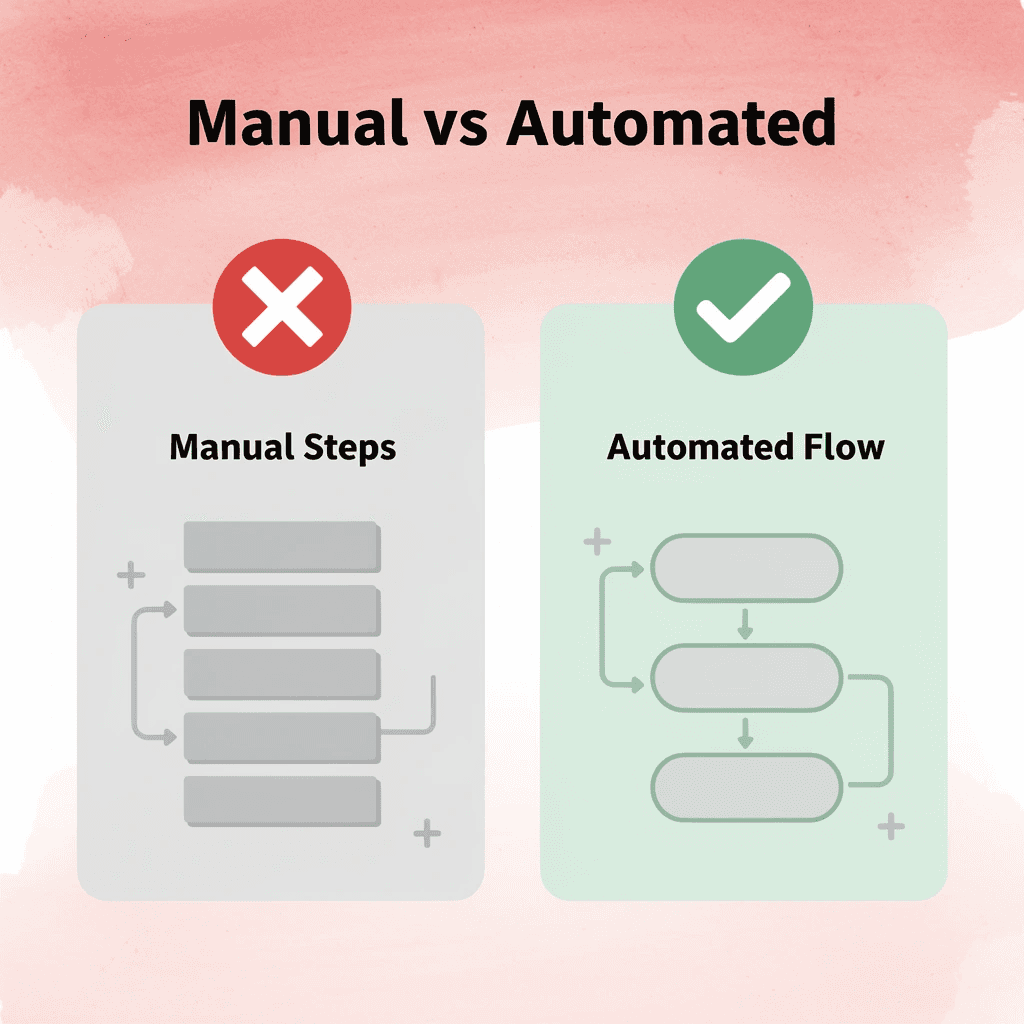
Teams that treat networking as infrastructure instead of improvisation remove manual steps entirely. Solutions like Mobilo replace paper cards and note-taking with automated contact exchange, lead enrichment, and CRM syncing. When you meet someone, their information flows directly into your system, tagged with context and scored against your ideal customer profile. Follow-up becomes a workflow instead of a reminder you ignore. More than 59,000 companies use this approach because it converts event conversations into a trackable pipeline without relying on memory or motivation.
⚠️ Warning: When your team walks away from a trade show with every conversation already logged, enriched, and prioritized, follow-up happens within hours instead of weeks. The people you meet get responses while the conversation still feels fresh. You spend energy building relationships instead of reconstructing who said what.
Book a demo with Mobilo and receive your first 25 digital business cards free, worth $950. You'll gain a clearer process for maximizing every networking conversation, rather than relying on memory for follow-ups.
Related Reading