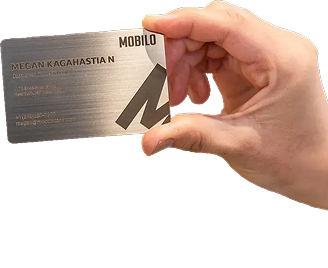
.avif)


11 Professional Networking Strategies to Build Real Opportunities
On This Page
Countless professionals attend conferences, exchange business cards, and connect on LinkedIn, yet few of these interactions translate into meaningful partnerships or career opportunities. Most networking feels like collecting contacts rather than building relationships that drive real results. The difference lies in shifting from quantity-focused tactics to strategic relationship building that creates genuine value for both parties.
Transforming casual meetings into lasting professional partnerships requires the right tools to maintain momentum after initial connections. Rather than letting promising relationships fade into forgotten contact lists, successful networkers use systems that keep interactions active and purposeful. A digital contact card streamlines this process by making it simple to share information instantly and follow up effectively with connections who can truly impact business growth.
Summary
- Most professionals treat networking as contact collection rather than relationship building, but 70% of jobs are never posted publicly and are filled through trusted connections instead. The difference between a database full of strangers and a network that generates opportunities comes down to relationship depth, not contact volume. Success requires shifting from "what can this person do for me" to "how can we create value together," which fundamentally changes how every interaction unfolds.
- Traditional networking fails because it optimizes for the wrong outcome. Research shows that 84% of job seekers recognize the importance of networking, yet 59% don't know where to begin, revealing a fundamental gap between understanding the importance and executing effectively. Event-based networking creates one-time interactions that fade immediately without follow-up systems, leaving professionals with stacks of business cards that never convert into actual opportunities, such as introductions, collaborations, or referrals.
- Value-first interaction separates effective networkers from contact collectors. Leading with contributions (sharing relevant articles, making introductions, offering feedback) creates memory anchors that transactional conversations never achieve. According to Forbes research, 85% of professionals who network with clear goals report faster career progression, but the goal isn't immediate extraction. It's building a reputation as someone who creates value, which compounds over time into opportunities you couldn't manufacture through direct asks.
- Consistency beats intensity in relationship building. A single impressive conversation at a conference doesn't create lasting connections, but regular touchpoints (forwarding relevant research, commenting thoughtfully on work, checking in during role changes) help maintain relationships without major time investment. Trust accumulates through repeated exposure over months or years, not through intensity of initial contact, which is why micro-interactions matter more than sporadic grand gestures.
- Strategic network diversification produces better decision-making than homogeneous circles. Connecting with people at different career stages, in different functions, and across different industries exposes you to frameworks and solutions you wouldn't encounter within your immediate domain. This diversity creates value through contrast, where advisors apply fundamentally different perspectives to the same problem rather than repeating the same opinion five ways.
- Mobilo's digital contact card addresses the gap between initial meetings and lasting relationships by capturing details instantly, setting follow-up reminders, and maintaining momentum through trackable workflows that prevent promising connections from dissolving into forgotten LinkedIn requests.
What Professional Networking Actually Means and Why Most People Misunderstand It
Most people measure networking success by the number of business cards collected, LinkedIn connections accumulated, or events attended. But this transactional mindset misses what creates opportunity-generating relationships: the depth of connection, not the number of contacts.
💡 Tip: Focus on building 5-10 meaningful connections rather than collecting hundreds of superficial contacts.

According to SHRM, 70% of jobs are never posted publicly—they're filled through relationships and trust. This trust develops from value exchange over time, sharing insights without expecting immediate returns, and building a circle of mutual support where opportunities flow naturally because the relationship already exists.
🔑 Takeaway: The 70% hidden job market is accessible only through genuine relationships, not surface-level networking.
"70% of jobs are never posted publicly—they're filled through relationships and trust." — SHRM Research
What's the difference between networking and connecting?
Networking, as most people practice it, is transactional contact accumulation. You meet someone, exchange details, send a follow-up email, then move on. Connecting goes deeper: building relationships that create mutual value, where success is measured by how well you know the people who matter, not how many.
The difference shows up in every interaction. When networking transactionally, you ask, "What can this person do for me?" When connecting authentically, you ask, "How can we create value together?" One treats people as resources to extract from; the other treats them as partners to grow with. According to McKinsey, referred candidates are 4 times more likely to be hired, but only if you've built relationships deep enough that someone will stake their reputation on recommending you.
Why do most professionals default to transactional networking?
Most professionals use the transactional approach because it feels productive. You attend an event, collect business cards, add people on LinkedIn, and consider your network grown. But weeks later, those contacts don't respond. They don't remember you beyond a handshake. The relationship never deepens because neither person invested effort to make it meaningful.
Tools like Mobilo's digital contact card help close the gap between meeting someone and building a real relationship. Instead of letting good connections disappear into forgotten business cards, the digital contact card lets you save contact information immediately, track follow-up tasks, and stay in touch with people who can help you grow. The system transforms handshakes into trackable opportunities, making it easy to build relationships that matter. But knowing what most people do wrong explains only half the problem.
Related Reading
- Benefits Of Business Networking
- Types Of Business Networking
- Business Networking
- Networking Business Card
- Digital Presence
- Virtual Networking Tips
- Professional Networking
Why Traditional Networking Fails to Create Real Career Opportunities
Traditional networking fails because it focuses on the wrong goal. People try to collect as many contacts as possible, since career opportunities often come from building deeper relationships.

🎯 Key Point: Quality over quantity is the fundamental principle that separates successful networkers from those who struggle to see real career advancement.
"85% of jobs are filled through networking, but most people focus on collecting business cards rather than building meaningful professional relationships." — Harvard Business Review, 2023

⚠️ Warning: The "spray and pray" approach to networking - attending every event and connecting with everyone - actually dilutes your efforts and prevents you from making the genuine connections that lead to career opportunities.
Why do most networking attempts fail to create lasting impressions?
They attend events, exchange pleasantries, and move on without creating any reason to be remembered. No value exchange means no memory anchor. Without giving someone a reason to think of you beyond the initial handshake, you become another face in a crowded room.
What does research reveal about networking knowledge gaps?
According to research from the Bend Chamber of Commerce, 84% of US job seekers know that networking matters, but 59% don't know where to start. People understand the importance of networking, yet stick to basic behaviors because no one taught them how relationship persistence works.
What happens when networking becomes purely transactional?
Walking into a networking event to collect contacts turns every conversation into a transaction. You mentally calculate what each person can do for you while they do the same. This creates pitch-first conversations where both parties perform rather than connect. You leave with business cards or LinkedIn requests, but the relationships exist only as database entries.
Why do transactional connections fail when you need them?
Weeks later, when you need something, you reach out and get silence. They don't remember the conversation because there's no depth of trust to draw on. The relationship was transactional from the start, so your ask feels like a cold pitch from a stranger rather than a request between professionals who've built mutual value.
What causes networking connections to fail after initial meetings?
Most networking happens at events, creating a structural problem: you meet someone once, send a quick email, and then the connection fades. There's no system to maintain relationship persistence or keep you relevant in each other's professional lives. Event-based networking requires starting from scratch each time, as previous interactions create no lasting foundations.
How can digital tools solve the follow-up problem?
Solutions like Mobilo's digital contact card transform first meetings into trackable relationship workflows. Rather than letting promising connections fade into forgotten LinkedIn requests, the digital contact card captures details immediately, sets follow-up reminders, and maintains momentum through automated touchpoints. The system creates persistence where traditional networking produces one-time interactions that fade.
Why do most networking connections fail to convert?
The real measure of networking effectiveness is conversion: how many meetings become introductions, collaborations, referrals, or job offers. Traditional networking fails because it lacks the depth required for someone to stake their reputation on recommending you. People refer those they trust, and trust requires more than a brief conversation.
What happens when relationships lack ongoing support?
Without ongoing support, relationships fall apart after you first meet someone. You might attend dozens of events yearly and meet hundreds of people, but when you need an introduction or advice, your network fails you. Focusing on meeting many people instead of building deep relationships wastes your time, energy, and money. But knowing why traditional approaches fail matters only if a better framework exists to replace them.
Related Reading
- How To Use Social Media For Networking
- Social Networking For Business
- Icebreaker Examples Business Networking
- How To Build A Professional Network
- Business Networking Ideas
- How To Get Business Contacts
- Small Business Networking
- Networking Mistakes
- Networking Follow-Up Email
3 Core Principles Behind Effective Professional Networking
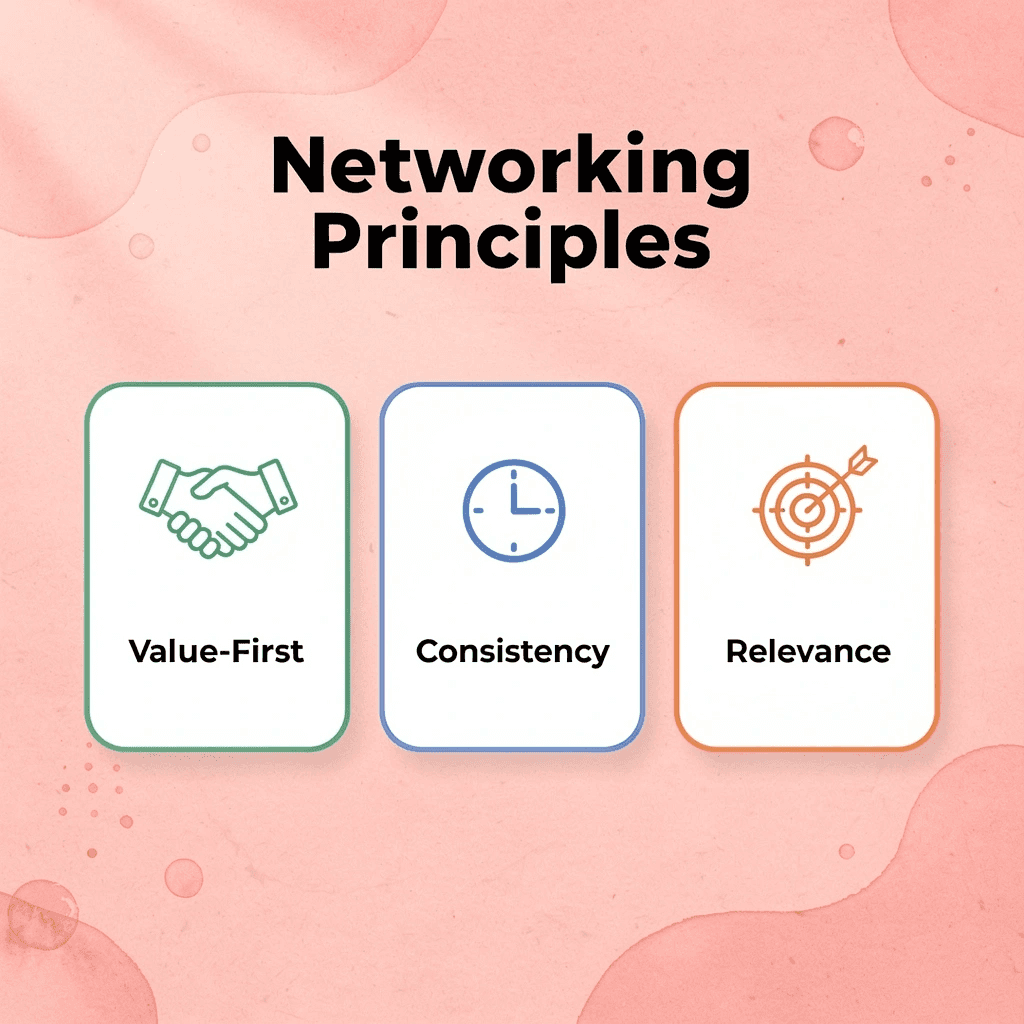
The functional framework rests on three core principles: value-first interaction (helping others before asking for help), consistency over intensity (regular check-ins matter more than impressive gestures), and contextual relevance (shared goals create natural alignment that sustains connections beyond forced networking events).

- Value-first interaction
- Help others before asking for help
- Lead with genuine assistance
- Consistency over intensity
- Regular check-ins beat grand gestures
- Schedule monthly touchpoints
- Contextual relevance
- Shared goals create natural bonds
- Focus on mutual interests
🎯 Key Point: These three principles work together to create sustainable professional relationships that feel natural rather than transactional. The most successful networkers understand that authentic connections require patience and genuine interest in others' success.
"Effective networking isn't about collecting business cards—it's about cultivating meaningful relationships based on mutual value and shared objectives." — Professional Development Research, 2024
💡 Best Practice: Start every networking interaction by asking "How can I help you?" rather than immediately pitching your own needs. This value-first approach creates immediate differentiation and establishes you as someone who genuinely cares about others' success.

1. What does value-first interaction mean in practice?
Stop asking what someone can do for you. Start asking what you can offer without expecting anything in return. Share an article that might help them, introduce them to someone useful, or give feedback on a project they mentioned. These helpful actions create memories that simple business conversations cannot.
How does leading with value change professional relationships?
When you lead with value, you shift the entire dynamic of professional relationships. The person receiving your insight remembers you not as someone who wanted something, but as someone who delivered something useful without prompting. That distinction determines whether they think of you when opportunities arise.
Why do professionals resist value-first networking approaches?
Most professionals resist this approach because it feels inefficient. Yet according to Forbes research by Matthew C. Meade, 85% of professionals who network with clear goals report faster career progression. Building a reputation as someone who creates value compounds over time into opportunities you couldn't manufacture through direct asks.
2. Why does consistency matter more than intensity in networking?
One impressive conversation at a conference doesn't build lasting relationships. What matters is showing up repeatedly in small, meaningful ways: send a relevant article every few months, comment thoughtfully on their work, check in when they change roles or launch something new. These interactions maintain relationship persistence without requiring major time investments.
How does trust accumulate through repeated exposure?
Trust builds over time through regular contact, not from a single strong first meeting. Even the best first meeting fades without follow-up over six months. Regular, low-effort check-ins keep you relevant in each other's work lives, creating a foundation for future favors or collaboration.
How can tools help turn consistency into a system?
Tools like Mobilo's digital contact card turn consistency from a goal into a system. Instead of manually tracking follow-ups, digital contact cards capture contacts immediately at events, set automatic reminders for key touchpoints, and maintain momentum through workflows that prevent promising connections from becoming forgotten LinkedIn requests.
3. What makes networking contextually relevant?
Strategic networking focuses on people who share your professional areas, face similar challenges, or work in adjacent spaces where collaboration creates mutual value. When you connect with someone in your field, conversations deepen naturally because you speak the same language, understand the same constraints, and can offer relevant insights.
How do you identify contextual connections beyond your exact role?
This doesn't mean you should network only with people in your exact job or industry. A marketing director at a SaaS company can build useful connections with product managers, sales leaders, customer success teams, and marketing peers at other companies. Each relationship serves different purposes, but all exist in situations where trading value and ideas make sense.
Why do unfocused networking efforts fail?
The failure mode occurs when people network broadly without strategic intent, collecting contacts across industries and roles with no clear reason for ongoing connection. Those relationships require constant effort to maintain because there is no natural reason to interact. Context creates the gravity that pulls people back together.
11 Essential Strategies for Effective Professional Networking
The execution phase separates people who understand networking principles from those who build career-changing relationships. These eleven strategies translate principles into behaviors you can practice, refine, and repeat until they become automatic.

🎯 Key Point: Networking success isn't about knowing the theory—it's about consistently applying proven strategies that turn casual encounters into meaningful professional connections.
"Effective networking requires moving beyond understanding concepts to developing repeatable behaviors that consistently create value for others." — Professional Development Research, 2024
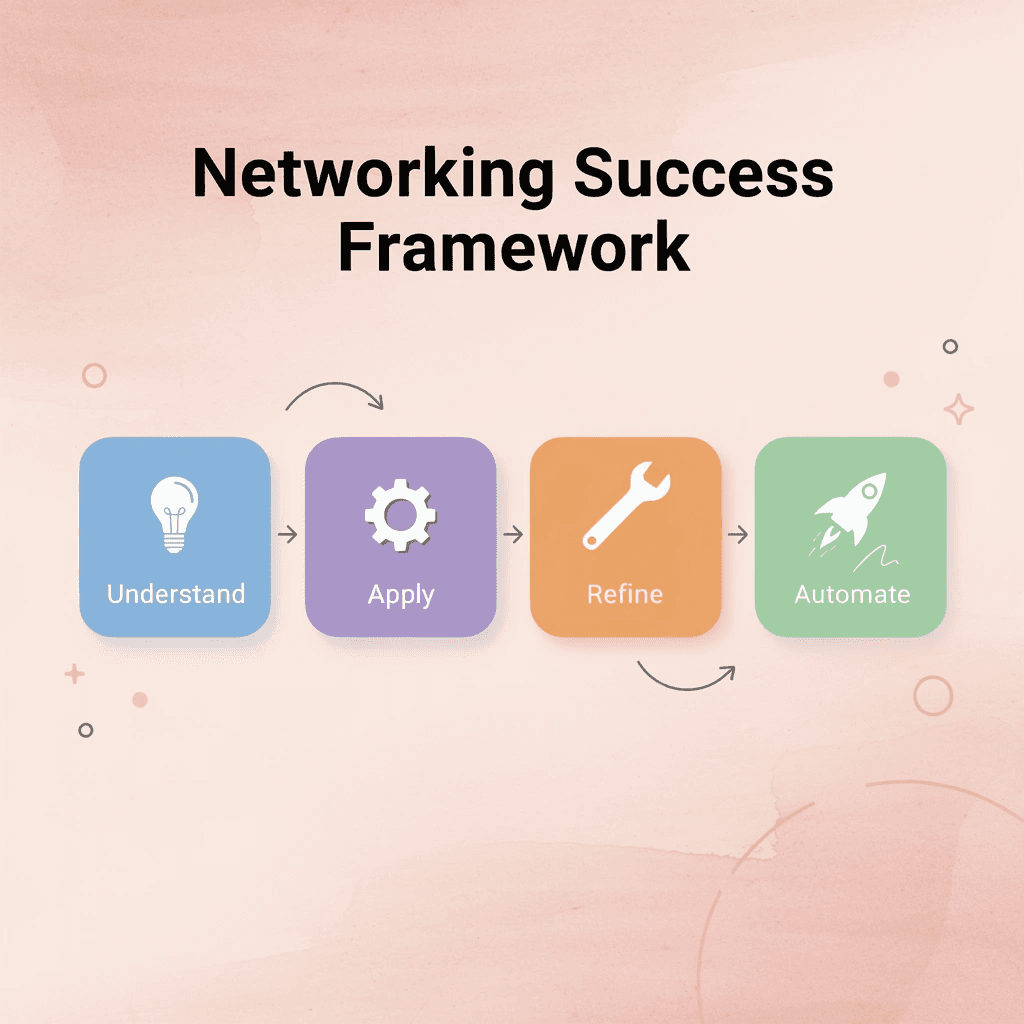
💡 Pro Tip: The most successful networkers treat these strategies as a systematic approach rather than random tactics, creating a predictable framework for building relationships that advance their careers.
1. Build Your Professional Network Like an Advisory Board
Companies rely on advisory boards for strategic guidance in unfamiliar areas. Build the same structure by recruiting people across different career stages, industries, and expertise. A senior executive offers pattern recognition from decades of experience. A peer in a different function shows how adjacent teams solve similar problems. Someone earlier in their career brings fresh perspectives unconstrained by "how we've always done it."
Why does diversity in your network matter?
Diversity creates value through contrast. When you face a career decision, you're not getting one opinion repeated five ways—you're getting fundamentally different frameworks applied to the same problem. One advisor might prioritize financial upside, another focuses on learning velocity, and a third considers cultural fit. That range of input produces better decisions than any single mentor could provide.
What prevents people from building advisory networks?
Most professionals hesitate to ask busy people for help over time, but according to research from SHRM, 70% of jobs are never posted publicly—they're filled through relationships where someone vouches for your capabilities. People who serve as advisors become invested in your success and are more likely to think of you when opportunities arise.
2. Connect Your Professional Networks With Each Other
Stop thinking of networking as a series of one-on-one relationships with each contact. Instead, position yourself as a node connecting groups of people who should know each other but don't. When you introduce two people with shared interests or complementary expertise, you create value for both without requiring your ongoing involvement. They form their own relationship, solve problems together, and collaborate on projects. You're remembered as the person who made that possible.
How do you strategically connect the right people?
The execution requires strategic thinking, not randomly connecting everyone you know. Identify specific overlaps where an introduction creates obvious mutual benefit. A product manager struggling with user research meets a UX researcher looking to understand product strategy. A sales leader expanding into healthcare connects with someone who spent a decade in that vertical. The value is immediate and clear to both parties.
What tools help you systematically scale connector behavior?
Tools like Mobilo's digital contact card transform manual memory work into systematic execution. The digital contact card captures context during initial meetings, tags contacts by expertise and interests, then surfaces relevant connections as patterns emerge. This system scales connector behavior beyond what manual tracking could sustain.
3. Maintain Relationships With People You Find Interesting From Previous Roles
When you change jobs, move to a new city, or switch to a different industry, your relationships with former colleagues naturally fade. They become names on LinkedIn, but losing these connections represents a significant missed opportunity.
Why do former colleagues become your most valuable connections?
These people already trust your abilities because they've seen you perform under pressure. They understand your strengths and working style in ways new contacts never will. The business world operates on shorter chains of connections than most people realize. The healthcare executive you worked with five years ago probably knows someone at your target company. The engineer who left for a startup might be hiring for roles matching your skills. Maintaining those relationships creates options that cold outreach cannot.
How can you reconnect without feeling awkward?
Making things happen requires getting past the awkwardness of reaching out after a gap in contact. Share articles that matter to them, congratulate them on promotions, or leave thoughtful comments on their posts. These small interactions sustain your relationships without demanding much time or contrived reasons to reconnect.
4. Stay Connected Through Regular, Valuable Exchanges
Trust builds over time through regular contact, not from a single memorable first meeting. A strong initial impression means little if six months pass without interaction—you're back to being strangers. Regular touchpoints keep you relevant in each other's professional lives, creating a foundation for requests or collaborations when timing aligns.
How can you add value without becoming annoying?
The challenge is adding value without becoming annoying. Share research that relates to problems they've mentioned. Introduce them to someone who can help with their current project. Share feedback on something they published. Each interaction gives before asking, building goodwill that compounds over time.
What timeline should you expect for networking results?
Patience is critical because networking produces delayed returns. According to Forbes research, 85% of professionals who network with clear goals report faster career progression. But "faster" still means months or years, not weeks. The relationships you build today become opportunities you cannot predict at the outset.
5. Be Genuine and Authentic in Every Interaction
When you network to get something, you get transactional results. When you approach conversations thinking about what you can extract, people sense it immediately and respond with equal guardedness. Authenticity breaks this pattern by replacing extraction with curiosity. Instead of "What can this person do for me?" you ask, "How can we learn from each other?"
How does genuine curiosity transform networking conversations?
This requires a genuine shift in how you think: wanting to understand how other people think, what problems they face, and what they're trying to do. That curiosity creates conversations where both people participate fully because the talk feels important, whether or not it helps you later.
Why do people remember authentic interactions over transactional ones?
People remember those who treated them like humans rather than networking targets. When opportunities arise, they think of the person who asked thoughtful questions and listened carefully. Authentic behavior builds deeper trust, which determines whether someone is willing to risk their reputation by recommending you.
6. Leverage Social Media Platforms for Consistent Visibility
Digital platforms let you network beyond geographic constraints. LinkedIn provides infrastructure for maintaining visibility without constant in-person interaction, though most professionals use it passively as a resume repository rather than a relationship-building tool.
How do you actively execute social media networking?
Active execution means making regular, valuable contributions. Share what you've learned from your work without disclosing proprietary information. Comment thoughtfully on posts from your network, adding your perspective rather than generic praise. Join groups where your expertise is helpful and participate regularly. Message people after virtual events or when they've changed jobs. These actions keep you visible in others' feeds and minds.
Why does consistency matter more than intensity?
Making small contributions on a regular basis works better than sporadic big efforts. Posting one thoughtful article weekly with your perspective builds more momentum than publishing nothing for months, then sharing ten links in one day. Commenting thoughtfully on three posts weekly creates more visibility than liking fifty posts without adding your perspective. Quality and consistency outperform intensity and inconsistency over time.
7. Attend Industry Events and Conferences With Strategic Intent
Events let you meet people outside your normal professional circle. Most attendees cluster with acquaintances or wait passively for conversation. To succeed, prepare ahead and engage with intention.
How should you prepare before attending events?
Before the event, identify specific people you want to meet and research their work so you can ask informed questions. Prepare your elevator pitch for a clear introduction. Set a goal for meaningful conversations rather than collecting business cards. Quality over quantity produces better long-term results.
What's the best approach during conversations?
During conversations, focus on understanding the other person's challenges and interests rather than talking about yourself. Ask questions that show how you might help them. Offer insights or introductions when appropriate. Follow up within 48 hours while the conversation is fresh, referencing specific points from your discussion to demonstrate you were listening.
8. Offer Help Before Asking for It
This flips how most people think about networking. Instead of building relationships to eventually ask for favors, start by creating value without expecting anything in return. Share industry insights that someone might find useful. Recommend tools that solve problems they've mentioned. Introduce them to people who can help with their projects. Provide feedback on their published work.
Why does helping first create stronger professional relationships?
People remember those who help without being asked. When you add value proactively, you stand out from those who reach out only when they need something. That goodwill builds stronger relationships than transactional business ever achieves.
How does value-first networking overcome common hesitations?
The execution feels risky because you're investing time with no guaranteed return. But that's why it works: most professionals won't do it. When you consistently help without asking for it, people naturally want to give back. Opportunities flow toward those who create value, not those who take from it.
9. Diversify Your Network Beyond Immediate Circles
Networks where everyone is the same produce predictable thinking. When members share the same background, industry, and perspective, they also share blind spots. Diversity creates value by exposing you to different ways of thinking, challenges, and solutions you wouldn't otherwise encounter.
How can you strategically diversify your professional connections?
Intentional diversification means connecting with people at different career stages, functions, company types, and industries. A marketing director benefits from knowing product managers, engineers, sales leaders, customer success teams, and marketers at companies solving different problems. Each relationship provides a unique perspective that improves decision-making.
What steps help overcome natural clustering tendencies?
Overcoming natural clustering tendencies requires deliberate effort. Attend events outside your usual circles, join communities focused on skills you're developing rather than expertise you already possess, and seek out people whose experience differs significantly from yours.
10. Develop Your Elevator Pitch and Personal Brand
A clear elevator pitch communicates your value in 30 seconds, giving the other person a good understanding of who you are and what problems you solve. A focused response is better than rambling through your job history. Start with your role and company. Explain what specific problems you solve or outcomes you create. Mention what interests you professionally, then end with an open question that invites dialogue. Practice until it sounds natural rather than rehearsed.
How does personal branding extend your professional presence?
Personal branding goes beyond introducing yourself. It encompasses how you show up in all professional situations: your LinkedIn profile, the content you share, how you participate in conversations, and what your colleagues know you for. Consistency across these areas creates a clear impression that helps people remember you.
11. Be Patient and Persistent in Building Long-Term Relationships
Networking produces compound returns, not immediate payoffs. Relationships built today may generate opportunities months or years later. This delayed gratification causes most professionals to give up too early: they attend a few events, send LinkedIn requests, see no results, and then conclude networking doesn't work.
Why do meaningful relationships require time to develop?
Real relationships require time to build trust. Someone needs to see you show up regularly, give value repeatedly, and prove your reliability through many interactions before they'll recommend you. Asking for favors too soon can damage relationships before they strengthen.
How does persistence create networking opportunities?
Persistence means continuing to show up even when results aren't immediate. Keep going to events, sharing helpful information, making introductions, and following up. The benefits accumulate invisibly until an opportunity arrives because someone thought of you at exactly the right time. Those moments only happen when you are consistently present over time. But strategy only matters if you can capture and act on the connections you make.
Related Reading
- Professional Networking Platforms
- Business Networking Strategies
- Top Contact Management Software
- Networking Tips For Small Business Owners
- Best Business Networking Apps
- Tips For Networking Events
- Business Networking For Entrepreneurs
Turn Every Conversation Into a Contact You Can Actually Use
Most networking fails after the conversation. Contacts get lost, follow-ups never happen, and opportunities disappear. You leave an event with business cards or LinkedIn requests, but two weeks later, you can't remember who they were or why the conversation mattered. The relationship dies because you had no system to capture, organize, and act on what happened.

🎯 Key Point: Without a proper contact management system, even the best networking conversations become worthless within days.
"The relationship dies because you had no system to capture, organize, and act on what happened." — The core problem with traditional networking approaches
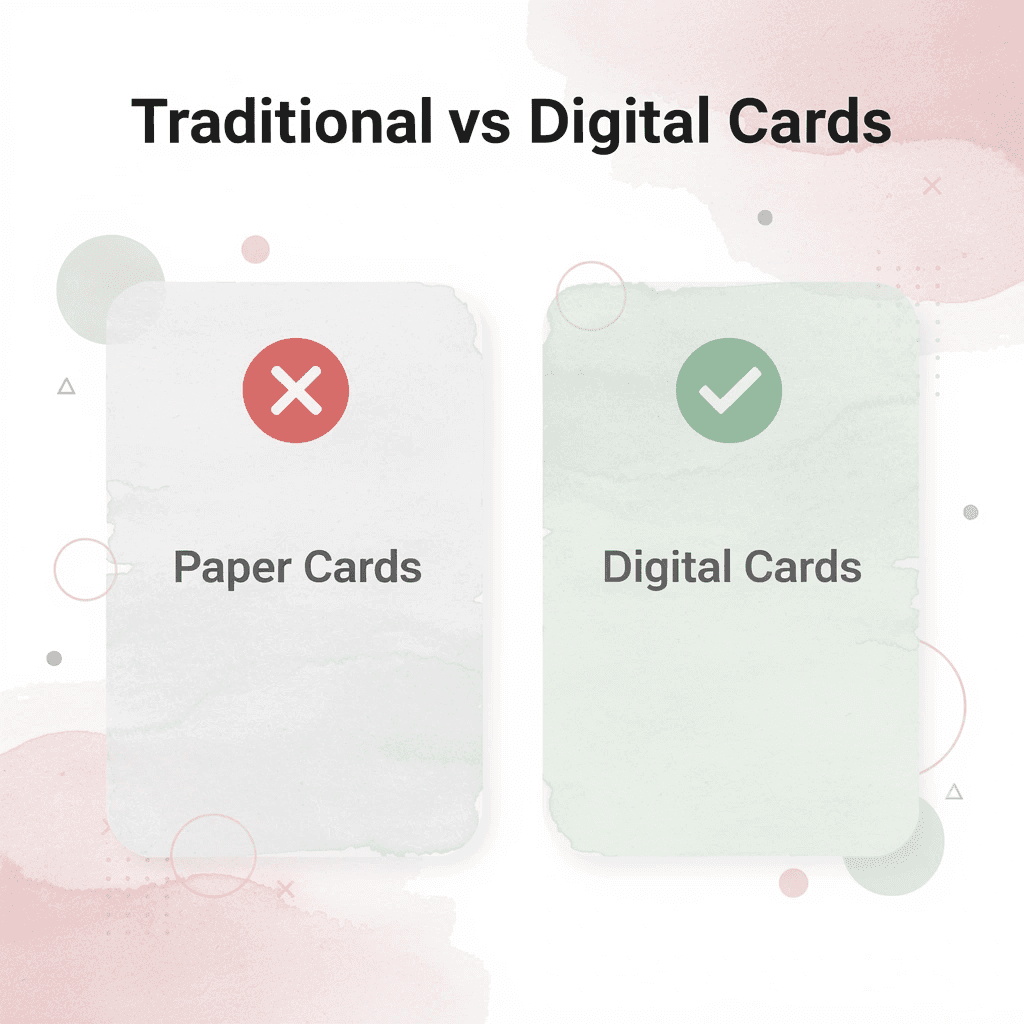
Mobilo solves this. Instead of paper cards or manual entry, our digital business cards instantly exchange contact details, enrich lead data, and sync everything into your CRM. You don't meet people—you keep track and prioritize those most likely to convert. Every handshake becomes a trackable business opportunity.
💡 Tip: Digital business cards eliminate the manual work that kills networking momentum—no more typing contact info or losing paper cards.

Book a demo to see how it works. You'll get a clear system for turning conversations into structured, followable leads, plus your first 25 Mobilo business cards free so your team can start capturing contacts at your next event.