


How to Build a Strong Sales Pipeline That Closes More Deals
On This Page
Most sales pipelines don't fail at follow-up. They fail the moment a contact is made and never captured. Here's how to close that gap before it costs you next quarter's quota.
The common assumption among sales managers and business development professionals is that reps who lose deals from networking events are failing at follow-up, and that the pipeline problem is a rep execution problem, fixable with accountability and activity volume. The real leak happens earlier. Much earlier.
It happens the moment a rep shakes a hand at a networking event, collects a contact, and walks away assuming that contact will eventually make it into the CRM. Often, it never does. A smart contact-sharing workflow closes that gap at the point of exchange, before the lag has a chance to compound into lost revenue.

See our digital business card for how this works in practice. A sales pipeline is not just a visual tracker. It is the mechanism that connects every prospecting activity to a forecasted revenue number. When contacts are missing from it, the entire forecast becomes fiction. Deal velocity, conversion rates, and close probability calculations all depend on one assumption: that the contacts reps are meeting are actually in the system. When that assumption breaks, no amount of downstream coaching can repair the damage, because the pipeline being managed is not the real pipeline at all.
7x faster response wins more qualified leads
As Robin Waite's analysis of B2B sales bottlenecks makes clear, these failures are structural and systemic. The breakdown is upstream, embedded in how contacts enter the funnel before a rep ever sends a single follow-up.
From surveying 4,000 sales reps, we know that 90% of new contacts do not enter your CRM because it's too much of an effort, according to post-event lead capture data gathered across the market. Sales reps spend an average of 5.5 hours per week on manual data entry, a pattern that holds consistently across what most teams report. This aligns with broader research on rep productivity: according to Salesforce's State of Sales report, the average seller spends 60% of the week on work that isn't selling, with manual data entry being a key contributor to that burden. The contacts that do get entered often arrive days after the meeting, well past the window where a fast response converts. Broader industry trends confirm that responding to a lead within one hour makes a company nearly seven times more likely to qualify that contact than waiting just two hours.
90% of new contacts never enter your CRM
The compounding effect is what makes this genuinely dangerous. A contact not captured today is a follow-up not sent this week, a deal not qualified this month, and a quota gap that surfaces next quarter. By then, the cause is invisible. The manager sees a conversion problem. The real problem was a capture problem, weeks earlier.
The manager sees a conversion problem. The real problem was a capture problem, weeks earlier.
Mobilo's Contact Exchange and Lead Capture feature eliminates that gap: when a prospect taps or scans a Mobilo card, their information flows directly into the CRM in real time, eliminating the lag between "contact made" and "contact in pipeline." Fixing the leak, though, requires more than a better capture tool. It requires knowing exactly which contacts are worth capturing in the first place, which is where most teams skip a step they cannot afford to skip.
Key takeaways
- 90% of new contacts never reach a CRM, not because reps forget to follow up, but because manual entry is where momentum dies before follow-up even starts.
- A pipeline filled with the wrong contacts is not a volume problem, 60% of B2B pipelines are clogged with leads that were never qualified to convert in the first place.
- Pipeline stages only have diagnostic value when they track what the buyer has confirmed, not what the rep has completed, most teams have the two confused.
- The most overlooked failure point in pipeline building is the gap between meeting a contact and that contact appearing in Stage 1, everything downstream depends on closing it.
- Stale CRM records are a data-entry problem, not a rep performance problem, automations can only act on data that exists and is accurate.
- Conversion rates and stage-by-stage drop-off tell you where your pipeline is breaking; tracking both together is what makes the metric actionable.
- When someone taps or scans a Mobilo card, their contact information is captured and fed directly into your CRM, one tap closes the gap between meeting a contact and that contact entering your pipeline.
How to Define Your Ideal Customer Profile for Pipeline Targeting
Sixty percent of B2B pipelines are filled with contacts that will never convert, according to industry research, because the wrong people entered the pipeline in the first place.

Build Your ICP Around Firmographic Precision Not Vague Buyer Archetypes
To define your ideal customer profile for pipeline targeting, start with a direct answer: an ICP is a set of firmographic and situational criteria, identifying exact company size, industry, revenue band, and pain points, that a company must meet before any outreach begins.
- Industry vertical
- Employee headcount
- Annual revenue band
- Technology stack
- Presence of a specific pain point
Another is losing ICP focus one deal at a time; each exception or non-standard customer seems individually justifiable, but collectively those exceptions erode pipeline clarity until conversion rates become impossible to diagnose. In practice, a B2B SaaS team that tightened its ICP from "any company with a sales team" to "US-based technology companies with 50 to 500 employees running an outbound SDR motion" saw pipeline conversion rates climb, because every rep was working contacts who actually had the problem the product solved.
Map Decision-Makers and Influencers So Reps Know Whose Door to Knock On First
Buyer personas, mapping decision-makers and influencers within those target companies, tell you which humans inside those companies hold the keys. The average B2B purchase involves six to ten decision-makers, which means targeting a single contact without mapping the broader buying committee is structurally insufficient from the first outreach. Build personas around two axes: decision authority (who can approve budget) and influence weight (who shapes the shortlist before budget is ever discussed).
Mobilo's lead enrichment capability, included on every plan from Pro at $3/month through Teams at $4/month and Business at $5/month (all billed annually), means that every contact captured at a touchpoint arrives in your CRM already enriched, giving your team the firmographic and contact-level context needed to route outreach to the right persona from day one.
Use Your ICP as a Live Pipeline Gate Not a One-Time Planning Artifact
Mobilo's custom lead capture forms, available on the Teams plan (the most popular tier at $4/month, billed annually) and on the Business plan, let reps tag contacts against ICP criteria in real time, so only matched leads flow into the CRM.
What the 6 Core Sales Pipeline Stages Actually Look Like in Practice
Pipeline stages only have diagnostic value when they are defined by what the buyer has confirmed, not what the rep has completed. Across the market, a sales pipeline should be structured around the buyer's journey rather than internal sales team processes, with each stage reflecting a meaningful change in the buyer's position. When stage definitions track seller activity instead of buyer behavior, forecast data becomes unreliable and managers intervene at the wrong point in the deal.
Stage 1 - Prospecting - Where Pipeline Health Begins
Prospecting is the only stage where the buyer has made no decision at all. Entry criteria should be simple: a contact matches your ICP profile and has been entered into the CRM. The tradeoff most teams ignore is that this stage is where lead leakage is highest. Contacts met at events frequently sit in a photo roll or a pocket for days before anyone enters them, and many never get entered at all, so the pipeline framework below never gets triggered.
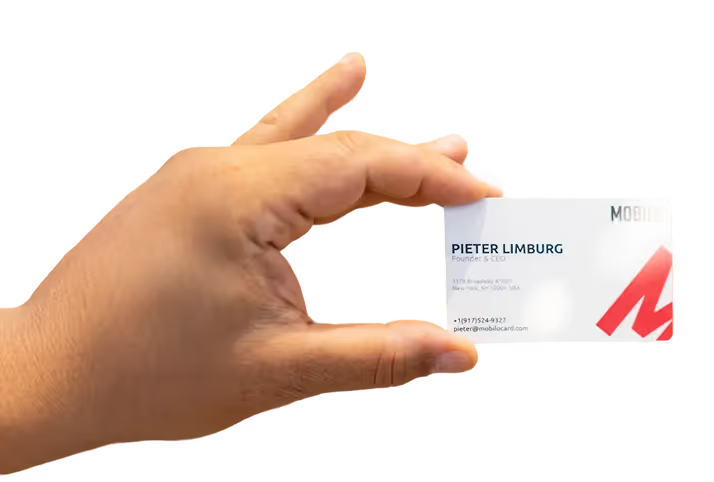
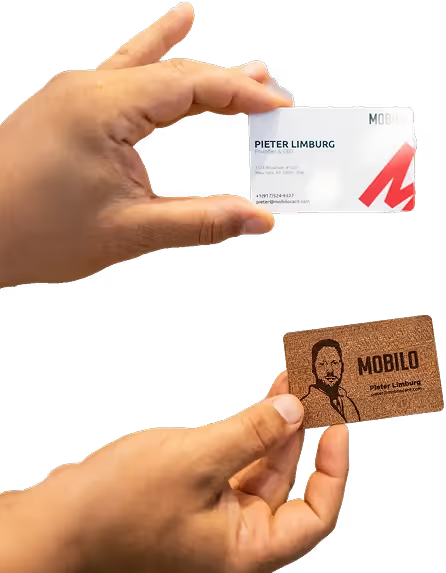
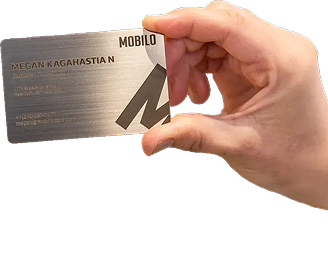
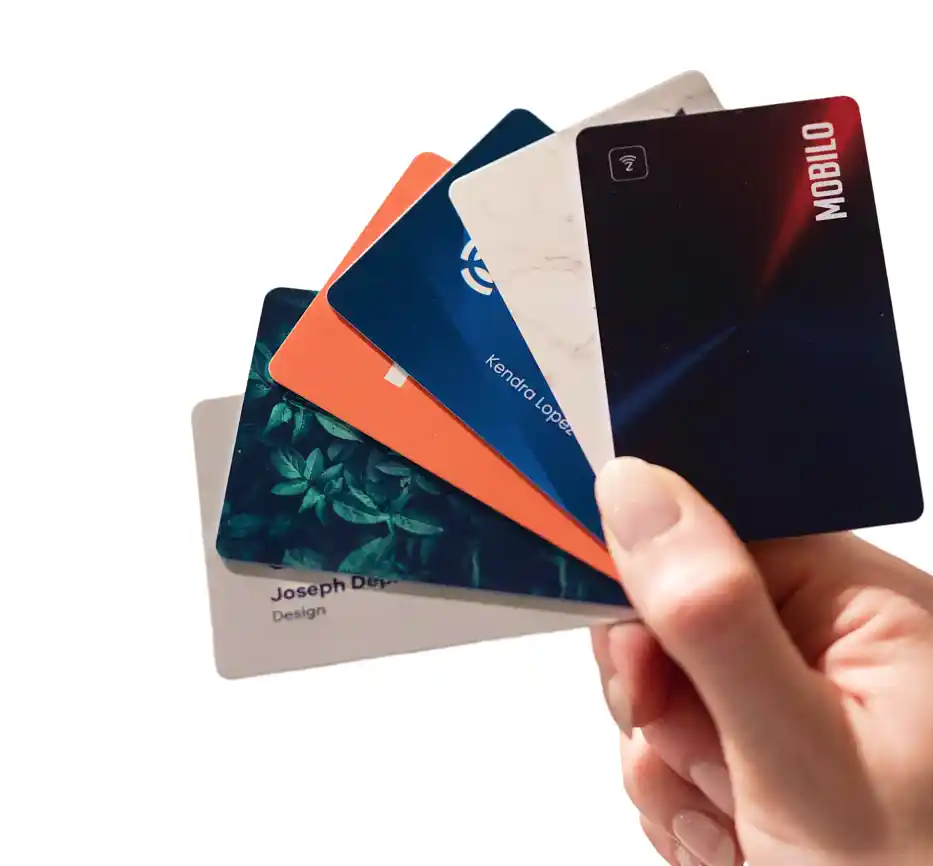
This is precisely the gap that field marketing and event teams close when they are armed with tools that capture leads efficiently and feed data directly into the CRM pipeline. Mobilo's Teams plan ($4/month per member, billed annually) gives unlimited team members brandable QR codes, a paper business card scanner, and custom lead capture forms, so a contact tapped or scanned at a conference moves straight into your pipeline rather than dying in someone's coat pocket. The Team tier's cards, from the Digital Wallet Card (included free, originally $10) to Mobilo's smart NFC business card in multiple physical materials, Classic, Plastic, Wood, and Metal, each fully customizable with company branding, logos, and design to match professional identity, each deliver unlimited taps and scans and full team data analytics with CRM integrations, so every handshake at an event becomes a traceable Stage 1 entry.
Stage 2 - Qualification - Separating Real Opportunities from Noise
Qualification is where pipeline bloat begins or gets stopped. The BANT framework (Budget, Authority, Need, Timeline) gives reps and managers a shared, objective definition of what "qualified" means, and documented BANT confirmation at this stage is one of the most reliable ways to reduce inflated pipelines and improve forecast accuracy. The real risk here is optimism: a rep who defines qualification as "sent a follow-up email" will carry dead weight through every stage that follows.
Stage 3 - Discovery and Meeting - Aligning to the Buyer's Journey, Not Your Script
Discovery is where the buyer confirms their problem in their own words. Exit criteria should require that the rep can document the prospect's specific pain, decision timeline, and internal stakeholders before moving forward. Teams that skip or rush this stage pay for it at Stage 4 and Stage 5, when deals stall without explanation.
Sales reps who struggle with low demo conversion rates often move prospects from Discovery to Demo without proper intermediate touchpoints. The discovery conversation never fully closes, the prospect's pain isn't documented, the internal stakeholders aren't named, and then the demo lands flat because it was built on assumptions rather than confirmed need. Mobilo addresses the upstream cause: when reps set up and deploy digital business cards across the entire sales team quickly and without IT headaches, every initial contact exchange doubles as a structured touchpoint.
The lead enrichment feature built into both the Teams and Business plans means the CRM record that arrives from a tap or scan carries richer context, giving reps the raw material to run a sharper discovery conversation rather than starting from a blank contact record.
Stage 4 - Proposal and Demo - Converting Interest into Evaluated Intent
The proposal stage only has value when the buyer has actively agreed to evaluate a solution. Entry criteria should require confirmed stakeholder attendance, not just a calendar invite sent. Broader industry trends make clear that stages defined around seller convenience rather than buyer behavior cause systematic misdiagnosis of where deals are actually stalling. A significant share of B2B deals that go dark after proposal do so because qualification at Stage 2 was never real.
Stage 5 - Negotiation - Where the 3-3-3 Rule and the 7 Steps of Sales Converge
The five stages most exposed to single-point-of-failure risk are:
- Discover
- Prototype
- Validate
- Refine
- Release
Deals lost in negotiation frequently trace back to a single stakeholder relationship, where the rep never built consensus across the buying committee. The 3-3-3 rule addresses this directly:
- Engage at least three stakeholders
- Across three levels of seniority
- Within the first three meetings
Entry criteria here should require documented multi-threading, not just a verbal agreement from one contact.
Stage 6 - Closed-Won and Closed-Lost - The Stage That Feeds Every Future Pipeline Decision
Closed-Lost is the most underused data asset in most pipelines. As a general principle, entry and exit criteria at every stage give reps and managers a shared definition of what qualified means, and this discipline matters most at close. When loss reasons are not logged in the CRM with specificity, the team loses the signal that would have improved Stage 2 and Stage 3 for every deal that follows. Mandatory loss-reason documentation is the feedback loop the entire framework depends on. Mobilo's insights and analytics, included on both the Teams and Business plans, surface tap, scan, and lead capture data that can be cross-referenced against CRM loss reasons, giving managers a richer picture of where contacts entered the pipeline, how they moved, and where they fell out.
A well-defined six-stage framework gives your pipeline structure and your forecasts credibility, but it only works if qualified contacts are actually flowing into Stage 1 in the first place. Most teams accept that real-time contact capture at the moment of introduction is impractical, so they build their pipeline on the assumption that manual entry will happen later. It rarely does, and every contact that never reaches Stage 1 is a deal that was lost before it started. The next section tackles the single most overlooked failure point in pipeline building: what happens to the contacts you meet before they ever reach your CRM.
How to Build a Sales Pipeline That Captures Every Contact Before They Go Cold
The work that actually determines whether Stage 1 fills with qualified opportunities begins with two decisions: who you are trying to reach, and where those people can realistically be found.

Multichannel Prospecting Where Cold Email, LinkedIn, Inbound, and Referrals Each Earn Their Place
Industry research shows that reps with high social selling scores create 45% more opportunities per quarter than peers with low scores, making consistent LinkedIn activity a measurable pipeline input, not a vanity exercise.
The Capture Mechanism Is the Step Every Pipeline Framework Skips
The data on what actually happens is stark. 80% of trade show leads are never followed up on after the event. The same research confirms that 81% of trade show attendees carry buying authority, meaning the contacts going cold are decision-makers, not casual browsers. At an average lead acquisition cost of $142 per contact, every stack of unlogged cards is a quantifiable financial loss. The structural reason this happens is timing: leads not contacted within 24 to 48 hours go cold before most reps finish manual data entry, and the capture step itself is where the loss originates.
This points to something most pipeline guides never state directly: pipeline health is not determined by how aggressively reps follow up after events, it is determined at the moment of first contact. Because high-value contacts go cold within 24-48 hours and the vast majority of trade show leads never enter the system at all, any follow-up coaching that begins after manual data entry is structurally too late, which means the capture mechanism deserves as much attention as the follow-up cadence that comes after it.
How One NFC Tap Replaces the Manual Entry Step
When a prospect taps or scans a smart digital business card, their contact information routes directly into the CRM in real time, eliminating the manual entry step entirely. Reps share their contact information and digital profiles instantly without running out of physical cards, and every customer-facing touchpoint consistently reflects the brand identity, a detail that matters when the same rep is meeting dozens of prospects across a two-day event and first impressions compound.
Mobilo's Contact Exchange and Lead Capture is most beneficial when a team attends events regularly and needs structured lead follow-up. For teams operating on the Teams plan, the most popular tier at $4 per month per member, billed annually, every card option ships with full team data analytics, CRM integrations, and the ability to control, lock, and override data fields across the entire roster.
The Teams plan also includes lead enrichment, custom lead capture forms, and 6,000 integrations through Zapier, so the data flowing in from events connects directly to the sequences and workflows already running in the stack.
For teams that want a physical card to pair with that workflow, options under the Team tier include a Custom Design NFC Card with QR Code at a promotional price of $29.50 (down from $39.00), a Wood Custom Design Card at $39.50 (down from $59.00), and a Metal Custom Design Card at $69.50 (down from $139.00), all with unlimited taps and scans. Teams that prefer a fully digital approach can start with the Team Digital Wallet Card at $0 plus the $4 per month software subscription. For organizations with more complex needs, enterprise SSO, HR directory sync, a custom domain, and white-glove onboarding for teams of 100 or more, the Business plan adds those capabilities at $5 per month per member, billed annually.
The scale of those savings becomes concrete in practice. After deploying Mobilo's automatic CRM sync across 400 employees, the company eliminated an estimated $21,000 per year in manual entry overhead, and that figure captures only the direct cost of the entry step, not the pipeline value of contacts that previously went unlogged.
Related Reading
- Virtual Speed Networking
- How To Scale Business Networking Online
- Business Networking Automation
- Business Networking Skills
- Business Networking Plan
- Strategic Networking For Business Growth
- Where To Network For Business
- How To Build A Referral Network
- Business Networking Tips
Using a CRM for Pipeline Management Without Losing Data Between Stages
"Sales reps using CRMs like HubSpot for pipeline management are overwhelmed by manual data entry, pulling time away from actual selling activities."
— what we hear from sales reps
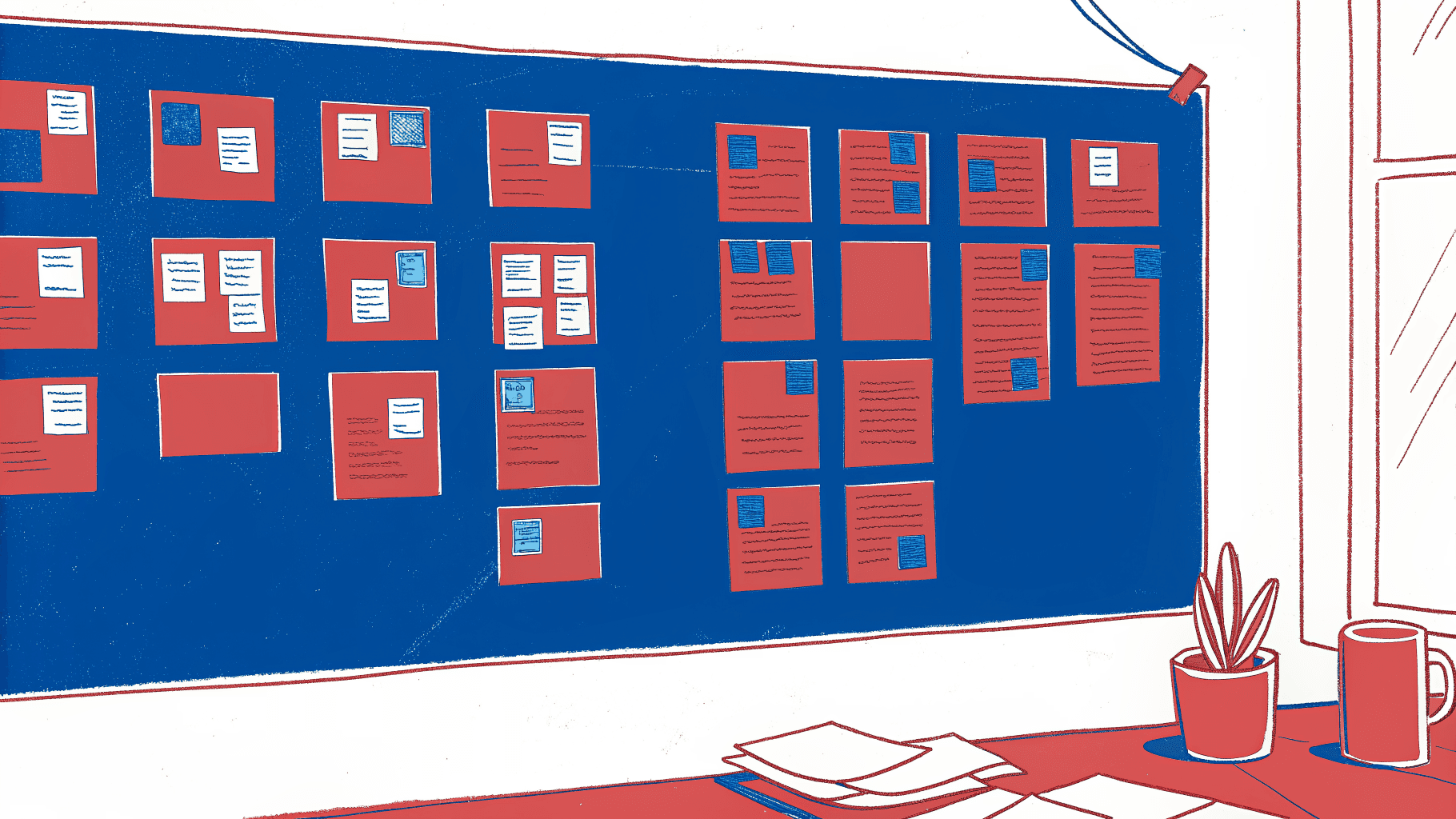
Contact data scattered across individual Outlook inboxes, Excel files, and project management tools makes pipeline visibility nearly impossible, and the CRM that was supposed to solve that problem quietly inherits all the same gaps.
How to Configure HubSpot and Salesforce So Stage Transitions Trigger Automatically
In HubSpot, the most reliable approach is to build deal stage transitions around property-based triggers rather than rep-initiated updates. Set each stage to advance automatically when a specific condition is met: a meeting booked via the calendar integration moves a deal from "Contacted" to "Meeting Scheduled"; a proposal template sent from the CRM moves it to "Proposal Sent."
The CRM Fields That Actually Prevent Deals From Stalling Between Stages
Without last activity date, a deal that has been silent for 21 days looks identical to one touched yesterday. When a team deploys Mobilo's Custom Design NFC Card with QR Code under the Team tier, every tap and scan is unlimited, and the contact record created at the moment of exchange arrives in HubSpot or Salesforce already timestamped with source data populated.
What a Manager Dashboard Should Show and What Gaps Actually Signal
A useful pipeline dashboard shows four things: deal count by stage, average days in each stage, overdue tasks by owner, and deals with no activity in the last 14 days. For CRM admins overseeing teams on Mobilo's Team or Business plan, both of which include team management, central billing, insights and analytics, and 6,000 integrations through Zapier, the dashboard becomes a genuine diagnostic tool only after the capture layer is standardized.
What Metrics Should You Track to Measure Sales Pipeline Health
A conversion rate sitting at 13% sounds like a rep problem, but the number alone doesn't tell you where the pipeline is actually breaking. According to Belkins, the average B2B lead-to-opportunity conversion rate hovers around 13%, so roughly 87% of leads drop off before becoming a real sales opportunity. What makes it actionable is knowing which stage the drop-off happens at, and whether the metric you're reviewing reflects your actual pipeline or just the fraction of contacts that survived manual CRM entry.

Stage-by-Stage Conversion Rates Where Your Pipeline Is Actually Breaking
Stage-level conversion rates are diagnostic instruments for process gaps, not performance grades for individuals. When a specific stage shows a steep drop, that stage's entry criteria, messaging, or handoff process is broken. As Belkins' 2024 analysis explains, isolating the stage lets managers intervene with targeted fixes rather than blanket accountability measures. A team that finds 70% of its pipeline stalls at Prospecting-to-Qualification should audit what information reps are capturing at first contact, not schedule a motivation talk.
Sales Velocity and Average Deal Size as Quota Math Inputs
Sales velocity answers the question managers most need answered: do we have enough in the pipeline right now to hit quota? Multiply the number of active deals by average deal size and win rate, then divide by average sales cycle length. Average deal size tells you how many active leads you must carry at every stage to produce the revenue target at the end, so it functions as a required input rather than a descriptive stat. Belkins' research notes that average deal size combined with stage-level conversion rates determines the minimum pipeline volume needed to hit revenue targets reliably, which means both inputs must reflect clean, complete data to be useful.
When Weak Top-of-Funnel Conversion Points to a Capture Problem
Key takeaway: With a 13% average lead-to-opportunity rate and a significant share of event contacts never reaching the CRM, the effective conversion rate on field-sourced contacts approaches zero before a single follow-up task is created.
Integrating lead capture directly with CRM tools is the structural fix that removes this distortion, and Mobilo is built specifically around that workflow.
Every Mobilo card tier that supports team deployments, including the Teams plan (marked Popular, at $4/month billed annually) and the Business plan (at $5/month billed annually), ships with lead capture and management, lead enrichment, and native integrations through Zapier built in as standard features. Mobilo offers its smart NFC business card in multiple physical materials, Classic, Plastic, Wood, and Metal, each fully customizable with company branding, logos, and design to match professional identity, so reps carry whatever format fits the context, and every format connects to the same capture-and-sync pipeline.
That consistency across formats and plans matters because conversion metrics are only as reliable as the capture layer feeding them. As Belkins notes, the metric only becomes a reliable intervention signal when the underlying capture process is airtight. Mobilo's lead capture and enrichment layer, available across both the Teams and Business plans with unlimited leads and contacts, is what makes that signal trustworthy.
Related Reading
- Business Networking Trends
- Networking Ideas For Small Business
- Business Networking Event Ideas
- Business Networking Conversation Starters
- Business Networking Questions
- Business Networking Opportunities
- Networking Ideas For Virtual Events
- Virtual Networking Ideas For Large Groups
Next steps
If your pipeline keeps stalling despite more coaching and tighter follow-up requirements, the path forward starts with fixing capture before anything downstream can work. Start with our digital business card.
Pipeline health is not determined by how aggressively reps follow up after events, it is determined at the moment of first contact. When 80% of event contacts never enter the CRM, follow-up coaching is solving the wrong problem entirely. Poor CRM data is not a rep discipline problem; it is a process architecture problem that compounds invisibly, silently disabling every automation and sequence built on top of it. Together, those two realities point to one logical next step: close the gap at the point of exchange, before manual entry has a chance to fail.
Start with a digital business card that syncs every contact directly into your CRM the moment a prospect taps or scans. From there, your pipeline fills in real time, ownership assigns automatically, and follow-up sequences fire against complete records, so every contact your team meets becomes a traceable Stage 1 opportunity, not a name that quietly disappears before Monday's pipeline review.
Frequently Asked Questions
What exactly is a sales pipeline, and why does it matter for forecasting?
A sales pipeline is the mechanism that connects every prospecting activity to a forecasted revenue number. It only produces reliable forecasts when it operates on one critical assumption: that every contact a rep meets is actually in the system, because deal velocity, conversion rates, and close probability calculations all depend on that being true.
Why do so many contacts from networking events never make it into the CRM?
The friction of manual data entry is the primary culprit, 90% of new contacts never enter the CRM because it's too much effort, and sales reps spend an average of 5.5 hours per week on manual data entry alone. The contacts that do get entered often arrive days after the meeting, well past the window where a fast response converts, since responding to a lead within one hour makes a company nearly seven times more likely to qualify that contact than waiting just two hours.
How do I build an ideal customer profile that actually improves pipeline quality?
Start with firmographic and situational criteria a company must meet before any outreach begins, industry vertical, employee headcount, annual revenue band, technology stack, and presence of a specific pain point. The ICP only earns its value when it operates as a real-time filter at the point of lead capture, not as a one-time planning document, because every unqualified contact that enters the pipeline skews stage conversion data and inflates the forecast.
What's the biggest lead qualification mistake sales teams make?
The most common mistake is defining qualification around seller activity rather than confirmed buyer behavior, for example, treating "sent a follow-up email" as evidence of qualification. A rep who does this carries dead weight through every subsequent pipeline stage, which is why the post recommends using the BANT framework (Budget, Authority, Need, Timeline) and documenting confirmation at Stage 2 as an objective, shared definition of what "qualified" actually means.
Why do so many B2B deals go dark after the proposal stage?
A significant share of B2B deals that go dark after proposal do so because qualification at Stage 2 was never real, the entry criteria were met on paper but the buyer's problem, decision timeline, and internal stakeholders were never properly documented in Discovery. Deals also frequently stall in later stages because reps never built consensus across the buying committee, relying on a verbal agreement from a single contact instead of multi-threaded relationships across at least three stakeholders and three levels of seniority.