

13 Ways to Expand Your Network and Land Better Opportunities
On This Page
Most professionals aren't networking wrong. They're losing leads in the gap between the handshake and the CRM. Here's how to close it.
Most sales managers and business development professionals assume that the delay between meeting a contact and logging them into a CRM is an unavoidable friction point, just "how networking works," and that good follow-up discipline from individual reps is the only realistic fix. In reality, most professionals who stagnate in pipeline growth are not lazy networkers. They attend conferences, work the room, and leave with pockets full of contacts.
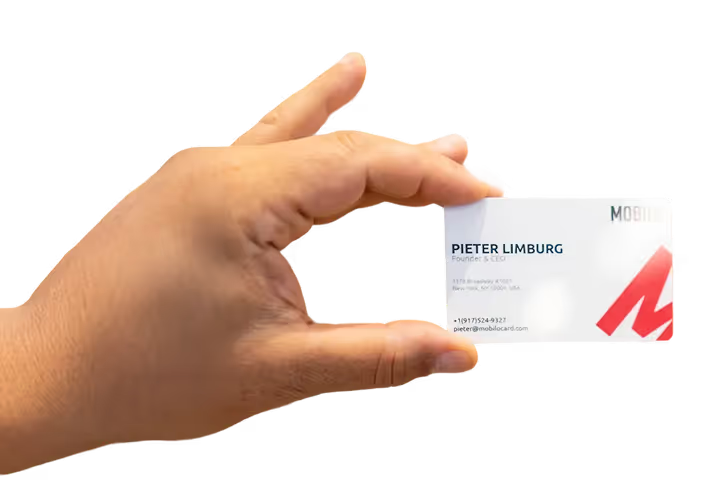
The problem sits somewhere else entirely: between the handshake and the CRM, there is a structural gap that quietly swallows most of the value those conversations create. A digital business card addresses exactly that gap, but the gap itself is worth understanding first. See our digital business card for how this works in practice.

"Networking efforts with professors and TAs yielded vague, non-committal responses ('I'll look into that'), failing to convert relationships into pipeline opportunities."
— what we hear from job-seeking students
Volume feels like progress. It rarely is. Across the market, 79% of event leads never convert to sales, largely because follow-up processes break down after the event ends. A BDR who attends conferences regularly but logs only a small fraction of those contacts into a CRM is not building a network. They are running a treadmill, expending real energy while the pipeline stays flat.
79% of event leads never convert to sales
Professional networking only compounds when contacts enter a workflow. Without that step, every new introduction resets to zero the moment the conversation ends.
Research published in the Journal of Marketing models trade show performance as a multi-stage process: attraction, contact, conversion. The failure point is almost never the first stage. What breaks is the hand-off between contact and conversion, a gap that organizational and resource factors drive far more than individual rep discipline.
The reframe is structural. Pipeline growth is determined by post-contact conversion systems, not by the raw number of handshakes exchanged. Organizations that treat trade show contact acquisition as a measurable, manageable system consistently outperform those that rely on rep-level discipline alone.
Platforms like Mobilo surface exactly where that lag lives by replacing the paper-card exchange with a tap or scan that routes contact data directly into the pipeline in real time, an approach that, by most measures of post-event performance, addresses one of the primary drivers of lost revenue opportunities across sales teams. The standard workflow has a hole in it that drains value before it can accumulate.
Key takeaways
- 90% of new contacts never make it into a CRM, not because reps are lazy, but because manual entry is too much friction after a long event day.
- Networking stagnation is almost never a volume problem. Professionals who plateau are usually attending enough events; they're just losing contacts in the 48-hour window after them.
- The post-event decay window is real: context, conversation details, and intent all fade within two days, which means a follow-up sent on day four is working with a fraction of the original signal.
- Sequence beats volume every time. The 13 tactics in this post are designed to build on each other, skipping steps doesn't save time, it resets your pipeline back to zero.
- A contact capture system isn't a nice-to-have for high-volume networkers, it's the only way to make your conference spend, travel budget, and room-working hours actually compound into pipeline.
- Mobilo Card closes the loop by letting professionals share contact details and capture leads with one tap, syncing every exchange directly into your CRM so no handshake evaporates before the follow-up happens.
The Hidden Cost of Building Your Network Without a System
The 48-Hour Decay Window - Why Your Networking Efforts Stop Converting After the Event
That post-event entry burden is a compounding lead-loss mechanism where every hour of delay shrinks the chance of a reply. Mobilo's Teams plan supports unlimited team members, so a sales manager can deploy digital business cards across the entire sales team quickly and without IT headaches, and every tap or scan flows contact information directly into the CRM at the moment of exchange, eliminating manual re-entry entirely. For organizations that need tighter controls, the Business plan adds HR directory sync, enterprise SSO, and a custom domain, so the same zero-lag capture workflow runs inside whatever identity and tooling stack the business already uses.
Running Out of Cards Mid-Event Is a Measurable Revenue Leak
Key takeaway: According to Cavendish Employment Law (2024), 88% of business cards are thrown away within a week of being received, so the vast majority of physical contact details never survive long enough to be actioned.
88% of business cards thrown away within a week
Running out of cards mid-event compounds that loss at the source: the relationship-forming moment passes with no exchange at all, and there is no recovery mechanism. Mobilo removes the physical constraint entirely. Because the digital profile is shared instantly, the contact exchange happens regardless of whether a physical card is available.
Zero Analytics Means You Are Funding Networking Blind
- Full insights and analytics
- Lead enrichment
- Lead capture and management
- Unlimited leads and contacts
The Teams plan also connects to 6,000 integrations through Zapier, so the data flows directly into whatever CRM or reporting stack the team already runs. When every contact shared via Mobilo's digital business card flows directly into the CRM at the moment of exchange, enriched, structured, and tagged, the 48-hour decay window, the empty card holder, and the blank analytics dashboard become operational gaps a single workflow closes.
13 Ways to Expand Your Network and Land Better Opportunities
Sequence beats volume. Every time. The sales professionals who consistently convert networking into pipeline are not the ones who attend the most events or hand out the most cards. They are the ones who execute the right tactics in the right order, so each step builds on the last instead of resetting to zero. The 13 tactics below are not a buffet. They are a system. Skip item 2 and item 9 loses its raw material. Reorder items 3 and 4 and your follow-up lands cold instead of warm. Work them in sequence and the compounding starts at the first handshake.
Use Analytics to Double Down on What Actually Works
Most sales managers have no idea which events generated real pipeline and which just generated business card clutter. Analytics from a digital card platform tell you exactly which events produced the most followed-up contacts, which reps are converting exchanges into CRM records, and which networking channels are generating conversations versus dead ends. That visibility lets you allocate next quarter's travel and event budget toward the venues that actually compound, rather than the ones that just feel productive. Measurement turns networking from an art into a repeatable system.
1. Define a Target-Contact Profile Before Every Event to Direct Effort Strategically
Before you register for any event, write down the two or three specific roles, company sizes, and industries that map directly to your ideal customer profile. That filter converts a room of 300 people into a qualified shortlist of 20, so every conversation you initiate is already pre-screened. Most events publish attendee lists or speaker rosters in advance. Cross-reference that list against your CRM to spot existing second-degree connections you can activate on the day, rather than starting cold.
2. Follow a Sequential Five-Step Process from Venue Identification to 24-Hour Follow-Up
The five steps are:
- Identify the right venue.
- Define your target-contact profile.
- Capture details frictionlessly during the event.
- Send a value-led message within 24 hours.
- Log the contact with conversation notes before the day ends.
These steps are not interchangeable. Skipping venue selection wastes the follow-up. Skipping real-time capture means the follow-up has no raw material to work from. The sequence is the system; executing any single step in isolation produces diminishing returns on every step that follows.
3. Stand Out in Conversation by Leading with a Curiosity-Driven Question, Then Follow Up with Value
Replace the standard elevator pitch with a single, specific question about the other person's current challenge. This shifts the dynamic from selling to listening, making you memorable. After the event, follow up by sending a relevant article, introduction, or resource tied directly to what they mentioned, turning a one-time exchange into a reason to stay in contact. The tradeoff is that this approach requires genuine preparation and active listening, not a script.
4. Request Warm Introductions via a Mutual Contact Before Sending Any Cold LinkedIn Message
Before sending a cold LinkedIn request, scan your existing network for a mutual connection and ask for a 30-second introduction. Warm introductions convert at a significantly higher rate than cold outreach because the mutual contact transfers credibility before you say a word. The mechanics are simple: identify the target, find the bridge, send a specific ask to the bridge ("Would you be comfortable introducing me to [name]? We both work in [shared context] and I think there is a genuine reason to connect."). That single step reframes you as a referred contact rather than an unsolicited message.
5. Personalise Every LinkedIn Connection Request with a Context-Specific Note Under 300 Characters
Generic blank requests signal low intent and get archived. Engagify's December 2022 guidance is direct: personalizing a connection request with a reference to where and how you met significantly increases acceptance rates and sets the tone for a warmer follow-up conversation. Use the 300-character limit deliberately: name the event, reference one specific thing from your conversation, and state a clear reason to connect. "Enjoyed your question about pipeline visibility at the revenue summit this morning, would value staying connected" outperforms the default message every time.
6. Map Alumni Networks and Past-Colleague Communities as Your First Expansion Nodes
Alumni networks and former-colleague communities are the most underused expansion nodes in most sales managers' networks, because the relationships already carry baseline trust. A shared employer or university creates an implicit social contract that makes outreach feel warm rather than cold. Start by identifying 10 to 15 former colleagues or classmates who are now in roles adjacent to your ICP. A brief, direct message referencing shared history converts at a meaningfully higher rate than any cold outreach, and it seeds a referral channel that compounds as those contacts move into new organizations.
7. Track Which Networking Channels Produce Real Pipeline and Reallocate Time Monthly
Without measurement, networking budget and time flow toward events that feel productive rather than ones that generate pipeline. Set a simple monthly review: for each event or channel you engaged with in the past 30 days, count how many contacts entered your CRM, how many received a follow-up, and how many progressed to a real conversation. That three-number audit surfaces which venues concentrate your buyers and which drain time without compounding. Reallocate accordingly. The professionals who grow their networks fastest are not the most active networkers; they are the most deliberate ones.
8. Participate Asynchronously in Online Communities to Expand Your Network Without Live Events
LinkedIn groups, industry Slack communities, and vertical-specific forums let you build visibility and credibility between events, without requiring a travel budget or a live calendar slot. The tactic that works is consistent, specific contribution: answer a question with a concrete framework, share a data point with context, or flag a resource that solves a problem the thread raised. Avoid promotional posts. Contribution-first participation builds a searchable record of expertise that attracts inbound connection requests from buyers who are already warm before you ever exchange contact details.
9. Build a Cadence-Based Follow-Up System That Keeps Contacts Warm on a Quarterly Schedule
Most networking relationships go cold not because either party lost interest, but because neither had a system to stay in touch. A quarterly cadence fixes that with minimal effort: set a recurring reminder for each high-value contact, then send a brief, specific message tied to something relevant in their world, a role change, a company announcement, a shared industry development. Three to four touchpoints per year is enough to stay top of mind without creating pressure. The contacts who convert to pipeline months after the initial meeting are almost always the ones who received this kind of low-friction, consistent follow-through.
10. Attend Virtual Events with Camera On and a Prepared Breakout-Room Question to Maximise Recall
Virtual events reward preparation more than in-person ones do, because the default behavior of most attendees is camera off and passive consumption. Showing up with camera on and a specific, relevant question ready for the breakout room immediately separates you from the majority. Prepare one question tied to the session topic that invites the speaker or other participants to share a specific experience rather than a general opinion. That question gets you remembered, creates a natural opening for a post-event connection request, and gives you a concrete reference point for a personalized follow-up message.
11. Exchange Contact Details In-Person Using a Digital Card to Eliminate Follow-Up Friction
This is where most of the upstream investment in tactics 1 through 10 quietly leaks out. You have defined your target contact, worked the room with genuine curiosity, lined up warm introductions, and had three conversations worth following up on. Then you hand over a physical card, and the lead dissolves into a pile of unscanned cards on someone's desk. The hidden cost is the lost contact itself, and the follow-up sequence, warm intro, and CRM record your pipeline depends on never get created.
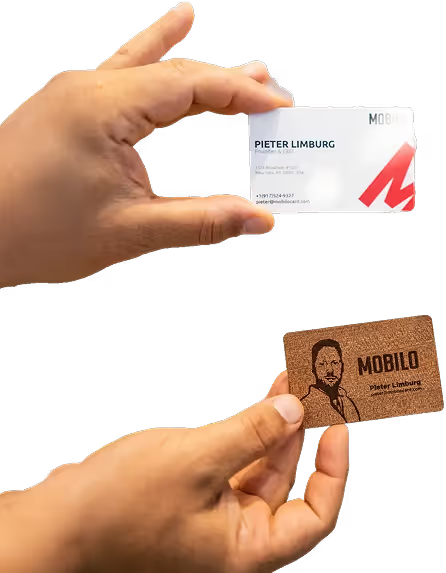
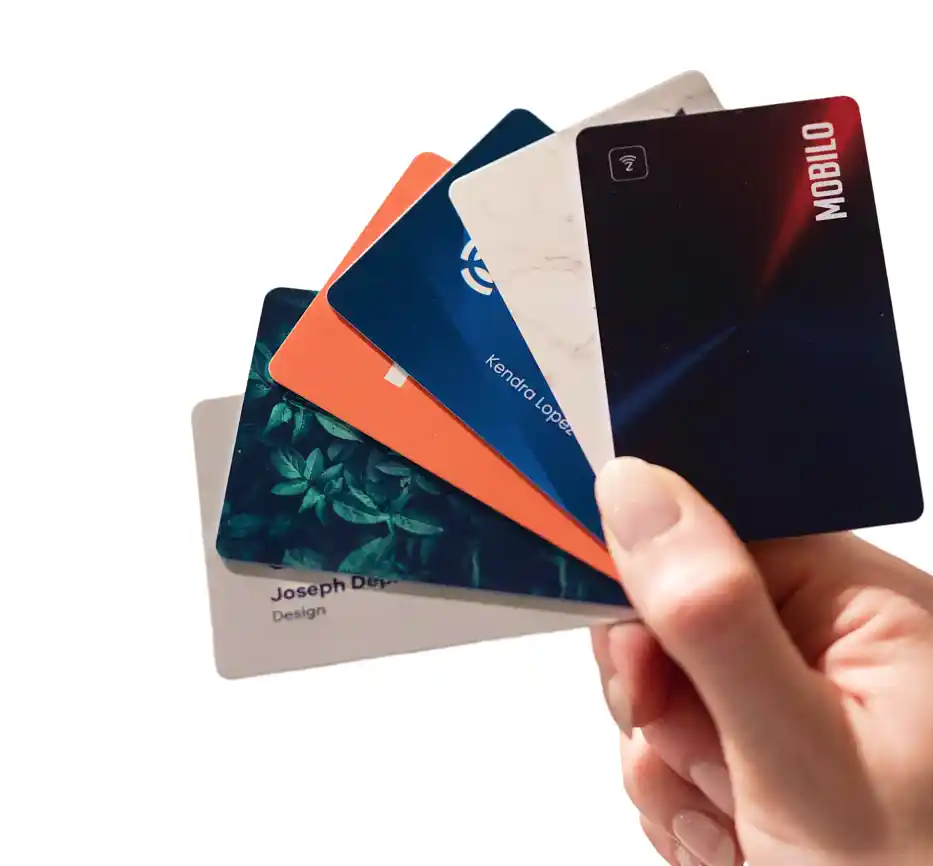
Mobilo's digital business card replaces that paper handoff with a tap-or-scan exchange that pushes contact details directly into the CRM at the moment of meeting. Most beneficial when a team attends events regularly and needs structured lead follow-up, it means every conversation from item 3, every warm intro from item 5, and every follow-up cadence from item 8 has a live, routed record to work from. A contact not captured in real time is a contact statistically unlikely to ever enter the pipeline. The capture system is the prerequisite that all the other tactics assume.
12. Volunteer for a Speaking Slot or Panel to Boost Career Visibility and Attract Inbound Connections
Speaking at an industry event or joining a panel positions you as a subject-matter authority and reverses the networking dynamic, attendees approach you rather than the other way around. Even a five-minute lightning talk generates more high-quality inbound connections than two hours of mingling. Measurable outcome: speakers typically collect two to four times more follow-up requests than attendees. The tradeoff is that preparation time is significant and the opportunity requires an existing baseline of credibility to secure the slot.
13. Offer a Specific, Low-Effort Introduction to a New Contact Within 48 Hours to Cement the Relationship
The fastest way to move a new contact from acquaintance to ally is to give before you ask. Within 48 hours of meeting someone, identify one person in your network they would genuinely benefit from knowing and offer a double opt-in introduction. This act of generosity is memorable, differentiates you from every other person they met at the same event, and creates reciprocity that pays forward over months. The tradeoff is that making poor-fit introductions damages your credibility with both parties simultaneously.
Cement New Connections with a 48-Hour Introduction
The fastest way to convert a new contact into a warm relationship is to give before you ask. Within 48 hours of meeting someone, identify one specific person in your network who would be genuinely useful to them and offer the introduction directly: "I think you and [name] should talk. You are both working on [shared problem] and I think there is a real reason to connect. Want me to make the intro?" That specificity signals that you were listening, it activates reciprocity naturally, and it positions you as a connector rather than a vendor, which is the identity that generates referrals over time.
Related Reading
- Virtual Speed Networking
- How To Scale Business Networking Online
- Business Networking Automation
- Business Networking Skills
- Business Networking Plan
- Strategic Networking For Business Growth
- Where To Network For Business
- How To Build A Referral Network
- Business Networking Tips
How a Contact Capture System Turns Every Handshake into Pipeline
Most sales teams invest heavily in relationship-building strategies but lose the value of those efforts before new contacts ever reach the CRM. The moment a new contact sees you as a connector, they begin mentally cataloguing who in their own network you might benefit from knowing, and whether you are worth keeping close. That calculation happens fast, usually within the first day or two, which means the compounding value of any new relationship either starts accumulating in that window or quietly resets to zero. Whether those contacts entered your pipeline before the conversation faded determines the outcome.
Why 90% of New Contacts Never Reach Your CRM Under Manual Workflows
The failure is a rep discipline problem only on the surface. Keeping the CRM accurate competes directly with the actual job of selling, so the lag between meeting a contact and logging them is a built-in feature of legacy manual processes, not a personal shortcoming. Contact lists also degrade quickly as people change roles and companies, so a card entered two days late is often already partially wrong before it is even saved.
Real-Time Contact Capture
Syncing at the moment of card exchange eliminates the post-event data-entry bottleneck entirely by capturing and routing contact data automatically at the source. A BDR who taps a digital business card at a conference routes the contact's details directly into Salesforce before the conversation ends, and that speed matters beyond mere convenience. Lead response time has a direct, documented impact on conversion rates.
Key takeaway: The odds of making contact increase 100 times if a lead is called within the first five minutes rather than 30 minutes. Automated lead capture at the point of exchange is the only workflow that structurally guarantees that speed.
The Missing Link - Embedding Contact Capture Into Every Handshake
NFC and QR technology built into a digital business card closes that gap by making the capture layer part of the handshake itself, not a separate step that follows it. The CRM grows in real time alongside the activity generating it. Effort compounds into pipeline rather than administrative debt. One honest caveat: this approach delivers the most value for teams that meet prospects in person regularly, and its impact scales directly with the volume of those face-to-face interactions. Every strategy in this article is only as powerful as the system that catches what it generates, and real-time contact capture is what ensures nothing slips through.
Next steps
If your networking investment keeps dissolving between the handshake and the CRM, the path forward starts with building capture into the exchange itself, not into the calendar slot three days later. Start with our digital business card.
The data is direct: 90% of new contacts never reach a CRM under manual workflows, which means nearly every tactic in this list, from the curiosity-driven opening question to the three-touch follow-up sequence, loses its raw material before it can convert. And because the qualifying signal from any conversation, the pain a contact expressed, their buying urgency, the conversational context, exists only in the minutes after that handshake, a delayed logging workflow does not just slow the pipeline down. It permanently deletes the intelligence that would have fed it. Together, these two realities point to one logical next step: a capture system that runs at the moment of introduction, not the morning after.
Start with a digital business card from Mobilo. Every tap or scan routes contact details directly into your CRM in real time, with no manual entry step, no batch processing the night after the event, and no dependency on individual rep follow-through. The networking effort is already spent. A capture system built into the handshake is what makes it compound.
Frequently Asked Questions
Why do I keep meeting people at events but never see any pipeline growth?
The problem is usually structural, not motivational. There is a gap between the handshake and the CRM that quietly swallows most of the value those conversations create, without a system that routes contact data directly into a workflow at the moment of exchange, every new introduction resets to zero the moment the conversation ends.
How soon after a networking event should I follow up with new contacts?
Follow up within 24 hours, and treat that as the outer limit, not the target. The longer you wait, the colder the connection becomes and the lower your chance of a meaningful response. Build the follow-up sequence into your calendar before the event so execution is automatic rather than aspirational.
What's the best way to actually convert event contacts into real opportunities?
A structured three-touch follow-up sequence over two weeks works well: a value-led message within 24 hours, a second touch around day five referencing something relevant in the contact's world, and a direct low-friction ask around day 14. This rhythm mirrors how buyers actually move from awareness to consideration.
Does it matter which events I attend, or is more networking always better?
It matters a great deal. Industry-specific conferences, vertical trade shows, and peer roundtables tend to concentrate buyers with shared problems and active budgets, while general business mixers often deliver contacts too far outside your ideal customer profile to convert. Allocating your event budget toward venues where your buyers go to solve problems raises your conversion rate before you say a word.
How do I know which events or reps are actually generating pipeline and which aren't?
Without tracking data attached to contact exchanges, networking budget gets allocated by gut feel rather than conversion data, meaning high-performing venues can get defunded while low-yield events keep receiving headcount. A digital card platform with full insights, analytics, lead enrichment, and lead capture gives sales managers the attribution layer needed to judge which events, reps, and conversation types are actually generating pipeline.