


Best Business Cards for Networking Tips That Actually Work
On This Page
Most business cards are binned within a week. Here is why the problem is never discipline, always timing, and what fixes the gap before a single lead slips out of your pipeline.
Eighty-eight percent of business cards handed out at networking events are thrown away within a week. That single figure exposes the real problem: the card exchange feels like a win, but it is only the opening move in a chain that almost always breaks before it reaches a CRM. Most business cards exchanged at networking events never lead to real follow-ups, creating a broken link between initial contact and pipeline entry.
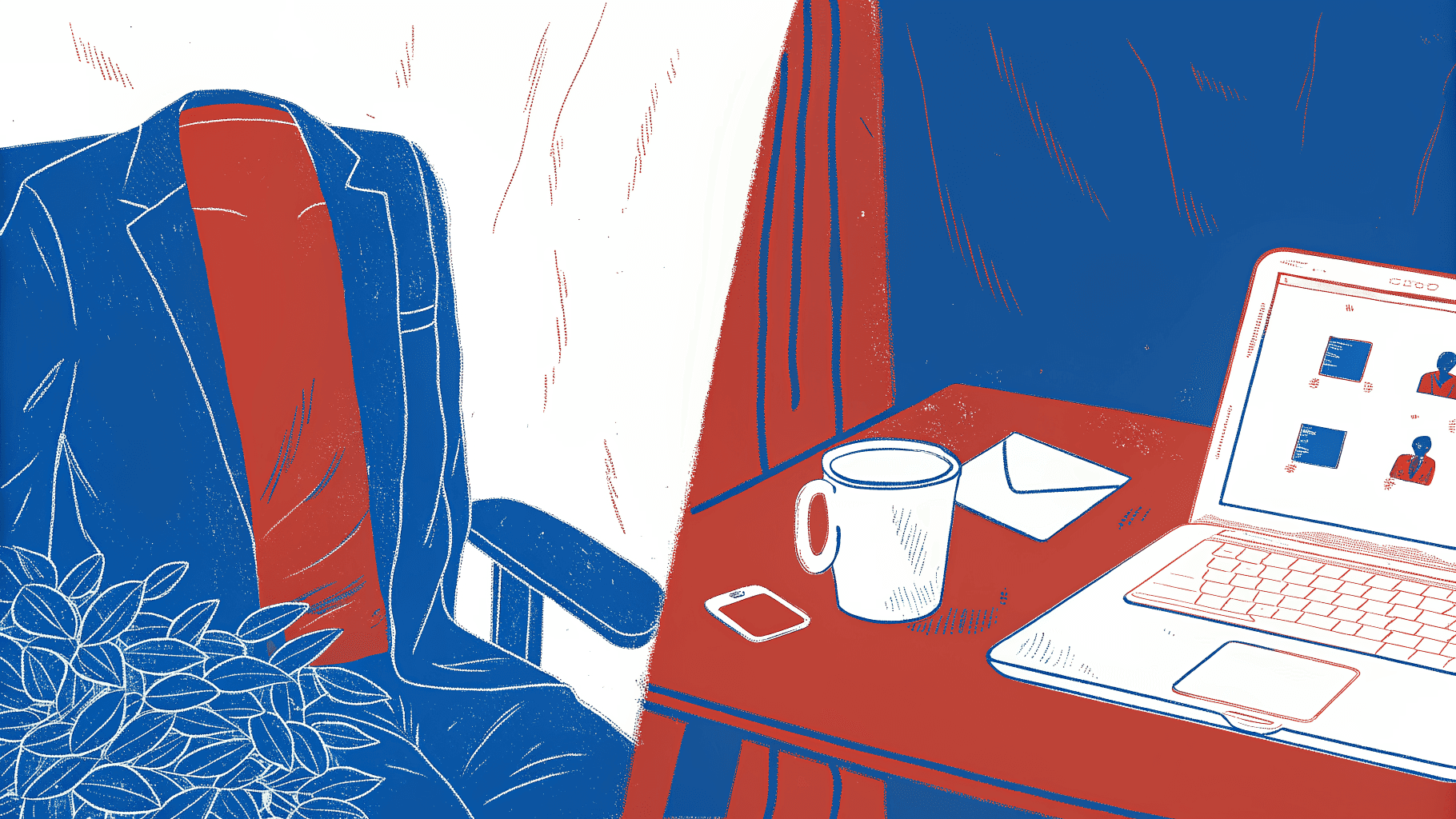
The gap is structural. A rep leaves an event with a fistful of cards and the best of intentions. Then Tuesday morning arrives, the inbox is full, and those cards are still sitting in a jacket pocket competing with every other post-event task. That competition is one most leads lose. The break in the chain is a timing problem. The moment of exchange and the moment of data entry are separated by days of competing priorities, and that lag is where pipeline dies.
A card sitting in a pocket is a reminder that requires action, and reminders without systems are just good intentions. Most sales managers and business development professionals believe this post-event data-entry lag is an unavoidable cost of in-person networking: cards get exchanged, notes get taken, and someone eventually enters it all into the system. The delay is accepted as normal.
Research on B2B lead response shows that conversion likelihood drops sharply when follow-up is delayed beyond 24 hours after initial contact. In fact, responding within 5 minutes makes you 21x more likely to qualify a lead, underscoring just how steeply conversion odds fall as response time grows. Most post-event CRM entry happens days later, not hours. That timing gap does not just slow the pipeline; it effectively closes it for a significant share of contacts who have already moved on or engaged with a faster competitor.
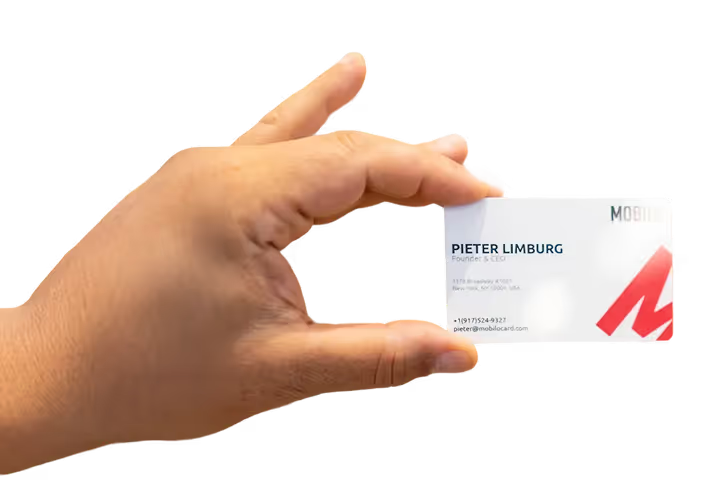
Our understanding of in-person networking workflows consistently confirms that the gap between the moment a card changes hands and the moment that contact appears in a CRM is precisely where networking ROI is lost, and that relying on manual follow-up discipline after an event consistently fails to close it. Tools like Mobilo's NFC business card address this by routing the contact directly into the pipeline at the moment of the tap, so the gap never opens in the first place. The card exchange is only as valuable as the workflow it triggers, and that workflow starts before the conversation ends, not the following Monday morning.
Key takeaways
- 88% of business cards handed out at networking events are thrown away within a week, the card exchange feels like a win, but the pipeline entry almost never follows.
- 90% of new contacts never reach a CRM because manual data entry after an event is too much friction, not because reps forget to care.
- The card format, paper vs. digital, determines whether the post-handshake workflow succeeds or fails, often before the conversation is even over.
- Every field on a business card is a live data point in a capture chain; one broken link and the handshake never becomes a pipeline entry.
- Card design earns a second look, but it's the sixty minutes after the card leaves your hand that decides whether that look turns into a CRM row.
- Without tap data, contact logs, or rep-level attribution, a sales director reviewing event spend has no way to coach, cut, or scale what's working.
- Mobilo's NFC card closes the structural gap: one tap against any smartphone syncs the contact directly into your CRM, no app on the recipient's end, no manual entry, no lag.
What Information on a Networking Business Card Actually Moves Prospects Forward
Every field on a networking business card is a live data point in a capture chain.

The Five Fields Every Networking Card Needs
- Full name
- Current title
- Company
- A direct phone number
- A professional email
But none of them drives immediate action the way a QR code does. Teams report that adding a QR code to a business card increases engagement by up to 40%. There is a subtler risk here that is easy to overlook: the critical moment of a digital card, the one-tap contact save, can be buried behind visual effects like 3D animations, so prospects find it harder to take immediate action. The tap, the scan, the save, those micro-actions are the entire point, and anything that obscures them is working against you. When the information on your card doesn't match what a prospect finds when they search your name, the credibility gap opens before you've sent a single follow-up email.
How Stale Card Data Destroys Trust
Across the market, outdated or incorrect information signals disorganisation to the recipient and creates a worse first impression than having no card at all. Mobilo's NFC business card solves this at the infrastructure level. The profile behind the tap is updated instantly in the dashboard, so the card in a rep's wallet always points to accurate, live contact details.
Setting up and deploying digital business cards across an entire sales team can happen quickly and without IT headaches, a real consideration when you're managing Unlimited team members under Mobilo's Teams plan ($4/month, billed annually) or Business plan ($5/month, billed annually). Both plans include team management, insights and analytics, lead enrichment, and 6,000 integrations through Zapier, so the card itself is the first link in an automated capture chain rather than a manual data-entry task.
Running Out of Cards Is a Pipeline Failure
For every 2,000 business cards distributed, a company's sales increase by an average of 2.5%. For teams that need a zero-cost starting point, the Team Digital Wallet Card carries the same unlimited taps and scans and the same team management and data-field control at $0 for the card itself plus the $4/month Teams plan. Contact information and digital profiles are shared instantly, and the supply never runs out, because there is no physical supply to exhaust.
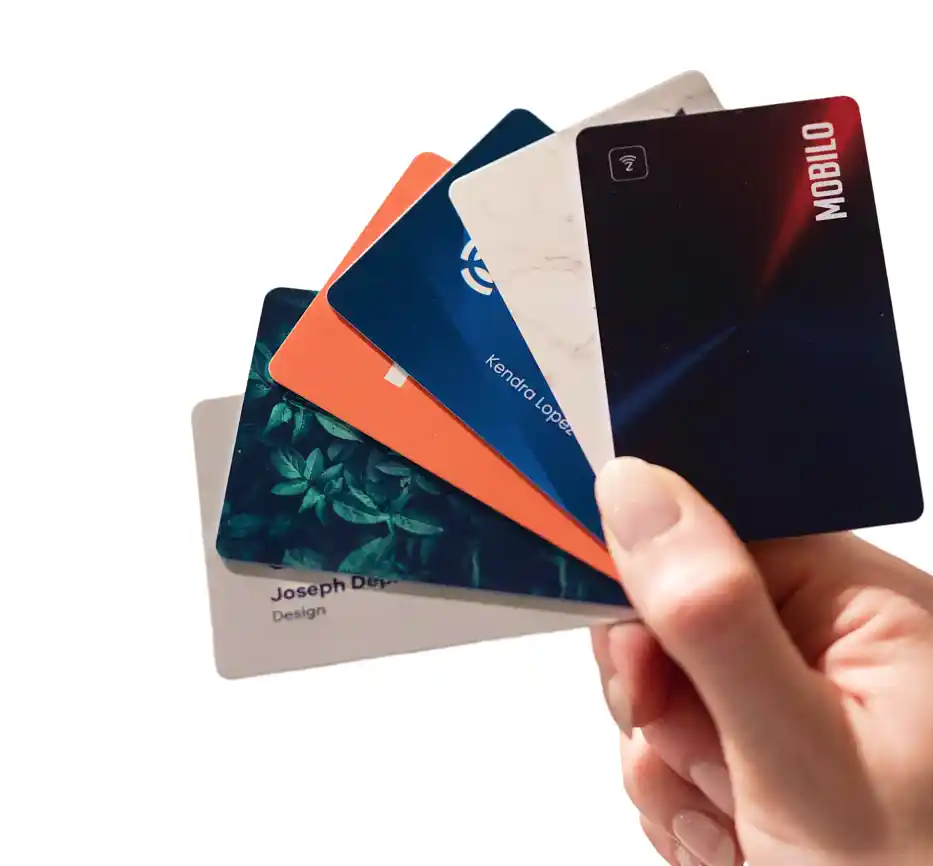
Designing a Networking Business Card That Earns a Second Look and a CRM Entry
Every design decision is worth running through one operational filter: does this increase the probability that the recipient takes a digital action at the moment of exchange?

Keep the card surface focused on prompting that action rather than resolving every question about who you are; the linked profile is the right place for that.
Information Hierarchy as Conversion Architecture
The eye should land on your name first, your value in one line second, and the action trigger third. That sequence is not intuitive for most designers, who default to centering the logo at the top. A cleaner priority order looks like this:
- Name
- Role
- One contact method
- The digital trigger
For team admins managing cards across a large field force, Mobilo's Team plan ($4/month per member, billed annually) includes the ability to control, lock, and override data fields across the entire team, which means the hierarchy you set in design is the hierarchy that ships, consistently, across every card in your fleet.
Placing the QR Code or NFC Tap Zone for Maximum Action
Size and placement both matter: a QR code smaller than 2.5 cm square at arm's length is effectively invisible, so give the trigger enough real estate to actually be used. For team admins and design teams handling branding assets at scale, Mobilo's Team plan includes brandable QR codes and personalized business card templates, so the trigger placement and prompt copy you design once roll out consistently across unlimited team members, without each individual card holder making a separate design decision. Individual buyers on the Pro plan ($3/month, billed annually) get the same brandable QR codes and personalized templates for a single-seat workflow, with the option to move to a Team or Business plan as the team grows.
Digital vs Physical Business Cards for Professional Networking Events
Most sales and BD professionals treat digital versus physical as a matter of personal taste or industry convention, but the operational data tells a different story: the card format itself determines whether the post-handshake workflow succeeds or fails, often before the conversation even ends.

Three Pipeline Risks Inside Every Physical Card
- Supply exhaustion: Cards run out during busy shows, turning a high-volume event into a lost-contact problem at exactly the wrong moment.
- This is a particularly acute pain for professionals whose card usage is wildly uneven, spending nearly the entire year without touching a business card, then burning through fifty cards across a single two-day conference window.
- Data staleness: A title change, a new phone number, or a rebranded email domain means every card in circulation becomes a source of friction rather than a pipeline trigger.
- Manual transcription lag: Contact details collected on physical cards must be entered into a CRM after the event, introducing delay and error at the one moment when speed matters most.
The Hybrid Reality - NFC Cards Without the Operational Debt
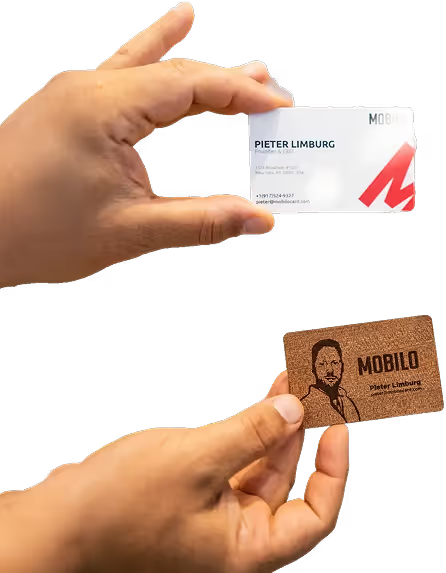
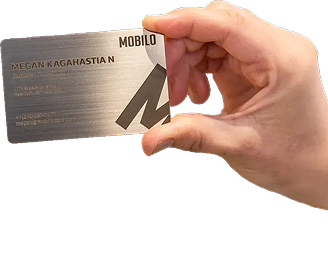
NFC cards resolve all three risks in a single tap: one tap shares a full digital profile to any smartphone, no app required on the recipient's end, and the contact syncs directly into a CRM in real time. Mobilo's NFC cards are most beneficial when professionals attend frequent in-person networking events or hold client-facing roles, precisely the use case where physical card supply runs out, data goes stale, and manual transcription introduces the most lag. For teams, the Team tier (starting at $4/month, billed annually) pairs the physical card with full team data analytics, CRM integrations, lead enrichment, central billing, and the ability to control, lock, and override data fields across the whole group, so what a rep taps at a Tuesday morning session is already structured and enriched before Thursday's follow-up call. Card options under the Team tier range from a Digital Wallet Card (included at $0 + the $4/month subscription) through Paper Plus, Custom Design NFC, Wood, and Metal formats, so teams can match the physical card to their brand and context without sacrificing the digital capture layer.
Related Reading
- Virtual Speed Networking
- How To Build A Referral Network
- Business Networking Automation
- How To Scale Business Networking Online
- Business Networking Skills
- Business Networking Plan
- Strategic Networking For Business Growth
- Where To Network For Business
- Business Networking Tips
How to Use Business Cards at Networking Events So Contacts Actually Enter Your Pipeline
Those thirty seconds pass, the card lands in a pocket or a bag, and the conversation that felt like momentum becomes one of a dozen identical exchanges neither person will remember clearly by morning. The stack you carry home looks like pipeline. It almost never is. One of the most consistent struggles professionals face after networking events is exactly this: contacts end up scattered across physical cards, WhatsApp messages, emails, and event lists, with no centralized system to track or act on any of them. The result is lost leads and a structural failure that compounds silently across every event, every rep, and every quarter.
Practitioners and researchers who study in-person sales workflows consistently identify the same failure point: the gap between card exchange and CRM entry is where warm leads are lost, and manual bulk data entry after an event is the single biggest structural obstacle to converting in-person networking into business relationships. The contact who felt like a genuine opportunity on the conference floor is a name on a card by Sunday night, and a forgotten record with a missing job title by Tuesday. Industry research consistently notes that the way professionals exchange and follow up on contact information has a direct effect on whether those connections ever develop into anything real. The right workflow for using business cards at networking events is eliminating the post-event step altogether.
Why Collecting Business Cards at Networking Events Is Not the Same as Building Pipeline
Accumulating cards at an event feels like momentum. It is closer to a vanity metric. The mechanism is straightforward: a card exchange is only the beginning of a networking interaction, not the end. Leaving that card in a pile means the relationship stalls before it starts. Collecting cards is a passive act; immediate digital capture is the active one. The professionals who convert networking into pipeline close zero gaps between exchange and CRM entry.
This is compounded when contacts end up scattered across physical cards, WhatsApp threads, email chains, and handwritten event lists, with no centralized place to act on them. Mobilo resolves this at the structural level: every tap routes into a single system, and for teams, the admin dashboard gives managers visibility across every rep's captures in one place.
1. Treat the Card Exchange as a Workflow Trigger, Not a Conversation Closer

The card exchange is the moment a contact either enters your pipeline or disappears into a jacket pocket forever. Most sales professionals treat the handoff as a social gesture and defer the data work until later, but later is where leads die. The right mental model is simple: the exchange is the trigger, and the CRM entry is the immediate output. If the card does not initiate a capture workflow before you move to the next conversation, the relationship has already stalled. Industry research makes the point plainly: a card exchanged without a follow-up system behind it is little more than a social gesture. The infrastructure that turns the gesture into a logged contact is what separates pipeline from a pile of cardboard.
2. Collecting a Stack of Cards Is Not Networking - Immediate Digital Capture Is

Returning from an event with fifty cards in your pocket is a vanity metric. Real networking is the active step that happens at the moment of exchange: scanning, tagging, and pushing the contact into a live system while context is fresh. Passive collectors lose the conversation within 48 hours. The limitation: digital capture tools require a charged phone and a practiced habit, neither is guaranteed on a busy event floor.
3. Manual Bulk Upload After the Event Is Where Warm Leads Go Cold
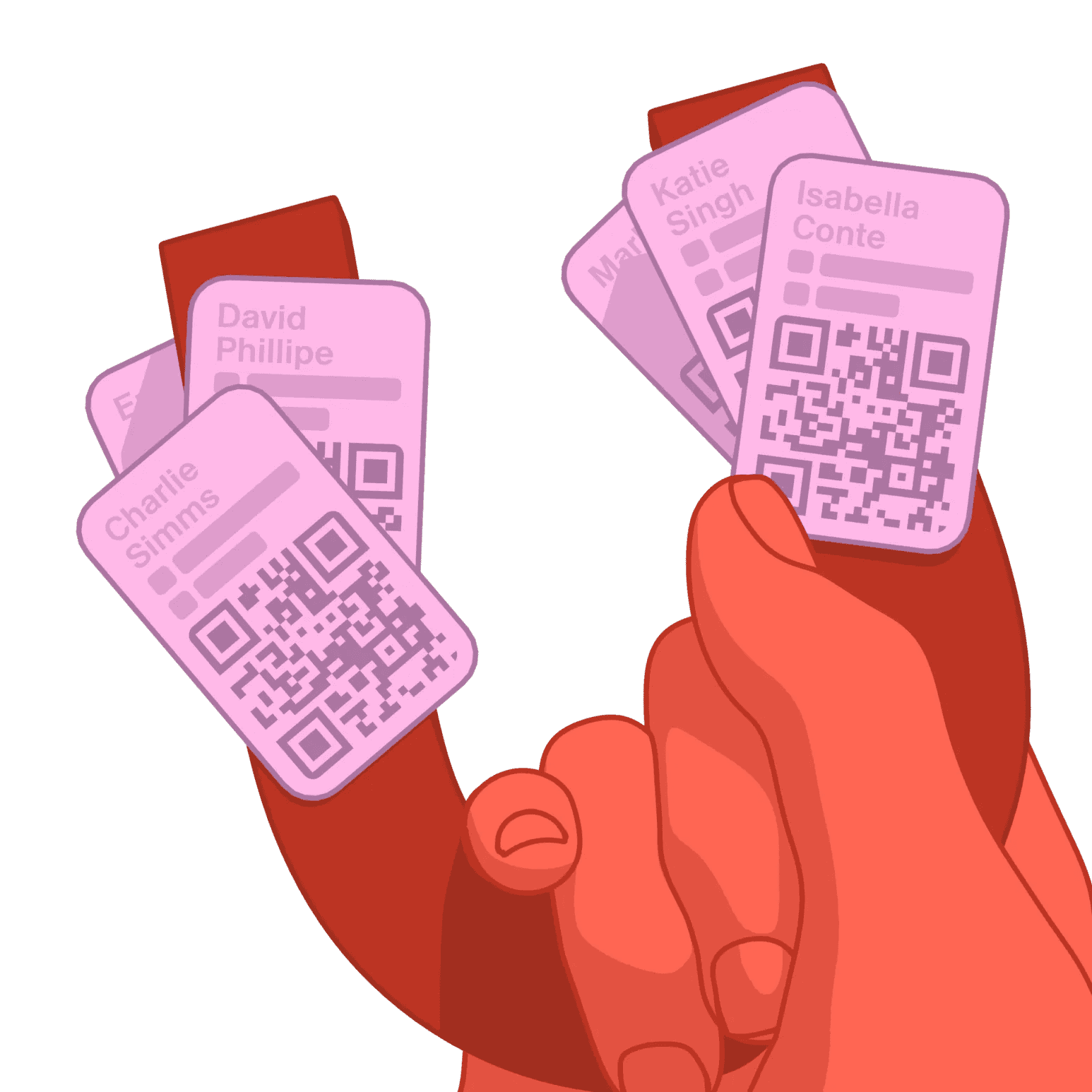
The Sunday-night data-entry session is accepted across sales teams as an unavoidable cost of networking. It is not unavoidable. It is a structural failure built into the paper-based workflow. Contacts entered 24 to 72 hours after an event are missing context, entered incompletely, or skipped entirely when fatigue sets in. Every hour spent on bulk uploads is an hour the lead has been cooling, and every record created under exhaustion is a deal that will never be correctly attributed to the event that sourced it. The post-event session documents how wide the gap already became. Industry research observes that the window for meaningful follow-up is narrow, and any workflow that adds hours between exchange and entry is working against the rep, not for them.
4. Tap, Confirm, Move On - The Three-Second Pipeline Entry That Works on the Event Floor
NFC-enabled business cards let you tap a contact's phone, watch their profile load, and confirm the lead is already in your pipeline before you reach the next booth. This three-second sequence replaces the scan-later promise that never happens. It works best at high-volume trade shows where conversation time is short. The one real limitation: the recipient must have NFC enabled and a compatible device, which still excludes a small but real percentage of contacts.
5. Add a Context Note at the Moment of Exchange So the CRM Record Is Actually Useful
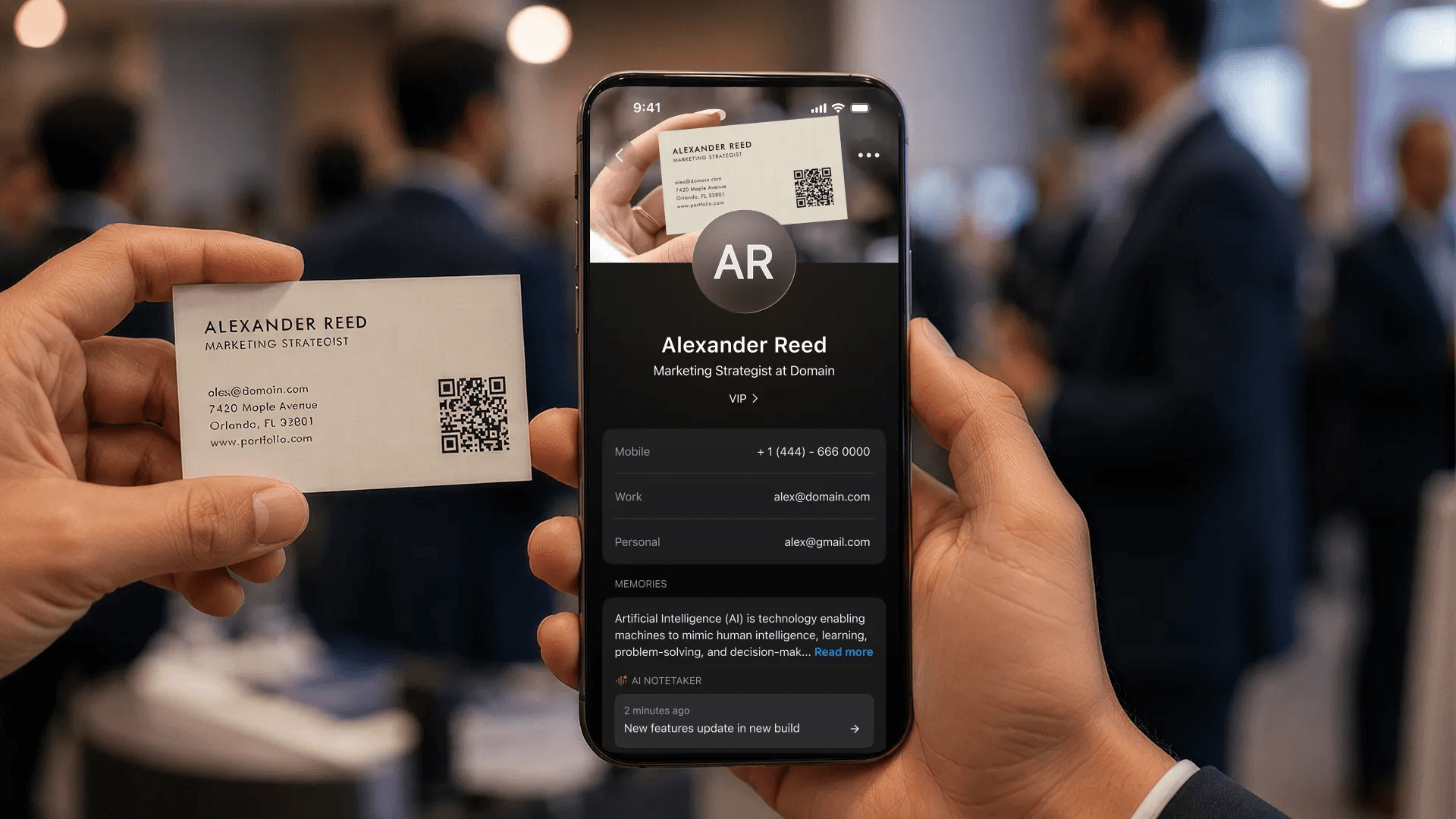
A contact record with only a name and email is nearly worthless a week later. The workflow that moves leads into pipeline must also capture a one-line context note, what was discussed, what problem they named, what the agreed next step is, entered at the moment of exchange while the detail is still accurate. Networkers who skip this step create CRM clutter, not pipeline. The tradeoff: it adds five seconds per exchange, which compounds at high-volume events.
The Networking Card Visibility Gap That Makes It Impossible to Coach Your Team
A sales director reviewing Q3 event spend with no tap data, no contact logs, and no rep-level attribution is facing more than a reporting inconvenience. The post-event data-entry lag is widely treated as an unavoidable structural cost, a workflow constraint the paper-card format imposes on every team that uses it, not a reflection of any individual rep's effort.

Why Card Distribution Count Is the Wrong Coaching Metric
Without outcome data, volume becomes the only available proxy for performance, and it is a poor one. This is one of the sharpest structural problems sales managers face at trade shows: they have no visibility into who their reps are actually meeting, which means it is structurally impossible to coach on follow-up quality, contact prioritization, or conversation outcomes after the event ends.
The Coaching Blind Spot, How Paper Business Cards Hide Your Team's Best Networking Behaviors
That visibility gap is what digital card platforms are designed to close. Mobilo's team dashboard surfaces every tap a rep makes as a real-time data point, turning networking from a faith-based activity into a measurable, coachable team behavior. Teams on the popular Teams plan, at $4/month per user, billed annually, get full team data analytics, CRM integrations, team management controls, and the ability to lock and override data fields across the entire roster, so admins can ensure every rep's card captures exactly the information the team needs. For teams that want to step up to enterprise-grade controls, the Business plan adds HR directory sync, enterprise SSO, a custom domain, and white-glove onboarding (for teams of 100 seats or more), all at $5/month per user billed annually.
How a Digital Business Card Turns Every Handshake Into a Pipeline Entry
The moment a prospect taps a digital business card against their phone, something structurally different happens: the contact exchange and the CRM entry become the same event. It is a system redesign that fixes the three failure points that sections above named as structural, not behavioral.

One Tap Closes the Gap Between Handshake and CRM Row
The problem is what happens to conversion probability during that delay. Lead response research consistently shows that qualification odds decay sharply within minutes of an initial contact. The longer the gap between exchange and outreach, the lower the probability that the prospect is still warm when you reach them. Every hour a contact sits un-entered is an hour of decaying probability.
When a Mobilo NFC business card is tapped, the recipient's contact details are captured immediately, with no app required on their end. The rep's profile is always current because a team admin controls and updates it centrally, so the card handed to a VP at 9 a.m. reflects the same information as the one tapped at 4 p.m., and every captured contact lands where it belongs without a manual step in between.
Real-Time Zapier Sync Turns a Tap Into an Automatic CRM Entry
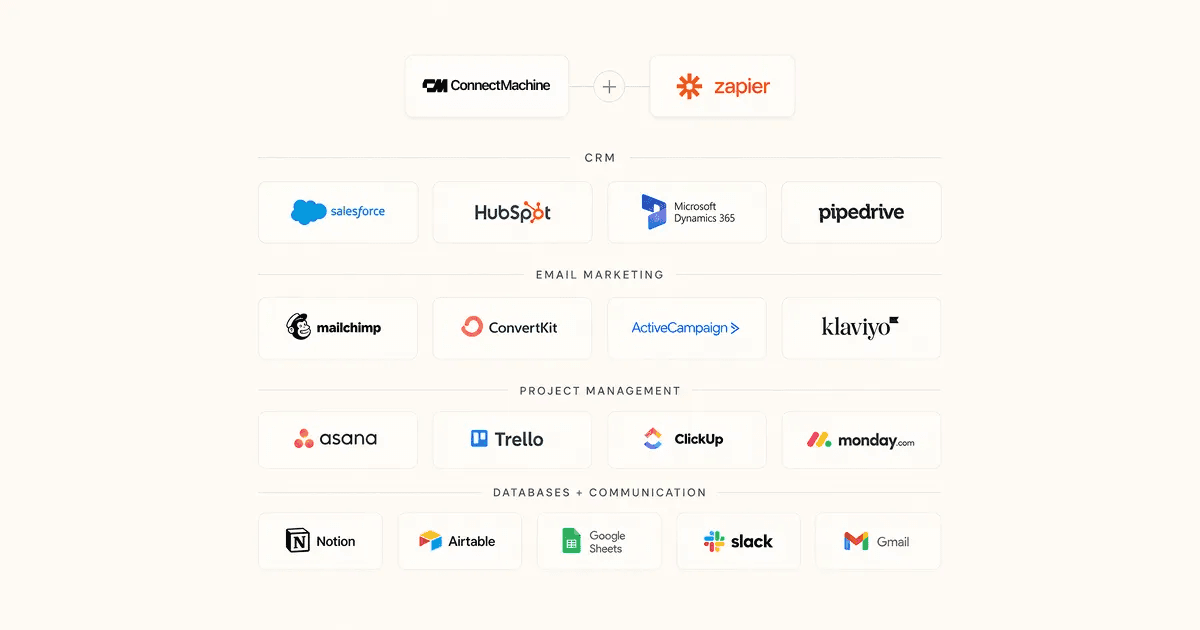
On the Teams and Business plans, both built for multi-rep deployments, Mobilo connects through Zapier, so a tap event at a conference booth can trigger an automatic entry in HubSpot, Salesforce, or whichever CRM the team runs, before the conversation even ends. Mobilo's Zapier integration has been independently verified to support a wide range of app connections, so the tap-to-CRM path works with the tools sales teams already run without custom development. For organizations with multiple reps in the field, on the Teams or Business plans, the compounding cost of manual entry across the group each week is the clearest argument for the tap-to-CRM workflow.
Team Dashboards Turn Tap Data Into a Coachable Metric
That tells a manager nothing about which reps, events, or conversations generated pipeline. Mobilo's team-level analytics change the unit of measurement, giving managers visibility across the entire field operation in one place. Managers see which reps generated the most contacts, which events produced the highest engagement, and where follow-up stalled. Instead of asking "how did the trade show go?", a manager can ask "why did three reps generate twice the tap volume of the other twelve?" Every feature mapped here, the tap, the sync, the team dashboard, exists to answer one question: did this handshake make it into the pipeline?
Related Reading
- Business Networking Trends
- Business Networking Opportunities
- Networking Ideas For Small Business
- Business Networking Event Ideas
- Business Networking Conversation Starters
- Business Networking Questions
- Networking Ideas For Virtual Events
- Virtual Networking Ideas For Large Groups
Next steps
If your post-event stack of cards keeps turning into a Sunday-night data-entry session that ends with half your contacts already cold, the path forward starts with eliminating the post-event step altogether. The exchange itself has to be the capture event, with the CRM entry happening before the conversation ends, not after the event closes. Start with our digital business card.
The design of a card is only as valuable as the workflow it triggers at the moment of exchange, which means a card without a digital trigger is structurally incapable of reliably converting a first impression into a pipeline entry regardless of how well it looks. That is not a rep discipline problem. At the same time, lead qualification probability collapses by more than 80 percent within five minutes of an initial conversation, which means any workflow that defers CRM entry to a later session is working against the rep from the moment the handshake ends. Together, those two realities point to one action: replace the paper card with a tap-to-CRM workflow that logs the contact before you move to the next conversation.
Start with a digital business card from Mobilo. One tap shares your live profile to any smartphone, no app required on the recipient's end, and the contact syncs directly into your CRM through 6,000 integrations via Zapier. The follow-up window stays open. The lead stays warm.
Frequently Asked Questions
Are business cards still worth using at networking events?
Yes, but only if they trigger an immediate digital action. The card exchange is only as valuable as the workflow it triggers, a card that earns a compliment and then stalls in a jacket pocket has failed structurally, not aesthetically.
Why is collecting business cards at events not the same as actually networking?
Collecting cards is only the opening move in a chain that almost always breaks before it reaches a CRM. Research on B2B lead response shows conversion likelihood drops sharply when follow-up is delayed beyond 24 hours, and most post-event CRM entry happens days later, meaning a significant share of contacts have already moved on or engaged with a faster competitor.
What are the most important things to put on a networking business card?
The non-negotiable five are full name, current title, company, a direct phone number, and a professional email. But a QR code outranks all of them, because adding one increases engagement by up to 40% and collapses the distance between receiving the card and taking the next step.
How do I follow up after exchanging cards before the lead goes cold?
The post argues the follow-up window has to start at the moment of exchange, not days later. Tools like Mobilo's NFC business card route the contact directly into your pipeline at the moment of the tap, so the lag between card exchange and CRM entry never opens in the first place.
What should an early-career professional or intern put on their networking card when they don't have a clear title yet?
Lead with whatever gives the recipient the clearest reason to take a digital action, whether that's a job title, a student affiliation, or a team name. The card surface is not the place to resolve an identity question; the linked profile is, so get the card to the scan and let the profile carry the nuance.